Category Archives: retailers loyality

12 Health Red Flags & Natural Healing Options While You Wait for a Doctors Appointment”

“Your Body Speaks Before Illness Strikes—12 Health Red Flags & Natural Healing Options While You Wait for a Doctors Appointment”

Doctor Appointments Are Hard to Get—Here’s How to Read Your Body’s Warning Signs & Find Healing Support Now” Getting a GP appointment in the UK has become increasingly challenging in certain regions throughtout the UK, with many patients waiting many days or weeks just to be seen. But your body doesn’t always wait—it sends signals usually well in advance (that many of us ignore) when something isn’t right.

Learning to recognise these signs can help you take action early and seek support from alternative health advisors or natural remedies while you wait for medical care.

Note: Before i go on I must state that this is not medical advice. Please consult a doctor or qualified professional if you have serious symptoms.

In this article, we’ll discover together 12 warning signs your body may give you, including fatigue, weight changes, skin issues, hair loss, and more. We’ll also explore what you can do in the meantime to support your body’s internal healing and where to find trusted alternative health practitioners in the UK.

Your body is constantly communicating with you. Sometimes the signs are subtle—easy to ignore or brush off as “just stress” or “getting older.” But persistent or unusual changes may be your body’s way of waving a red flag, signaling that something deeper needs attention.

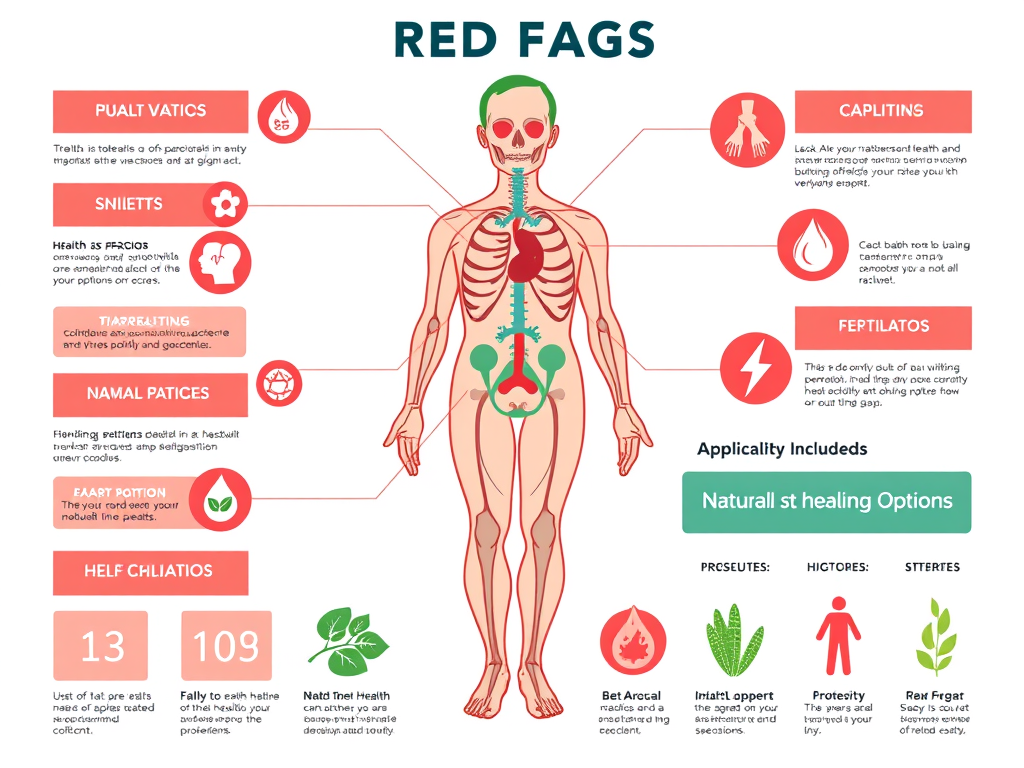
Here are 12 ways your body may be trying to tell you something is wrong, plus two extra signs that are often overlooked.

1. Persistent Fatigue Feeling drained all the time, even after a good night’s sleep, isn’t just about being busy. Chronic tiredness can signal conditions such as anemia, thyroid imbalances, sleep apnea, or chronic fatigue syndrome. If rest doesn’t restore your energy, it’s worth exploring with a doctor.

2. Unexplained Weight Changes Noticeable weight loss or gain without changes to diet or exercise can point to underlying issues like thyroid disease, hormonal imbalances, diabetes, or even gastrointestinal problems. Gradual weight changes are common, but sudden shifts deserve attention.

3. Skin Changes Your skin is a window into your overall health. Sudden rashes, unexplained bruises, persistent dryness, or new moles can indicate allergies, infections, autoimmune disorders, or even skin cancer. Never ignore changes that seem unusual or that don’t heal.

4. Digestive Upsets Frequent bloating, indigestion, diarrhea, or constipation could indicate food intolerances, irritable bowel syndrome (IBS), ulcers, or more serious conditions like Crohn’s disease. The gut is often called the “second brain,” and disturbances here can be an early clue of imbalance elsewhere in the body.

5. Chronic Pain Pain that lingers without an obvious cause—whether in the joints, muscles, or nerves—can signal arthritis, fibromyalgia, nerve damage, or hidden infections. Chronic pain should never be dismissed as “just getting older.”

“As a millennial with the long-term health conditions of a boomer, I can identify with this mindset. I’ve always been ideologically against private healthcare, to the extent that when that Bupa advert comes on the TV where the woman in remission from cancer dances joyfully, I involuntarily yell: “Parasites! Did she have to sell her home to pay for chemotherapy?!” But with NHS waiting lists still sky high, like many, I’ve found myself relying on private healthcare for the first time. When I had nerve damage in my arm and was struggling to type this column, I reluctantly booked an appointment with a private physiotherapist rather than waiting several months on the NHS. Without private insurance, I paid the £75 an hour cost and felt lucky that I could afford to.”
source: https://www.theguardian.com/commentisfree/2025/aug/20/private-healthcare-nhs-young-people?

6. Unusual Bleeding Blood in the stool, urine, or persistent vaginal bleeding (outside of a normal cycle) may indicate infections, hormonal issues, or cancers of the reproductive or digestive system. Even small amounts of unexplained bleeding should be checked.

7. Changes in Urination Going more often, experiencing pain when urinating, or noticing changes in color or odor may point to urinary tract infections, kidney problems, or diabetes. If these symptoms persist, it’s time for a medical evaluation.

8. Breathing Difficulties Shortness of breath, wheezing, or persistent coughs may indicate asthma, COPD, infections, or heart problems. If breathing becomes labored during normal activities, it’s an urgent warning sign.

9. Cognitive or Mood Changes Memory loss, confusion, difficulty concentrating, or sudden mood swings may be linked to neurological conditions such as Alzheimer’s, dementia, stroke, or even nutritional deficiencies. Mental changes should never be written off as “just stress.”

10. Irregular Heartbeat Heart palpitations, skipped beats, or a racing heart may indicate arrhythmia, cardiovascular disease, or even thyroid problems. Since heart conditions can be life-threatening, it’s important to seek medical advice if irregular rhythms are frequent.

11. Hair Loss and Thinning Hair is often described as a “barometer of health.” Excessive shedding or sudden thinning can signal stress, thyroid disorders, anemia, autoimmune diseases, or nutritional deficiencies (such as low iron, zinc, or protein). It may also indicate hormonal changes, especially in women during perimenopause or after pregnancy.

12. Brittle Nails and Weak Hair Quality Your nails and hair can reflect what’s happening internally. Nails that are brittle, ridged, or spoon-shaped may suggest anemia, thyroid problems, or vitamin deficiencies. Similarly, dull or breaking hair may be linked to poor diet, dehydration, or underlying endocrine imbalances.


Final Thoughts These signs do not automatically mean something serious is wrong, but they are worth paying attention to. Your body is wise—it sends early warning signals long before bigger problems arise. Don’t dismiss or ignore them.

Supporting Internal Healing While Waiting for a Doctor’s Appointment When medical access feels slow, it’s empowering to remember that you can take steps to care for your body while waiting. These practices won’t replace professional care, but they can support your immune system, lower stress, and create the best conditions for healing.

Natural Approaches to Support Internal Healing

1. Nutrition First Focus on whole foods: leafy greens, berries, nuts, seeds, lean proteins, and omega-rich foods like salmon or flaxseed. Reduce processed foods, refined sugar, and alcohol, which can aggravate inflammation. Consider short-term elimination of common irritants (gluten, dairy, excess caffeine) if you suspect food sensitivities.


2. Hydration & Detox Support Drink at least 6–8 glasses of water daily. Add lemon to water to support digestion and liver function. Herbal teas (like nettle, ginger, chamomile, or dandelion root) can gently aid detoxification and calm the nervous system.

3. Rest & Sleep Hygiene Prioritise 7–9 hours of quality sleep. Use simple practices such as limiting blue light before bed, keeping your bedroom cool, and creating a calming night routine.

4. Stress Reduction Chronic stress is linked to hair loss, poor immunity, and digestive problems. Try mindfulness, meditation, journaling, or deep-breathing exercises for 10 minutes daily. Even gentle walks in nature can reset your nervous system.

5. Movement & Circulation Engage in light to moderate exercise—yoga, swimming, brisk walking, or stretching. Exercise not only strengthens the heart but also boosts mental health and aids detox through sweating.

6. Supplements (with caution) General support: Vitamin D (especially in the UK’s darker months), Vitamin C, Omega-3, and Zinc. For hair/skin/nails: Biotin, Iron (if deficient), and B-complex vitamins. Always check labels for quality and avoid exceeding recommended daily amounts.



Alternative Health Advisors to Consider

If waiting lists are long, many people turn to complementary or holistic health professionals. Here are safe options:

Nutritionists & Nutritional Therapists – Help identify deficiencies or food intolerances, and create personalised diet plans.

Herbalists – Provide plant-based remedies to support immunity, digestion, stress, and hormonal balance. Acupuncturists – May support energy flow, pain relief, and stress reduction.

Osteopaths/Chiropractors – Focus on musculoskeletal health, posture, and alignment.

Reflexologists & Massage Therapists – Encourage relaxation and circulation.

Psychotherapists or Counsellors – Helpful for mental and emotional symptoms that affect physical health.

Functional Medicine Practitioners – Take a whole-body approach, often using advanced testing (private option).

🚨 When to Seek Urgent Help

While natural support is powerful, some symptoms require immediate attention. If you experience sudden chest pain, severe bleeding, difficulty breathing, vision loss, or confusion, call 999 or go to A&E immediately.

Takeaway:

You may not always be able to see a doctor right away, but you can still be proactive. Supporting your body with nutrition, rest, movement, and stress management—plus consulting reputable alternative practitioners—can bridge the gap until your appointment.

Where to Find Trusted Alternative Health Advisors in the UK

If you’re considering complementary or alternative therapies, it’s important to choose practitioners who are properly trained, insured, and registered with professional bodies. Here are some trusted directories and organisations in the UK to help you find the right support:


🥗 Nutritionists & Nutritional Therapists

British Association for Nutrition and Lifestyle Medicine (BANT)🔗 http://www.bant.org.uk

Registered nutritional therapists and functional medicine practitioners.

Association for Nutrition (AfN)🔗 http://www.associationfornutrition.org

Directory of degree-qualified nutritionists recognised by the NHS and public sector.

🌿 Herbal Medicine

National Institute of Medical Herbalists (NIMH)🔗 http://www.nimh.org.uk

Practitioners offering plant-based remedies for health concerns.

College of Practitioners of Phytotherapy (CPP)🔗 http://www.phytotherapists.orgHerbalists using evidence-based botanical medicine.

🪡 Acupuncture British Acupuncture Council (BAcC)🔗 http://www.acupuncture.org.uk

Find licensed acupuncturists regulated for safety and professionalism.

🧍 Osteopathy & Chiropractic Care

General Osteopathic Council (GOsC)🔗 http://www.osteopathy.org.uk

Search tool for registered osteopaths in the UK.

General Chiropractic Council (GCC)🔗 http://www.gcc-uk.orgFind registered chiropractors.

🦶 Reflexology & Massage Therapy

Association of Reflexologists (AoR)🔗 http://www.aor.org.uk

Directory of professional reflexologists. Federation of Holistic Therapists (FHT)🔗 http://www.fht.org.uk

UK’s largest professional association for holistic therapies (including massage, aromatherapy, reflexology).

🧠 Mental Health Support

British Association for Counselling and Psychotherapy (BACP)🔗 http://www.bacp.co.uk

Directory of qualified counsellors and psychotherapists. UK Council for Psychotherapy (UKCP)🔗 http://www.psychotherapy.org.uk

Search for accredited psychotherapists.

🌍 Functional & Integrative Medicine British Society for Ecological Medicine (BSEM)🔗 http://www.bsem.org.uk

Doctors and practitioners specialising in environmental and functional medicine.

The Institute for Functional Medicine (IFM) – Find a Practitioner🔗 http://www.ifm.org/find-a-practitionerGlobal directory (filter by UK) for functional medicine-trained clinicians.

⚠️ Tip for Safety:When booking, always check:

Registration/membership number Insurance cover Reviews or testimonials Whether they work alongside GPs or consultants

✅ Takeaway:While waiting for NHS appointments can feel discouraging, these resources empower you to find qualified alternative health professionals who can support your healing journey safely and effectively.

⚠️ Disclaimer: I am not a doctor or medical professional. I am simply sharing research and observations, experiences, and practical tools that can help while waiting for professional care. These suggestions are not a substitute for medical advice. If you are experiencing serious, worsening, or life-threatening symptoms, it is essential that you seek the support of a GP, qualified consultant, or emergency services as soon as possible.

https://www.theguardian.com/business/2024/apr/28/no-ones-being-honest-about-it-how-nhs-crisis-forces-patients-to-go-private?


✨ If you’ve noticed hair loss, thinning, or changes in your scalp health—don’t wait. Book a confidential consultation with Need a Hair Makeover Salon today and explore safe, effective solutions tailored to you. 👉 Visit: http://www.needahairmakeover.com | Call: 0330 043 0703


So Why is Olaplex so good for your hair by Diane Shawe

Inspired By Salons, Proven By Science

Washing and conditioning hair after a perm, colouring, balayage, relaxer or texturing is not enough any more.  The same clients who come into the salon today, want to leave with drastic (healthy) softer, silky hair. Social media and home treatment kits and the daily use of high temperature straighteners, have meant that any salon worth its salt need to invest in OLAPLEX! 

Clients want to go from brown to platinum in less than two sittings had to contend with the dryness and  damage caused to their hair so as to covet platinum blondes, perms, red hair and more, all came with a hefty price. Inspired by the desire salons and hairdressers have to take their clients to the next level, without damage, is why OLAPLEX exists. 

The Olaplex range repairs the 5 types of damage listed below:

• Chemical services such as colouring, perms, relaxers and keratin treatments

• Thermal damage from electrical tools such as straighteners, curlers and hairdryers

• Mechanical damage from brushing, tugging and styling hair

• Environmental damage including the sun and humidity, extreme weather and pollution

• Lifestyle or Physiological changes including age, stress, undergoing medical treatment, hormone changes

What is the hype about?

Non-toxic, vegan and cruelty free, the allure of Olaplex products lie in their proven results and critical acclaim. Used by salon professionals all over the world, Olaplex has been featured in the prestigious pages of Glamour, USA Today, Refinery29, Teen Vogue, Byrdie, InStyle – and many more besides.

The Olaplex range features a whole suite of treatments which have appealed to celebrities, hair professionals and beauty gurus of all ages. And when we say beauty gurus, we mean readers like you.

Why should salons use OLAPLEX?

You’ll notice that the range has a key focus on one word in particular – Bond. From bond building to bond maintenance and smoothing… Olaplex are pretty bond obsessed. Ok, we get it, they’re very sleek and sophisticated products, but there are no classified secrets behind the science here. To explain the importance of the bond obsession, it’s time for a quick introduction to hair biology.

Damaged hair prior to bond repair

Hair is fibre. Composed of the keratin protein, your hair consists of millions of disulfide bonds, which hold the protein structures of your hair shaft together. These bonds can be damaged by high levels of heat, chemical treatments, excessive brushing and environmental exposure. Basically… anything from hair straightener addiction to extreme colour treatment can interfere with the long term health of your hair, as these stressors can damage your hair bonds.

Step in Olaplex. Each product contains the patented ingredient bis-aminopropyl diglycol dimaleate. It sounds super fancy but long story short, this ingredient works on a molecular level to help repair the disulfide bonds in your hair.

Olaplex works on all hair types and textures. If you get your hair coloured professionally, your stylist may have even recommended using Olaplex between salon visits to help nurture your hair after your treatment.

The holy grail of hair is to fix damage, which is where OLAPLEX started. Today, we have a line of 9 products that address rebuilding hair while tackling other hair concerns such as moisture, frizz, and heat protection. Our heritage began in the salons, inspired by the needs of professionals, and has grown to the at-home line we have today because of it. You ask, and we listen. There are no other products other than OLAPLEX on the market that rebuild broken bonds in the hair, period. Only OLAPLEX products can take that bond-building technology and pair it with moisture, smoothing, and protection. 

OLAPLEX has elevated salon services forever, and with more use and heads of hair treated with OLAPLEX, we develop products based on clients’ needs. 

How It Started:

Stand Alone Treatment | Performed in-salon using OLAPLEX Nº.1 and OLAPLEX Nº.2, this treatment is the first, only, and strongest bond-building treatment available. 

OLAPLEX N°0 acts as an intensive repair booster working in tandem with  N°3 to receive your most intense repair. This means 68% more repair & 3x stronger hair when used together. This can be added to hair colour or most chemical treatment.

Introducing the newest product to the range, the no.0 is a professional- inspired treatment that primes hair for deeper repair with the highest dose of patented Olaplex technology of any of their take home treatments. It rebuilds hair bonds, strengthens and protects hair integrity. For best results it is advised to use as the first step in a two-part system with N°.3 Hair Perfector. Use once or twice a week, three if you have severely damaged hair. Apply to dry hair, fully saturating each section and leave on for 10 minutes before applying the no.3 which you leave on for a further 10 minutes

OLAPLEX Nº.1 | (Professional Use) Inspired by these in-salon Stand Alone Treatment, Nº.0 is used as a primer to amplify the bond building. No.1 is meant to mitigate damage during chemical services.

Exclusive to professionals, the Olaplex No.1 Bond Multiplier is a concentrated first salon step that rebuilds broken disulphide bonds and begins the process of preventing damage and repairing hair. Mix Olaplex No.1 with your client’s chosen hair colour, lightener or toner to help prevent hair damage and keep the hair in the best condition possible. Please note that this product isn’t available as a single product and comes as part of the Salon Intro kit. 

OLAPLEX Nº.2 | (Professional Use) When lighten your client’s hair to levels never thought possible before, without compromising the integrity of the hair.

Bond Perfector No. 2 can also be used as a mini bond building treatment and as a cutting lotion.

No.2 finds more single sulfur hydrogen bonds and crosslinks them back together WITHOUT chemicals working against it. So don’t skip it

Exclusive to professionals, Olaplex No2 Bond Perfector works to rebuild and restore broken bonds, ensuring the strongest, shiniest, and healthiest hair possible. Apply to the hair at the back wash after all processing has been completed, leave for 20 minutes and rinse to get the best out of this product.

OLAPLEX Nº.3 Hair Perfector | The first at-home bond building treatment. Repairs the hair internally. The second in-salon step continues to rebuild and restore any remaining broken bonds. REMEMBER: Clients can purchase this as ongoing and aftercare.

Olaplex treated hair

The original take-home treatment is a global bestseller and the product that put Olaplex on the map. No.3 is not a conditioner, it’s an at-home treatment that reduces breakage and visibly strengthens hair, improving its look and feel. It is known to visibly reduce breakage and strengthen the hair, improving the look and feel of all hair types. Perfect to retail on to your clients, it’s advised to use it once or twice a week on damp hair, applying from roots to ends. Suitable for 

OLAPLEX Nº.4 | Bond Maintenance Shampoo maximizes cleansing by repairing the hair and increasing manageability. 

The only shampoo in the range, No.4 protects and repairs hair from everyday stresses such as damage, split ends and unwanted frizz. How? It uses Olaplex’s bond rebuilding technology to repair and cleanse while also imparting moisture, strength, and manageability with every wash. Colour safe and perfect on all hair types, the No.4 Bond Maintenance Shampoo is available to purchase in two sizes. Ideal for salon treatments and selling on to clients for at-home use, we advise you to concentrate on the roots when applying. If required, it can be used daily on your client’

OLAPLEX Nº.5 | Bond Maintenance Conditioner is a bond-building conditioner that moisturizes the hair. 

Ideally used in conjunction with No.4 Bond Maintenance Shampoo, the Olaplex No.5 Bond Maintenance Conditioner restores, repairs, and hydrates without adding excess weight to hair. The highly moisturising reparative formula eliminates damaged frizz for strong, healthy, shiny hair. Perfect on all hair types, the No.5 Bond Maintenance Conditioner is available to purchase in two sizes. Ideal for salon treatments and selling on to clients for at-home use, apply evenly to the ends of the hair. If required, it can be used daily on your client’s hair.

http://www.needahairmakeoverfranchise.co.uk

OLAPLEX Nº.6 | Our answer to the perfect leave-in. Hair repair, moisture, reduced frizz for up to 72 hours and increased manageability. 

The Olaplex No.6 Bond Smoother is a highly concentrated leave-in smoothing cream, which prevents frizz and flyaways in your client’s hair for up to 72 hours. Capable of protecting all hair types, including coloured, coiled and chemically treated; this silky cream strengthens and moisturises hair while also speeding up blow dry times, resulting in hair feeling smooth and silky. Apply a tiny amount of the product into damp or dry hair, focusing on putting it on your client’s mid-length to ends. Comb your client’s hair and then style it as you wish!

OLAPLEX Nº.7 | Bonding Oil is the first oil of its kind to rebuild the hair while protecting against heat to 450ºF, protecting against UV rays, adding shine, increasing manageability, and moisturizing the hair.

The Olaplex No.7 Bonding Oil is a highly concentrated, ultra-lightweight, reparative styling oil dramatically increases shine, adds softness and strength, and enhances all hair types and textures. Ideal for clients who use heat tools daily, the No.7 Bonding Oil provides heat protection up to 450°F/230°C. And that’s not all. This golden bottle also contains UVA/UVB protection, making it perfect for the summer months. All you have to do is apply a few drops to your client’s wet or dry hair before styling. Here’s a bonus: this small bottle is perfect to sell to your clients if they need a treatment to carry around and their hair needs a quick refresh

OLAPLEX Nº.8 | Bond Intense Moisture Mask is OLAPLEX’s newest addition, an intensive moisture mask for all hair types, with bond building. 

The Olaplex No. 8 Bond Intense Moisture Mask is a multi-benefit hair mask perfect for adding moisture, body and shine to all hair types. Infused with Olaplex’s bond-building technology, this mask is scientifically proven to add four times more moisture, twice as much shine and an unbelievable 96% more body than a regular hair mask. Capable of strengthening and repairing the most fragile of your client’s hair, all you have to do is apply the mask on damp hair from the mid-lengths to ends for ten minutes, and then rinse out. Once you see this mask’s more than visible results, your client will want to skip the styling stage!

Can I use Olaplex myself at home?

Looking for a hair makeover?

Olaplex No.3, No.4, No.5, No.6 and No.7 are available to be used at home.

Can I leave Olaplex on overnight?

Yes, you can leave Olaplex No.3 on overnight, but ensure it’s wrapped up so it doesn’t come into contact with your face or eyes.

WHAT’S A BOND?

Our hair contains millions of disulfide bonds.

These bonds give the hair its structure, strength and stability. When disulfide bonds are broken, it results in damage. 

OLAPLEX restores damaged and compromised hair by repairing from the inside out with our patented single ingredient, Bis-Aminopropyl Diglycol Dimaleate.

Once all the bonds are intact and in alignment, you have healthy, beautiful, shiny, touchable hair. 

Checkout our Franchise options http://www.needahairmakeoverfranchise.co.uk

Client loyalty is not the same as it use to be and here’s why

Loyalty is not the same as it once used to be. People move on fast and forget faster and the best dis-loyality tool is the mobile phone because it pumps tempting offers and inform them of alternative and your competitor in seconds!

Article by Diane Shawe

Admit it, we all use our mobile phone search tools like our life depended on it.

One of the problems many small businesses face is the challenge to stay current, modern and up to date. The temptations to scale up and expand instead of focussing on their core brand and what they stand for is often erased from any growth plans. For example, although I enjoyed the odd facial a this local beauty salon, I never quite figured out what they really stood for because they seem to offer all sorts of bits and bobs in the salon.. I take many felt the same way…

So I am going to focus on salons at the moment because I think they face a growing challenge each day from the swelling mobile provider.

How about your salon? Sometimes it is tempting to scale up by trying to innovate, hire more and invest in the next best computer systems, but if you take your eye off your brand’s core values, your clients will slowly start to move away from you.

That of course, does not mean you are not to leap from your current situation to the next stage (whatever that might be), but as you do, here are some things worth remembering…

If you don’t know what your salon brand stands for neither do your clients (we do hair is not enough) Perhaps you should consider another way that you can grow stronger and that could be by scaling back to basics.

If you don’t know where you are driving, chances of arriving anywhere is pretty slim

The latest computer systems do not mean higher sales, could have the opposite effect

Here are 5 tips to get you started on the right path to scaling back:

  1. Ugly flyers can give you more than you need to get busy on a Tuesday afternoon and ultimately.
  2. Every quarter, it is wise to unplug, review, reevaluate, then set in goals, visions, and targets.
  3. It is wise to craft your salon message than learn how to communicate with your clients. Use Social media it can be cheaper andvery effective.
  4. If you stop promotions and marketing you will cut the lifeline from your sales so don’t.
  5. If you don’t understand your individual team member’s needs and aspirations you will always be having staff walkouts (their needs is not what you think they are) Keeping your staff happy can bring in more sales.

… so the moral of this message is, when you are thinking about scaling up, remember, it’s not always about expansions and latest technological innovations, think holistically, think outside the box and remember sometimes scaling back will give you the boost you need to eventually scale up.

After all, when you give a cat some cream they purr, keeping your customers and enticing them to sell your exceptional services is worth investing some quality thinking time each quarter and then acting upon it.

Happy scaling back and leaping from this to that onto making your clients happy.

5 things to do this year to help reach your money goals

I hope you’re feeling thrilled about your future prospects for 2019 and make amazing things happen.

Like you some of us found 2018 rather challenging, but it has helped to shape us into who we will be over 2019. Here is a list of 5 things to put in place this month to help you focus and become more disciplined. A little tip, use your mobile phone diary to set up reminders.

Article by Diane Shawe

1 circlue

DEFINE YOUR WORD

Think about the year ahead and ask yourself what one word would best represent your dreams and direction for 2019. This is a powerful practice because no matter how busy or scattered we may get at various points in our 365 day journey, we’ll always have our word to hold onto and guide us through.

Here are some examples of words to consider (you can also think of them as themes for the year):

FOCUS, REST, COURAGE,

ABUNDANCE, MY VALUES,

SIMPLIFY, ELEVATE, ORGANISED,

SPIRITUALITY, LEGACY,

CHARITY, IMPLEMENT. PHEONIX

Take some time and really reflect on which word holds the most meaning to you in the pursuit of your personal goals. Then take a piece of paper, write your word on it and hang it where you can see it every day. You’ll find that more and more, your thoughts, decisions, and actions in the new year will flow in harmony with your word.

2 circle

CREATE YOUR READING LIST

As entrepreneurs, we know that reading great books for our personal and business development is essential if we really want to take things to a new level each year. However, if you’re like most entrepreneurs, you probably have a mountain of books that you are still intending to read and you know you have to be more selective about exactly which books you’re going to focus on (and implement!) in the year ahead.

So in 2019, instead of getting overwhelmed by it all, get intentional and put together a reading plan.

Here are some questions to help you create your list:

Which particular books will help me the most right now?

What area of my business am I resisting due to lack of knowledge?

Are there any books that I should read again and implement better this time?

3 circle

FOCUS ON ONE THING

With the beginning of a new year, it’s exciting to launch into everything we want to do all at once to improve our lives and our businesses, but that’s a recipe for getting quite overwhelmed and discouraged before too long.

There is so much value in focusing on one thing at a time. It’s better to work on 12 habits or goals one at a time, month by month, and successfully achieve them all in a year, than it is to work on everything all at once and only be able to to finish 2 or 3 due to lack of focus.

4 cirlce

MOVE PAST AN OLD FEAR

One of the things we love most about a new year is the feeling of a fresh start that it brings. Use the momentum of starting fresh to face a fear and do something you were afraid to do in 2018.

5 circle

SET A 90 DAY MONEY GOAL

It’s so important to set your goals around money and map out your plans for how you’re going to achieve them. Money loves clarity and the more clear you are about how much you want your business to grow and how you’re going to make it happen, the more you can expect to see results!

First, identify how much money you want to make in your business over the next 90 days. Working from the framework of a 90 day goal is particularly effective because it’s not too long or too short when it comes to achieving something amazing, so don’t be afraid to dream a little bit out of your comfort zone.

Next, map out what that looks like in terms of clients and sales. How many clients would you need in order to hit that goal? How many sales per month, per week, per day? By honing in on these numbers, you’ll be able to set your daily, weekly, and monthly goals with clarity and ease. Best of all, you’ll be able to focus on taking action and making it happen. 🙂

How answering 77 questions could help you avoid business failure

Out Now: 77 Ways to avoid Potential Business Failure77 Questions to avoid business failure by Diane Shawe white background

“Your work is going to fill a large part of your life, and the only way to be truly satisfied is to do what you believe is great work. And the only way to do great work is to love what you do.” –Steve Jobs, co-founder of Apple

Like you I Never Thought I Could answer 77 questions that would help me  avoid business failure  – But I Finally Discovered The Secret! Here’s How…

article by Diane Shawe Author

Are you ready? Is Entrepreneurship For You?
Are you the right person for your business idea?

In business, there are no guarantees. There is simply no way to eliminate all the risks associated with starting a small business – but you can improve your chances of success with good planning, preparation, and insight. Start by evaluating your strengths and weaknesses as a potential owner and manager of a small business. Carefully consider each of the following questions.

  • Are you a self-starter? It will be entirely up to you to develop projects, organise your time, and follow through on details.
  • How well do you get along with different personalities? Business owners need to develop working relationships with a variety of people including customers, vendors, staff, bankers, and professionals such as lawyers, accountants or consultants. Can you deal with a demanding client, an unreliable vendor, or a cranky receptionist if your business interests demand it?
  • How good are you at making decisions? Small business owners are required to make decisions constantly – often quickly, independently, and under pressure.
  • Do you have the physical and emotional stamina to run a business? Business ownership can be exciting, but it’s also a lot of work. Can you face six or seven 12-­hour work days every week?
  • How well do you plan and organise? Research indicates that poor planning is responsible for most business failures. Good organisation ­ of financials, inventory, schedules, and production ­ can help you avoid many pitfalls.
  • Is your drive strong enough? Running a business can wear you down emotionally. Some business owners burn out quickly from having to carry all the responsibility for the success of their business on their own shoulders. Strong motivation will help you survive slowdowns and periods of burnout.
  • How will the business affect your family? The first few years of business start­up can be hard on family life. It’s important for family members to know what to expect and for you to be able to trust that they will support you during this time. There also may be financial difficulties until the business becomes profitable, which could take months or years. You may have to adjust to a lower standard of living or put family assets at risk in the short-term.

So Before you start – Do you know the answer to these 77 questions?  Download your copy today it will be the best £3.99 you spend? 

I recommend you get a little notebook and start working on each question. For those you cannot answer, find the answer and make a note.  This is also an invaluabe excercise if you are already in business, it can help you clarify where you are today and help you plot where you need to get too and how to do it.

Get your exclusive copy today and save £3.00

Get your exclusive copy today and save £3.00


If you want to find out if you are right for your business, we have a surprise link hidden inside this little ebook.  All you have to do is Answer 10 questions and we will send you a full report which will also include your Personal Training Needs Analysis to develop your Entrepreneur skills.

Diane Shawe Author of 77 Question to avoid business failure Available from Amazon

Diane Shawe Author of 77 Question to avoid business failure Available from Amazon

Are you focused, productive, transactional or inspirational? by Diane Shawe

shortcourses expert bannerBeing busy isn’t the same as being productive, but how do you assess what you need to do to improve both your productivity and your staff?

Would an online Personal Training Need Analysis that takes about 10 minutes help?

Then  CLICK HERE TO TRY ONE FREE Personal Training Needs Analysis and in as little as two hours you can judge for yourself if it would be of use in your business.

Would it help if you could find out how to get the best out of your employees?

Would it help to be able to speed up Pre-Interview selections, Staff Appraisals, Training Needs, Personal Development, Management Selection, Team building and any of those otherwise expensive long winded, time consuming and expensive process?

Well click on our complimentary link to see how it works, I promise you will not be disappointed.

What most people, employers, entrepreneurs and even some educational institutions do not have in today’s current environment is time, the necessary resources and the infrastructure they need to support and achieve learning objectives cost effectively.

Out with the Old in with the new but who is going to be ready at the ‘Start Line’ with all the right tools to assist with the new Continued Competences?

We can offer a person centric online Personal Training Needs analysis tools and  reports to aid in the development of any individuals or organisations growth. The profiles and learning programmes are designed to help reduce risk and to create action and results.  Goal setting is no good without implementation.

We invite you with our compliments to click and complete 10 simple questions and we will send you back a report so that you can see how it works and give us your feedback.

In order to better identify and appraise an individual to pinpoint specific training needs, the Speed of Implementation and adaption to change will confirm who gets ahead or sustain growth by using technology to help with self appraisal, self reflection and personal development.

However, the new skill set or competencies, aims to define the standards needed to enter, compete and remain in the profession which mainly comprise of the following:

  1. Ethics, professionalism and judgment;
  2. Financial Literacy and Technical ability;
  3. Managing yourself and your work;
  4. Working with other people.

That said, in order to meet these new core competencies, individuals and organisations will be required to undergo a process of self-reflection through a high-level Personal Training learning needs analysis to identify their own learning gaps; as well as identify gaps specific to those needed by the organisation they work with. Ideally, this process will be recorded and accompanied by an evaluation of the success of the learning completed and ultimately, organisations will be required to make an annual declaration that they have considered and taken action to address Point of Need training.

We look forward to your feedback once you get your free report back and then maybe we can discuss the speed of implementing this process throughout your business or consulting services.

Just click here now and in just 10 minutes you would have completed 10 questions and we will send you back the results.


Why strategies for modernising corporate learning should focus on learning outcome cover by diane shawe


“The only thing worse than training people and having them leave, is not training them and having them stay”


What do we do..

We specialise in resourcing short courses via a pre-populated LMS solution for Point of Need Training via mobile devices so that all different levels of staff can access training whilst on the move using their own device supported by one off our virtual tutors to help them complete their online 4 weeks course.

Grants for further Education and Short courses

Call us to enquiry about our soft skills courses

Call us to enquiry about our soft skills courses

Loads of grants and bursaries go unclaimed each year in the UK, so we’ve created this guide so you can bag the cash you’re entitled to.

Further education loans for mature students in England

If you’re 24 or over, you can apply for a 24+ Advanced Learning Loan to help with college or training tuition costs in England.

You’ll need to be studying a Level 3 or 4 course – these include A-levels, Access to Higher Education Diplomas and many apprenticeships You can take a loan for each A-level, but you can’t take them all at once. You must also have lived anywhere in the UK for the last three years.

There’s no credit check to get the loan, and it doesn’t depend on your household income. How much you get depends on what you’re studying and what your college charges in tuition fees. The minimum loan is £300. The loan will be paid directly to the college.

There’s also a 24+ Advanced Learning Loans Bursary Fund, which you can apply to if you need learning help, or to cover childcare or residential costs.

If you’re studying an Access to Higher Education diploma, then go on to complete a higher education course, your 24+ Advanced Learning Loan is written off.

You start paying the loan back when you earn £21,000 a year or more. Interest is charged at RPI+3% while you’re studying, then at RPI.

Who can apply? Anyone over the age of 24 studying a Level 3 or 4 course.


What’s the maximum award? £300 upwards. What does it cover? Tuition fees/training costs.

Free short courses

Fee-free tuition for Scottish students

If you live in Scotland and decide to study at a university in Scotland, you won’t have to pay anything towards tuition fees, you’ll be guaranteed to get a maintenance loan and may be eligible for a bursary. But if you live in England, Wales or Northern Ireland, you’ll still have to pay up to £9,000 a year to study in Scotland.

The Student Awards Agency for Scotland (SAAS) offers the Young Students’ Bursary, which covers day-to-day living costs if your family’s household income is less than £34,000 a year. Those on an income of less than £17,000 will get the full bursary of £1,750.

Anyone who applies through SAAS will be eligible for a loan of at least £4,750 if their household income is £34,000 or above, while others will receive £5,750.

There’s also an Independent Students’ Bursary and student loan for those who are 25 or over, are married or living with a partner, or responsible for a child. Here, you’ll get a bursary of £750 if your household income is under £17,000.

Loans work in the same way for mature students – you’ll get at least £4,750 if your household income is over £34,000, while those with an income under £17,000 can borrow up to £6,750.

Who can apply? Loans: Everyone. Bursary: Households earning under £34,000 a year.
What’s the maximum award? £300 upwards. What does it cover? Living or studying costs.

Why Study With Us Unemployed PosterIndividual Learning Accounts for Scottish adults

If you live in Scotland and earn less than £22,000 a year, you could get some funding from ILA Scotland.

This provides a grant of £200 towards the cost of learning something new at any approved provider, including learning centres, colleges, universities and private training companies.

Who can apply? Adults in Scotland. What’s the maximum award? £200. What does it cover? Learning costs.

Discretionary Learner Support

You can apply for Discretionary Learner Support from your education provider if you’re 19 or over, studying for a further education course, and facing financial hardship. This money can go towards childcare, accommodation, travel or course materials & equipment.

Your school or college decides how much you’ll get, and which scheme you’ll be put on, ie it could be a direct payment (you don’t have to pay it back), a loan, or paid directly to your landlord.

Who can apply? Anyone over 19. How much can you get? Varies. What does it cover? Any costs associated with studying

Care to Learn

There is help for those who have to bear the cost of course fees and childcare through the Government’s Care to Learn scheme. You must be 20 years or over at the start of your course to be eligible for the scheme, and be the main carer for your child. This is not suitable for those studying a higher education course at university.

The sum covers childcare, deposit and registration fees, travel costs for taking your child to the provider, and keeping your childcare place over the holidays. Childcare providers must be registered with Ofsted.

Payments of £160 per child per week (£175 if you live in London) will stop if you stop studying, you finish the course, or your child stops attending childcare.

Who can apply? Aged 20 or over, studying publicly-funded course in England. How much can you get? £160 or £175 per child per week. What does it cover? Childcare costs.

Professional and Career Development Loans

If you think grants and loans are only for university students, think again. These loans are offered at a reduced interest rate, which the Government pays while you’re studying, and are there to help those who want to top up their training.

To be eligible, you need to be over 18 and must have been living in anywhere in the UK for at least three years before the start of your course. Your course must last two years, or up to three years with a year of work experience.

The snag is that the course must be provided by an organisation on the Professional Career and Development Loan Register, so you’ll need to check.

Be careful of imposters – only Barclays and Co-op currently offer these loans. For more information, take a look at our Career Development Loans guide.

Who can apply? Anyone over 18. How much can you get? Between £300 and £10,000. What does it cover? Any tuition costs associated with developing your career.

Mobile Learning, Mobile Earning

Mobile Learning, Mobile Earning

Local council grants

Your local council may offer grants to advance your education. As councils can assign funding to different areas, search for local training providers using the Gov.uk website.

Quick Stats: Who can apply? Varies. What’s the maximum award? Varies. What does it cover? Depends on the type of grant available.

Setting up your own business

Over 50 and interested in setting up your own business?

The Prince’s Initiative, a charity that supports people who are out of work or facing redundancy, offers a Preparing to Run Your Own Business Course for the over-50s. It’s free but requires an £80 deposit, reduced to £25 if you’re claiming an employment-related benefit, which is refunded when you’ve finished the course.

The course runs all over the UK and includes areas such as marketing and finance. For more information, or to book a place, see the Prime website or call 0845 862 2023.

Who can apply? Over-50s. What’s the maximum award? N/A. What does it cover? 6-7 week course with 3 training days and coursework.

Want to improve your maths and English skills?

A simple maths equationIf you’ve ever wanted to improve your maths and English skills, virtually every college in the country offers free courses to help you from basic literacy and numeracy up to GCSE level. Check on the National Careers Service website or call 0800 100 900 for classes in your area.

Try this online quiz from Move On and the BBC SkillsWise site to see if you could improve your skills.

Who can apply? Anyone What’s the maximum award? n/a What does it cover? Free daytime and evening classes in maths and English (reading, writing)


Could you Access match funding up to £2,000 for every director and senior manager?

leadership and management training by short courses expert

leadership and management training by short courses expert

GrowthAccelerator is a premium service that helps England’s brightest growing businesses achieve their ambitions with rapid, sustainable growth. It’s a partnership between private enterprise and the UK government. And it’s affordable.


GrowthAccelerator’s network of world-class growth experts work side by side with leaders of high-growth potential small and medium-sized businesses to provide them with the know-how and ability to achieve sustainable growth. The service helps business leaders discover the real issues that could be holding their businesses back, define the right growth plan and open doors to world class business experts and networks.

What will my business get from GrowthAccelerator?

Each Growth Managers and coaches will help you:

  • Appreciate your true potential for growth and set achievable goals
  • Attract investment by developing your funding proposition and introducing you to funder – identify and overcome the barriers holding you back
  • Stimulate product development, commercialise your innovation and motivate your employees
  • Energise your plans with one-to-one leadership and management advice
  • Connect with business experts and networks to achieve insight and build relationships

About Growth Coaches:

  • Have proven track records in helping small and medium-sized companies accelerate and sustain their growth, in every size, region and sector
  • Have made the same journey themselves so they know what it’s like to fight for success.
  • Know when to talk, when to listen, and how to lead you to ideas that will transform your business.

Leadership and Management

A great leader can make a business thrive. But having a whole team of great leaders could propel your business into rapid growth.

If investment in your leadership team is crucial to growing your business, GrowthAccelerator, with Government backing, can make a financial contribution that makes your commitment even more worthwhile – invest in your team and GrowthAccelerator will too.

This is where the Academy of Vocational & Professional Training can help as one of the registered training providers we can deliver your Leadership and Management training.

Access match funding up to £2,000 for every director and senior manager

To develop and empower your leadership team during your next drive for business growth, GrowthAccelerator offers match funding of up to £2,000 for every senior manager involved in the strategic direction of the business, to undertake leadership and management training recommended for your business.

Different directors and senior managers will be able to take different types of leadership and management training and you’ll be able to apply for training once you are signed up to GrowthAccelerator and have paid your invoice – with the proviso that training begins within 90 days of match funding being approved.

Any leadership and development training that you need will be given alongside other core workshops, masterclasses and coaching that your Growth Manager recommends in your growth plan. GrowthAccelerator has a team of Leadership and Management Specialists who will recommend the best training for your business needs.

Training eligible for match funding through GrowthAccelerator will fall under the following key areas:

  • Developing an effective personal leadership and management style
  • Leading and managing high performance
  • Planning and developing an effective organisation
  • Creating a joint enterprise culture
  • Sustaining growth and continuous improvement
  • Embedding a culture of innovation
  • New market entry

Is your business eligible?  

If your business is registered in England, has fewer than 250 employees and a turnover of less than £40m contact us on 0203 551 2621.

What do you have to invest?

This is done through the official GrowthAccelerator Managers. GrowthAccelerator is a partnership between private enterprise and government which means we can keep the service affordable. Because Government is investing with you in the growth of your business, the cost to you is significantly reduced. Your investment in GrowthAccelerator will reflect the size of your business:

Micro and start-up businesses (1 to 4 employees) – £600 + VAT

Small businesses (4 to 49 employees) – £1,500 + VAT

Medium-sized companies (50 to 249 employees) – £3,000 + VAT

source Main growthacceleraor website

If you would like to read about the GrowthAccelerator programme and what it has helped businesses achieve in its first year of operation please click here.


You will need to talk to a growth accelerator Manager initially in order for them to process your application and suitability. Call us and we will refer you to our Growth Accelerator Manager.

Why employers and training organisations need to take heed of this global trend

Diane Shawe CEO AVPT

Diane Shawe CEO

The Changing face of Skills and Training

article by Diane Shawe M.Ed CEO

In a report conducted by Kelly Global Workforce Index in 2013 over 120,000 respondents from 31 countries across the Americas, EMEA an APAC regions where asked several questions about Skills and Training.

When asked to identify the main motivation for earning new skills or undertaking training, the largest share of employees 57% cited the opportunity for promotion with their current employer. A further 47% cited the opportunity to work in another organisation, and 42% planned to enter a new field of work.

Globally, 60% of worker are either actively seeking further education or training (23%) or considering it (37%).  The APAC region stands out as a skilling hotspot, with 69% of those surveyed either considered or seeking further training for a new field.

Across the globe, there are markedly different approaches to the notion of additional training and professional development. The highest rates of planned upskilling are predominantly in developing economies, while the lowest rates tend to be in some of the most prosperous nations.

Russia heads the list for training intensity, with an astonishing 92% planning some form of training. Also high on the list are Thailand, Mexico, Brazil, Indonesia, Puerto Rico and Malaysia.

Surprisingly the lowest rates of planned training are in France, Luxembourg, the US and Switzerland.

Among professional and technical employees, those most likely to be actively seeking to upgrade their skills are in Math, Engineering and IT, while the least likely are in Science, Health Care and Education.

Investing in Training that Works

For training to be meaningful it needs to be relevant and practical – not “training for training sake”.

When asked to identify the mot desirable means of furhering their skills, the overwhelming preference was for on-the-job experience and training, identified by 70% of respondents, significantly ahead of the next hightest ranked “continued education and training” cited by 58%

Building a durable Skills base

The last two decades have radically altered the way skill are acquired and developed. Skill are no longer “front-end loaded” onto a career. Rather they are increasingly embedded as part of lifelong learning and development.

The upgrading and renewal of skills plays a critical role in personal and professional development. It also has a vital role in broader workforce development, which is the cornerstone of organisational efficiency and productivity.

All skills have a finite life, and in industries subject to high rates of technological change and innovation, the lifespan of skills is becoming shorter. Increasingly, new skills will need to be learned and deployed throughout a working life.

It is clear that decisions about training and professional development are now an integral part of the employment equation, and have an important bearing on employee moral, performance and retention.

What Employers can do

  • Consider opportunities for training and personal development.
  • Help to build a culture of continuous learning so that employees are encouraged to develop and use new skills
  • Encourage employees to think about career plans and the type of skills and training they need to stay equipped.
  • Consider training as a key element in employee attraction and retention.
  • Champion individuals who have devoted time to upskilling so they can become ambassadors for an organisation.

The landscape has changed

The scale and duration of the downturn has forced may employees to look afresh at the whole area of training and professional development – one that was previously guided by employers.  Employees now recognise that they cannot solely rely on an employer to direct in this important element of their lives.

A new generation of workers is taking on much greater responsibility for their training and professional development, including the way it is provided and funded.

The global economic shock-waves have unleashed a new orthodoxy and a unforeseen outcomes has a new generation of employees are more independent, globally focused and adaptive.  The new challenges for global employers is to understand why the landscape has changed and prudently look beyond the present and where the best skilled workforce will be and what work will look like in 10 or 15 years.

Call us to enquiry about our soft skills courses

Call us to enquiry about our soft skills courses


Why the legal profession is changing – Part-time partners

CPD on the move with expresscourses

CPD on the move with expresscourses

Only 9.4% of equity partners in law firms are women, despite equal numbers of men and women entering the profession

Article by Nicky Richmond Guardian Professional,

The statue of justice at the Old Bailey court in London. Photograph: Martin Argles for the Guardian

In the world of big law, equity partnership is broadly equivalent to being on a board of directors. In the top 100 law firms in the UK, just 9.4% of equity partners are women. This is even lower than the percentage of board members at FTSE 250 companies who are women, at 9.6%.

Given that equal numbers of women and men enter the legal profession, why is it that so many women don’t reach equity partnership? The Women’s Business Council – set up to advise the government on how to get more women into executive positions – came up with some interesting conclusions in a recent report.

They reveal an overwhelmingly masculine, patriarchal corporate culture, and point to the double burden of work and domestic responsibilities, the “anytime, anywhere” model of management and, a particular curse in the UK, the long hours working culture wired into city law firms.

A large proportion of women who drop out of law do so because they decide to have a family. Many women feel that they simply cannot combine the demands of life in a law firm with the demands of their families.

It’s little surprise they reach this depressing conclusion; at most law firms it is either full-time or nothing. A law firm may offer a woman a career downgrade to ‘support lawyer’ status but for many the cut in remuneration for part-time working or a lesser role are options not worth considering. Factor in the expense of childcare, and it’s little wonder many women conclude that the high cost simply isn’t worth it.

The goal of a partnership becomes more distant for many women once they decide to have a family. In many firms there is no route to partnership for lawyers who work part time. It just isn’t allowed. This is not only morally wrong, it is nonsensical.

There is no reason why a part-time lawyer – female or male – cannot make an outstanding contribution as a partner in their practice. Critical to a woman’s decision as to whether or not she returns to work following maternity leave must be the availability of flexible working. This means flexibility in both hours and location.

In order for things to change in law firms, firms must prioritise retaining their best people for as long as possible. This could include accommodating requests for part-time or flexible working. Given the demands of clients this isn’t always easy, but in most cases – with a real will on both sides – it can be done.

I work for a law firm that is owned equally between men and women. This is key to the day-to-day operations. A number of our lawyers work on a part-time basis. Some work certain days from home, others are consultants who hardly ever come into the office. We try to accommodate people’s real lives and ultimately, it’s the service to the client that counts.

Equality in the law will not happen on its own. In the 25 years I have been in practice I have seen all sorts of attempts to deal with ‘the women issue’, but evidently none of them have worked. Suddenly, however, it has become clear to City law firms that losing women is losing them money. So now, in line with the government’s recommendations, some of those firms have introduced their own targets for senior women. Money talks, and that’s what will drive the change.

AVPT CPD PRESSED FOR TIME LAW FIRMS