Citrus shots. Herbal teas. Ginseng blends. They promise “cleanse”… but do you actually FEEL better? 🤔 If you’re still stuck with brain fog, bloating, or aches, it’s time for a different approach.
In today’s world, we’re constantly taking in toxins — from the air we breathe, the food we eat, the water we drink, even the products we put on our skin. Over time, this build-up can leave us feeling tired, foggy, bloated, and not quite ourselves. While modern medicine offers solutions, sometimes the best answer is going back to nature’s pharmacy.
That’s where two natural powerhouses step in: zeolite and shilajit. What I’ve discovered is that when you pair these two bad boys together in a constructive way, they don’t just support your body — they help keep you in tip-top shape.
🌋 What is Zeolite? Zeolite is a volcanic mineral formed when molten lava meets seawater. Over thousands of years, it develops a unique honeycomb-like structure that works like a natural magnet for toxins. • Cleansing power: Zeolite binds to heavy metals, environmental pollutants, and harmful substances in the gut, escorting them safely out of the body. • Alkalising: It helps balance the body’s pH levels. • Digestive support: Its porous structure traps toxins without being absorbed into the bloodstream. In simple terms, zeolite is like a deep clean for your system.
🏔 What is Shilajit? Shilajit is a resin that seeps from rocks high in the Himalayas and other mountain ranges. It forms over centuries from compressed plant matter and is rich in fulvic acid, humic acid, and more than 80 trace minerals. • Energy & stamina: Shilajit supports ATP production, giving your cells the fuel they need. • Mineral replenishment: It restores vital nutrients often missing from modern diets. • Adaptogen effect: It helps the body cope with stress. • Cognitive boost: Linked with improved focus, memory, and clarity. Shilajit acts as a replenisher and energizer, helping the body use nutrients more efficiently.
⚖️ The Key Difference • Zeolite = Remover → It clears out toxins and heavy metals. • Shilajit = Replenisher → It restores energy and nutrients. This is why they complement each other so well: first you clear the house (zeolite), then you furnish it beautifully (shilajit).
Personal experience
“I had tried all sorts of detox teas and citrus cleanses before, but I always ended up feeling drained and foggy a few days later. When I added zeolite to clear toxins and shilajit to restore minerals, I finally felt the difference — lighter, clearer, and with more natural energy. It wasn’t just a quick fix, it felt like a real reset for my body.
⏰ How to Take Them Together If you already take shilajit daily, adding zeolite can enhance your routine. To avoid overlap and maximise benefits: • Take zeolite first thing in the morning or before meals — on an empty stomach works best for binding toxins. • Take shilajit later in the day — after meals, with water or warm milk/tea, to support absorption and energy. This way, zeolite does its cleansing job without pulling away the minerals that shilajit is delivering.
🌱 Final Thoughts Zeolite and shilajit are powerful on their own — but together, they create a holistic balance: detox + nourish, cleanse + energize, remove + restore. If you’re looking for a natural way to both clear your system and boost vitality, consider combining the two in your daily wellness routine.
Our feet carry us through life’s journeys—whether it’s a dash to catch the morning train or a leisurely stroll through the park, they work tirelessly for us every day. Yet, how often do we show them the care and gratitude they truly deserve? If you’re longing for feet that are not only soft and elegant but also ready to shine in any season, you’re in the right place.
Dive into this relaxing ritual of five sumptuous foot soaks, each paired with a luxurious oil, and discover just how effortless it can be to give your feet the love they crave. And when you’re ready to take your routine to the next level, book a foot pedicure at needahairmakeover.com to experience pure pampering perfection.
Lavender Epsom Salt Soak & Sweet Almond Oil There’s a reason lavender has remained a staple in spas across the world—it soothes both body and mind. Begin your journey with a classic lavender Epsom salt soak. Simply fill a basin with warm water, add half a cup of Epsom salt, and sprinkle in a tablespoon of dried lavender buds or a few drops of lavender essential oil. Let your feet soak for 15-20 minutes as the gentle scent calms your senses and the salts ease away aches. After drying your feet, massage in a generous amount of sweet almond oil. This lightweight, vitamin-rich oil absorbs quickly, leaving your skin silky-smooth without any greasy residue. Regular use helps soften calluses and encourages a radiant, healthy glow—perfect for showing off your feet in stylish sandals or strappy heels.
Peppermint Tea Foot Soak & Coconut Oil For a refreshing pick-me-up, try a peppermint tea foot soak. Steep four peppermint tea bags in a bowl of hot water for ten minutes, then remove the bags and allow the water to cool to a comfortable temperature. The natural menthol in peppermint invigorates tired feet, reduces swelling, and helps banish odour. Soak your feet for 15 minutes and breathe in the energising aroma. Once your feet are dry, apply coconut oil liberally, focusing on heels and any rough patches. Coconut oil’s natural fatty acids provide deep hydration and protection against cracking. Plus, its subtle tropical scent lingers, transporting you to a mini paradise with every step.
Rose and Milk Soak & Jojoba Oil Indulge in old-world luxury with a rose and milk soak. Pour two cups of warm whole milk into a basin, add half a cup of dried rose petals (or a few drops of rosewater), and swirl gently. The lactic acid in milk exfoliates dead skin, while rose soothes and hydrates. Soak for 20 minutes, and you’ll emerge with petals-soft feet and a sense of inner calm. Follow with a gentle massage using jojoba oil. This golden liquid is structurally similar to your skin’s natural sebum, making it perfect for deep, non-irritating moisturisation. It also helps to lock in moisture and enhance elasticity, giving your feet a refined, elegant appearance.
Citrus and Sea Salt Soak & Olive Oil Brighten your mood and your feet with a zesty citrus and sea salt soak. Squeeze the juice of one lemon and one orange into a large bowl, add a handful of coarse sea salt, and fill with warm water. The natural acids from the citrus fruits gently exfoliate and lighten any dark spots, while sea salt purifies and refreshes.
After your soak, use olive oil—one of nature’s oldest beauty secrets. Warm a little oil between your hands and massage thoroughly into your feet and ankles. Olive oil is loaded with antioxidants and vitamins A and E, which nourish the skin and promote a luminous, youthful look. Finish by slipping on a pair of cotton socks for at least 30 minutes to maximise absorption.
Green Tea and Honey Soak & Argan Oil Harness the power of antioxidants with a green tea and honey soak. Brew two green tea bags in a basin of hot water, remove the bags, and stir in two tablespoons of raw honey. Let the mixture cool slightly, then soak your feet for 20 minutes. Green tea reduces inflammation and odour, while honey acts as a natural antibacterial and humectant, drawing moisture deep into the skin.
To complete this ritual, apply a few drops of luxurious argan oil. Sourced from Moroccan argan trees, this oil is packed with vitamin E and essential fatty acids, making it ideal for overnight rejuvenation. Argan oil helps to repair cracked heels and soften tough skin, leaving your feet with a flawless, elegant finish.
Aftercare Tips for Consistently Soft and Elegant Feet
• Exfoliate weekly: Use a gentle foot scrub or pumice stone to remove rough skin and keep your feet smooth. • Moisturise daily: Always apply your chosen oil or foot cream before bed to lock in hydration. • Protect your feet: Wear comfortable shoes and breathable socks to prevent chafing and dryness. • Stay hydrated: Drinking plenty of water supports overall skin health from the inside out. • Book professional treatments: Treat yourself to a spa pedicure regularly for a truly indulgent experience.
Ready to Step Up Your Foot Care?
While these at-home soaks and oils offer a beautiful way to pamper your feet, nothing compares to the expert touch of a professional foot pedicure. At needahairmakeover.com, you’ll find skilled specialists ready to transform your feet with gentle care, nourishing treatments, and a dash of elegance. Give your feet the attention they deserve and walk confidently—book your foot pedicure today at http://www.needahairmakeover.com! Your next step will be your most beautiful yet.
Come and join us fo a conversation about hairloss and thinning hair and what solutions are available.
Venue: Need a Hair Makeover Hair Extensions & Hair-loss Specialist Salon
Book to register
Date; 16th November
Time: 6pm – 8pm
Fee: £3.00
A recent report on anyone having covid suggested that 70% was experiencing hairloss.
We recognise that hair loss can be very upsetting and cause a lack of confidence, affecting your overall self-esteem. We also know that finding the right solution can be confusing, sometimes disappointing and at a time when you are most vunerable.
We are able to offer expert advice and guidance to all of our Alopecia, Chemotherapy & Hair Loss condition and help you understand the various treatments and solutions available.
We recognise that hair loss can be very upsetting and cause a lack of confidence, affecting your overall self-esteem. We also know that finding the right solution can be confusing, sometimes disappointing and at a time when you are most vunerable. With this in mind,
Need a Hair Makeover hair extensions and hair loss Specialist Salon is one of a very few salon in the country specialising in a new type of hair integration systems which we call ⊙hair2hair.
As an innovative alternative to wigs, the mesh or random hair pieces the Hair2Hair systems are ideal for clients searching for a semi-permanent hair loss solution.
Designed for those who would like to achieve a natural looking head of hair but cannot have hair extensions fitted.
The hair2hair systems are designed bespoke to meet all your requirements. A custom-made silk based solution which is hypoallergenic and breathable which requires no harsh mesh structures, no pulling or threading your hair, no thick cornrows or further hair or scalp irritating products.
Book a consultation today
Why we use silk.
Silk can be woven to appear translucent, it is strong. Silk helps regulates body temperature, and preserves your body heat in the cold. Silk has impressive moisture properties, keeping you dry and comfortable in any climate all year-round. Silk naturally repels mold & mildew and does not irritate the scalp.
So what can we do with our system?
Clients can go with their natural colour or change completely to highlights, balayage or a ombre looks. Achieving a seamless, natural appearance. Natural hair, even when thin and sparse, is not further trumatised by pulling or threading so as to encourage stronger growth and continued scalp treatment if applicable.
When finished, will create the clever illusion of your scalp, light and free moving on your scalp. The system will remain comfortable and feel just the same as your natural hair would, can be washed, curled, straighten or in most casesworn up.
How long does the Hair2Hair System last With?
With adequate care, the human hair can last up to 18 months. There are no limitations when having a system fitted; you can continue to embark on your daily routine, including going to the gym and swimming, without any problems. However, it is always recommended to schedule regular maintenance appointments, just as you would do so with hair extensions or roots touch up, to retighten the hair2hair system, ensuring that results remain seamless.
This system is available for Women and men and may vary in terms of how it is fixed.
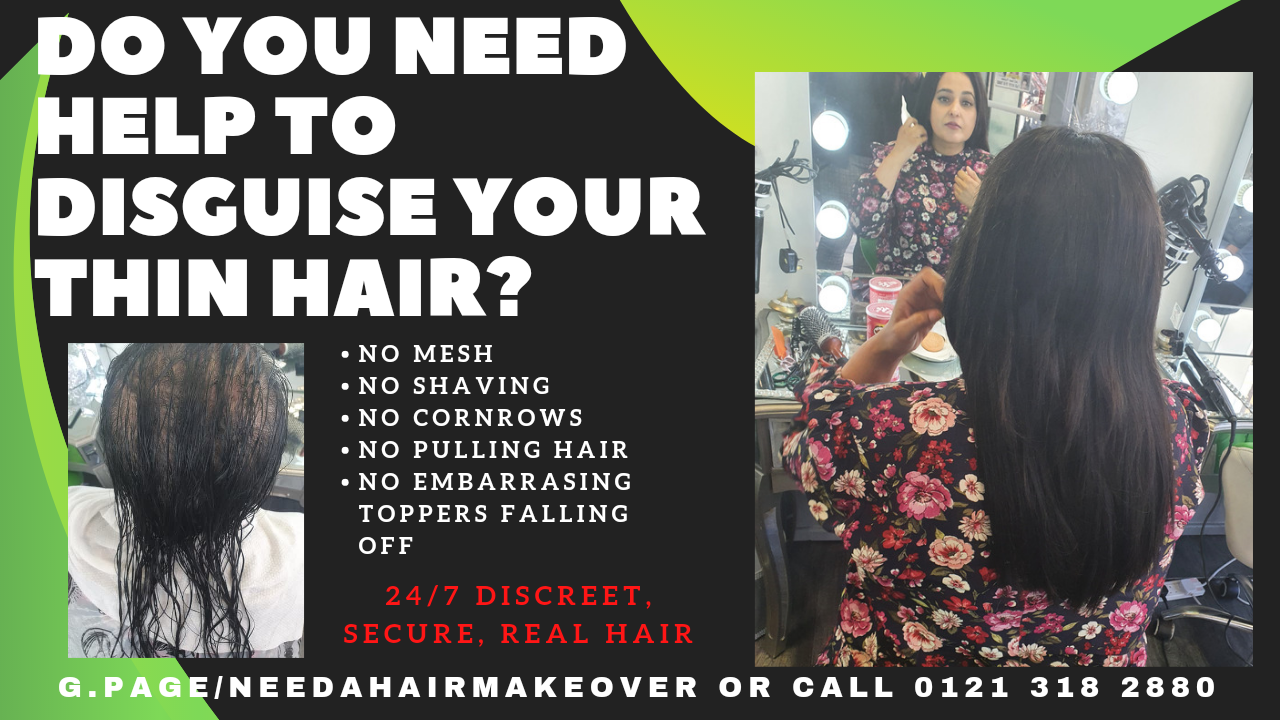
Do you need help to disguise your thin, bald patches or damaged hair? Book a consultation today and learn about our non invasive techniques. https://bit.ly/3zODFu1
Every year more and more people are suffering from hair loss caused by illness, medication, stress, chemical treatments, damaged hair. We help treat and or disguise thin, short, bald patches, damaged or sensitive scalp on all hair types, gender or age.
We offer a non evasive hair regrowth treatment with a REVOLUNARY equipment known as iGrow.
If you need help to start the hair regrowth journey to restore your edges, bald patches, thin hair or slow growing hair, book a consultation with Need a Hair Makeover and let’s see what we can do.
Checkout the IGrow 12 weeks plan
iGrow’s proprietary Low-Level Light Therapy (LLLT) technology utilises a highly effective combination of red laser and LED light diodes, to stimulate and energise cellular activity causing an uptake in the natural function of the hair follicle.
This three- to six-month process treats hair thinning and loss, by effectively growing new healthy hair that is thicker, fuller and more vibrant.
Checkout our online appointment booking system. Easily book a consultation online. http://bit.ly/3CuPzuO
You may also want to read our article on How #hairloss may be linked to a disfunctional liver by Diane Shawe https://bit.ly/2ADbMN6
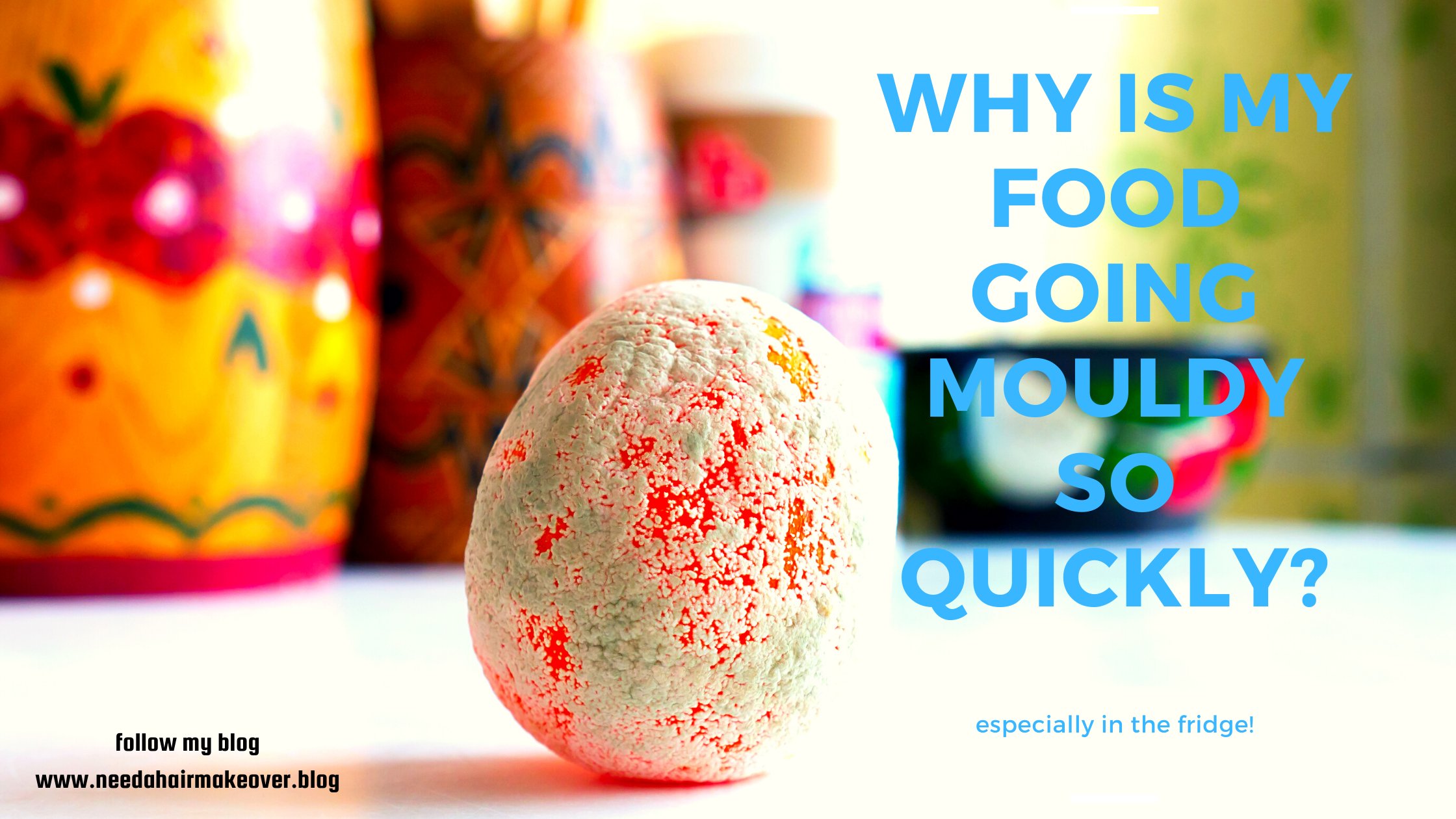
I have been noticing that most of my food is going mouldy quicker, even in the jars! I was curious to find out why, espcially as this is happening more and more in the fridge as well. I thought the fridge was designed to keep things cool and slow down the detiriation of our food.
I also wanted to know what mould did to the body if injected, my mind started to generate all types of conspiracy theory so I decided to do a little research based on facts.
We all grow up learning mold is gross. But is it just unpleasant, or is it actually dangerous? Isn’t it mould that makes blue cheese blue? And wasn’t penicillin first discovered in moldy bread?
Are we wasting perfectly safe food when we throw it out? Or are we gambling our health when we shrug our shoulders and eat that piece of cheese that had a dusting of white fuzz?
How does mould grow on food?
I found this bit scary because is the air we are breathing so toxic? Is that why we are getting sicker even though we are more health concious? I mean think about it, our lungs are very moist!
So back to the question: Tiny mould spores are carried in the air. When these spores land on food, they take root and grow until they produce patches of mould visible to the naked eye. Once they mature, they produce new spores and release them into the environment and the cycle continues!
What is mold on food?
Mould is a microscopic fungus, and yes—spoilers!—consuming it can be bad for our health. Like its cousin the mushroom, there are thousands of different species.
Some are safe to consume, but many produce poisonous mycotoxins that cause illness and even death. Additionally, some people are allergic to mould and need to steer clear of it. So dealing with mold on food is serious business.
Mould requires three things to grow: organic matter, water and oxygen. Food provides the the first two ingredients. Exposed to air, mold has everything it needs to grow.
How long does it take for mould to grow on food?
Many factors affect the rate of growth of mould: the specific type of mould, the food it’s growing on, and the ambient temperature and humidity. Many species of mould like warmer temperatures and mould growing on fruit on your counter may develop in very few days, especially in the warm humid summer months. Other mould growing on food with less water content in the cool of a refrigerator might take several weeks.
How to handle mould on food?
Mould can grow on most types of food, but not all food is the same.
Red Flag Food
Red flag food items should be automatically discarded when mouldy. These items include most food items, particularly soft and moist foods:
Luncheon meats, hot dogs, bacon, etc.
Cooked leftover meat, poultry and fish
Cooked pasta and cooked grains
Casseroles
Sour cream and yoghurt
Soft fruits such as tomatoes, berries, cucumbers, etc.
Some other drier, harder foods fall into this category as well:
In general, softer food with more moisture content is more prone to moulding, and can’t be safely salvaged. In addition to the mould itself, soft moist food can provide an ideal environment for dangerous bacteria to grow. For these foods, it’s important not to assume the problem is limited to the mould you see.
Throw away the mouldy food, and carefully inspect other nearby food, especially food in the same package. Do not sniff mouldy food: spores might get into your respiratory system. Wrap the spoiled items in plastic to contain the spores, and discard.
To eat or not to eat?
Moulds can grow in the fridge and will even survive freezing. They can also survive in salty, sugary and acidic environments. This is scary!
As mould on our food is so hard to avoid, here are some general guidelines from the most Food Safety and Inspection Service on responding to the problem:
Discard all of these foods if mouldy:
Luncheon meat, bacon, and hot dogs.
Yoghurt, sour cream and soft cheese.
Soft fruits and vegetables
Bread and baked goods.
Peanut butter, nuts and legumes.
Jams and jellies – but note Dr Hocking has a slightly different view for Australian jams.
These foods can be saved from mould:
Hard salami (the dry, aged type) – scrub mould from the surface.
Hard cheese – cut off at least 2.5 centimetres around and below the mould. Don’t let the knife touch the mould and recover the cheese with fresh wrap.
Firm fruit and veg – small mould spots can be cut off.
The mould used in making these cheeses is safe for consumption. However, if other mold that is not part of the manufacturing process is present, these items should be discarded just like any other red flag food item. Some blue cheeses may be hard enough to be treated as a Yellow Flag item (see below for care). However, if you are unsure where to draw the line, remember: when in doubt, throw it out.
Note that while the mould that forms the blue veins inside blue cheeses is harmless when deprived of oxygen inside the cheese, the same strain of mold can form harmful mycotoxins if allowed to grow on surfaces exposed to air. Be careful of cross-contamination with these cheeses and keep them wrapped in cellophane while storing them.
Yellow Flag Food
Other foods, particularly harder and drier foods, can sometimes be kept once the mold is carefully removed. These include:
Hard cheese
Firm fruits and vegetables (cabbage, carrots, bell pepers, etc.)
If you’re going to cut away mould rather than discard the item, it’s important to remember that there is more mould present than what you can see. Below the surface, mould will have penetrated up to 2cm or more. For these food items, mould can be cut away but you should cut at least 2.5cm (1 inch) outside of and underneath any visible surface mould. Be careful to keep the knife clear of the mould to avoid contaminating the rest of the food as you cut.
Note that surface mould is a normal occurrence on certain hard salamis. In this case, scrubbing the mould off the surface is sufficient. Again, it never hurts to be cautious. When in doubt, throw it out.
Different types of food mould
Black mold on food
I did not like this bit, but if you are going to understand something, you can’t disguard the ugly sides. Well here goes.. Various strains of mould can have a black appearance. Homeowners know to watch out for black toxic mold, Stachybotrys chartarum, commonly found in attics.
However there are many non-toxic strains of black mould as well, including Rhizopus stolonifera, also known as black bread mould. You may encounter black mould on the rubber seals of your refrigerator or on food. While this doesn’t prove you have black toxic mould in your house, you are best to assume it may be harmful and discard the food item in question, meticulously scrub clean the refrigerator, and look for signs of black mould in your house.
Pink mould on food
Pink mouldy formations on food may not be mould at all, but rather bacteria growing. Aureobasidium and Fusarium are also two common fungi that grow with a pinkish colour.
Pink mould is most often seen on bread, dairy products and meat. Dangers of pink mold include infection of the respiratory, gastro-intestinal or urinary tracts.
White mould on food
White mould is seen on a variety of foods, from the white mould purposefully grown on the outside of certain cheeses, to fluffy white mold appearing on berries and other fruit.
Many strains of mould can appear white, and to complicate matters many coloured strains of mould may go through a phase where they appear white before developing the spores that give them their colour. Unless white mould is a purposeful part of a food’s production (e.g. brie and camembert cheese), assume it is toxic and handle affected food accordingly.
Green mould on food
Green mould is commonly found on citrus fruit and bread. Cladosporium is one particularly common species of green mould.
It can have a potent smell and be particularly irritating, particularly for people with mould allergies. This can lead to respiratory problems such as wheezing and coughing, as well as vomiting. Clodosporium mold can produce mycotoxins as well, so avoid exposure.
Orange mould on food
A variety of mould can take on an orange colour, including Fuligo septica and Aleuria aurantia. These orange moulds commonly have a slimy texture.
While they may be less dangerous than some other colours of mould, they can still cause respiratory problems, and where orange mould is present, bacteria are also likely to be found.
Furthermore, orange mould is particularly prone to growing on wood. So not only is orange mould a threat to your food, it is a threat to the wood in your house.
Red mould on food
While various strains of mould can be red, red mould on food is most commonly Neurospora. While this type of mould is typically less dangerous than other types of mould, some mycotoxin-producing moulds might appear red in certain conditions, or might be present alongside red mould. It’s therefore wisest to treat red mould on food with the same caution as other mould.
Blue mould on food
Blue mould on bread and the blue mould deliberately cultivated to make blue cheese are strains of the genus Penicillium. And yes, some species of Penicillium (but not all!) produce penicillin. Many species of Penicillium are innocuous, but some are not.
And while the blue mould in blue cheese, deprived of oxygen, is safe for consumption, that same strain of mould can produce mycotoxins when it grows on an outside surface exposed to air. So, eat that blue cheese but treat other blue mould as potentially toxic.
Consumers Select Food Based on Colour at the Supermarket
It is widely accepted that consumers select a food product with their eyes, so products need to look fresh and tasty.
Oxidation is the Enemy
Oxidation, a chain reaction that occurs in the presence of oxygen, is responsible for the deterioration of food products, including off-flavours and off-odours. This process is affected by processing, packaging and storing techniques, as well as product ingredients.
Antioxidants delay the onset of oxidation by donating hydrogen atoms to quench free radicals, forming a stable antioxidant radical that is unable to participate in propagation reactions, slowing down oxidation.
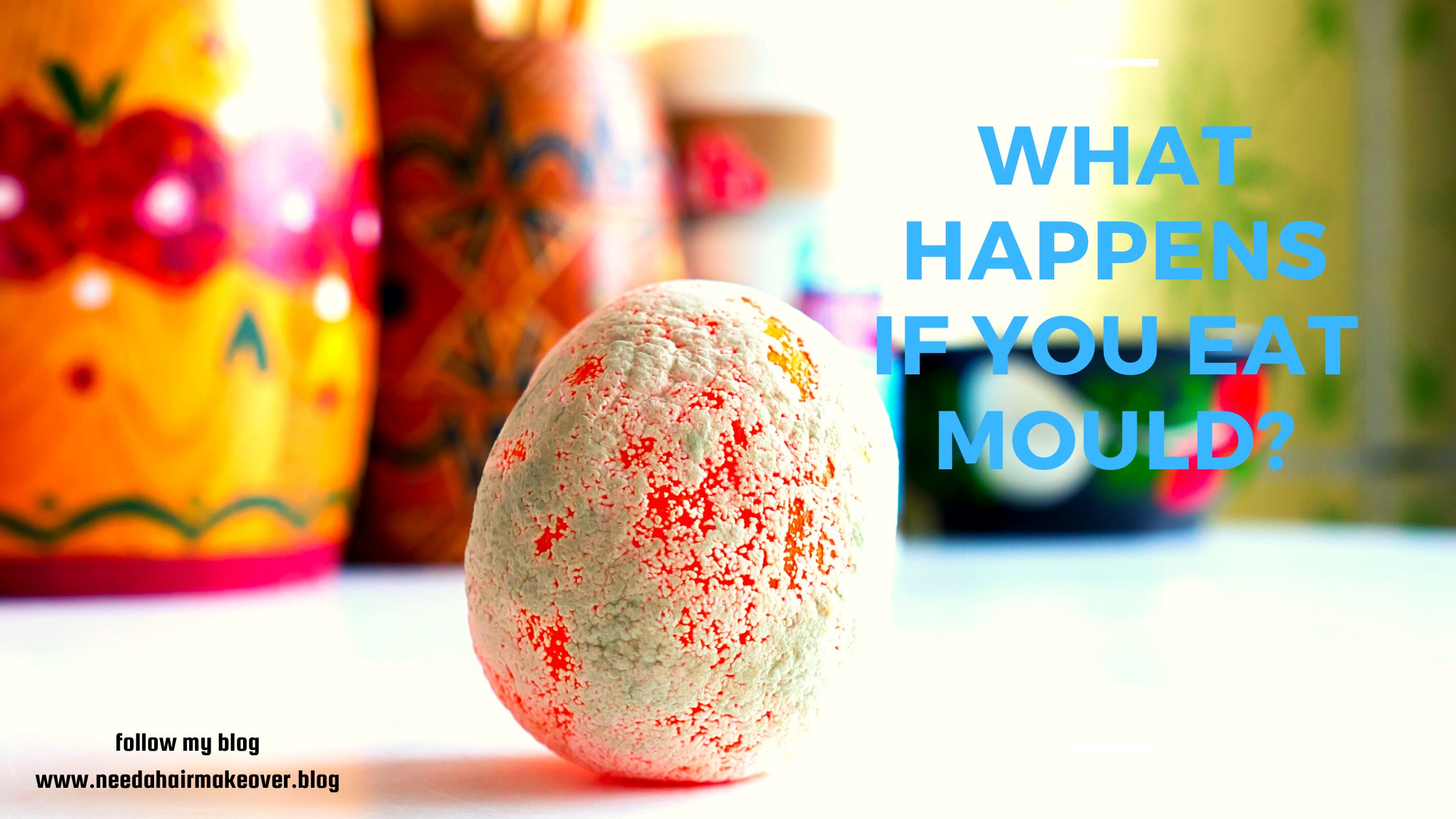
What happens if you eat mould?
You have to be really careful
Is it dangerous to inhale mould spores from food?
Inhaling mould visible on food is risky and should be avoided. It may cause allergic reactions or problems with the respiratory tract. When mould isn’t visible, sniffing may be a useful way to detect it—e.g. smelling dishcloths. However, once you’ve spotted mould, avoid inhaling.
Can mould on food make you sick?
Mould on food can be harmful in various ways. Some people are allergic to mould and could have a potentially serious reaction. However, even if you don’t have allergies, mould can cause irritation in the respiratory, gastro-intestinal or urinary tracts. And the mycotoxins created by some moulds are poisonous carcinogens that can prove fatal.
What are health symptoms you can get by eating mould on food?
Allergic reactions to mould can include sneezing, runny or stuffy nose, coughing, postnasal drip, irritated eyes, nose and throat and dry, scaly skin. Those with asthma may experience coughing, wheezing, shortness of breath and tightness in the chest.
Those without allergies may still experience respiratory problems such as wheezing, sneezing, tightness in the chest and difficulty breathing. In more severe cases, this can lead to respiratory infection and even hypersensitivity pneumonitis.
A particular concern is ingesting mould that produces mycotoxins. Signs of mycotoxin poisoning include reduced appetite, a general feeling of malaise, acute illness or death in rare cases.
Food mould facts and questions
Which food will mould fastest?
Storage conditions will have a significant effect on how quickly a given food turns mouldy. However, all things being equal, food with a high moisture content will mould first. Thus, in the fridge, fruits such as strawberries or cucumber might get mouldy before other foods. Stored at room temperature, natural bread (with no preservatives) can get mouldy quite quickly.
Is it safe to eat fruits with mould on a peel you discard?
It may be tempting to think that for fruit with a peel, simply removing and discarding the peel may be enough to protect you. In the case of a firm fruit like a pineapple, it can indeed be treated as a “yellow flag” food, carefully cutting away the affected area.
Fruits with a softer peel like oranges or bananas should be treated as “red flag” foods and discarded—underneath the visible mould, it may have penetrated the peel to the flesh of the fruit inside. In the case of an avocado, while the skin is quite tough mold can still get underneath and infect the fruit inside. Play it safe and discard it.
What temperature kills mould spores in food?
Most moulds are killed off by temperatures of 60-70°C (140-160°F). Thus, boiling water is generally enough to kill off mould. Remember, though, that mould doesn’t just grow on the surface: heat will have to penetrate into whatever the mould is growing in to kill it. Also keep in mind that the mycotoxins produced by certain mould can survive intense heat: boiling may kill the mould but leave its poisons still intact.
It takes one mouldy food item to get the whole basket covered in mold! This is very important rule to remember the moment you are at the market. If you are buying nonpacked items, ensure each of them is fresh. If you notice mold on any single piece, simply don’t buy it. Examine each item for bruising, softness, oxidation or signs of mould before you buy it and avoid any items that look overly ripe.
On the other hand, when buying pre-packed food you cannot examine every single piece, meaning that mouldy items can go unseen. In that case, ensure you checked the date and chose the one that was most recently packed. Instead of buying processed or pre-packed food, where you often don’t have control of the freshness (the story of wrong dates is not rarely heard), choose local markets and stores you can trust.
Once you buy your delicious food, especially fresh fruit and veggies, it is important to keep it covered until you’re ready to eat it to minimize the risk of cross-contamination with bacteria, mold, dust and debris from the environment. Use plastic wrap to cover foods you want to keep for longest, such as fresh fruits, vegetables, salads and cheese.
Rinse the contents of canned goods under water and store them in your fridge in tightly sealed plastic or glass containers. Refrigerate leftovers and use them within four days.
Consume early to avoid mold. The first step you can take to prevent food going bad is to eat it before mould has time to take hold. Especially for moisture-rich and porous food like fruits and breads, buy in smaller quantities so you can consume it within a just a few days.
Keep food cold: the cooler the better. Keep food, especially soft moist food like fruit, in the refrigerator rather than at room temperature. Only take it out while you’re using it—under two hours. To keep food mould-free for longer periods, store it in the freezer rather than the fridge.
Use heat to kill mold. High acid foods such as fruits, jams and jellies can be made safe to preserve through heat treatment. A boiling water bath is a common practice to prepare them for a long shelf-life. The amount of time required for a water bath will vary depending on what and how much you’re canning, so be sure to adapt your method to the specific food you’re treating.
Keep kitchen tools and surfaces clean. Mould may thrive on food, but it can be found anywhere. The less mould in your kitchen, the less your food will get exposed. Clean your refrigerator and other kitchen surfaces with a mixture of 5ml of baking powder to 1L of water. Watch out for black-coloured mold on your fridge’s rubber seals and scrub carefully to clean it out.
Keep your dishcloths, tea towels, sponges, mops and other kitchen tools clean. Give them the sniff test: if they smell musty, they may be harbouring mould. Any item that you can’t get clean and fresh-smelling, discard and replace.
In order to prevent mould on food you will have to work on overall kitchen mould prevention. In most cases it includes either ensuring there is enough fresh air or regular cleaning. Here are a few tips that can help you prevent mold in the kitchen.
As said above – mould can grow in the fridge and, thus, it is important to keep the inside of the refrigerator clean. We suggest cleaning it every few months with one tablespoon of baking soda dissolved in a quart of water. Rinse with clean water and dry thoroughly before storing food again.
Ensure your food is still fresh by checking it every day or two. Toss away anything that has a sign of mould or that started rotting away.
Replace sponges at least once a week and always use clean dish clothes and towels. If you notice a musty smell coming from a sponge or towel, replace it immediately.
Wash the dishes at least once a day. Don’t leave food leftovers in your sink behind you once you are done with the meal. Throw them away immediately. If you are in a rush, keep your dishes under water to prevent food stains from hardening until you can wash them properly.
Mould can be found in dishwasher and garbage disposals. It can be the reason behind the odors, thus keeping it clean should be your priority. At least once a week pour baking soda, salt and vinegar (or lemon) own the sink and leave it for 10 minutes. You can add lemon or orange peels and even essential oils to give it a nice smell. After that all you have to do is pour boiled water to wash it up and your disposal and sink will be clean, mould-free and refreshed.
Kitchen tools, especially wooden ones should be washed and well dried before set aside, because wood is one of the favourite food for mould. All you have to do is simply wash them after you used them and leave them to dry well somewhere where it is not wet and it has enough fresh air and light. (for example if you are done with cooking and your stove is still warm, you can put it next to it to dry.
Don’t forget about unused kitchen appliances. They are often sealed and if not well dried, mould can form due to water evaporation inside. The best way to prevent mold from developing inside is to ensure it is well dried before storing and, if there is a possibility, keep it open.
And last but not least, make sure that the relative humidity in your home is between 30% and 50%, especially in the warmer months, when mold is known to flourish. The easiest thing you can do to control the humidity level is to keep your windows open as often as possible. If that is not possible your next steps should bes either air vents or even a dehumidifier.
Conclusion
As with mould in general, there are many strains of mould that can be found on food. While some are innocuous, many are not. While mould that’s purposefully introduced into certain cheeses can be safe, always treat other mould on food as a dangerous substance. Treat “yellow flag” foods with caution and for “red flag” foods, play it safe and discard it.
And remember, the same concerns about mould allergies and mould toxicity that applies to food mould also applies to other mould in your house. Keep watch for mould in your kitchen and whole house, and if you detect signs of mould, get informed as to the steps needed to eradicate it safely.
Virtual Personal Assistance offer a range of #Services to help you get a #Job or #promotion, #startabusiness or #market your #business effectively. check our services http://bit.ly/3jObWBL #BusinessNews
#BusinessPlan #OnlineBusiness #lifehacks
Don’t start ore expand your business without a business plan
A lot of people refer to them as Influencers today but here’s a little secret that can help you raise your status or even attract funding to help you successfully grow your business, So what’s the secret? find and leverage mentors and advisors.
You might think this is odd and not doable, but think about it, this is a win win senerio.
So, who or what are advisors?
Advisors are successful people that you respect and that agree to help your company. Advisors are generally successful and/or retired executives, business owners, service providers, professors, or others that could help your business.
Advisors generally will not cost you any money (you don’t pay them), although I do recommend giving them stock options to incentivise them to contribute as much as possible. But one of the benefits to them is that they also need referrals and new clients.
Getting advisors is not a requirement for raising money, but they have multiple benefits as follows:
Practice: if you can’t successfully pitch an advisor to invest time in your business, then you’re not going to successfully pitch anyone to invest money in your business. So, practice your pitch on prospective advisors first, and use that practice to perfect it.
Connectionsto capital and more: as successful individuals, advisors often have the ability to invest directly in your company; and/or they tend to have large, high quality networks of individuals they can introduce you to. Likewise the right mentors and advisors can connect you with key strategic partners, employees and customers.
Credibility: having quality advisors gives your company instant credibility in the eyes of investors, partners, customers, etc., can build enormous credibility.
Operational success: Having Advisors with whom you can discuss key business matters as you grow your venture will help ensure you make the right decisions, particularly if they have encountered and dealt with the same challenges already in their careers.
We assist startups or established businesses to generate a business plan and projections. We then help them to raise any finaces to help setup or expand their business.
I was five years old when I first heard the phrase or taunt ‘Blacky’ I had played with all my neighbours on the street and in the garden when I was little, looking back my neighbours were black, white and asians. We use to love playing tick. My mum picked me up from my new infant school and I asked her what was a blacky.
She politely asked me were I had heard the phrase and I told her some kids were calling us it at school. She said to take no notice and focus on learning and doing as the teacher said. So I did, but for the next 7 years I could now describe all the various ways I was racially profiled, abused and taunted by both teachers and my classmates without realising it back then. I can now on reflection ask ‘How did that white young child understand to start calling me blacky when I didn’t even know they were white or indeed that I was black? I just saw Jane who was my best friend, she had freckles and ginger hair.
In view of this whilst conducting my mini research for this article, I began to understand that simply making throw away statements as to what racism is and peoples assertion that it may or may not be stamped out was coming from a place of pain, helplessness, denial or plain historical orchestrated planning.
One thing we can all agree on is that racism is alive, it is fed, it has been modernised, debated clinically, psychologically, intellectually, emotionally from generation to generaion.
Contrary to a dictionary definition, racism, as defined in social science research and theory, is about much more than race-based prejudice—it exists when an imbalance in power and social status is generated by how we understand and act upon race.
The UN does not define “racism”; however, it does define “racial discrimination”. According to the 1965 UN International Convention on the Elimination of All Forms of Racial Discrimination
The term “racial discrimination” shall mean any distinction, exclusion, restriction, or preference based on race, colour, descent, or national or ethnic origin that has the purpose or effect of nullifying or impairing the recognition, enjoyment or exercise, on an equal footing, of human rights and fundamental freedoms in the political, economic, social, cultural or any other field of public life.
UN Racial Discrimination 1965
Racism exists when ideas and assumptions about racial categories are used to justify and reproduce a racial hierarchy and racially structured society that unjustly limits access to resources, rights, and privileges on the basis of race. Racism also occurs when this kind of unjust social structure is produced by the failure to account for race and its historical and contemporary roles in society.
So with this in mind, when the slogan ‘Black lives Matter’ descended into competing factions like ‘Blue lives Matter’ or ‘All lives Matter’ I became a little confused as to why visually seeing a unarmed, handcuffed man’s life being snuffed out in broad daylight by an appointed officer sworn in to defend all people, along with insurmountable evidence going back hundreds of years starting from yesterday could then generate competitive slogans in retaliation to minimise what we all saw and witnessed as being equal to everything else?
I then discovered that racism in itself is not a simplified one paragraph statement in a dictonary, it’s not about setting up a Diversity department with one member of staff having no power to affect real change from the board of dircectors, investors, recruitment and legislation.
From Race transitioning into racism, oppression, cruelty and suppression this little child has grown up to be a sophisticated adept monster.
So began my education into the 7 forms of Racism which I have best summarised below (reminds me of the 7 deadly sins)
Racism takes seven main forms, according to social science. Rarely does any one exist on its own. Instead, racism typically operates as a combination of at least two forms working together, simultaneously. Independently and together, these seven forms of racism work to reproduce racist ideas, racist interactions and behavior, racist practices and policies, and an overall racist social structure.
Representational Racism
Depictions of racial stereotypes are common in popular culture and media, like the historical tendency to cast people of color as criminals and as victims of crime rather than in other roles, or as background characters rather than as leads in film and television. Also common are racial caricatures that are racist in their representations, like “mascots” for instance or the “Angry Black Women” for instance.
The power of representational racism—or racism expressed in how racial groups are represented within popular culture—is that it encapsulates a whole range of racist ideas that imply inferiority, and often stupidity and untrustworthiness, in images that circulate society and permeate our culture. While those not directly harmed by representational racism might not take it seriously, the presence of such images and our interaction with them on a near-constant basis helps to keep alive the racist ideas attached to them.
Ideological Racism
Ideology is a word that sociologists use to refer to the world views, beliefs, and common sense ways of thinking that are normal in a society or culture. So, ideological racism is a kind of racism that colors and manifests in those things. It refers to world views, beliefs, and common sense ideas that are rooted in racial stereotypes and biases. A troubling example is the fact that many people in American society, regardless of their race, believe that white and light skinned people are more intelligent than dark-skinned people and superior in a variety of other ways.
Historically, this particular form of ideological racism supported and justified the building of European colonial empires and U.S. imperialism through the unjust acquisition of land, people, and resources around the world. Today, some common ideological forms of racism include the belief that Black women are sexually promiscuous, that Latina women are “fiery” or “hot-tempered,” and that black men and boys are criminally oriented. This form of racism has a negative impact on people of color as a whole because it works to deny them access to and/or success within education and the professional world, and subjects them to heightened police surveillance, harassment, and violence, among other negative outcomes.
Get a Copy from Amazon Books by Diane Shawe
Discursive Racism
Racism is often expressed linguistically, in the “discourse” we use to talk about the world and people in it. This kind of racism is expressed as racial slurs and hate speech, but also as code words that have racialised meanings embedded in them, like “ghetto,” “thug,” or “gangsta.” Just as representational racism communicates racist ideas through images, discursive racism communicates them through the actual words we use to describe people and places. Using words that rely on stereotypical racial differences to communicate explicit or implicit hierarchies perpetuates the racist inequalities that exist in society.
Some Comedians often paint a picture to a wide audience. Study has shown that storytelling can form the most embedded images into the subconscious mind, wrap that into laughter another very powerful emotional tool to stimulate memory and feeling, it is easy to see that monkey joke being repeated time and time again for instance. It is viewed as harmless by the presenter because it was packaged as a joke by a well known commedian.
Interactional Racism
Racism often takes an interactional form, which means it is expressed in how we interact with each other. For example, a white or Asian woman walking on a sidewalk may cross the street to avoid passing closely by a black or Latino man because she is implicitly biased to see these men as potential threats. When a person of color is verbally or physically assaulted because of their race, this is interactional racism. When a neighbor calls the police to report a break-in because they do not recognise their black neighbour, or when someone automatically assumes that a person of color is a low-level employee or an assistant, though they might be a manager, executive, or owner of a business, this is interactional racism.
Hate crimes are the most extreme manifestation of this form of racism. Interactional racism causes stress, anxiety, and emotional and physical harm to people of color on a daily basis.
Institutional Racism
Racism takes institutional form in the ways that policies and laws are crafted and put into practice through society’s institutions, such as the decades-long set of policing and legal policies known as “The War on Drugs,” which has disproportionately targeted neighborhoods and communities that are composed predominantly of people of color. Other examples include Stop-N-Frisk policy that overwhelmingly targets black and Latino males, the practice among real estate agents and mortgage lenders of not allowing people of color to own property in certain neighborhoods and that force them to accept less desirable mortgage rates, and clerks and judges automatically assuming that the presence of a black person in court must be a defendant and not a solicitor or barrister. (recently reported)
Institutional racism preserves and fuels the racial gaps in wealth, education, and social status, and serves to perpetuate white supremacy and privilege.
Structural Racism
Structural racism refers to the ongoing, historical, and long-term reproduction of the racialised structure of our society through a combination of all of the above forms. Structural racism manifests in widespread racial segregation and stratification on the basis of education, income, and wealth, the recurrent displacement of people of color from neighborhoods that go through processes of gentrification, and the overwhelming burden of environmental pollution borne by people of colour given its proximity to their communities. Structural racism results in large-scale, society-wide inequalities on the basis of race.
We can see this when local areas that have enjoyed house prices being maintained and an assumption made that having ethnic people move into the area automatically result in house prices going down. But on the other hand a run down area could be rejuvenated automatically as soon as white people move in forcing residents who have been deprived for years to move out.
Systemic Racism
Many sociologists describe racism in the U.S. and U.K as “systemic” because the country was founded on slavery and racist beliefs that created racist policies and practices, and because that legacy lives today (more so in the U.S) in the racism that courses throughout the entirety of our social system. This means that racism was built into the very foundation of that society, and because of this, it has influenced the development of social institutions, laws, policies, beliefs, media representations, and behaviors and interactions, among many other things. By this definition, the system itself is racist, so effectively addressing racism requires a system-wide approach that leaves nothing unexamined.
But here is the cunnundrum, when what is seen as the norm to white people who have only known to do what they have been doing all along, when they believe their model is already superior and any alternate model from which to compare in order to modify would diminish their position, I would go as far as to say it would be like asking a fish to fly when its only experience has been to swim in water. The fish could end up experiencing stress and trauma or even fear. All of these emotions have a reactionary response, not dissimilar to the person being continuously discriminated against as described above.
Here me out here… However according to Darwin’s Theory of Evolution man evolved from fish and became acquainted to both Land, Sea, Air and Fire. An intelligence beyond all other creatures on earth. All around the world we can now see evidence of what man can create and sadly what he can destroy.
Sociologists observe a variety of styles or types of racism within these seven different forms. Some may be overtly racist, like the use of racial slurs or hate speech, which some people have identified and tried to be political correct whilst others use it to hurt and hammer home their pain, fright or anger.
There are some policies that intentionally discriminate against people on the basis of race. Others may be covert, (but isnt the act of covert implying complicitness?) kept to oneself, hidden from public view, or obscured by color-blind policies that purport to be race-neutral, though they have racist impacts.
While something may not appear obviously racist at first glance, it may, in fact, prove to be racist when one examines the implications of it through a sociological lens or the feedback and complaints presented by the reciepients. If it relies on stereotypical notions of race and reproduces a racially structured society, then it is racist.
Due to the sensitive nature of race as a topic of conversation some have come to think that simply noticing race, or identifying or describing someone using race, is racist. Sociologists do not agree with this. In fact, many sociologists, race scholars, and anti-racist activists emphasise the importance of recognising and accounting for race and racism as necessary in the pursuit of social, economic, and political justice. (We must however agree that the earth contains different races and that will not change unless we destroy ourselves)
Both sides of the isle often digs in because they are operating from fear. We see the oppressor become more erratic and seek to use the legal system, government, army or commercial power to justify and repackage their unfair practices whilst crushing modernisation and equality by all means necessary using disinformation to divide and sow mistrust.
What are we evolving into? Is it so painful and unjust to want to see the whole world share in our further evolution economically, geographically, socially, environmentally, policically or religiously?
With over 7 billion consumers on this planet perhaps to be serviced by almost 2 billion suppliers, designers, developers, farmers, educationalist and health specialist the list goes on why does a few elite societies prefer to move us towards destruction because they are apposed to equality and human dignity?
We have the luxury of history, it has shown us time and time again the fall of hugh empires imploding because the rulers have abused their fellow man, become corrupt, greedy, uncaring and cruel. Surely we can do better and not repeat history.
So if both parties are blinded by the ‘I lose you gain’ principles one has to ask, is Racism taught and if so who is doing the teaching?
There is more than enough for everyone to enjoy
The definition of insanity is doing the same thing over and over again and expecting a different result
Albert Einstein
So where do we go from here? There are two side to every coin, one side could not exist without the other. What I find troubling is there are some people who want to do the same thing over and over again to achieve exactly the same result as before. A chilling thought.
It’s hard to be excited when talking about today’s coronavirus pandemic, when millions of people have been infected.
However, various research around the UK like GoDaddy shows the coronavirus pandemic has been a massive boon to entrepreneurship. And this could help our economy both recover and thrive for years to come.
But while jobs have suffered, new micro business startups have skyrocketed.
The government commendably offered a number of startups and etablished busiesses a lifeline at the peak of the crisis, but despite the slowly improving funding picture, we are now starting to see the pent-up effect of the pandemic on UK businesses.
Government support has artificially kept companies afloat and delayed the true impact. but with the second lockdown to non essential businesses we are only now starting to see more severe damage to UK businesses that could puts the survival of an entire bricks and mortar business generation of innovative companies at risk.
Learn how to start a online business properly
Will the Start Up Trends in 2020 continue through 2021?
A survey of 1,000 GoDaddy customers found 15 per cent of new UK entrepreneurs had made the leap due to job loss or furlough
UK workers have been turning to starting their own companies in unprecedented numbers as fears over job security have spurred a new wave of entrepreneurs.
The “State of the Nation” review, compiled by the group GoDaddy, showed there had been a 14 per cent increase in micro-businesses, start-ups with nine or fewer employees. They have experienced a 62 per cent increase in new UK customers and this is only one domain provider.
How many people actually have any desire at all to become the start ups of tomorrow?
There are, on average, 18,100 searches per month in Google UK for “how to start a business” based on data from kwfinder.com
This has surged in recent months with Google Trends predicting that January 2020 will demonstrate the highest number of searches since records began in 2004 for this query in the UK (by quite some way)
We are witnessing a few interesting events. “First, we are seeing unemployed workers starting their own businesses. Realising they need to be responsible for their own financial destinies, these micro entrepreneurs are opting out of the traditional workforce to start their own companies. Secondly, we are seeing virtual employees launching their own businesses.”
With 96 per cent of all UK enterprises identified as “micro-businesses” this sector could play a key role supporting an economic recovery.
With regards to the latter trend, Diane says “I think the mindset for many has become ‘if I’m going to ditch the office, why not ditch the boss too?” And many new work-from-home employees have now gained one to three hours per day as their commutes have been eliminated. Some have been using this time to develop their business plans and launch their own online companies.”
The GoDaddy Figures also revealed encouraging levels of confidence and resilience – 85 per cent were confident that their businesses would continue, with third of these expecting their businesses to thrive.
This was supported by 70 per cent who believed their businesses would recover fully within 12 months.
This was despite 38 per cent of the UK’s smallest businesses being forced to close on temporarily, and almost three-quarters having lost revenue (72 per cent), due to Covid-19 restrictions.
Micro-businesses also still planned to keep up business spending, with 29 per cent confirming that they would continue to invest in their ventures and one in 10 planning to invest more in the companies over the next three to five years
“Government initiatives alone are not sufficient to support startups most in need of funding and cashflow in the current economic climate. It’s possibly the growth of micro businesses that will provide the innovation and jobs that will drive the UK’s economic recovery, and they need urgent support.”
You can use Laybuy to pay for your courses
So How Can We Help and What is our Advice?
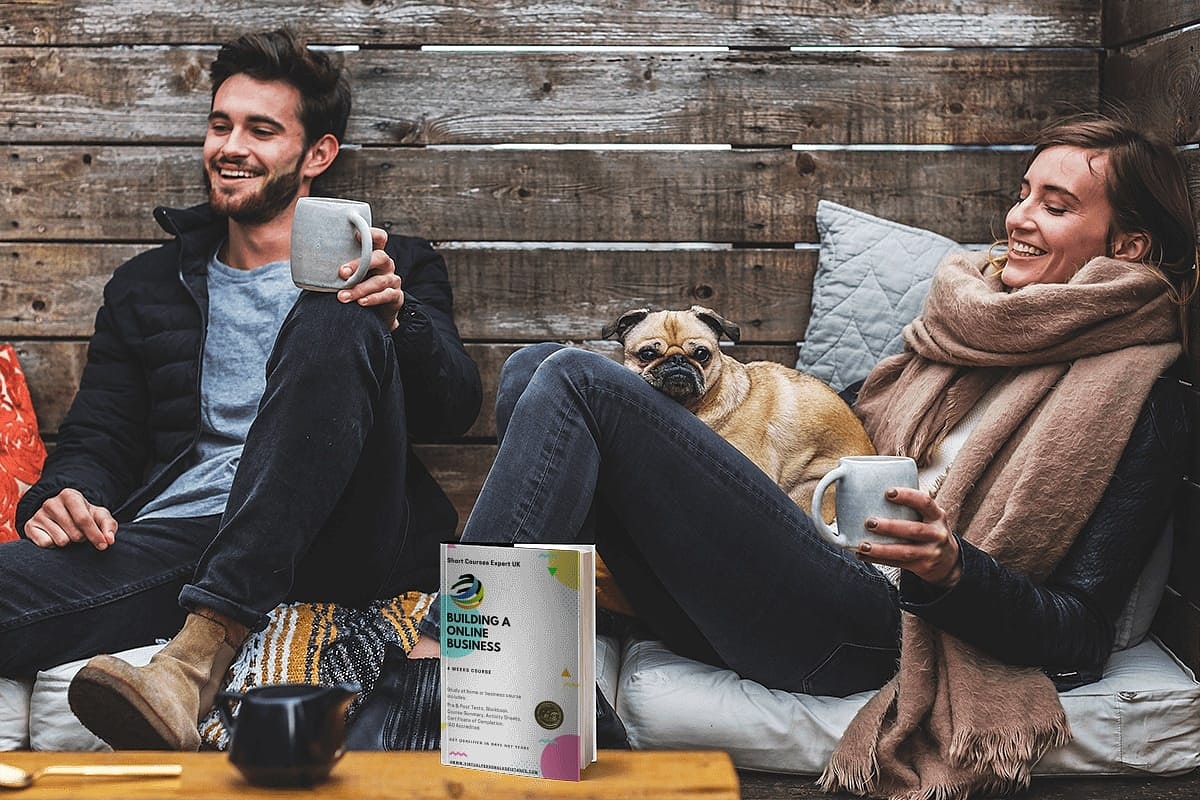
Don’t rush into anything because you could possible Get Scammed! If you want to start and grow a profitable online business then we recommend you take a quick course on ‘Starting a Online Business’. Without going over board you NEED to consume and LEARN every page of this work book.
Within the pages of this work book is the blueprint to building an online business from scratch…Its CPD accredited so this is proof!
And we’ve laid it out as easy as possible…even 11 year olds can follow along! (and by the way there is a growing number of online child millionaires)
So if you want to
• learn the correct way, • Explode your knowledge, • Learn how to Find a niche, • Learn how to Evaluate market viability, • Learn how to Conduct market research, • Learn how to Conduct competitive analysis, • Learn online business laws, • Learn how to Analyse your target market, • Learn how to source products • Learn how to choose the right ecommerce platform And more…
By following the strategy outlined in each module – you’ll learn how to launch and grow an organic profitable online business with minimal risk!
I know it sounds too good to be true…
But you’ll see why once you devour our work book course, (Which has to be done in 4 weeks with an accredited certificate to follow) you can begin setting up a website, mobile presence, and storefront and give your visiting clients confidence that you truly prepared for your new micro business. Click to enrol http://bit.ly/3fc4nnR
So if your thinking of setting up a online business, learn everything you need to know Plan to succeed so you don’t end up in the online business startup graveyard.
ABOUT VIRTUAL PERSONAL ASSISTANCESERVICE
We provide a suite of services for Small and Medium size businesses to help them Setup or expand by learning, executing a business plan for focus, raising finance and market tools like an effective google verified website and introducing artificial intelligence chatbots to generate quality business leads. We think of ourselves as your Virtual Personal Assistance who will help streamline your business development.
Looking for help to get a job or promotion, start a business or market your business effectively. check out our range of services http://bit.ly/3jObWBL
About Diane Shawe
Get my books on Amazon or Google Books
Diane Shawe is author of several books on Amazon and Google Books.
The traditional belief that we must prepare ourselves to be ‘employable’ is under threat. The counter argument encourages us to ‘gear up’ for earning our own money, rather than seeing income as someone else’s responsibility. Get your copy today. http://amzn.to/3945Njd
Covid 19 is changing the way many think about work












































 All about Hair Extensions & Hairloss Courses and Franchise Opportunity by Diane Shawe
You must be logged in to post a comment.