Can thick heavy hair cause headaches? By Diane Shawe

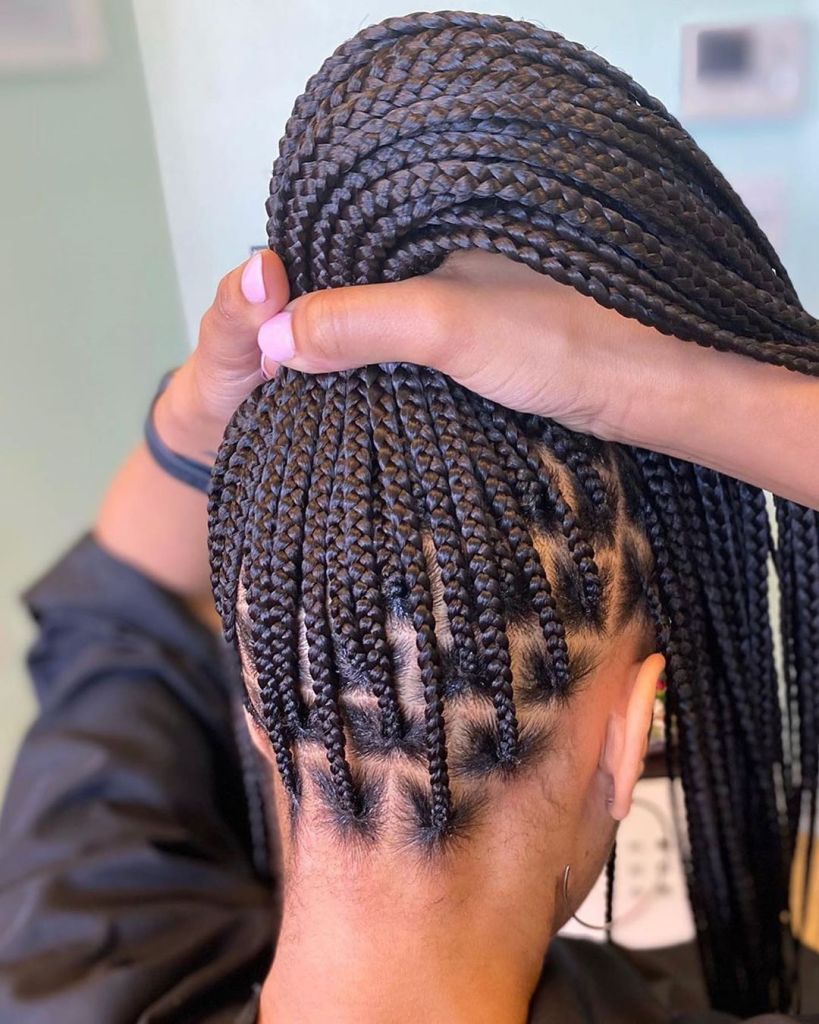
Yes, very thick hair can sometimes contribute to headaches, especially if it’s pulled tightly or if heavy hairstyles are worn frequently. The tension on the scalp from the weight or tightness can lead to discomfort or headaches.

What can you do? Here are some additional details and tips:

1. Loose Hairstyles: Opt for hairstyles that don’t pull your hair too tightly, such as loose braids, ponytails, or buns. This reduces the tension on your scalp and minimises the risk of headaches.

2. Avoid Heavy Accessories: Avoid using heavy hair accessories like large clips, heavy hairpins, or bulky headbands, as they can add extra weight and strain to your scalp.

3. Use Soft Hair Ties: Choose soft, fabric-covered hair ties or scrunchies instead of tight elastic bands, as they are gentler on your hair and scalp.

4. Regular Scalp Massage: Massaging your scalp regularly can help relax the muscles and relieve tension. You can use your fingers or a scalp massager to gently massage your scalp in circular motions.

5. Conditioning Treatments: Deep conditioning treatments can help keep your hair soft and manageable, reducing the need for tight hairstyles to control frizz or flyaways.

6. Trimming: Regular hair trims can help reduce the weight of your hair and prevent it from pulling on your scalp.

7. Consult a Hairstylist: If you frequently experience headaches due to your thick hair, consider consulting a hairstylist who specializes in thick or heavy hair. They can recommend hairstyles and products that are suitable for your hair type and scalp health.

By following these tips and making some adjustments to your hair care routine, you can help alleviate the tension on your scalp and reduce the likelihood of headaches caused by thick hair.

What about thinning out your hair?

Thinning out thick hair can potentially help reduce the weight and tension on the scalp, which may alleviate headaches caused by the hair’s thickness. Thinning out hair involves removing some of the bulk from the hair shafts to make them lighter and more manageable. Here are some considerations regarding thinning out hair and its potential long-term impacts:

1. Reduced Tension: Thinning out thick hair can reduce the strain and tension on the scalp, which may help alleviate headaches and discomfort associated with tight or heavy hairstyles.

2. Improved Styling: Thinning out hair can make it easier to style and manage, as it reduces bulk and makes the hair more flexible.

3. Long-Term Impact: Thinning out hair is generally safe when done by a skilled hairstylist using proper techniques and tools. However, excessive thinning or improper thinning methods can potentially damage the hair follicles and lead to long-term issues such as hair breakage, thinning, or scalp irritation.

4. Regrowth: Thinning out hair does not typically result in permanent hair loss, as the hair follicles remain intact. However, if the thinning process is overly aggressive or if there is underlying damage to the hair follicles, it may affect the regrowth of new hair.

5. Maintenance: Thinning out hair may require regular maintenance to maintain the desired thickness and style. This may involve periodic touch-ups by a hairstylist to trim or thin out regrowth and maintain the desired look.

6. Consultation: Before thinning out your hair, it’s advisable to consult with a professional hairstylist who can assess your hair type, thickness, and desired outcome. They can recommend appropriate thinning techniques and ensure that the process is performed safely to minimize any potential long-term impacts on your hair.

Overall, thinning out thick hair can be a viable option for reducing tension on the scalp and improving manageability, but it’s essential to approach the process with caution and seek guidance from a qualified hairstylist to ensure the best results and minimize any potential risks.


Can Hair Extensions cause headaches

Hair extensions can sometimes cause headaches, particularly if they are installed too tightly or if they are heavy.

Here’s why:

1. Tension on the Scalp: Hair extensions that are installed too tightly can exert excessive pressure on the scalp, leading to discomfort and headaches. This tension can strain the scalp muscles and nerves, causing pain.

2. Weight of the Extensions: Hair extensions, especially those made with heavy materials or attached in large quantities, can add extra weight to your natural hair. The additional weight can pull on your scalp and contribute to headaches, particularly if worn for extended periods. Clinics if worn very long can add up to 150g-200g of hair.

3. Improper Installation: If hair extensions are not installed correctly or if the attachment method is not suitable for your hair type, it can lead to discomfort and headaches. For example, extensions that are sewn or glued too close to the scalp can cause irritation and pain.

4. Sensitivity to Materials: Some individuals may be sensitive or allergic to the materials used in hair extensions, such as metal clips, glue, or synthetic fibers. This sensitivity can manifest as scalp irritation, inflammation, and headaches.

5. Poor Quality Extensions: Low-quality hair extensions that are stiff, rough, or prone to tangling can exacerbate scalp discomfort and headaches. They may also cause pulling and tugging on the hair, leading to pain and irritation.

To prevent headaches caused by hair extensions, it’s essential to choose high-quality extensions and have them installed by a skilled and experienced professional.

Additionally, opt for installation methods that minimise tension on the scalp and avoid wearing extensions for prolonged periods without breaks. If you experience persistent headaches or discomfort with your hair extensions, consider removing them and consulting with a hairstylist or healthcare professional for advice.

If thick hair is not the cause of your headaches,

Then other potential factors to consider, such as:

1. Tension or Stress: Stress and tension are common triggers for headaches. Tightness in the neck, shoulders, and scalp muscles can lead to tension headaches
2. Poor Posture: Poor posture, especially when sitting or standing for long periods, can strain the muscles in the neck and shoulders, leading to tension headaches.
3. Dehydration: Not drinking enough water can lead to dehydration, which can trigger headaches.
4. Eye Strain: Prolonged use of electronic devices or reading in poor lighting can strain the eyes and lead to tension headaches or eye strain headaches.
5. Caffeine Withdrawal: If you regularly consume caffeine and suddenly decrease your intake, you may experience withdrawal symptoms, including headaches.
6. Sleep Issues: Poor sleep quality or not getting enough sleep can contribute to headaches.
7. Dietary Factors: Certain foods and beverages, such as alcohol, processed foods, or those containing artificial additives, can trigger headaches in some people.
8. Sinus Issues: Sinus congestion or inflammation can cause sinus headaches, which may be mistaken for tension headaches.
9. Weather Changes: Changes in weather or barometric pressure can trigger headaches in some individuals.
10. Medical Conditions: Underlying medical conditions such as migraines, sinus infections, or temporomandibular joint (TMJ) disorder can also cause headaches.


If you experience frequent or severe headaches, it’s essential to consult with a healthcare professional to determine the underlying cause and develop an appropriate treatment plan. They can help diagnose any potential medical conditions and provide guidance on managing and preventing headaches effectively.


From Burnout to Breakthrough: Revive Your Business, Recharge Yourself by Diane Shawe


Exhausted, overwhelmed, and staring down the barrel of a business that feels like it’s running on fumes? You’re not alone. The post-pandemic landscape has become a graveyard for even the most resilient entrepreneurs. Customers demand more for less, good staff are rarer than unicorns, and online competition is a relentless beast gnawing at your market share. You’re juggling a thousand tasks, sacrificing sleep, sanity, and perhaps even your relationships, all while watching your bank account shrink faster than a wool sweater in a dryer.

But here’s the good news: it doesn’t have to be this way. From Burnout to Breakthrough is your roadmap to escaping the quicksand of entrepreneurial despair and reclaiming your passion, your energy, and your bottom line. This book isn’t about quick fixes or empty platitudes. It’s about real-world strategies, actionable steps, and a profound shift in mindset that will help you transform your business and, in turn, transform yourself.

Forget the hustle-and-grind mentality that got you here. We’re going to ditch the burnout blender and build a sustainable, thriving business that fuels your spirit, not drains it. We’ll explore:

• Identifying the hidden root causes of your business woes, so you can stop treating the symptoms and cure the disease.

• Rethinking your relationship with work and success, to break free from the hamster wheel and reclaim your time, energy, and well-being.

• Unleashing your inner innovator, to discover new revenue streams, attract ideal clients, and differentiate yourself from the competition.

• Building a team that inspires and empowers, so you can lighten your load and focus on what you do best.

• Developing resilience and adaptability, to weather any storm the market throws your way.

This book is your invitation to a revolution. A revolution where success isn’t measured by the size of your bank account, but by the joy you find in the journey. Where you’re not just surviving, but thriving, both personally and professionally. Where you wake up each morning with a spark in your eye and the fire of passion burning bright.

Are you ready to step off the burnout treadmill and onto the path to breakthrough? Then turn the page and let’s begin.

This is your story. This is your comeback. This is your time to rise from the ashes and create a business and a life that truly ignites your soul.

Welcome to the breakthrough.

This book is not a pep talk. It is a lifeline. A guide forged in the crucible of struggle, a map drawn with the sweat and tears of those who’ve stared into the abyss of failure and dared to climb back out, stronger, wiser, and more alive than 

Get your copy here https://amzn.to/3HWswxM

Start your own Nail Extension Business from Home in 7 days

Become qualified in 3 days after completing your theory course.

Acrylic and gel nails are the flawless solution to chip-free, freshly polished nails that last for weeks on weeks. In today’s blog post, we will be explaining why now is the time to Set up your own Nail Extension Business.

Our CPD Nail Technician Course is the perfect launchpad to get you on your way to becoming a certified nail technician which can lead you to a number of different avenues within the nail extension industry from being able to successfully set up your own freelance nail business to being able to rent a station in a beauty salon to carry out nail treatments.

Contact us now for more info http://www.hairextensionstraining.academy or call 0203 535 6599

With the price of everything going up, every penny helps. Train to become a nail extensions technician and work from home or from a salon.

A Continued Professional Development Nail Technician course runs for in two parts and goes through the steps on nail artistry and the anatomical elements of nail care such as:

Part One: Theory Course 2 weeks

  • Health & Safety considerations & regulations
  • Hygiene & preparing the client, treatment room & trolley
  • Anatomy & physiology: structure of the skin, the structure of the nail
  • Nail diseases & disorders
  • Client consultations / contra-indications
  • Manicure & Pedicure
  • Marketing your Business

What is nail matrix? 


The nail matrix is the area where your fingernails and toenails start to grow. The matrix creates new skin cells, which pushes out the old, dead skin cells to make your nails. As a result, injuries to the nail bed or disorders that affect the matrix can affect your nail growth.

This will be completed as a home theory study with the help of our Virtual tutor.

There will be practical and written assignments which have to be completed in the students own time before attending the 3 day practical training course.

Part Two: 1 Day Practical Nail Course

  • This will consisit of working on a training hand where you will learn how to prepare the nails, apply nail tips, blend nail tips, the different nail shape, apply acrylic and shape, apply gel and cure, how to use electric and manual files, how to apply nail polish or gel and cure under UV Light. Working on live models.

← Back

Thank you for your response. ✨

checkout our other courses at wwwhairextensionstraining.academy

Join our business startup group on whatsapp

From Installation to Maintenance: Mastering the Secrets of Stunning Hair Extensions” by Diane Shawe

Educational Content on Hair Extensions by Diane Shawe:

Hair extensions are a fantastic way to achieve length, volume, and versatility in your hairstyle, but they require proper installation, care and maintenance to ensure optimal results. Here are some key points to consider:

Mistakes:
1. Improper Installation: One of the most common mistakes is having extensions improperly installed, leading to discomfort, damage to natural hair, and a less-than-desirable appearance.
2. Neglecting Maintenance: Failing to follow proper maintenance routines, such as regular brushing, washing with sulfate-free shampoo, and avoiding excessive heat styling, can lead to tangling, matting, and premature shedding of the extensions.
3. Choosing the Wrong Type of Extensions: Selecting extensions that are not suitable for your hair type or lifestyle can result in discomfort, poor blending with natural hair, and difficulty styling.

Fears:
1. Damaging Natural Hair: Many individuals fear that hair extensions will damage their natural hair, either through excessive tension during installation, adhesive damage, or improper removal techniques.
2. Discomfort: Some people worry that hair extensions will be uncomfortable to wear, especially if they are heavy or if the installation method causes scalp irritation.
3. Visible Extensions: Another common fear is that the extensions will be noticeable or look unnatural, leading to self-consciousness and a lack of confidence in one’s appearance.


Desires and Results:
1. Length and Volume Enhancement: The primary desire when getting hair extensions is usually to achieve longer or fuller hair, enhancing overall appearance and confidence.
2. Seamless Blending: Clients want extensions that seamlessly blend with their natural hair, creating a cohesive and natural-looking hairstyle.
3. Effortless Styling: Ultimately, clients want hair extensions that allow for effortless styling, whether it’s curling, straightening, or simply wearing their hair in various styles without worrying about the extensions showing.

Frustrating Symptoms:
1. Tangling: Tangled extensions can be frustrating to deal with, causing discomfort and making it challenging to maintain the desired hairstyle.
2. Shedding: Experiencing shedding or hair loss with extensions can be alarming and frustrating, as it diminishes the volume and fullness of the hair.
3. Discomfort: Discomfort from wearing extensions, such as tightness, itching, or soreness, can detract from the overall enjoyment of having hair extensions and may even deter individuals from wearing them altogether.

By addressing these common concerns and providing education on proper installation, maintenance, and care techniques, individuals can enjoy the benefits of hair extensions while minimising potential drawbacks. It’s essential to consult with a professional stylist who specializes in hair extensions to ensure a positive experience and long-lasting results.


The Power of Positivity: How a Positive Mindset Can Transform Your Life by Diane Shawe

Want to become a #entrepreneur? Start your own Business Startups & Promotions? Could you help someone like Sarah? Listen to her story

In a world where negativity and cynicism seem to dominate, it can be easy to fall into a negative mindset. We are bombarded with negative news headlines, social media comparisons, and stress from our daily lives. It’s no wonder that many of us struggle to see the positive side of things.

But what if I told you that a simple shift in mindset could transform your life? That the power of positivity is real and can bring about profound changes? It may sound too good to be true, but countless studies have shown that having a positive mindset can have a significant impact on our physical and mental well-being.

So, what exactly is a positive mindset? Simply put, it is an attitude of optimism and hope, focusing on the good in any situation. It’s about choosing to see the glass as half full rather than half empty. And while it may not always come naturally, it is a skill that can be learned and cultivated.

One of the most significant benefits of having a positive mindset is its impact on our mental health. When we approach life with a positive outlook, we are less likely to dwell on negative thoughts and emotions. Instead, we are more resilient and better equipped to deal with challenges and setbacks.

Research has also shown that a positive mindset can help reduce symptoms of anxiety and depression. By shifting our focus towards the good things in our lives and reframing negative thoughts, we can improve our overall well-being and emotional state.

But the benefits of positivity don’t stop there. Studies have also found that being optimistic can have physical health benefits. Positive people tend to have lower levels of stress hormones, which can help reduce the risk of chronic diseases such as heart disease and diabetes. They also have stronger immune systems, allowing them to fight off illnesses more effectively.

But how do we cultivate a positive mindset in a world that often seems to be filled with negativity? The first step is to become more aware of our thoughts and emotions. It’s essential to pay attention to the language we use when talking about ourselves and our lives. Are we constantly putting ourselves down or focusing on the negatives? If so, it’s time to start shifting our mindset.

We can also practice gratitude and appreciation daily. By focusing on the things we are grateful for in our lives, we can train our minds to see the good in all situations. Keeping a gratitude journal or expressing thanks to others can have a significant impact on our overall outlook.

Surrounding ourselves with positivity is also crucial. It’s essential to limit exposure to negative news and toxic people. Instead, seek out uplifting and optimistic individuals who inspire and motivate us.

But perhaps the most powerful way to cultivate a positive mindset is through self-talk. Our inner voice is incredibly influential, and what we tell ourselves can have a significant impact on our beliefs and actions. By practicing positive self-talk, we can reframe negative thoughts and start believing in ourselves and our abilities.

Of course, having a positive mindset doesn’t mean ignoring or suppressing negative emotions. It’s essential to acknowledge and process these feelings but not let them consume us. Instead, we can use them as opportunities for growth and learning.

In essence, having a positive mindset is about choosing to see the good in life, even when things may seem tough. It’s about being resilient and finding opportunities for growth in every situation. And while it may not come easily at first, with practice and determination, we can all learn to embrace the power of positivity.

So the next time you catch yourself falling into a negative mindset, remember that you have the power to change it. Choose to see the silver lining, practice gratitude, surround yourself with positivity, and use self-talk as a tool for growth. Embrace the power of positivity, and watch as your life transforms for the better.

Did you find Sarah’s story interesting?

Well finding a #business that aligns with your passion is key. The #hairindustry can help people regain their confidence, our #hairextensions and #hairloss #franchise offers the perfect opportunity. Findout more https://bit.ly/3vw8szC


Boost Your Immunity with the Power of Liquorice Tea by Diane Shawe

As the season of colds, flus, and coughs approaches, it becomes crucial to find natural ways to boost my immune system. In my quest for a natural remedy, I stumbled upon liquorice tea, a beverage that offers a myriad of health benefits.

From soothing digestive issues to promoting liver health, liquorice tea has been praised for its medicinal properties. In this blog post, we will delve into the various health benefits of liquorice tea and explore how incorporating this herbal drink into your routine can contribute to overall well-being. So grab a cup of tea and join me on this journey of discovering the wonders of liquorice tea.

While liquorice is commonly recognised as a flavoring in sweets and beverages, this naturally sweet ingredient also boasts a plethora of health advantages.

Original liquorice rootFor thousands of years and across various countries, liquorice has been utilised as an herbal remedy. In Traditional Chinese Medicine, it is combined with other herbs to maximize their efficacy, making it a common component in many Traditional Chinese remedies.

Ayurveda, the ancient Indian healing system, employs liquorice to balance the doshas and incorporates it into several formulas as a harmonising herb. It is believed to have a calming effect on the mind and nourish the parasympathetic nervous system.

Furthermore, in Western herbalism, liquorice tea has traditionally been used for treating digestive disorders, alleviating coughs and colds, and supporting the internal organs, including the liver and kidneys.

Moreover, liquorice serves as a delectable natural sweetener that offers a taste approximately 50 times sweeter than sugar. This makes it an excellent addition to any herbal tea blend, enhancing the benefits of the other herbs included.

WHAT IS LIQUORICE TEA?

Liquorice tea is derived from the root of the liquorice plant, which is indigenous to Asia and Southern Europe. Belonging to the pea family, it goes by the Latin name Glycyrrhiza glabra.

Typically, extracts from the liquorice root provide the distinct flavor found in liquorice sweets (although aniseed is occasionally used as a substitute). However, it is the root itself that contains the majority of the beneficial properties, therefore it is used to prepare liquorice tehttps://amzn.to/425miFm

WHAT ARE THE BENEFITS OF LIQUORICE TEA?

Liquorice root offers numerous health advantages. Regularly consuming liquorice tea is a simple way to incorporate this potent herbal ally into your daily diet. Here are some well-known benefits of liquorice tea:

1. SOOTHES DIGESTIVE ISSUES

One of the most popular applications of liquorice tea is its ability to alleviate digestive problems such as heartburn, acid reflux, and indigestion. In the NutraCleanse tea blend, we include liquorice to support a healthy digestive system.https://amzn.to/425miFm

2. FIGHTS INFECTIONS

Liquorice root contains natural antiviral and antibacterial compounds, including glycyrrhizin and glycyrrhetinic acid. These compounds aid in boosting your immune system to combat infections.

3. SUPPORT YOUR LIVER AND KIDNEYS

Your liver and kidneys play a vital role in keeping your body healthy and clear of toxins. Supporting the health and functionality of your liver and kidneys is of utmost importance in maintaining a toxin-free and healthy body. To achieve this, liquorice tea, abundant in antioxidants that aid in preventing inflammation, is often utilised as it supports the healthy operation of these essential organs.

Furthermore, liquorice is known to shield the liver against alcohol-induced damage. which is why it is an integral component of our NutraLiver tea.

4.  TREAT COLDS, COUGHS, AND UPPER RESPIRATORY INFECTIONS

Another traditional use of liquorice tea is to treat the symptoms of colds and other upper respiratory infections. In addition to its aforementioned benefits, liquorice tea is traditionally used to alleviate symptoms associated with colds and upper respiratory infections. This is due, in part, to its antiviral and antibacterial properties, which combat the microorganisms responsible for these ailments.

Moreover, the consumption of liquorice is believed to help maintain open airways and holds potential as a future treatment for asthma, pending further research on its effects in humans.

5. SOOTHE A SORE THROAT

Aside from remedying cold and cough symptoms, liquorice acts as a natural pain reliever, featuring components that coat the throat’s lining. Consequently, it alleviates discomfort and irritation linked to sore throats. No wonder liquorice is often included as an ingredient in local pharmacy sold remedies targeting this issue. When combating the adverse effects of a cold or sore throat, find liquorice blended with other advantageous herbs in our NutraDefence combination

6. PROTECT YOUR TEETH

Protecting your teeth from plaque buildup and cavities is another advantage provided by the antibacterial properties of liquorice. This natural compound not only combats the microorganisms responsible for colds and coughs but also reduces the presence of harmful bacteria in the oral cavity.

To elevate the benefits for your dental health, we have combined liquorice with cinnamon – another herbal tea known for its favorable effects on teeth and gums – creating one of our exquisite flagship teas.

7. REDUCE THE SYMPTOMS OF MENOPAUSE

Uncomfortable hot flushes are one of the many symptoms caused by the seesawing hormones that go hand in hand with menopause. When it comes to menopause, the fluctuating hormones typically induce uncomfortable hot flushes. However, incorporating liquorice tea into your routine might alleviate these symptoms as effectively as hormone replacement therapy (HRT). Liquorice has been proven to reduce the intensity and duration of hot flushes significantly.

https://amzn.to/3S1Q8pk

8. GIVE YOU GLOWING SKIN

In addition to its internal advantages, liquorice’s anti-inflammatory and antimicrobial properties make it a popular ingredient in natural skincare products, particularly those targeted at treating eczema and acne. Our skin’s condition can be influenced by what we consume, so including liquorice in your tea can have a positive impact as well.

You could even use tea as a face wash. Just make sure to let it cool down first!

IS LIQUORICE TEA SAFE?

The Safety of Liquorice tea is generally considered to be safe for consumption by the majority of individuals. Nonetheless, it is advisable for pregnant or breastfeeding women to avoid the consumption of liquorice-based products. Similarly, individuals who suffer from elevated blood pressure or heart conditions should refrain from consuming such products, as they have the potential to raise blood pressure levels.

Furthermore, excessive consumption of liquorice can result in a decrease in potassium levels. Hence, it is recommended that individuals abstain from consuming liquorice in excessive quantities if they already have low potassium. The National Health Service (NHS) cautions against consuming more than 57 grams of black liquorice per day for at least two weeks, as this may lead to potentially severe health issues.

However, it should be noted that most tea bags only contain a small amount of herbs, typically only a few grams. Consequently, one would need to consume a substantial quantity of liquorice tea before reaching dangerous levels. Nevertheless, this consideration should not be taken lightly, particularly for those who also enjoy consuming liquorice in the form of sweets.

Best liquorice allsorts

Get alsorts here https://amzn.to/48Vp81B

Lastly, it is important to be aware that liquorice can interact with certain medications. Therefore, it is advisable to consult with a healthcare professional before combining herbal remedies with other medicines.

HOW TO MAKE LIQUORICE TEA

It is best if you prefer to use liquorice as part of a blend. The flavour can be overwhelming on its own but is a beautiful complement to other herbs. Plus, both Traditional Chinese Medicine and AyurIveda say that liquorice boosts the effectiveness of other herbal remedies.

Choose your preferred blend. Try liquorice in many of our teas – you could opt for NutraLiver, NutraDefence, NutraCleanse, or be a purist and go for Liquorice & Cinnamon.

See full range of teas here https://amzn.to/3S1Q8pk

Place the teabag in your favourite mug and pour over 200ml of freshly boiled water. Leave it to steep for 4-5 minutes, then give the tea bag a squeeze to get all the goodness out. Enjoy! (I usually leave my teabage in to get every last drop of flavour)


How to Navigate your Education and Carer in the Age of A I by Diane Shawe

In the fast-paced world influenced by AI, staying informed about industry trends is crucial.

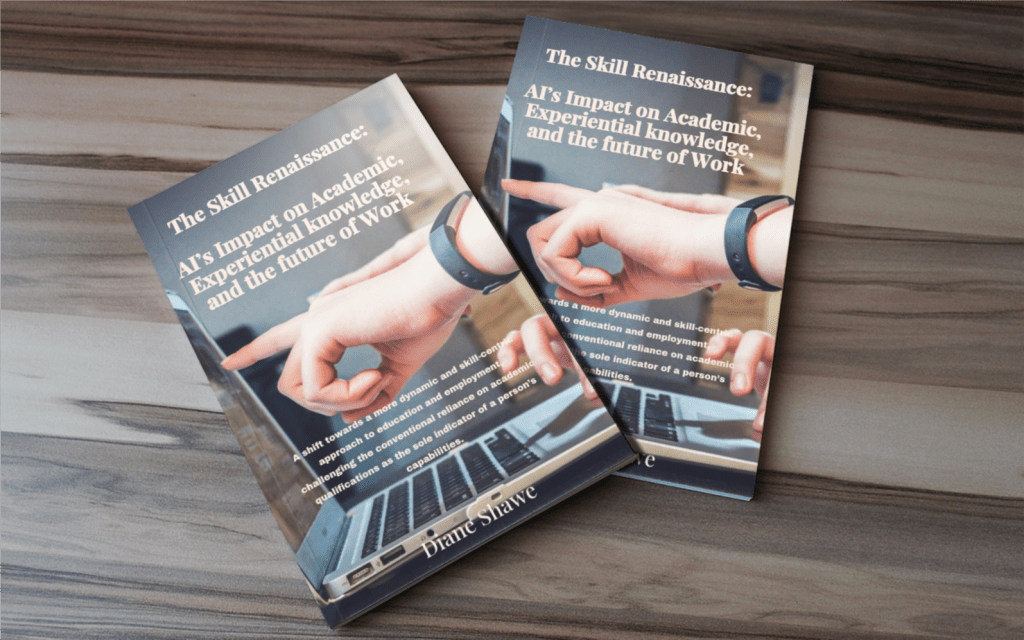
I would like to introduce Diane Shawe’s latest book “The Skill Renaissance” A I impact on education and the future of work as an essential companion for any student entering the job market, offering a roadmap to success in the era of AI disruption. It not only empowers you with knowledge but also provides actionable steps to thrive in a skill-centric future

In “The Skill Renaissance,” the author Diane Shawe has masterfully crafted a must-read for anyone seeking a nuanced understanding of how to incorporate AI constructively into their life and future. This book transcends traditional boundaries, offering valuable insights applicable to a diverse audience. Here’s why it’s a must-read:

  1. Accessible Language and In-Depth Content:

– The author strikes a perfect balance between accessibility and depth. Complex concepts related to AI are explained in a language that resonates with readers across different backgrounds, making it an inclusive read for both educational, tech enthusiasts and those less familiar with the subject.

  1. Practical Guidance for Skill Development:

– One of the book’s strengths lies in its ability to provide practical guidance on skill development. Whether you’re a student, a professional looking to upskill, or someone contemplating a career shift, the book offers actionable steps to harness the power of AI in enhancing your skill set.

  1. Real-World Case Studies:

– The inclusion of real-world case studies enriches the narrative, providing tangible examples of individuals and organisations successfully incorporating AI into their lives and work. These stories serve as inspiring benchmarks for readers looking to emulate constructive AI integration.

  1. Versatility for Various Audiences:

– What sets this book apart is its versatility. It’s not confined to a specific demographic. Whether you’re a educator exploring how to incorporate AI as a teaching or learning tool, a student navigating the education system, a professional seeking career growth, or an entrepreneur exploring innovative strategies, the book caters to a diverse audience with relevant and tailored insights.

  1. Futuristic Vision without Overwhelming Complexity:

– The book paints a futuristic vision of a world influenced by AI without overwhelming the reader with technical jargon. It navigates the complexities of AI’s impact on education and work with a forward-looking perspective, encouraging readers to envision and prepare for a skill-centric future.

  1. Holistic Approach to Personal Growth:

– Beyond its focus on AI, the book takes a holistic approach to personal growth. It emphasizes not only the development of technical skills but also the cultivation of critical thinking, adaptability, and creativity – attributes that will be invaluable in an AI-driven landscape.

  1. Relevance to Evolving Industries:

– For professionals in rapidly evolving industries, this book is a beacon of relevance. It doesn’t merely highlight the importance of AI; it demonstrates how industries are transforming and how individuals can proactively engage with these changes to stay ahead in their respective fields.

  1. Ethical Considerations and Responsible AI Use:

– The book doesn’t shy away from addressing the ethical considerations surrounding AI. It encourages readers to approach AI integration responsibly, fostering a sense of ethical awareness that is increasingly vital in our technologically advancing world.

  1. Self-Awareness and reflection

– This book also tackles how AI could enhance students self awareness and reflective practices, gaining insight into mental health and well being.

In conclusion, “The Skill Renaissance” transcends being a mere guide; it’s a roadmap for personal and professional empowerment in the age of AI. With its inclusive approach, practical insights, and futuristic vision, this book stands as an indispensable resource for anyone seeking to navigate and thrive in the evolving landscape shaped by artificial intelligence.

This book keeps you abreast of the latest developments, ensuring you can adapt and align your skills with the changing demands of your chosen field.

You can get your copy online from Google books or Amazon Kindle. Just search for Diane Shawe and you will find all her publications listed.

Custom Elegance: 6 Reasons Why a Handmade Lace Wig Is Worth the Investment by Diane Shawe

Have you heard of Lace Wigs? Have you seen the amazing effects they have and how natural they look once fitted?

Here are 6 reasons you could benefit from a custom design!


1. Tailored Fit: Enjoy a perfect, customised fit that complements your unique head shape and personal style.

2. Natural Look and Feel: Handmade lace wigs mimic the natural movement and appearance of real hair, providing a seamless and realistic look.

3. Quality Craftsmanship: Experience superior craftsmanship with attention to detail, ensuring durability and longevity for your investment.

4. Comfortable Wear: Designed with precision and care, handmade lace wigs offer comfort, allowing you to wear them for extended periods without discomfort.

5. Versatility in Styling: Style your handmade lace wig just like real hair – from curls to straight styles – offering endless possibilities for expressing your individuality.

6. Exclusive Design: Stand out with a one-of-a-kind piece that reflects your personality, as handmade lace wigs are crafted with a focus on individuality and uniqueness.


If you need a quick #hairmakeover, then request a lace wigs consultation with Needahairmakeover.

If you have a hair line problem, over 60% hairloss or you just want to cover your own hair. These wigs move so naturally, they beat clip ins, weaves and even those glue in strips that pulls out your hair.

Great for weddings, parties, special occasions or that quick date.

#alopecia #hairloss

Checkout our franchise discovery days

Very easy to apply after they are made. You can have them anchored for up to 10 weeks, or held in securely by small combs or clips easy to take off.

Just visit our online booking and select Wig consultation. http://www.needahairmakeover.com

#hairextensions #hairstyles #hairgoals #hair #lacewigs

Book a consultation today http://www.needahairmakeover.com

14 Popular Braiding Techniques in UK by Diane Shawe


Braiding hair is an ancient practice that dates back thousands of years, with evidence of its existence in various cultures worldwide. The exact origins are challenging to pinpoint, but braids have been found in archaeological artifacts from ancient civilizations.

Braiding has stood the test of time due to its practicality, versatility, and cultural significance. It can serve functional purposes like keeping hair neat and organized, as well as aesthetic and cultural reasons. Different societies and periods have embraced braiding for its beauty and as a form of self-expression.

Today, it remains popular for its ability to create diverse hairstyles and reflect cultural identity Box braids: These are the most common type of braids. They are created by dividing the hair into square sections and then braiding each section. Box braids can be done with natural hair or with extensions.

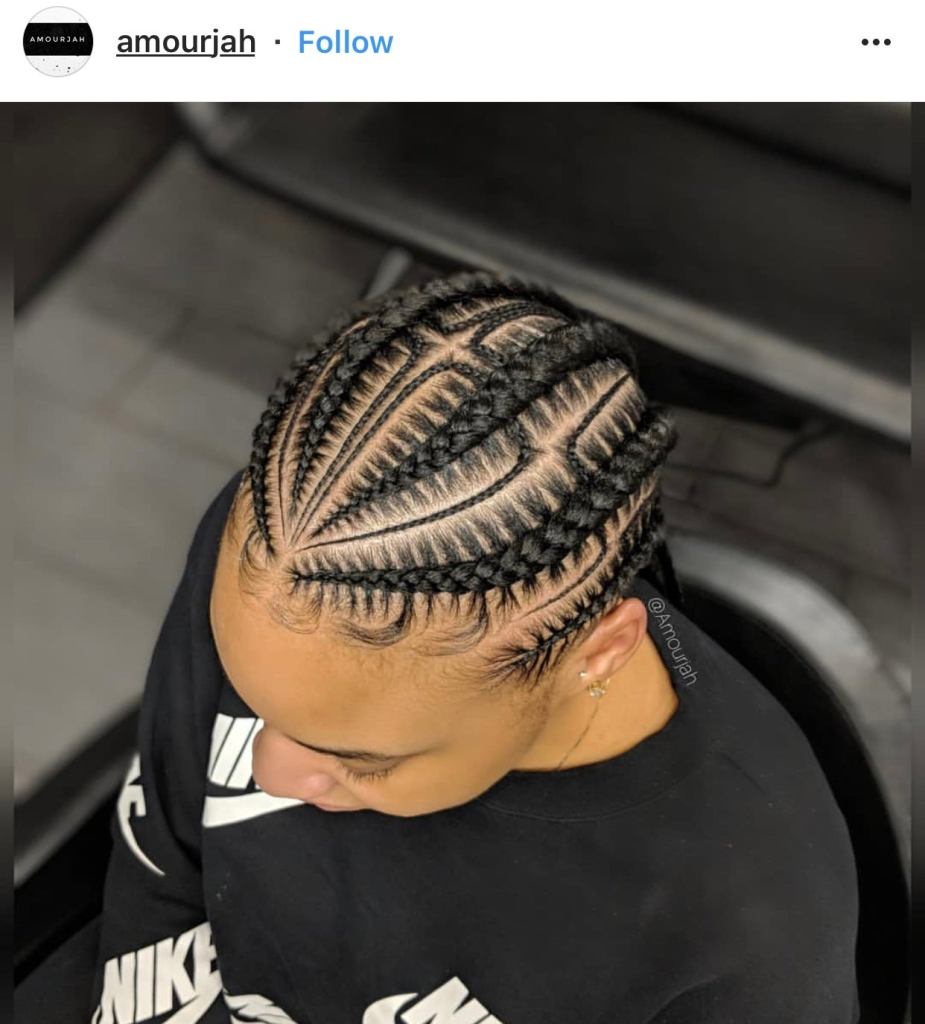
Cornrow braids


Cornrows: Cornrows are a type of braid that is created by braiding the hair in three sections. They can be done on natural hair or with extensions. Cornrows are a popular protective style for black hair Cornrows are Narrow, tight braids close to the scalp, often created in straight lines or intricate plaits.

Twist braids

Twists: Twists are a type of braid that is created by twisting the hair into two or three sections. They can be done on natural hair or with extensions. Twist Braid also known as (Rope Braid) Two or three strands of hair twisted around each other to form a rope-like braid. Twists are a popular protective style for black hair.

Three-Strand Braid (Regular plaiting): The most basic form, created by crossing three strands of hair over one another.

Plait braids


French Braid: A style where the hair is gradually incorporated into the braid as it progresses, typically along the centre of the scalp.


Dutch Braid (Inverted French Braid): Similar to a French braid but with the strands crossed under rather than over, creating a raised, 3D effect.

Fishtail braids

Fishtail Braid: A two-strand braid where small sections of hair are crossed over each other to create a textured, fishtail-like appearance.

Knotless braids

Box Braids: Long, small, and square-shaped braids plaits that are often used to create long styles that can be worn up or down. Can be done as micro or jumbo plaits.

Braids with beads

Feed-in braids: These braids are similar to box braids, but the hair is not divided into square sections. Instead, the hair is braided strand by strand, and the extensions are fed into the braid as it is being created. Feed-in braids are often considered to be less damaging to the hair than box braids

Feed in braids

Knotless braids: Knotless braids are a newer type of braid that is becoming increasingly popular. They are created by braiding the hair without using knots. This means that there is less tension on the hair, which can help to prevent breakage

Waterfall Braid: A braid where sections of hair are dropped to create a cascading effect, resembling a waterfall.

Waterfall braids

Herringbone Braid (Fishbone Braid): A braid that consists of two strands, with small sections of hair crossed over to create a herringbone pattern.

Herringbone braids

Milkmaid Braid: Two braids wrapped around the head like a crown, creating a regal and elegant look.

Milkmaid braids

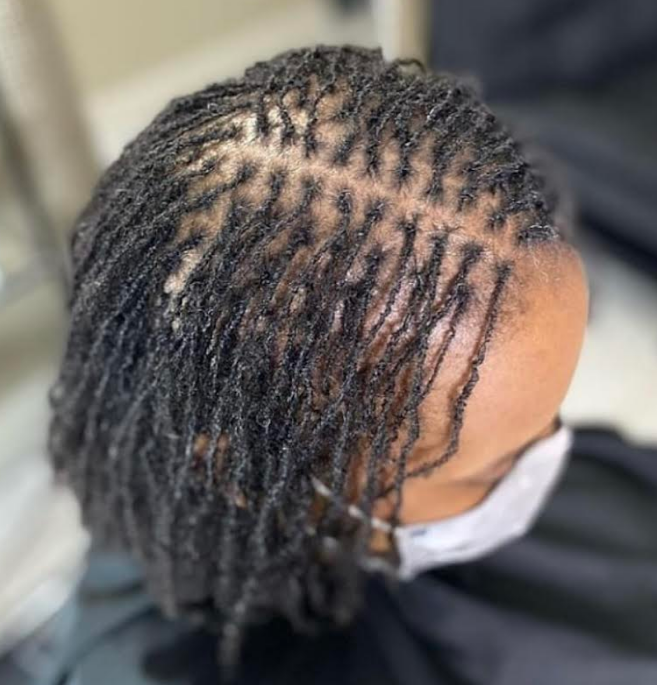
Micro interlocking braids

Using the interlocking method to start microlocs is great for fine textured hair or for those that desire the smallest version of microlocs

Versatility: The small size of microlocs often creates hundreds of locs, which means that the styling possibilities are almost endless.

Neatness: Microlocs maintained with interlocking will stay neater for extended periods of time, compared to retwisting, because the sections are smaller, which means less frizz at the roots.

Fullness: Microlocs generally result in at least 150-300 locs, depending on the size of your head and which size of microlocs you chose, therefore they will instantly create fullness and volume.

Micro interlocking braids

Crochet

You’ve probably heard of crochet braids, but how much do you really know about them? First things first, crochet braiding isn’t actually a ‘braiding‘ in the traditional sense, which is where some of the confusion around this style stems from.

Crochet braiding

Instead, it’s a process through which loose hair extensions are woven into cornrows using a crochet hook, giving the illusion of longer locks. The results are so natural looking that people won’t even suspect that you didn’t grow them yourself!

Other major advantages of crochet braid styles are that they take significantly less time to install compared to box braids (bonus!), and causes less strain on your scalp than sewn-in weaves, since the hair is looped onto existing braids. So, feeling inspired to take plunge? Then check out our favourite looks from Instagram, below!

These are just a few examples, and the world of braiding offers a wide array of styles, often influenced by cultural traditions and personal preferences.


Pros and cons of different braiding techniques

The pros and cons of different braiding techniques vary depending on the technique, but some general pros and cons include:

Pros:

• Braids can protect the hair from heat, humidity, and other environmental factors.

• Braids can help to stretch the hair, which can improve its texture.

• Braids can be styled in a variety of ways, which can give you a lot of versatility:

• Braids can be time-consuming to install and remove.

• Braids can be heavy, which can cause discomfort.

• If braids are done too tightly, they can cause hair breakage.

Which braiding technique is right for you?

The best braiding technique for you will depend on your individual hair type, preferences, and lifestyle. If you have delicate hair, you may want to choose a technique that is less damaging, such as knotless braids or twists. If you are looking for a style that is versatile and easy to maintain, box braids or cornrows may be a good option for you. Ultimately, the best way to decide which braiding technique is right for you is to talk to a hair stylist who can assess your hair and help you choose the best style for your needs.

https://www.needahairmakeover.com

Note

Some photos have been accredited to the artist as stamped on the image. We take no responsibility if these have been plagiarised by the name of the artist listed on them

The Triage Funnel: Straightforward 3 Step Process to Sell High-Ticket Offers by Diane Shawe


Are you finding it difficult to effectively market high-ticket offers? Are you encountering challenges in generating fresh leads and scheduling strategy sessions for your high-ticket offers?

The success of your business selling high-ticket offers is contingent upon the number of qualified leads and sales calls you have.

I understand the frustration and disappointment that comes with being unable to sell  premium coaching, consulting, and live event offers, but if you read my latest book you will come to understand that there are several other industries that are looking for high ticket closers and appointment setters.

But that’s about to change.

If you’re interested in discovering how to attract a flood of qualified leads and ensure your calendar is filled with well-qualified calls, continue reading.

I have recently written a book that  specialise in guiding youin the world of triage selling high-ticket programs.

There are numerous approaches you can employ to create a sales funnel and sell your high-ticket offers.

However, in this article, we will focus on the Triage Funnel – a straightforward three-step process that delivers an abundance of qualified leads.

In fact, I personally utilised this method recently as well.

Advantages of the Triage Funnel include:

  • Streamlined funnel procedures with minimal moving components
  • No hassle of implementing an ascension model that requires starting with low-ticket offers and then transitioning to high-ticket ones
  • No more struggling to persuade people to make a purchase
  • Expedited phone conversations with interested prospects (within 72 hours)

Now, let’s delve into the three-step process of the Triage Funnel.

STEP 1: The right lead magnet: Crucial initial step

The initial stage of this funnel entails achieving two primary objectives through the utilisation of a lead magnet.

Firstly, it serves the purpose of generating leads. Although the objective itself may seem simple, it should be recognised as highly significant. The lead magnet effectively acquires vital contact information, namely the lead’s name and email address. Subsequently, this enables the provision of value-adding content, should it be deemed necessary.

Secondly, the lead magnet plays a crucial role in prospect qualification. It is imperative to avoid wasting precious time on unsuitable clients. Thus, the lead magnet must be meticulously crafted in a manner that only entices prospective clients who are the right fit. By addressing their specific problems within the lead magnet, they will develop a sense of being truly understood. Consequently, this approach will effectively attract individuals who are most likely to invest in your high-ticket programs.

As so wisely stated by Stephen Covey in his renowned literary work, The Seven Habits of Highly Effective People, one must first seek understanding and then aim to be understood.

The provided example presents a landing page featuring a lead magnet.


However, it should be noted that a lead magnet should not be confused with an e-book. While an e-book was previously defined as a downloadable PDF during the early 2000s, this is no longer the case.

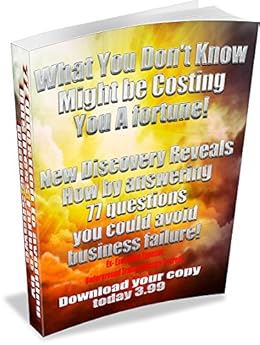
In the image below, one can observe the presence of a lead magnet titled “Accelerate Sales Volocity by 25%” This showcases what potential clients you could attract  by using  AI bots and  a good landing page!

STEP 2: Take Advantage of offering Triage-Call on Your Thank You Page

Upon embarking on their journey into the realm of digital marketing, many individuals begin by developing their lead magnet and landing page. Upon the opt-in, they are directed to a “Thank You” page, which, as the name suggests, simply expresses gratitude without offering any additional content.

Upon closer examination, this page can be seen as an opportunity to engage the user.

As users opt-in and anxiously await their desired outcome.

Here’s a proposition:

Take advantage of the “Thank You” page by offering users an opportunity to schedule a brief triage call.

The triage call will only last 9 minutes.

The purpose of this call is to determine if you can effectively assist the prospect.

To accomplish this, incorporate relevant and captivating text onto the thank-you page, along with a video.

This video should cover the following points:

  • Firstly, inform users that their lead magnet will be delivered to their email within approximately 15 minutes. This will encourage them to stay on the page and provide them with an opportunity to schedule a Triage Call.
  • Discuss what they can expect from the lead magnet.
  • Address their issues and explain how this lead magnet will resolve them, ultimately leading them to schedule a triage call.

You may be questioning the decision to offer a 9-minute triage call instead of a 45-minute strategy call.

It is uncertain if you have encountered this scenario, but sometimes, a 45-minute strategy call can be wasted on the wrong prospect.

Time equals money, so why waste it on the wrong prospects?

Utilise a triage call to qualify prospects who are genuinely deserving of a 45-minute strategy call with you.

Implementing a triage call can boost your enrollment rate by 83%.

Consider employing interns or contractors to handle these triage calls.

Ensure that they possess the necessary expertise.

They should possess enough knowledge to determine whether you can solve the prospect’s problems or not. When executed correctly, approximately 40% of individuals will schedule a triage call.

If a strategy call were offered instead, only around 8 individuals would be able to be accommodated.

However, with a 9-minute triage call, you can connect with up to 40 prospects in a single day.

That is the true power of a triage call.

It is possible that 60% of individuals may choose to not schedule a triage call, and that is perfectly acceptable.

A prospect who is willing to schedule a triage call demonstrates enough interest to warrant a 45-minute strategy session.

What about the remaining 60%? Well, some individuals simply disregard them.

You can choose to do the same, or alternatively, you can add additional qualifiers to ensure that the prospect is the right fit and highly likely to make a purchase prior to reaching out to them.

Disable their lead generation until they catch up with you.

So if you generate 100 leads, 40 will book a 9-minute triage call; which is equal to 6 hours.


STEP 3: Follow up

Some individuals may choose not to schedule a triage-call, despite its effectiveness in identifying potential prospects. However, their lack of interest should not be immediately dismissed. There could be various reasons behind their hesitation, such as fear of the unknown or more pressing priorities. It is essential to remember that their circumstances are unknown to us.

Nevertheless, these prospects require careful nurturing. They are not easily convinced and will require additional effort on our part. Consistent communication through valuable content over several days or weeks is necessary. By doing this, we establish ourselves as experts, authoritative figures, and problem solvers. It is important however not to move into harassment mode, executives are busy people and are often juggling several balls in the air.

In some of these nurturing emails, it is advisable to include a Call to Action to prompt them to book a triage-call. When composing these emails, it is crucial to focus on addressing the prospect’s pain points and emphasis that help is readily available. We aim to convey that a different life is just one triage-call away.

On a separate note, it’s interesting to note that 73% of B2B marketers and sales leaders consider webinars as the most effective means of generating high-quality leads.

Unlock Your Remote Career Potential: Diane Shawe’s latest book, available on Amason, offers valuable insights and tips on Remote High Ticket Triaging and the best jobs in the field. Plan your biggest remote career with confidence and make informed decisions. Get your copy now and embark on a journey towards a successful remote career. #Triaging #RemoteJobs #CareerPlanning

Order your copy Now