Category Archives: conversational marketing

12 Health Red Flags & Natural Healing Options While You Wait for a Doctors Appointment”

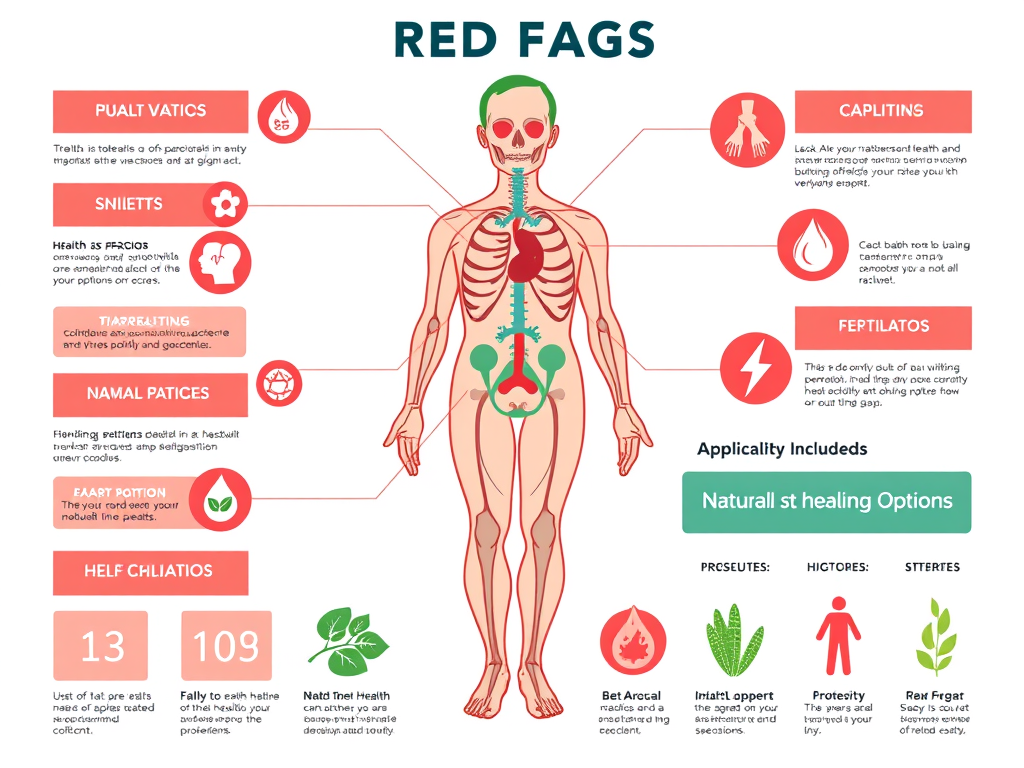
“Your Body Speaks Before Illness Strikes—12 Health Red Flags & Natural Healing Options While You Wait for a Doctors Appointment”

Doctor Appointments Are Hard to Get—Here’s How to Read Your Body’s Warning Signs & Find Healing Support Now” Getting a GP appointment in the UK has become increasingly challenging in certain regions throughtout the UK, with many patients waiting many days or weeks just to be seen. But your body doesn’t always wait—it sends signals usually well in advance (that many of us ignore) when something isn’t right.

Learning to recognise these signs can help you take action early and seek support from alternative health advisors or natural remedies while you wait for medical care.

Note: Before i go on I must state that this is not medical advice. Please consult a doctor or qualified professional if you have serious symptoms.

In this article, we’ll discover together 12 warning signs your body may give you, including fatigue, weight changes, skin issues, hair loss, and more. We’ll also explore what you can do in the meantime to support your body’s internal healing and where to find trusted alternative health practitioners in the UK.

Your body is constantly communicating with you. Sometimes the signs are subtle—easy to ignore or brush off as “just stress” or “getting older.” But persistent or unusual changes may be your body’s way of waving a red flag, signaling that something deeper needs attention.

Here are 12 ways your body may be trying to tell you something is wrong, plus two extra signs that are often overlooked.

1. Persistent Fatigue Feeling drained all the time, even after a good night’s sleep, isn’t just about being busy. Chronic tiredness can signal conditions such as anemia, thyroid imbalances, sleep apnea, or chronic fatigue syndrome. If rest doesn’t restore your energy, it’s worth exploring with a doctor.

2. Unexplained Weight Changes Noticeable weight loss or gain without changes to diet or exercise can point to underlying issues like thyroid disease, hormonal imbalances, diabetes, or even gastrointestinal problems. Gradual weight changes are common, but sudden shifts deserve attention.

3. Skin Changes Your skin is a window into your overall health. Sudden rashes, unexplained bruises, persistent dryness, or new moles can indicate allergies, infections, autoimmune disorders, or even skin cancer. Never ignore changes that seem unusual or that don’t heal.

4. Digestive Upsets Frequent bloating, indigestion, diarrhea, or constipation could indicate food intolerances, irritable bowel syndrome (IBS), ulcers, or more serious conditions like Crohn’s disease. The gut is often called the “second brain,” and disturbances here can be an early clue of imbalance elsewhere in the body.

5. Chronic Pain Pain that lingers without an obvious cause—whether in the joints, muscles, or nerves—can signal arthritis, fibromyalgia, nerve damage, or hidden infections. Chronic pain should never be dismissed as “just getting older.”

“As a millennial with the long-term health conditions of a boomer, I can identify with this mindset. I’ve always been ideologically against private healthcare, to the extent that when that Bupa advert comes on the TV where the woman in remission from cancer dances joyfully, I involuntarily yell: “Parasites! Did she have to sell her home to pay for chemotherapy?!” But with NHS waiting lists still sky high, like many, I’ve found myself relying on private healthcare for the first time. When I had nerve damage in my arm and was struggling to type this column, I reluctantly booked an appointment with a private physiotherapist rather than waiting several months on the NHS. Without private insurance, I paid the £75 an hour cost and felt lucky that I could afford to.”
source: https://www.theguardian.com/commentisfree/2025/aug/20/private-healthcare-nhs-young-people?

6. Unusual Bleeding Blood in the stool, urine, or persistent vaginal bleeding (outside of a normal cycle) may indicate infections, hormonal issues, or cancers of the reproductive or digestive system. Even small amounts of unexplained bleeding should be checked.

7. Changes in Urination Going more often, experiencing pain when urinating, or noticing changes in color or odor may point to urinary tract infections, kidney problems, or diabetes. If these symptoms persist, it’s time for a medical evaluation.

8. Breathing Difficulties Shortness of breath, wheezing, or persistent coughs may indicate asthma, COPD, infections, or heart problems. If breathing becomes labored during normal activities, it’s an urgent warning sign.

9. Cognitive or Mood Changes Memory loss, confusion, difficulty concentrating, or sudden mood swings may be linked to neurological conditions such as Alzheimer’s, dementia, stroke, or even nutritional deficiencies. Mental changes should never be written off as “just stress.”

10. Irregular Heartbeat Heart palpitations, skipped beats, or a racing heart may indicate arrhythmia, cardiovascular disease, or even thyroid problems. Since heart conditions can be life-threatening, it’s important to seek medical advice if irregular rhythms are frequent.

11. Hair Loss and Thinning Hair is often described as a “barometer of health.” Excessive shedding or sudden thinning can signal stress, thyroid disorders, anemia, autoimmune diseases, or nutritional deficiencies (such as low iron, zinc, or protein). It may also indicate hormonal changes, especially in women during perimenopause or after pregnancy.

12. Brittle Nails and Weak Hair Quality Your nails and hair can reflect what’s happening internally. Nails that are brittle, ridged, or spoon-shaped may suggest anemia, thyroid problems, or vitamin deficiencies. Similarly, dull or breaking hair may be linked to poor diet, dehydration, or underlying endocrine imbalances.


Final Thoughts These signs do not automatically mean something serious is wrong, but they are worth paying attention to. Your body is wise—it sends early warning signals long before bigger problems arise. Don’t dismiss or ignore them.

Supporting Internal Healing While Waiting for a Doctor’s Appointment When medical access feels slow, it’s empowering to remember that you can take steps to care for your body while waiting. These practices won’t replace professional care, but they can support your immune system, lower stress, and create the best conditions for healing.

Natural Approaches to Support Internal Healing

1. Nutrition First Focus on whole foods: leafy greens, berries, nuts, seeds, lean proteins, and omega-rich foods like salmon or flaxseed. Reduce processed foods, refined sugar, and alcohol, which can aggravate inflammation. Consider short-term elimination of common irritants (gluten, dairy, excess caffeine) if you suspect food sensitivities.


2. Hydration & Detox Support Drink at least 6–8 glasses of water daily. Add lemon to water to support digestion and liver function. Herbal teas (like nettle, ginger, chamomile, or dandelion root) can gently aid detoxification and calm the nervous system.

3. Rest & Sleep Hygiene Prioritise 7–9 hours of quality sleep. Use simple practices such as limiting blue light before bed, keeping your bedroom cool, and creating a calming night routine.

4. Stress Reduction Chronic stress is linked to hair loss, poor immunity, and digestive problems. Try mindfulness, meditation, journaling, or deep-breathing exercises for 10 minutes daily. Even gentle walks in nature can reset your nervous system.

5. Movement & Circulation Engage in light to moderate exercise—yoga, swimming, brisk walking, or stretching. Exercise not only strengthens the heart but also boosts mental health and aids detox through sweating.

6. Supplements (with caution) General support: Vitamin D (especially in the UK’s darker months), Vitamin C, Omega-3, and Zinc. For hair/skin/nails: Biotin, Iron (if deficient), and B-complex vitamins. Always check labels for quality and avoid exceeding recommended daily amounts.



Alternative Health Advisors to Consider

If waiting lists are long, many people turn to complementary or holistic health professionals. Here are safe options:

Nutritionists & Nutritional Therapists – Help identify deficiencies or food intolerances, and create personalised diet plans.

Herbalists – Provide plant-based remedies to support immunity, digestion, stress, and hormonal balance. Acupuncturists – May support energy flow, pain relief, and stress reduction.

Osteopaths/Chiropractors – Focus on musculoskeletal health, posture, and alignment.

Reflexologists & Massage Therapists – Encourage relaxation and circulation.

Psychotherapists or Counsellors – Helpful for mental and emotional symptoms that affect physical health.

Functional Medicine Practitioners – Take a whole-body approach, often using advanced testing (private option).

🚨 When to Seek Urgent Help

While natural support is powerful, some symptoms require immediate attention. If you experience sudden chest pain, severe bleeding, difficulty breathing, vision loss, or confusion, call 999 or go to A&E immediately.

Takeaway:

You may not always be able to see a doctor right away, but you can still be proactive. Supporting your body with nutrition, rest, movement, and stress management—plus consulting reputable alternative practitioners—can bridge the gap until your appointment.

Where to Find Trusted Alternative Health Advisors in the UK

If you’re considering complementary or alternative therapies, it’s important to choose practitioners who are properly trained, insured, and registered with professional bodies. Here are some trusted directories and organisations in the UK to help you find the right support:


🥗 Nutritionists & Nutritional Therapists

British Association for Nutrition and Lifestyle Medicine (BANT)🔗 http://www.bant.org.uk

Registered nutritional therapists and functional medicine practitioners.

Association for Nutrition (AfN)🔗 http://www.associationfornutrition.org

Directory of degree-qualified nutritionists recognised by the NHS and public sector.

🌿 Herbal Medicine

National Institute of Medical Herbalists (NIMH)🔗 http://www.nimh.org.uk

Practitioners offering plant-based remedies for health concerns.

College of Practitioners of Phytotherapy (CPP)🔗 http://www.phytotherapists.orgHerbalists using evidence-based botanical medicine.

🪡 Acupuncture British Acupuncture Council (BAcC)🔗 http://www.acupuncture.org.uk

Find licensed acupuncturists regulated for safety and professionalism.

🧍 Osteopathy & Chiropractic Care

General Osteopathic Council (GOsC)🔗 http://www.osteopathy.org.uk

Search tool for registered osteopaths in the UK.

General Chiropractic Council (GCC)🔗 http://www.gcc-uk.orgFind registered chiropractors.

🦶 Reflexology & Massage Therapy

Association of Reflexologists (AoR)🔗 http://www.aor.org.uk

Directory of professional reflexologists. Federation of Holistic Therapists (FHT)🔗 http://www.fht.org.uk

UK’s largest professional association for holistic therapies (including massage, aromatherapy, reflexology).

🧠 Mental Health Support

British Association for Counselling and Psychotherapy (BACP)🔗 http://www.bacp.co.uk

Directory of qualified counsellors and psychotherapists. UK Council for Psychotherapy (UKCP)🔗 http://www.psychotherapy.org.uk

Search for accredited psychotherapists.

🌍 Functional & Integrative Medicine British Society for Ecological Medicine (BSEM)🔗 http://www.bsem.org.uk

Doctors and practitioners specialising in environmental and functional medicine.

The Institute for Functional Medicine (IFM) – Find a Practitioner🔗 http://www.ifm.org/find-a-practitionerGlobal directory (filter by UK) for functional medicine-trained clinicians.

⚠️ Tip for Safety:When booking, always check:

Registration/membership number Insurance cover Reviews or testimonials Whether they work alongside GPs or consultants

✅ Takeaway:While waiting for NHS appointments can feel discouraging, these resources empower you to find qualified alternative health professionals who can support your healing journey safely and effectively.

⚠️ Disclaimer: I am not a doctor or medical professional. I am simply sharing research and observations, experiences, and practical tools that can help while waiting for professional care. These suggestions are not a substitute for medical advice. If you are experiencing serious, worsening, or life-threatening symptoms, it is essential that you seek the support of a GP, qualified consultant, or emergency services as soon as possible.

https://www.theguardian.com/business/2024/apr/28/no-ones-being-honest-about-it-how-nhs-crisis-forces-patients-to-go-private?


✨ If you’ve noticed hair loss, thinning, or changes in your scalp health—don’t wait. Book a confidential consultation with Need a Hair Makeover Salon today and explore safe, effective solutions tailored to you. 👉 Visit: http://www.needahairmakeover.com | Call: 0330 043 0703


Pamper Your Feet: Five Luxurious Foot Soaks and Oils for Soft, Elegant Toes

Revitalise Your Routine and Step Out in Style

Our feet carry us through life’s journeys—whether it’s a dash to catch the morning train or a leisurely stroll through the park, they work tirelessly for us every day. Yet, how often do we show them the care and gratitude they truly deserve? If you’re longing for feet that are not only soft and elegant but also ready to shine in any season, you’re in the right place.

Dive into this relaxing ritual of five sumptuous foot soaks, each paired with a luxurious oil, and discover just how effortless it can be to give your feet the love they crave. And when you’re ready to take your routine to the next level, book a foot pedicure at needahairmakeover.com to experience pure pampering perfection.

  1. Lavender Epsom Salt Soak & Sweet Almond Oil
    There’s a reason lavender has remained a staple in spas across the world—it soothes both body and mind. Begin your journey with a classic lavender Epsom salt soak. Simply fill a basin with warm water, add half a cup of Epsom salt, and sprinkle in a tablespoon of dried lavender buds or a few drops of lavender essential oil. Let your feet soak for 15-20 minutes as the gentle scent calms your senses and the salts ease away aches.
    After drying your feet, massage in a generous amount of sweet almond oil. This lightweight, vitamin-rich oil absorbs quickly, leaving your skin silky-smooth without any greasy residue. Regular use helps soften calluses and encourages a radiant, healthy glow—perfect for showing off your feet in stylish sandals or strappy heels.
  2. Peppermint Tea Foot Soak & Coconut Oil
    For a refreshing pick-me-up, try a peppermint tea foot soak. Steep four peppermint tea bags in a bowl of hot water for ten minutes, then remove the bags and allow the water to cool to a comfortable temperature. The natural menthol in peppermint invigorates tired feet, reduces swelling, and helps banish odour. Soak your feet for 15 minutes and breathe in the energising aroma.
    Once your feet are dry, apply coconut oil liberally, focusing on heels and any rough patches. Coconut oil’s natural fatty acids provide deep hydration and protection against cracking. Plus, its subtle tropical scent lingers, transporting you to a mini paradise with every step.
  3. Rose and Milk Soak & Jojoba Oil
    Indulge in old-world luxury with a rose and milk soak. Pour two cups of warm whole milk into a basin, add half a cup of dried rose petals (or a few drops of rosewater), and swirl gently. The lactic acid in milk exfoliates dead skin, while rose soothes and hydrates. Soak for 20 minutes, and you’ll emerge with petals-soft feet and a sense of inner calm.
    Follow with a gentle massage using jojoba oil. This golden liquid is structurally similar to your skin’s natural sebum, making it perfect for deep, non-irritating moisturisation. It also helps to lock in moisture and enhance elasticity, giving your feet a refined, elegant appearance.
  4. Citrus and Sea Salt Soak & Olive Oil
    Brighten your mood and your feet with a zesty citrus and sea salt soak. Squeeze the juice of one lemon and one orange into a large bowl, add a handful of coarse sea salt, and fill with warm water. The natural acids from the citrus fruits gently exfoliate and lighten any dark spots, while sea salt purifies and refreshes.

    After your soak, use olive oil—one of nature’s oldest beauty secrets. Warm a little oil between your hands and massage thoroughly into your feet and ankles. Olive oil is loaded with antioxidants and vitamins A and E, which nourish the skin and promote a luminous, youthful look. Finish by slipping on a pair of cotton socks for at least 30 minutes to maximise absorption.


  5. Green Tea and Honey Soak & Argan Oil
    Harness the power of antioxidants with a green tea and honey soak. Brew two green tea bags in a basin of hot water, remove the bags, and stir in two tablespoons of raw honey. Let the mixture cool slightly, then soak your feet for 20 minutes. Green tea reduces inflammation and odour, while honey acts as a natural antibacterial and humectant, drawing moisture deep into the skin.

    To complete this ritual, apply a few drops of luxurious argan oil. Sourced from Moroccan argan trees, this oil is packed with vitamin E and essential fatty acids, making it ideal for overnight rejuvenation. Argan oil helps to repair cracked heels and soften tough skin, leaving your feet with a flawless, elegant finish.

    Aftercare Tips for Consistently Soft and Elegant Feet

    • Exfoliate weekly: Use a gentle foot scrub or pumice stone to remove rough skin and keep your feet smooth.
    • Moisturise daily: Always apply your chosen oil or foot cream before bed to lock in hydration.
    • Protect your feet: Wear comfortable shoes and breathable socks to prevent chafing and dryness.
    • Stay hydrated: Drinking plenty of water supports overall skin health from the inside out.
    • Book professional treatments: Treat yourself to a spa pedicure regularly for a truly indulgent experience.

    Ready to Step Up Your Foot Care?

    While these at-home soaks and oils offer a beautiful way to pamper your feet, nothing compares to the expert touch of a professional foot pedicure. At needahairmakeover.com, you’ll find skilled specialists ready to transform your feet with gentle care, nourishing treatments, and a dash of elegance. Give your feet the attention they deserve and walk confidently—book your foot pedicure today at http://www.needahairmakeover.com! Your next step will be your most beautiful yet.

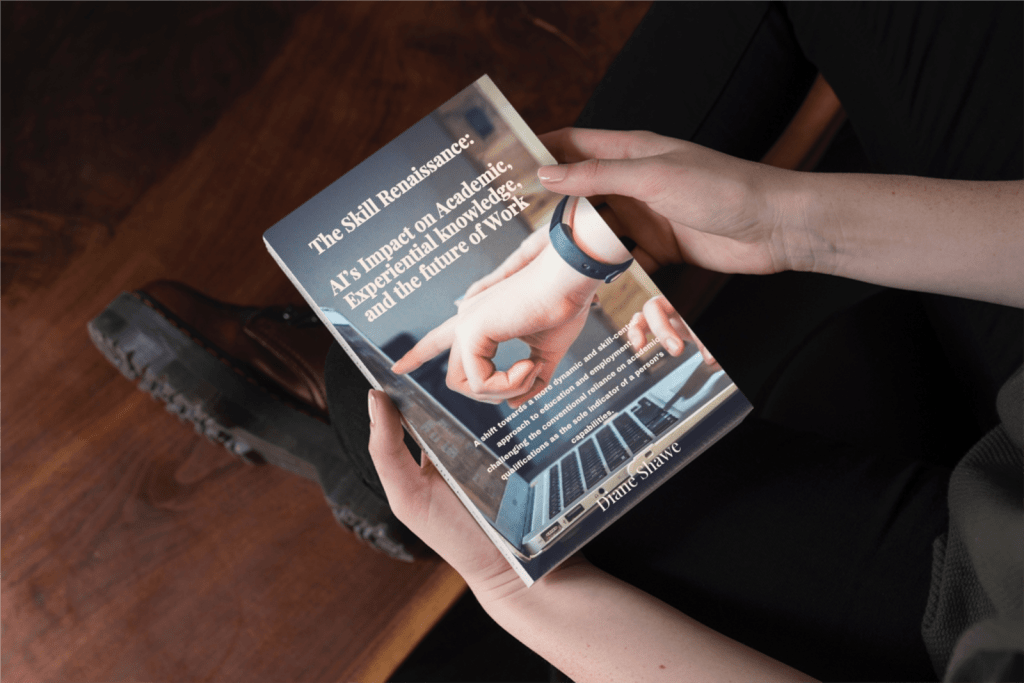
How to Navigate your Education and Carer in the Age of A I by Diane Shawe

In the fast-paced world influenced by AI, staying informed about industry trends is crucial.

I would like to introduce Diane Shawe’s latest book “The Skill Renaissance” A I impact on education and the future of work as an essential companion for any student entering the job market, offering a roadmap to success in the era of AI disruption. It not only empowers you with knowledge but also provides actionable steps to thrive in a skill-centric future

In “The Skill Renaissance,” the author Diane Shawe has masterfully crafted a must-read for anyone seeking a nuanced understanding of how to incorporate AI constructively into their life and future. This book transcends traditional boundaries, offering valuable insights applicable to a diverse audience. Here’s why it’s a must-read:

  1. Accessible Language and In-Depth Content:

– The author strikes a perfect balance between accessibility and depth. Complex concepts related to AI are explained in a language that resonates with readers across different backgrounds, making it an inclusive read for both educational, tech enthusiasts and those less familiar with the subject.

  1. Practical Guidance for Skill Development:

– One of the book’s strengths lies in its ability to provide practical guidance on skill development. Whether you’re a student, a professional looking to upskill, or someone contemplating a career shift, the book offers actionable steps to harness the power of AI in enhancing your skill set.

  1. Real-World Case Studies:

– The inclusion of real-world case studies enriches the narrative, providing tangible examples of individuals and organisations successfully incorporating AI into their lives and work. These stories serve as inspiring benchmarks for readers looking to emulate constructive AI integration.

  1. Versatility for Various Audiences:

– What sets this book apart is its versatility. It’s not confined to a specific demographic. Whether you’re a educator exploring how to incorporate AI as a teaching or learning tool, a student navigating the education system, a professional seeking career growth, or an entrepreneur exploring innovative strategies, the book caters to a diverse audience with relevant and tailored insights.

  1. Futuristic Vision without Overwhelming Complexity:

– The book paints a futuristic vision of a world influenced by AI without overwhelming the reader with technical jargon. It navigates the complexities of AI’s impact on education and work with a forward-looking perspective, encouraging readers to envision and prepare for a skill-centric future.

  1. Holistic Approach to Personal Growth:

– Beyond its focus on AI, the book takes a holistic approach to personal growth. It emphasizes not only the development of technical skills but also the cultivation of critical thinking, adaptability, and creativity – attributes that will be invaluable in an AI-driven landscape.

  1. Relevance to Evolving Industries:

– For professionals in rapidly evolving industries, this book is a beacon of relevance. It doesn’t merely highlight the importance of AI; it demonstrates how industries are transforming and how individuals can proactively engage with these changes to stay ahead in their respective fields.

  1. Ethical Considerations and Responsible AI Use:

– The book doesn’t shy away from addressing the ethical considerations surrounding AI. It encourages readers to approach AI integration responsibly, fostering a sense of ethical awareness that is increasingly vital in our technologically advancing world.

  1. Self-Awareness and reflection

– This book also tackles how AI could enhance students self awareness and reflective practices, gaining insight into mental health and well being.

In conclusion, “The Skill Renaissance” transcends being a mere guide; it’s a roadmap for personal and professional empowerment in the age of AI. With its inclusive approach, practical insights, and futuristic vision, this book stands as an indispensable resource for anyone seeking to navigate and thrive in the evolving landscape shaped by artificial intelligence.

This book keeps you abreast of the latest developments, ensuring you can adapt and align your skills with the changing demands of your chosen field.

You can get your copy online from Google books or Amazon Kindle. Just search for Diane Shawe and you will find all her publications listed.

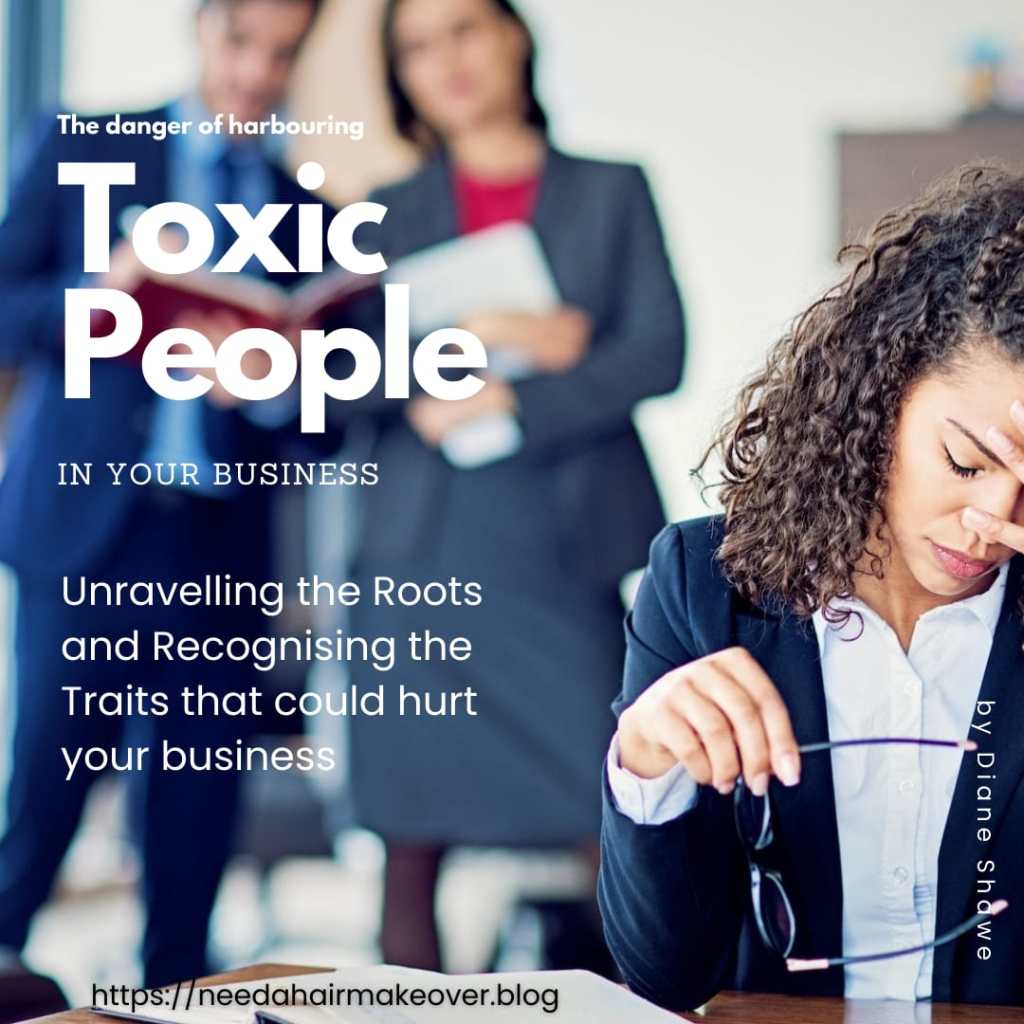
Understanding Toxicity: Unravelling the Roots and Recognising the Traits that could hurt your business

In our journey through life, we encounter a wide array of people, each with their unique qualities and characteristics. Among them, we sometimes cross paths with individuals who exude negativity, manipulation, and emotional turbulence – the so-called ‘toxic’ people. But what makes someone toxic, and how can we recognise the tell-tales traits that define their behaviour?

In this blog, we delve into the complex origins of toxicity, shedding light on the reasons some people become toxic, and providing valuable insights on identifying these traits.

Join us on this exploration of human behaviour, as we seek to better understand and navigate our encounters with toxic individuals.”

Toxicity in individuals often has complex origins that can be influenced by several factors. While it may not be a universal pattern, understanding the potential reasons why some people become toxic is crucial for grasping the complexity of their behaviour.

As for the age at which toxicity might start, it can vary widely. Some toxic traits may emerge in childhood or adolescence, while others might become prominent in adulthood due to life experiences and environmental factors. It is important to note that not everyone exposed to challenging circumstances becomes toxic; individual responses and resilience play a significant role.

Here, we will explore the origins of toxicity and why it may manifest in certain individuals:

1. Early Life Experiences: Toxic behaviour can sometimes trace its roots back to early childhood experiences. Individuals who grew up in environments characterised by neglect, abuse, or a lack of emotional support may develop maladaptive coping mechanisms, leading to toxic behaviours in later life.
2. Learned Behaviour: Toxicity can be learned. If a person has been exposed to toxic behaviour in their family or social circle, they may adopt similar patterns of interaction and communication. It is a case of perpetuating negative dynamics through social learning.


3. Psychological Factors: Certain personality traits or psychological conditions, such as narcissism or borderline personality disorder, can contribute to toxic behaviour. These individuals may struggle with empathy, self-regulation, and forming healthy relationships.
4. Insecurity and Low Self-Esteem: Some toxic individuals may suffer from deep-seated insecurities and low self-esteem. Their toxic behaviour could be a defence mechanism to protect themselves from perceived threats, often manifested as arrogance or manipulation.
5. Failed Coping Strategies: Toxic behaviours can be a result of failed coping strategies. Individuals who have faced adversity, trauma, or stressful situations might develop maladaptive coping mechanisms, such as manipulation or blaming others.
6. Environmental Factors: Toxicity can also be a response to a toxic environment. When someone constantly faces hostility, stress, or unhealthy dynamics, they may become toxic as a means of self-preservation or retaliation.

Recognising these potential origins of toxicity can offer insight into why some people exhibit toxic behaviour. It can also remind us that while we should approach toxic individuals with caution, understanding and empathy can be the first step toward helping them address the root causes of their behaviour and potentially change for the better.

Here are thirteen examples of toxity traits:

1. Gaslighting: They manipulate you into questioning your own reality and memory.
2. Selective Empathy: They only show empathy towards those who benefit them and disregard the suffering of others.
3. Constant Criticism: They criticise you and others relentlessly, causing self-esteem issues.
4. Manipulative Behaviour: They use manipulation tactics like lying, playing mind games, or emotional extortion.
5. Victim Mentality: They consistently portray themselves as victims in every situation, avoiding responsibility.
6. Intrusive: They invade your privacy and personal space without permission.
7. Insensitive to Feelings: They disregard your feelings and concerns, often dismissing them as unimportant.
8. Draining Energy: They bring negativity and drama into your life, leaving you emotionally drained.
9. Silent Treatment: They use the silent treatment to control or punish you.
10. Deflecting Blame: They shift blame onto others and refuse to acknowledge their mistakes.
11. Competitive Nature: They constantly compare themselves to you and try to outdo your achievements.
12. Passive-Aggressiveness: They make sarcastic or hurtful comments disguised as jokes.
13. Lack of Apology: They never admit when they are wrong and refuse to say sorry even when it is warranted.

These additional examples help further illustrate the signs of a toxic person to watch out for.
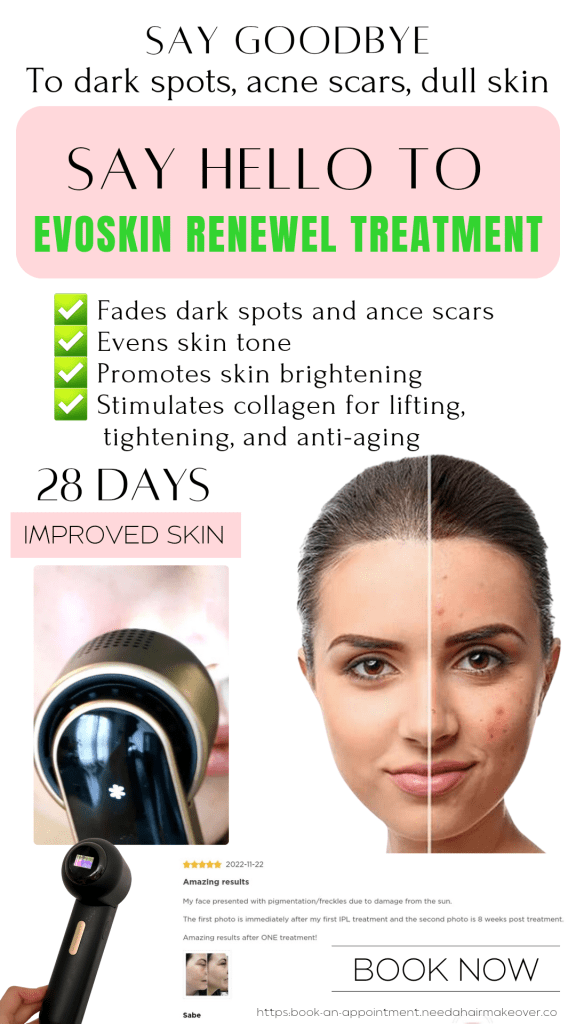
EvoSkin Renewal acne Treatment


Dealing with toxic people in these situations can be challenging, but here is how you can navigate them:

1. Gaslighting: Trust your instincts, maintain a journal to record events, and seek support from trusted friends or a therapist who can validate your feelings and experiences.
2. Selective Empathy: Recognise their limitations and do not expect empathy from them. Seek empathy and support from other sources, such as friends, family, or support groups.
3. Constant Criticism: Build self-esteem by acknowledging your strengths and seeking positive feedback from people who appreciate you. Set boundaries and limit your exposure to constant criticism.
4. Manipulative Behaviour: Stay aware of manipulation tactics and confront them calmly. Refuse to engage in manipulative conversations and maintain your boundaries.
5. Victim Mentality: Avoid enabling their behaviour by not rescuing them from consequences. Encourage personal responsibility but be prepared for resistance.
6. Intrusive: Politely but firmly set clear boundaries, communicate your need for personal space, and enforce these boundaries if they are violated.
7. Insensitive to Feelings: Express your feelings assertively and calmly. If they remain dismissive, consider limiting your emotional investment in the relationship.
8. Draining Energy: Prioritise self-care and be mindful of how much time and energy you invest in the relationship. Seek out positive and supportive connections to counterbalance the negativity.
9. Silent Treatment: Maintain open communication, express your concerns about the silent treatment, and let them know it is not an acceptable form of communication for you.
10. Deflecting Blame: Hold them accountable for their actions by calmly addressing the issue, providing evidence if necessary, and not accepting unwarranted blame.
11. Competitive Nature: Refocus on your own goals and accomplishments and avoid participating in their competitiveness. Encourage cooperation instead of competition.
12. Passive-Aggressiveness: Address passive-aggressive comments directly by asking for clarification or calmly expressing your feelings. Encourage open and honest communication.
13. Lack of Apology: Recognise that you may not receive apologies from them. Focus on your own healing and growth and consider setting boundaries to protect yourself from further harm.

Remember, in some cases, it may be necessary to distance yourself or even cut ties with a toxic person for your own well-being. Seek support from a therapist or counselor to help you navigate these challenging situations.

How a toxic person can hurt your business.

Having a toxic person as a partner or employee in your business can have several significant implications, including:

1. Negative Workplace Culture: Toxic individuals can create a toxic work environment, which can lead to decreased morale and job satisfaction among other employees. This can result in higher turnover and lower productivity.
2. Conflict and Disruption: Toxic individuals often create conflict within the workplace. They may engage in power struggles, undermine colleagues, or resist collaboration, leading to disruption and tension among the team.
3. Decreased Productivity: Toxic employees or partners can be a drain on productivity. They may engage in behaviours like procrastination, gossip, or sabotage, which can hinder progress and innovation.
4. Damage to Reputation: If the toxic person’s behaviour becomes known to clients, customers, or partners, it can damage the reputation of your business. Negative interactions with clients can result in lost business opportunities.
5. Legal and HR Issues: Toxic behaviour can sometimes lead to legal and human resources issues. This may include harassment claims, discrimination complaints, or hostile work environment lawsuits, which can be costly and time-consuming to address.
6. Reduced Creativity and Innovation: Toxicity stifles creativity and innovation. Employees may hesitate to share ideas, and the fear of criticism can hinder problem-solving and progress.
7. Stifled Growth and Expansion: The presence of a toxic person can hinder your business’s growth and expansion. It may deter potential investors, partners, or clients from engaging with your business.
8. Leadership Challenges: If the toxic individual holds a leadership position, they can negatively influence the entire team, making it difficult for you to lead effectively and implement your vision for the business.
9. Health and Well-Being Impact: Toxicity in the workplace can take a toll on the mental and physical health of employees. This, in turn, can lead to increased absenteeism and health-related issues, affecting the overall well-being of the team.
10. Diversion of Focus: Dealing with a toxic partner or employee can divert your focus and energy away from growing and improving your business. You may find yourself spending an inordinate amount of time managing conflicts and addressing issues.

In summary, having a toxic person as a partner or employee can have far-reaching implications for your business, affecting its culture, productivity, reputation, and overall success. It is essential to address toxic behaviour promptly, either through intervention, coaching, or, if necessary, parting ways with the toxic individual to preserve the health and well-being of your business.


To prevent employing toxic individuals in your business, you can implement a thorough vetting procedure during the hiring process. Here are some key steps and strategies:

1. Clear Job Descriptions and Requirements: Start by creating detailed job descriptions and requirements that clearly outline the skills, qualifications, and personality traits you are looking for. This will help attract candidates who are a better fit for your organisation.
2. Behavioural Interviews: Conduct behavioural interviews where you ask candidates about past experiences and how they handled specific situations. This can reveal their behaviour patterns and interpersonal skills.
3. Reference Checks: Contact the candidate’s previous employers and colleagues for references. Ask questions about their behaviour, teamwork, and communication skills. Be sure to verify the accuracy of the information provided by the candidate.
4. Assessment Tools: Use personality or behavioural assessment tools to evaluate candidates’ traits and tendencies. These assessments can help identify potential red flags and compatibility with your organisation’s culture.
5. Cultural Fit Assessment: Assess whether the candidate aligns with your company’s values and culture. Ask questions related to your company’s mission and vision to gauge their alignment.
6. Multiple Interviews: Conduct multiple rounds of interviews with different team members to gain a more comprehensive view of the candidate’s behaviour and personality. Different interviewers may notice different cues.
7. Trial Periods: Consider implementing a probationary or trial period for certain roles. During this time, closely monitor the candidate’s behaviour and interactions with colleagues to assess their compatibility with your team.
8. Behavioural and Ethical Questions: Include specific behavioural and ethical questions in your interviews. For example, you can ask how they manage conflicts, criticism, and stress, or inquire about their ethical decision-making.
9. Background Checks: Perform background checks to uncover any potential legal issues or inconsistencies in the candidate’s history. This can help you identify any undisclosed problems.
10. Peer Interviews: Have potential team members or colleagues conduct interviews to assess how the candidate interacts with future coworkers.
11. Consistency Across Interviews: Ensure that the information candidates provide in various interviews remains consistent. Inconsistencies could be a red flag.
12. Trust Your Gut: Trust your instincts. If something does not feel right about a candidate, investigate further, or consider other options.
13. Training and Awareness: Train your HR and hiring teams to recognise potential signs of toxic behaviour during interviews. Awareness can be a powerful tool in preventing toxic hires.

By implementing these vetting procedures, you can significantly reduce the likelihood of hiring toxic individuals and increase the chances of bringing in candidates who are a better fit for your organisation’s culture and values.

Two widely recognised and reputable personality and behavioural assessment tools that small businesses can use to evaluate candidates are:

1. DISC Assessment: The DISC assessment evaluates candidates based on four primary personality traits: Dominance, Influence, Steadiness, and Conscientiousness. It provides insights into how individuals tend to communicate, make decisions, and work in a team. It is a user-friendly tool that can help you understand how well a candidate’s personality aligns with the requirements of a specific role.

2. Myers-Briggs Type Indicator (MBTI): MBTI is a well-established personality assessment tool that categorises individuals into one of sixteen personality types based on preferences related to extraversion/introversion, sensing/intuition, thinking/feeling, and judging/perceiving. It can provide valuable insights into a candidate’s natural inclinations and work style.

When using these assessment tools, it is essential to have a trained facilitator or consultant interpret the results, as this can help ensure a more accurate understanding of how a candidate’s personality traits may fit within your organisation’s culture and job requirements.

Six Top Reasons Why a Franchise Discovery Day is Important

Some of the key reasons people are gravitating towards the franchise business model is because

A. Proven Success: Franchises often come with a track record of success. The business model has been tested and refined, reducing some of the inherent risks associated with starting a new business from scratch.

B. Brand Recognition: Franchisees benefit from the established brand and reputation of the franchisor, which can lead to a more rapid customer acquisition and trust-building process.

C. Training and Support: Franchisors typically provide comprehensive training and ongoing support to franchisees. This can include assistance with site selection, marketing, operations, and more, making it easier for individuals with little prior business experience to succeed.

But if the business itself is just rolling out it’s franchise model here are six reasons why a franchise discovery day is important when considering investing in a franchise like “Need a Hair Makeover,” an award-winning hair extensions and hair loss specialist salon:

1. In-Person Interaction: Discovery days allow you to meet the franchisor and their team face-to-face. This personal connection is crucial to assess the franchisor’s culture, values, and support.

2. Understanding the Business Model: You’ll gain a deep understanding of how the franchise operates, including the products and services offered, customer base, and revenue potential.

3. Assessing the Location:  Visiting a franchise location in person can help you evaluate its suitability and potential for success, considering factors like foot traffic and competition.

4. Meeting Current Franchisees: Interacting with existing franchisees can provide insights into the day-to-day challenges and benefits of running the business. You can ask questions and get a firsthand perspective.

5. Evaluating Training and Support: Discovery days often include discussions about training programs and ongoing support. This helps you determine if the franchisor provides the resources you need for success.

6. Legal and Financial Clarity:  You’ll have the opportunity to review the franchise agreement and financial disclosures, ensuring transparency and helping you make an informed investment decision.

Remember, a franchise discovery day is a crucial step in your due diligence process before committing to a franchise investment. It allows you to gather valuable information and assess whether the opportunity aligns with your goals and expectations.

It is also worth looking at why Hair and beauty franchises can be more successful than going it alone:

1. High Demand:** There is a consistent and often growing demand for hair and beauty services. People value looking and feeling their best, making these services a necessity for many.

2. Repeat Business: Hair and beauty services often require regular appointments, creating a loyal customer base that returns for ongoing treatments, such as haircuts, styling, manicures, and facials.

3. Brand Recognition: Established hair and beauty franchises often have recognizable and trusted brands. Customers are more likely to choose a well-known franchise over an unknown salon.

4. Training and Support: Many hair and beauty franchises provide comprehensive training and ongoing support to franchisees. This helps ensure consistent service quality and business operations.

5. Proven Systems: Franchises typically come with established business systems and processes, reducing the learning curve for new franchisees and increasing the chances of success.

6. Marketing and Advertising: Franchisors often invest in marketing and advertising campaigns that benefit all franchisees, helping attract customers to individual salon locations.

7. Economies of Scale:** Franchise networks can benefit from bulk purchasing, reducing the cost of supplies and equipment. This can improve profitability for franchisees.

N

8. Community and Networking: Franchise networks offer opportunities for franchisees to connect, share experiences, and learn from one another, creating a supportive community.

9. Specialisation: Some hair and beauty franchises focus on specific niches, such as hair extensions or skin care. Specialisation can attract a dedicated customer base and reduce competition.

10. Flexible Business Models: Hair and beauty franchises may offer various business models, including full-service salons, express salons, or mobile services, allowing franchisees to choose the one that suits their market.

11. Diversification: Some hair and beauty franchises offer a range of services, allowing franchisees to diversify their revenue streams and appeal to a broader customer base.

12. Trends and Innovation: Successful franchises often adapt to evolving trends and incorporate new technologies and techniques into their services, keeping them competitive in the market.

While these factors can contribute to the success of hair and beauty franchises, it’s important to note that individual success depends on various factors, including location, management, customer service, and marketing efforts. Thorough due diligence and careful consideration are essential when considering investing in any franchise.

Register at our forthcoming events https://www.hairextensionsfranchise.com

How Social Media Influencers can Improve Followers Engagement

How to improve your influencer engagement?

Influencer marketing is not an emerging trend anymore but a strategic part of companies’ overall digital marketing budget.
While a decade ago, influencer marketing did not exist, the adoption of influencer marketing is rising fast and 93% of marketers use it today.
Ignoring the benefits of influencer marketing campaigns can spell doom for companies and social influencers. But what is influencer marketing, and how can you develop an influencer marketing strategy that works for you?

What is influencer marketing?

Influencer marketing is a marketing strategy in which brands partner with social media influencers to promote their products and services.
Influencers have an engaged and large following on social media platforms due to their knowledge, expertise, or unique point of view. They typically share content with their followers on diverse social media platforms such as:
• Podcasts
• Online blogs on WordPress, Wix, or other online content management websites
• Instagram
• Twitter
• TikTok
• Pinterest
• LinkedIn
• Snapchat
• Twitch

• Facebook

To strengthen your influencers online conversational marketing strategy you now need to consider seriously introduce A.I Technology. A Conversational Chatbot can interact with all your followers simultaneously providing them with advice, links, offers and much more.

Checkout what we mean by https://influencers-chatbot.virtualspeedyservices.uk

About Virtual Speedy Services Chatbot Design Services

We can design a Interactive #Chatbot for your business and your clients which helps interact with visitors, capture vital information, signpost, send proposals, vouchers, videos and lots more.

How by Taking Control of Your Headline you could double your business revenue every month by Diane Shawe

If you want more leads for your business do this

Recent survey showed that 90% of ecommerce websites generally looked the same. And played little to no role in a customer’s decision to chose who they will purchase from. This means that thousands of pounds spent per month on traditional advertising has little to no contribution on over all profits.

But despite these setbacks, some businesses are earning more profits than ever while spending less time and resources then their competitors. No matter where your business is located, and no matter what condition its in, you can attract high paying customers in droves using little to known but effective techniques I’ll introduce just a couple of them to you now.

Did you know that many of your customers are willing to pay you more and buy more of your products if you simply presented it in the right way to them. You can also acquire more customers by simply marketing smarter and more efficiently as well.

One way to immediately increase your front end sales is to improve your sales letter offering.

Stop using several phones to manage your online business

Take control of your headline

You donʼt need to test and tweak a million different things until you start to doubt your own offerings, in order to bump up your conversions the first thing you want to do is just test and tweak the headline. Leave everything the same …just start changing the headline and see what happens.

You test your headline first or in some cases your email subject heading and you do that simply by just making a more powerful, more compelling headline that in my opinion should solve a problem for the reader. Once you have control over your headline then you can start testing the body of your content.

Use A.I technology by introducing conversational marketing

Start engaging with your social media followers especially if you have thousand of followers across your social media platforms?

Did you you can have a conversation, pass on details, resolve problems, show videos, get visitors to schedule appointment themselves, buy from your store, register on your courses, competition or events and much much more without you lifting a finger. A.I online virtual assistant can help you to:-

➢ Qualify your website visitors and direct them to what they want
➢ Increase your website or social media conversions
➢ Build a bigger email subscriber list
➢ Collect valuable feedback data to improve visitor experience
➢ Give them quick answer to questions
➢ Present a more streamlined buying experience
➢ Resolve complaint or problem in real time
➢ To get a more detailed answer to a query
➢ Link to calenders, videos, courses seamlessley
➢ Reduce your online admin time by 50%

Test your offering

The Key To It All. By testing your offer I mean you might want to, say, instead of selling an eBook for £12.99 – you might want to offer a physical version of your package for £27.00 + shipping and handling. You could offer three easy payments of £9.00 by a paypal subscription to a persons credit card. See?

Thatʼs actually £14.00 in total …over double the price …using a risk reversal offer that seems cheaper at first glance.
In fact, that offer would probably convert better. So it’s important to tweak your offer a lot. In the words of Dan Kennedy, “ITʼS THE OFFER, STUPID.” Iʼll give you another one.

Trial offers are another fantastic way to persuade potential customers to register, use your services and you can then up sell them afterwards (no spamming)

Testing your offer structure.

Instead of offering a trial, you could ask for a fair sum upfront £99.99 …and then gave them the big box of stuff as a bonus. They get the same thing but you simply structured the offer differently. Just imagine if you got 100 people to take your service there and then online, fees right up front. No trial, no launch, no affiliates you could see just how profitable and structured your offering truly is.

Step by step how to get a chatbot to help your business

The number 1 complaint about launching and running a online #business or posting links is generating enough enquiries to make a #sale! and capturing contact details to respond

If you want more qualified leads test this online tool for free! https://get-chatbot-demo.speedyappointments.com

Visit http://www.virtualspeedyservices.biz for range of services.

Health, Hair and Beauty Franchises Facts and Statistics by Diane Shawe

Need a Hair Makeover Hair Extensions & Hairloss Specialist Salon Franchise

Is now the right time to invest in a Health, Hair & Beauty Franchises?

We all like to look & feel good, which is why regardless of the economic climate, health & beauty franchises for sale, and the beauty industry generally tends to be very stable.

This trend is set to rise with beauty products representing around 6% of all retail sales in the UK, sectors such as cosmetics. Makeup continues to grow.

Another growth area is the use of vitamins or supplements, including many people that like to use protein powders or other protein supplements to enhance their look & gym performance.

Some health & beauty businesses that are on the rise include tanning salons & fake tan products, Tattoo franchisesHair salon franchisesnail salon franchisesmassage franchises, Hai Extensions Franchise

With the industry trend of increased health & beauty, spending likely to continue a business within the sector could be highly lucrative.

Facts and statistics around the beauty industry:

NAHM Specialist Salons Franchise Ltd
  • The UK boasts £28.4 bn beauty product and services industry, a report reveals. The UK’s beauty industry contributed a total of £28.4 billion in 2018 to the nation’s economy. Resulting in a valuation of the UK’s consumption of beauty products and services in 2018 at £27.2 billion.
  • The industry itself directly employed 370,200 people. With a further 220,300 jobs being supported through its supply chain and wage-related consumer spending contributions.
  •  
  • The UK’s beauty industry contributed a total of £28.4 billion in 2018 to the nation’s economy. Resulting in a valuation of the UK’s consumption of beauty products and services in 2018 at £27.2 billion.
  • By 2019, this market was worth over 1.74 billion British pounds. On the retail side of the spectrum. Over the past decade, UK retail stores specializing in cosmetics and personal care increased their turnover from selling such products. Going from 2.7 billion in 2008 to over 5.3 billion British pounds in 2018.

Best Types Of Beauty Businesses For Sale To Invest In

What types of beauty businesses are the best to buy? As an investor, you have many decisions to make when choosing which type of beauty business for sale to invest in, but one of the most important factors is your own personal preferences and career goals. If you’re looking to buy into the beauty industry, it’s important to choose the right business model that will give you the potential to make money while still allowing you to enjoy your time as an entrepreneur.

Looking for a Hair extension salon franchise. Try need a Hair makeover

Going it Alone or Franchising

If your servicing a very exclusive sector and you just want a small exclusive business with you having sole responsibility then going it alone might be more appealing to you. But it is worth taking a course in small business management and marketing, it will help you enormously.

If you decide to go the franchise route, when you buy a franchise, you buy a system – an entire method of doing business. Franchises have an established system in place that you must follow to distribute the franchisor’s products or services using the franchisor’s trade or service marks. Having a proven system already in place eliminates the guesswork and errors a common business owner would normally face.

With the help of a franchise, you can:

A. Duplicate a real, genuine business that allows you to help others.

B. Set up a business that consistently provides an impressive return on investment.

C. Put together a business that helps you assist real people with genuine needs.

D. Develop a meaningful career path for yourself that has rewards for years to come.

E. Have a full supportive management team around you

F. Benefit from global branding and marketing

G. Benefit from established supply line, retail etc and much more

1) Hair Salon Businesses For Sale

The salon business is a booming market right now. If you are looking for one of the most lucrative beauty businesses for sale, it’s hard to top hair salons for sale. You can find everything from salons in up-and-coming neighborhoods to high-end salons downtown. An established salon with a proven clientele will always be in demand and is an asset worth taking into consideration when deciding what type of beauty business for sale might be best for you.

Start your own Hair e extension and Hair Loss Business

2) Hairdresser Businesses For Sale

Most hairdressers for sale are small businesses and can be found everywhere. The market for hairdressers is relatively steady, particularly if you’re looking at specific demographics and types of clients. Hair salons often specialise in a certain type of clientele or offer services that may not be as popular with others. Some salons specialise in hair colouring and require less investment than buying a full-service salon. Before you buy a hair business opportunity, it’s important to know what your options are; looking for specialist services such as hair extensions, hairloss treatments, wig making etc., are niche sectors that could yeild more from your investment than a traditional hair salon. When buying hairdressing businesses for sale, research those that might best fit your lifestyle and goals and attract high paying customers.

A larger hair salon franchise may be a good choice if you want to join an established team with experience, retail sales, clientele and branding.

3) Nail Salon Businesses For Sale

If you’re interested in buying a nail salon business for sale, it’s important to remember that different types of nail salons for sale offer different services. While some focus on manicures and pedicures, others might be focused on offering more specialised treatments like nal extensions, nail art or vn pedicures. If you want to work with private clients, you can find nail salon business opportunities that operate out of homes. A larger nail salon franchise may be a good choice if you want to join an established team with experience and plenty of clientele already built up.

4) Barber Businesses For Sale

Barbering is a business that goes well beyond cutting hair. The health and wellness of your clients are just as important as their looks. Barbering services can include relaxation and pampering, a haircut and style, hot towel shave or facial wax, tanning.. not to mention retail sales opportunities. If you’re considering buying a barbers for sale or other beauty business for sale, here are some considerations to make before signing on the dotted line: What licenses do I need? Can I afford to pay for any renovations required for compliance? Is there parking for my potential clientele? How does social media work into my marketing strategy? Are there potential leads out there that could convert into customers without too much extra effort from me?

5) Beauty Salon Businesses For Sale

Buying a beauty salon business from a current owner is also an option. Before you buy, be sure to ask as many questions as possible so that you can make a fully informed decision. The best way to do that is by talking with other salon owners in your area who have purchased beauty salons and asking them what they did right—and wrong—as well as if their initial expectations for return on investment matched reality. If you decide buying a beauty salon for sale is for you, make sure to do thorough research before investing in any salon business opportunity.

Salon Awards winner 2021

Dream Big Have Faith. Lean In

My dream began in 2000, to set up a #hairextensions and Hairloss Specialist Salon Franchise model.

5 years later, winning several awards I am excited to report that we have just been accredited by the Quality #franchise Association and have gone live in the national and international Franchise Directories. It has been a challenging journey and just like when you pass your driving test, the real driving begins when your in the car alone.

Time to invest in your own franchise business

I am so looking forward to seeing replica of the salon and brand throughout the UK and Europe and assisting #investors in my initiative become viable #businesses within their own right. This is the link in the UK directory

Don’t let your dreams be crippled by doubt and fears. lean in!

Need a Hair Makeover hair extensions salon

Looking for Entrepreneurs to set up their own Hair Extensions & Hairloss business. Checkout our Franchise Opportunity which includes Business Plan, Raising Finance, Training and launching your businness with full support. Click to have a chat http://bit.ly/3jYM20b

TRY THESE TOP 10 DISRUPTIVE SME BUSINESS GROWTH STRATEGIES FOR 2022

Every New Year I have always checked for the top business growth tips and trends.

This year I have decided to present my own because we the business community are still living in unprecedented times of uncertainty, fear, transformation, deception, confusion, and outright disruption of the old ways of doing business.

I am Diane Shawe founder of Virtual Speedy Services Ltd (which I gave birth to during the first lockdown) and author of ‘Answer 77 Questions about your business to avoid business failure’ shares her top small business growth strategies for the year ahead.

2021 has been a year of rapid transformation across all industries as the business community has dealt with shifting customer buying activities and economic challenges, as well as mitigating hot-button issues such as the pandemic and people’s changing conception of work life balance. In a year filled with change, there are some trends which are going to be firmly fixed into 2022 that you and your business should seriously build into your growth plans.

To lead your business in the right direction as we head into 2022, here are my humble 10 small business growth strategies.[

1. Prioritise your business culture

Throughout the pandemic, businesses have been dealing with “The Great Resignation” as workers are quitting their jobs at record-high rates. One of the reasons for this is that people are changing their definitions of what they consider a healthy work-life balance and what they want in a company culture.

“The pandemic has shifted the way people incorporate work into their life, whether it’s moving to another county for cheaper housing or not going into the office every day and getting the opportunity to do remote or hybrid work,” Diane states.

Diane goes on further to state that “Not all solutions are made equal, and culture is now a part of that. “A big factor for employees, in addition to salary and benefits, is culture, so have a culture strategy in place.”

2. Consider hiring more freelance workers

The number of gig workers, freelancers and contractors has grown exponentially over the last few years and they make up a large portion of workers within the current market.

“Small business owners will now be able to bring in more specialised freelance workers to carry out tasks without having to deal with the hiring and training costs that are often associated with recruiting a full-time employee,” said Diane. “With the importance of being agile in today’s economic environment … as well as the rise of remote work, … skilled outsource

Peopleperhour.com and fiverr.com are great places to start.

3. Work with micro-influencers

While small businesses may be competing against larger businesses to work with online influencers, collaborating with micro-influencers is an option to consider.

“As influencer marketing is becoming more popular than ever… micro-influencers are going to be the best option for small businesses because they don’t cost as much and they are more open to collaborating with small businesses too,” explained Diane. “With a couple of these small influencers helping [your business] reach specific audiences, growth will not be an impossible feat in 2022.”

4. Leverage the way you supply your products and services.

Distributors and businesses across the country dealt with supply chain issues with the continuation of the COVID-19 pandemic and its subsequent economic disruptions. In 2022, businesses must be aware of scarcities within the supply chain and get ahead of manufacturing and transportation challenges by working collaboratively with their suppliers.

Checkout companies like Amazon who can provide a fulfillment service for your orders. Consider moving to a drop shipping manufacturer or warehouse so as to reduce your cash investment in slow moving stock.

5. Educate client and  partners your new paradigms

It’s important to inform your clients and partners about changes you’re making to better benefit your business across a shifting economic landscape. If the changes don’t land, it may be time to consider other options,

Many businesses are painfully aware how much the talent pool has changed. Working with potential employees, client partners to educate them on the new management styles needed, increased compensation packages and other aspects of recruitment and retention is very important.

6. Prepare for potential contracting opportunities

Almost 80 new businesses were created every hour across the UK in the first half of 2021, according to research by iwoca – one of Europe’s largest small business lenders.

Analysis of Companies House data reveals that 340,534 businesses were registered in the UK between January and June 2021, an increase of 32% from 257,243 over the same time period in 2019.

London dominates list of areas to start a business

iwoca’s Small Business HotSpots UK 2021 reveals that Camden saw the largest number of businesses registered out of all UK local authorities, with 19,755 new companies – a rate of more than four and a half new firms every hour.

The second largest number of new businesses were registered in Hackney (13,646) followed by 10,151 in Westminster. London’s local authorities make up half of the top 10, which also includes Birmingham in 5th with 7,442 new firms and Kent placing 7th with 6,504 businesses.

London saw over one third of the new registrations with 120,338, followed by the South East (37,573) and North West (33,640). The capital city also witnessed the largest increase in new business registration compared to 2019 of 59%, with the West Midlands registering a 49% rise followed by the North East (28%).

Christoph Rieche, iwoca CEO and co-founder, said: “It is fantastic to see the creation of so many businesses during the first half of this year, they are testament to the entrepreneurial spirit which characterises our vibrant economy.

“Many of these businesses will be unnecessarily constrained by cashflow. At iwoca we turn cashflow into a superpower enabling them to grow faster and worry less. We look forward to working with many of them.”-

Why is such a growth happening?

A survey I read stated that 39% of people in current jobs are going to quit within the next 12 months, which is not great for an employer, but suggests a start of a business revolution is happening.

What advice would I give to somebody looking to start a business?

There is never a good time to do it and you just must go for it.  It’s all encompassing and it’s a phenomenon. I just decided to go for it in 2000 and have never looked back. However you can be clever about it though – can you cut down your hours in your current role or could you work part-time initially? Explore your options wisely.

7. Get creative on sales and marketing opportunities

The digital marketing landscape has become increasingly challenging due to congestion and evolving regulations, said Diane Shawe of Virtual Speedy Services Ltd

“This is forcing many traditionally digital companies to explore other sales channels and marketing strategies,” she said.

To mitigate these challenges, Shawe said her company is getting creative by helping other companies engage with A.I. Conversational Marketing Technologies with its engaging methods.

8. Widen your business’s online footprint

Small businesses must adapt and be “practical” when it comes to sales, as consumers continue to favor online and mobile shopping.

“Businesses need to widen their online footprint to gain a significant proportion of customers from the current market,” said Diane. “A simple way to sell products is to have a sellers account on your popular social media or estore platforms.  To sell services, … list [your company] on freelance and contract websites.” Also create a blog and YouTube website for reviewing products, testimonials, advice and tips. Become the expert in your field. Entry competitions, exhibitions, network meetings.

9. Learn video SEO strategies to rank higher on search engines

Video marketing has become an integral part of a successful marketing strategy with the rise of live videos on platforms like TikTok and Instagram. It’s estimated that by 2022, videos will account for 82% of all consumer traffic. That’s why video SEO should be a top priority for businesses in 2022.

“Small businesses that incorporate short-form videos into their website posts will see more organic traffic coming from search engines,” explained Gilmour. “As TikTok continues to grow, search engine algorithms will shift to articles and posts that include short-form videos. Short-form videos from TikTok and YouTube may even become the main point of ‘how to’ searches.”

10. Utilise partnership marketing to reach a broader audience

Partnership marketing is a strategic collaboration that gives you and your partner company a chance to reach a wider audience together, explained Diane Shawe, founder of Virtual Speedy Services Ltd.

“Collaboration with another company can aid in the development of better marketing initiatives that benefit both parties, If your target clients are similar, you may pool your resources to better your marketing techniques, build your brands and expand your audience reach.”

Start to use smart customer acquisition techniques such as collaborating with discount giants such as wowcher, groupon or discount voucher websites to help get your business name, brand or services directly into potential customers mobile.

“Another example, if a consumer purchases a product from you, you can provide a discount coupon that they can use to purchase discounted products from your business partner,” said Diane. “Co-branding of a product or project can also boost both companies’ marketing power.”

get help with your business startup

Virtual Speedy Services Ltd is set up to provide a suite of services for Small and Medium size businesses to help them efficiently and quickly Setup or expand their business. Our core service is A.I technology by designing conversational marketing chatbots to generate quality business leads or engage online visitors in real time.   We populate and generate impressive business plan and 5 years projections for focus, raising finance along with smart eCommerce website, streamlined social media tools and an effective google verified website. We think of ourselves as your Virtual Personal Assistance who will help streamline your business development and growth without all the drama.

Let’s have a chat https://try-chatbots.virtualspeedyservices.uk

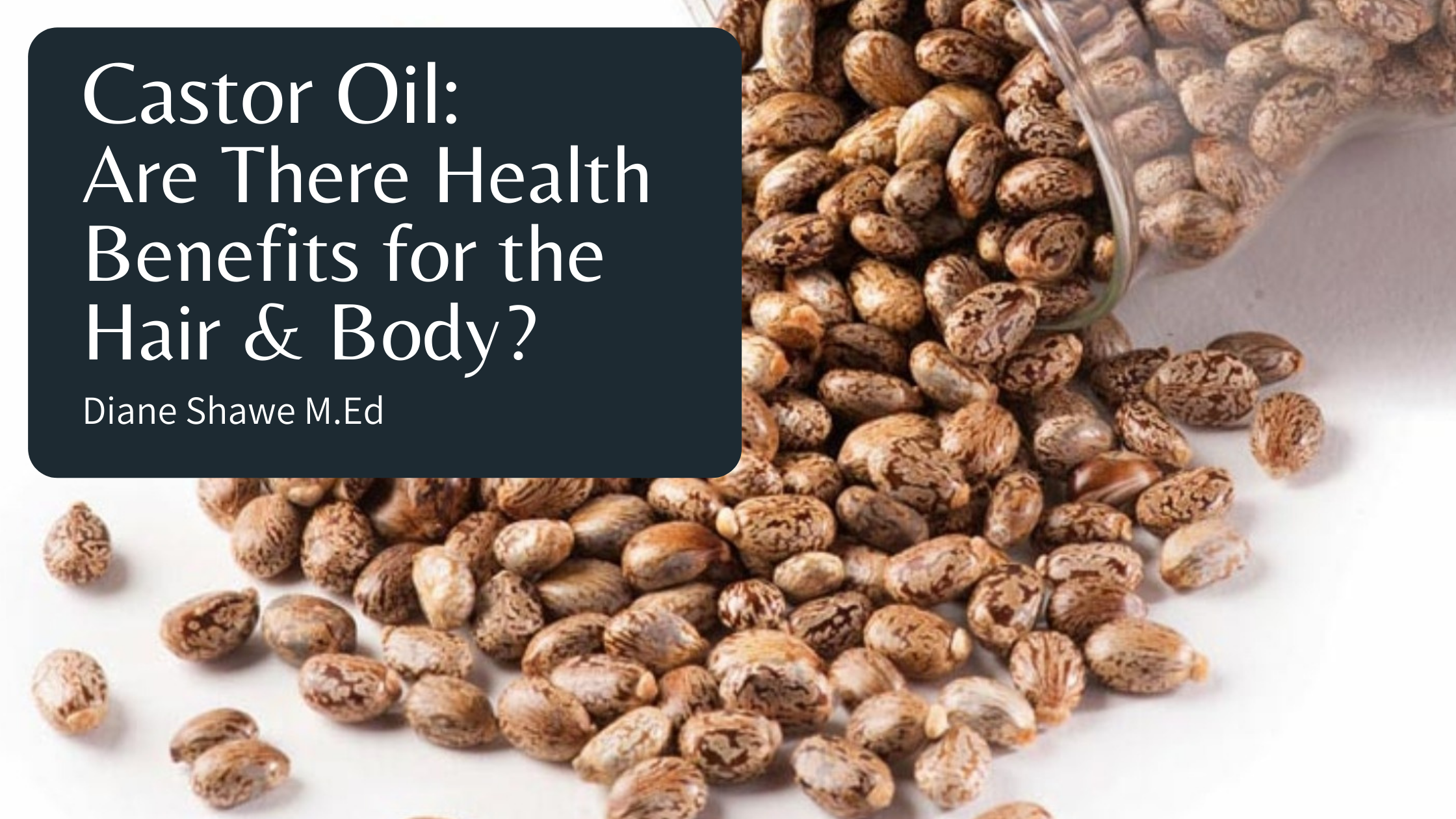
Castor Oil: Are There Health Benefits for the Hair & Body? by Diane Shawe

Don’t forget to follow my blog http://www.needahairmakeover.blog

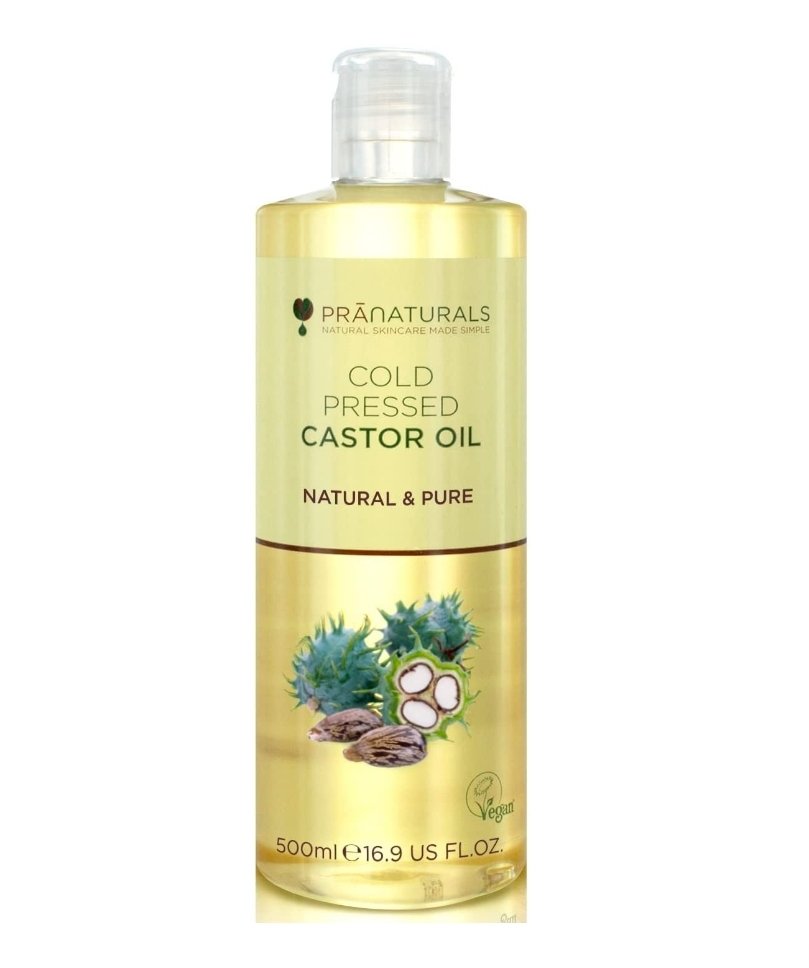
I assist various clients from various backgrounds to overcome or disguise hair loss or damaged hair challenges. Most of them want to learn how to stimulate faster, stronger healthier hair growth. There are many hair growth products in the market place but, I am going to take a look at Castor Oil in particular today, mainly because it is a natural product and not many people understand it’s properties.

Castor oil is a thick, odorless oil made from the seeds of the castor plant. Its use dates back to ancient Egypt, where it was first used as lamp fuel and later for medicinal and beauty treatments — Cleopatra reportedly believed the oil would brighten the whites of her eyes.

Today, most of the world’s castor oil is produced in India. Modern research backs up some of its traditional uses, including laxative effects, anti-inflammatory properties, and the ability to help induce labor. 

While studies continue to investigate other potential health benefits, castor oil is considered safe if used as directed, and can be found in a range of skin and hair care products sold today. Pure castor oil is also available at many specialty health stores. 

You can put the oil directly on your skin and scalp or take it orally in small amounts. Some people also make castor “oil packs.” Castor oil packs are made of cloth that is soaked in castor oil and applied to affected areas. Because of its potency, castor oil is not used in cooking or added to food. 

Firstlys we must outline that there are two types of castor oil available.

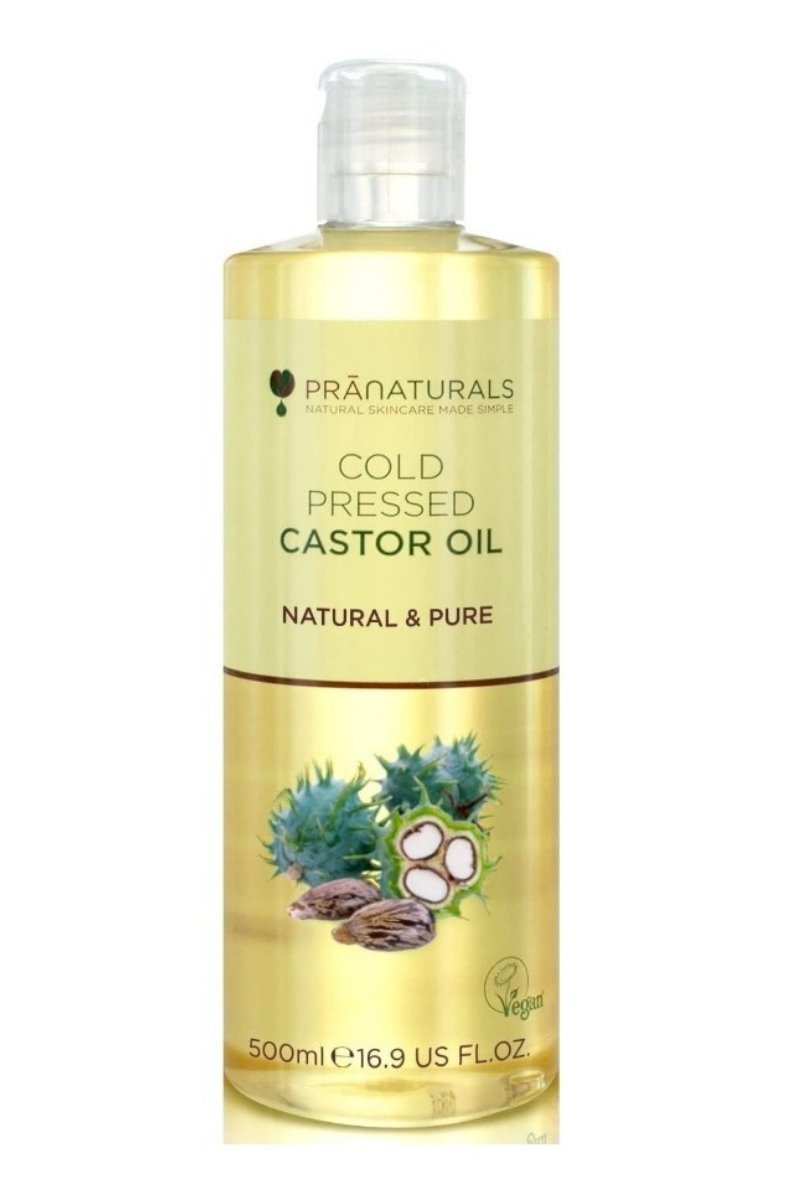
• yellow castor oil, made by cold pressing fresh castor beans

Click to purchase

• black castor oil, made by roasting the castor beans and then using heat to extract the oil

Click to purchase

Further on in this article we will outline the differences, uses, benefits and risks.

Nutrition Information

A one-tablespoon serving of castor oil contains: 

• Calories: 120

• Protein: 0 grams

• Fat: 14 grams

• Carbohydrates: 0 grams

• Fiber: 0 grams

• Sugar: 0 grams

Castor oil is a good source of: 

•  Vitamin E

•  Omega-9 f atty a cids

•  Omega-6 f atty a cids

More than 90% of castor oil’s fatty acid content is ricinoleic acid. Research shows that this omega-9 has pain relief and anti-inflammatory effects. When applied to the skin may help relieve issues like joint pain and menstrual cramps.

Potential Health Benefits of Castor Oil

Castor oil is a common ingredient in many beauty products. It’s rich in essential fatty acids that moisturize the skin, and research continues to study how their properties may be effective in treating common skin conditions. 

Castor oil has also been used to help pregnant women with delivery for centuries. In fact, a survey from 1999 found that 93% of midwives in the U.S. used castor oil to induce labor. While further research is needed, one study found that castor oil initiated labor in 91% of women with little to no childbirth complications. 

Other potential health benefits associated with castor oil include: 

Laxative Properties

One of castor oil’s most traditional uses is to stimulate digestion, relieving temporary constipation. Modern research has found that this effect is due to the oil’s high levels of ricinoleic acid, an omega-9 fatty acid that acts as a natural laxative. 

Anti-Inflammatory Effects

Studies show that castor oil’s ricinoleic acid reduces swelling and pain caused by inflammation. Research suggests that, when applied to the skin, castor oil may reduce arthritis symptoms more effectively than prescription topical treatments. More studies are needed to confirm this effect in humans.

May Heal Wounds

Castor oil’s fatty acids are natural humectants, substances used to moisturize the skin by preventing water loss. This effect can promote good skin health, relieve dryness, and soothe skin inflammation.

It may also have the potential to accelerate wound healing. Castor oil is a triglyceride that has antibacterial and antimicrobial properties. Research shows that, when applied to the skin, it may prevent infection, reduce inflammation, improve localized blood flow, and shed damaged skin cells — all of which help skin’s healing process.

We can help make your hair dreams come true

Treats Some Skin Conditions

Castor oil can benefit overall skin health, but may treat specific skin conditions as well. Though there’s a lack of clinical research, its combination of antibacterial, anti-inflammatory, and moisturizing effects is thought to help treat some causes of acne. One study showed that castor oil also fights fungal infections, which may help relieve hard-to-treat fungal acne. 

Other studies have found castor oil helpful in the treatment of melasma, dandruff, and ringworm. 

Potential Risks of Castor Oil

When applied to the skin, castor oil is considered safe for most people to use. However, its dermatological effects are still being studied, so be sure to follow your doctor’s advice when treating any skin conditions.

If you take it internally, castor oil’s potent fatty acids can pose health risks. Castor oil is a powerful laxative. It is recognized as safe by the U.S. Food and Drug Administration as a way to relieve temporary constipation, but it isn’t suitable for long-term treatment. Use castor oil in small amounts and be sure to consult with your doctor to make sure it’s safe for you.    

What is Ricin

Castor beans naturally contain the poison ricin. If you chew and swallow castor beans, ricin can be released and cause injury. Ricin is also in the waste that is produced in the manufacture of castor oil. Castor oil does not contain ricin.

The Centers for Disease Control and Prevention (CDC) suggests that it is highly unlikely to be intentionally exposed to ricin unless you were to actually eat castor beans. The CDC also indicates that ricin has been the focus of medical experiments to kill cancer cells.

Some health risks associated with castor oil use include:

Allergies

Some people may be allergic to the castor plant and experience itching, swelling, or rashes when using castor oil.

Physical Discomfort

Ingesting too much castor oil can cause nausea, cramps, dizziness, and muscle weakness. Use it as advised by your doctor and don’t take it on an empty stomach. 

Pregnancy Concerns

Because castor oil may help induce labor, pregnant women should avoid it. There is also a lack of research on its effects on infants, children, and breastfeeding women. 

Medication Interactions

If taken with diuretics, adrenal corticosteroids, or licorice root, castor oil may reduce the potassium content in your body to dangerously low levels.

Overdose

Taken orally, large amounts of castor oil can be poisonous. Symptoms of overdose include abdominal cramps, chest pain, and shortness of breath. Use castor oil as directed to avoid unintentional overdose. 

Digestive System Damage

Long-term laxative use can cause damage to your digestive system and can even cause electrolyte abnormalities or dehydration. While castor oil can provide occasional constipation relief, you should talk to your doctor to discuss treatment options before consuming it

Using Castor Oil for Hair Growth

The most popular oil for hair growth is Black castor oil, which is made by roasting the castor beans and then using heat to extract the oil

Read a related blog

Because the method of starting with roasted beans was developed in Jamaica, black castor oil is often referred to as Jamaican black castor oil.

There are, however, many people who, supported primarily by anecdotal evidence, feel that using black castor oil on their hair promotes hair health and hair growth.

One way that proponents of black castor oil support their position is by aligning it with the benefits of other essential oils.

Although there are indications that many oils, such as peppermint oil (according to a 2014 studyTrusted Source) and lavender oil (according to a 2016 studyTrusted Source), have potential as hair growth-promoting agents, there is a lack of qualified studies on black castor oil and its effect on human hair.

• Benefits

• How to Use It

• What to Look For

• Side Effects

• Precautions and Concerns

Castor oil is often praised as a natural solution for hair growth. An age-old remedy long used in traditional medicine, castor oil is said to moisturize the scalp, ease dandruff, and leave your hair smooth, strong, and shiny.

Sourced from the castor bean, castor oil is rich in ricinoleic acid—a type of fatty acid known to fight inflammation.1 When applied to the scalp, it is thought to promote healthy hair growth and prevent hair loss.

This section discusses the benefits of castor oil for your hair along with how to use it. It also covers what to look for when choosing a castor oil product and the possible side effects you may encounter.

Benefits

Some of the claims you may have heard about castor oil’s benefits for hair include:

• Castor oil increases blood flow to the scalp, which promotes healthier hair.

• Applying it just once a month can boost hair growth up to five times the usual rate.

• Castor oil can moisturize a dry, irritated scalp.

• Castor oil’s antibacterial and antifungal properties can reduce dandruff.

There is very little evidence to back up the claims that castor oil specifically can improve hair health and growth.

There is, however, evidence that individual nutrients in castor oil, including vitamin E (tocopheryl acetate), increase blood flow to the scalp and promote hair growth. This explains why vitamin E is so commonly used in hair loss products.2

Castor oil is also a potent antioxidant with anti-inflammatory properties. Antioxidants prevent free radicals from damaging the body’s healthy cells—a process known as oxidative stress that leads to hair loss.3

Additionally, castor oil contains omega-6 fatty acids—a type of essential fatty acid that promotes hair growth and reduces inflammation in the hair follicle.4

Recap

There is no scientific evidence that applying castor oil to your hair can boost hair health and growth. More research is needed, though, since specific nutrients in castor oil, like antioxidants and vitamin E, are well known to have these effects.

 Learn How and Why Hair Forms and Grows the Way It Does

How to Use It

If you’re interested in using castor oil for hair growth, try rubbing just a few drops of the oil into your scalp. You can also massage a few more drops into your hair’s midsection and ends. This may protect against breakage and improve your hair’s texture.

Castor oil is heavy and very sticky, making it difficult to remove from your hair. It’s best to dilute it with other natural oils like coconut or jojoba. This can also tone down the scent of castor oil, which many people find unpleasant. Simply mix one part castor oil with two parts of another “carrier oil.”

There are no exact guidelines for how long you should leave castor oil on your hair. Leaving it in too long can actually dry out your hair and scalp, though, so it’s best to wash it from your hair after two hours or so.

Many hair care experts recommend using castor oil no more than once a week. Using it more frequently than that can cause buildup and lead to issues like matting.

What to Look For

When shopping for castor oil, you might see some products that say “cold-pressed” on their labels. This means the castor seeds are pressed into oil without the use of heat or harsh chemicals. Many people say that cold-pressed oils are the best quality and more nutrient-rich than those processed with heat.

One of the most popular castor oil products for hair care is Jamaican black castor oil. This variety is made with roasted castor beans and the ash produced by the roasting process. Jamaican black castor oil is said to be especially good for thick, dry, and/or coarse hair.

Like any oil, castor oil has a shelf life. Once opened, it can start to go rancid after about one year, so keep that in mind when choosing a product and storing it at home.

Side Effects

There’s some concern that using castor oil as a hair treatment may lead to acute hair felting—a rare disorder in which the hair becomes tangled into a hard mass. Since the condition is irreversible, the only solution is to cut off the affected hair.5

It should also be noted that consuming large amounts of castor oil can be extremely harmful and trigger a number of adverse effects, including:

• Abdominal cramps

• Diarrhea

• Dizziness

• Fainting

• Hallucinations

• Nausea

• Shortness of breath and chest pain

• Skin rash

• Throat tightness

Applying castor oil to your hair shouldn’t cause these problems, but make sure that you or others don’t accidentally swallow it.

Precautions and Concerns

Castor oil can stain your clothes and towels. Take care to cover your head with a shower cap, an old t-shirt or towel until it’s time to wash your hair. This will prevent the oil from dripping onto your clothes or other items. Keep in mind that your hair may require two applications of shampoo in order to completely remove the castor oil.

If you’re thinking of using castor oil as a remedy for hair loss, remember that hair loss may be a sign of an underlying health problem. Therefore, it’s crucial to talk to your doctor as soon as possible if you notice unexplained hair loss.

Summary

Castor oil is popular among natural beauty enthusiasts, who claim that applying it to your hair can boost your hair’s health, shine, and growth. There is no scientific evidence to support these claims, although some nutrients in castor oil, like antioxidants and vitamin E, are known to be beneficial for hair health.

A Word From Diane Shawe

Hair loss is not just a symptom of getting older. There are many medical conditions that can lead to hair loss, including thyroid disease and alopecia areata. You can also lose noticeable amounts of hair during periods of severe mental or emotional stress.

If you find yourself losing large clumps of hair or you’re suddenly developing bald spots, get in contact with your doctor. When an underlying health condition is to blame, applying castor oil won’t help.

Types of Castor oil and Uses and

CASTOR OIL seeds

Castor oil, also known as a #1 grade Castor oil for products like soap making and general use- 

Castor oil is a widely used renewable, bio-degradable and eco-friendly product. It is useful in a wide range of D-I-Y applications including: Soap and lotion making, blending of lotions, salves, creams, shampoos, and more. It is  Vegetable Based, has no animal derived products, and there is No Animal Testing on our Castor Oil. It is GLuten free, and contains no Wheat, no Peanuts, no dairy, egg, fish, and is also solvent free .

On popular way to use castor oil is in soapmaking. It is a very useful, beneficial oil in soap making. It is typically used in relatively low percentages depending on the over-formulation and what other oils are used. The addition of the right amount of pure castor oil may enable soap to trace quicker, and make better soap. Plus. castor oil adds the benefit of better and more stable lather. Castor oil is an excellent moisturizer as it attracts and holds moisture to skin. Check your superfatting chart. Sometimes using castor oil will require more sodium hydroxide since it has a high ricinoleic acid content. In softer products, like shampoo bars and skin-care products it is excellent. In the right combination with over vegetable oils, however, it makes a very nice moisturizing and wonderfully emollient, hard bar of soap. Try castor oil in salves, balms, shampoos, hair oils, and other thick emulsions for the skin and hair. It is in all kinds of specialty formulations as a natural emollient and applied to the skin and hair as a softener.(keep away from eyes!)

Many customers tell us they use castor oil as a mole repellant in their yards. They blend it in  hose end yard sprayer  and spray in the mole holes to rid it of those pesky critters. One recipe passed along to us says to blend in 1 tablespoon of pure Decyl Glucoside with 12- 14 Oz of Pure Castor Oil. For a pump type sprayer add 1 Oz of Decyl Glucoside surfactant to every 32 Oz of Castor oil and then the balance of water up to 2 gallons to treat the mole holes. Spray at least half a gallon in and around the holes. Retreat as necessary. * In tougher situations try adding 2 Oz of natural NEEM OIL to the blend. This will also help with other pesky insects too.

Did you know that pure castor oil is a natural product, made from the beans of the castor plant which can be grown in any tropical region?. The world’s largest producer of castor oil is India, with China and Brazil being a far-distant second and third place.

It’s reported that castor Oil is one of the oldest,most versatile ingredients in use. The evidence of the use of castor oil  goes all the way back to ancient Egypt. It  has been found in tombs over 4,000 years old. There are other documented uses of castor oil in India, China and other ancient sites that date back thousands of years. In ancient times in the Netherlands, it was called “Wonder Oil” and was thought to be a cure for a multitude of ailments.

Castor Oil still has many useful applications today,from us as a cosmetic ingredient, to an industrial chemical and a specialty chemical. It is also a popular natural polyol, it is used in an increasing number of specialty applications, replacing traditional petroleum based polyols. Another advantage of Castor Oil is that it is not made from a food source so it is really not subject to the controversies that can arise with other plant based oils that are more traditionally used as a food source.

• CASTOR OIL INCI Name: Ricinus Communis Seed Oil

• CAS no: 8004-79-4

• EINECS no.: 232-293-8

What is SULFATED TURKEY RED CASTOR OIL

Sulfated Castor oil, is also called “Turkey red” castor oil

Sulfated Castor oil CAS 8002-33-3 Formula: C18H32Na2O2S

Sulfated Castor oil, also known as “Turkey Red” has a wide range of uses including: Soap and lotion making, blending of lotions, salves, creams, shampoos, and more. It is the only castor oil that completely disperses in water and will not leave an oily ring around the tub when you use it in your products to emulsify colors, fragrance and essential oils.

Features of Sulfated Castor/ Turkey Red

• Turkey Red Castor oil completely disperses in water.

• Use it to emulsify fragrance and essential oils so they disburse completely in other water-based products

• Use for superfatting liquid soap so it remains transparent

• Excellent humectant & moisturizing properties

• Has a typical sulfated castor oil odor but is easily disguised in formulations using typical fragrance and essential oils.

Sulfated castor oil. also known as Turkey Red oil is very useful since it will completely disperse in water. It contains all of the same humectant and moisturizing properties of Cosmetic Castor Oil but in a water soluble form. Castor Turkey Red is a common addition to bath products, natural soaps, lotions etc. Try using it to formulation balms, shampoos, hair oils, and other thick emulsions for the skin and hair.

Sulfated Castor Oil is also seen in formulations as a natural emollient and applied to the skin and hair as a softener. (keep away from eyes!)

PEG 40 HYDROGENATED CASTOR OIL

PEG 40 Hydrogenated Castor oil –  is also a very popular derivative of castor oil

PEG 40 Castor oil, also known as Castor oil ethoxylate (POE 40) is a Multifunctional Oil-in-Water Emulsifier, surfactant, foam booster.

PEG 40 Castor oil is a multifunctional non ionic surfactant used as fragrance builder and fragrance solubilizer, emulsifier. PEG 40 can be incorporated in to a formulation to help solubilize PLUS act as a foam booster, which benefits the formulator by possibly eliminating a secondary surfactant, or lessening the use of a secondary surfactant for example.

In some formulations it is a good replacement for polysorbates used to incorporate fragrances and oils in to water based blends like shampoos and body washes. Whether you are making creams and lotions, floral waters, room and fabric sprays, body washes, shampoos, even bath bombs, and need a good solubilizer for colors, fragrances, give PEG 40 Castor oil a try.

It is a safe, easy to use, vegetable derived non ionic surfactant, and serves a number of useful purposes.

Out side of uses in the personal care formulations, ethoxylated castor oil POE 40 is found in lubricants, specialty formulations that have applications in metals, textiles and other areas too.

Non Ionic – Compatible with non-ionic, anionic, and cationic ingredients and products.

Useful as a surfactant (foam booster.) As an emulsifier, solubilizer, and foam booster.
Miscible in both oils and in water
Use in a heated oil, or in cool down phase at 1% to 10%, although it’s safe to use up to 100% (Neat) on skin.

Cloud Point: 185°F (85.0°C) 

Black Castor oil (Jamaican Black Castor oil)

Cold pressed Black Castor Oil (Jamaican Black Castor oil) also known as JBCO

Jamaican Black Castor Oil, JBCO for short, is a liquid extracted and cold-pressed from roasted seeds of the castor plant, known by the botanical / latin name Ricinus communis Seed

The difference between “regular ” castor oil and Jamaican Black Castor oil are that the seeds are roasted before the liquid castor oil is extracted from the seeds, This roasting process means that the oil has a dark burnt orange to reddish-brown appearance. It also has a different fragrance – it is a roasted nutty fragrance.

Roasting the seeds  also raises the pH level of Black Castor Oil which results in a preferred ingredient for making many hair and cosmetic formulations.

Black Castor Oil, or JBCO is very popular in skin and hair care products and formulations. Many cite that the JBCO improves hair growth, and use it to massage in to the hair. Other sources cite that the black castor oil may improve circulation, to help stimulate follicles. Products made with the black castor oil often advertise that it helps moisturize the hair and eliminates hair  split ends, and it is used as an alternative to, or even in addition to traditional hair conditioners.

Typical Uses: Skin and Hair Care, hair conditioning, personal care products, Medicinal type topical products, Ayurveda

WHERE TO BUY CASTOR OIL