Category Archives: adult learning

“Surviving the Banks Storm: How Small Businesses, Especially Women-Led Ventures, Are Battling Financial Pressures Amid Rising Costs and Regulatory Crackdowns”

Starting a business just before the pandemic presented unprecedented challenges, especially for women, particularly Black women, who often face additional barriers in the entrepreneurial landscape. As rising costs squeeze customers’ wallets, small businesses struggle to stay afloat. The last thing these businesses need is added pressure from banks, insurance companies, accountants, and regulatory bodies. These institutions, while focused on combating organised crime and corruption, must also develop strategies that champion genuine SMEs caught in this turmoil, rather than exacerbating their struggles. Where is the support for these resilient businesses fighting to survive? Why can’t the banks walk and chew gum and the same time?


Setting up a limited company in the UK is remarkably quick and easy, often taking just a few minutes online. However, the simplicity of the initial setup can be deceptive, as it doesn’t reveal the full extent of the responsibilities and potential pitfalls that lie ahead for small business owners. Beyond the excitement of having your own company name, there are numerous regulatory obligations that can catch new entrepreneurs off guard. These include regular filings with Companies House, maintaining accurate financial records, and ensuring compliance with tax obligations—whether or not your business is generating income.

Even if your business isn’t earning money, failing to meet these requirements can result in penalties, fines, or even the risk of your company being struck off the register. For instance, filing annual accounts and confirmation statements is mandatory, and missing deadlines can lead to significant fines. Additionally, the intricacies of VAT registration, understanding corporation tax, and dealing with PAYE (if you have employees) add layers of complexity that aren’t immediately obvious when you first set up your company.

Moreover, small business owners must be prepared for potential scrutiny from HMRC, especially as the government tightens regulations to combat financial crime and tax evasion. The reality is that running a limited company involves much more than just pursuing your business idea—it requires navigating a complex web of legal and financial responsibilities. Understanding these obligations from the outset is crucial to avoiding the unexpected consequences that can arise, ensuring your small business thrives rather than gets bogged down in regulatory challenges.

I was very excited when I started my small Specialist Salon business in 2016. The aim was to trade it for 3 years, and then develop a Franchise strategy and expand the services throughout the UK. However the Pandemic put a spanner in the works, not just for my business but many others. I persevered and then came the huge utility hike, my supplier took £10,000 for 6 months supply, there was nothing I could do, it left my account depleted and I had to start trading out of my cashflow. It has been a really challenging time navigating and micro managing the finances in order to meet all the outgoings, leaning in until I could turn the corner.

The next challenge was to get all the accounts up to date, filings etc., most of the costs for accountants have become expensive and eye watering, so I had to look at ways in which I could prepare my own accounts aided by online software which I had to learn and then update in between any spare time I got.

I could see the light at the end of the tunnel, managed to bring my VAT all up to date, Get my company accounts filed and in the process of filing the corporation tax once the reference number has been received via company house.

My next focus was on increasing revenue, I started to micro advertise, enquiries just starting to come in and now my biggest challenge is with my bank Starling.

The recent scrutiny of banks by financial regulatory bodies has led to a reactionary approach where banks are now indiscriminately targeting small businesses that are late with their filings. Instead of developing systems to guide and support genuine UK businesses—many of which may be unaware of their filing obligations—banks have opted for a sweeping purge strategy. (Barclays being the leader) By threatening account closures without proper explanation or support, they have created confusion and panic among small business owners who are often unsure of what is happening and how to resolve these issues.

This approach is particularly problematic because it fails to distinguish between businesses that are struggling due to genuine reasons, such as the pandemic and rising costs, and those that may be involved in nefarious activities. Many small business owners, already stretched thin with day-to-day operations, are not equipped to navigate the complex regulatory landscape without guidance. Instead of receiving the help they need to stay compliant, they are met with threats and closures that could devastate their business.

The banks’ strategy is short-sighted and fails to consider the long-term impact on the UK’s small business ecosystem. By alienating small businesses, many of which have the potential for future growth, banks are undermining the very sector that could contribute significantly to the economy. What’s needed is a more nuanced approach that provides education, support, and a clear path to compliance, rather than punitive measures that risk driving genuine businesses into insolvency or forcing them to shut down altogether.
So I found out from a recent article highlighting Starling Bank’s crackdown on debtors following an investigation by the Financial Conduct Authority (FCA) into its financial crime controls.

While Starling justifies its actions as part of tightening financial discipline, this aggressive stance appears to disproportionately target small businesses (which was there main recruiting strategy when they launch there no physical location online solution), that may not yet be profitable but are long-standing, having survived through the pandemic and rising costs. This short-term approach by Starling Bank risks alienating small businesses that have potential for future growth, especially those that have already demonstrated resilience during challenging times. By indiscriminately pushing out these businesses without offering constructive support or alternatives, Starling Bank seems to be prioritising immediate financial metrics over long-term relationships, potentially causing harm to the broader business ecosystem.

The treatment of these small businesses, many of which have been established for over five years, raises concerns about discrimination and a lack of recourse. The bank’s actions overlook the fact that many of these businesses were severely impacted by the pandemic, which should warrant understanding and support rather than punitive measures. In essence, Starling’s approach along with other banks could be seen as merciless and unsupportive, especially for businesses still navigating the economic aftermath of the pandemic.


This strategy could backfire, damaging Starling’s reputation among small business owners who feel unfairly targeted and abandoned by a bank that once positioned itself as a champion of SMEs and built for us.


Suggested Measures:
Banks must consider the well-being of SME owners, as many rely solely on a single business account for all their financial needs. Temporarily suspending an account can have devastating effects, leaving business owners without access to essential funds for daily operations, payroll, and personal expenses. Such actions can cause extreme stress and financial instability, potentially jeopardising the survival of the business.
Banks should implement more empathetic and supportive approaches, offering guidance and alternatives rather than immediate suspensions, to ensure the financial health and stability of these entrepreneurs.

To address the issue of banks indiscriminately targeting small businesses for account closures due to missed filings, several measures can be implemented:

  1. Enhanced Communication: Banks should proactively communicate with businesses about upcoming filing deadlines and offer reminders well in advance. Clear guidance on what needs to be done can prevent many issues. There is the technology to do this
  2. Support Systems: Establish dedicated support teams or resources that provide step-by-step assistance to small businesses, helping them navigate the complexities of regulatory compliance. They might find that these businesses once they understand and have become use to the governance rules, that less and less support is needed.
  3. Tiered Response: Instead of immediate threats of account closure, banks could implement a tiered response system, starting with warnings and offering assistance to rectify the situation before taking drastic measures. They need to be clear about the problem instead of hiding behind confidentiality rules.
  4. Education and Training: Banks could partner with regulatory bodies to offer workshops or online training sessions for small business owners, ensuring they understand their obligations and how to fulfill them when they have set up a limited company, Enterprise company, not for profit or charity organisations.

    The importance of having qualified banking staff available to address issues related to account compliance cannot be overstated. While customer service representatives play a crucial role in general inquiries, complex regulatory matters require expertise that goes beyond basic customer service training. Qualified banking professionals possess the knowledge and experience necessary to navigate the intricacies of financial regulations, offering tailored advice and solutions to small business owners. Without access to such expertise, customers may receive inadequate or incorrect guidance, exacerbating their problems and potentially leading to severe financial consequences. Ensuring that qualified staff are accessible is vital for maintaining trust and helping businesses remain compliant without undue stress.
  5. Temporary Relief Programs: For businesses in distress, especially those with a long track record, banks could offer temporary relief or grace periods instead of immediate account suspension. Flexible Penalty Structures: Implementing a more flexible penalty structure that considers the size and history of the business can prevent unnecessary closures while still encouraging compliance.
  6. Advocacy and Representation: Banks should advocate for small businesses with regulators, helping to ensure that compliance requirements are reasonable and that businesses have a clear path to meet them.

By adopting these strategies, banks can better support small businesses, ensuring they remain compliant without resorting to punitive measures that could harm their operations. This approach would foster a more supportive environment for small businesses, which are vital to the economy.

Here are some alternative solutions to address the issue of banks targeting small businesses for account closures:

  1. Third-Party Mediation: Introduce independent third-party mediators to assess disputes between banks and small businesses, ensuring that decisions are fair and consider the specific circumstances of each business.
  2. Government Intervention: The government could step in to create standardised guidelines for banks to follow when dealing with non-compliant businesses, preventing arbitrary closures.
  3. Regulatory Sandbox: Establish a regulatory sandbox where small businesses can experiment with compliance strategies without the fear of penalties, allowing them to learn and adapt in a supportive environment.
  4. Tailored Compliance Plans: Banks could work with small businesses to develop individualised compliance plans, setting realistic timelines for achieving full compliance without threatening immediate closure.
  5. Collaborative Platforms: Create collaborative platforms where small businesses can access shared resources, tools, and expert advice, helping them stay compliant and avoid penalties.

These alternative solutions focus on creating a more supportive and cooperative environment, where small businesses are given the tools and guidance they need to succeed, rather than being penalized without adequate support.

In conclusion, the recent actions by banks, particularly the indiscriminate suspension of SME accounts, underscore a critical need for a more nuanced and supportive approach to banking in the small business sector. While banks must adhere to regulatory requirements and combat financial crime, their strategies should not inadvertently harm legitimate small businesses that are crucial to the economy. For many SME owners, their business account is not just a financial tool but a lifeline that supports both their personal and professional lives. The temporary suspension or closure of these accounts can have devastating consequences, exacerbating financial stress and potentially leading to business failure.

Qualified banking professionals, with a deep understanding of both regulatory obligations and the unique challenges faced by small businesses, should be readily accessible to provide guidance and support. This approach would prevent unnecessary disruptions and help SMEs navigate compliance issues effectively. Additionally, banks must recognize the well-being of SME owners, offering them the understanding and flexibility needed to maintain their operations, especially in the face of rising costs and economic challenges.

A shift towards a more empathetic and customer-centric banking model is essential. By doing so, banks can foster long-term relationships with SMEs, supporting their growth and contributing to a more resilient and thriving economy.


Eyes that Wow Step-by-Step Guide to 6 mesmerising eyeshadow styles by Diane Shawe

More and more women are wearing lash extensions, but how can you make your eyes pop more by using eye shadow?

In this blog we will explore 10 different eye shadow application style and demo 6 in our video.

You don’t necessarily need to be a professional makeup artist to create eye shadow applications. With practice and some basic knowledge of colour theory and blending techniques, anyone can learn to apply eye shadow effectively.

There are plenty of tutorials, guides, and resources available online to help you improve your skills.

Here are ten different eye shadow application styles:

1. Natural/Everyday: Soft, neutral shades applied lightly for a subtle, everyday look.
2. Smokey: Dark shades blended around the eyelid and crease for a dramatic, smokey effect.
3. Cut Crease: A defined line created in the crease with a lighter shade on the lid and a darker shade above the crease.
4. Halo: Dark shades on the inner and outer corners of the eye with a lighter shade in the centre of the lid, creating a halo effect.
5. Gradient: Colours blended seamlessly from light to dark or from one colour to another, creating a gradient effect.
6. Winged or cats eyes: Eye shadow extended outward and upward, mimicking the shape of a winged eyeliner.
7. Pop of Colour: Neutral shades with a bright or bold colour applied to the inner corner, lower lash line, or centre of the lid for a pop of colour.


8. Cut-Out: Negative space created by applying eye shadow in a specific shape or pattern, leaving some areas bare.
9. Graphic: Bold, geometric shapes or lines created with eye shadow for a high-impact, artistic look.
10. Glitter/Cut Glitter: Eye shadow with glitter applied all over the lid or concentrated in specific areas or applied with a precise, cut-crease technique for added sparkle.
https://youtu.be/LT74vDc9dW4?si=pvs4h4jH-PBKq62V

Business Opportunity

Are you someone who has a passion for hair?
Do you like to help people look good and maintain self-confidence?

Do you love doing makeovers?

Would you be interested in using your passion to set up an exclusive hair extension and hair loss specialist salon?

Then you’ll find a massive opportunity here at Need A Hair Makeover Franchise!


For many people in Britain and throughout Europe, hair loss, thin hair, and damaged hair are major problems. You can help them to get all the help that they need for a full-on hair makeover with the simplest of solutions.

A service that is massively in demand across the United Kingdom. From Glasgow to Bristol, Liverpool to Watford London to Paris

This is a genuine business opportunity with a proven chance of success. You don’t need to be qualified in hair extensions as full training is provided. If you would like to know more about the franchise and would be interested in setting up your own specialist salon for the long-term, you can request a brochure today. Help available with raising finance.

Franchise Opportunity http://www.hairextensionsfranchise.com

Training: http://www.hairextensionstraining.academy

Salon: http://www.needahairmakeover.com

Instagram @needahairmakeover


“Elevate your makeup game with our latest tutorial series! From subtle daytime glam to bold nighttime looks, we’ve got you covered. Dive into our step-by-step guides and master 6 stunning eye shadow styles that’ll have you feeling like a pro in no time! 💫

#MakeupMagic #EyeShadowMasterclass #GlamSquad #hairextensions 

Unmasking the Underground World of Food Delivery Apps: A Shocking Investigation by i

Inside the Thriving Black Market for Illicit Deliveroo of Uber Eats and Just Eats Drivers


A delivery driver hands over your takeaway on a Friday night but you probably don’t give the exchange too much thought.

The convenience of food delivery apps like Deliveroo, Uber Eats, and Just Eat has revolutionised the way we order meals, but a dark underblly exists within the industry. Our blog post delved into the illicit black market of rented accounts, shedding light on the potential risks of unknowingly opening your door to substitute drivers. The investigation carried out by i revealed a concerning trend of individuals bypassing the rigorous vetting process by renting profiles, raising questions about the safety and security of customers. As you place your next food delivery order, it’s important to be aware of these challenges and consider the implications of who may be delivering your meal. Stay informed and vigilant in utilising these services to protect yourself and your family because the truth is you don’t really know who you’re opening your front door to.

An i investigation has uncovered a growing black market for renting accounts on apps including Deliveroo, Uber Eats and Just Eat, with more than 100,000 people subscribing to Facebook groups where people can rent, buy or sell profiles in the past three years.

Your food may have been dropped off by a ‘substitute’ rider, someone who has rented a profile on an app from another worker without having to register and will likely have avoided the strict vetting process official riders undergo.

It is a loophole that can be exploited by those who would fail a criminal background check or are in the country illegally, with activity on the Facebook groups, seen by i, indicating the majority of people wishing to rent out a profile on an app do not go through any level of vetting and do not meet the legal criteria to work in the UK.

Three women’s rights groups said they were concerned by the findings of i‘s investigation and warned that women were being put at risk of violence and sexual harassment by the practice of allowing substitute drivers to be effectively untraceable

They also fear that if an official account holder is blocked from using an app because of a complaint, they can go onto rent another account anonymously through the Facebook black market.

Andrea Simon, director of the End Violence Against Women Coalition (EVAW), urged the “multibillion pound corporations” to take urgent action and invest in making their services safer for women

“We also know women don’t usually report this kind of harassment for many reasons – including safety concerns when a perpetrator knows where you live, or the fear of not being believed or taken seriously,” she said.

There are also concerns that some substitute workers are being exploited by traffickers and gangs in breach of the Modern Slavery Act. One expert said that the UK’s “hostile immigration environment” is pushing people into precarious work and that more scrutiny should be on Government policy and the business model of food delivery companies.

Inside the thriving black market

Official delivery workers are also frustrated by the practice, arguing that undocumented migrants are willing to take the poorest paying jobs, which impacts efforts to campaign for better pay and working conditions from the food delivery giants. One union representative claimed the firms are exploiting both sets of workers for profit.

Zamir Dreni, a spokesperson for another union, the App Drivers and Couriers Union (ADCU) told i the “majority of workers are good people” but there is “this loophole that allows some bad people to come through.” “They are not vetted so they could do anything,” he added.

Food delivery giants not only know about the use of substitutes, but advertise it as a perk, saying it gives riders greater flexibility. Just Eat used to promote their scheme as “one of the many positives” of working with the company, but removed this line from its website following i’s investigation.

Currently none of the companies ask for a record of who a substitute rider is but i understands that Deliveroo is now committed to doing so in the future. Uber Eats and Just Eat did not say if they would also take similar action when asked.

There are 4.7 million gig economy workers in the UK, with figures for Deliveroo and Uber Eats in recent years suggesting the two companies have more 120,000 riders between them. Just Eat has under 2,000.

But firms are facing pressure to close this loophole entirely or to enforce stricter rules to ensure background checks are properly carried out. The Home Office said it already had agreements in place with delivery companies to strengthen recruitment and vetting processes and that it was working to crack down on “enablers of illegal migration”.

All three of the food delivery giants currently put the responsibility of background checks for substitutes on the rider who is officially registered to an account.

Deliveroo, Uber Eats and Just Eat all use specialist companies when they need to vet new riders. Once verified, they are permitted under employment law to give a substitute worker access to their account to carry out jobs on their behalf.

The companies do not extend the same resources to a person wishing to hire a substitute, however Deliveroo does offer some money towards the cost of a background check.

One prospective renter ran into problems with their background check and returned to the group asking to rent an account instead© Provided by The inews

Analysis by i shows demand for renting delivery app profiles through Facebook is growing. One such group has gained almost 28,000 members in less than 18 months.

People using these Facebook channels to find work can pay an up-front deposit and a weekly rental fee, which is usually between £70 to £100 a week, to get a rider account. Buying a profile is less common, with some fetching up to £5,000. There are no caps on how much a rider can charge but the rules state they must pay the courier.

A substitute rider operating in the black market is vulnerable on a number of levels. For example, they are required to hand over large sums of money up-front and they are reliant on the account holder honouring their agreement and transferring their earnings whether they are renting or have bought the profile.

The delivery companies said they are working with the Government to improve issues around substitute riders. They added that they have a “zero tolerance approach” towards those who are in breach of their legal obligations when working or who harass or harm customers.

INSIDE THE GROUPS

A rider receives a job, usually transporting food from restaurants and shops to people’s homes, through an app on their phone.

i spoke with eleven people looking for a substitute delivery app account on Facebook. All of them said they were undocumented migrants – people working in the UK illegally.

One man explained that he came to the UK on a tourist visa. He said: “I am a person who does not have papers, and now I am disabled, without work, without [a] residence, without money.”

“I have spent a lot of time and a lot of money in the Home Office and they always ask for proof and proof, I deliver it and they reject me”

Download a copy from amazon kindle

Download a copy from amazon

Others claimed they had worked legally before but had then been hit by administrative delays when they renewed their paperwork and had to find a way to keep earning money.

An Algerian man, who was looking for an account in north London, told i changes to immigration rules had confused him and his paperwork had expired. He said he is unable to pay for a solicitor to help so has turned to free sources of assistance while he tries to find work for the delivery apps through the black market. “I [have] been to the Citizens Advice bureau last week and they are going to help me and I’m waiting for a letter from HM Revenue.”

“My problem is I’m waiting for my share code [proof of right to work] from [the] immigration office because I had an old residence permit.”

He says when the UK left the EU, he didn’t realise this would mean he needed a new permit.

“I didn’t know. I sent a letter to the Home Office and they asked me for proof [of work] from 2010 to 2020. I don’t have the money to get a solicitor… I’m too old to chase all the companies I was working at [as] most of them have closed down.”

i identified 15 groups operating on Facebook that were trading profiles on delivery apps. The largest had almost 28,000 subscribers, while at least four others had more than 10,000 members. While not every person in these channels will be looking to trade an account, and some could be fake profiles, i excluded groups that had fewer than 200 people in them, were not active, not UK-focussed or did not have a large number of recent requests.

Most of these groups were created in 2023, but all were made in the last three years and had more than 100,000 members combined.

The practice is gaining in popularity. i analysed the date members joined the largest page and found a steady increase in the last few months.

It’s impossible to know how many riders use a rented account but anecdotally, official delivery workers complain that it is happening in large numbers.

One said: “A lot people here in Essex are renting. Most of them are here illegally with no visa in the UK. I don’t know how the police in the UK don’t check.”

Facebook removed all of the pages flagged by i. The platform’s rules do not permit listings that promote the sale of digital accounts.

WOMEN’S SAFETY

Official workers, substitutes and customers described incidents where riders had “flirted” or sexually harassed customers, which had led to complaints and the accounts they were using being shut down.

Becca* ordered groceries using her Deliveroo app when she caught the flu earlier this month. She opened the door in her pyjamas, not expecting to be out of her sick bed for long.

The rider checked her ID because she bought paracetamol but she claimed he stared at it for an unusually long time, to the point that she began to feel uncomfortable.

As he eventually handed her the bags, she said he came towards her to the point she felt forced to lean back.

“Then he said to me ‘beautiful girl, lovely girl’, and was leaning in,” she recalled.

Becca said, as a woman in her twenties who lives alone in London, she froze and felt panicked. She said she managed to shut the door, but that he quickly knocked again claiming he’d dropped his keys in one of the bags. He attempted to come into her flat but was interrupted when a friend entered the room. He then left.

“I haven’t reported him as I’m afraid because he knows where I live,” she said. Becca hadn’t checked if he matched the rider’s photo on the app but said knowing he may not be registered with Deliveroo was “a terrifying thought”.

Becca said: “It’s concerning because they can essentially do what they want without any repercussions. I can’t really do anything to stop it or prevent it from happening.”

“He said to me ‘beautiful girl, lovely girl’, and was leaning in”

*Becca, who was sexually harassed by a Deliveroo rider

She’s not the only one to have had an inappropriate experience with her rider. A search on X, previously known as Twitter, shows more than 20 posts from people complaining to UberEats, Deliveroo or Just Eat. While i has been unable to independently verify each complaint, some people provided screenshots as evidence.

One woman messaged Deliveroo to complain about being sent a message calling her “sexy”, as well as a winky face emoji and a smiling, devil horns emoji.

Another complained about a rider sending her his number after trying to flirt with her on the app about her appearance.

Jamie Klingler, co founder of social justice group Reclaim These Streets, told i she had a male Uber Eats rider arrive at her front door when the app had shown a woman would be delivering her food. She reported it but got an automated response.

“We shouldn’t have to worry if our delivery driver might use our addresses to scope our homes for burglaries or worse use our addresses to harass and stalk us; but it is a real concern. And when your delivery driver isn’t the person whose picture you have been supplied, it breaks the little social pact of agreement that they will deliver the food never to use our address in the future.

“We all know that there is calculated risk in sharing any of our personal data, but those risks go up exponentially if you are a woman living alone, but are we not meant to use services that can help our efficiency or convenience out of fear?”

Kay Wesley, deputy leader of the Women’s Equality Party, said: “This is clear evidence that men are abusing the system and that as a consequence women are facing sexual harassment and are feeling unsafe in their own homes.

“There are also risks for drivers… A system that allows this scale of abuse is clearly failing, this simply isn’t good enough.”

It’s not just women who have expressed concerns. One man contacted UberEats after having a male rider turn up despite a woman’s photo being on the account.

He wrote: “@UberEats twice now your drivers don’t much [match] the photos. This makes me feel unsafe. Drivers are using women’s accounts. You clearly have a safety loophole.”

EXPLOITED AND TRAFFICKED

There are concerns some of the substitute riders are being trafficked into the UK with promises of legitimate employment, only to find themselves trapped in a cycle of debt and threats.

One rider was helped by anti-trafficking charity, Hope for Justice. Daniel*, speaking through the charity, said he had paid nearly £15,000 to traffickers who moved him from South America to the UK with the offer of a well-paying job in construction.

When he landed in the UK, this promised job failed to materialise and his traffickers demanded more money. They made him work for a leading food delivery service, with them pocketing his earnings. They threatened his family if he refused to do what they said and beat him.

“The more I paid these men, the debt would just increase,” he said. “We were really scared.”

“My wife was taking my son to school and she was stopped by one of them and they told her ‘tell your husband not to tell anyone anything, not to open his mouth or to share any information, or the worst will happen.’”

It’s difficult to know how common it is for trafficking victims to be made to work under a different person’s account on a food delivery app.

Adam Hewitt, from Hope for Justice, told i that while the big delivery apps have published measures to tackle modern slavery because they know it is a high-risk industry for this type of crime, more needs to be done.

Some of the current measures the delivery firms say they use to protect against modern slavery include identity checks on riders who sign up with them directly and monitoring accounts for suspicious behaviour. Deliveroo, Uber Eats and Just Eat all feature commitments to tackling modern slavery on their websites.

“The more I paid these men, the debt would just increase… We were really scared.”

*Daniel, a trafficking survivor who was made to work for a gig economy app delivering food

Mr Hewitt said: “We have seen cases of criminal gangs who exploit vulnerable people through forced labour using fake profiles on delivery apps, so they get the money from their victims’ work.

“Real-world evidence from trafficking victims we support shows us that the companies are not all doing enough.”

It’s something other riders have noticed too. One man, who has an official delivery account, claimed there is a channel of people coming to the UK to work on Deliveroo and Uber Eats from South America.

“They are promised by other riders from [South America] who are already here.. that once they get here they will be given a delivery platform account so they can start making money straight away but it will cost them £5,000.”

There are not just concerns for those who have been trafficked into these jobs. Some campaigners say the UK’s immigration rules have created a “hostile environment” for people who can’t prove they have a right to work in the country by blocking their access to public services and pushing them into poverty.

Dr Ella Cockbain, an associate professor at University College London who researches human trafficking, smuggling and exploitation, told i: “The UK government’s hostile environment policies make life incredibly difficult for people who don’t have the legal ‘right to work’ or recourse to public funds.

“How else do we expect them to survive other than working in the margins of the labour market? But there, they are likely at greater risk of labour exploitation.”

She added that “people working in the gig economy need better rights and protections, but rather than blaming irregular migrants desperately trying to earn money to survive through account sharing, we should be focusing on companies that make huge profits off exploitative business models and a government that does too little to protect precarious workers”.

HOW THIS IMPACTS OTHER DELIVERY WORKERS

Delivery workers who are directly signed up to the apps said it is not just substitute riders who secured accounts for rent on the Facebook black market who are being exploited.

Many argue the food delivery app companies have deliberately turned a blind eye to undocumented workers because it makes it hard for riders to, as a group, push for higher earnings.

Zamir Dreni, a spokesperson for another union, the App Drivers and Couriers Union (ADCU) has alleged that: “This is the loophole [Uber Eats, Deliveroo and Just Eat] have created to benefit themselves because these guys are illegal. They will take anything given. They won’t raise their voice, they won’t put in a complaint.”

The three companies said they take background checks and lawful working seriously and reject any claims of unduly benefiting from the substitute system.

Some riders i spoke with say those who rent accounts are “desperate” to earn so they do not want to take the financial hit of striking for better conditions and are also willing to pick up the worst paid jobs.

David* said: “They take all the cheap orders so the delivery platform can see they can offer less and less money. Even those as low as £2.80 for a three mile job.”

Another named Elliot* accused some of those working illegally of stealing food from pick-ups to save money and said he was frustrated at those who don’t pay tax and ride without insurance.

Gig economy workers have been striking for better pay, improved working conditions and to be seen as employees rather than self-employed contractors.

Substitution is a key aspect of self employment and is common among contractors but the Independent Workers’ Union of Great Britain (IWGB) said the substitute scheme was used by gig economy companies to strengthen their case that riders are self-employed rather than employees.

This is something Uber Eats, Just Eat and Deliveroo have strenuously denied and argued that riders want to work with this flexibility.

Deliveroo uses facial recognition technology to confirm the identity of account holder riders and will be rolling this out to include substitutes once they have created a register for rented accounts. Uber Eats asks riders to submit photos of themselves for verification at different times, but does not require photo verification of substitutes.

In November last year (2023) , Uber Eats, Deliveroo and Just Eat were told by government officials to implement stricter controls on substitute accounts.

In response to i’s findings, a Home Office spokesperson said: “We have led engagement with these companies to end the use of unverified substitution. An agreement is already in place for businesses to strengthen existing recruitment and vetting processes, and we will continue this work to stamp out enablers of illegal migration, and prevent unacceptable exploitation of workers.”

The three food delivery giants said they were aware of concerns around the issue of substitution.

A Deliveroo spokesperson said the company takes a “zero tolerance approach” towards any rider in breach of their legal obligations when working with the company. They said the firm will immediately cease working with any rider found to be without the right to work in the UK.

“We take our responsibilities extremely seriously. We have introduced facial recognition technology which will help to counter any abuse on the platform and we are strengthening this in the coming months. We will continue to work in close collaboration with the Home Office to support efforts in this area,” they said.

“The safety of our customers is our top priority and Deliveroo has a zero-tolerance policy in place to deal with any harassing, discriminatory, or offensive behaviour. If we become aware of reports of this nature they are immediately escalated, we will work with the authorities to fully investigate if necessary, and cancel that riders’ Deliveroo account to prevent them from working with us again.”

An Uber Eats spokesperson said: “We understand that there are concerns around this issue, and we are working closely with the government and want to find a solution. All couriers who use the Uber Eats app must pass a criminal background check, be over the age of 18 and hold a valid right to work in the UK. Any courier that fails to meet these criteria will lose access to the app.”

A Just Eat spokesperson said: “At Just Eat, we have high standards and a robust criteria in place for couriers delivering on our behalf. This includes ensuring couriers are over the age of 18, carrying out basic criminal checks (DBS), and making sure they have the right to work in the UK.

“Under the UK’s employment law, self-employed independent couriers have the legal, unfettered right to use a substitute. Legally, this means the courier account-holder is responsible for ensuring their substitute meets the necessary standards to deliver on our network.

“If we find that our high expectations are not met, we will immediately take action, including removing couriers from our network.

“We are working closely with policymakers and others in the industry to develop solutions which ensure couriers substituting their work do so safely in accordance with the law.”

*Some names have been changed

Source https://www.msn.com/en-gb/news/world/inside-the-thriving-black-market-for-illicit-deliveroo-uber-eats-and-just-eat-drivers/ar-BB1jXFEC

© Provided by The i

Get a copy of #DianeShawe latest ebook. Visit available on #amazon #amazonkindle and #googlebooks https://www.amazon.co.uk/stores/Diane-Shawe/author/B0052WG8V6?


Start your own Nail Extension Business from Home in 7 days

Become qualified in 3 days after completing your theory course.

Acrylic and gel nails are the flawless solution to chip-free, freshly polished nails that last for weeks on weeks. In today’s blog post, we will be explaining why now is the time to Set up your own Nail Extension Business.

Our CPD Nail Technician Course is the perfect launchpad to get you on your way to becoming a certified nail technician which can lead you to a number of different avenues within the nail extension industry from being able to successfully set up your own freelance nail business to being able to rent a station in a beauty salon to carry out nail treatments.

Contact us now for more info http://www.hairextensionstraining.academy or call 0203 535 6599

With the price of everything going up, every penny helps. Train to become a nail extensions technician and work from home or from a salon.

A Continued Professional Development Nail Technician course runs for in two parts and goes through the steps on nail artistry and the anatomical elements of nail care such as:

Part One: Theory Course 2 weeks

  • Health & Safety considerations & regulations
  • Hygiene & preparing the client, treatment room & trolley
  • Anatomy & physiology: structure of the skin, the structure of the nail
  • Nail diseases & disorders
  • Client consultations / contra-indications
  • Manicure & Pedicure
  • Marketing your Business

What is nail matrix? 


The nail matrix is the area where your fingernails and toenails start to grow. The matrix creates new skin cells, which pushes out the old, dead skin cells to make your nails. As a result, injuries to the nail bed or disorders that affect the matrix can affect your nail growth.

This will be completed as a home theory study with the help of our Virtual tutor.

There will be practical and written assignments which have to be completed in the students own time before attending the 3 day practical training course.

Part Two: 1 Day Practical Nail Course

  • This will consisit of working on a training hand where you will learn how to prepare the nails, apply nail tips, blend nail tips, the different nail shape, apply acrylic and shape, apply gel and cure, how to use electric and manual files, how to apply nail polish or gel and cure under UV Light. Working on live models.

Go back

Your message has been sent

Warning
Warning
Warning

Warning.

checkout our other courses at wwwhairextensionstraining.academy

Join our business startup group on whatsapp

From Installation to Maintenance: Mastering the Secrets of Stunning Hair Extensions” by Diane Shawe

Educational Content on Hair Extensions by Diane Shawe:

Hair extensions are a fantastic way to achieve length, volume, and versatility in your hairstyle, but they require proper installation, care and maintenance to ensure optimal results. Here are some key points to consider:

Mistakes:
1. Improper Installation: One of the most common mistakes is having extensions improperly installed, leading to discomfort, damage to natural hair, and a less-than-desirable appearance.
2. Neglecting Maintenance: Failing to follow proper maintenance routines, such as regular brushing, washing with sulfate-free shampoo, and avoiding excessive heat styling, can lead to tangling, matting, and premature shedding of the extensions.
3. Choosing the Wrong Type of Extensions: Selecting extensions that are not suitable for your hair type or lifestyle can result in discomfort, poor blending with natural hair, and difficulty styling.

Fears:
1. Damaging Natural Hair: Many individuals fear that hair extensions will damage their natural hair, either through excessive tension during installation, adhesive damage, or improper removal techniques.
2. Discomfort: Some people worry that hair extensions will be uncomfortable to wear, especially if they are heavy or if the installation method causes scalp irritation.
3. Visible Extensions: Another common fear is that the extensions will be noticeable or look unnatural, leading to self-consciousness and a lack of confidence in one’s appearance.


Desires and Results:
1. Length and Volume Enhancement: The primary desire when getting hair extensions is usually to achieve longer or fuller hair, enhancing overall appearance and confidence.
2. Seamless Blending: Clients want extensions that seamlessly blend with their natural hair, creating a cohesive and natural-looking hairstyle.
3. Effortless Styling: Ultimately, clients want hair extensions that allow for effortless styling, whether it’s curling, straightening, or simply wearing their hair in various styles without worrying about the extensions showing.

Frustrating Symptoms:
1. Tangling: Tangled extensions can be frustrating to deal with, causing discomfort and making it challenging to maintain the desired hairstyle.
2. Shedding: Experiencing shedding or hair loss with extensions can be alarming and frustrating, as it diminishes the volume and fullness of the hair.
3. Discomfort: Discomfort from wearing extensions, such as tightness, itching, or soreness, can detract from the overall enjoyment of having hair extensions and may even deter individuals from wearing them altogether.

By addressing these common concerns and providing education on proper installation, maintenance, and care techniques, individuals can enjoy the benefits of hair extensions while minimising potential drawbacks. It’s essential to consult with a professional stylist who specializes in hair extensions to ensure a positive experience and long-lasting results.


How to Navigate your Education and Carer in the Age of A I by Diane Shawe

In the fast-paced world influenced by AI, staying informed about industry trends is crucial.

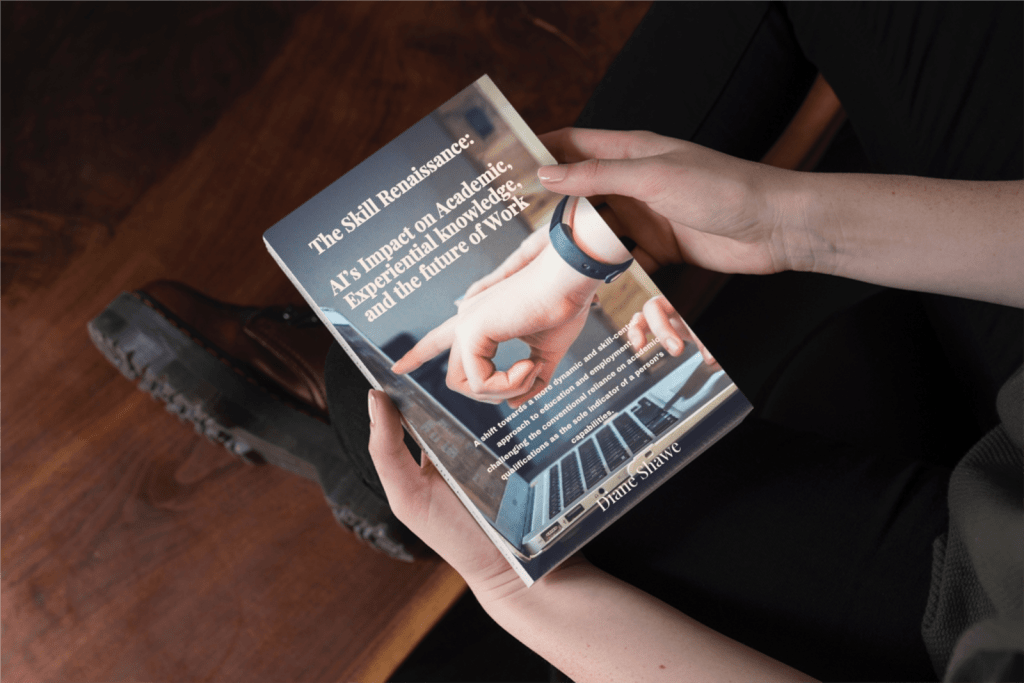
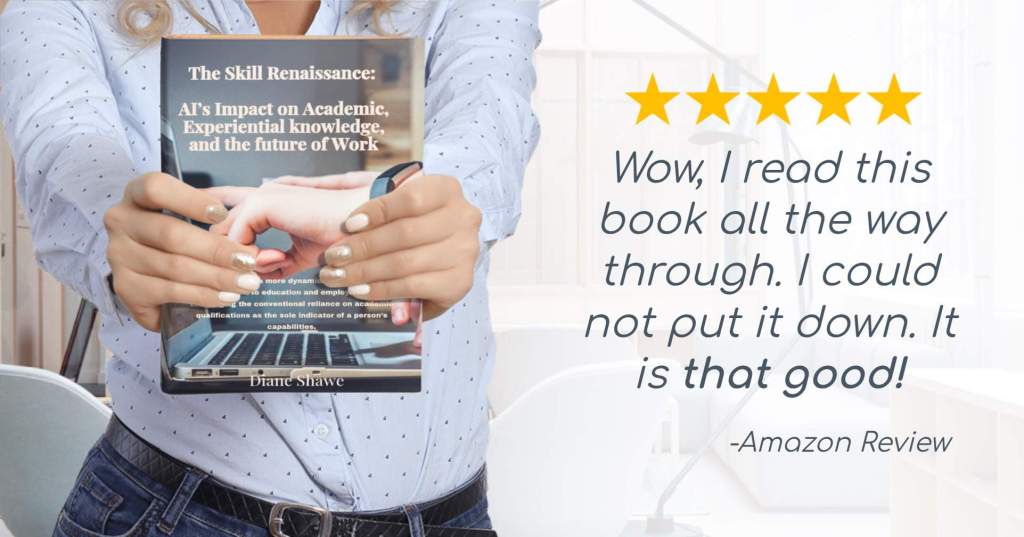
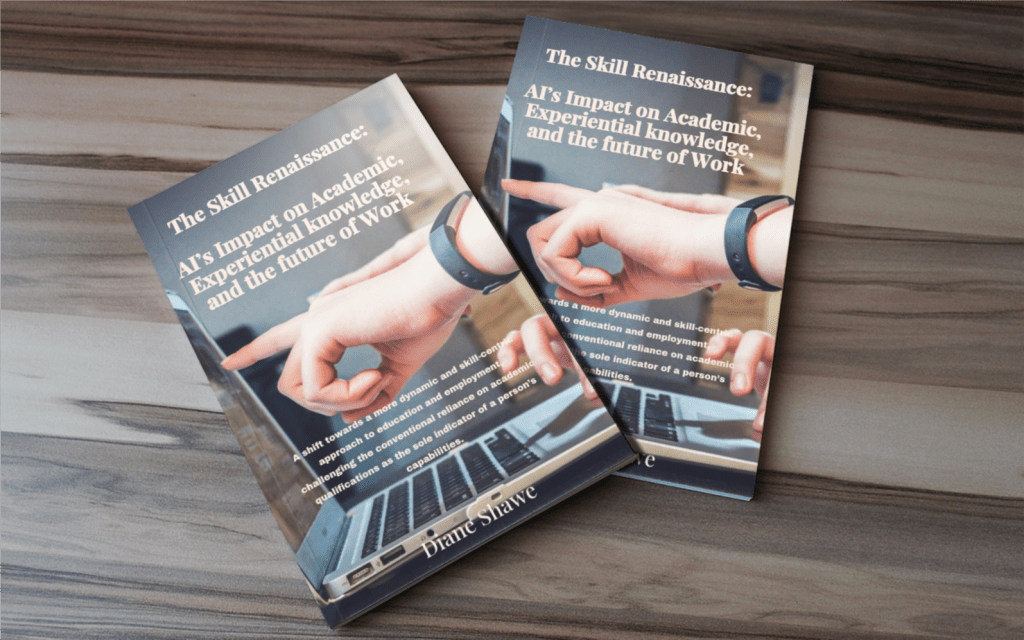
I would like to introduce Diane Shawe’s latest book “The Skill Renaissance” A I impact on education and the future of work as an essential companion for any student entering the job market, offering a roadmap to success in the era of AI disruption. It not only empowers you with knowledge but also provides actionable steps to thrive in a skill-centric future

In “The Skill Renaissance,” the author Diane Shawe has masterfully crafted a must-read for anyone seeking a nuanced understanding of how to incorporate AI constructively into their life and future. This book transcends traditional boundaries, offering valuable insights applicable to a diverse audience. Here’s why it’s a must-read:

  1. Accessible Language and In-Depth Content:

– The author strikes a perfect balance between accessibility and depth. Complex concepts related to AI are explained in a language that resonates with readers across different backgrounds, making it an inclusive read for both educational, tech enthusiasts and those less familiar with the subject.

  1. Practical Guidance for Skill Development:

– One of the book’s strengths lies in its ability to provide practical guidance on skill development. Whether you’re a student, a professional looking to upskill, or someone contemplating a career shift, the book offers actionable steps to harness the power of AI in enhancing your skill set.

  1. Real-World Case Studies:

– The inclusion of real-world case studies enriches the narrative, providing tangible examples of individuals and organisations successfully incorporating AI into their lives and work. These stories serve as inspiring benchmarks for readers looking to emulate constructive AI integration.

  1. Versatility for Various Audiences:

– What sets this book apart is its versatility. It’s not confined to a specific demographic. Whether you’re a educator exploring how to incorporate AI as a teaching or learning tool, a student navigating the education system, a professional seeking career growth, or an entrepreneur exploring innovative strategies, the book caters to a diverse audience with relevant and tailored insights.

  1. Futuristic Vision without Overwhelming Complexity:

– The book paints a futuristic vision of a world influenced by AI without overwhelming the reader with technical jargon. It navigates the complexities of AI’s impact on education and work with a forward-looking perspective, encouraging readers to envision and prepare for a skill-centric future.

  1. Holistic Approach to Personal Growth:

– Beyond its focus on AI, the book takes a holistic approach to personal growth. It emphasizes not only the development of technical skills but also the cultivation of critical thinking, adaptability, and creativity – attributes that will be invaluable in an AI-driven landscape.

  1. Relevance to Evolving Industries:

– For professionals in rapidly evolving industries, this book is a beacon of relevance. It doesn’t merely highlight the importance of AI; it demonstrates how industries are transforming and how individuals can proactively engage with these changes to stay ahead in their respective fields.

  1. Ethical Considerations and Responsible AI Use:

– The book doesn’t shy away from addressing the ethical considerations surrounding AI. It encourages readers to approach AI integration responsibly, fostering a sense of ethical awareness that is increasingly vital in our technologically advancing world.

  1. Self-Awareness and reflection

– This book also tackles how AI could enhance students self awareness and reflective practices, gaining insight into mental health and well being.

In conclusion, “The Skill Renaissance” transcends being a mere guide; it’s a roadmap for personal and professional empowerment in the age of AI. With its inclusive approach, practical insights, and futuristic vision, this book stands as an indispensable resource for anyone seeking to navigate and thrive in the evolving landscape shaped by artificial intelligence.

This book keeps you abreast of the latest developments, ensuring you can adapt and align your skills with the changing demands of your chosen field.

You can get your copy online from Google books or Amazon Kindle. Just search for Diane Shawe and you will find all her publications listed.

Custom Elegance: 6 Reasons Why a Handmade Lace Wig Is Worth the Investment by Diane Shawe

Have you heard of Lace Wigs? Have you seen the amazing effects they have and how natural they look once fitted?

Here are 6 reasons you could benefit from a custom design!


1. Tailored Fit: Enjoy a perfect, customised fit that complements your unique head shape and personal style.

2. Natural Look and Feel: Handmade lace wigs mimic the natural movement and appearance of real hair, providing a seamless and realistic look.

3. Quality Craftsmanship: Experience superior craftsmanship with attention to detail, ensuring durability and longevity for your investment.

4. Comfortable Wear: Designed with precision and care, handmade lace wigs offer comfort, allowing you to wear them for extended periods without discomfort.

5. Versatility in Styling: Style your handmade lace wig just like real hair – from curls to straight styles – offering endless possibilities for expressing your individuality.

6. Exclusive Design: Stand out with a one-of-a-kind piece that reflects your personality, as handmade lace wigs are crafted with a focus on individuality and uniqueness.


If you need a quick #hairmakeover, then request a lace wigs consultation with Needahairmakeover.

If you have a hair line problem, over 60% hairloss or you just want to cover your own hair. These wigs move so naturally, they beat clip ins, weaves and even those glue in strips that pulls out your hair.

Great for weddings, parties, special occasions or that quick date.

#alopecia #hairloss

Checkout our franchise discovery days

Very easy to apply after they are made. You can have them anchored for up to 10 weeks, or held in securely by small combs or clips easy to take off.

Just visit our online booking and select Wig consultation. http://www.needahairmakeover.com

#hairextensions #hairstyles #hairgoals #hair #lacewigs

Book a consultation today http://www.needahairmakeover.com

Understanding Toxicity: Unravelling the Roots and Recognising the Traits that could hurt your business

In our journey through life, we encounter a wide array of people, each with their unique qualities and characteristics. Among them, we sometimes cross paths with individuals who exude negativity, manipulation, and emotional turbulence – the so-called ‘toxic’ people. But what makes someone toxic, and how can we recognise the tell-tales traits that define their behaviour?



In this blog, we delve into the complex origins of toxicity, shedding light on the reasons some people become toxic, and providing valuable insights on identifying these traits.

Join us on this exploration of human behaviour, as we seek to better understand and navigate our encounters with toxic individuals.”

Toxicity in individuals often has complex origins that can be influenced by several factors. While it may not be a universal pattern, understanding the potential reasons why some people become toxic is crucial for grasping the complexity of their behaviour.

As for the age at which toxicity might start, it can vary widely. Some toxic traits may emerge in childhood or adolescence, while others might become prominent in adulthood due to life experiences and environmental factors. It is important to note that not everyone exposed to challenging circumstances becomes toxic; individual responses and resilience play a significant role.

Here, we will explore the origins of toxicity and why it may manifest in certain individuals:

1. Early Life Experiences: Toxic behaviour can sometimes trace its roots back to early childhood experiences. Individuals who grew up in environments characterised by neglect, abuse, or a lack of emotional support may develop maladaptive coping mechanisms, leading to toxic behaviours in later life.
2. Learned Behaviour: Toxicity can be learned. If a person has been exposed to toxic behaviour in their family or social circle, they may adopt similar patterns of interaction and communication. It is a case of perpetuating negative dynamics through social learning.


3. Psychological Factors: Certain personality traits or psychological conditions, such as narcissism or borderline personality disorder, can contribute to toxic behaviour. These individuals may struggle with empathy, self-regulation, and forming healthy relationships.
4. Insecurity and Low Self-Esteem: Some toxic individuals may suffer from deep-seated insecurities and low self-esteem. Their toxic behaviour could be a defence mechanism to protect themselves from perceived threats, often manifested as arrogance or manipulation.
5. Failed Coping Strategies: Toxic behaviours can be a result of failed coping strategies. Individuals who have faced adversity, trauma, or stressful situations might develop maladaptive coping mechanisms, such as manipulation or blaming others.
6. Environmental Factors: Toxicity can also be a response to a toxic environment. When someone constantly faces hostility, stress, or unhealthy dynamics, they may become toxic as a means of self-preservation or retaliation.

Recognising these potential origins of toxicity can offer insight into why some people exhibit toxic behaviour. It can also remind us that while we should approach toxic individuals with caution, understanding and empathy can be the first step toward helping them address the root causes of their behaviour and potentially change for the better.

Here are thirteen examples of toxity traits:

1. Gaslighting: They manipulate you into questioning your own reality and memory.
2. Selective Empathy: They only show empathy towards those who benefit them and disregard the suffering of others.
3. Constant Criticism: They criticise you and others relentlessly, causing self-esteem issues.
4. Manipulative Behaviour: They use manipulation tactics like lying, playing mind games, or emotional extortion.
5. Victim Mentality: They consistently portray themselves as victims in every situation, avoiding responsibility.
6. Intrusive: They invade your privacy and personal space without permission.
7. Insensitive to Feelings: They disregard your feelings and concerns, often dismissing them as unimportant.
8. Draining Energy: They bring negativity and drama into your life, leaving you emotionally drained.
9. Silent Treatment: They use the silent treatment to control or punish you.
10. Deflecting Blame: They shift blame onto others and refuse to acknowledge their mistakes.
11. Competitive Nature: They constantly compare themselves to you and try to outdo your achievements.
12. Passive-Aggressiveness: They make sarcastic or hurtful comments disguised as jokes.
13. Lack of Apology: They never admit when they are wrong and refuse to say sorry even when it is warranted.

These additional examples help further illustrate the signs of a toxic person to watch out for.
EvoSkin Renewal acne Treatment


Dealing with toxic people in these situations can be challenging, but here is how you can navigate them:

1. Gaslighting: Trust your instincts, maintain a journal to record events, and seek support from trusted friends or a therapist who can validate your feelings and experiences.
2. Selective Empathy: Recognise their limitations and do not expect empathy from them. Seek empathy and support from other sources, such as friends, family, or support groups.
3. Constant Criticism: Build self-esteem by acknowledging your strengths and seeking positive feedback from people who appreciate you. Set boundaries and limit your exposure to constant criticism.
4. Manipulative Behaviour: Stay aware of manipulation tactics and confront them calmly. Refuse to engage in manipulative conversations and maintain your boundaries.
5. Victim Mentality: Avoid enabling their behaviour by not rescuing them from consequences. Encourage personal responsibility but be prepared for resistance.
6. Intrusive: Politely but firmly set clear boundaries, communicate your need for personal space, and enforce these boundaries if they are violated.
7. Insensitive to Feelings: Express your feelings assertively and calmly. If they remain dismissive, consider limiting your emotional investment in the relationship.
8. Draining Energy: Prioritise self-care and be mindful of how much time and energy you invest in the relationship. Seek out positive and supportive connections to counterbalance the negativity.
9. Silent Treatment: Maintain open communication, express your concerns about the silent treatment, and let them know it is not an acceptable form of communication for you.
10. Deflecting Blame: Hold them accountable for their actions by calmly addressing the issue, providing evidence if necessary, and not accepting unwarranted blame.
11. Competitive Nature: Refocus on your own goals and accomplishments and avoid participating in their competitiveness. Encourage cooperation instead of competition.
12. Passive-Aggressiveness: Address passive-aggressive comments directly by asking for clarification or calmly expressing your feelings. Encourage open and honest communication.
13. Lack of Apology: Recognise that you may not receive apologies from them. Focus on your own healing and growth and consider setting boundaries to protect yourself from further harm.

Remember, in some cases, it may be necessary to distance yourself or even cut ties with a toxic person for your own well-being. Seek support from a therapist or counselor to help you navigate these challenging situations.

How a toxic person can hurt your business.

Having a toxic person as a partner or employee in your business can have several significant implications, including:

1. Negative Workplace Culture: Toxic individuals can create a toxic work environment, which can lead to decreased morale and job satisfaction among other employees. This can result in higher turnover and lower productivity.
2. Conflict and Disruption: Toxic individuals often create conflict within the workplace. They may engage in power struggles, undermine colleagues, or resist collaboration, leading to disruption and tension among the team.
3. Decreased Productivity: Toxic employees or partners can be a drain on productivity. They may engage in behaviours like procrastination, gossip, or sabotage, which can hinder progress and innovation.
4. Damage to Reputation: If the toxic person’s behaviour becomes known to clients, customers, or partners, it can damage the reputation of your business. Negative interactions with clients can result in lost business opportunities.
5. Legal and HR Issues: Toxic behaviour can sometimes lead to legal and human resources issues. This may include harassment claims, discrimination complaints, or hostile work environment lawsuits, which can be costly and time-consuming to address.
6. Reduced Creativity and Innovation: Toxicity stifles creativity and innovation. Employees may hesitate to share ideas, and the fear of criticism can hinder problem-solving and progress.
7. Stifled Growth and Expansion: The presence of a toxic person can hinder your business’s growth and expansion. It may deter potential investors, partners, or clients from engaging with your business.
8. Leadership Challenges: If the toxic individual holds a leadership position, they can negatively influence the entire team, making it difficult for you to lead effectively and implement your vision for the business.
9. Health and Well-Being Impact: Toxicity in the workplace can take a toll on the mental and physical health of employees. This, in turn, can lead to increased absenteeism and health-related issues, affecting the overall well-being of the team.
10. Diversion of Focus: Dealing with a toxic partner or employee can divert your focus and energy away from growing and improving your business. You may find yourself spending an inordinate amount of time managing conflicts and addressing issues.

In summary, having a toxic person as a partner or employee can have far-reaching implications for your business, affecting its culture, productivity, reputation, and overall success. It is essential to address toxic behaviour promptly, either through intervention, coaching, or, if necessary, parting ways with the toxic individual to preserve the health and well-being of your business.


To prevent employing toxic individuals in your business, you can implement a thorough vetting procedure during the hiring process. Here are some key steps and strategies:

1. Clear Job Descriptions and Requirements: Start by creating detailed job descriptions and requirements that clearly outline the skills, qualifications, and personality traits you are looking for. This will help attract candidates who are a better fit for your organisation.
2. Behavioural Interviews: Conduct behavioural interviews where you ask candidates about past experiences and how they handled specific situations. This can reveal their behaviour patterns and interpersonal skills.
3. Reference Checks: Contact the candidate’s previous employers and colleagues for references. Ask questions about their behaviour, teamwork, and communication skills. Be sure to verify the accuracy of the information provided by the candidate.
4. Assessment Tools: Use personality or behavioural assessment tools to evaluate candidates’ traits and tendencies. These assessments can help identify potential red flags and compatibility with your organisation’s culture.
5. Cultural Fit Assessment: Assess whether the candidate aligns with your company’s values and culture. Ask questions related to your company’s mission and vision to gauge their alignment.
6. Multiple Interviews: Conduct multiple rounds of interviews with different team members to gain a more comprehensive view of the candidate’s behaviour and personality. Different interviewers may notice different cues.
7. Trial Periods: Consider implementing a probationary or trial period for certain roles. During this time, closely monitor the candidate’s behaviour and interactions with colleagues to assess their compatibility with your team.
8. Behavioural and Ethical Questions: Include specific behavioural and ethical questions in your interviews. For example, you can ask how they manage conflicts, criticism, and stress, or inquire about their ethical decision-making.
9. Background Checks: Perform background checks to uncover any potential legal issues or inconsistencies in the candidate’s history. This can help you identify any undisclosed problems.
10. Peer Interviews: Have potential team members or colleagues conduct interviews to assess how the candidate interacts with future coworkers.
11. Consistency Across Interviews: Ensure that the information candidates provide in various interviews remains consistent. Inconsistencies could be a red flag.
12. Trust Your Gut: Trust your instincts. If something does not feel right about a candidate, investigate further, or consider other options.
13. Training and Awareness: Train your HR and hiring teams to recognise potential signs of toxic behaviour during interviews. Awareness can be a powerful tool in preventing toxic hires.

By implementing these vetting procedures, you can significantly reduce the likelihood of hiring toxic individuals and increase the chances of bringing in candidates who are a better fit for your organisation’s culture and values.

Two widely recognised and reputable personality and behavioural assessment tools that small businesses can use to evaluate candidates are:

1. DISC Assessment: The DISC assessment evaluates candidates based on four primary personality traits: Dominance, Influence, Steadiness, and Conscientiousness. It provides insights into how individuals tend to communicate, make decisions, and work in a team. It is a user-friendly tool that can help you understand how well a candidate’s personality aligns with the requirements of a specific role.

2. Myers-Briggs Type Indicator (MBTI): MBTI is a well-established personality assessment tool that categorises individuals into one of sixteen personality types based on preferences related to extraversion/introversion, sensing/intuition, thinking/feeling, and judging/perceiving. It can provide valuable insights into a candidate’s natural inclinations and work style.

When using these assessment tools, it is essential to have a trained facilitator or consultant interpret the results, as this can help ensure a more accurate understanding of how a candidate’s personality traits may fit within your organisation’s culture and job requirements.

Recommended Brain Check Tool to Help reduce your risk of dementia

Start checking and training your brain


I came across an article today suggesting a brain checker tool to help avoid dementia.

I covered this topic in another of my blogs back in 2019 when another report came out stating Scientists have long found a possible link between anticholinergic drugs and an increased risk of dementia.
A study published in the journal JAMA Internal Medicine on Monday suggests that the link is strongest for certain classes of anticholinergic drugs — particularly antidepressants such as paroxetine or amitriptyline, bladder antimuscarinics such as oxybutynin or tolterodine, antipsychotics such as chlorpromazine or olanzapine and antiepileptic drugs such as oxcarbazepine or carbamazepine.


Study is important because it strengthens a growing body of evidence showing that strong anticholinergic drugs have long term associations with dementia risk,” said Carol Coupland, professor of medical statistics in primary care at the University of Nottingham in the United Kingdom and first author of the study.


We wish it wasn’t the case but, unfortunately, memory loss is a hot topic. People have countless questions about brain diseases such as Alzheimer’s and dementia.
What really causes it? Read more

So the Alzheimer’s Research UK has launched a new app which gives people of all ages tips on how to keep their brains active and to reduce the risk of dementia.

The brain checker tool encourages people to do more to look after their brains, and offers suggestions to stay sharp.

Dementia is the term used to describe a set of symptoms that over time can affect memory, problem-solving, language and behaviour. 

The disease is progressive, which means symptoms may be mild or even unnoticeable at first, but they get worse over time. There are many types of dementia but Alzheimer’s disease is the most common. The next most common is vascular dementia

Well excuse me.. In March 2015, researchers published a prospective cohort study in JAMA Internal Medicine called “Cumulative Use of Strong Anticholinergics and Incident Dementia.”

The University of Washington and Seattle healthcare system, Group Health, conducted the long-term study which tracked 3,434 men and women who were aged 65 and up, and had no dementia when the study began.

The team accessed every participant’s history of drug use for the previous decade, including both over-the-counter and prescription drugs. Over a 7-year timeline, they followed up with all the participants every two years, during which 797 participants developed dementia (637 of whom developed Alzheimer’s disease).

As researchers looked back on what those 797 individuals took, anticholinergic drugs became the main suspect. The most common anticholinergics participants used were tricyclic antidepressants, first-generation antihistamines, and bladder antimuscarinics.

Compared to those who didn’t take anticholinergic drugs, people who did for as little as three years were 54% more likely to develop dementia.

What Are Anticholinergics?
Usually, these types of drugs are prescribed to treat problems including urinary incontinence, Parkinson’s disease, and chronic obstructive pulmonary disorder (COPD).

Anticholinergic drugs’ main purpose is to block the actions and effects of acetylcholine, a neurotransmitter which causes muscles to contract, activates pain responses and regulates endocrine and REM sleep functions.

It’s just a natural fact of life – as we age, our bodies’ ability to produce acetylcholine decreases. Since the brain actually contains many acetylcholine-producing cells, as Harvard editor Beverly Merz highlights, “blocking its effects can deliver a double whammy to older people.”


Related: NHS outlines over 45 Common Medications Linked to Memory Loss!

It was suggested that if you want to keep your head clear and brain functioning as highly as possible, steering clear of anticholinergic drugs seems ideal.


However, it is important to recognize that the long-term study revealed only a small portion of drugs was interfering with cognitive function. So, please discuss with your doctor if you’re thinking of getting off any prescribed medications.

I know that we have to try all avenues to help combat what is now the fastest growing health problem around the world.

Most children are pretty advanced on their mobile phones

Almost everyone has a mobile phone, a good percentage of owners pay games on their phone. We have the highest users of technology and evening is becoming automated. So if we are already using technology how is just a checker going to help? Just asking

How Social Media Influencers can Improve Followers Engagement

How to improve your influencer engagement?
Influencer marketing is not an emerging trend anymore but a strategic part of companies’ overall digital marketing budget.
While a decade ago, influencer marketing did not exist, the adoption of influencer marketing is rising fast and 93% of marketers use it today.
Ignoring the benefits of influencer marketing campaigns can spell doom for companies and social influencers. But what is influencer marketing, and how can you develop an influencer marketing strategy that works for you?

What is influencer marketing?

Influencer marketing is a marketing strategy in which brands partner with social media influencers to promote their products and services.
Influencers have an engaged and large following on social media platforms due to their knowledge, expertise, or unique point of view. They typically share content with their followers on diverse social media platforms such as:
• Podcasts
• Online blogs on WordPress, Wix, or other online content management websites
• Instagram
• Twitter
• TikTok
• Pinterest
• LinkedIn
• Snapchat
• Twitch

• Facebook

To strengthen your influencers online conversational marketing strategy you now need to consider seriously introduce A.I Technology. A Conversational Chatbot can interact with all your followers simultaneously providing them with advice, links, offers and much more.

Checkout what we mean by https://influencers-chatbot.virtualspeedyservices.uk

About Virtual Speedy Services Chatbot Design Services

We can design a Interactive #Chatbot for your business and your clients which helps interact with visitors, capture vital information, signpost, send proposals, vouchers, videos and lots more.