Category Archives: online courses

Boost Your Immunity with the Power of Liquorice Tea by Diane Shawe

As the season of colds, flus, and coughs approaches, it becomes crucial to find natural ways to boost my immune system. In my quest for a natural remedy, I stumbled upon liquorice tea, a beverage that offers a myriad of health benefits.

From soothing digestive issues to promoting liver health, liquorice tea has been praised for its medicinal properties. In this blog post, we will delve into the various health benefits of liquorice tea and explore how incorporating this herbal drink into your routine can contribute to overall well-being. So grab a cup of tea and join me on this journey of discovering the wonders of liquorice tea.

While liquorice is commonly recognised as a flavoring in sweets and beverages, this naturally sweet ingredient also boasts a plethora of health advantages.

Original liquorice rootFor thousands of years and across various countries, liquorice has been utilised as an herbal remedy. In Traditional Chinese Medicine, it is combined with other herbs to maximize their efficacy, making it a common component in many Traditional Chinese remedies.

Ayurveda, the ancient Indian healing system, employs liquorice to balance the doshas and incorporates it into several formulas as a harmonising herb. It is believed to have a calming effect on the mind and nourish the parasympathetic nervous system.

Furthermore, in Western herbalism, liquorice tea has traditionally been used for treating digestive disorders, alleviating coughs and colds, and supporting the internal organs, including the liver and kidneys.

Moreover, liquorice serves as a delectable natural sweetener that offers a taste approximately 50 times sweeter than sugar. This makes it an excellent addition to any herbal tea blend, enhancing the benefits of the other herbs included.

WHAT IS LIQUORICE TEA?

Liquorice tea is derived from the root of the liquorice plant, which is indigenous to Asia and Southern Europe. Belonging to the pea family, it goes by the Latin name Glycyrrhiza glabra.

Typically, extracts from the liquorice root provide the distinct flavor found in liquorice sweets (although aniseed is occasionally used as a substitute). However, it is the root itself that contains the majority of the beneficial properties, therefore it is used to prepare liquorice tehttps://amzn.to/425miFm

WHAT ARE THE BENEFITS OF LIQUORICE TEA?

Liquorice root offers numerous health advantages. Regularly consuming liquorice tea is a simple way to incorporate this potent herbal ally into your daily diet. Here are some well-known benefits of liquorice tea:

1. SOOTHES DIGESTIVE ISSUES

One of the most popular applications of liquorice tea is its ability to alleviate digestive problems such as heartburn, acid reflux, and indigestion. In the NutraCleanse tea blend, we include liquorice to support a healthy digestive system.https://amzn.to/425miFm

2. FIGHTS INFECTIONS

Liquorice root contains natural antiviral and antibacterial compounds, including glycyrrhizin and glycyrrhetinic acid. These compounds aid in boosting your immune system to combat infections.

3. SUPPORT YOUR LIVER AND KIDNEYS

Your liver and kidneys play a vital role in keeping your body healthy and clear of toxins. Supporting the health and functionality of your liver and kidneys is of utmost importance in maintaining a toxin-free and healthy body. To achieve this, liquorice tea, abundant in antioxidants that aid in preventing inflammation, is often utilised as it supports the healthy operation of these essential organs.

Furthermore, liquorice is known to shield the liver against alcohol-induced damage. which is why it is an integral component of our NutraLiver tea.

4.  TREAT COLDS, COUGHS, AND UPPER RESPIRATORY INFECTIONS

Another traditional use of liquorice tea is to treat the symptoms of colds and other upper respiratory infections. In addition to its aforementioned benefits, liquorice tea is traditionally used to alleviate symptoms associated with colds and upper respiratory infections. This is due, in part, to its antiviral and antibacterial properties, which combat the microorganisms responsible for these ailments.

Moreover, the consumption of liquorice is believed to help maintain open airways and holds potential as a future treatment for asthma, pending further research on its effects in humans.

5. SOOTHE A SORE THROAT

Aside from remedying cold and cough symptoms, liquorice acts as a natural pain reliever, featuring components that coat the throat’s lining. Consequently, it alleviates discomfort and irritation linked to sore throats. No wonder liquorice is often included as an ingredient in local pharmacy sold remedies targeting this issue. When combating the adverse effects of a cold or sore throat, find liquorice blended with other advantageous herbs in our NutraDefence combination

6. PROTECT YOUR TEETH

Protecting your teeth from plaque buildup and cavities is another advantage provided by the antibacterial properties of liquorice. This natural compound not only combats the microorganisms responsible for colds and coughs but also reduces the presence of harmful bacteria in the oral cavity.

To elevate the benefits for your dental health, we have combined liquorice with cinnamon – another herbal tea known for its favorable effects on teeth and gums – creating one of our exquisite flagship teas.

7. REDUCE THE SYMPTOMS OF MENOPAUSE

Uncomfortable hot flushes are one of the many symptoms caused by the seesawing hormones that go hand in hand with menopause. When it comes to menopause, the fluctuating hormones typically induce uncomfortable hot flushes. However, incorporating liquorice tea into your routine might alleviate these symptoms as effectively as hormone replacement therapy (HRT). Liquorice has been proven to reduce the intensity and duration of hot flushes significantly.

https://amzn.to/3S1Q8pk

8. GIVE YOU GLOWING SKIN

In addition to its internal advantages, liquorice’s anti-inflammatory and antimicrobial properties make it a popular ingredient in natural skincare products, particularly those targeted at treating eczema and acne. Our skin’s condition can be influenced by what we consume, so including liquorice in your tea can have a positive impact as well.

You could even use tea as a face wash. Just make sure to let it cool down first!

IS LIQUORICE TEA SAFE?

The Safety of Liquorice tea is generally considered to be safe for consumption by the majority of individuals. Nonetheless, it is advisable for pregnant or breastfeeding women to avoid the consumption of liquorice-based products. Similarly, individuals who suffer from elevated blood pressure or heart conditions should refrain from consuming such products, as they have the potential to raise blood pressure levels.

Furthermore, excessive consumption of liquorice can result in a decrease in potassium levels. Hence, it is recommended that individuals abstain from consuming liquorice in excessive quantities if they already have low potassium. The National Health Service (NHS) cautions against consuming more than 57 grams of black liquorice per day for at least two weeks, as this may lead to potentially severe health issues.

However, it should be noted that most tea bags only contain a small amount of herbs, typically only a few grams. Consequently, one would need to consume a substantial quantity of liquorice tea before reaching dangerous levels. Nevertheless, this consideration should not be taken lightly, particularly for those who also enjoy consuming liquorice in the form of sweets.

Best liquorice allsorts

Get alsorts here https://amzn.to/48Vp81B

Lastly, it is important to be aware that liquorice can interact with certain medications. Therefore, it is advisable to consult with a healthcare professional before combining herbal remedies with other medicines.

HOW TO MAKE LIQUORICE TEA

It is best if you prefer to use liquorice as part of a blend. The flavour can be overwhelming on its own but is a beautiful complement to other herbs. Plus, both Traditional Chinese Medicine and AyurIveda say that liquorice boosts the effectiveness of other herbal remedies.

Choose your preferred blend. Try liquorice in many of our teas – you could opt for NutraLiver, NutraDefence, NutraCleanse, or be a purist and go for Liquorice & Cinnamon.

See full range of teas here https://amzn.to/3S1Q8pk

Place the teabag in your favourite mug and pour over 200ml of freshly boiled water. Leave it to steep for 4-5 minutes, then give the tea bag a squeeze to get all the goodness out. Enjoy! (I usually leave my teabage in to get every last drop of flavour)


14 Popular Braiding Techniques in UK by Diane Shawe


Braiding hair is an ancient practice that dates back thousands of years, with evidence of its existence in various cultures worldwide. The exact origins are challenging to pinpoint, but braids have been found in archaeological artifacts from ancient civilizations.

Braiding has stood the test of time due to its practicality, versatility, and cultural significance. It can serve functional purposes like keeping hair neat and organized, as well as aesthetic and cultural reasons. Different societies and periods have embraced braiding for its beauty and as a form of self-expression.

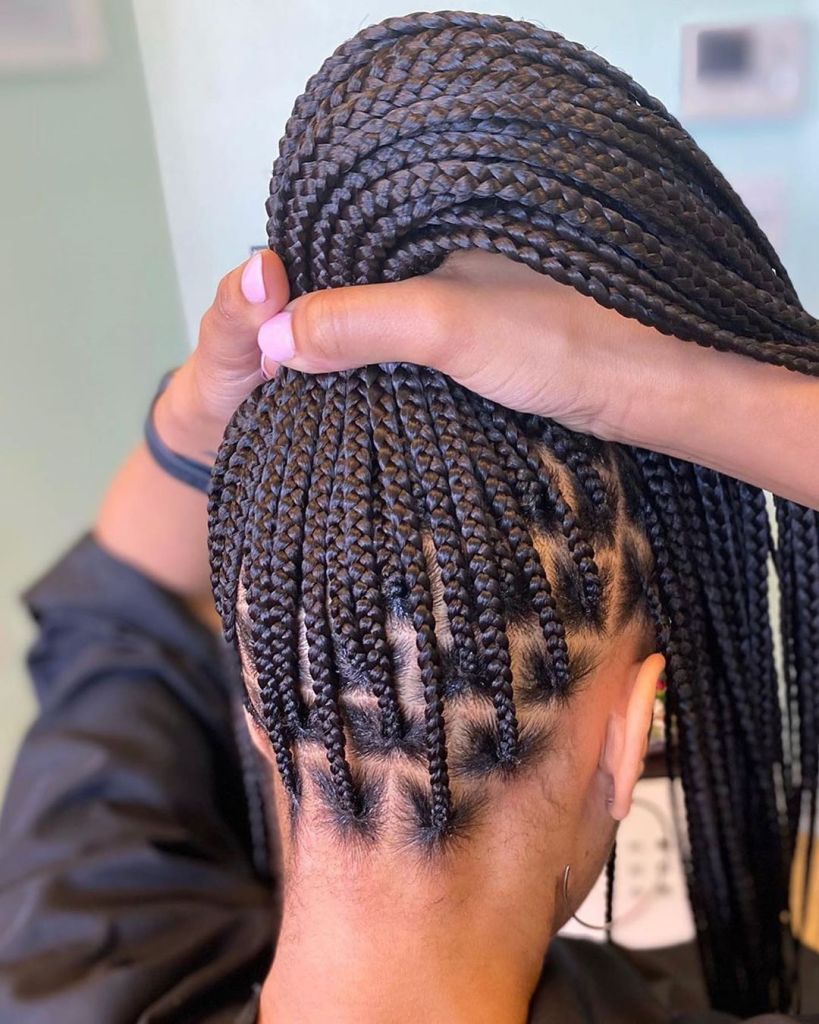
Today, it remains popular for its ability to create diverse hairstyles and reflect cultural identity Box braids: These are the most common type of braids. They are created by dividing the hair into square sections and then braiding each section. Box braids can be done with natural hair or with extensions.

Cornrow braids


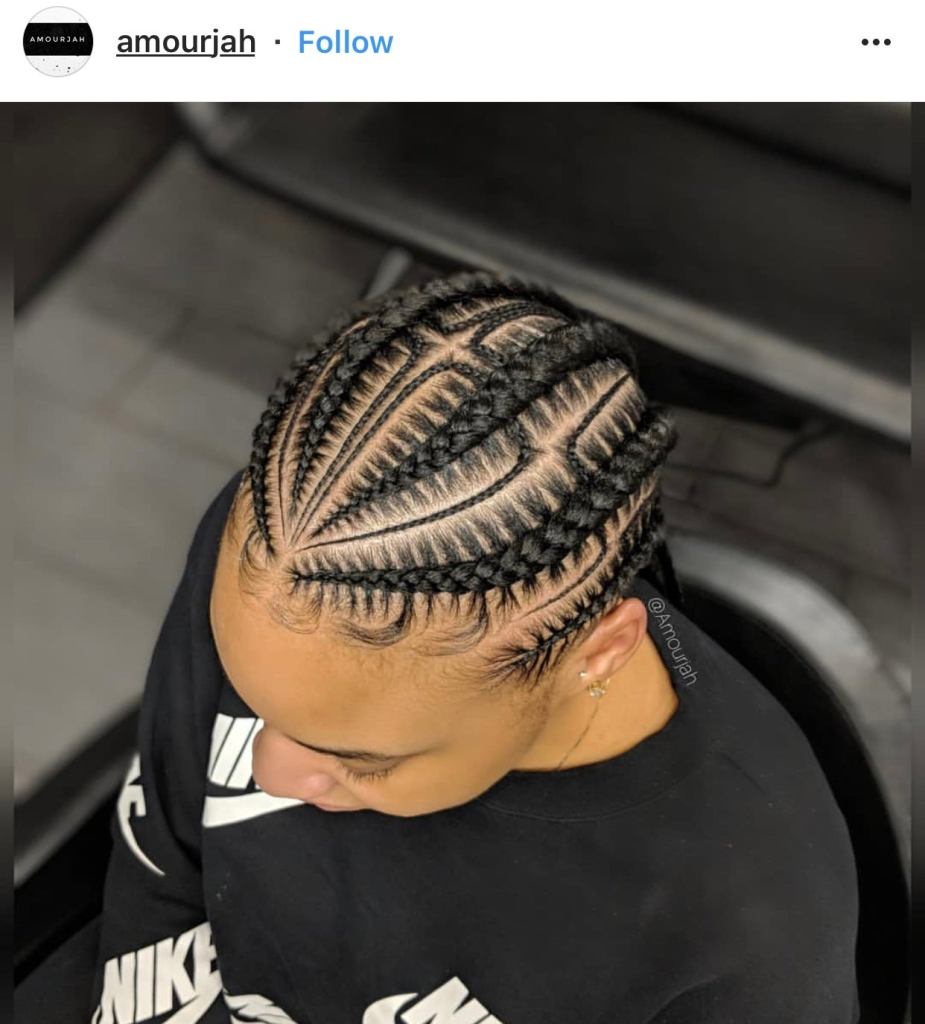
Cornrows: Cornrows are a type of braid that is created by braiding the hair in three sections. They can be done on natural hair or with extensions. Cornrows are a popular protective style for black hair Cornrows are Narrow, tight braids close to the scalp, often created in straight lines or intricate plaits.

Twist braids

Twists: Twists are a type of braid that is created by twisting the hair into two or three sections. They can be done on natural hair or with extensions. Twist Braid also known as (Rope Braid) Two or three strands of hair twisted around each other to form a rope-like braid. Twists are a popular protective style for black hair.

Three-Strand Braid (Regular plaiting): The most basic form, created by crossing three strands of hair over one another.

Plait braids


French Braid: A style where the hair is gradually incorporated into the braid as it progresses, typically along the centre of the scalp.


Dutch Braid (Inverted French Braid): Similar to a French braid but with the strands crossed under rather than over, creating a raised, 3D effect.

Fishtail braids

Fishtail Braid: A two-strand braid where small sections of hair are crossed over each other to create a textured, fishtail-like appearance.

Knotless braids

Box Braids: Long, small, and square-shaped braids plaits that are often used to create long styles that can be worn up or down. Can be done as micro or jumbo plaits.

Braids with beads

Feed-in braids: These braids are similar to box braids, but the hair is not divided into square sections. Instead, the hair is braided strand by strand, and the extensions are fed into the braid as it is being created. Feed-in braids are often considered to be less damaging to the hair than box braids

Feed in braids

Knotless braids: Knotless braids are a newer type of braid that is becoming increasingly popular. They are created by braiding the hair without using knots. This means that there is less tension on the hair, which can help to prevent breakage

Waterfall Braid: A braid where sections of hair are dropped to create a cascading effect, resembling a waterfall.

Waterfall braids

Herringbone Braid (Fishbone Braid): A braid that consists of two strands, with small sections of hair crossed over to create a herringbone pattern.

Herringbone braids

Milkmaid Braid: Two braids wrapped around the head like a crown, creating a regal and elegant look.

Milkmaid braids

Micro interlocking braids

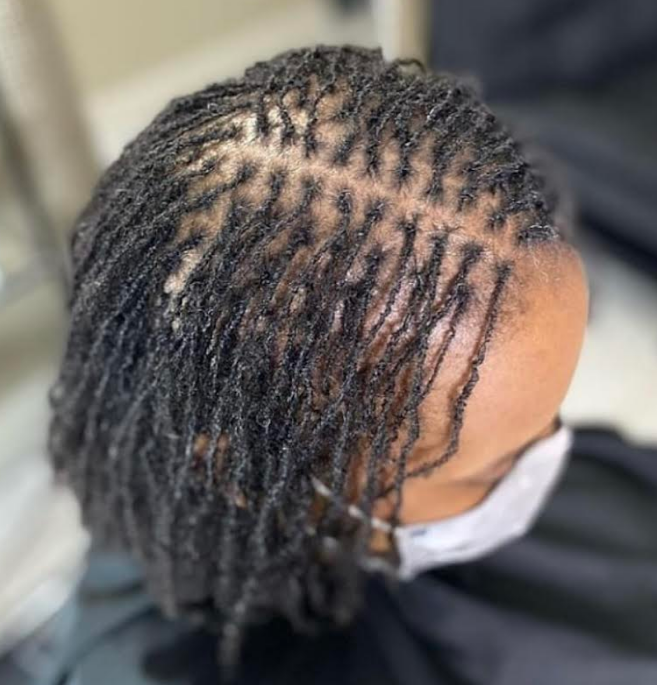
Using the interlocking method to start microlocs is great for fine textured hair or for those that desire the smallest version of microlocs

Versatility: The small size of microlocs often creates hundreds of locs, which means that the styling possibilities are almost endless.

Neatness: Microlocs maintained with interlocking will stay neater for extended periods of time, compared to retwisting, because the sections are smaller, which means less frizz at the roots.

Fullness: Microlocs generally result in at least 150-300 locs, depending on the size of your head and which size of microlocs you chose, therefore they will instantly create fullness and volume.

Micro interlocking braids

Crochet

You’ve probably heard of crochet braids, but how much do you really know about them? First things first, crochet braiding isn’t actually a ‘braiding‘ in the traditional sense, which is where some of the confusion around this style stems from.

Crochet braiding

Instead, it’s a process through which loose hair extensions are woven into cornrows using a crochet hook, giving the illusion of longer locks. The results are so natural looking that people won’t even suspect that you didn’t grow them yourself!

Other major advantages of crochet braid styles are that they take significantly less time to install compared to box braids (bonus!), and causes less strain on your scalp than sewn-in weaves, since the hair is looped onto existing braids. So, feeling inspired to take plunge? Then check out our favourite looks from Instagram, below!

These are just a few examples, and the world of braiding offers a wide array of styles, often influenced by cultural traditions and personal preferences.


Pros and cons of different braiding techniques

The pros and cons of different braiding techniques vary depending on the technique, but some general pros and cons include:

Pros:

• Braids can protect the hair from heat, humidity, and other environmental factors.

• Braids can help to stretch the hair, which can improve its texture.

• Braids can be styled in a variety of ways, which can give you a lot of versatility:

• Braids can be time-consuming to install and remove.

• Braids can be heavy, which can cause discomfort.

• If braids are done too tightly, they can cause hair breakage.

Which braiding technique is right for you?

The best braiding technique for you will depend on your individual hair type, preferences, and lifestyle. If you have delicate hair, you may want to choose a technique that is less damaging, such as knotless braids or twists. If you are looking for a style that is versatile and easy to maintain, box braids or cornrows may be a good option for you. Ultimately, the best way to decide which braiding technique is right for you is to talk to a hair stylist who can assess your hair and help you choose the best style for your needs.

https://www.needahairmakeover.com

Note

Some photos have been accredited to the artist as stamped on the image. We take no responsibility if these have been plagiarised by the name of the artist listed on them

The Triage Funnel: Straightforward 3 Step Process to Sell High-Ticket Offers by Diane Shawe


Are you finding it difficult to effectively market high-ticket offers? Are you encountering challenges in generating fresh leads and scheduling strategy sessions for your high-ticket offers?

The success of your business selling high-ticket offers is contingent upon the number of qualified leads and sales calls you have.

I understand the frustration and disappointment that comes with being unable to sell  premium coaching, consulting, and live event offers, but if you read my latest book you will come to understand that there are several other industries that are looking for high ticket closers and appointment setters.

But that’s about to change.

If you’re interested in discovering how to attract a flood of qualified leads and ensure your calendar is filled with well-qualified calls, continue reading.

I have recently written a book that  specialise in guiding youin the world of triage selling high-ticket programs.

There are numerous approaches you can employ to create a sales funnel and sell your high-ticket offers.

However, in this article, we will focus on the Triage Funnel – a straightforward three-step process that delivers an abundance of qualified leads.

In fact, I personally utilised this method recently as well.

Advantages of the Triage Funnel include:

  • Streamlined funnel procedures with minimal moving components
  • No hassle of implementing an ascension model that requires starting with low-ticket offers and then transitioning to high-ticket ones
  • No more struggling to persuade people to make a purchase
  • Expedited phone conversations with interested prospects (within 72 hours)

Now, let’s delve into the three-step process of the Triage Funnel.

STEP 1: The right lead magnet: Crucial initial step

The initial stage of this funnel entails achieving two primary objectives through the utilisation of a lead magnet.

Firstly, it serves the purpose of generating leads. Although the objective itself may seem simple, it should be recognised as highly significant. The lead magnet effectively acquires vital contact information, namely the lead’s name and email address. Subsequently, this enables the provision of value-adding content, should it be deemed necessary.

Secondly, the lead magnet plays a crucial role in prospect qualification. It is imperative to avoid wasting precious time on unsuitable clients. Thus, the lead magnet must be meticulously crafted in a manner that only entices prospective clients who are the right fit. By addressing their specific problems within the lead magnet, they will develop a sense of being truly understood. Consequently, this approach will effectively attract individuals who are most likely to invest in your high-ticket programs.

As so wisely stated by Stephen Covey in his renowned literary work, The Seven Habits of Highly Effective People, one must first seek understanding and then aim to be understood.

The provided example presents a landing page featuring a lead magnet.


However, it should be noted that a lead magnet should not be confused with an e-book. While an e-book was previously defined as a downloadable PDF during the early 2000s, this is no longer the case.

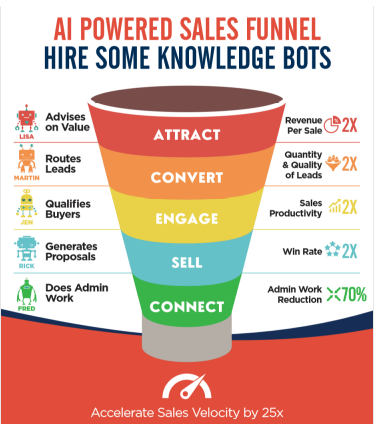
In the image below, one can observe the presence of a lead magnet titled “Accelerate Sales Volocity by 25%” This showcases what potential clients you could attract  by using  AI bots and  a good landing page!

STEP 2: Take Advantage of offering Triage-Call on Your Thank You Page

Upon embarking on their journey into the realm of digital marketing, many individuals begin by developing their lead magnet and landing page. Upon the opt-in, they are directed to a “Thank You” page, which, as the name suggests, simply expresses gratitude without offering any additional content.

Upon closer examination, this page can be seen as an opportunity to engage the user.

As users opt-in and anxiously await their desired outcome.

Here’s a proposition:

Take advantage of the “Thank You” page by offering users an opportunity to schedule a brief triage call.

The triage call will only last 9 minutes.

The purpose of this call is to determine if you can effectively assist the prospect.

To accomplish this, incorporate relevant and captivating text onto the thank-you page, along with a video.

This video should cover the following points:

  • Firstly, inform users that their lead magnet will be delivered to their email within approximately 15 minutes. This will encourage them to stay on the page and provide them with an opportunity to schedule a Triage Call.
  • Discuss what they can expect from the lead magnet.
  • Address their issues and explain how this lead magnet will resolve them, ultimately leading them to schedule a triage call.

You may be questioning the decision to offer a 9-minute triage call instead of a 45-minute strategy call.

It is uncertain if you have encountered this scenario, but sometimes, a 45-minute strategy call can be wasted on the wrong prospect.

Time equals money, so why waste it on the wrong prospects?

Utilise a triage call to qualify prospects who are genuinely deserving of a 45-minute strategy call with you.

Implementing a triage call can boost your enrollment rate by 83%.

Consider employing interns or contractors to handle these triage calls.

Ensure that they possess the necessary expertise.

They should possess enough knowledge to determine whether you can solve the prospect’s problems or not. When executed correctly, approximately 40% of individuals will schedule a triage call.

If a strategy call were offered instead, only around 8 individuals would be able to be accommodated.

However, with a 9-minute triage call, you can connect with up to 40 prospects in a single day.

That is the true power of a triage call.

It is possible that 60% of individuals may choose to not schedule a triage call, and that is perfectly acceptable.

A prospect who is willing to schedule a triage call demonstrates enough interest to warrant a 45-minute strategy session.

What about the remaining 60%? Well, some individuals simply disregard them.

You can choose to do the same, or alternatively, you can add additional qualifiers to ensure that the prospect is the right fit and highly likely to make a purchase prior to reaching out to them.

Disable their lead generation until they catch up with you.

So if you generate 100 leads, 40 will book a 9-minute triage call; which is equal to 6 hours.


STEP 3: Follow up

Some individuals may choose not to schedule a triage-call, despite its effectiveness in identifying potential prospects. However, their lack of interest should not be immediately dismissed. There could be various reasons behind their hesitation, such as fear of the unknown or more pressing priorities. It is essential to remember that their circumstances are unknown to us.

Nevertheless, these prospects require careful nurturing. They are not easily convinced and will require additional effort on our part. Consistent communication through valuable content over several days or weeks is necessary. By doing this, we establish ourselves as experts, authoritative figures, and problem solvers. It is important however not to move into harassment mode, executives are busy people and are often juggling several balls in the air.

In some of these nurturing emails, it is advisable to include a Call to Action to prompt them to book a triage-call. When composing these emails, it is crucial to focus on addressing the prospect’s pain points and emphasis that help is readily available. We aim to convey that a different life is just one triage-call away.

On a separate note, it’s interesting to note that 73% of B2B marketers and sales leaders consider webinars as the most effective means of generating high-quality leads.

Unlock Your Remote Career Potential: Diane Shawe’s latest book, available on Amason, offers valuable insights and tips on Remote High Ticket Triaging and the best jobs in the field. Plan your biggest remote career with confidence and make informed decisions. Get your copy now and embark on a journey towards a successful remote career. #Triaging #RemoteJobs #CareerPlanning

Order your copy Now


Unlock 14 Secrets to Attracting Hair Extensions, Hair and Beauty Clients in 2024 – Engage, Don’t Just advertise! By Diane Shawe

Discover the secrets to attracting new clients for your hair extensions or salon business in 2024! Needahairmakeoverfranchise.co.uk reveals 14 powerful strategies to promote your services and why engaging potential clients is the key to success. Don’t settle for a bland advert – learn how to captivate and convert customers today!

In an era where the cost of living seems to be perpetually on the rise, individuals find themselves scrutinizing every expense. Among the luxuries that often face scrutiny are visits to hair and beauty salons. As disposable incomes shrink and budgetary constraints tighten, consumers are becoming more discerning about where they allocate their hard-earned money.

In this challenging economic landscape, hair and beauty salons must adapt to the shifting tides of consumer behaviour. It’s not just about providing exceptional services anymore; it’s about creating engaging experiences that resonate with clients and make them feel that their beauty regiment is a worthwhile investment.

Moreover, in an effort to alleviate financial concerns, salons need to explore innovative payment solutions, making it easier for clients to indulge in self-care without breaking the bank. Join us as we delve into the evolving dynamics of the beauty industry and explore strategies for salons to thrive in the face of economic uncertainties.

Discover effective strategies to attract new clients by engage potential clients is more effective than traditional advertising. Find out why.

1. Attract New Clients with a Special Offer

In order to prioritise the acquisition of clients while your training is still fresh, it is essential to offer an introductory promotion. This will not only help kickstart your business but also allow you to gain confidence in your new services through practical experience.

2. Organise a Competition or Raffle

As a means to generate interest from potential customers who may not currently have the financial resources available launching a competition or selling a raffle can excite potential entrée to see if they get luck.

Acquiring the contact information of prospective clients can prove to be highly advantageous. Additionally, exploring various avenues to establish a fruitful business relationship with them can yield fruitful results.

3. Show off Awards and Certificates

Seize opportunities to discuss hair extensions by utilising promotional materials. Display your achievement or award certificate, use mirror decals, and employ table talkers. Reposting our content on your Instagram is also a great way to stimulate conversation. It is important to give proper credit and tags when reposting our results or the work of other stylists.

4. Lead by Example

As a hairstylist, you are a source of inspiration for your clients. What better way to demonstrate the impact of extensions than by wearing them yourself? By doing so, you not only inspire your clients to try extensions, but you also gain a first-hand understanding of the specific type you are promoting.

5. Establish a Referral Program

Birds of a feather flock together. Your extension clients likely associate with friends and family who share similar interests. Consider implementing a referral program that rewards clients for recommending your services to their network.

6. Collaborate with Influencers

If you aim to expand your promotion beyond your immediate followers and network, partnering with local influencers can be immensely beneficial in boosting your visibility and brand recognition.

7. Engage in Conversations

Rather than adopting a pushy salesperson approach, focus on being a trusted advisor to your clients. If you genuinely believe that extensions would benefit a client, don’t hesitate to initiate a conversation about it. Both you and your clients will appreciate the open dialogue.

8. Promote Your New Service

Make sure to effectively showcase your new extension services on all the platforms where potential clients might be looking. This includes updating your social media bios and descriptions, incorporating relevant hashtags, optimising your website, and including the services on your price lists.

9. Offer Discounts, Vouchers, Gift cards and ways to pay

Everyone cannot resist a deal so make it easy for them to take you up on a deal in a variety of ways.

Use discount sites such as wowcher, groupon or shoppersdiscount.club to promote your services. These online websites have a long reach and are good for customer acquisition.

Offer staged payments so you could use sites such as Clearway, Klarna, Afterpay, or Balance. Some platforms are usually free to retailers or some request a monthly subscription. Some offer interest free or cashback to your potential customers.

The best way to combat and remove price barriers, turning browsers into buyers, increasing average order values and expanding your customer base.

Gift cards or vouchers can also attract third party customers to buy as present 🎁 So you could make it easy for parents, grand parents, spouses, friends or work colleagues to contribute towards a gift.

Given the visual nature of our industry, stunning photographs are a powerful selling tool. When scheduling appointments for extension clients, make sure to allocate time for photography. Remember that natural, indirect lighting produces the best results, and before and after pictures have a strong impact. We recommend using the app SplitPic or instagram features to showcase your transformations. Additionally, choose a background that is not distracting to ensure optimal visuals.

You could also send the client a complimentary photo on WhatsApp so they can update their Facebook or instagram image.

When posting your own before and afters online make sure you add your logo and contact number.

11. Host exciting events

Organise hair extension workshops, styling masterclasses, or even virtual consultations. Show off your skills and create a buzz in your community!

12. Collect client testimonials

Positive reviews and testimonials are worth their weight in gold. Ask satisfied clients to share their experiences to build trust and credibility. Don’t be afraid to get your mobile phone out and ask for a video testimonial! You client might surprise you!

12. Partner with local businesses

Collaborate with bridal boutiques, photographers, or event planners to become their go-to hair extension expert. Networking can lead to new clients!

13. Show your personality

Let your passion and personality shine through your brand. People connect with authenticity, so let them see the real you! Do a live video on tips and advice. Post it to reels, shorts and tictok

14. Stay up-to-date with trends

Hair extension styles and techniques evolve constantly. Keep learning and experimenting to offer the latest and greatest to your clients. Remember, promoting your hair extension business is all about building relationships and showcasing your unique expertise. By following these tips, you’ll attract new clients like never before!

In conclusion, the rising cost of living has placed financial strains on individuals, impacting discretionary spending, including visits to hair and beauty salons. As salon owners navigate this economic landscape, it becomes crucial to adapt and find innovative ways to attract clients.

Creating engaging experiences and establishing a welcoming environment are pivotal in retaining customer loyalty.

Additionally, simplifying payment processes can remove barriers that may deter potential clients. It is not just about the quality of service but also about the overall experience.

Salons that invest in client engagement strategies and convenient payment methods are better positioned to thrive in challenging economic times. Let us join hands in reshaping the beauty industry, making it more accessible and enjoyable for everyone. Visit your local salon today and experience a blend of beauty, comfort, and convenience.

Let’s make 2024 your best year yet! 💫✨

Checkout our Franchise Discovery days around the UK https://www.needahairmakeoverfranchse.co.uk

#HairExtensions #SalonLife #NewClients #BeautyIndustry

Join our franchise discover days at need a hair makeover


Understanding Toxicity: Unravelling the Roots and Recognising the Traits that could hurt your business

In our journey through life, we encounter a wide array of people, each with their unique qualities and characteristics. Among them, we sometimes cross paths with individuals who exude negativity, manipulation, and emotional turbulence – the so-called ‘toxic’ people. But what makes someone toxic, and how can we recognise the tell-tales traits that define their behaviour?
In this blog, we delve into the complex origins of toxicity, shedding light on the reasons some people become toxic, and providing valuable insights on identifying these traits.

Join us on this exploration of human behaviour, as we seek to better understand and navigate our encounters with toxic individuals.”

Toxicity in individuals often has complex origins that can be influenced by several factors. While it may not be a universal pattern, understanding the potential reasons why some people become toxic is crucial for grasping the complexity of their behaviour.

As for the age at which toxicity might start, it can vary widely. Some toxic traits may emerge in childhood or adolescence, while others might become prominent in adulthood due to life experiences and environmental factors. It is important to note that not everyone exposed to challenging circumstances becomes toxic; individual responses and resilience play a significant role.

Here, we will explore the origins of toxicity and why it may manifest in certain individuals:

1. Early Life Experiences: Toxic behaviour can sometimes trace its roots back to early childhood experiences. Individuals who grew up in environments characterised by neglect, abuse, or a lack of emotional support may develop maladaptive coping mechanisms, leading to toxic behaviours in later life.
2. Learned Behaviour: Toxicity can be learned. If a person has been exposed to toxic behaviour in their family or social circle, they may adopt similar patterns of interaction and communication. It is a case of perpetuating negative dynamics through social learning.


3. Psychological Factors: Certain personality traits or psychological conditions, such as narcissism or borderline personality disorder, can contribute to toxic behaviour. These individuals may struggle with empathy, self-regulation, and forming healthy relationships.
4. Insecurity and Low Self-Esteem: Some toxic individuals may suffer from deep-seated insecurities and low self-esteem. Their toxic behaviour could be a defence mechanism to protect themselves from perceived threats, often manifested as arrogance or manipulation.
5. Failed Coping Strategies: Toxic behaviours can be a result of failed coping strategies. Individuals who have faced adversity, trauma, or stressful situations might develop maladaptive coping mechanisms, such as manipulation or blaming others.
6. Environmental Factors: Toxicity can also be a response to a toxic environment. When someone constantly faces hostility, stress, or unhealthy dynamics, they may become toxic as a means of self-preservation or retaliation.

Recognising these potential origins of toxicity can offer insight into why some people exhibit toxic behaviour. It can also remind us that while we should approach toxic individuals with caution, understanding and empathy can be the first step toward helping them address the root causes of their behaviour and potentially change for the better.

Here are thirteen examples of toxity traits:

1. Gaslighting: They manipulate you into questioning your own reality and memory.
2. Selective Empathy: They only show empathy towards those who benefit them and disregard the suffering of others.
3. Constant Criticism: They criticise you and others relentlessly, causing self-esteem issues.
4. Manipulative Behaviour: They use manipulation tactics like lying, playing mind games, or emotional extortion.
5. Victim Mentality: They consistently portray themselves as victims in every situation, avoiding responsibility.
6. Intrusive: They invade your privacy and personal space without permission.
7. Insensitive to Feelings: They disregard your feelings and concerns, often dismissing them as unimportant.
8. Draining Energy: They bring negativity and drama into your life, leaving you emotionally drained.
9. Silent Treatment: They use the silent treatment to control or punish you.
10. Deflecting Blame: They shift blame onto others and refuse to acknowledge their mistakes.
11. Competitive Nature: They constantly compare themselves to you and try to outdo your achievements.
12. Passive-Aggressiveness: They make sarcastic or hurtful comments disguised as jokes.
13. Lack of Apology: They never admit when they are wrong and refuse to say sorry even when it is warranted.

These additional examples help further illustrate the signs of a toxic person to watch out for.
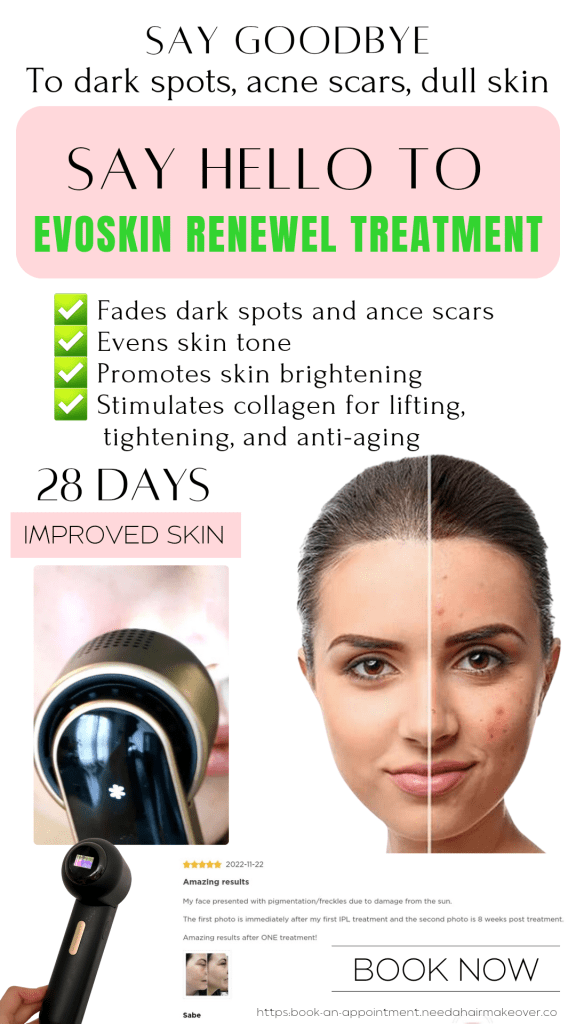
EvoSkin Renewal acne Treatment


Dealing with toxic people in these situations can be challenging, but here is how you can navigate them:

1. Gaslighting: Trust your instincts, maintain a journal to record events, and seek support from trusted friends or a therapist who can validate your feelings and experiences.
2. Selective Empathy: Recognise their limitations and do not expect empathy from them. Seek empathy and support from other sources, such as friends, family, or support groups.
3. Constant Criticism: Build self-esteem by acknowledging your strengths and seeking positive feedback from people who appreciate you. Set boundaries and limit your exposure to constant criticism.
4. Manipulative Behaviour: Stay aware of manipulation tactics and confront them calmly. Refuse to engage in manipulative conversations and maintain your boundaries.
5. Victim Mentality: Avoid enabling their behaviour by not rescuing them from consequences. Encourage personal responsibility but be prepared for resistance.
6. Intrusive: Politely but firmly set clear boundaries, communicate your need for personal space, and enforce these boundaries if they are violated.
7. Insensitive to Feelings: Express your feelings assertively and calmly. If they remain dismissive, consider limiting your emotional investment in the relationship.
8. Draining Energy: Prioritise self-care and be mindful of how much time and energy you invest in the relationship. Seek out positive and supportive connections to counterbalance the negativity.
9. Silent Treatment: Maintain open communication, express your concerns about the silent treatment, and let them know it is not an acceptable form of communication for you.
10. Deflecting Blame: Hold them accountable for their actions by calmly addressing the issue, providing evidence if necessary, and not accepting unwarranted blame.
11. Competitive Nature: Refocus on your own goals and accomplishments and avoid participating in their competitiveness. Encourage cooperation instead of competition.
12. Passive-Aggressiveness: Address passive-aggressive comments directly by asking for clarification or calmly expressing your feelings. Encourage open and honest communication.
13. Lack of Apology: Recognise that you may not receive apologies from them. Focus on your own healing and growth and consider setting boundaries to protect yourself from further harm.

Remember, in some cases, it may be necessary to distance yourself or even cut ties with a toxic person for your own well-being. Seek support from a therapist or counselor to help you navigate these challenging situations.

How a toxic person can hurt your business.

Having a toxic person as a partner or employee in your business can have several significant implications, including:

1. Negative Workplace Culture: Toxic individuals can create a toxic work environment, which can lead to decreased morale and job satisfaction among other employees. This can result in higher turnover and lower productivity.
2. Conflict and Disruption: Toxic individuals often create conflict within the workplace. They may engage in power struggles, undermine colleagues, or resist collaboration, leading to disruption and tension among the team.
3. Decreased Productivity: Toxic employees or partners can be a drain on productivity. They may engage in behaviours like procrastination, gossip, or sabotage, which can hinder progress and innovation.
4. Damage to Reputation: If the toxic person’s behaviour becomes known to clients, customers, or partners, it can damage the reputation of your business. Negative interactions with clients can result in lost business opportunities.
5. Legal and HR Issues: Toxic behaviour can sometimes lead to legal and human resources issues. This may include harassment claims, discrimination complaints, or hostile work environment lawsuits, which can be costly and time-consuming to address.
6. Reduced Creativity and Innovation: Toxicity stifles creativity and innovation. Employees may hesitate to share ideas, and the fear of criticism can hinder problem-solving and progress.
7. Stifled Growth and Expansion: The presence of a toxic person can hinder your business’s growth and expansion. It may deter potential investors, partners, or clients from engaging with your business.
8. Leadership Challenges: If the toxic individual holds a leadership position, they can negatively influence the entire team, making it difficult for you to lead effectively and implement your vision for the business.
9. Health and Well-Being Impact: Toxicity in the workplace can take a toll on the mental and physical health of employees. This, in turn, can lead to increased absenteeism and health-related issues, affecting the overall well-being of the team.
10. Diversion of Focus: Dealing with a toxic partner or employee can divert your focus and energy away from growing and improving your business. You may find yourself spending an inordinate amount of time managing conflicts and addressing issues.

In summary, having a toxic person as a partner or employee can have far-reaching implications for your business, affecting its culture, productivity, reputation, and overall success. It is essential to address toxic behaviour promptly, either through intervention, coaching, or, if necessary, parting ways with the toxic individual to preserve the health and well-being of your business.


To prevent employing toxic individuals in your business, you can implement a thorough vetting procedure during the hiring process. Here are some key steps and strategies:

1. Clear Job Descriptions and Requirements: Start by creating detailed job descriptions and requirements that clearly outline the skills, qualifications, and personality traits you are looking for. This will help attract candidates who are a better fit for your organisation.
2. Behavioural Interviews: Conduct behavioural interviews where you ask candidates about past experiences and how they handled specific situations. This can reveal their behaviour patterns and interpersonal skills.
3. Reference Checks: Contact the candidate’s previous employers and colleagues for references. Ask questions about their behaviour, teamwork, and communication skills. Be sure to verify the accuracy of the information provided by the candidate.
4. Assessment Tools: Use personality or behavioural assessment tools to evaluate candidates’ traits and tendencies. These assessments can help identify potential red flags and compatibility with your organisation’s culture.
5. Cultural Fit Assessment: Assess whether the candidate aligns with your company’s values and culture. Ask questions related to your company’s mission and vision to gauge their alignment.
6. Multiple Interviews: Conduct multiple rounds of interviews with different team members to gain a more comprehensive view of the candidate’s behaviour and personality. Different interviewers may notice different cues.
7. Trial Periods: Consider implementing a probationary or trial period for certain roles. During this time, closely monitor the candidate’s behaviour and interactions with colleagues to assess their compatibility with your team.
8. Behavioural and Ethical Questions: Include specific behavioural and ethical questions in your interviews. For example, you can ask how they manage conflicts, criticism, and stress, or inquire about their ethical decision-making.
9. Background Checks: Perform background checks to uncover any potential legal issues or inconsistencies in the candidate’s history. This can help you identify any undisclosed problems.
10. Peer Interviews: Have potential team members or colleagues conduct interviews to assess how the candidate interacts with future coworkers.
11. Consistency Across Interviews: Ensure that the information candidates provide in various interviews remains consistent. Inconsistencies could be a red flag.
12. Trust Your Gut: Trust your instincts. If something does not feel right about a candidate, investigate further, or consider other options.
13. Training and Awareness: Train your HR and hiring teams to recognise potential signs of toxic behaviour during interviews. Awareness can be a powerful tool in preventing toxic hires.

By implementing these vetting procedures, you can significantly reduce the likelihood of hiring toxic individuals and increase the chances of bringing in candidates who are a better fit for your organisation’s culture and values.

Two widely recognised and reputable personality and behavioural assessment tools that small businesses can use to evaluate candidates are:

1. DISC Assessment: The DISC assessment evaluates candidates based on four primary personality traits: Dominance, Influence, Steadiness, and Conscientiousness. It provides insights into how individuals tend to communicate, make decisions, and work in a team. It is a user-friendly tool that can help you understand how well a candidate’s personality aligns with the requirements of a specific role.

2. Myers-Briggs Type Indicator (MBTI): MBTI is a well-established personality assessment tool that categorises individuals into one of sixteen personality types based on preferences related to extraversion/introversion, sensing/intuition, thinking/feeling, and judging/perceiving. It can provide valuable insights into a candidate’s natural inclinations and work style.

When using these assessment tools, it is essential to have a trained facilitator or consultant interpret the results, as this can help ensure a more accurate understanding of how a candidate’s personality traits may fit within your organisation’s culture and job requirements.

How to Overcome the Disadvantages of Being a Mobile Hairdresser

The growth in the number of hairdressers, barbers, and beauty businesses in the UK, along with the fact that over two-thirds of them employ fewer than five people, could have several potential impacts on mobile and established hairdressers:

1. Increased Competition: With a higher number of new businesses entering the market, established mobile and established hairdressers may face increased competition for clients and customers. They may need to invest more in marketing and service quality to maintain their client base.

2. Price Pressure: Increased competition can lead to price pressure as businesses try to attract customers with lower prices. Established mobile  hairdressers may need to consider their pricing strategies to remain competitive.

3. Innovation and Differentiation: To stand out in a crowded market, bothb established mobile and established hairdressers may need to focus on innovation and differentiation. Offering unique services or specialties can help them retain and attract clients.

4. Collaboration Opportunities: There may be opportunities for established hairdressers to collaborate with smaller businesses or freelancers in the industry to leverage their combined strengths and resources.

5. Industry Trends: Keeping up with industry trends and adopting new technologies or services can be essential for established hairdressers to remain relevant and appealing to clients.

6. Workforce Development: With a large number of new professionals entering the industry each year, established hairdressers may have access to a pool of talent, however the minimum rates could dent revenues if monthly cashflow are not up.

In summary, while increased growth in the hair and beauty sector brings more competition, established businesses can adapt by focusing on innovation, differentiation, and collaboration to maintain their market presence and continue to attract customers.

Providing tips and strategies to overcome the challenges that mobile hairdressers face, such as travel time, limited workspace, and client scheduling.

Here are 10 disadvantages of being a mobile hairdresser:

  1. Travel time: Mobile hairdressers spend a significant amount of time traveling from one appointment to the next, which can reduce the number of clients they can see in a day.
  2. Vehicle and equipment wear and tear: Mobile hairdressers are responsible for the maintenance and repair of their own vehicles and equipment, which can be expensive and time-consuming.
  3. Limited services: Mobile hairdressers may not be able to offer the same range of services as traditional salons, due to space and weight restrictions in their vehicles.
  4. Unpredictable work schedule: Mobile hairdressers often have to work long and irregular hours to accommodate their clients’ schedules.
  5. Uncomfortable working conditions: Mobile hairdressers may have to work in cramped and uncomfortable spaces, such as clients’ homes or offices.
  6. Lack of control over the work environment: Mobile hairdressers are subject to the whims of their clients, who may have different expectations for cleanliness, noise levels, and other factors.
  7. Difficulty building a clientele: Mobile hairdressers often have to rely on word-of-mouth and self-promotion to build a clientele, which can be difficult and time-consuming.
  8. High insurance costs: Mobile hairdressers need to carry adequate insurance to protect themselves against liability claims, which can be expensive.
  9. Limited opportunities for advancement: Mobile hairdressers may have fewer opportunities for advancement than traditional salon stylists, as there are fewer management and supervisory positions available.
  10. Physical demands: Mobile hairdressers may have to carry heavy equipment and stand for long periods of time, which can be physically demanding.

In addition to these disadvantages, mobile hairdressers may also face other challenges, such as dealing with difficult clients, working in bad weather conditions, and finding parking in busy areas.

Despite the challenges, being a mobile hairdresser can be a rewarding career. Mobile hairdressers have the flexibility to set their own hours and choose their own clients. They can also build strong relationships with their clients and provide them with the convenience of having their hair done at home.

Learn how to 💯grow your #business, get brand recognition,

🔗 Register Here view all forthcoming events https://bit.ly/3RDVrgh

main website https://needahairmakeoverfranchise.co.uk #mobilesalon

#hairsolutions #mobilehairdressers #franchise #hairsolutions #needahairmakeover

Six Top Reasons Why a Franchise Discovery Day is Important

Some of the key reasons people are gravitating towards the franchise business model is because

A. Proven Success: Franchises often come with a track record of success. The business model has been tested and refined, reducing some of the inherent risks associated with starting a new business from scratch.

B. Brand Recognition: Franchisees benefit from the established brand and reputation of the franchisor, which can lead to a more rapid customer acquisition and trust-building process.

C. Training and Support: Franchisors typically provide comprehensive training and ongoing support to franchisees. This can include assistance with site selection, marketing, operations, and more, making it easier for individuals with little prior business experience to succeed.

But if the business itself is just rolling out it’s franchise model here are six reasons why a franchise discovery day is important when considering investing in a franchise like “Need a Hair Makeover,” an award-winning hair extensions and hair loss specialist salon:

1. In-Person Interaction: Discovery days allow you to meet the franchisor and their team face-to-face. This personal connection is crucial to assess the franchisor’s culture, values, and support.

2. Understanding the Business Model: You’ll gain a deep understanding of how the franchise operates, including the products and services offered, customer base, and revenue potential.

3. Assessing the Location:  Visiting a franchise location in person can help you evaluate its suitability and potential for success, considering factors like foot traffic and competition.

4. Meeting Current Franchisees: Interacting with existing franchisees can provide insights into the day-to-day challenges and benefits of running the business. You can ask questions and get a firsthand perspective.

5. Evaluating Training and Support: Discovery days often include discussions about training programs and ongoing support. This helps you determine if the franchisor provides the resources you need for success.

6. Legal and Financial Clarity:  You’ll have the opportunity to review the franchise agreement and financial disclosures, ensuring transparency and helping you make an informed investment decision.

Remember, a franchise discovery day is a crucial step in your due diligence process before committing to a franchise investment. It allows you to gather valuable information and assess whether the opportunity aligns with your goals and expectations.

It is also worth looking at why Hair and beauty franchises can be more successful than going it alone:

1. High Demand:** There is a consistent and often growing demand for hair and beauty services. People value looking and feeling their best, making these services a necessity for many.

2. Repeat Business: Hair and beauty services often require regular appointments, creating a loyal customer base that returns for ongoing treatments, such as haircuts, styling, manicures, and facials.

3. Brand Recognition: Established hair and beauty franchises often have recognizable and trusted brands. Customers are more likely to choose a well-known franchise over an unknown salon.

4. Training and Support: Many hair and beauty franchises provide comprehensive training and ongoing support to franchisees. This helps ensure consistent service quality and business operations.

5. Proven Systems: Franchises typically come with established business systems and processes, reducing the learning curve for new franchisees and increasing the chances of success.

6. Marketing and Advertising: Franchisors often invest in marketing and advertising campaigns that benefit all franchisees, helping attract customers to individual salon locations.

7. Economies of Scale:** Franchise networks can benefit from bulk purchasing, reducing the cost of supplies and equipment. This can improve profitability for franchisees.

N

8. Community and Networking: Franchise networks offer opportunities for franchisees to connect, share experiences, and learn from one another, creating a supportive community.

9. Specialisation: Some hair and beauty franchises focus on specific niches, such as hair extensions or skin care. Specialisation can attract a dedicated customer base and reduce competition.

10. Flexible Business Models: Hair and beauty franchises may offer various business models, including full-service salons, express salons, or mobile services, allowing franchisees to choose the one that suits their market.

11. Diversification: Some hair and beauty franchises offer a range of services, allowing franchisees to diversify their revenue streams and appeal to a broader customer base.

12. Trends and Innovation: Successful franchises often adapt to evolving trends and incorporate new technologies and techniques into their services, keeping them competitive in the market.

While these factors can contribute to the success of hair and beauty franchises, it’s important to note that individual success depends on various factors, including location, management, customer service, and marketing efforts. Thorough due diligence and careful consideration are essential when considering investing in any franchise.

Register at our forthcoming events https://www.hairextensionsfranchise.com

GlamourFest 2023 Empowering #Entrepreneurs in the #Hair Industry by Diane Shawe

🌐Hairloss Epedemic: How to become a specialist salon and thrive. Hair extensions, hairloss and treatments”

Join  us in  Birmingham in September or Manchester in October 2023 to learn how you can tap into the services of the future in an evolving industry.

“Did you know that over 15 million people in the UK suffer from hair loss? That’s more than 20% of the population! This is a major problem that can have a significant impact on people’s lives, both physically and emotionally.

If you’re looking for a business opportunity that is both profitable and fulfilling, then becoming a hair loss specialist salon franchisee is a great option. There is a huge demand for hair loss services in the UK, and with the right training and support, you can become a successful business owner and help millions of people regain their confidence and self-esteem.

At our event, we will be sharing everything you need to know about becoming a hair extension and hair loss specialist salon franchisee. We will cover topics such as:

  • The latest trends in hair loss treatment
  • How to provide effective and affordable hair loss services
  • How to build a successful hair loss business
  • How to market your hair loss salon to attract new clients

We will also be sharing the story of our own success as a hair loss specialist salon franchisee. We have been in business for over 20 years and have helped thousands of people regain their confidence and self-esteem. We will share our secrets to success with you so that you can replicate our success in your own region.

If you’re interested in learning more about becoming a hair loss specialist salon franchisee, then we encourage you to attend our event.  The beauty industry is constantly evolving, and the demand for innovative hair extensions and hair loss solutions is higher than ever.

By joining our franchise, you’ll be at the forefront of industry trends, offering cutting-edge techniques and products that keep you ahead of the competition. Stay ahead of the game!

We’re hosting a new event, and we’d love to see you there. Register for The UK’s Hair Loss Epidemic: How to Become a Specialist Salon and Thrive, 25 September 2023 at 10:30 AM.

Join  us in September to learn how you can tap into the services of the future in an evolving industry.

https://www.eventbrite.co.uk/e/the-uks-hair-loss-epidemic-how-to-become-a-specialist-salon-and-thrive-tickets-699224548447?aff=oddtdtcreator

Register Here //bit.ly/3PkwtkF

Unlocking the Connection: Thyroid Medication, Allergies, and Hair Loss Explained by Diane Shawe

If you have autoimmune problems and you are taking thyroid medication could you have a allergy to some of the ingredients that could contribute to hair loss

Yes, it is possible to have an allergy to some of the ingredients in thyroid medication, and this could contribute to hair loss. The most common thyroid medication, levothyroxine, is generally well-tolerated, but some people may experience allergic reactions, such as hives, itching, or swelling. More rarely, an allergic reaction to levothyroxine can cause hair loss.

Function of Thyroid medication

Thyroid medication functions to stabilize hormone levels in the body. An imbalance in hormones, particularly the thyroid hormone, can disrupt the growth cycle of hair follicles. This disruption can lead to hair loss or thinning. The medication helps correct this imbalance and allows the hair to grow back

Other thyroid medications, such as carbimazole and propylthiouracil, can also cause allergic reactions, including hair loss. These medications are less commonly used than levothyroxine, but they may be prescribed for people who cannot tolerate levothyroxine.

If you are taking thyroid medication and you are experiencing hair loss, it is important to talk to your doctor. They can help you determine if the hair loss is caused by an allergy to the medication, or by another underlying condition.

Here are some other autoimmune diseases that can cause hair loss:

• Alopecia areata

• Lupus erythematosus

• Hashimoto’s thyroiditis

• Psoriasis

• Crohn’s disease/ulcerative colitis

If you have any of these conditions, you are more likely to experience hair loss. If you are concerned about hair loss, talk to your doctor. They can help you determine the cause of the hair loss and recommend treatment options

Ingredients in Medication

There are a few different ingredients that can be found in thyroid medication, and some people may be allergic to one or more of them. These ingredients include:

• Levothyroxine (T4)

• Liothyronine (T3)

• Carbimazole

• Propylthiouracil

• Beta-blockers

• The dye in the tablets

If you think you may be allergic to one of the ingredients in your thyroid medication, you should talk to your doctor. They can do a skin test to see if you are allergic, and they may recommend switching you to a different medication.

In some cases, hair loss can be a side effect of thyroid medication.

This is more likely to happen with antithyroid drugs, such as carbimazole and propylthiouracil. These drugs can cause a condition called telogen effluvium, which is a temporary hair loss that occurs when too many hairs enter the resting phase of their growth cycle.

If you are experiencing hair loss while taking thyroid medication, it is important to talk to your doctor. They can help you determine the cause of the hair loss and recommend treatment options.

Here are some additional things to keep in mind:

• Hair loss is a common symptom of autoimmune conditions, so it is possible that the hair loss you are experiencing is not related to your thyroid medication.

• Hair loss can also be caused by a variety of other factors, such as stress, poor diet, and hormonal changes.

If you are concerned about hair loss, it is important to talk to your doctor. They can help you determine the cause of the hair loss and recommend treatment options.

Here are some tips for preventing hair loss:

Avoid using harsh chemicals on your hair. Keep your hair clean and well conditioned. But check the ingredients on the products you are using. Harsh chemicals commonly found in hair products can further damage the hair and scalp. These chemicals, such as sulfates, parabens, and alcohol, strip the hair of its natural oils, causing dryness and brittleness. The hair becomes more prone to breakage and shedding, worsening the hair loss problem. Additionally, chemicals can also irritate the scalp, leading to inflammation and impediments to hair growth.

Consult with a healthcare provider: If experiencing hair loss while on thyroid medication, it is important to consult with a healthcare professional, preferably an endocrinologist or a dermatologist. They can evaluate the thyroid function, suggest any necessary adjustments to medication dosage, and explore other potential causes or treatments for hair loss.

Infrared and laser non invasive treatment

Eat a healthy diet: Encourage healthy lifestyle practices such as a well-balanced diet rich in essential nutrients (including vitamins and minerals like biotin, zinc, and iron), regular exercise, stress management techniques (such as meditation or yoga), and adequate sleep.

Consider additional treatments: In some cases, healthcare professionals may recommend additional treatments to address hair loss alongside thyroid medication. These options could include topical minoxidil, specific hair growth therapies, or other medical interventions depending on the underlying cause of hair loss..

Optimize medication dosage: Ensuring optimal hormone levels is crucial in managing hair loss related to thyroid issues. Regular monitoring and necessary adjustments in medication dosage based on professional advice can help maintain proper hormonal balance..

Social Expectation and Beauty Standards

Women and Men do worry about losing their hair to the same extent as women, while others may not be as concerned. Hair loss can have a significant impact on an individual’s self-esteem and body image, regardless of their gender. However, societal expectations and beauty standards often place more emphasis on women’s physical appearance, including their hair. This may lead to a higher prevalence of anxiety and concern about hair loss among women. Nevertheless, it is important to note that everyone’s experiences and concerns about hair loss can vary greatly.

If you are on thyroid medication for more than 10 years and your hair is very thin, it is causing you distress then perhaps you could consider having a bespoke wig made or using hair extension to disguise your thin hair, why this will help with self esteem and reduce your stress levels.

While using a wig or hair extensions can provide temporary solutions for thin hair and potentially boost self-esteem,

Here are a few non envassive hair extensions suggestions that you could consider

• Wigs : These can be purchased off the shelf or specially made for you. You can have human hair, blended hair, different colours, styles, length or density (thickness) They can be worn when out and about or anchored and removed every 2 months and re-anchored

• Toppers: There are many different type of toppers which come in human hair, blended hair or synthetic. They can be 100, 130 or 150 percent density. They can be purchased in a colour to match your hair and length. They usually clip in and popular with women

• Hair Extensions There are several techniques and it is recommended you seek a professional consultation prior to application. The best techniques are those that do not use too much of your own hair, not too much weight, easy to apply adjust and remove.

• toupee: There are lots of new toupee which are undetectable, boned to bald patches, cut and styled. Very popular with men


While the wig or hair extension option can provide a cosmetic solution, they do not guarantee natural hair growth.

If you are experiencing hair loss, it is important to be patient. It may take some time for your hair to regrow. However, with proper care and treatment, you can often restore your hair to its former glory

Interested in setting up your own specialist salon?

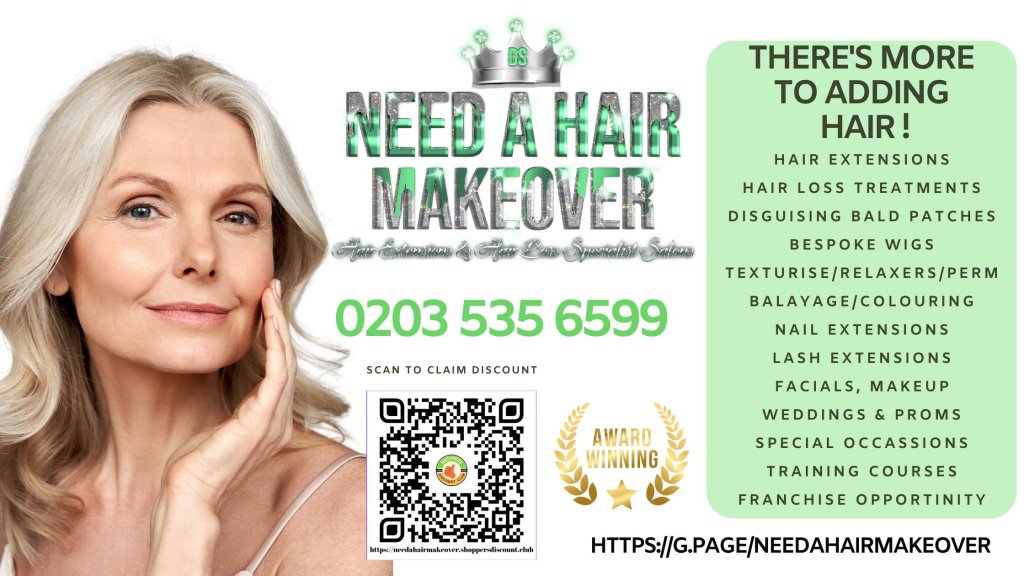
Need a Hair Makeover Top Hair Extensions and Hairloss Salon Reaches Finalists for the 2023 Great British Hair & Beauty Awards

Need a Hair Makeover Franchise Opportiunity

Following the success of The Hair & Beauty Awards in Scotland, England, Northern Ireland and Wales, Creative Oceanic named the 2023 finalists for The Nation’s Hair & Beauty Awards in 2023.

Diane Shawe owner of Need a Hair Makeover Hair Extensions & Hairloss Specialist Salon states “To be named as a finalist highlights how hardwork and commitment can pay off. With hundreds of capable candidates for each category and a panel of judges looking at the finer details, just to make the shortlist is an outstanding achievement. What also makes it more important is the fact that we have also had to deal with a pandemic and closure.”

The 3rd Official Nation’s Hair and Beauty Awards 2023 are an exclusive celebration of the hair and beauty gurus that operate in this country. Following the overwhelming response from the public and the phenomenal number of nominations received, the full list with finalists from across Great Britain has been revealed.

“HARD WORK REALLY PAYS OFF” STATES DIANE SHAWE

The glamorous ceremony will take place in September 2023 and will celebrate professionals known for their perfection that have gone above and beyond in the salon and made a real difference in the industry with their excellent services.

The elegant event seeks to acknowledge and honour talented individuals, teams, and salons, whose sole aim is to provide their customers with innovative services and treatments that really work, improving their appearance and confidence.

Top beauticians, hair extensions, consultants, hairstylists, freelancers, and barbers, amongst others, will gather together to celebrate their achievements and their efforts that are put in daily to leave their customers with the best of impressions. The black-tie ceremony promises to be one of the most memorable celebrations in the industry’s calendar this year, with many accolades ready to be presented to the deserving winners.

A spokesperson for The Great British Hair and Beauty Awards said:  “We would like to thank the public for their participation in our nomination process.

The Hair and Beauty Awards have become a stable event over the years and even after covid aim to showcase those who have shown great commitment, professionalism, creativity, and care for the client. Therefore, we are so excited to host the third Great British Hair & Beauty Awards 2023″.

Diane Shawe finalist in salon Awards 2023
Diane Shawe

Diane goes on further to state that “No matter who you are, your background, culture, age or gender, when you have problems with your hair, you want a non invasive quick solution to the problem which can help with ones own self esteem when you feel at your most vunerable. Even those who just simple want a makeover for a wedding, special occasion, work or for personal reasons can be helped”

The Hair and Beauty Awards state that “We hope to provide a platform to thank and appreciate the work of the professionals who have pushed the boundaries in a difficult time and had the continuous support of their customers.

“We wish all the finalists the best of luck.”

Hair Extensions Salon of the Year Midlands

Benjamin Ryan Hair (Birmingham)

Beaut Extensions (Mansfield)

Mychelle Caroline Hair (Brigford)

Victoria Hallam Hair Salon – Mansfield (Mansfield)

The Venu Hair Studio (Nottingham)

Too Perfect Hair Extensions Ltd (Walsall)

Need a Hair Makeover Hair Extensions & Hairloss Specialist Award Winning Salon (Dudley)

checkout our franchise opportunity

Topknot Hair & Beauty (Nottingham)

Platinum Hair Extensions Training Academy (Leicester)

QB Extensions (Nottingham)

Click to find out more about our franchise opportunity. International Enquiries here 

Need a Hair Makeover hair extensions and hair loss franchise opportunity