Hormonal shifts can significantly alter hair texture, often leading to high porosity, which means the hair cuticle is raised or “holey,” allowing moisture to enter easily but escape just as fast.
This results in hair that feels perpetually dry, frizzy, and brittle.
What Causes It?
Hormonal high porosity is primarily driven by changes in the endocrine system that affect the scalp’s natural oil production and the hair’s structural integrity:
1. Menopause and Perimenopause: A drop in estrogen reduces sebum (oil) production. Without enough sebum to coat and “seal” the hair shaft, the cuticle becomes more fragile and prone to lifting.
2. Thyroid Imbalances: Both hypo- and hyperthyroidism can interfere with the hair follicle’s growth cycle, leading to thinning and a more porous, “straw-like” texture.
3. Stress (Cortisol): High cortisol levels can disrupt the delivery of nutrients to the hair follicle, weakening the protein structure (keratin) of the hair as it grows.
4. Aging: Naturally decreasing levels of collagen and lipids in the body make the hair fiber less elastic and more porous over time.
Improving hair from the inside out focuses on providing the building blocks for a stronger, smoother cuticle.
– Omega-3 Fatty Acids: Found in fish oil, flaxseed, and walnuts. These help lubricate the hair from within by supporting the sebaceous glands.
– Collagen & Biotin: Supplements containing marine collagen or biotin can help strengthen the hair’s keratin structure, making the new growth less porous.
– Hyaluronic Acid Supplements: Known for holding 1,000 times its weight in water, oral hyaluronic acid can help improve systemic hydration, which reflects in the scalp and hair.
– Protein-Rich Foods: Since hair is 90% protein, ensuring you get enough lean meats, eggs, or plant-based proteins (like lentils) is vital for repairing the hair “cortex.”
– Zinc and Iron: Deficiencies in these minerals (common during hormonal shifts) lead to brittle, porous strands.
What Can You Treat It With?
High porosity hair needs products that fill the gaps in the cuticle and seal the moisture in.
1. Protein TreatmentsHigh porosity hair has “gaps” in the cuticle. Use a strengthening mask containing hydrolyzed keratin, silk, or wheat protein once every two weeks to temporarily patch those holes and add structure.
2. The L.O.C. MethodThis layering technique is highly effective for high porosity hair: – L (Liquid/Leave-in): Apply a water-based leave-in conditioner.- O (Oil): Apply a heavy oil like Argan, Avocado, or Jojoba to mimic natural sebum.- C (Cream): Finish with a thick styling cream or butter (like Shea butter) to “plug” the cuticle and lock everything in.
3. Apple Cider Vinegar (ACV) RinsesHigh porosity hair is often too alkaline. An ACV rinse (1 part vinegar to 4 parts water) helps lower the hair’s pH, which flattens the cuticle scales, making the hair smoother and shinier.
4. Seal with Cold WaterAlways finish your shower with a blast of cold water. This helps physically close the raised cuticles before you step out into the air.
5. Avoid Sulfates and High HeatSulfates strip the little oil you have left, and high heat further “pops” the cuticle open. Opt for sulfate-free “co-washes” and air-drying whenever possible.
For hormonal high porosity hair, you need a mask that provides both protein (to fill the gaps in the cuticle) and heavy lipids (to replace the natural oils lost due to hormonal shifts).
– 1 Egg Yolk: Contains lecithin and protein to “patch” the holes in the hair fiber.
– 2 Tablespoons Extra Virgin Olive Oil or Avocado Oil: These are “penetrating oils” that can actually get inside the hair shaft to provide deep moisture.
– 1 Tablespoon Raw Honey: A natural humectant that pulls moisture into the hair.
- 1 Teaspoon Apple Cider Vinegar (Optional): Helps lower the pH to flatten the hair cuticle.
Instructions:
1. Mix: Whisk the egg yolk and oil together until creamy, then stir in the honey and vinegar.
2. Apply: Start at your ends and work your way up. High porosity hair is usually most damaged at the tips.
3. Dwell: Cover your hair with a shower cap. The trapped body heat will help the treatment penetrate. Leave it on for 20–30 minutes.
4. Rinse (Important): Rinse with cool or lukewarm water. Never use hot water, as it will “cook” the egg in your hair and cause the cuticle to lift even further.
5. Wash: Follow with a sulfate-free shampoo to remove any residue.
Quick Tip for Application Since high porosity hair is “thirsty,” apply this to damp (not soaking wet) hair. If the hair is dripping wet, the water fills the gaps in the cuticle first, leaving no room for the mask to sink in.
Ready to restore your hair’s strength and seal in lasting hydration?
Experience the ultimate transformation by booking a Deep Hair Repair with Infrared Treatment at the award-winning Need a Hair Makeover Specialist Hair Extensions and Hair Loss Salon.
Our advanced infrared technology penetrates deep into the hair shaft to repair hormonal damage and smooth high-porosity strands from the inside out. Don’t let dry, brittle hair hold you back—visit http://www.needahairmakeover.com today to schedule your consultation with our specialist team and give your hair the professional care it deserves.
Thinking about hair extensions but its becoming confusing?
Losing your hair? Not sure which is best technique?Complete this assessment to receive your personalised result on the best solution for your hair type.
Citrus shots. Herbal teas. Ginseng blends. They promise “cleanse”… but do you actually FEEL better? 🤔 If you’re still stuck with brain fog, bloating, or aches, it’s time for a different approach.
In today’s world, we’re constantly taking in toxins — from the air we breathe, the food we eat, the water we drink, even the products we put on our skin. Over time, this build-up can leave us feeling tired, foggy, bloated, and not quite ourselves. While modern medicine offers solutions, sometimes the best answer is going back to nature’s pharmacy.
That’s where two natural powerhouses step in: zeolite and shilajit. What I’ve discovered is that when you pair these two bad boys together in a constructive way, they don’t just support your body — they help keep you in tip-top shape.
🌋 What is Zeolite? Zeolite is a volcanic mineral formed when molten lava meets seawater. Over thousands of years, it develops a unique honeycomb-like structure that works like a natural magnet for toxins. • Cleansing power: Zeolite binds to heavy metals, environmental pollutants, and harmful substances in the gut, escorting them safely out of the body. • Alkalising: It helps balance the body’s pH levels. • Digestive support: Its porous structure traps toxins without being absorbed into the bloodstream. In simple terms, zeolite is like a deep clean for your system.
🏔 What is Shilajit? Shilajit is a resin that seeps from rocks high in the Himalayas and other mountain ranges. It forms over centuries from compressed plant matter and is rich in fulvic acid, humic acid, and more than 80 trace minerals. • Energy & stamina: Shilajit supports ATP production, giving your cells the fuel they need. • Mineral replenishment: It restores vital nutrients often missing from modern diets. • Adaptogen effect: It helps the body cope with stress. • Cognitive boost: Linked with improved focus, memory, and clarity. Shilajit acts as a replenisher and energizer, helping the body use nutrients more efficiently.
⚖️ The Key Difference • Zeolite = Remover → It clears out toxins and heavy metals. • Shilajit = Replenisher → It restores energy and nutrients. This is why they complement each other so well: first you clear the house (zeolite), then you furnish it beautifully (shilajit).
Personal experience
“I had tried all sorts of detox teas and citrus cleanses before, but I always ended up feeling drained and foggy a few days later. When I added zeolite to clear toxins and shilajit to restore minerals, I finally felt the difference — lighter, clearer, and with more natural energy. It wasn’t just a quick fix, it felt like a real reset for my body.
⏰ How to Take Them Together If you already take shilajit daily, adding zeolite can enhance your routine. To avoid overlap and maximise benefits: • Take zeolite first thing in the morning or before meals — on an empty stomach works best for binding toxins. • Take shilajit later in the day — after meals, with water or warm milk/tea, to support absorption and energy. This way, zeolite does its cleansing job without pulling away the minerals that shilajit is delivering.
🌱 Final Thoughts Zeolite and shilajit are powerful on their own — but together, they create a holistic balance: detox + nourish, cleanse + energize, remove + restore. If you’re looking for a natural way to both clear your system and boost vitality, consider combining the two in your daily wellness routine.
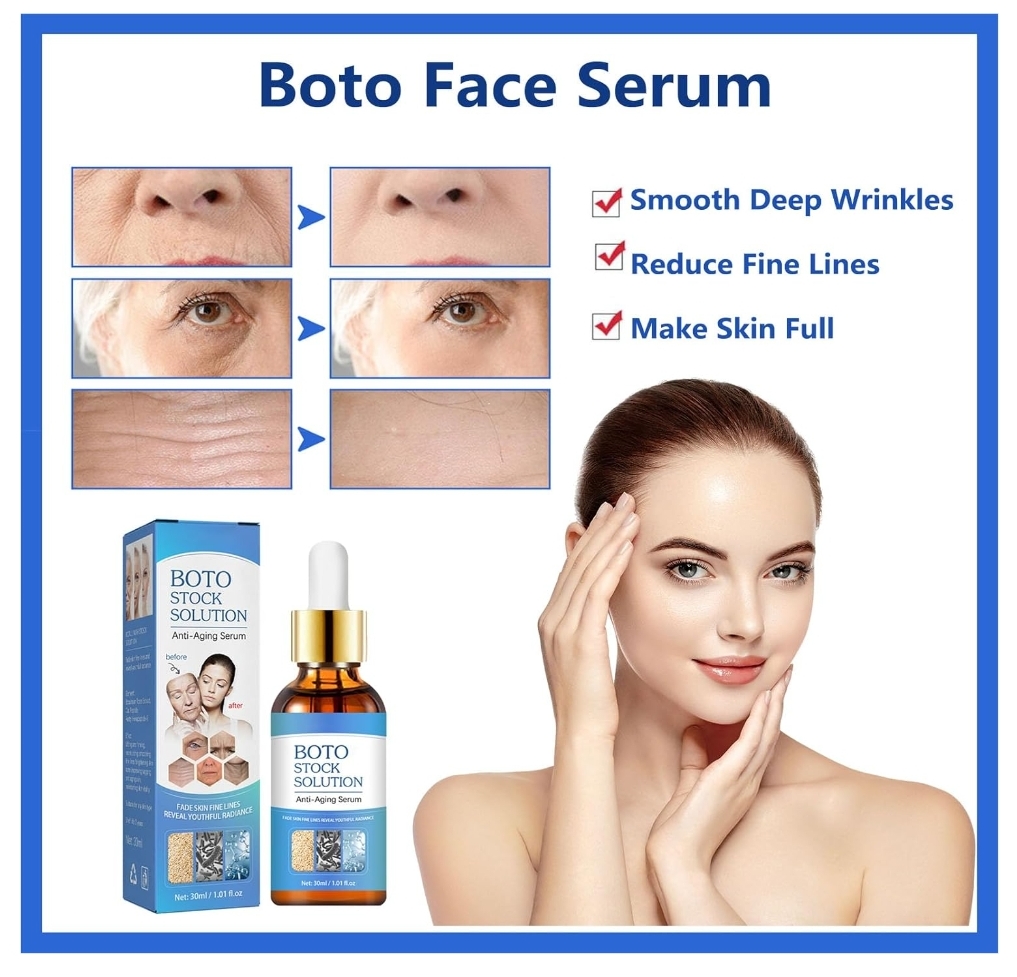
In recent years, the pursuit of youthful, radiant skin has seen a significant shift towards non-invasive solutions. As the desire for smoother, wrinkle-free skin grows, more and more individuals are turning to needleless options for their anti-aging needs.
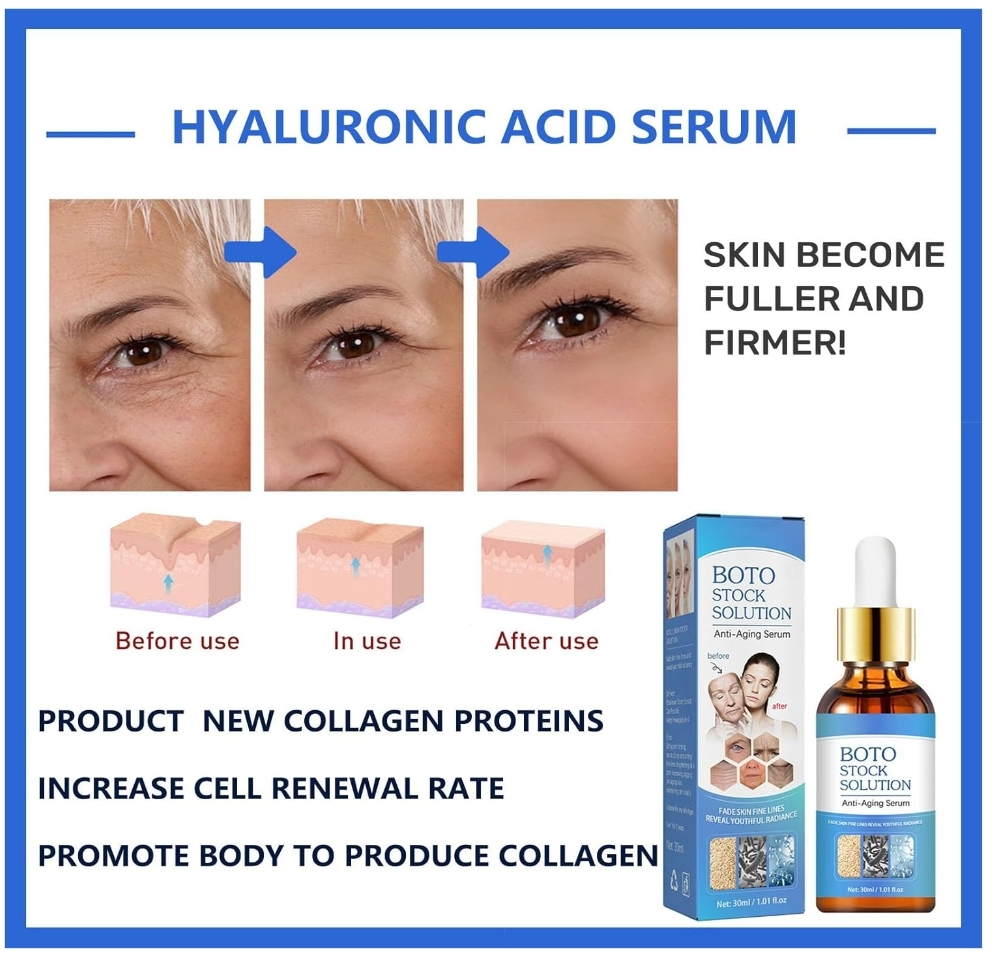
Among these, Botox stock solution anti-aging serums have emerged as a popular choice. Combining the power of Botox with advanced skincare ingredients like aqua collagen, hyaluronic acid, ceramides, and ascorbic acid, these serums promise effective results without the discomfort or risks associated with injections.
This innovative approach not only provides a convenient alternative but also caters to those seeking a gentler, more holistic path to maintaining a youthful appearance.
Let’s explore why this needleless option is gaining traction and how it can benefit your skin over time.
Skin anesthesia consultant, often advise that the benefits of using a Botox stock solution anti-aging serum that includes ingredients such as aqua collagen, hyaluronic acid, ceramides, and ascorbic acid over a three-month period.
Here’s what you can expect:
1. Reduction of Fine Lines and WrinklesBotox is renowned for its ability to relax facial muscles, helping to reduce the appearance of dynamic wrinkles like frown lines and crow’s feet.
This results in a smoother and younger-looking complexion. Additionally, ascorbic acid (Vitamin C), a powerful antioxidant, protects the skin from free radicals, promotes collagen production, and brightens the skin, further reducing the appearance of fine lines and wrinkles.
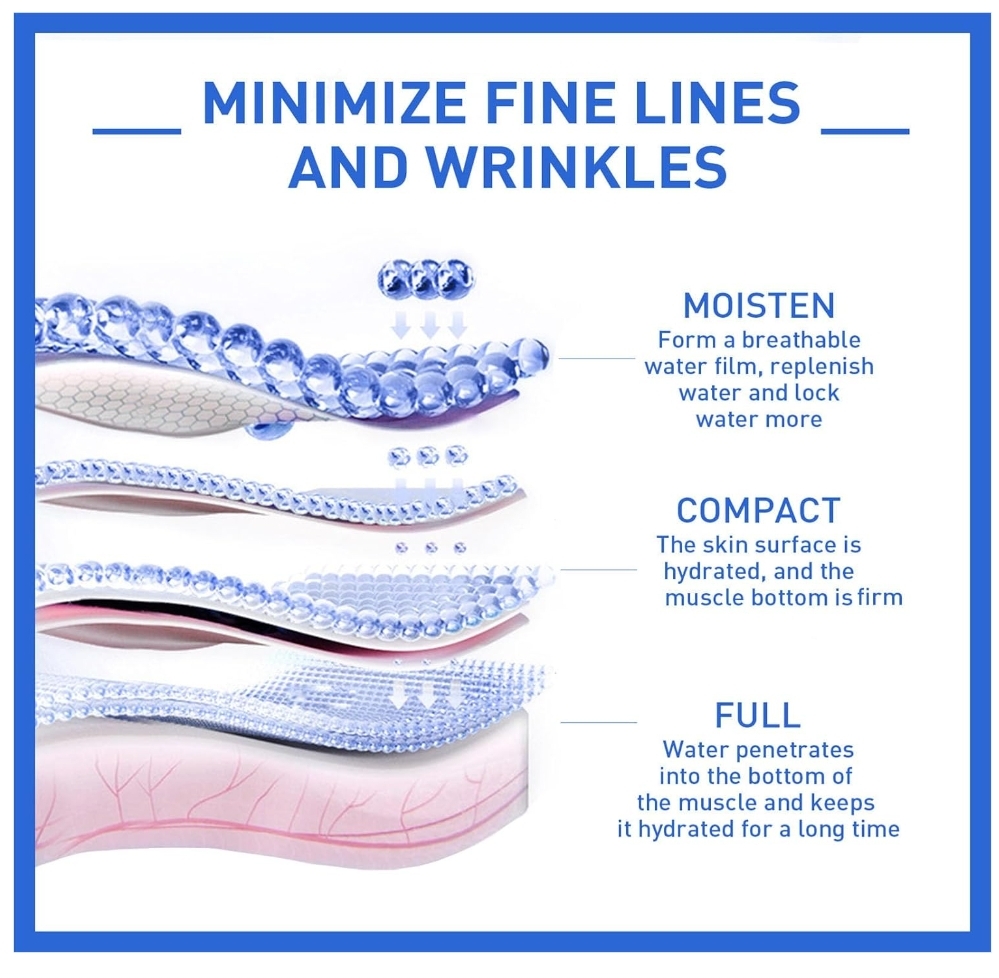
2. Enhanced Skin HydrationAqua collagen plays a crucial role in locking in moisture, which significantly improves the skin’s hydration levels. This ingredient ensures that well-hydrated skin appears plumper and more youthful. Similarly, hyaluronic acid, known for its remarkable ability to hold up to 1,000 times its weight in water, deeply hydrates the skin.
This reduces dryness and enhances the skin’s elasticity and firmness, contributing to a more vibrant and supple appearance.
3. Improved Skin Barrier FunctionCeramides, essential lipids, are crucial for maintaining the skin’s barrier function. They help retain moisture, protect against environmental damage, and reduce sensitivity, resulting in healthier and more resilient skin.
By reinforcing the skin barrier, ceramides ensure that the skin remains hydrated and protected from external irritants.
4. Brighter and More Even Skin ToneAscorbic acid also works to even out skin tone and reduce hyperpigmentation. Its brightening properties leave the skin looking more radiant and evenly toned.
This dual action of reducing fine lines while improving skin tone makes it a vital ingredient in the anti-aging serum.
Month 1: Initial improvements in skin hydration and texture can be observed. Fine lines may begin to appear less pronounced as the skin starts to benefit f rom the hydrating and smoothing effects of the serum.-
Month 2: Continued use results in further improvement in skin smoothness and hydration. Wrinkles may appear less deep, and an even skin tone becomes more noticeable.-
Month 3: Significant reduction in the appearance of fine lines and wrinkles is expected.
The skin appears firmer, brighter, and more youthful, with markedly improved texture and hydration.
Usage Tips- Consistency:
Applying the serum consistently as part of your daily skincare routine is essential for optimal results. Regular use ensures that the active ingredients have the desired effect on the skin.
– Sun Protection: Daily use of a broad-spectrum sunscreen is crucial to protect the skin from UV damage. This protection helps counteract the anti-aging benefits of the serum and prevents further damage.
– Complementary Products: Using a gentle cleanser and a moisturizer suited to your skin type can enhance the effects of the serum. These complementary products help maintain the skin’s health and amplify the benefits of the anti-aging serum.
By incorporating this Botox stock solution anti-aging serum into your skincare regimen, you can expect a comprehensive approach to anti-aging. It addresses hydration, texture, and skin tone, ultimately leading to a more youthful and radiant complexion.
Zinc: Your Hair’s Best Friend for Growth and Vitality
While zinc might not always receive as much attention as some other supplements, it can indeed be considered a “super supplement” due to its essential role in maintaining overall health. Its involvement in numerous enzymatic reactions, immune system support, cell growth, and hormone regulation highlights its significance.
Zinc’s impact on various bodily functions makes it a valuable nutrient to ensure optimal well-being. However, it’s important to note that no single supplement can replace a balanced and nutritious diet. Zinc should ideally be obtained through a variety of foods, including meat, seafood, dairy, nuts, seeds, and whole grains.
In recent years, certain supplements and nutrients have gained more prominence in the wellness and health industries, but this doesn’t diminish the importance of zinc. Like many essential nutrients, it’s an integral part of the puzzle when it comes to maintaining good health.
Always remember that when considering any supplement, it’s best to consult a healthcare professional to ensure that your individual needs are met safely and effectively. Zinc plays a crucial role in regulating more than 300 enzymes in the human body. Because Zinc cannot be stored in the body it needs to be ingested daily either through diet or taking supplements
Understanding Zinc’s Role in Hair
Zinc is an essential mineral that plays a vital role in various biological processes within the human body. Its involvement in regulating over 300 enzymes is crucial for a wide range of functions, such as DNA synthesis, immune system function, protein synthesis, and cell division. These enzymes are involved in catalyzing chemical reactions that are necessary for the proper functioning of cells and tissues.
One reason zinc is essential to obtain through daily intake is that the body has no specialised mechanism for storing it. Unlike some other minerals, zinc isn’t stored in large quantities in the body for future use. This means that a consistent intake of zinc through diet or supplementation is necessary to maintain optimal bodily functions.
Regarding hair growth, zinc contributes to this process in several ways:
Cell Division and Protein Synthesis: Zinc is involved in the division and growth of cells, including hair follicle cells. It aids in the synthesis of proteins, which are the building blocks of hair.
Hormone Regulation: Zinc is necessary for the proper functioning of various hormones, including those related to hair growth. Hormones like testosterone and its derivatives can impact hair health. Zinc helps regulate these hormones, promoting healthy hair growth.
Antioxidant Defense: Zinc acts as an antioxidant, helping to protect cells, including hair follicles, from oxidative stress. This is important because oxidative stress can damage hair follicles and lead to hair thinning or loss.
Keratin Production: Keratin is the primary protein that makes up hair strands. Zinc plays a role in the production of keratin, contributing to strong and healthy hair.
Immune System Support: A well-functioning immune system is essential for maintaining healthy hair follicles. Zinc supports the immune system, which indirectly benefits hair growth by creating a conducive environment for hair follicles to thrive.
While zinc is important for hair growth, it’s important to note that excessive intake can also have adverse effects. Finding the right balance is crucial, as both a deficiency and an excess of zinc can lead to hair problems. It’s recommended to obtain zinc from a balanced diet that includes foods like meat, seafood, nuts, seeds, and whole grains or a carefully compiled supplement. If someone suspects a zinc deficiency, consulting a healthcare professional before starting any supplementation is advisable.
I came across an article today suggesting a brain checker tool to help avoid dementia.
I covered this topic in another of my blogs back in 2019 when another report came out stating Scientists have long found a possible link between anticholinergic drugs and an increased risk of dementia. A study published in the journal JAMA Internal Medicine on Monday suggests that the link is strongest for certain classes of anticholinergic drugs — particularly antidepressants such as paroxetine or amitriptyline, bladder antimuscarinics such as oxybutynin or tolterodine, antipsychotics such as chlorpromazine or olanzapine and antiepileptic drugs such as oxcarbazepine or carbamazepine.
Study is important because it strengthens a growing body of evidence showing that strong anticholinergic drugs have long term associations with dementia risk,” said Carol Coupland, professor of medical statistics in primary care at the University of Nottingham in the United Kingdom and first author of the study.
We wish it wasn’t the case but, unfortunately, memory loss is a hot topic. People have countless questions about brain diseases such as Alzheimer’s and dementia. What really causes it? Read more
So the Alzheimer’s Research UK has launched a new app which gives people of all ages tips on how to keep their brains active and to reduce the risk of dementia.
The brain checker tool encourages people to do more to look after their brains, and offers suggestions to stay sharp.
Dementia is the term used to describe a set of symptoms that over time can affect memory, problem-solving, language and behaviour.
The disease is progressive, which means symptoms may be mild or even unnoticeable at first, but they get worse over time. There are many types of dementia but Alzheimer’s disease is the most common. The next most common is vascular dementia
Well excuse me.. In March 2015, researchers published a prospective cohort study in JAMA Internal Medicine called “Cumulative Use of Strong Anticholinergics and Incident Dementia.”
The University of Washington and Seattle healthcare system, Group Health, conducted the long-term study which tracked 3,434 men and women who were aged 65 and up, and had no dementia when the study began.
The team accessed every participant’s history of drug use for the previous decade, including both over-the-counter and prescription drugs. Over a 7-year timeline, they followed up with all the participants every two years, during which 797 participants developed dementia (637 of whom developed Alzheimer’s disease).
As researchers looked back on what those 797 individuals took, anticholinergic drugs became the main suspect. The most common anticholinergics participants used were tricyclic antidepressants, first-generation antihistamines, and bladder antimuscarinics.
Compared to those who didn’t take anticholinergic drugs, people who did for as little as three years were 54% more likely to develop dementia.
What Are Anticholinergics? Usually, these types of drugs are prescribed to treat problems including urinary incontinence, Parkinson’s disease, and chronic obstructive pulmonary disorder (COPD).
Anticholinergic drugs’ main purpose is to block the actions and effects of acetylcholine, a neurotransmitter which causes muscles to contract, activates pain responses and regulates endocrine and REM sleep functions.
It’s just a natural fact of life – as we age, our bodies’ ability to produce acetylcholine decreases. Since the brain actually contains many acetylcholine-producing cells, as Harvard editor Beverly Merz highlights, “blocking its effects can deliver a double whammy to older people.”
It was suggested that if you want to keep your head clear and brain functioning as highly as possible, steering clear of anticholinergic drugs seems ideal.
However, it is important to recognize that the long-term study revealed only a small portion of drugs was interfering with cognitive function. So, please discuss with your doctor if you’re thinking of getting off any prescribed medications.
I know that we have to try all avenues to help combat what is now the fastest growing health problem around the world.
Most children are pretty advanced on their mobile phones
Almost everyone has a mobile phone, a good percentage of owners pay games on their phone. We have the highest users of technology and evening is becoming automated. So if we are already using technology how is just a checker going to help? Just asking
Recent survey showed that 90% of ecommerce websites generally looked the same. And played little to no role in a customer’s decision to chose who they will purchase from. This means that thousands of pounds spent per month on traditional advertising has little to no contribution on over all profits.
But despite these setbacks, some businesses are earning more profits than ever while spending less time and resources then their competitors. No matter where your business is located, and no matter what condition its in, you can attract high paying customers in droves using little to known but effective techniques I’ll introduce just a couple of them to you now.
Did you know that many of your customers are willing to pay you more and buy more of your products if you simply presented it in the right way to them. You can also acquire more customers by simply marketing smarter and more efficiently as well.
One way to immediately increase your front end sales is to improve your sales letter offering.
Take control of your headline
You donʼt need to test and tweak a million different things until you start to doubt your own offerings, in order to bump up your conversions the first thing you want to do is just test and tweak the headline. Leave everything the same …just start changing the headline and see what happens.
You test your headline first or in some cases your email subject heading and you do that simply by just making a more powerful, more compelling headline that in my opinion should solve a problem for the reader. Once you have control over your headline then you can start testing the body of your content.
Use A.I technology by introducing conversational marketing
Start engaging with your social media followers especially if you have thousand of followers across your social media platforms?
Did you you can have a conversation, pass on details, resolve problems, show videos, get visitors to schedule appointment themselves, buy from your store, register on your courses, competition or events and much much more without you lifting a finger. A.I online virtual assistant can help you to:-
➢ Qualify your website visitors and direct them to what they want
➢ Increase your website or social media conversions
➢ Build a bigger email subscriber list
➢ Collect valuable feedback data to improve visitor experience
➢ Give them quick answer to questions
➢ Present a more streamlined buying experience
➢ Resolve complaint or problem in real time
➢ To get a more detailed answer to a query
➢ Link to calenders, videos, courses seamlessley
➢ Reduce your online admin time by 50%
Test your offering
The Key To It All. By testing your offer I mean you might want to, say, instead of selling an eBook for £12.99 – you might want to offer a physical version of your package for £27.00 + shipping and handling. You could offer three easy payments of £9.00 by a paypal subscription to a persons credit card. See?
Thatʼs actually £14.00 in total …over double the price …using a risk reversal offer that seems cheaper at first glance.
In fact, that offer would probably convert better. So it’s important to tweak your offer a lot. In the words of Dan Kennedy, “ITʼS THE OFFER, STUPID.” Iʼll give you another one.
Trial offers are another fantastic way to persuade potential customers to register, use your services and you can then up sell them afterwards (no spamming)
Testing your offer structure.
Instead of offering a trial, you could ask for a fair sum upfront £99.99 …and then gave them the big box of stuff as a bonus. They get the same thing but you simply structured the offer differently. Just imagine if you got 100 people to take your service there and then online, fees right up front. No trial, no launch, no affiliates you could see just how profitable and structured your offering truly is.
The number 1 complaint about launching and running a online #business or posting links is generating enough enquiries to make a #sale! and capturing contact details to respond
Every year more and more people are suffering from hair loss caused by illness, medication, stress, chemical treatments, damaged hair. We help treat and or disguise thin, short, bald patches, damaged or sensitive scalp on all hair types, gender or age.
We offer a non evasive hair regrowth treatment with a REVOLUNARY equipment known as iGrow.
If you need help to start the hair regrowth journey to restore your edges, bald patches, thin hair or slow growing hair, book a consultation with Need a Hair Makeover and let’s see what we can do.
About the Equipment
iGrow’s proprietary Low-Level Light Therapy (LLLT) technology utilises a highly effective combination of red laser and LED light diodes, to stimulate and energise cellular activity causing an uptake in the natural function of the hair follicle.
What makes the iGrow Laser Hair Rejuvenation System different to other laser treatments?
Unlike other hair laser treatments, iGrow uses a combination of LED and laser technology at a clinically proven wavelength of 655 nano-meters. The unique design of the iGrow helmet is specially contoured to cover your entire scalp for the most effective treatment possible in the shortest amount of time.
Also the distribution of the low-level laser and LED lights inside the iGrow helmet ensures that the treatment targets exactly the parts of your scalp that need it most every time.
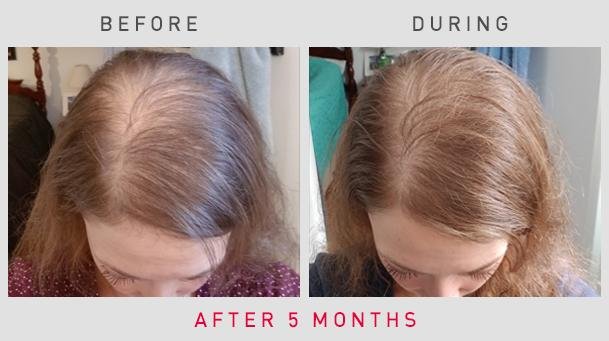
The iGrow system promotes hair growth and energises hair follicles, combating hair loss. With regular use, iGrow will produce thicker, fuller hair in just 6 months
Number of Treatments
There are several packages you can choose from to suit your budget.
What to do prior to treatment
Arrive with your hair clean and free from any hair care products
How long is each treatment
Each treatment under the IGrow system is for 20 minutes. There is no heat involved with this treatment.
Styling hair after treatment
We can style your hair after treatment for a surplus fee. Let us know upon your arrival and prior to your treatment.
Aftercare
We recommend you do not wash your hair for at least 48 hours after the treatment.
Recommended number of treatments
It is recommended that the first course of treatments should consist of up to <12 sessions to see hair growth results in 6 months.
Come and join us fo a conversation about hairloss and thinning hair and what solutions are available.
Venue: Need a Hair Makeover Hair Extensions & Hair-loss Specialist Salon
Book to register
Date; 16th November
Time: 6pm – 8pm
Fee: £3.00
A recent report on anyone having covid suggested that 70% was experiencing hairloss.
We recognise that hair loss can be very upsetting and cause a lack of confidence, affecting your overall self-esteem. We also know that finding the right solution can be confusing, sometimes disappointing and at a time when you are most vunerable.
We are able to offer expert advice and guidance to all of our Alopecia, Chemotherapy & Hair Loss condition and help you understand the various treatments and solutions available.
Every year more and more people are suffering from hair loss caused by illness, medication, stress, chemical treatments, damaged hair. We help treat and or disguise thin, short, bald patches, damaged or sensitive scalp on all hair types, gender or age.
We offer a non evasive hair regrowth treatment with a REVOLUNARY equipment known as iGrow.
If you need help to start the hair regrowth journey to restore your edges, bald patches, thin hair or slow growing hair, book a consultation with Need a Hair Makeover and let’s see what we can do.
Checkout the IGrow 12 weeks plan
iGrow’s proprietary Low-Level Light Therapy (LLLT) technology utilises a highly effective combination of red laser and LED light diodes, to stimulate and energise cellular activity causing an uptake in the natural function of the hair follicle.
This three- to six-month process treats hair thinning and loss, by effectively growing new healthy hair that is thicker, fuller and more vibrant.
Checkout our online appointment booking system. Easily book a consultation online. http://bit.ly/3CuPzuO
You may also want to read our article on How #hairloss may be linked to a disfunctional liver by Diane Shawe https://bit.ly/2ADbMN6
I have been noticing that most of my food is going mouldy quicker, even in the jars! I was curious to find out why, espcially as this is happening more and more in the fridge as well. I thought the fridge was designed to keep things cool and slow down the detiriation of our food.
I also wanted to know what mould did to the body if injected, my mind started to generate all types of conspiracy theory so I decided to do a little research based on facts.
We all grow up learning mold is gross. But is it just unpleasant, or is it actually dangerous? Isn’t it mould that makes blue cheese blue? And wasn’t penicillin first discovered in moldy bread?
Are we wasting perfectly safe food when we throw it out? Or are we gambling our health when we shrug our shoulders and eat that piece of cheese that had a dusting of white fuzz?
How does mould grow on food?
I found this bit scary because is the air we are breathing so toxic? Is that why we are getting sicker even though we are more health concious? I mean think about it, our lungs are very moist!
So back to the question: Tiny mould spores are carried in the air. When these spores land on food, they take root and grow until they produce patches of mould visible to the naked eye. Once they mature, they produce new spores and release them into the environment and the cycle continues!
What is mold on food?
Mould is a microscopic fungus, and yes—spoilers!—consuming it can be bad for our health. Like its cousin the mushroom, there are thousands of different species.
Some are safe to consume, but many produce poisonous mycotoxins that cause illness and even death. Additionally, some people are allergic to mould and need to steer clear of it. So dealing with mold on food is serious business.
Mould requires three things to grow: organic matter, water and oxygen. Food provides the the first two ingredients. Exposed to air, mold has everything it needs to grow.
How long does it take for mould to grow on food?
Many factors affect the rate of growth of mould: the specific type of mould, the food it’s growing on, and the ambient temperature and humidity. Many species of mould like warmer temperatures and mould growing on fruit on your counter may develop in very few days, especially in the warm humid summer months. Other mould growing on food with less water content in the cool of a refrigerator might take several weeks.
How to handle mould on food?
Mould can grow on most types of food, but not all food is the same.
Red Flag Food
Red flag food items should be automatically discarded when mouldy. These items include most food items, particularly soft and moist foods:
Luncheon meats, hot dogs, bacon, etc.
Cooked leftover meat, poultry and fish
Cooked pasta and cooked grains
Casseroles
Sour cream and yoghurt
Soft fruits such as tomatoes, berries, cucumbers, etc.
Some other drier, harder foods fall into this category as well:
In general, softer food with more moisture content is more prone to moulding, and can’t be safely salvaged. In addition to the mould itself, soft moist food can provide an ideal environment for dangerous bacteria to grow. For these foods, it’s important not to assume the problem is limited to the mould you see.
Throw away the mouldy food, and carefully inspect other nearby food, especially food in the same package. Do not sniff mouldy food: spores might get into your respiratory system. Wrap the spoiled items in plastic to contain the spores, and discard.
To eat or not to eat?
Moulds can grow in the fridge and will even survive freezing. They can also survive in salty, sugary and acidic environments. This is scary!
As mould on our food is so hard to avoid, here are some general guidelines from the most Food Safety and Inspection Service on responding to the problem:
Discard all of these foods if mouldy:
Luncheon meat, bacon, and hot dogs.
Yoghurt, sour cream and soft cheese.
Soft fruits and vegetables
Bread and baked goods.
Peanut butter, nuts and legumes.
Jams and jellies – but note Dr Hocking has a slightly different view for Australian jams.
These foods can be saved from mould:
Hard salami (the dry, aged type) – scrub mould from the surface.
Hard cheese – cut off at least 2.5 centimetres around and below the mould. Don’t let the knife touch the mould and recover the cheese with fresh wrap.
Firm fruit and veg – small mould spots can be cut off.
The mould used in making these cheeses is safe for consumption. However, if other mold that is not part of the manufacturing process is present, these items should be discarded just like any other red flag food item. Some blue cheeses may be hard enough to be treated as a Yellow Flag item (see below for care). However, if you are unsure where to draw the line, remember: when in doubt, throw it out.
Note that while the mould that forms the blue veins inside blue cheeses is harmless when deprived of oxygen inside the cheese, the same strain of mold can form harmful mycotoxins if allowed to grow on surfaces exposed to air. Be careful of cross-contamination with these cheeses and keep them wrapped in cellophane while storing them.
Yellow Flag Food
Other foods, particularly harder and drier foods, can sometimes be kept once the mold is carefully removed. These include:
Hard cheese
Firm fruits and vegetables (cabbage, carrots, bell pepers, etc.)
If you’re going to cut away mould rather than discard the item, it’s important to remember that there is more mould present than what you can see. Below the surface, mould will have penetrated up to 2cm or more. For these food items, mould can be cut away but you should cut at least 2.5cm (1 inch) outside of and underneath any visible surface mould. Be careful to keep the knife clear of the mould to avoid contaminating the rest of the food as you cut.
Note that surface mould is a normal occurrence on certain hard salamis. In this case, scrubbing the mould off the surface is sufficient. Again, it never hurts to be cautious. When in doubt, throw it out.
Different types of food mould
Black mold on food
I did not like this bit, but if you are going to understand something, you can’t disguard the ugly sides. Well here goes.. Various strains of mould can have a black appearance. Homeowners know to watch out for black toxic mold, Stachybotrys chartarum, commonly found in attics.
However there are many non-toxic strains of black mould as well, including Rhizopus stolonifera, also known as black bread mould. You may encounter black mould on the rubber seals of your refrigerator or on food. While this doesn’t prove you have black toxic mould in your house, you are best to assume it may be harmful and discard the food item in question, meticulously scrub clean the refrigerator, and look for signs of black mould in your house.
Pink mould on food
Pink mouldy formations on food may not be mould at all, but rather bacteria growing. Aureobasidium and Fusarium are also two common fungi that grow with a pinkish colour.
Pink mould is most often seen on bread, dairy products and meat. Dangers of pink mold include infection of the respiratory, gastro-intestinal or urinary tracts.
White mould on food
White mould is seen on a variety of foods, from the white mould purposefully grown on the outside of certain cheeses, to fluffy white mold appearing on berries and other fruit.
Many strains of mould can appear white, and to complicate matters many coloured strains of mould may go through a phase where they appear white before developing the spores that give them their colour. Unless white mould is a purposeful part of a food’s production (e.g. brie and camembert cheese), assume it is toxic and handle affected food accordingly.
Green mould on food
Green mould is commonly found on citrus fruit and bread. Cladosporium is one particularly common species of green mould.
It can have a potent smell and be particularly irritating, particularly for people with mould allergies. This can lead to respiratory problems such as wheezing and coughing, as well as vomiting. Clodosporium mold can produce mycotoxins as well, so avoid exposure.
Orange mould on food
A variety of mould can take on an orange colour, including Fuligo septica and Aleuria aurantia. These orange moulds commonly have a slimy texture.
While they may be less dangerous than some other colours of mould, they can still cause respiratory problems, and where orange mould is present, bacteria are also likely to be found.
Furthermore, orange mould is particularly prone to growing on wood. So not only is orange mould a threat to your food, it is a threat to the wood in your house.
Red mould on food
While various strains of mould can be red, red mould on food is most commonly Neurospora. While this type of mould is typically less dangerous than other types of mould, some mycotoxin-producing moulds might appear red in certain conditions, or might be present alongside red mould. It’s therefore wisest to treat red mould on food with the same caution as other mould.
Blue mould on food
Blue mould on bread and the blue mould deliberately cultivated to make blue cheese are strains of the genus Penicillium. And yes, some species of Penicillium (but not all!) produce penicillin. Many species of Penicillium are innocuous, but some are not.
And while the blue mould in blue cheese, deprived of oxygen, is safe for consumption, that same strain of mould can produce mycotoxins when it grows on an outside surface exposed to air. So, eat that blue cheese but treat other blue mould as potentially toxic.
Consumers Select Food Based on Colour at the Supermarket
It is widely accepted that consumers select a food product with their eyes, so products need to look fresh and tasty.
Oxidation is the Enemy
Oxidation, a chain reaction that occurs in the presence of oxygen, is responsible for the deterioration of food products, including off-flavours and off-odours. This process is affected by processing, packaging and storing techniques, as well as product ingredients.
Antioxidants delay the onset of oxidation by donating hydrogen atoms to quench free radicals, forming a stable antioxidant radical that is unable to participate in propagation reactions, slowing down oxidation.
What happens if you eat mould?
You have to be really careful
Is it dangerous to inhale mould spores from food?
Inhaling mould visible on food is risky and should be avoided. It may cause allergic reactions or problems with the respiratory tract. When mould isn’t visible, sniffing may be a useful way to detect it—e.g. smelling dishcloths. However, once you’ve spotted mould, avoid inhaling.
Can mould on food make you sick?
Mould on food can be harmful in various ways. Some people are allergic to mould and could have a potentially serious reaction. However, even if you don’t have allergies, mould can cause irritation in the respiratory, gastro-intestinal or urinary tracts. And the mycotoxins created by some moulds are poisonous carcinogens that can prove fatal.
What are health symptoms you can get by eating mould on food?
Allergic reactions to mould can include sneezing, runny or stuffy nose, coughing, postnasal drip, irritated eyes, nose and throat and dry, scaly skin. Those with asthma may experience coughing, wheezing, shortness of breath and tightness in the chest.
Those without allergies may still experience respiratory problems such as wheezing, sneezing, tightness in the chest and difficulty breathing. In more severe cases, this can lead to respiratory infection and even hypersensitivity pneumonitis.
A particular concern is ingesting mould that produces mycotoxins. Signs of mycotoxin poisoning include reduced appetite, a general feeling of malaise, acute illness or death in rare cases.
Food mould facts and questions
Which food will mould fastest?
Storage conditions will have a significant effect on how quickly a given food turns mouldy. However, all things being equal, food with a high moisture content will mould first. Thus, in the fridge, fruits such as strawberries or cucumber might get mouldy before other foods. Stored at room temperature, natural bread (with no preservatives) can get mouldy quite quickly.
Is it safe to eat fruits with mould on a peel you discard?
It may be tempting to think that for fruit with a peel, simply removing and discarding the peel may be enough to protect you. In the case of a firm fruit like a pineapple, it can indeed be treated as a “yellow flag” food, carefully cutting away the affected area.
Fruits with a softer peel like oranges or bananas should be treated as “red flag” foods and discarded—underneath the visible mould, it may have penetrated the peel to the flesh of the fruit inside. In the case of an avocado, while the skin is quite tough mold can still get underneath and infect the fruit inside. Play it safe and discard it.
What temperature kills mould spores in food?
Most moulds are killed off by temperatures of 60-70°C (140-160°F). Thus, boiling water is generally enough to kill off mould. Remember, though, that mould doesn’t just grow on the surface: heat will have to penetrate into whatever the mould is growing in to kill it. Also keep in mind that the mycotoxins produced by certain mould can survive intense heat: boiling may kill the mould but leave its poisons still intact.
It takes one mouldy food item to get the whole basket covered in mold! This is very important rule to remember the moment you are at the market. If you are buying nonpacked items, ensure each of them is fresh. If you notice mold on any single piece, simply don’t buy it. Examine each item for bruising, softness, oxidation or signs of mould before you buy it and avoid any items that look overly ripe.
On the other hand, when buying pre-packed food you cannot examine every single piece, meaning that mouldy items can go unseen. In that case, ensure you checked the date and chose the one that was most recently packed. Instead of buying processed or pre-packed food, where you often don’t have control of the freshness (the story of wrong dates is not rarely heard), choose local markets and stores you can trust.
Once you buy your delicious food, especially fresh fruit and veggies, it is important to keep it covered until you’re ready to eat it to minimize the risk of cross-contamination with bacteria, mold, dust and debris from the environment. Use plastic wrap to cover foods you want to keep for longest, such as fresh fruits, vegetables, salads and cheese.
Rinse the contents of canned goods under water and store them in your fridge in tightly sealed plastic or glass containers. Refrigerate leftovers and use them within four days.
Consume early to avoid mold. The first step you can take to prevent food going bad is to eat it before mould has time to take hold. Especially for moisture-rich and porous food like fruits and breads, buy in smaller quantities so you can consume it within a just a few days.
Keep food cold: the cooler the better. Keep food, especially soft moist food like fruit, in the refrigerator rather than at room temperature. Only take it out while you’re using it—under two hours. To keep food mould-free for longer periods, store it in the freezer rather than the fridge.
Use heat to kill mold. High acid foods such as fruits, jams and jellies can be made safe to preserve through heat treatment. A boiling water bath is a common practice to prepare them for a long shelf-life. The amount of time required for a water bath will vary depending on what and how much you’re canning, so be sure to adapt your method to the specific food you’re treating.
Keep kitchen tools and surfaces clean. Mould may thrive on food, but it can be found anywhere. The less mould in your kitchen, the less your food will get exposed. Clean your refrigerator and other kitchen surfaces with a mixture of 5ml of baking powder to 1L of water. Watch out for black-coloured mold on your fridge’s rubber seals and scrub carefully to clean it out.
Keep your dishcloths, tea towels, sponges, mops and other kitchen tools clean. Give them the sniff test: if they smell musty, they may be harbouring mould. Any item that you can’t get clean and fresh-smelling, discard and replace.
In order to prevent mould on food you will have to work on overall kitchen mould prevention. In most cases it includes either ensuring there is enough fresh air or regular cleaning. Here are a few tips that can help you prevent mold in the kitchen.
As said above – mould can grow in the fridge and, thus, it is important to keep the inside of the refrigerator clean. We suggest cleaning it every few months with one tablespoon of baking soda dissolved in a quart of water. Rinse with clean water and dry thoroughly before storing food again.
Ensure your food is still fresh by checking it every day or two. Toss away anything that has a sign of mould or that started rotting away.
Replace sponges at least once a week and always use clean dish clothes and towels. If you notice a musty smell coming from a sponge or towel, replace it immediately.
Wash the dishes at least once a day. Don’t leave food leftovers in your sink behind you once you are done with the meal. Throw them away immediately. If you are in a rush, keep your dishes under water to prevent food stains from hardening until you can wash them properly.
Mould can be found in dishwasher and garbage disposals. It can be the reason behind the odors, thus keeping it clean should be your priority. At least once a week pour baking soda, salt and vinegar (or lemon) own the sink and leave it for 10 minutes. You can add lemon or orange peels and even essential oils to give it a nice smell. After that all you have to do is pour boiled water to wash it up and your disposal and sink will be clean, mould-free and refreshed.
Kitchen tools, especially wooden ones should be washed and well dried before set aside, because wood is one of the favourite food for mould. All you have to do is simply wash them after you used them and leave them to dry well somewhere where it is not wet and it has enough fresh air and light. (for example if you are done with cooking and your stove is still warm, you can put it next to it to dry.
Don’t forget about unused kitchen appliances. They are often sealed and if not well dried, mould can form due to water evaporation inside. The best way to prevent mold from developing inside is to ensure it is well dried before storing and, if there is a possibility, keep it open.
And last but not least, make sure that the relative humidity in your home is between 30% and 50%, especially in the warmer months, when mold is known to flourish. The easiest thing you can do to control the humidity level is to keep your windows open as often as possible. If that is not possible your next steps should bes either air vents or even a dehumidifier.
Conclusion
As with mould in general, there are many strains of mould that can be found on food. While some are innocuous, many are not. While mould that’s purposefully introduced into certain cheeses can be safe, always treat other mould on food as a dangerous substance. Treat “yellow flag” foods with caution and for “red flag” foods, play it safe and discard it.
And remember, the same concerns about mould allergies and mould toxicity that applies to food mould also applies to other mould in your house. Keep watch for mould in your kitchen and whole house, and if you detect signs of mould, get informed as to the steps needed to eradicate it safely.


















































 All about Hair Extensions & Hairloss Courses and Franchise Opportunity by Diane Shawe
You must be logged in to post a comment.