Category Archives: Dementia

โ€œFeeling Sluggish? Meet the Natural Duo That Clears Toxins and Restores Your Energyโ€

Citrus shots. Herbal teas. Ginseng blends.
They promise โ€œcleanseโ€โ€ฆ but do you actually FEEL better? ๐Ÿค”
If youโ€™re still stuck with brain fog, bloating, or aches, itโ€™s time for a different approach.

In todayโ€™s world, weโ€™re constantly taking in toxins โ€” from the air we breathe, the food we eat, the water we drink, even the products we put on our skin. Over time, this build-up can leave us feeling tired, foggy, bloated, and not quite ourselves. While modern medicine offers solutions, sometimes the best answer is going back to natureโ€™s pharmacy.

Thatโ€™s where two natural powerhouses step in: zeolite and shilajit. What Iโ€™ve discovered is that when you pair these two bad boys together in a constructive way, they donโ€™t just support your body โ€” they help keep you in tip-top shape.

๐ŸŒ‹ What is Zeolite?
Zeolite is a volcanic mineral formed when molten lava meets seawater. Over thousands of years, it develops a unique honeycomb-like structure that works like a natural magnet for toxins.
โ€ข Cleansing power: Zeolite binds to heavy metals, environmental pollutants, and harmful substances in the gut, escorting them safely out of the body.
โ€ข Alkalising: It helps balance the bodyโ€™s pH levels.
โ€ข Digestive support: Its porous structure traps toxins without being absorbed into the bloodstream.
In simple terms, zeolite is like a deep clean for your system.


๐Ÿ” What is Shilajit?
Shilajit is a resin that seeps from rocks high in the Himalayas and other mountain ranges. It forms over centuries from compressed plant matter and is rich in fulvic acid, humic acid, and more than 80 trace minerals.
โ€ข Energy & stamina: Shilajit supports ATP production, giving your cells the fuel they need.
โ€ข Mineral replenishment: It restores vital nutrients often missing from modern diets.
โ€ข Adaptogen effect: It helps the body cope with stress.
โ€ข Cognitive boost: Linked with improved focus, memory, and clarity.
Shilajit acts as a replenisher and energizer, helping the body use nutrients more efficiently.

โš–๏ธ The Key Difference
โ€ข Zeolite = Remover โ†’ It clears out toxins and heavy metals.
โ€ข Shilajit = Replenisher โ†’ It restores energy and nutrients.
This is why they complement each other so well: first you clear the house (zeolite), then you furnish it beautifully (shilajit).

Personal experience

โ€œI had tried all sorts of detox teas and citrus cleanses before, but I always ended up feeling drained and foggy a few days later. When I added zeolite to clear toxins and shilajit to restore minerals, I finally felt the difference โ€” lighter, clearer, and with more natural energy. It wasnโ€™t just a quick fix, it felt like a real reset for my body.

โฐ How to Take Them Together
If you already take shilajit daily, adding zeolite can enhance your routine. To avoid overlap and maximise benefits:
โ€ข Take zeolite first thing in the morning or before meals โ€” on an empty stomach works best for binding toxins.
โ€ข Take shilajit later in the day โ€” after meals, with water or warm milk/tea, to support absorption and energy.
This way, zeolite does its cleansing job without pulling away the minerals that shilajit is delivering.


๐ŸŒฑ Final Thoughts
Zeolite and shilajit are powerful on their own โ€” but together, they create a holistic balance: detox + nourish, cleanse + energize, remove + restore.
If youโ€™re looking for a natural way to both clear your system and boost vitality, consider combining the two in your daily wellness routine.


๐Ÿ‘‰ Get Zeolite here https://amzn.to/4mOewt2

โ€œDonโ€™t just detox. Cleanse + restore. Your future body will thank youโ€

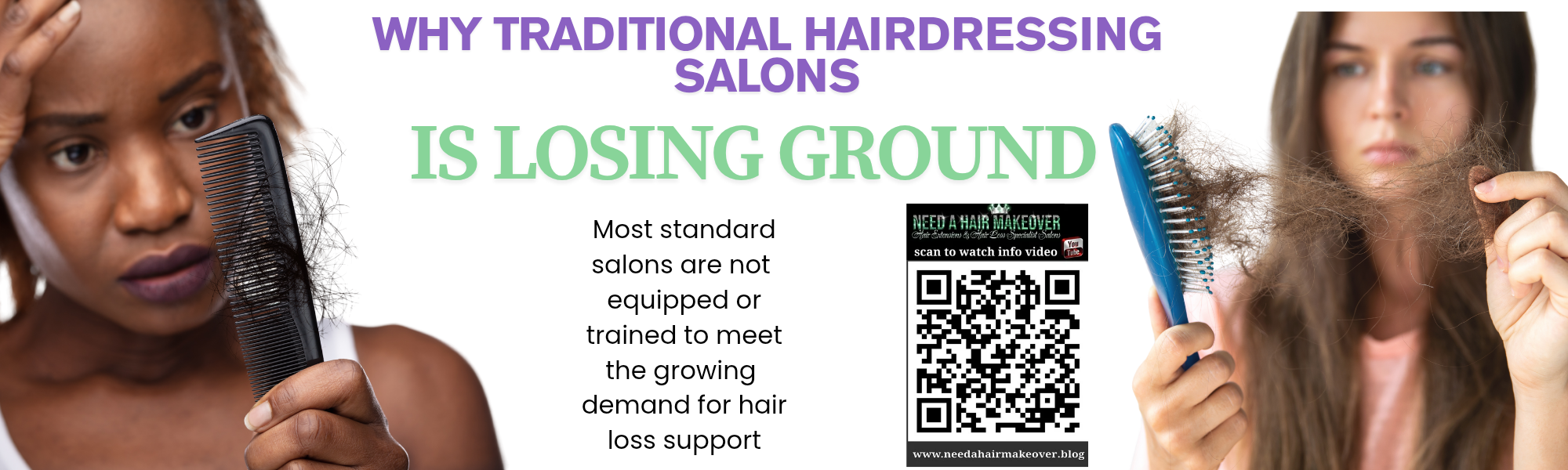
Why traditional hairdressing is losing ground

Most standard salons are not equipped or trained to meet the growing demand for hair loss support.

With their focus still on aesthetics, they often overlook the deep emotional and physical toll hair loss can bring. Clients facing hair thinning, alopecia, traction damage, or post-chemotherapy loss need more than a good blow-dryโ€”they need specialists.
And this is where Need a Hair Makeover Specialist Salon Franchise steps in.

A Specialist Salon for a Specialist Market

At Need a Hair Makeover, they specialise in non-invasive, confidence-restoring hair loss disguising techniques:

Hair toppers, toupees, lace frontals, bespoke wigs, 18 integration hair extension systems and infrared and laser hair regrowth theraphy.

Customisable treatments for traction alopecia, hormonal hair loss, and post-chemo recovery

Ongoing care and support for long-term client relationships and producing supportive documents for insurance claims for cranial prostheses.

There approach is holistic, empathetic, and highly profitableโ€”with specialist services clients are actively seeking but struggling to find in conventional salons.

Who Weโ€™re Looking For

Weโ€™re seeking passionate individuals and salon owners who want to:

Be part of the ยฃ88 billion hair loss solution economy

Offer transformational services that change lives

Join a proven brand led by industry pioneer Diane Shawe, an award-winning hair loss specialist, entrepreneur, and published author

Whether you’re an existing salon looking to expand or an entrepreneur ready for your next big move, this franchise opportunity is your gateway to a high-impact, future-proof business.

Treating thin, balding or damaged hair

Act Now: The Demand is Growing Daily

With waiting lists growing, regions being reserved, and awareness accelerating post-pandemic, now is the time to act. We offer full training, brand support, client acquisition tools, and a turnkey business model tailored for long-term success.

Register your interest today and secure your exclusive territory before it’s gone:
Have a quick chat at https://brochure.needahairmakeoverfranchise.co.uk or request more info at Franchise Association

For those ready to evolve, expand, and truly make a differenceโ€”Need a Hair Makeover is your next step.

… { … “@context”: “https://schema.org”, “@type”: “BlogPosting”, “headline”: “Why traditional hairdressing is losing ground”, “author”: { “@type”: “Person”, “name”: “Diane Shawe” }, “datePublished”: “2025-06-10”, “publisher”: { “@type”: “Organization”, “name”: “Need a Hair Makeover”, “logo”: { “@type”: “ImageObject”, “url”: “https://www.needahairmakeover.com/images/logo.png” } }, “mainEntityOfPage”: “https://www.needahairmakeover.blog/hair-extension-myths” }

From Root to Tip: How Zinc Nourishes Hair Follicles for Optimal Growth

Zinc: Your Hair’s Best Friend for Growth and Vitality

While zinc might not always receive as much attention as some other supplements, it can indeed be considered a “super supplement” due to its essential role in maintaining overall health. Its involvement in numerous enzymatic reactions, immune system support, cell growth, and hormone regulation highlights its significance.

Zinc’s impact on various bodily functions makes it a valuable nutrient to ensure optimal well-being. However, it’s important to note that no single supplement can replace a balanced and nutritious diet. Zinc should ideally be obtained through a variety of foods, including meat, seafood, dairy, nuts, seeds, and whole grains.

In recent years, certain supplements and nutrients have gained more prominence in the wellness and health industries, but this doesn’t diminish the importance of zinc. Like many essential nutrients, it’s an integral part of the puzzle when it comes to maintaining good health.

See services supplied by need a hair makeover specialist salon

Always remember that when considering any supplement, it’s best to consult a healthcare professional to ensure that your individual needs are met safely and effectively. Zinc plays a crucial role in regulating more than 300 enzymes in the human body. Because Zinc cannot be stored in the body it needs to be ingested daily either through diet or taking supplements

Understanding Zinc’s Role in Hair

Zinc is an essential mineral that plays a vital role in various biological processes within the human body. Its involvement in regulating over 300 enzymes is crucial for a wide range of functions, such as DNA synthesis, immune system function, protein synthesis, and cell division. These enzymes are involved in catalyzing chemical reactions that are necessary for the proper functioning of cells and tissues.

One reason zinc is essential to obtain through daily intake is that the body has no specialised mechanism for storing it. Unlike some other minerals, zinc isn’t stored in large quantities in the body for future use. This means that a consistent intake of zinc through diet or supplementation is necessary to maintain optimal bodily functions.

Regarding hair growth, zinc contributes to this process in several ways:

Cell Division and Protein Synthesis: Zinc is involved in the division and growth of cells, including hair follicle cells. It aids in the synthesis of proteins, which are the building blocks of hair.

could you claim for a wig or topper


Hormone Regulation: Zinc is necessary for the proper functioning of various hormones, including those related to hair growth. Hormones like testosterone and its derivatives can impact hair health. Zinc helps regulate these hormones, promoting healthy hair growth.

Antioxidant Defense: Zinc acts as an antioxidant, helping to protect cells, including hair follicles, from oxidative stress. This is important because oxidative stress can damage hair follicles and lead to hair thinning or loss.

Keratin Production: Keratin is the primary protein that makes up hair strands. Zinc plays a role in the production of keratin, contributing to strong and healthy hair.

Immune System Support: A well-functioning immune system is essential for maintaining healthy hair follicles. Zinc supports the immune system, which indirectly benefits hair growth by creating a conducive environment for hair follicles to thrive.


While zinc is important for hair growth, it’s important to note that excessive intake can also have adverse effects. Finding the right balance is crucial, as both a deficiency and an excess of zinc can lead to hair problems. It’s recommended to obtain zinc from a balanced diet that includes foods like meat, seafood, nuts, seeds, and whole grains or a carefully compiled supplement. If someone suspects a zinc deficiency, consulting a healthcare professional before starting any supplementation is advisable.

Recommended Brain Check Tool to Help reduce your risk of dementia

Start checking and training your brain


I came across an article today suggesting a brain checker tool to help avoid dementia.

I covered this topic in another of my blogs back in 2019 when another report came out stating Scientists have long found a possible link between anticholinergic drugs and an increased risk of dementia.
A study published in the journal JAMA Internal Medicine on Monday suggests that the link is strongest for certain classes of anticholinergic drugs — particularly antidepressants such as paroxetine or amitriptyline, bladder antimuscarinics such as oxybutynin or tolterodine, antipsychotics such as chlorpromazine or olanzapine and antiepileptic drugs such as oxcarbazepine or carbamazepine.


Study is important because it strengthens a growing body of evidence showing that strong anticholinergic drugs have long term associations with dementia risk,” said Carol Coupland, professor of medical statistics in primary care at the University of Nottingham in the United Kingdom and first author of the study.


We wish it wasnโ€™t the case but, unfortunately, memory loss is a hot topic. People have countless questions about brain diseases such as Alzheimerโ€™s and dementia.
What really causes it? Read more

So the Alzheimer’s Research UK has launched a new app which gives people of all ages tips on how to keep their brains active and to reduce the risk of dementia.

Theย brain checker toolย encourages people to do more to look after their brains, and offers suggestions to stay sharp.

Dementia is the term used to describe a set of symptoms that over time can affect memory, problem-solving, language and behaviour.ย 

The disease isย progressive, which means symptoms may be mild or even unnoticeable at first, but they get worse over time. There are many types of dementia but Alzheimerโ€™s disease is the most common. The next most common is vascular dementia

Well excuse me.. In March 2015, researchers published a prospective cohort study in JAMA Internal Medicine called โ€œCumulative Use of Strong Anticholinergics and Incident Dementia.โ€

The University of Washington and Seattle healthcare system, Group Health, conducted the long-term study which tracked 3,434 men and women who were aged 65 and up, and had no dementia when the study began.

The team accessed every participantโ€™s history of drug use for the previous decade, including both over-the-counter and prescription drugs. Over a 7-year timeline, they followed up with all the participants every two years, during which 797 participants developed dementia (637 of whom developed Alzheimerโ€™s disease).

As researchers looked back on what those 797 individuals took, anticholinergic drugs became the main suspect. The most common anticholinergics participants used were tricyclic antidepressants, first-generation antihistamines, and bladder antimuscarinics.

Compared to those who didnโ€™t take anticholinergic drugs, people who did for as little as three years were 54% more likely to develop dementia.

What Are Anticholinergics?
Usually, these types of drugs are prescribed to treat problems including urinary incontinence, Parkinsonโ€™s disease, and chronic obstructive pulmonary disorder (COPD).

Anticholinergic drugsโ€™ main purpose is to block the actions and effects of acetylcholine, a neurotransmitter which causes muscles to contract, activates pain responses and regulates endocrine and REM sleep functions.

Itโ€™s just a natural fact of life โ€“ as we age, our bodiesโ€™ ability to produce acetylcholine decreases. Since the brain actually contains many acetylcholine-producing cells, as Harvard editor Beverly Merz highlights, โ€œblocking its effects can deliver a double whammy to older people.โ€


Related: NHS outlines over 45 Common Medications Linked to Memory Loss!

It was suggested that if you want to keep your head clear and brain functioning as highly as possible, steering clear of anticholinergic drugs seems ideal.


However, it is important to recognize that the long-term study revealed only a small portion of drugs was interfering with cognitive function. So, please discuss with your doctor if youโ€™re thinking of getting off any prescribed medications.

I know that we have to try all avenues to help combat what is now the fastest growing health problem around the world.

Most children are pretty advanced on their mobile phones

Almost everyone has a mobile phone, a good percentage of owners pay games on their phone. We have the highest users of technology and evening is becoming automated. So if we are already using technology how is just a checker going to help? Just asking

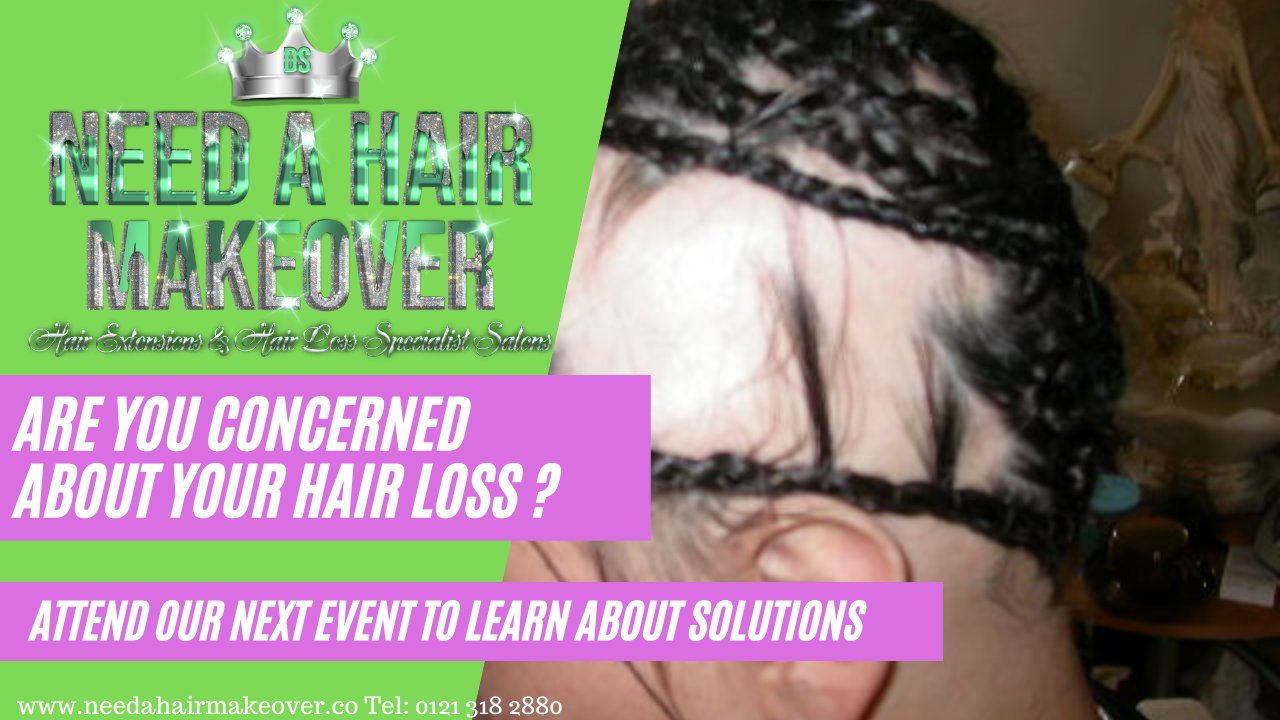
Hair Loss and Thinning Hair Treatments and Solutions Workshop

Come and join us fo a conversation about hairloss and thinning hair and what solutions are available.

Venue: Need a Hair Makeover Hair Extensions & Hair-loss Specialist Salon

Book to register

Date; 16th November

Time: 6pm – 8pm

Fee: ยฃ3.00

A recent report on anyone having covid suggested that 70% was experiencing hairloss.

We recognise that hair loss can be very upsetting and cause a lack of confidence, affecting your overall self-esteem. We also know that finding the right solution can be confusing, sometimes disappointing and at a time when you are most vunerable.

We are able to offer expert advice and guidance to all of our Alopecia, Chemotherapy & Hair Loss condition and help you understand the various treatments and solutions available.

Register Here: http://bit.ly/2YvgfO1

https://www.fresha.com/book-now/need-a-makeover-hair-extensions-and-hair-loss-salon-l1iwpzfr/services?lid=551156&eid=1580769&oiid=sv%3A8302960&pId=515353

Here is one of the solutions you could try https://amzn.to/3HleAMh

Deconstructing the Different Embedded Component of Racism – What we really need to Understand by Diane Shawe M.Ed

I was five years old when I first heard the phrase or taunt ‘Blacky’ I had played with all my neighbours on the street and in the garden when I was little, looking back my neighbours were black, white and asians. We use to love playing tick. My mum picked me up from my new infant school and I asked her what was a blacky.

She politely asked me were I had heard the phrase and I told her some kids were calling us it at school. She said to take no notice and focus on learning and doing as the teacher said. So I did, but for the next 7 years I could now describe all the various ways I was racially profiled, abused and taunted by both teachers and my classmates without realising it back then. I can now on reflection ask ‘How did that white young child understand to start calling me blacky when I didn’t even know they were white or indeed that I was black? I just saw Jane who was my best friend, she had freckles and ginger hair.

In view of this whilst conducting my mini research for this article, I began to understand that simply making throw away statements as to what racism is and peoples assertion that it may or may not be stamped out was coming from a place of pain, helplessness, denial or plain historical orchestrated planning.

One thing we can all agree on is that racism is alive, it is fed, it has been modernised, debated clinically, psychologically, intellectually, emotionally from generation to generaion.

Contrary to a dictionary definition, racism, as defined in social science research and theory, is about much more than race-based prejudiceโ€”it exists when an imbalance in power and social status is generated by how we understand and act upon race.

The UN does not define “racism”; however, it does define “racial discrimination”. According to the 1965 UN International Convention on the Elimination of All Forms of Racial Discrimination

The term “racial discrimination” shall mean any distinction, exclusion, restriction, or preference based on race, colour, descent, or national or ethnic origin that has the purpose or effect of nullifying or impairing the recognition, enjoyment or exercise, on an equal footing, of human rights and fundamental freedoms in the political, economic, social, cultural or any other field of public life.

UN Racial Discrimination 1965

Racism exists when ideas and assumptions about racial categories are used to justify and reproduce a racial hierarchy and racially structured society that unjustly limits access to resources, rights, and privileges on the basis of race. Racism also occurs when this kind of unjust social structure is produced by the failure to account for race and its historical and contemporary roles in society.

So with this in mind, when the slogan ‘Black lives Matter’ descended into competing factions like ‘Blue lives Matter’ or ‘All lives Matter’ I became a little confused as to why visually seeing a unarmed, handcuffed man’s life being snuffed out in broad daylight by an appointed officer sworn in to defend all people, along with insurmountable evidence going back hundreds of years starting from yesterday could then generate competitive slogans in retaliation to minimise what we all saw and witnessed as being equal to everything else?

I then discovered that racism in itself is not a simplified one paragraph statement in a dictonary, it’s not about setting up a Diversity department with one member of staff having no power to affect real change from the board of dircectors, investors, recruitment and legislation.

From Race transitioning into racism, oppression, cruelty and suppression this little child has grown up to be a sophisticated adept monster.

So began my education into the 7 forms of Racism which I have best summarised below (reminds me of the 7 deadly sins)

Let us know how we can help you https://www.virtualpersonalassistance.com/express-business-plan-fundraising

The 7 Forms of Racism

Racism takes seven main forms, according to social science. Rarely does any one exist on its own. Instead, racism typically operates as a combination of at least two forms working together, simultaneously. Independently and together, these seven forms of racism work to reproduce racist ideas, racist interactions and behavior, racist practices and policies, and an overall racist social structure.

Representational Racism

Depictions of racial stereotypes are common in popular culture and media, like the historical tendency to cast people of color as criminals and as victims of crime rather than in other roles, or as background characters rather than as leads in film and television. Also common are racial caricatures that are racist in their representations, like โ€œmascotsโ€ for instance or the “Angry Black Women” for instance.

The power of representational racismโ€”or racism expressed in how racial groups are represented within popular cultureโ€”is that it encapsulates a whole range of racist ideas that imply inferiority, and often stupidity and untrustworthiness, in images that circulate society and permeate our culture. While those not directly harmed by representational racism might not take it seriously, the presence of such images and our interaction with them on a near-constant basis helps to keep alive the racist ideas attached to them.

Ideological Racism

Ideology is a word that sociologists use to refer to the world views, beliefs, and common sense ways of thinking that are normal in a society or culture. So, ideological racism is a kind of racism that colors and manifests in those things. It refers to world views, beliefs, and common sense ideas that are rooted in racial stereotypes and biases. A troubling example is the fact that many people in American society, regardless of their race, believe that white and light skinned people are more intelligent than dark-skinned people and superior in a variety of other ways.

Historically, this particular form of ideological racism supported and justified the building of European colonial empires and U.S. imperialism through the unjust acquisition of land, people, and resources around the world. Today, some common ideological forms of racism include the belief that Black women are sexually promiscuous, that Latina women are โ€œfieryโ€ or โ€œhot-tempered,โ€ and that black men and boys are criminally oriented. This form of racism has a negative impact on people of color as a whole because it works to deny them access to and/or success withinย educationย and the professional world, and subjects them toย heightened police surveillance, harassment,ย and violence, among other negative outcomes.

Get a Copy from Amazon Books by Diane Shawe

Discursive Racism

Racism is often expressed linguistically, in the “discourse” we use to talk about the world and people in it. This kind of racism is expressed as racial slurs and hate speech, but also as code words that have racialised meanings embedded in them, like โ€œghetto,โ€ โ€œthug,โ€ or โ€œgangsta.โ€ Just as representational racism communicates racist ideas through images, discursive racism communicates them through the actual words we use to describe people and places. Using words that rely on stereotypical racial differences to communicate explicit or implicit hierarchies perpetuates the racist inequalities that exist in society.

Some Comedians often paint a picture to a wide audience. Study has shown that storytelling can form the most embedded images into the subconscious mind, wrap that into laughter another very powerful emotional tool to stimulate memory and feeling, it is easy to see that monkey joke being repeated time and time again for instance. It is viewed as harmless by the presenter because it was packaged as a joke by a well known commedian.

Interactional Racism

Racism often takes an interactional form, which means it is expressed in how we interact with each other. For example, a white or Asian woman walking on a sidewalk may cross the street to avoid passing closely by a black or Latino man because she is implicitly biased to see these men as potential threats. When a person of color is verbally or physically assaulted because of their race, this is interactional racism. When a neighbor calls the police to report a break-in because they do not recognise their black neighbour, or when someone automatically assumes that a person of color is a low-level employee or an assistant, though they might be a manager, executive, or owner of a business, this is interactional racism. 

Hate crimes are the most extreme manifestation of this form of racism. Interactional racism causes stress, anxiety, and emotional and physical harm to people of color on a daily basis.

Institutional Racism

Racism takes institutional form in the ways that policies and laws are crafted and put into practice through society’s institutions, such as the decades-long set of policing and legal policies known as โ€œThe War on Drugs,โ€ which has disproportionately targeted neighborhoods and communities that are composed predominantly of people of color. Other examples include Stop-N-Frisk policy that overwhelmingly targets black and Latino males, the practice among real estate agents and mortgage lenders of not allowing people of color to own property in certain neighborhoods and that force them to accept less desirable mortgage rates, and clerks and judges automatically assuming that the presence of a black person in court must be a defendant and not a solicitor or barrister. (recently reported)

Institutional racism preserves and fuels theย racial gaps in wealth, education, and social status, and serves toย perpetuate white supremacyย and privilege.

Structural Racism

Structural racism refers to the ongoing, historical, and long-term reproduction of the racialised structure of our society through a combination of all of the above forms. Structural racism manifests in widespread racial segregation and stratification on the basis of education, income, and wealth, the recurrent displacement of people of color from neighborhoods that go through processes of gentrification, and the overwhelming burden of environmental pollution borne by people of colour given its proximity to their communities. Structural racism results in large-scale, society-wide inequalities on the basis of race.

We can see this when local areas that have enjoyed house prices being maintained and an assumption made that having ethnic people move into the area automatically result in house prices going down. But on the other hand a run down area could be rejuvenated automatically as soon as white people move in forcing residents who have been deprived for years to move out.

Systemic Racism

Many sociologists describe racism in the U.S. and U.K as “systemic” because the country was founded on slavery and racist beliefs that created racist policies and practices, and because that legacy lives today (more so in the U.S) in the racism that courses throughout the entirety of our social system. This means that racism was built into the very foundation of that society, and because of this, it has influenced the development of social institutions, laws, policies, beliefs, media representations, and behaviors and interactions, among many other things. By this definition, the system itself is racist, so effectively addressing racism requires a system-wide approach that leaves nothing unexamined.

But here is the cunnundrum, when what is seen as the norm to white people who have only known to do what they have been doing all along, when they believe their model is already superior and any alternate model from which to compare in order to modify would diminish their position, I would go as far as to say it would be like asking a fish to fly when its only experience has been to swim in water. The fish could end up experiencing stress and trauma or even fear. All of these emotions have a reactionary response, not dissimilar to the person being continuously discriminated against as described above.

Here me out here… However according to Darwin’s Theory of Evolution man evolved from fish and became acquainted to both Land, Sea, Air and Fire. An intelligence beyond all other creatures on earth. All around the world we can now see evidence of what man can create and sadly what he can destroy.

Sociologists observe a variety of styles or types of racism within these seven different forms. Some may be overtly racist, like the use of racial slurs or hate speech, which some people have identified and tried to be political correct whilst others use it to hurt and hammer home their pain, fright or anger.

There are some policies that intentionally discriminate against people on the basis of race. Others may be covert, (but isnt the act of covert implying complicitness?) kept to oneself, hidden from public view, or obscured by color-blind policies that purport to be race-neutral, though they have racist impacts.

While something may not appear obviously racist at first glance, it may, in fact, prove to be racist when one examines the implications of it through a sociological lens or the feedback and complaints presented by the reciepients.  If it relies on stereotypical notions of race and reproduces a racially structured society, then it is racist.

Due to the sensitive nature of race as a topic of conversation some have come to think that simply noticing race, or identifying or describing someone using race, is racist. Sociologists do not agree with this. In fact, many sociologists, race scholars, and anti-racist activists emphasise the importance of recognising and accounting for race and racism as necessary in the pursuit of social, economic, and political justice. (We must however agree that the earth contains different races and that will not change unless we destroy ourselves)

Both sides of the isle often digs in because they are operating from fear. We see the oppressor become more erratic and seek to use the legal system, government, army or commercial power to justify and repackage their unfair practices whilst crushing modernisation and equality by all means necessary using disinformation to divide and sow mistrust.

What are we evolving into? Is it so painful and unjust to want to see the whole world share in our further evolution economically, geographically, socially, environmentally, policically or religiously?

With over 7 billion consumers on this planet perhaps to be serviced by almost 2 billion suppliers, designers, developers, farmers, educationalist and health specialist the list goes on why does a few elite societies prefer to move us towards destruction because they are apposed to equality and human dignity?

We have the luxury of history, it has shown us time and time again the fall of hugh empires imploding because the rulers have abused their fellow man, become corrupt, greedy, uncaring and cruel. Surely we can do better and not repeat history.

So if both parties are blinded by the ‘I lose you gain’ principles one has to ask, is Racism taught and if so who is doing the teaching?

There is more than enough for everyone to enjoy

The definition of insanity is doing the same thing over and over again and expecting a different result

Albert Einstein

So where do we go from here? There are two side to every coin, one side could not exist without the other. What I find troubling is there are some people who want to do the same thing over and over again to achieve exactly the same result as before. A chilling thought.

New Face Covering Guideline Sept 24th 2020 and Enforcement measures in UK

A quick and clickable overview during Covid 19 Pandemic 2020

When and where to wear a face covering

There are some places where you must wear a face covering by law. Different rules exist in different parts of the UK about which you can find out more on the relevant regional websites:

  1. What a face covering is
  2. When to wear a face covering
  3. When you do not need to wear a face covering
  4. The reason for using face coverings
  5. How to wear a face covering
  6. Face coverings at work
  7. Buying and selling face coverings
  8. Making your own face covering
  9. Maintaining and disposing of face coverings

In England, you must wear a face covering in the following indoor settings (a list of examples for each is included in the brackets):

  • public transport (aeroplanes, trains, trams and buses)
  • taxis and private hire vehicles (PHVs)
  • transport hubs (airports, rail and tram stations and terminals, maritime ports and terminals, bus and coach stations and terminals)
  • shops and supermarkets (places which offer goods or services for retail sale or hire)
  • shopping centres (malls and indoor markets)
  • auction houses
  • premises providing hospitality (bars, pubs, restaurants, cafes), except when seated at a table to eat or drink (see exemptions) from 24 September
  • post offices, banks, building societies, high-street solicitors and accountants, credit unions, short-term loan providers, savings clubs and money service businesses
  • premises providing personal care and beauty treatments (hair salons, barbers, nail salons, massage centres, tattoo and piercing parlours)
  • premises providing veterinary services
  • visitor attractions and entertainment venues (museums, galleries, cinemas, theatres, concert halls, cultural and heritage sites, aquariums, indoor zoos and visitor farms, bingo halls, amusement arcades, adventure activity centres, indoor sports stadiums, funfairs, theme parks, casinos, skating rinks, bowling alleys, indoor play areas including soft-play areas)
  • libraries and public reading rooms
  • places of worship
  • funeral service providers (funeral homes, crematoria and burial ground chapels)
  • community centres, youth centres and social clubs
  • exhibition halls and conference centres
  • public areas in hotels and hostels
  • storage and distribution facilities

You are expected to wear a face covering before entering any of these settings and must keep it on until you leave unless there is a reasonable excuse for removing it. More detailed advice on the application of these requirements in different settings can be found in the governmentโ€™s guidance forย working safely.

https://g.page/needahairmakeover

You should also wear a face covering in indoor places not listed here where social distancing may be difficult and where you will come into contact with people you do not normally meet.

Face coverings are needed in NHS settings, including hospitals and primary or community care settings, such as GP surgeries. They are also advised to be worn in care homes.

The Department for Education (DfE) has updated its guidance on the use of face coverings for schools and other education institutions that teach people in years 7 and above in England.

Enforcement measures for failing to comply with this law

Premises where face coverings are required should take reasonable steps to promote compliance with the law.

The police can take measures if members of the public do not comply with this law without a valid exemption and transport operators can deny access to their public transport services if a passenger is not wearing a face covering, or direct them to wear one or leave a service.

If necessary, the police and Transport for London (TfL) officers have enforcement powers including issuing fines. From 24 September this will be ยฃ200 (reduced to ยฃ100 if paid within 14 days) for the first offence.

Repeat offenders receiving fines on public transport or in an indoor setting will have their fines doubled at each offence.

After the first offence, there will be no discount. For example, receiving a second fine will amount to ยฃ400 and a third fine will be ยฃ800, up to a maximum value of ยฃ6,400.

Let’s help keep each other safe

Go Get some Cardamom herbs, its science backed – Here’s Why!


Since the spread of Covid 19 around the world I like many others have been looking for natural herbs to help stay healthy. Of course there are lots of herbal remedies being touted on YouTube and some herbal distributors injecting hashtags relating to a virus to help push there product up the search engine.

checkout Need a hair
Makeover hair extensions salon


I usually buy my spices from the local Delhi Shop mainly because of the wide range and competitive prices.
A few weeks ago I noticed that one of the boxes was empty, this is rare I thought, not just one box but five!
The label read CARDAMOM. Is there a secret  we don’t know about? Well I didn’t have time to do a search but I took a photo of the label to remind me to go investigate later.


To my amazement later on that day I found this some info on the 10 Health Benefits of Cardamom, Backed by Science!
So what is Cardamom? It is a spice with an intense, slightly sweet flavor that some people compare to mint.
It originated in India but is available worldwide today and used in both sweet and savory recipes.
The seeds, oils and extracts of cardamom are thought to have impressive medicinal properties and have been used in traditional medicine for centuries (1, 2).


Here are 10 health benefits of cardamom, backed by science.


1. Antioxidant and Diuretic Properties May Lower Blood Pressure
Cardamom may be helpful for people with high blood pressure.
In one study, researchers gave three grams of cardamom powder a day to 20 adults who were newly diagnosed with high blood pressure. After 12 weeks, blood pressure levels had significantly decreased to the normal range (3Trusted Source).


The promising results of this study may be related to the high levels of antioxidants in cardamom. In fact, the participantsโ€™ antioxidant status had increased by 90% by the end of the study. Antioxidants have been linked to lower blood pressure (3Trusted Source, 4Trusted Source).
Researchers also suspect that the spice may lower blood pressure due to its diuretic effect, meaning it can promote urination to remove water that builds up in your body, for example around your heart.


Cardamom extract has been shown to increase urination and decrease blood pressure in rats (5Trusted Source).

SUMMARY

Cardamom may help lower blood pressure, most likely due to its antioxidant and diuretic properties.


2. May Contain Cancer-Fighting Compounds
The compounds in cardamom may help fight cancer cells.
Studies in mice have shown that cardamom powder can increase the activity of certain enzymes that help fight cancer (6Trusted Source, 7Trusted Source).


The spice may also enhance the ability of natural killer cells to attack tumors (8Trusted Source).


In one study, researchers exposed two groups of mice to a compound that causes skin cancer and fed one group 500 mg of ground cardamom per kg (227 mg per pound) of weight per day (7 Trusted Source).


After 12 weeks, only 29% of the group who ate the cardamom developed cancer, compared to over 90% of the control group (7Trusted Source).


Research on human cancer cells and cardamom indicate similar results. One study showed that a certain compound in the spice stopped oral cancer cells in test tubes from multiplying (9Trusted Source).


Even though the results are promising, these studies have only been conducted on mice or in test tubes. Human research is needed before stronger claims can be made.

SUMMARY

Certain compounds in cardamom may fight cancer and stop the growth of tumors in mice and test tubes. Human research is needed to validate if these results apply to humans as well.

Click to see receipe


3. May Protect from Chronic Diseases Thanks to Anti-Inflammatory Effects
Cardamom is rich in compounds that may fight inflammation.
Inflammation occurs when your body is exposed to foreign substances. Acute inflammation is necessary and beneficial, but long-term inflammation can lead to chronic diseases (10Trusted Source, 11Trusted Source, 12).


Antioxidants, found in abundance in cardamom, protect cells from damage and stop inflammation from occurring (13Trusted Source).
One study found that cardamom extract in doses of 50โ€“100 mg per kg (23โ€“46 mg per pound) of body weight was effective in inhibiting at least four different inflammatory compounds in rats (14Trusted Source).
Another study in rats showed that eating cardamom powder decreased liver inflammation induced by eating a diet high in carbs and fat (15Trusted Source).


Though there are not as many studies on the anti-inflammatory effects of cardamom in humans, research shows that supplements may increase antioxidant status by up to 90% (3Trusted Source).

SUMMARY

The antioxidant compounds in cardamom may help protect cells from damage and slow down and prevent inflammation in your body.


4. May Help with Digestive Problems, Including Ulcers
Cardamom has been used for thousands of years to help with digestion.


Itโ€™s often mixed with other medicinal spices to relieve discomfort, nausea and vomiting (1).
The most researched property of cardamom, as it pertains to relieving stomach issues, is its possible ability to heal ulcers.


In one study, rats were fed extracts of cardamom, turmeric and sembung leaf in hot water before being exposed to high doses of aspirin to induce stomach ulcers. These rats developed fewer ulcers compared to rats that only received aspirin (16Trusted Source).
A similar study in rats found that cardamom extract alone could completely prevent or reduce the size of gastric ulcers by at least 50%.


In fact, at doses of 12.5 mg per kg (5.7 mg per pound) of body weight, cardamom extract was more effective than a common anti-ulcer medication (17Trusted Source).
Test-tube research also suggests that cardamom may protect against Helicobacter pylori, a bacteria linked to the development of most stomach ulcer issues (18Trusted Source).
More research is needed to know if the spice would have the same effect against ulcers in humans.

SUMMARY
Cardamom may protect against digestive issues and has been shown to reduce the number and size of stomach ulcers in rats.


5. May Treat Bad Breath and Prevent Cavities
The use of cardamom to treat bad breath and improve oral health is an ancient remedy.
In some cultures, itโ€™s common to freshen your breath by eating entire cardamom pods after a meal (1).
Even the chewing gum manufacturer Wrigley uses the spice in one of its products.


The reason why cardamom can lead to minty fresh breath may have to do with its ability to fight common mouth bacteria (19Trusted Source).
One study found that cardamom extracts were effective in fighting five bacteria that can cause dental cavities. In some test-tube cases, the extracts prevented the growth of the bacteria by up to 0.82 inches (2.08 cm) (20).
Additional research shows that cardamom extract can reduce the number of bacteria in saliva samples by 54% (21).
However, all of these studies have been conducted in test tubes, making it unclear how the results may apply to humans.


SUMMARY
Cardamom is often used to treat bad breath and is a component of some chewing gums. This is because cardamom might be able to kill common mouth bacteria and prevent cavities.


6. May Have Antibacterial Effects and Treat Infections
Cardamom also has antibacterial effects outside of the mouth and may treat infections.
Research shows that cardamom extracts and essential oils have compounds that fight several common strains of bacteria (22Trusted Source, 23Trusted Source, 24Trusted Source, 25Trusted Source).


One test-tube study examined the impact of these extracts on drug-resistant strains of Candida, a yeastthat can cause fungal infections. The extracts were able to inhibit the growth of some strains by 0.39โ€“0.59 inches (0.99โ€“1.49 cm) (26Trusted Source).


Additional test-tube research found that essential oils and extracts of cardamom were just as, and sometimes more effective than standard drugs against E. coli and Staphylococcus, bacteria that can cause food poisoning (23Trusted Source).
Test-tube studies have also shown that cardamom essential oils fight the bacteria Salmonella that leads to food poisoning and Campylobacter that contributes to stomach inflammation (24Trusted Source, 25Trusted Source).


Existing studies on the antibacterial effects of cardamom have only looked at isolated strains of bacteria in labs. Therefore, the evidence is currently not strong enough to make claims that the spice would have the same effect in humans.


SUMMARY
The essential oils and extracts of cardamom may be effective against a variety of bacterial strains that contribute to fungal infections, food poisoning and stomach issues. However, research has only been conducted in test tubes and not in humans.


7. May Improve Breathing and Oxygen Use
Compounds in cardamom may help increase airflow to your lungs and improve breathing.
When used in aromatherapy, cardamom can provide an invigorating odor that enhances your bodyโ€™s ability to use oxygen during exercise (27).


One study asked a group of participants to inhale cardamom essential oil for one minute before walking on a treadmill for 15-minute intervals. This group had a significantly higher oxygen uptake compared to the control group (27).
Another way that cardamom may improve breathing and oxygen use is by relaxing your airway. This may be particularly helpful for treating asthma.
A study in rats and rabbits found that injections of cardamom extract could relax the throat air passage. If the extract has a similar effect in people with asthma, it may prevent their inflamed airways from restricting and improve their breathing (28).


SUMMARY
Cardamom may improve breathing by stimulating better oxygen uptake and relaxing air passage to the lungs in humans and animals.
. May Lower Blood Sugar Levels
When taken in powder form, cardamom may lower blood sugar.


One study found that feeding rats a high-fat, high-carb (HFHC) diet caused their blood sugar levels to remain elevated longer than if they were fed a normal diet (15Trusted Source).


When rats on the HFHC diet were given cardamom powder, their blood sugar did not stay elevated for longer than the blood sugar of rats on a normal diet (15Trusted Source).


However, the powder may not have the same effect in humans with type 2 diabetes.
In a study in over 200 adults with this condition, participants were divided into groups that took only black tea or black tea with three grams of either cinnamon, cardamom or ginger every day for eight weeks (29Trusted Source).


The results showed that cinnamon, but not cardamom or ginger, improved blood sugar control (29Trusted Source).
In order to better understand the effect of cardamom on blood sugar in humans, more studies are needed.

SUMMARY
A study on rats suggests that cardamom may help decrease high blood sugar levels, but more high-quality human studies are needed.

Now is agreat time to take a look at the quality of your food


9. Other Potential Health Benefits of Cardamom
In addition to the aforementioned health benefits, cardamom may be good for your health in other ways as well.
Studies in rats have found that the high antioxidant levels in the spice may prevent both liver enlargement, anxiety and even aid weight loss:


Liver protection: Cardamom extract may decrease elevated liver enzymes, triglyceride and cholesterol levels. They may also prevent liver enlargement and liver weight, which reduces the risk of fatty liver disease (30, 31Trusted Source, 32Trusted Source, 33Trusted Source).


Anxiety: One rat study suggests that cardamom extract may prevent anxious behaviors. This may be because low blood levels of antioxidants have been linked to the development of anxiety and other mood disorders (34Trusted Source, 35Trusted Source, 36Trusted Source).

Weight loss: A study in 80 overweight and obese prediabetic women found a link between cardamom and slightly reduced waist circumference. However, rat studies on weight loss and the spice have not found significant results (15Trusted Source, 37Trusted Source)
The number of studies on the link between cardamom and these potential benefits is limited and mostly done on animals.


Furthermore, the reasons why the spice may help improve liver health, anxiety and weight are unclear.

SUMMARY:
A limited number of studies suggests that cardamom supplements may decrease waist circumference and prevent anxious behaviors and fatty liver. The reasons behind these effects are unclear but may have to do with the spiceโ€™s high antioxidant content.


10. Safe for Most People and Widely Available
Cardamom is generally safe for most people.
The most common way to use cardamom is in cooking or baking. Itโ€™s very versatile and often added to Indian curries and stews, as well as gingerbread cookies, bread and other baked goods.


The use of cardamom supplements, extracts and essential oils is likely to become more common in light of the promising results of research on its medicinal uses.
However, there is currently no recommended dose for the spice since most studies have been on animals. The use of supplements should be monitored by a health professional.
Furthermore, cardamom supplements may not be suitable for children and women who are pregnant or breastfeeding.


Most supplements recommend 500 mg of cardamom powder or extract once or twice a day.
The FDA does not regulate supplements, so be sure to choose brands that have been tested by a third party if youโ€™re encouraged to try cardamom supplements by a healthcare provider.
If youโ€™re interested in trying cardamom, remember that adding the spice to your foods may be the safest way.

SUMMARY
Using cardamom in cooking is safe for most people. Cardamom supplements and extracts have not been thoroughly researched and should only be taken under the guidance of a healthcare provider.

The Bottom Line
Cardamom is an ancient remedy that may have many medicinal properties.
It may lower blood pressure, improve breathing and aid weight loss.


Whatโ€™s more, animal and test-tube studies show that cardamom may help fight tumors, improve anxiety, fight bacteria and protect your liver, though the evidence in these cases is less strong.
However, little or no human research exists for a number of the health claims associated with the spice. More studies are needed to show if or how the results of preliminary research apply to humans.


Nevertheless, adding cardamom to your cooking may be a safe and effective way to improve your health.
Cardamom extracts and supplements may also provide benefits but should be taken with caution and under the supervision of a doctor.


Source https://www.healthline.com/nutrition/cardamom-benefits

Eating healing Oily foods

What Could Be Hurting Your Hair Growth by Diane Shawe

Diane Shawe AuthorThroughout this Lock-down it could be said that some people have made the most out of the lock-down by resting and doing things around the home, whilst others have found it really stressful, distressing and mentally painful.

Throughout this Lock-down it could be said that some people have made the most out of the lock-down by resting and doing things around the home, whilst others have found it really stressful, distressing and mentally painful.


Now it is said that the state of your hair can give an overview of how your health is, you can even get an idea of someone’s health by their nails.

article by Diane Shawe Author of Getting Started in the hair extensions business

But lets take a look at some of the reasons that could be causing your hair to look or become unhealthy, thin or start to fall out. There is no single explanation for hair loss but reasons can include:

  • Natural ageing process
  • Poor nutrition
  • Nervous disorders
  • Hormonal imbalances
  • Serious illness
  • Certain medications
  • Chemotherapy and radiotherapy
  • Hereditary/genetic factors
  • Damaging Hair by over-processing using chemicals


Hair loss can have a devastating effect. Itโ€™s important to know that the earlier a hair loss problem is diagnosed, the better the chances are of treating it. We always recommend seeing a qualified hair specialist to diagnose conditions.

Common hair loss conditions include:

Androgenic Alopecia (โ€˜Pattern Baldnessโ€™)

This is one of the most common forms of hair loss. It affects both men and women and occurs in distinct patterns. In men, this form of hair loss is very obvious. At the end of the process โ€“ which can take from 15-25yrs โ€“ the only hair remaining is at the sides and the back of the head. Roughly one third of all women are affected by this type of hair loss normally on the vertex (top of the head) with the front hairline often intact. The process of shedding is on average 50-100 hairs a day.

Alopecia Areata

This condition manifests itself in patchy hair loss, usually starting with a small spot that can spread. It is an auto-immune disease where the body attacks itself, killing off the hair. In general, the onset of alopecia can be caused by illness and raised temperature, shock, viruses, inoculations, medication or a period of extreme stress 2-6 months before a bald patch appears. Itโ€™s important to remember that early diagnosis and treatment can minimise the effects of the condition. Following diagnosis, many patients are extremely anxious which can also exacerbate the problem. It is advisable to seek specialist advice on how relieve stress and help hair growth to resume.

Alopecia Totalis

Alopecia Totalis is condition in which total loss of scalp hair occurs and can follow on from unchecked alopecia areata.

Alopecia Universalis

The result is a loss of all body hair including eyebrows and eyelashes. This form of hair loss is very distressing.

Telogen Effluvium or โ€˜Diffuse Hair Lossโ€™

This condition manifests itself in shedding from all parts of the scalp. A great deal of hair is shed before the effects become noticeable. Telogen Effluvium can be caused by high fever, thyroid, postnatal depression, anaemia, surgery, medication, emotional stress, shock, dental treatment, surgery or dieting. During pregnancy, high levels of female hormones generate healthy hair. Some women can experience diffuse hair loss after childbirth.

Chemotherapy and radiotherapy hair loss

Chemotherapy or radiotherapy drugs work by attacking rapidly-growing cancer cells in the body. Because hair follicle cells also multiply very quickly โ€“ like cancer cells โ€“ chemotherapy drugs have difficulty in discerning the difference. This means that cancer treatment also destroys fast-growing hair cells and the hair falls out. Damage is not irreparable however and hair usually grows back 6-8 weeks after chemotherapy treatment has ended.

Trichotillomania

A rare form of Alopecia that is extremely stressful and caused by a patient self-harming i.e. pulling his or her own hair out. Given the psychology surrounding this condition, sufferers may not initially admit to pulling their hair out. Although young children can be particularly prone to Trichotillomania, it normally affects adolescent age groups.

Scarring Conditions

Several scarring conditions may includeLichen Planus, Lupus Erythematosus, Folliculitis Decalvans and Pseudo Pelade. These conditions can be slowly progressive and scarring of the scalp causes permanent hair loss.Different types of wig base by diane shawe

Traction Alopecia

A condition often caused by hair extensions or hair styles that cause physical trauma to the scalp e.g. cornrows, tight braiding which causes patchy to total hair loss prodominately around the hairline becomes weak and stops growing.

In addition to hair loss problems, scalp disorders can include:

Dandruff (Pityriasis capitis) โ€“ This condition is all too familiar and about half of all Caucasians will have had dandruff to some degree before they are 20. In most people, it disappears after the age of 50 or so. Dandruff is associated with a tiny yeast called pityrosporum ovale, which is normally permanently present on the scalp. In dandruff, there is an increase in the regular loss of cells from the skin surface and they are lost more quickly. As more cells are lost, the yeast grows more rapidly. These cells may clump together to produce the all-too-familiar flakes of dandruff.

Eczema and Dermatitis

Psoriasis โ€“ Chronic skin condition affecting 3% of the population. It appears as raised, inflamed skin topped with silvery white scales. In severe cases the whole of the scalp may be covered by scales and there may well be some hair loss. Severe cases are extremely uncomfortable and distressing.

Seborrhoeic Dermatitis โ€“ Scaling condition characterised by yellow, branny scales on the scalp and red, irritated skin. It is sometimes associated by an unusually greasy scalp. In babies, the condition is known as โ€˜Cradle Capโ€™. It can also affect the nose, eyebrows and ears. In severe cases, Seborrhoeic Dermatitis may lead to hair loss.

Infections

Head Lice (Pediculosis Capitis) โ€“ Infestation of parasites living off human hosts. The hosts are 6-legged creatures, 2 โ€“ 4 mm in size and grey in colour. They are found near the hairline, at the nape of the neck and around the ears. This condition is highly infectious (ova hatch within 5-8 days). Lice can live off the human scalp for up to 48 hours in scarves, hats, chair backs, combs, brushes etc.

Impetigo โ€“ Bacterial infection of the skin that results in weeping, crusted sores and produces itching. It is often seen in young children and is highly contagious.

Ringworm โ€“ Fungal infection which appears as pink, scaly patches on the skin. It is more likely to be caught from animals than from humans.

Chemical & Heat Damage

Throughout the Lock-down most people attempted to resolve their outgrown roots by purchasing do it yourself home kits for colouring or relaxing hair. Not using the right product or leaving it on to long can cause hair breaking, split ends and visibly unhealthy hair. The causes of chemically damaged hair can usually be attributed to hair colouring, perms and hair relaxants. … In order for this to happen the chemicals break down the disulphide bonds in your hair.
The causes of heat damaged hair can usually be attributed to hair being daily subjected to very high temperatures using straighteners or hot combs with no hair protector. This burns the hair cuticles which can often leave the ends split or frayed looking.

Find out how to start your own Hair Extensions Business today. Request a free brochure

MCT Oil – Why You Should Consider Adding It To Your Diet

7 Science-Based Benefits of MCT Oil


Listen to Podcast

MCT oil is a supplement often added to smoothies, bulletproof coffee and salad dressings.
As the name suggests, medium-chain triglyceride (MCT) oil contains medium-length chains of fats called triglycerides. Due to their shorter length, MCTs are easily digested and many health benefits are linked to the way your body processes these fats.

So Let’s Get To The Bottom Line First!

Taking MCT oil could have many benefits and very few risks.

  • For starters, it contains fatty acids that can promote weight loss by reducing body fat, increasing fullness and potentially improving your gut environment.
  • MCTs are also a great source of energy and may fight bacterial growth, help protect your heart and aid in managing diabetes, Alzheimerโ€™s disease, epilepsy and autism.
  • Potential drawbacks may include increased hunger and possible fat accumulation in your liver. However, as long as you keep to 1โ€“2 tablespoons per day and use it to replace โ€” not add โ€” to your normal fat intake, any negative side effects are unlikely.
  • At the end of the day, MCT oil is a convenient way to take advantage of all the health benefits MCTs have to offer.

So where does it originate from

MCT oil is most commonly extracted from coconut oil, as more than 50% of the fat in coconut oil comes from MCTs. These fats are also found in many other foods, such as palm oil and dairy products.

Four different types of MCTs exist, of which caprylic and capric acid are most commonly used for MCT oil. In some cases, these specific types have unique benefits.

Here are 7 science-backed benefits you can get from adding MCT oil to your diet.

1. Promotes Weight Loss in Several Important Ways

There are several reasons why MCT oil may be beneficial when youโ€™re trying to lose weight.

MCT oil has been shown to increase the release of two hormones that promote the feeling of fullness in the body: peptide YY and leptin. It may even be better than coconut oil in keeping you full. One study found that people taking two tablespoons of MCT oil as part of their breakfast ended up eating less food for lunch compared to those taking coconut oil.

The same study also discovered a lower rise in triglycerides and glucose with MCT oil, which may also influence the feeling of fullness.

Additionally, taking MCT oil has been shown to significantly reduce body weight and waist circumference. Researchers even report that it could help prevent obesity.

MCT oil has about 10% fewer calories than long-chain triglycerides (LCTs), which are found in foods such as olive oil, nuts and avocados

Your body also processes MCTs differently, which may help you burn calories

Your body can use MCT oil as an instant source of energy, making it unnecessary to store fat for this purpose. Nevertheless, itโ€™s important to note that your body may adapt to this dietary change, leading to only temporary results.

MCTs can be converted into ketones, which are produced from the breakdown of fat when carb intake is low. If youโ€™re following a ketogenic diet, which is very low in carbs yet high in fat, then taking MCT oil can help you stay in the fat-burning state known as ketosis.

Lastly, your gut environment is very important when it comes to your weight. MCT oil can help optimize the growth of good bacteria and support the gut lining, which could also help you lose weight.

SUMMARY

MCT oil may support weight loss by increasing fullness, fat loss, energy burning, ketone production and by improving your gut environment.

2. Instant Source of Energy That Can Also Be Used to Fuel Your Brain

MCT oil has been dubbed a super fuel since your body absorbs MCTs more rapidly than long-chain triglycerides (LCTs), which contain more carbons in their fatty acid chains.

Due to their shorter chain length, MCTs travel straight from the gut to the liver and do not require bile to break down like longer-chain fats do.

In the liver, the fats are broken down to be either used as fuel or stored as body fat.

Since MCTs easily enter your cells without being broken down, they can be used as an immediate source of energy.

When youโ€™re on a ketogenic diet, MCTs can also be converted into ketones in the liver.

These ketones can pass through your blood-brain barrier, making them a convenient source of energy for your brain cells.

SUMMARY

MCT oil is easily absorbed and transported throughout the body. It can be used as an instant source of energy or can be converted into ketones to fuel your brain.

3. May Reduce Lactate Buildup in Athletes and Help Use Fat for Energy

MCT oil has gained popularity amongst athletes. During exercise, rising lactate levels can negatively impact exercise performance.

Interestingly, MCTs may help with lactate buildup. One study found that athletes who took 6 grams or about 1.5 teaspoons of MCTs with food before cycling had lower lactate levels and found it easier to exercise, compared to those taking LCTs. Furthermore, the study found that taking the MCT oil before exercise may help you use more fat instead of carbs for energy.

Even though MCTs can increase fat burning during exercise, study results are mixed as to whether MCT oil can help you exercise better. One study showed it could improve swimming capacity in mice, but another human-based study found no improvement in endurance performance in runners.
At the very least, the results of one animal study suggest that MCT oil does not negatively affect exercise performance, which is encouraging.

SUMMARY

MCT oil can increase fat burning and reduce the need for carbs during exercise. However, it is unclear whether this translates to improved exercise performance.

4. Could Help Manage Epilepsy, Alzheimerโ€™s Disease and Autism

Studies have shown that MCT oil and a ketogenic diet may help manage conditions such as epilepsy, Alzheimerโ€™s disease, and autism.

Epilepsy

While the ketogenic diet has gained popularity amongst people wishing to lose weight, it was first introduced as a way of managing epilepsy.
Scientists found that fasting increases ketone production and that this may reduce the frequency of epileptic seizures.

Since MTCs can be converted into ketones, they may be beneficial in managing epilepsy. However, the type of MCT may be important. One test-tube study showed that the MCT capric acid improved seizure control better than a widespread anti-epileptic drug.

Another study in rats found that the same MCT blocked receptors in the brain that cause seizures, though more human studies are needed. In addition, itโ€™s important to note that a ketogenic diet is not for everyone and can be challenging to follow long term.

If you are considering a ketogenic diet to help manage your epilepsy, talk to your doctor or nutrition professional first.

Alzheimerโ€™s Disease

Alzheimerโ€™s disease impairs your brain’s ability to use sugar. An MCT ketogenic diet offers an alternative energy source: ketones. This allows brain cells to survive better. It also blocks a receptor in the brain that causes memory loss.

One study found that a single dose of MCTs improved short-term cognition in 20 people with Alzheimerโ€™s disease with a certain gene type, namely APOE ษ›4-negative.

While genetic factors play a role, evidence suggests that 20โ€“70 grams of supplemental MCTs that include caprylic or capric acid can modestly improve the symptoms of mild-to-moderate Alzheimerโ€™s.
Overall, the benefits of MCT oil in Alzheimerโ€™s disease are promising, but longer and larger scale studies are needed .

Autism

MCT oil may also help children with autism.
One study found positive overall improvements when a ketogenic diet was followed for 6 months. Another study found that adding MCTs to a ketogenic and gluten-free diet substantially improved autism behaviors for 6 of the 15 children involved. Because autism is a spectrum condition, it can affect people in different ways.

This means that adding MCT oil to your childโ€™s diet may help to varying degrees or may show no positive effects. More research is needed here, as well.
If you are considering a ketogenic diet to help manage your childโ€™s autism, talk to your doctor or nutrition professional first.

SUMMARY

MCT oil may improve brain function, which could have benefits for people with epilepsy, Alzheimerโ€™s disease and autism.

5. Contains Powerful Fatty Acids That Fight Yeast and Bacterial Growth

MCTs have been shown to have antimicrobial and anti fungal effects.
Coconut oil, which contains a large amount of MCTs, has been shown to reduce the growth of Candida albicans by 25%. This is a common yeast that can cause thrush and various skin infections.

A test-tube study also showed that coconut oil reduced the growth of a disease-causing bacteria called Clostridium difficile.
Coconut oilโ€™s ability to reduce yeast and bacterial growth may be due to the caprylic, capric and lauric acid in MCTs.

MCTs themselves have also been shown to suppress the growth of a widespread infectious fungus in hospitals by up to 50%. However, note that most of the research on MCTs and immune support has been conducted via test-tube or animal studies. High-quality human studies are needed before stronger conclusions can be made.

SUMMARY

MCT oil contains fatty acids that have been shown to reduce the growth of yeast and bacteria. Overall, MCTs may have a variety of antimicrobial and anti-fungal effects.

6. May Reduce Risk Factors for Heart Disease, Such as Weight and Cholesterol

Heart disease is a growing problem. Some factors that increase your risk include high cholesterol, blood pressure, inflammation, being overweight and smoking.

MCT oil has been shown to support weight and fat loss. This may, in turn, help reduce your risk of heart disease.ย  A study of 24 overweight men found that taking MCT oil combined with phytosterols and flaxseed oil for 29 days reduced total cholesterol by 12.5%. However, when olive oil was used instead, the reduction was only 4.7%.

The same study also found better reductions in LDL or โ€œbadโ€ cholesterol when the MCT oil mixture was added to their diet. Moreover, MCT oil can also increase the production of heart-protective HDL or โ€œgoodโ€ cholesterol .
It can even significantly reduce C-reactive protein (CRP), an inflammatory marker that increases the risk of heart disease. Additional studies found that MCT-oil-based mixtures can have a positive effect on other heart disease risk factors, as well.

SUMMARY
MCT oil may reduce heart disease risk factors such as weight, cholesterol and inflammation. Adding it to your diet could help lower your risk of heart disease.

7. May Help Control Blood Sugar Levels and Support Diabetes Management

MCT oil may also have benefits for those with diabetes. Most people with type 2 diabetes are overweight or obese, which makes diabetes harder to manage. However, MCTs have been shown to reduce fat storage and increase fat burning.
One small Chinese study of 40 people with diabetes found that those who consumed MCT oil daily had significant reductions in body weight, waist circumference and insulin resistance, compared to those taking corn oil containing LCTs.

Another study found that when 10 people with diabetes were injected with insulin, they needed 30% less sugar to maintain normal blood sugar levels when they consumed MCTs, compared to LCTs. However, the same study did not find any effect of MCTs on reducing fasting blood sugar levels. Therefore, other factors such as timing and the amount of food eaten may influence the effects of MCT oil.

SUMMARY

MCT oil may help manage diabetes by reducing fat storage and increasing fat burning. It may also help you control your blood sugar.

Potential Drawbacks of MCT Oil

Although MCTs are considered safe, they may have some disadvantages.

May Stimulate the Release of Hunger Hormones

While MCTs can increase the release of hormones that help you feel fuller longer, they may also stimulate the release of hunger hormones in some people
A study on people with anorexia found that MCTs increased the release of two hormones that stimulate appetite: ghrelin and neuropeptide Y.

People who took more than 6 grams of MCTs per day produced more of these hormones than those who had less than 1 gram per day.
However, it is unclear whether the increase in these hormones actually causes you to eat more.

High Doses Could Lead to Fat Buildup in the Liver

High doses of MCT oil may increase the amount of fat in your liver in the long term.
One 12-week study in mice found that a diet in which 50% of the fats were MCTs increased liver fat. Interestingly, the same study also found that MCTs reduced total body fat and improved insulin resistance.

However, keep in mind that high doses of MCT oil, such as those in the study above, are not recommended. Overall, more research is needed on the long-term effects of MCT oil.

MCTs are high in calories and usually only make up about 5โ€“10% of your total calorie intake. If you are trying to maintain or lose weight, you should consume MCT oil as part of your total amount of fat intake and not as an additional amount of fat.

SUMMARY

MCT oil increases the release of hunger hormones, which could lead to increased food intake. In the long term, it may also increase the amount of fat in your liver.

Source Previously Written by Sharon O’Brien on May 14, 2018

Further reading:

MCT Oil 101 – A Review of Medium-Chain Triglycerides

Written by Mary Jane Brown, PhD, RD (UK)

Supplementing with MCT oil is a popular way to cause fat loss and increase energy levels. MCT stands for medium-chain triglyceride.

Other topic to review

1. How to Lose Weight Fast: 3 Simple Steps, Based on Science

Written by Kris Gunnars, BSc

A simple 3-step plan to lose weight fast, along with numerous effective weight loss tips. All of this is supported by science (with references).

2. The Ketogenic Diet 101: A Detailed Beginner’s Guide

Written by Rudy Mawer, MSc, CISSN

The ketogenic diet (keto) is a low-carb, high-fat diet that causes weight loss and provides numerous health benefits. This is a detailed beginner’sโ€ฆ