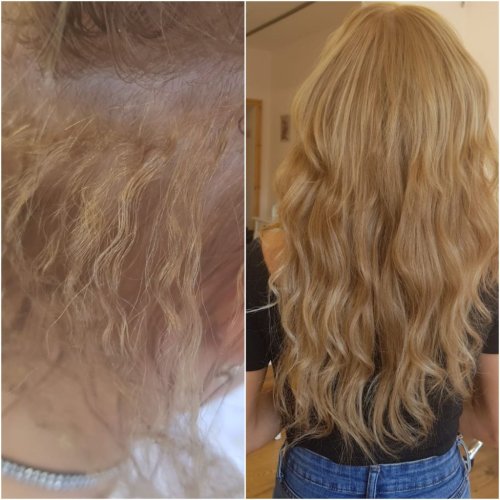
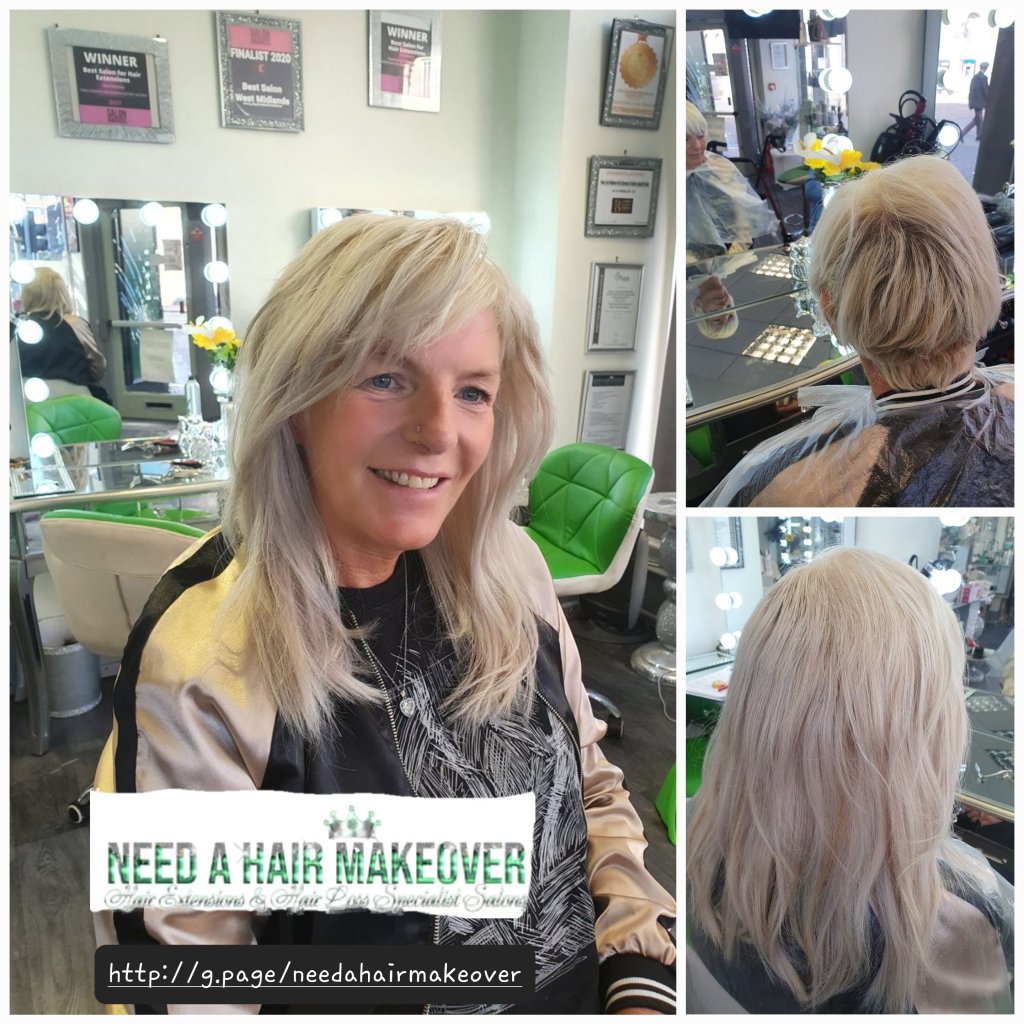
Looking for a full head of #hairextensions to help thicken, lengthen, lowlight, highlight or just fancy a change?
Unlock Your Confidence: The Power of Hair Extension in Transforming Your Look”
First time clients can benefit from our exclusive offer at our trendy dedicated Need a Hair Makeover Hair extensions and hair loss salon specialist salon. Need a Hair Makeover Specialist salon
With qualified friendly staff, Head consultant with over 30 years experience, 16 different hair extensions techniques, state of the art equipment you will leave feeling great.
We also provide colouring services, hair treatments, bespoke wigs and toppers, chemical straightening, perms, facials, lashes, makeup and nails using specialist products for sensitive skin.
We work with all hair types, gender and age
Celebrities on Red carpets and magazines have normalised hair extensions. Hair Extensions have been a trending topic among many women on YouTube. It is arguable that the main reason for the popularity of hair extensions is that one can get instant gratification. That extension adds to the thickness and fullness of hair in a shorter period of time than waiting for hair to grow.
As a woman, confidence is in constant flux, I know we all have those days that we just feel great. Our skin is glowing, our eyelashes went on just right, and our hair is lying the right way. And then we have those weeks where we just feel like our look has passed its expiration date.
This summer mermaid curls are the look that is continuing to evolve throughout 2024. In addition to all the classics, we are seeing looser curls, wavy hairstyles and curling just the tips trending.
That means lots of gorgeous texture and body with less styling time. For ladies wanting these gorgeous textured look, we have some lovely curly hair extensions hairstyles that will make you the centre of attention.
So for some women this is a no-brainer. If their tired of a hair style and sick of waiting for their hair to get to the length they want, sick of chemicals, sick of thin lack lustra hair? then with over 16 different hair extensions techniques there is bound to be one technique that can safely help achieve their hair goal in a short time
More and more women are wearing lash extensions, but how can you make your eyes pop more by using eye shadow?
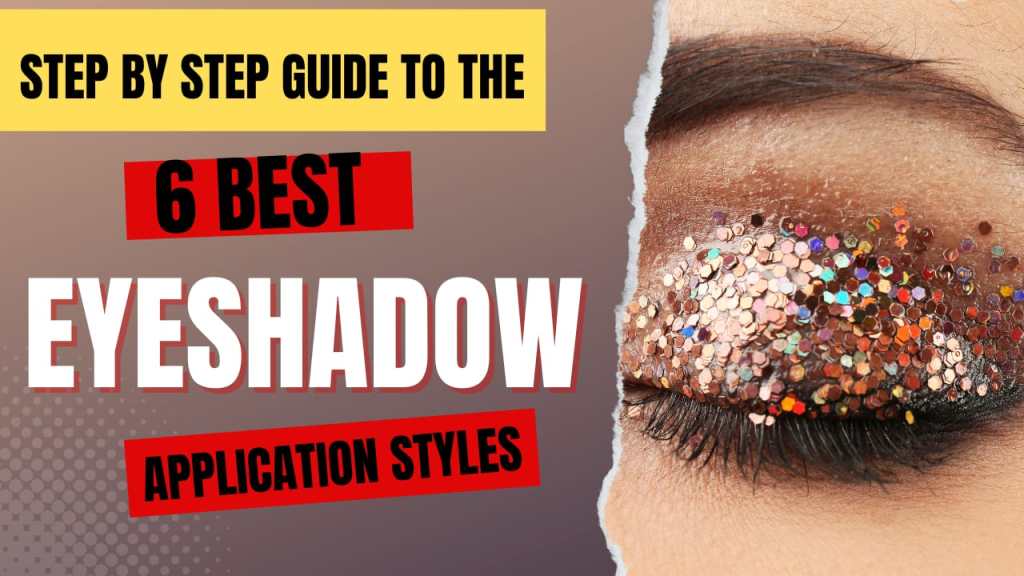
In this blog we will explore 10 different eye shadow application style and demo 6 in our video.
You don’t necessarily need to be a professional makeup artist to create eye shadow applications. With practice and some basic knowledge of colour theory and blending techniques, anyone can learn to apply eye shadow effectively.
There are plenty of tutorials, guides, and resources available online to help you improve your skills.
Here are ten different eye shadow application styles:
1. Natural/Everyday: Soft, neutral shades applied lightly for a subtle, everyday look. 2. Smokey: Dark shades blended around the eyelid and crease for a dramatic, smokey effect. 3. Cut Crease: A defined line created in the crease with a lighter shade on the lid and a darker shade above the crease. 4. Halo: Dark shades on the inner and outer corners of the eye with a lighter shade in the centre of the lid, creating a halo effect. 5. Gradient: Colours blended seamlessly from light to dark or from one colour to another, creating a gradient effect. 6. Winged or cats eyes: Eye shadow extended outward and upward, mimicking the shape of a winged eyeliner. 7. Pop of Colour: Neutral shades with a bright or bold colour applied to the inner corner, lower lash line, or centre of the lid for a pop of colour.
8. Cut-Out: Negative space created by applying eye shadow in a specific shape or pattern, leaving some areas bare. 9. Graphic: Bold, geometric shapes or lines created with eye shadow for a high-impact, artistic look. 10. Glitter/Cut Glitter: Eye shadow with glitter applied all over the lid or concentrated in specific areas or applied with a precise, cut-crease technique for added sparkle. https://youtu.be/LT74vDc9dW4?si=pvs4h4jH-PBKq62V
Business Opportunity
Are you someone who has a passion for hair? Do you like to help people look good and maintain self-confidence?
Do you love doing makeovers?
Would you be interested in using your passion to set up an exclusive hair extension and hair loss specialist salon?
Then you’ll find a massive opportunity here at Need A Hair Makeover Franchise!
For many people in Britain and throughout Europe, hair loss, thin hair, and damaged hair are major problems. You can help them to get all the help that they need for a full-on hair makeover with the simplest of solutions.
A service that is massively in demand across the United Kingdom. From Glasgow to Bristol, Liverpool to Watford London to Paris
This is a genuine business opportunity with a proven chance of success. You don’t need to be qualified in hair extensions as full training is provided. If you would like to know more about the franchise and would be interested in setting up your own specialist salon for the long-term, you can request a brochure today. Help available with raising finance.
“Elevate your makeup game with our latest tutorial series! From subtle daytime glam to bold nighttime looks, we’ve got you covered. Dive into our step-by-step guides and master 6 stunning eye shadow styles that’ll have you feeling like a pro in no time! 💫
Yes, very thick hair can sometimes contribute to headaches, especially if it’s pulled tightly or if heavy hairstyles are worn frequently. The tension on the scalp from the weight or tightness can lead to discomfort or headaches.
What can you do? Here are some additional details and tips:
1. Loose Hairstyles: Opt for hairstyles that don’t pull your hair too tightly, such as loose braids, ponytails, or buns. This reduces the tension on your scalp and minimises the risk of headaches.
2. Avoid Heavy Accessories: Avoid using heavy hair accessories like large clips, heavy hairpins, or bulky headbands, as they can add extra weight and strain to your scalp.
3. Use Soft Hair Ties: Choose soft, fabric-covered hair ties or scrunchies instead of tight elastic bands, as they are gentler on your hair and scalp.
4. Regular Scalp Massage: Massaging your scalp regularly can help relax the muscles and relieve tension. You can use your fingers or a scalp massager to gently massage your scalp in circular motions.
5. Conditioning Treatments: Deep conditioning treatments can help keep your hair soft and manageable, reducing the need for tight hairstyles to control frizz or flyaways.
6. Trimming: Regular hair trims can help reduce the weight of your hair and prevent it from pulling on your scalp.
7. Consult a Hairstylist: If you frequently experience headaches due to your thick hair, consider consulting a hairstylist who specializes in thick or heavy hair. They can recommend hairstyles and products that are suitable for your hair type and scalp health.
By following these tips and making some adjustments to your hair care routine, you can help alleviate the tension on your scalp and reduce the likelihood of headaches caused by thick hair.
What about thinning out your hair?
Thinning out thick hair can potentially help reduce the weight and tension on the scalp, which may alleviate headaches caused by the hair’s thickness. Thinning out hair involves removing some of the bulk from the hair shafts to make them lighter and more manageable. Here are some considerations regarding thinning out hair and its potential long-term impacts:
1. Reduced Tension: Thinning out thick hair can reduce the strain and tension on the scalp, which may help alleviate headaches and discomfort associated with tight or heavy hairstyles.
2. Improved Styling: Thinning out hair can make it easier to style and manage, as it reduces bulk and makes the hair more flexible.
3. Long-Term Impact: Thinning out hair is generally safe when done by a skilled hairstylist using proper techniques and tools. However, excessive thinning or improper thinning methods can potentially damage the hair follicles and lead to long-term issues such as hair breakage, thinning, or scalp irritation.
4. Regrowth: Thinning out hair does not typically result in permanent hair loss, as the hair follicles remain intact. However, if the thinning process is overly aggressive or if there is underlying damage to the hair follicles, it may affect the regrowth of new hair.
5. Maintenance: Thinning out hair may require regular maintenance to maintain the desired thickness and style. This may involve periodic touch-ups by a hairstylist to trim or thin out regrowth and maintain the desired look.
6. Consultation: Before thinning out your hair, it’s advisable to consult with a professional hairstylist who can assess your hair type, thickness, and desired outcome. They can recommend appropriate thinning techniques and ensure that the process is performed safely to minimize any potential long-term impacts on your hair.
Overall, thinning out thick hair can be a viable option for reducing tension on the scalp and improving manageability, but it’s essential to approach the process with caution and seek guidance from a qualified hairstylist to ensure the best results and minimize any potential risks.
Can Hair Extensions cause headaches
Hair extensions can sometimes cause headaches, particularly if they are installed too tightly or if they are heavy.
Here’s why:
1. Tension on the Scalp: Hair extensions that are installed too tightly can exert excessive pressure on the scalp, leading to discomfort and headaches. This tension can strain the scalp muscles and nerves, causing pain.
2. Weight of the Extensions: Hair extensions, especially those made with heavy materials or attached in large quantities, can add extra weight to your natural hair. The additional weight can pull on your scalp and contribute to headaches, particularly if worn for extended periods. Clinics if worn very long can add up to 150g-200g of hair.
3. Improper Installation: If hair extensions are not installed correctly or if the attachment method is not suitable for your hair type, it can lead to discomfort and headaches. For example, extensions that are sewn or glued too close to the scalp can cause irritation and pain.
4. Sensitivity to Materials: Some individuals may be sensitive or allergic to the materials used in hair extensions, such as metal clips, glue, or synthetic fibers. This sensitivity can manifest as scalp irritation, inflammation, and headaches.
5. Poor Quality Extensions: Low-quality hair extensions that are stiff, rough, or prone to tangling can exacerbate scalp discomfort and headaches. They may also cause pulling and tugging on the hair, leading to pain and irritation.
To prevent headaches caused by hair extensions, it’s essential to choose high-quality extensions and have them installed by a skilled and experienced professional.
Additionally, opt for installation methods that minimise tension on the scalp and avoid wearing extensions for prolonged periods without breaks. If you experience persistent headaches or discomfort with your hair extensions, consider removing them and consulting with a hairstylist or healthcare professional for advice.
If thick hair is not the cause of your headaches,
Then other potential factors to consider, such as:
1. Tension or Stress: Stress and tension are common triggers for headaches. Tightness in the neck, shoulders, and scalp muscles can lead to tension headaches
2. Poor Posture: Poor posture, especially when sitting or standing for long periods, can strain the muscles in the neck and shoulders, leading to tension headaches.
3. Dehydration: Not drinking enough water can lead to dehydration, which can trigger headaches.
4. Eye Strain: Prolonged use of electronic devices or reading in poor lighting can strain the eyes and lead to tension headaches or eye strain headaches.
5. Caffeine Withdrawal: If you regularly consume caffeine and suddenly decrease your intake, you may experience withdrawal symptoms, including headaches.
6. Sleep Issues: Poor sleep quality or not getting enough sleep can contribute to headaches.
7. Dietary Factors: Certain foods and beverages, such as alcohol, processed foods, or those containing artificial additives, can trigger headaches in some people.
8. Sinus Issues: Sinus congestion or inflammation can cause sinus headaches, which may be mistaken for tension headaches.
9. Weather Changes: Changes in weather or barometric pressure can trigger headaches in some individuals.
10. Medical Conditions: Underlying medical conditions such as migraines, sinus infections, or temporomandibular joint (TMJ) disorder can also cause headaches.
If you experience frequent or severe headaches, it’s essential to consult with a healthcare professional to determine the underlying cause and develop an appropriate treatment plan. They can help diagnose any potential medical conditions and provide guidance on managing and preventing headaches effectively.
Educational Content on Hair Extensions by Diane Shawe:
Hair extensions are a fantastic way to achieve length, volume, and versatility in your hairstyle, but they require proper installation, care and maintenance to ensure optimal results. Here are some key points to consider:
– Mistakes:
1. Improper Installation: One of the most common mistakes is having extensions improperly installed, leading to discomfort, damage to natural hair, and a less-than-desirable appearance.
2. Neglecting Maintenance: Failing to follow proper maintenance routines, such as regular brushing, washing with sulfate-free shampoo, and avoiding excessive heat styling, can lead to tangling, matting, and premature shedding of the extensions.
3. Choosing the Wrong Type of Extensions: Selecting extensions that are not suitable for your hair type or lifestyle can result in discomfort, poor blending with natural hair, and difficulty styling.
– Fears:
1. Damaging Natural Hair: Many individuals fear that hair extensions will damage their natural hair, either through excessive tension during installation, adhesive damage, or improper removal techniques.
2. Discomfort: Some people worry that hair extensions will be uncomfortable to wear, especially if they are heavy or if the installation method causes scalp irritation.
3. Visible Extensions: Another common fear is that the extensions will be noticeable or look unnatural, leading to self-consciousness and a lack of confidence in one’s appearance.
– Desires and Results:
1. Length and Volume Enhancement: The primary desire when getting hair extensions is usually to achieve longer or fuller hair, enhancing overall appearance and confidence.
2. Seamless Blending: Clients want extensions that seamlessly blend with their natural hair, creating a cohesive and natural-looking hairstyle.
3. Effortless Styling: Ultimately, clients want hair extensions that allow for effortless styling, whether it’s curling, straightening, or simply wearing their hair in various styles without worrying about the extensions showing.
– Frustrating Symptoms:
1. Tangling: Tangled extensions can be frustrating to deal with, causing discomfort and making it challenging to maintain the desired hairstyle.
2. Shedding: Experiencing shedding or hair loss with extensions can be alarming and frustrating, as it diminishes the volume and fullness of the hair.
3. Discomfort: Discomfort from wearing extensions, such as tightness, itching, or soreness, can detract from the overall enjoyment of having hair extensions and may even deter individuals from wearing them altogether.
By addressing these common concerns and providing education on proper installation, maintenance, and care techniques, individuals can enjoy the benefits of hair extensions while minimising potential drawbacks. It’s essential to consult with a professional stylist who specializes in hair extensions to ensure a positive experience and long-lasting results.
Braiding hair is an ancient practice that dates back thousands of years, with evidence of its existence in various cultures worldwide. The exact origins are challenging to pinpoint, but braids have been found in archaeological artifacts from ancient civilizations.
Braiding has stood the test of time due to its practicality, versatility, and cultural significance. It can serve functional purposes like keeping hair neat and organized, as well as aesthetic and cultural reasons. Different societies and periods have embraced braiding for its beauty and as a form of self-expression.
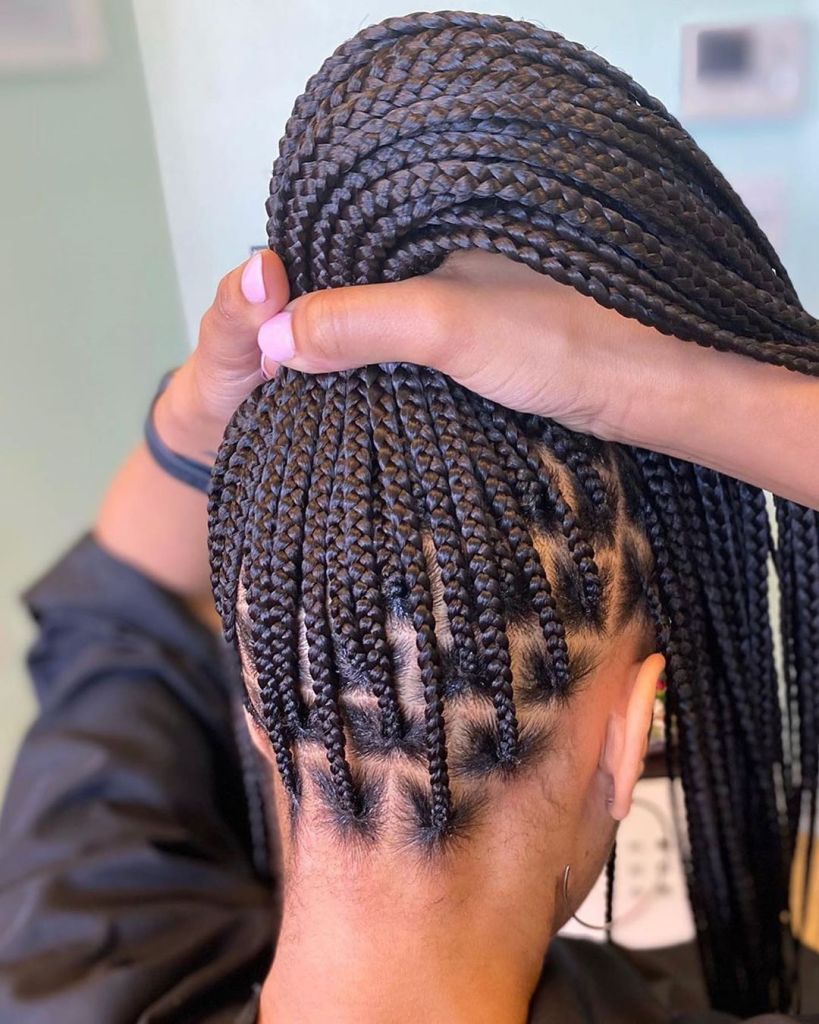
Today, it remains popular for its ability to create diverse hairstyles and reflect cultural identity Box braids: These are the most common type of braids. They are created by dividing the hair into square sections and then braiding each section. Box braids can be done with natural hair or with extensions.
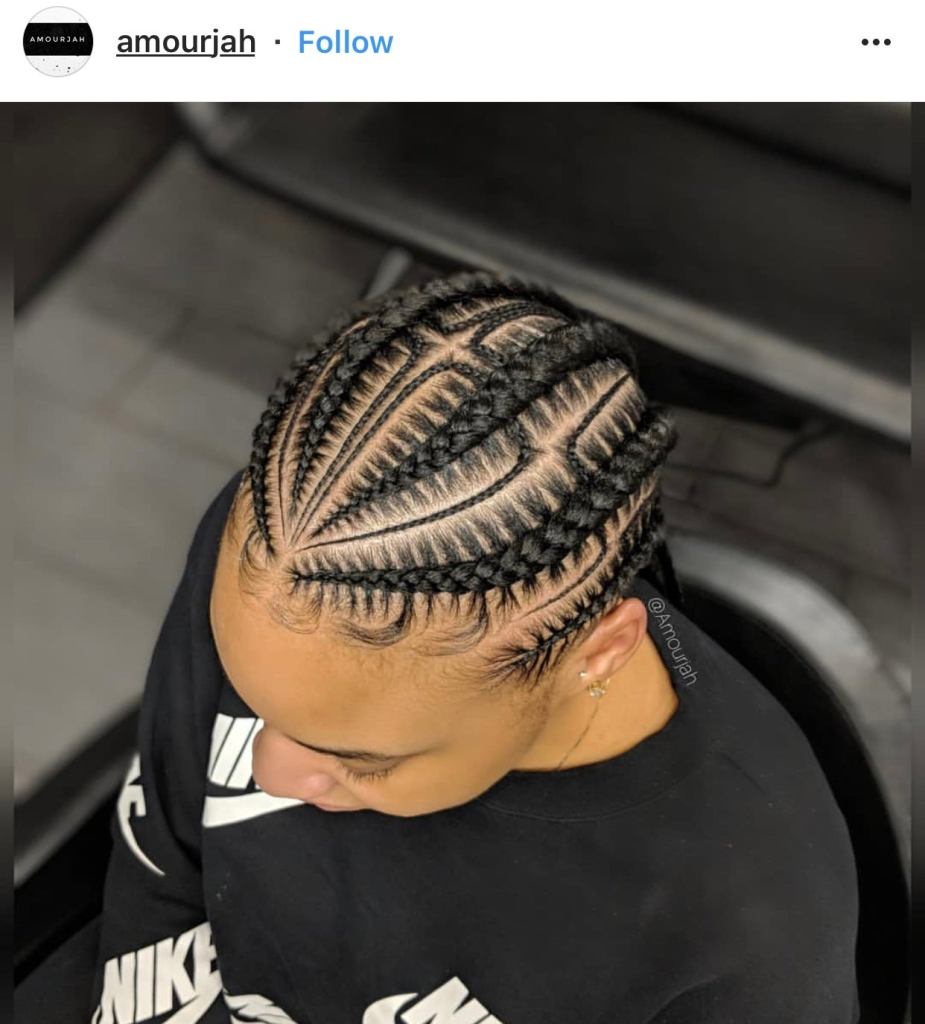
Cornrow braids
Cornrows: Cornrows are a type of braid that is created by braiding the hair in three sections. They can be done on natural hair or with extensions. Cornrows are a popular protective style for black hair Cornrows are Narrow, tight braids close to the scalp, often created in straight lines or intricate plaits.
Twist braids
Twists: Twists are a type of braid that is created by twisting the hair into two or three sections. They can be done on natural hair or with extensions. Twist Braid also known as (Rope Braid) Two or three strands of hair twisted around each other to form a rope-like braid. Twists are a popular protective style for black hair.
Three-Strand Braid (Regular plaiting): The most basic form, created by crossing three strands of hair over one another.
Plait braids
French Braid: A style where the hair is gradually incorporated into the braid as it progresses, typically along the centre of the scalp.
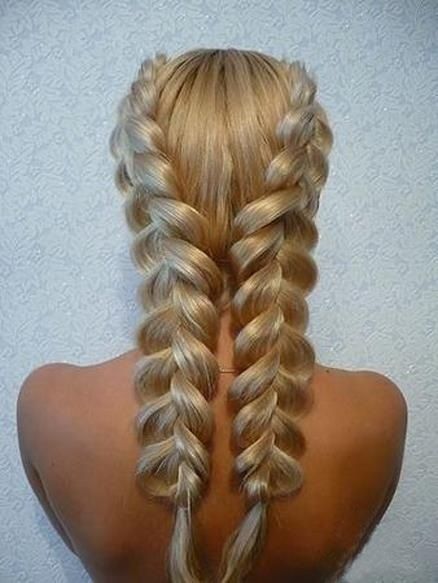
Dutch Braid (Inverted French Braid): Similar to a French braid but with the strands crossed under rather than over, creating a raised, 3D effect.
Fishtail braids
Fishtail Braid: A two-strand braid where small sections of hair are crossed over each other to create a textured, fishtail-like appearance.
Knotless braids
Box Braids: Long, small, and square-shaped braids plaits that are often used to create long styles that can be worn up or down. Can be done as micro or jumbo plaits.
Braids with beads
Feed-in braids: These braids are similar to box braids, but the hair is not divided into square sections. Instead, the hair is braided strand by strand, and the extensions are fed into the braid as it is being created. Feed-in braids are often considered to be less damaging to the hair than box braids
Feed in braids
Knotless braids: Knotless braids are a newer type of braid that is becoming increasingly popular. They are created by braiding the hair without using knots. This means that there is less tension on the hair, which can help to prevent breakage
Waterfall Braid: A braid where sections of hair are dropped to create a cascading effect, resembling a waterfall.
Waterfall braids
Herringbone Braid (Fishbone Braid): A braid that consists of two strands, with small sections of hair crossed over to create a herringbone pattern.
Herringbone braids
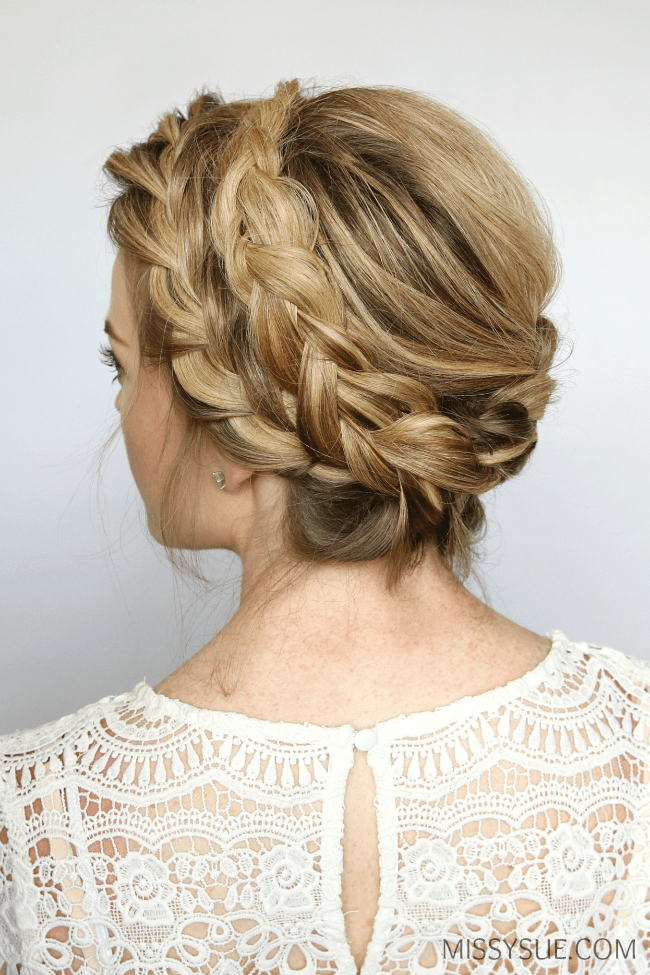
Milkmaid Braid: Two braids wrapped around the head like a crown, creating a regal and elegant look.
Milkmaid braids
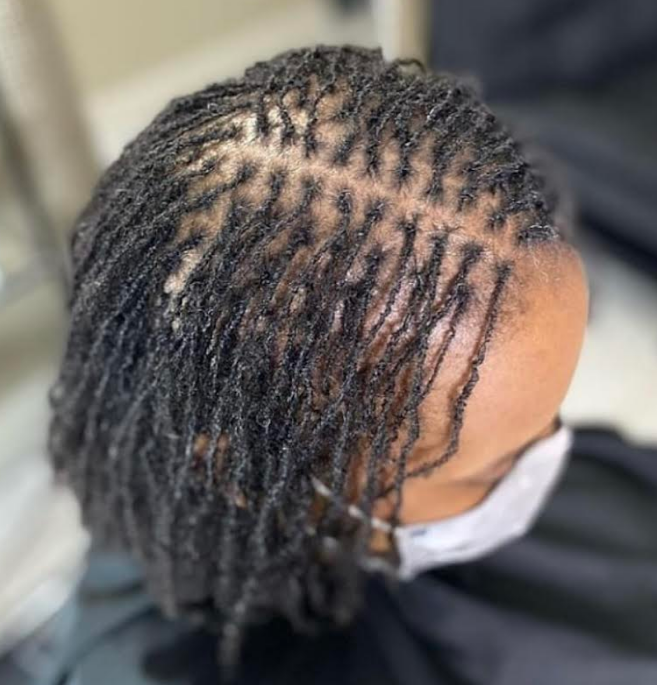
Micro interlocking braids
Using the interlocking method to start microlocs is great for fine textured hair or for those that desire the smallest version of microlocs
Versatility: The small size of microlocs often creates hundreds of locs, which means that the styling possibilities are almost endless.
Neatness: Microlocs maintained with interlocking will stay neater for extended periods of time, compared to retwisting, because the sections are smaller, which means less frizz at the roots.
Fullness: Microlocs generally result in at least 150-300 locs, depending on the size of your head and which size of microlocs you chose, therefore they will instantly create fullness and volume.
Micro interlocking braids
Crochet
You’ve probably heard of crochet braids, but how much do you really know about them? First things first, crochet braiding isn’t actually a ‘braiding‘ in the traditional sense, which is where some of the confusion around this style stems from.
Crochet braiding
Instead, it’s a process through which loose hair extensions are woven into cornrows using a crochet hook, giving the illusion of longer locks. The results are so natural looking that people won’t even suspect that you didn’t grow them yourself!
Other major advantages of crochet braid styles are that they take significantly less time to install compared to box braids (bonus!), and causes less strain on your scalp than sewn-in weaves, since the hair is looped onto existing braids. So, feeling inspired to take plunge? Then check out our favourite looks from Instagram, below!
These are just a few examples, and the world of braiding offers a wide array of styles, often influenced by cultural traditions and personal preferences.
Pros and cons of different braiding techniques
The pros and cons of different braiding techniques vary depending on the technique, but some general pros and cons include:
Pros:
• Braids can protect the hair from heat, humidity, and other environmental factors.
• Braids can help to stretch the hair, which can improve its texture.
• Braids can be styled in a variety of ways, which can give you a lot of versatility:
• Braids can be time-consuming to install and remove.
• Braids can be heavy, which can cause discomfort.
• If braids are done too tightly, they can cause hair breakage.
Which braiding technique is right for you?
The best braiding technique for you will depend on your individual hair type, preferences, and lifestyle. If you have delicate hair, you may want to choose a technique that is less damaging, such as knotless braids or twists. If you are looking for a style that is versatile and easy to maintain, box braids or cornrows may be a good option for you. Ultimately, the best way to decide which braiding technique is right for you is to talk to a hair stylist who can assess your hair and help you choose the best style for your needs.
Some photos have been accredited to the artist as stamped on the image. We take no responsibility if these have been plagiarised by the name of the artist listed on them
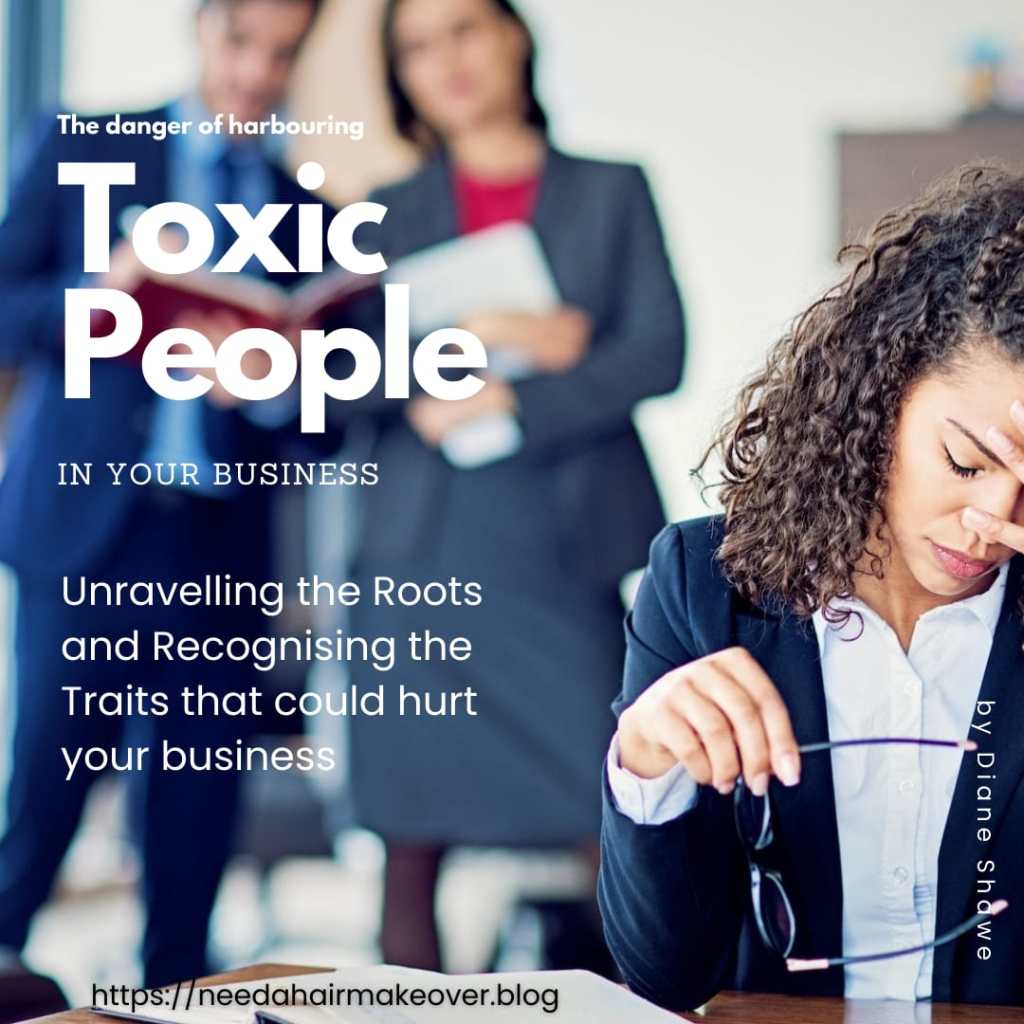
In our journey through life, we encounter a wide array of people, each with their unique qualities and characteristics. Among them, we sometimes cross paths with individuals who exude negativity, manipulation, and emotional turbulence – the so-called ‘toxic’ people. But what makes someone toxic, and how can we recognise the tell-tales traits that define their behaviour?
In this blog, we delve into the complex origins of toxicity, shedding light on the reasons some people become toxic, and providing valuable insights on identifying these traits.
Join us on this exploration of human behaviour, as we seek to better understand and navigate our encounters with toxic individuals.”
Toxicity in individuals often has complex origins that can be influenced by several factors. While it may not be a universal pattern, understanding the potential reasons why some people become toxic is crucial for grasping the complexity of their behaviour.
As for the age at which toxicity might start, it can vary widely. Some toxic traits may emerge in childhood or adolescence, while others might become prominent in adulthood due to life experiences and environmental factors. It is important to note that not everyone exposed to challenging circumstances becomes toxic; individual responses and resilience play a significant role.
Here, we will explore the origins of toxicity and why it may manifest in certain individuals:
1. Early Life Experiences: Toxic behaviour can sometimes trace its roots back to early childhood experiences. Individuals who grew up in environments characterised by neglect, abuse, or a lack of emotional support may develop maladaptive coping mechanisms, leading to toxic behaviours in later life.
2. Learned Behaviour: Toxicity can be learned. If a person has been exposed to toxic behaviour in their family or social circle, they may adopt similar patterns of interaction and communication. It is a case of perpetuating negative dynamics through social learning.
3. Psychological Factors: Certain personality traits or psychological conditions, such as narcissism or borderline personality disorder, can contribute to toxic behaviour. These individuals may struggle with empathy, self-regulation, and forming healthy relationships.
4. Insecurity and Low Self-Esteem: Some toxic individuals may suffer from deep-seated insecurities and low self-esteem. Their toxic behaviour could be a defence mechanism to protect themselves from perceived threats, often manifested as arrogance or manipulation.
5. Failed Coping Strategies: Toxic behaviours can be a result of failed coping strategies. Individuals who have faced adversity, trauma, or stressful situations might develop maladaptive coping mechanisms, such as manipulation or blaming others.
6. Environmental Factors: Toxicity can also be a response to a toxic environment. When someone constantly faces hostility, stress, or unhealthy dynamics, they may become toxic as a means of self-preservation or retaliation.
Recognising these potential origins of toxicity can offer insight into why some people exhibit toxic behaviour. It can also remind us that while we should approach toxic individuals with caution, understanding and empathy can be the first step toward helping them address the root causes of their behaviour and potentially change for the better.
Here are thirteen examples of toxity traits:
1. Gaslighting: They manipulate you into questioning your own reality and memory.
2. Selective Empathy: They only show empathy towards those who benefit them and disregard the suffering of others.
3. Constant Criticism: They criticise you and others relentlessly, causing self-esteem issues.
4. Manipulative Behaviour: They use manipulation tactics like lying, playing mind games, or emotional extortion.
5. Victim Mentality: They consistently portray themselves as victims in every situation, avoiding responsibility.
6. Intrusive: They invade your privacy and personal space without permission.
7. Insensitive to Feelings: They disregard your feelings and concerns, often dismissing them as unimportant.
8. Draining Energy: They bring negativity and drama into your life, leaving you emotionally drained.
9. Silent Treatment: They use the silent treatment to control or punish you.
10. Deflecting Blame: They shift blame onto others and refuse to acknowledge their mistakes.
11. Competitive Nature: They constantly compare themselves to you and try to outdo your achievements.
12. Passive-Aggressiveness: They make sarcastic or hurtful comments disguised as jokes.
13. Lack of Apology: They never admit when they are wrong and refuse to say sorry even when it is warranted.
These additional examples help further illustrate the signs of a toxic person to watch out for.
Dealing with toxic people in these situations can be challenging, but here is how you can navigate them:
1. Gaslighting: Trust your instincts, maintain a journal to record events, and seek support from trusted friends or a therapist who can validate your feelings and experiences.
2. Selective Empathy: Recognise their limitations and do not expect empathy from them. Seek empathy and support from other sources, such as friends, family, or support groups.
3. Constant Criticism: Build self-esteem by acknowledging your strengths and seeking positive feedback from people who appreciate you. Set boundaries and limit your exposure to constant criticism.
4. Manipulative Behaviour: Stay aware of manipulation tactics and confront them calmly. Refuse to engage in manipulative conversations and maintain your boundaries.
5. Victim Mentality: Avoid enabling their behaviour by not rescuing them from consequences. Encourage personal responsibility but be prepared for resistance.
6. Intrusive: Politely but firmly set clear boundaries, communicate your need for personal space, and enforce these boundaries if they are violated.
7. Insensitive to Feelings: Express your feelings assertively and calmly. If they remain dismissive, consider limiting your emotional investment in the relationship.
8. Draining Energy: Prioritise self-care and be mindful of how much time and energy you invest in the relationship. Seek out positive and supportive connections to counterbalance the negativity.
9. Silent Treatment: Maintain open communication, express your concerns about the silent treatment, and let them know it is not an acceptable form of communication for you.
10. Deflecting Blame: Hold them accountable for their actions by calmly addressing the issue, providing evidence if necessary, and not accepting unwarranted blame.
11. Competitive Nature: Refocus on your own goals and accomplishments and avoid participating in their competitiveness. Encourage cooperation instead of competition.
12. Passive-Aggressiveness: Address passive-aggressive comments directly by asking for clarification or calmly expressing your feelings. Encourage open and honest communication.
13. Lack of Apology: Recognise that you may not receive apologies from them. Focus on your own healing and growth and consider setting boundaries to protect yourself from further harm.
Remember, in some cases, it may be necessary to distance yourself or even cut ties with a toxic person for your own well-being. Seek support from a therapist or counselor to help you navigate these challenging situations.
How a toxic person can hurt your business.
Having a toxic person as a partner or employee in your business can have several significant implications, including:
1. Negative Workplace Culture: Toxic individuals can create a toxic work environment, which can lead to decreased morale and job satisfaction among other employees. This can result in higher turnover and lower productivity.
2. Conflict and Disruption: Toxic individuals often create conflict within the workplace. They may engage in power struggles, undermine colleagues, or resist collaboration, leading to disruption and tension among the team.
3. Decreased Productivity: Toxic employees or partners can be a drain on productivity. They may engage in behaviours like procrastination, gossip, or sabotage, which can hinder progress and innovation.
4. Damage to Reputation: If the toxic person’s behaviour becomes known to clients, customers, or partners, it can damage the reputation of your business. Negative interactions with clients can result in lost business opportunities.
5. Legal and HR Issues: Toxic behaviour can sometimes lead to legal and human resources issues. This may include harassment claims, discrimination complaints, or hostile work environment lawsuits, which can be costly and time-consuming to address.
6. Reduced Creativity and Innovation: Toxicity stifles creativity and innovation. Employees may hesitate to share ideas, and the fear of criticism can hinder problem-solving and progress.
7. Stifled Growth and Expansion: The presence of a toxic person can hinder your business’s growth and expansion. It may deter potential investors, partners, or clients from engaging with your business.
8. Leadership Challenges: If the toxic individual holds a leadership position, they can negatively influence the entire team, making it difficult for you to lead effectively and implement your vision for the business.
9. Health and Well-Being Impact: Toxicity in the workplace can take a toll on the mental and physical health of employees. This, in turn, can lead to increased absenteeism and health-related issues, affecting the overall well-being of the team.
10. Diversion of Focus: Dealing with a toxic partner or employee can divert your focus and energy away from growing and improving your business. You may find yourself spending an inordinate amount of time managing conflicts and addressing issues.
In summary, having a toxic person as a partner or employee can have far-reaching implications for your business, affecting its culture, productivity, reputation, and overall success. It is essential to address toxic behaviour promptly, either through intervention, coaching, or, if necessary, parting ways with the toxic individual to preserve the health and well-being of your business.
To prevent employing toxic individuals in your business, you can implement a thorough vetting procedure during the hiring process. Here are some key steps and strategies:
1. Clear Job Descriptions and Requirements: Start by creating detailed job descriptions and requirements that clearly outline the skills, qualifications, and personality traits you are looking for. This will help attract candidates who are a better fit for your organisation.
2. Behavioural Interviews: Conduct behavioural interviews where you ask candidates about past experiences and how they handled specific situations. This can reveal their behaviour patterns and interpersonal skills.
3. Reference Checks: Contact the candidate’s previous employers and colleagues for references. Ask questions about their behaviour, teamwork, and communication skills. Be sure to verify the accuracy of the information provided by the candidate.
4. Assessment Tools: Use personality or behavioural assessment tools to evaluate candidates’ traits and tendencies. These assessments can help identify potential red flags and compatibility with your organisation’s culture.
5. Cultural Fit Assessment: Assess whether the candidate aligns with your company’s values and culture. Ask questions related to your company’s mission and vision to gauge their alignment.
6. Multiple Interviews: Conduct multiple rounds of interviews with different team members to gain a more comprehensive view of the candidate’s behaviour and personality. Different interviewers may notice different cues.
7. Trial Periods: Consider implementing a probationary or trial period for certain roles. During this time, closely monitor the candidate’s behaviour and interactions with colleagues to assess their compatibility with your team.
8. Behavioural and Ethical Questions: Include specific behavioural and ethical questions in your interviews. For example, you can ask how they manage conflicts, criticism, and stress, or inquire about their ethical decision-making.
9. Background Checks: Perform background checks to uncover any potential legal issues or inconsistencies in the candidate’s history. This can help you identify any undisclosed problems.
10. Peer Interviews: Have potential team members or colleagues conduct interviews to assess how the candidate interacts with future coworkers.
11. Consistency Across Interviews: Ensure that the information candidates provide in various interviews remains consistent. Inconsistencies could be a red flag.
12. Trust Your Gut: Trust your instincts. If something does not feel right about a candidate, investigate further, or consider other options.
13. Training and Awareness: Train your HR and hiring teams to recognise potential signs of toxic behaviour during interviews. Awareness can be a powerful tool in preventing toxic hires.
By implementing these vetting procedures, you can significantly reduce the likelihood of hiring toxic individuals and increase the chances of bringing in candidates who are a better fit for your organisation’s culture and values.
Two widely recognised and reputable personality and behavioural assessment tools that small businesses can use to evaluate candidates are:
1. DISC Assessment: The DISC assessment evaluates candidates based on four primary personality traits: Dominance, Influence, Steadiness, and Conscientiousness. It provides insights into how individuals tend to communicate, make decisions, and work in a team. It is a user-friendly tool that can help you understand how well a candidate’s personality aligns with the requirements of a specific role.
2. Myers-Briggs Type Indicator (MBTI): MBTI is a well-established personality assessment tool that categorises individuals into one of sixteen personality types based on preferences related to extraversion/introversion, sensing/intuition, thinking/feeling, and judging/perceiving. It can provide valuable insights into a candidate’s natural inclinations and work style.
When using these assessment tools, it is essential to have a trained facilitator or consultant interpret the results, as this can help ensure a more accurate understanding of how a candidate’s personality traits may fit within your organisation’s culture and job requirements.
Some of the key reasons people are gravitating towards the franchise business model is because
A. Proven Success: Franchises often come with a track record of success. The business model has been tested and refined, reducing some of the inherent risks associated with starting a new business from scratch.
B. Brand Recognition: Franchisees benefit from the established brand and reputation of the franchisor, which can lead to a more rapid customer acquisition and trust-building process.
C. Training and Support: Franchisors typically provide comprehensive training and ongoing support to franchisees. This can include assistance with site selection, marketing, operations, and more, making it easier for individuals with little prior business experience to succeed.
But if the business itself is just rolling out it’s franchise model here are six reasons why a franchise discovery day is important when considering investing in a franchise like “Need a Hair Makeover,” an award-winning hair extensions and hair loss specialist salon:
1. In-Person Interaction: Discovery days allow you to meet the franchisor and their team face-to-face. This personal connection is crucial to assess the franchisor’s culture, values, and support.
2. Understanding the Business Model: You’ll gain a deep understanding of how the franchise operates, including the products and services offered, customer base, and revenue potential.
3. Assessing the Location: Visiting a franchise location in person can help you evaluate its suitability and potential for success, considering factors like foot traffic and competition.
4. Meeting Current Franchisees: Interacting with existing franchisees can provide insights into the day-to-day challenges and benefits of running the business. You can ask questions and get a firsthand perspective.
5. Evaluating Training and Support: Discovery days often include discussions about training programs and ongoing support. This helps you determine if the franchisor provides the resources you need for success.
6. Legal and Financial Clarity: You’ll have the opportunity to review the franchise agreement and financial disclosures, ensuring transparency and helping you make an informed investment decision.
Remember, a franchise discovery day is a crucial step in your due diligence process before committing to a franchise investment. It allows you to gather valuable information and assess whether the opportunity aligns with your goals and expectations.
It is also worth looking at why Hair and beauty franchises can be more successful than going it alone:
1. High Demand:** There is a consistent and often growing demand for hair and beauty services. People value looking and feeling their best, making these services a necessity for many.
2. Repeat Business: Hair and beauty services often require regular appointments, creating a loyal customer base that returns for ongoing treatments, such as haircuts, styling, manicures, and facials.
3. Brand Recognition: Established hair and beauty franchises often have recognizable and trusted brands. Customers are more likely to choose a well-known franchise over an unknown salon.
4. Training and Support: Many hair and beauty franchises provide comprehensive training and ongoing support to franchisees. This helps ensure consistent service quality and business operations.
5. Proven Systems: Franchises typically come with established business systems and processes, reducing the learning curve for new franchisees and increasing the chances of success.
6. Marketing and Advertising: Franchisors often invest in marketing and advertising campaigns that benefit all franchisees, helping attract customers to individual salon locations.
7. Economies of Scale:** Franchise networks can benefit from bulk purchasing, reducing the cost of supplies and equipment. This can improve profitability for franchisees.
N
8. Community and Networking: Franchise networks offer opportunities for franchisees to connect, share experiences, and learn from one another, creating a supportive community.
9. Specialisation: Some hair and beauty franchises focus on specific niches, such as hair extensions or skin care. Specialisation can attract a dedicated customer base and reduce competition.
10. Flexible Business Models: Hair and beauty franchises may offer various business models, including full-service salons, express salons, or mobile services, allowing franchisees to choose the one that suits their market.
11. Diversification: Some hair and beauty franchises offer a range of services, allowing franchisees to diversify their revenue streams and appeal to a broader customer base.
12. Trends and Innovation: Successful franchises often adapt to evolving trends and incorporate new technologies and techniques into their services, keeping them competitive in the market.
While these factors can contribute to the success of hair and beauty franchises, it’s important to note that individual success depends on various factors, including location, management, customer service, and marketing efforts. Thorough due diligence and careful consideration are essential when considering investing in any franchise.
Zinc: Your Hair’s Best Friend for Growth and Vitality
While zinc might not always receive as much attention as some other supplements, it can indeed be considered a “super supplement” due to its essential role in maintaining overall health. Its involvement in numerous enzymatic reactions, immune system support, cell growth, and hormone regulation highlights its significance.
Zinc’s impact on various bodily functions makes it a valuable nutrient to ensure optimal well-being. However, it’s important to note that no single supplement can replace a balanced and nutritious diet. Zinc should ideally be obtained through a variety of foods, including meat, seafood, dairy, nuts, seeds, and whole grains.
In recent years, certain supplements and nutrients have gained more prominence in the wellness and health industries, but this doesn’t diminish the importance of zinc. Like many essential nutrients, it’s an integral part of the puzzle when it comes to maintaining good health.
Always remember that when considering any supplement, it’s best to consult a healthcare professional to ensure that your individual needs are met safely and effectively. Zinc plays a crucial role in regulating more than 300 enzymes in the human body. Because Zinc cannot be stored in the body it needs to be ingested daily either through diet or taking supplements
Understanding Zinc’s Role in Hair
Zinc is an essential mineral that plays a vital role in various biological processes within the human body. Its involvement in regulating over 300 enzymes is crucial for a wide range of functions, such as DNA synthesis, immune system function, protein synthesis, and cell division. These enzymes are involved in catalyzing chemical reactions that are necessary for the proper functioning of cells and tissues.
One reason zinc is essential to obtain through daily intake is that the body has no specialised mechanism for storing it. Unlike some other minerals, zinc isn’t stored in large quantities in the body for future use. This means that a consistent intake of zinc through diet or supplementation is necessary to maintain optimal bodily functions.
Regarding hair growth, zinc contributes to this process in several ways:
Cell Division and Protein Synthesis: Zinc is involved in the division and growth of cells, including hair follicle cells. It aids in the synthesis of proteins, which are the building blocks of hair.
Hormone Regulation: Zinc is necessary for the proper functioning of various hormones, including those related to hair growth. Hormones like testosterone and its derivatives can impact hair health. Zinc helps regulate these hormones, promoting healthy hair growth.
Antioxidant Defense: Zinc acts as an antioxidant, helping to protect cells, including hair follicles, from oxidative stress. This is important because oxidative stress can damage hair follicles and lead to hair thinning or loss.
Keratin Production: Keratin is the primary protein that makes up hair strands. Zinc plays a role in the production of keratin, contributing to strong and healthy hair.
Immune System Support: A well-functioning immune system is essential for maintaining healthy hair follicles. Zinc supports the immune system, which indirectly benefits hair growth by creating a conducive environment for hair follicles to thrive.
While zinc is important for hair growth, it’s important to note that excessive intake can also have adverse effects. Finding the right balance is crucial, as both a deficiency and an excess of zinc can lead to hair problems. It’s recommended to obtain zinc from a balanced diet that includes foods like meat, seafood, nuts, seeds, and whole grains or a carefully compiled supplement. If someone suspects a zinc deficiency, consulting a healthcare professional before starting any supplementation is advisable.
Many clients always ask my advice about treatments for dark spots, acne scars, pigmentation, and a host of other facial skin challenges they face after being ill on medication or chemo. Now I am not a doctor, but the internet can help present us with many options once you post the question.
When you start to look into the world of creams, serums, oils, and face masks, every producer claims their product is the best. However, I decided to explore modern techniques, which included technology, and was just amazed at how far we have come from ancient clays to frequencies. I was looking for a non evasive treatment with 90% positive reviews.
So how soon you should start fighting to age is completely your choice. Experts say that some start opting for various anti-ageing or skin rejuvenation treatments right from their 20s. This is simply because they not only want to halt ageing, but also wish to save their skin from discolouration, dullness and other kinds of irregularities.
These days, extremely sophisticated and high-end skin rejuvenation techniques are being experimented with not only in the West but also around the world. The best part about these techniques is, most of these do not require you to go under the knife; insofar as non-invasive or minimally invasive therapies are concerned, you’d indeed be spoilt for choice.
When should you start looking?
How one reacts to ageing, of course, depends on the individual. One can be following a basic skin care routine that involves cleaning, toning, moisturizing and applying sunblocks and yet would like to achieve a more glowing and poreless complexion. Some can get early signs of ageing right from their 30s – fine lines and wrinkles may arrive unannounced. On top of these, there can be dark spots, pigmentation and sagging skin. In that case, one can also wish to opt for non-invasive skin rejuvenation techniques to stop premature ageing.
Therefore, in such cases, which therapies should be the ideal starting point? Says Diane Shawe, founder of Need a Hair Makeover Hair Extensions and Hairloss specialist salon franchise.
This is where my research took me and my findings and why I chose one particular treatment to offer at our salon
Dermabrasion: Basically, dermabrasion removes the uppermost skin layers using a special instrument. This should be performed by a trained cosmetologist. This procedure helps in reducing deep acne scars, brown spots and sun damage. If carried out properly, this particular skin rejuvenation treatment can ensure beautiful and smoother skin.
Microdermabrasion: This non-chemical and non-invasive procedure is effective in exfoliating or removing dead layers. microdermabrasion uses a spray of micro-crystals to remove the outermost layer of dry, dead skin cells in order to ensure a younger, healthier-looking skin.
However, nowadays, we can combine the brightening or anti-ageing serums with microdermabrasion to give better and long-lasting results.
Meso Glow or Meso Therapy: This procedure uses brightening agents such as glutathione, tranexamic acid, hydrating agents, vitamins and minerals and micropuncture techniques. Combined with other treatments, it can definitely help in getting back skin radiance. Generally, a micropuncture technique (using wires and needles) is used. It is one of the most popular treatments with aestheticians. It is safe when executed by a person who’s thoroughly trained in mesotherapy. It cannot be used for the treatment of a pigmentation disorder or anti-ageing alone; when combined with other treatments, it can definitely get you back your skin’s youthfulness.
Carbon Peeling: This is also quite a popular option. The name, apparently, comes from the fact that this procedure involves the application of a thin layer of carbon powder on the face which is subsequently heated up by means of the Quasi-long action of laser HELIOS II and then removed by the Q-switched action of the same laser device, according to specialist therapist, a final pass, after the carbon has been removed, will produce an immediate effect on the skin by exfoliating epidermal layers, improving skin tone, removing large pores and reducing wrinkles.
Platelet Rich Plasma Therapy (PRP): After consulting experts, you can opt for a platelet-rich plasma treatment. The basic principle is this – since our blood is rich in growth and healing factors, these can be used to treat fine lines and wrinkles on our face.
It’s a one-time treatment which can knock a few years off the face and give one a super youthful appearance. Micropuncture techniques are used after numbing the face for 30-40 minutes. To ensure a complete and long term improvement, this procedure can be combined with lasers or micro-needling radio frequency so that the collagen gets remodelled and new collagen is also formed thereby giving a firmer and tighter feel to the skin.
Photorejuvenation: Uses lasers, intense pulsed light or photodynamic therapy to treat skin conditions and remove effects of photoaging such as wrinkles and spots. It also helps in doing away with wrinkles, spots and textures. Fractional lasers like erbium YAG / Co2 fractional can be used to re-surface the skin and lighten acne scars, age spots, photoaging and superficial fine lines and wrinkles.
Achieving flawless, radiant skin has always been a challenge. Dark spots, acne scars, uneven skin tone – these are all common frustrations we face.
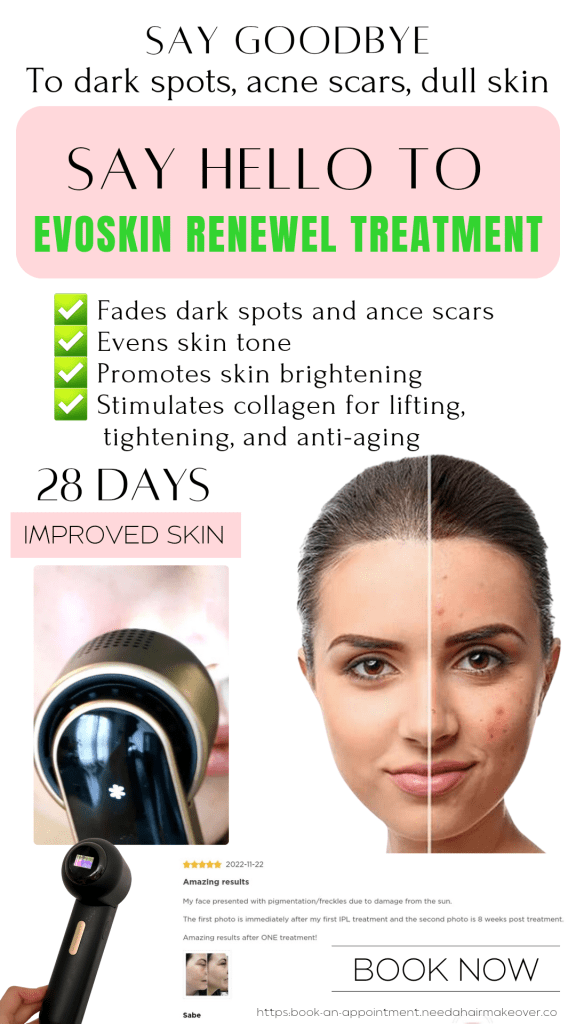
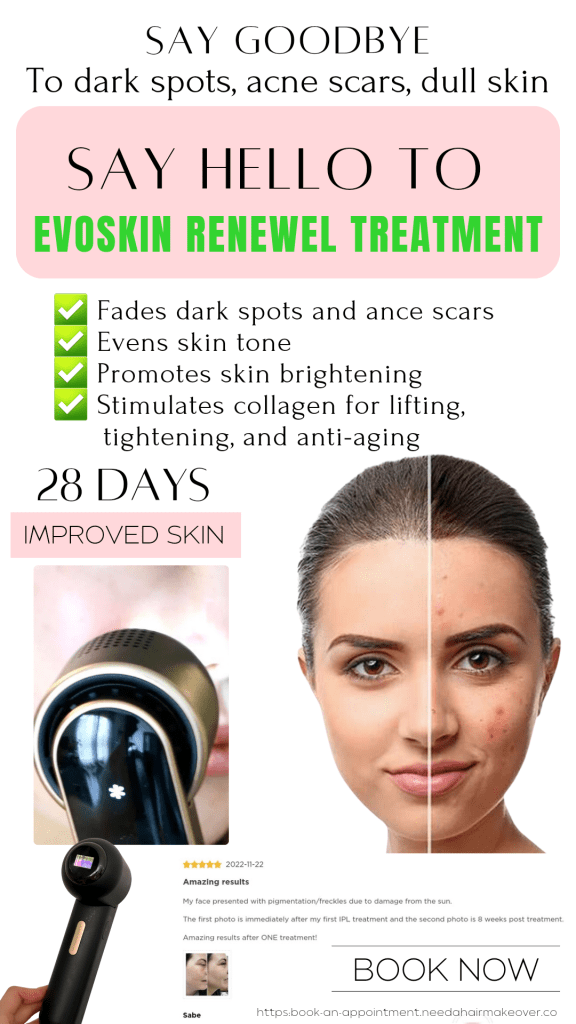
But what if there was a revolutionary beauty breakthrough that could transform your skin in just 28 days? Say goodbye to dark spots and hello to radiant, age-defying skin.
Introducing EvoSkin Renewal Treatment using the JOVS Blacken smart device available at Need a Hair Makeover Specialist Salon. With just 9 treatments, this innovative device deminish dark spots, acne scars, evens skin tone, and promotes skin brightening. Not only that, it also stimulates collagen for skin lifting, tightening, and anti-aging effects. Experience unparalleled results and a 28-day skin transformation for just £180 with EvoSkin Renewal Treatment
Oxy Facial: It’s non-invasive, relaxing and painless skincare. A Jet Facial or an Oxy Facial reaches the inner layers of the skin for instant and superior results. “It cleanses with oxygen and saline, exfoliates, boosts lymphatic drainage and provides extraction benefits. Thoroughly and deeply cleansed, the skin is prepped into an optimal condition to receive further benefits from skincare.
What’s more, such treatments are short, ranging from 15 to 45 minutes, and they can leave the skin soft and glowing. “With no irritation or redness to the skin, you will be able to return to your daily activities immediately after the treatment.
DNA Skin Treatment: Many salons and clinics are innovating as well. This represents the next frontier in skincare wherein relevant information from an individual’s genetic profile is analysed to personalise a skincare regime, beauty therapies as well as a recommended diet plan, to achieve healthy, rejuvenated skin.
Ultherapy: It’s described as a HIFU (high intensity focused ultrasound) treatment. An outpatient procedure, this non-surgical procedure kickstarts dead collagen. Experts say that it’s pretty effective in turning back the clock – in other words, the non-invasive micro-lift can make your skin look several years younger. Experts say that ultrasound energy can enter deeper into the skin (than light) and consequently, the rejuvenation process is accelerated. Try it if you have sagging skin around your eyes and your chin.
Mini Hydra Boost Facial: Since most of you could be having extremely hectic schedules, you can try out express facials. Mini Hydra Boost Facial will infuse the skin with intense moisture and reduce oxidative stress. To the uninitiated, oxidative stress is, basically, an imbalance between free radical production and the body’s power to offset their negative or harmful effects through antioxidants neutralisation.
Sygmalift: Experts that it’s another highly effective alternative to invasive or surgical facelifts. Like ultherapy, it’s a highly focused ultrasound (HIFU) procedure, but it’s normally combined with cold laser. Needless to say, it has higher skin penetrative power and can heal affected areas in a more targeted way.
Facial Fillers: This procedure uses injectable gels that can smoothen wrinkles, iron out lines and folds and fill up scars and other depressions on the skin surface. According to Dr Jaishree Sharad, cosmetic dermatologist, temporary fillers made with hyaluronic acid (HA) can last for about a year. “They are safe and can help in forming the body’s natural moisturiser. Permanent fillers, on the other hand, are synthetic and last longer, but there is a rare possibility of infection or granuloma with them,” she says. “HA fillers are mostly used on sunken eyes.
They help to make the eyes look much more youthful and fresh. These fillers are also used to lift eyebrows, fill the temples and also to fill the cheeks. They help to recreate cheekbones in younger women and also make a flat nose sharp without surgery. Other uses of HA fillers include filling thin lips to create a pout, removing laugh lines, recreating a sharp jawline, filling thin earlobes and making wrinkled hands look smoother and youthful.
This is considered better than surgery for various reasons.” Firstly, it is cheaper than facelift surgery. Secondly, if you don’t like the way your face looks after the injection, it can be dissolved with another injection called hyaluronidase within two hours.
The Ayurveda Way: If you are in a mood to go for chemical treatment or lasers, try Ayurvedic alternatives, especially those involving Kerala natural treatments such as abhyangyam and Shirodhara, which, combined with facials using natural products and Kottakkal formulations, can offer a holistic treatmmake-a
If you have autoimmune problems and you are taking thyroid medication could you have a allergy to some of the ingredients that could contribute to hair loss
Yes, it is possible to have an allergy to some of the ingredients in thyroid medication, and this could contribute to hair loss. The most common thyroid medication, levothyroxine, is generally well-tolerated, but some people may experience allergic reactions, such as hives, itching, or swelling. More rarely, an allergic reaction to levothyroxine can cause hair loss.
Function of Thyroid medication
Thyroid medication functions to stabilize hormone levels in the body. An imbalance in hormones, particularly the thyroid hormone, can disrupt the growth cycle of hair follicles. This disruption can lead to hair loss or thinning. The medication helps correct this imbalance and allows the hair to grow back
Other thyroid medications, such as carbimazole and propylthiouracil, can also cause allergic reactions, including hair loss. These medications are less commonly used than levothyroxine, but they may be prescribed for people who cannot tolerate levothyroxine.
If you are taking thyroid medication and you are experiencing hair loss, it is important to talk to your doctor. They can help you determine if the hair loss is caused by an allergy to the medication, or by another underlying condition.
Here are some other autoimmune diseases that can cause hair loss:
• Alopecia areata
• Lupus erythematosus
• Hashimoto’s thyroiditis
• Psoriasis
• Crohn’s disease/ulcerative colitis
If you have any of these conditions, you are more likely to experience hair loss. If you are concerned about hair loss, talk to your doctor. They can help you determine the cause of the hair loss and recommend treatment options
Ingredients in Medication
There are a few different ingredients that can be found in thyroid medication, and some people may be allergic to one or more of them. These ingredients include:
• Levothyroxine (T4)
• Liothyronine (T3)
• Carbimazole
• Propylthiouracil
• Beta-blockers
• The dye in the tablets
If you think you may be allergic to one of the ingredients in your thyroid medication, you should talk to your doctor. They can do a skin test to see if you are allergic, and they may recommend switching you to a different medication.
In some cases, hair loss can be a side effect of thyroid medication.
This is more likely to happen with antithyroid drugs, such as carbimazole and propylthiouracil. These drugs can cause a condition called telogen effluvium, which is a temporary hair loss that occurs when too many hairs enter the resting phase of their growth cycle.
If you are experiencing hair loss while taking thyroid medication, it is important to talk to your doctor. They can help you determine the cause of the hair loss and recommend treatment options.
Here are some additional things to keep in mind:
• Hair loss is a common symptom of autoimmune conditions, so it is possible that the hair loss you are experiencing is not related to your thyroid medication.
• Hair loss can also be caused by a variety of other factors, such as stress, poor diet, and hormonal changes.
• If you are concerned about hair loss, it is important to talk to your doctor. They can help you determine the cause of the hair loss and recommend treatment options.
Here are some tips for preventing hair loss:
• Avoid using harsh chemicals on your hair. Keep your hair clean and well conditioned. But check the ingredients on the products you are using. Harsh chemicals commonly found in hair products can further damage the hair and scalp. These chemicals, such as sulfates, parabens, and alcohol, strip the hair of its natural oils, causing dryness and brittleness. The hair becomes more prone to breakage and shedding, worsening the hair loss problem. Additionally, chemicals can also irritate the scalp, leading to inflammation and impediments to hair growth.
• Consult with a healthcare provider: If experiencing hair loss while on thyroid medication, it is important to consult with a healthcare professional, preferably an endocrinologist or a dermatologist. They can evaluate the thyroid function, suggest any necessary adjustments to medication dosage, and explore other potential causes or treatments for hair loss.
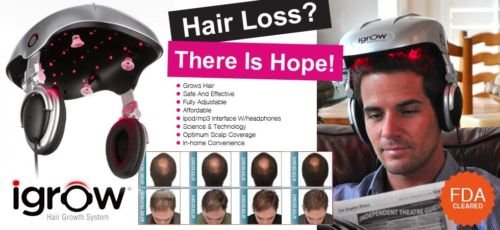
Infrared and laser non invasive treatment
• Eat a healthy diet: Encourage healthy lifestyle practices such as a well-balanced diet rich in essential nutrients (including vitamins and minerals like biotin, zinc, and iron), regular exercise, stress management techniques (such as meditation or yoga), and adequate sleep.
• Consider additional treatments: In some cases, healthcare professionals may recommend additional treatments to address hair loss alongside thyroid medication. These options could include topical minoxidil, specific hair growth therapies, or other medical interventions depending on the underlying cause of hair loss..
• Optimize medication dosage: Ensuring optimal hormone levels is crucial in managing hair loss related to thyroid issues. Regular monitoring and necessary adjustments in medication dosage based on professional advice can help maintain proper hormonal balance..
Social Expectation and Beauty Standards
Women and Men do worry about losing their hair to the same extent as women, while others may not be as concerned. Hair loss can have a significant impact on an individual’s self-esteem and body image, regardless of their gender. However, societal expectations and beauty standards often place more emphasis on women’s physical appearance, including their hair. This may lead to a higher prevalence of anxiety and concern about hair loss among women. Nevertheless, it is important to note that everyone’s experiences and concerns about hair loss can vary greatly.
If you are on thyroid medication for more than 10 years and your hair is very thin, it is causing you distress then perhaps you could consider having a bespoke wig made or using hair extension to disguise your thin hair, why this will help with self esteem and reduce your stress levels.
While using a wig or hair extensions can provide temporary solutions for thin hair and potentially boost self-esteem,
Here are a few non envassive hair extensionssuggestions that you could consider
• Wigs : These can be purchased off the shelf or specially made for you. You can have human hair, blended hair, different colours, styles, length or density (thickness) They can be worn when out and about or anchored and removed every 2 months and re-anchored
• Toppers: There are many different type of toppers which come in human hair, blended hair or synthetic. They can be 100, 130 or 150 percent density. They can be purchased in a colour to match your hair and length. They usually clip in and popular with women
• Hair Extensions There are several techniques and it is recommended you seek a professional consultation prior to application. The best techniques are those that do not use too much of your own hair, not too much weight, easy to apply adjust and remove.
• toupee: There are lots of new toupee which are undetectable, boned to bald patches, cut and styled. Very popular with men
While the wig or hair extension option can provide a cosmetic solution, they do not guarantee natural hair growth.
If you are experiencing hair loss, it is important to be patient. It may take some time for your hair to regrow. However, with proper care and treatment, you can often restore your hair to its former glory
Interested in setting up your own specialist salon?



 Yes, very thick hair can sometimes contribute to headaches, especially if it’s pulled tightly or if heavy hairstyles are worn frequently. The tension on the scalp from the weight or tightness can lead to discomfort or headaches.


 Educational Content on Hair Extensions by Diane Shawe:






 In our journey through life, we encounter a wide array of people, each with their unique qualities and characteristics. Among them, we sometimes cross paths with individuals who exude negativity, manipulation, and emotional turbulence – the so-called ‘toxic’ people. But what makes someone toxic, and how can we recognise the tell-tales traits that define their behaviour?



 Click to book your treatment









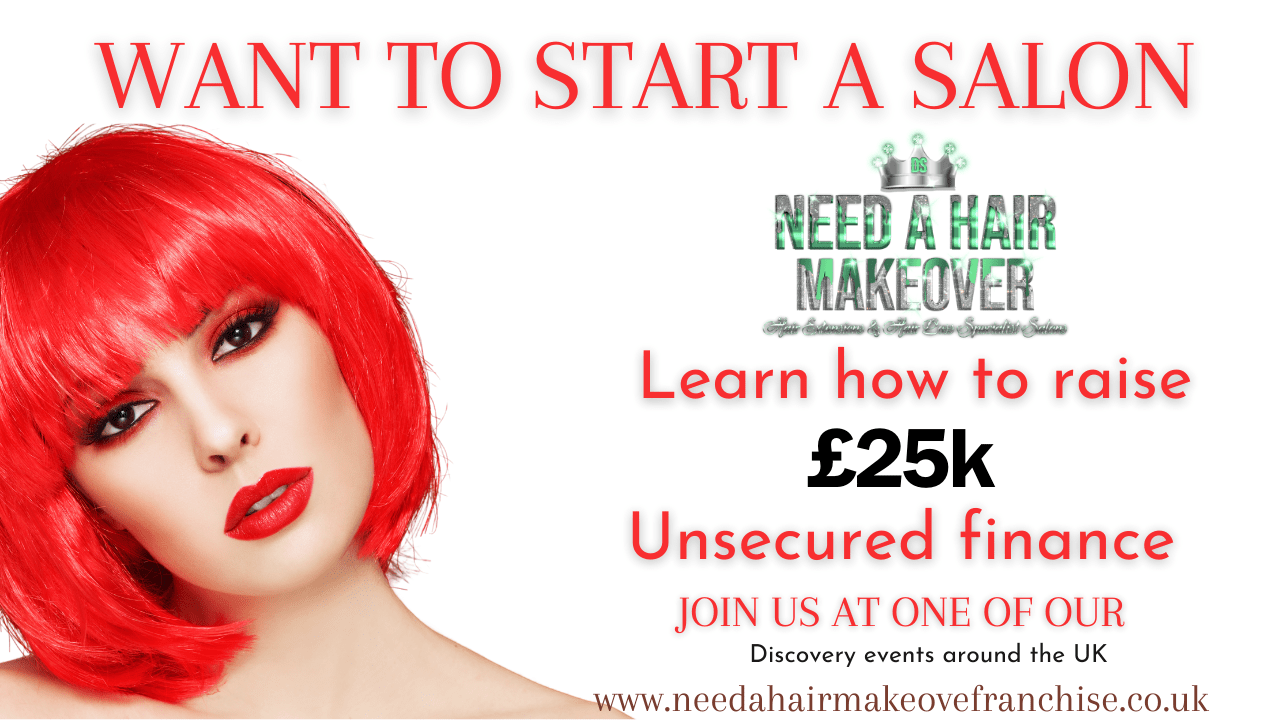









 All about Hair Extensions & Hairloss Courses and Franchise Opportunity by Diane Shawe
You must be logged in to post a comment.