Category Archives: mLearning

Are We Too Easily Offended? Navigating Modern Sensitivity and Entitlement”


”The Rise of Offense Culture: Entitlement, Sensitivity, and Their Societal Impact”

“In recent years, it’s become increasingly apparent that society has undergone a profound shift in its collective psyche. We’ve entered an era where the slightest perceived slight can spark outrage, where the mere whisper of disagreement can be met with vitriolic backlash, and where the notion of personal responsibility has given way to a pervasive sense of entitlement. It’s as if we’ve become a society of hair-trigger sensitivities, where the faintest whisper of offense can set off a firestorm of indignation.

But is this perception merely a product of our own biases, or is there something more profound at play? Have we truly become more easily offended, or are we simply more aware of the offenses that have always existed? And what of this sense of entitlement that seems to permeate every aspect of modern life? Is it a natural response to the increasing complexity and uncertainty of our world, or is it a symptom of a deeper rot – a sense of privilege and expectation that has been fostered by our culture of instant gratification and social media echo chambers?

As we navigate the treacherous waters of modern discourse, it’s essential that we take a step back and examine the underlying dynamics that drive our behaviour. Are we truly more sensitive, or are we simply more sensitive to the sensitivities of others? And what are the consequences of this shift – not just for our individual relationships and communities, but for the very fabric of our society as a whole?


In this blog, we’ll delve into the heart of this debate, exploring the complex interplay of factors that have contributed to our current state of heightened sensitivity and entitlement. We’ll examine the role of social media, the impact of cultural and economic shifts, and the ways in which our own psychological biases shape our perceptions of the world around us. And we’ll ask the tough questions: What does it mean to be offended, and what does it mean to be entitled? Is there a way to strike a balance between empathy and accountability, or are we doomed to forever walk the tightrope between hurt feelings and hurtful words?

Join me on this journey as we explore the intricacies of modern society and the ways in which our perceptions of offense and entitlement shape our world – and ourselves.”

The perception that society has become more easily offended and possesses a heightened sense of entitlement is a topic of significant debate. This perception can be analysed from multiple angles:

Increased Sensitivity and Offense
Factors Contributing to Increased Sensitivity:
1. Social Media Amplification: Platforms like Twitter, Facebook, and Instagram provide a space for rapid sharing and amplification of opinions, grievances, and calls for accountability. This can create a perception of widespread offense.
2. Cultural Shifts: There is a growing awareness and sensitivity towards issues of race, gender, sexuality, and other identity markers. Movements like #MeToo and Black Lives Matter have highlighted systemic issues, leading to heightened sensitivity and vigilance against perceived slights or injustices.
3. Polarisation and Echo Chambers: Social media and selective news consumption can create echo chambers where individuals are exposed mainly to views that reinforce their own, intensifying reactions to opposing views.


Sense of Entitlement
Factors Contributing to a Sense of Entitlement:
1. Consumer Culture: The modern consumer culture emphasizes personal choice and satisfaction, potentially fostering a sense of entitlement where individuals expect their needs and preferences to be prioritized.
2. Individualism: Western societies, in particular, value individualism, which can sometimes translate into prioritizing personal rights and entitlements over communal responsibilities and consensus.
3. Educational and Parenting Trends: Some argue that certain educational and parenting approaches, which emphasize self-esteem and individual achievement, may contribute to a sense of entitlement among younger generations.

Ramifications
Negative Ramifications:
1. Erosion of Discourse: A heightened sensitivity and sense of entitlement can stifle open dialogue and debate. Fear of offending others or being offended can lead to self-censorship or the silencing of differing opinions.
2. Increased Division: When people feel entitled to their views without compromise, it can lead to increased polarization and societal division, as seen in various political and cultural clashes.
3. Mental Health Concerns: Constantly navigating a landscape where offense is easily taken and given can contribute to stress and anxiety, both for individuals and communities.

Potential Positive Outcomes:
1. Greater Inclusivity: Increased sensitivity can lead to more inclusive and respectful environments, where marginalized voices are heard and considered.
2. Accountability: Holding individuals and institutions accountable for offensive or harmful behaviour can lead to positive social change and a more just society.
3. Empathy and Awareness: As society becomes more aware of diverse perspectives and experiences, there can be a growth in empathy and understanding across different social groups.

Conclusion
The perception of increased sensitivity and entitlement in society is complex, with both positive and negative aspects. The key lies in finding a balance between respecting diverse perspectives and maintaining open, constructive discourse. Ensuring that sensitivity to offense does not inhibit free expression and that a sense of entitlement does not override communal responsibilities is crucial for social harmony and progress.
As we conclude our thought-provoking discussion on the perceived rise of entitlement and offenses in today’s society, we’re left to ponder the far-reaching implications of this phenomenon. From the impact on our self-esteem to the way we interact with others, it’s clear that this shift in societal norms has far-reaching consequences. As we strive to cultivate a more empathetic and understanding world, it’s essential to acknowledge and address these underlying issues. Take a moment to reflect on your own experiences and biases – and how they may be influencing your relationships and interactions. And if you’re ready to shed old patterns and elevate your self-awareness, consider visiting our blog

The Importance of Book Cover Design: Unveiling the Secrets Behind “Scrolling Shadows”

Scrolling ShadowsHow did I come up with the design for the cover of my first fiction book
In the world of publishing, the old adage “don’t judge a book by its cover” may ring true in principle, but in reality, the design of a book cover plays a crucial role in capturing readers’ attention and enticing them to delve into its pages. Just like a captivating movie poster or an eye-catching billboard, a well-designed book cover serves as the first impression of a literary work, offering a glimpse into its tone, genre, and overall aesthetic. In this blog post, I will share why the design of your book cover is important and unveil the secrets behind the design of “Scrolling Shadows: Sucked into the Darkside of Instagramverse.”

In my head, I knew what I wanted, but getting it out into visual form was not that easy. I wanted Amy, a modern girl with her mobile phone, which went everywhere with her to be the main focus, but how could I visually draw the viewer into the cover without too much noise? I hired a graphic book cover designer to help illustrate and unlock my imagination into art form, but that was just the beginning

I focused on these five principles:

1. First Impressions Matter: As the saying goes, you never get a second chance to make a first impression. The cover of a book is often the first thing a potential reader notices, whether browsing in a bookstore or scrolling through online listings. A visually appealing cover can grab attention amidst a sea of competing titles, sparking curiosity, and prompting further exploration.


2. Reflecting the Essence of the Story: The design of a book cover should provide a glimpse into the world within its pages. It should convey the genre, mood, and themes of the story, giving readers a sense of what to expect. For “Scrolling Shadows,” the cover design was influenced by the themes of social media addiction, standalone, secrecy, virtual reality, and mystery, with imagery that captures the allure and danger of the Instagramverse.

3. Creating Emotional Connection: A well-designed book cover has the power to evoke emotions and resonate with readers on a deeper level. Whether through striking imagery, evocative typography, or clever use of colour, the design can evoke curiosity, intrigue, or even a sense of nostalgia. For “Scrolling Shadows,” the cover design aims to evoke a sense of a young girl alone with her powerful m9bile phone, suspense and defiance, drawing readers into the thrilling world of the story.


4. Building Brand Identity: In an increasingly crowded marketplace, establishing a strong brand identity is essential for authors and publishers alike. A consistent and distinctive design aesthetic across a series of books can help build brand recognition and loyalty among readers. For “Scrolling Shadows” and future works by Diane Shawe, the cover design serves as a key element of brand identity, creating a cohesive visual identity that sets the tone for the author’s body of work and as Amy matures Can be reflected in the forthcoming series.

5. Standing Out in the Digital Age: With the rise of e-books and online shopping, book covers are often viewed in thumbnail size on digital platforms. This means that covers must be eye-catching and easily recognizable even at a small scale. The design of “Scrolling Shadows” takes this into account, ensuring that the cover stands out in both physical and digital formats, grabbing attention, and inviting readers to click for more.

In conclusion, the design of a book cover is far more than just a superficial adornment—it’s a powerful tool for attracting readers, conveying the essence of the story, and building brand identity. With “Scrolling Shadows: Sucked into the Darkside of Instagramverse,” the cover design serves as a gateway to an immersive and thrilling literary experience, enticing readers to embark on a journey into the captivating world of social media addiction and virtual reality.


Scrolling shadows

Get your copy here
https://payhip.com/DianeShaweEbooksandCourses
https://www.amazon.co.uk/SCROLLING-SHADOWS-SUCKED-INTO-INSTAGRAMVERSE-ebook/dp/B0D2WQS4PM/

Let me know what you think about my book cover

The Power of Positivity: How a Positive Mindset Can Transform Your Life by Diane Shawe

Want to become a #entrepreneur? Start your own Business Startups & Promotions? Could you help someone like Sarah? Listen to her story

In a world where negativity and cynicism seem to dominate, it can be easy to fall into a negative mindset. We are bombarded with negative news headlines, social media comparisons, and stress from our daily lives. It’s no wonder that many of us struggle to see the positive side of things.

But what if I told you that a simple shift in mindset could transform your life? That the power of positivity is real and can bring about profound changes? It may sound too good to be true, but countless studies have shown that having a positive mindset can have a significant impact on our physical and mental well-being.

So, what exactly is a positive mindset? Simply put, it is an attitude of optimism and hope, focusing on the good in any situation. It’s about choosing to see the glass as half full rather than half empty. And while it may not always come naturally, it is a skill that can be learned and cultivated.

One of the most significant benefits of having a positive mindset is its impact on our mental health. When we approach life with a positive outlook, we are less likely to dwell on negative thoughts and emotions. Instead, we are more resilient and better equipped to deal with challenges and setbacks.

Research has also shown that a positive mindset can help reduce symptoms of anxiety and depression. By shifting our focus towards the good things in our lives and reframing negative thoughts, we can improve our overall well-being and emotional state.

But the benefits of positivity don’t stop there. Studies have also found that being optimistic can have physical health benefits. Positive people tend to have lower levels of stress hormones, which can help reduce the risk of chronic diseases such as heart disease and diabetes. They also have stronger immune systems, allowing them to fight off illnesses more effectively.

But how do we cultivate a positive mindset in a world that often seems to be filled with negativity? The first step is to become more aware of our thoughts and emotions. It’s essential to pay attention to the language we use when talking about ourselves and our lives. Are we constantly putting ourselves down or focusing on the negatives? If so, it’s time to start shifting our mindset.

We can also practice gratitude and appreciation daily. By focusing on the things we are grateful for in our lives, we can train our minds to see the good in all situations. Keeping a gratitude journal or expressing thanks to others can have a significant impact on our overall outlook.

Surrounding ourselves with positivity is also crucial. It’s essential to limit exposure to negative news and toxic people. Instead, seek out uplifting and optimistic individuals who inspire and motivate us.

But perhaps the most powerful way to cultivate a positive mindset is through self-talk. Our inner voice is incredibly influential, and what we tell ourselves can have a significant impact on our beliefs and actions. By practicing positive self-talk, we can reframe negative thoughts and start believing in ourselves and our abilities.

Of course, having a positive mindset doesn’t mean ignoring or suppressing negative emotions. It’s essential to acknowledge and process these feelings but not let them consume us. Instead, we can use them as opportunities for growth and learning.

In essence, having a positive mindset is about choosing to see the good in life, even when things may seem tough. It’s about being resilient and finding opportunities for growth in every situation. And while it may not come easily at first, with practice and determination, we can all learn to embrace the power of positivity.

So the next time you catch yourself falling into a negative mindset, remember that you have the power to change it. Choose to see the silver lining, practice gratitude, surround yourself with positivity, and use self-talk as a tool for growth. Embrace the power of positivity, and watch as your life transforms for the better.

Did you find Sarah’s story interesting?

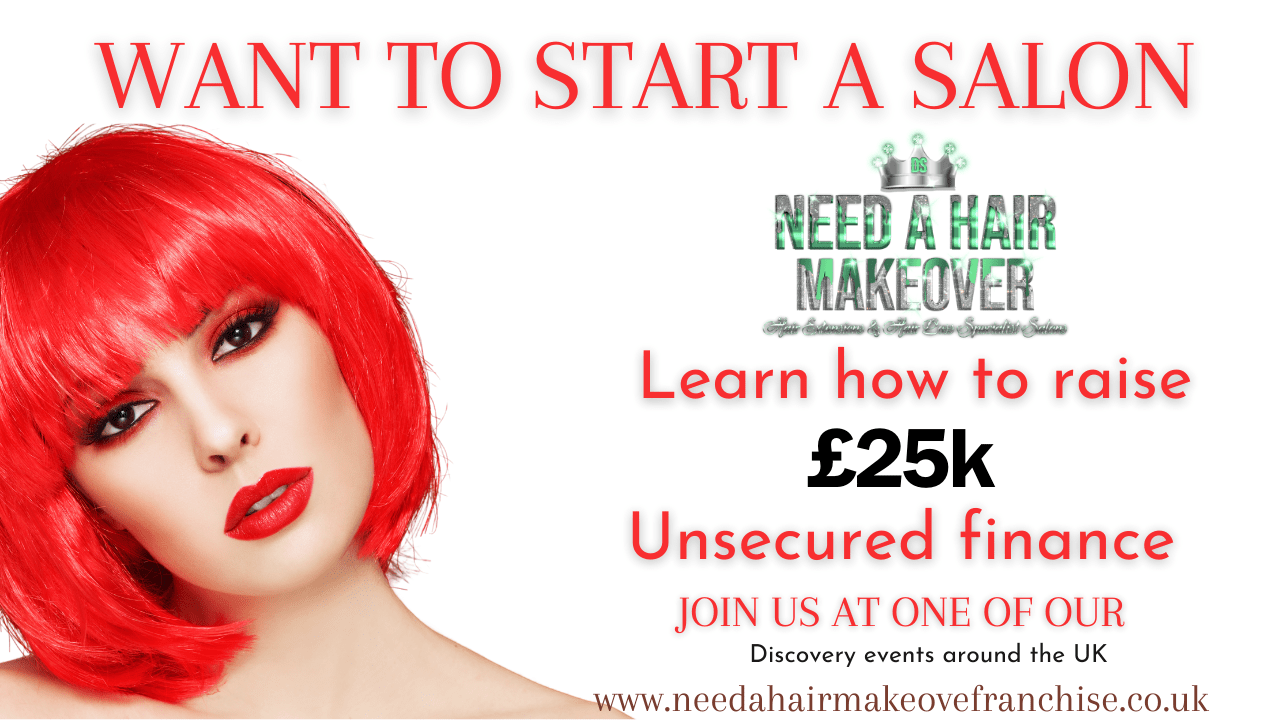
Well finding a #business that aligns with your passion is key. The #hairindustry can help people regain their confidence, our #hairextensions and #hairloss #franchise offers the perfect opportunity. Findout more https://bit.ly/3vw8szC


Six Top Reasons Why a Franchise Discovery Day is Important

Some of the key reasons people are gravitating towards the franchise business model is because

A. Proven Success: Franchises often come with a track record of success. The business model has been tested and refined, reducing some of the inherent risks associated with starting a new business from scratch.

B. Brand Recognition: Franchisees benefit from the established brand and reputation of the franchisor, which can lead to a more rapid customer acquisition and trust-building process.

C. Training and Support: Franchisors typically provide comprehensive training and ongoing support to franchisees. This can include assistance with site selection, marketing, operations, and more, making it easier for individuals with little prior business experience to succeed.

But if the business itself is just rolling out it’s franchise model here are six reasons why a franchise discovery day is important when considering investing in a franchise like “Need a Hair Makeover,” an award-winning hair extensions and hair loss specialist salon:

1. In-Person Interaction: Discovery days allow you to meet the franchisor and their team face-to-face. This personal connection is crucial to assess the franchisor’s culture, values, and support.

2. Understanding the Business Model: You’ll gain a deep understanding of how the franchise operates, including the products and services offered, customer base, and revenue potential.

3. Assessing the Location:  Visiting a franchise location in person can help you evaluate its suitability and potential for success, considering factors like foot traffic and competition.

4. Meeting Current Franchisees: Interacting with existing franchisees can provide insights into the day-to-day challenges and benefits of running the business. You can ask questions and get a firsthand perspective.

5. Evaluating Training and Support: Discovery days often include discussions about training programs and ongoing support. This helps you determine if the franchisor provides the resources you need for success.

6. Legal and Financial Clarity:  You’ll have the opportunity to review the franchise agreement and financial disclosures, ensuring transparency and helping you make an informed investment decision.

Remember, a franchise discovery day is a crucial step in your due diligence process before committing to a franchise investment. It allows you to gather valuable information and assess whether the opportunity aligns with your goals and expectations.

It is also worth looking at why Hair and beauty franchises can be more successful than going it alone:

1. High Demand:** There is a consistent and often growing demand for hair and beauty services. People value looking and feeling their best, making these services a necessity for many.

2. Repeat Business: Hair and beauty services often require regular appointments, creating a loyal customer base that returns for ongoing treatments, such as haircuts, styling, manicures, and facials.

3. Brand Recognition: Established hair and beauty franchises often have recognizable and trusted brands. Customers are more likely to choose a well-known franchise over an unknown salon.

4. Training and Support: Many hair and beauty franchises provide comprehensive training and ongoing support to franchisees. This helps ensure consistent service quality and business operations.

5. Proven Systems: Franchises typically come with established business systems and processes, reducing the learning curve for new franchisees and increasing the chances of success.

6. Marketing and Advertising: Franchisors often invest in marketing and advertising campaigns that benefit all franchisees, helping attract customers to individual salon locations.

7. Economies of Scale:** Franchise networks can benefit from bulk purchasing, reducing the cost of supplies and equipment. This can improve profitability for franchisees.

N

8. Community and Networking: Franchise networks offer opportunities for franchisees to connect, share experiences, and learn from one another, creating a supportive community.

9. Specialisation: Some hair and beauty franchises focus on specific niches, such as hair extensions or skin care. Specialisation can attract a dedicated customer base and reduce competition.

10. Flexible Business Models: Hair and beauty franchises may offer various business models, including full-service salons, express salons, or mobile services, allowing franchisees to choose the one that suits their market.

11. Diversification: Some hair and beauty franchises offer a range of services, allowing franchisees to diversify their revenue streams and appeal to a broader customer base.

12. Trends and Innovation: Successful franchises often adapt to evolving trends and incorporate new technologies and techniques into their services, keeping them competitive in the market.

While these factors can contribute to the success of hair and beauty franchises, it’s important to note that individual success depends on various factors, including location, management, customer service, and marketing efforts. Thorough due diligence and careful consideration are essential when considering investing in any franchise.

Register at our forthcoming events https://www.hairextensionsfranchise.com

Benefits of using Texture Release on Course Hair by Diane Shawe

Transform Your Hair with Texture Release treatment from Need A Hair Makeover!

Texture release products are typically designed for people with coarse, tightly curled, or kinky hair types. These hair types tend to be more fragile and prone to breakage, making it difficult to maintain a healthy shine and moisture balance. Texture release products can help to soften and relax the natural curl pattern, making it easier to manage while reducing breakage.

Additionally, texture release products are often formulated to nourish and hydrate the hair, which can help restore moisture balance and promote healthy growth. They may also contain ingredients that help strengthen the hair, reducing the risk of breakage and damage.

Overall, texture release products can be an effective solution for people with afro kinky hair who want to achieve a more manageable, healthy, and vibrant look.

However, as with any hair care product, it’s important to choose one that is specifically designed for your hair type and to follow the instructions carefully to avoid over-processing or damage.

Benefits of using texture release products

Texture release products have become an essential part of hair care routines for people with coarse and kinky hair types. They offer a range of benefits that can help to improve the overall health and appearance of the hair.

One of the main benefits of using texture release products is that they can help to soften and detangle the hair. Coarse and kinky hair types can often be difficult to manage and may become tangled easily, leading to breakage and damage. Texture release products work to loosen the hair and make it easier to comb through, reducing the risk of damage and making it more manageable.

Another benefit of texture release products is that they can help to reduce frizz and increase shine. Coarse and kinky hair types can often be prone to frizz, which can make the hair appear dull and difficult to style. Texture release products work to smooth the hair cuticle, reducing frizz and giving the hair a healthy shine.

Texture release products can also help to enhance the natural curl pattern of the hair. Coarse and kinky hair types often have a unique curl pattern that can be difficult to define and maintain. Texture release products help to enhance the natural curl pattern, making the hair easier to style and giving it a more defined look.

Finally, texture release products can help to improve the overall health of the hair. They contain ingredients that work to strengthen and nourish the hair, reducing the risk of breakage and promoting hair growth. This makes texture release products a great choice for anyone looking to improve the health and appearance of their hair.

Need a Hair Makeover Hair Extensions and Hairloss Salon is an award-winning salon with a range of services for all hair types. From makeup and lashes to nail extensions and bespoke wigs, we have everything you need to look and feel your best. We also offer franchise opportunities and specialise in hair loss treatments. Visit our website now to learn more!

Https://make-an-appointment.needahairmakeover.co


Why You Should Consider a CPD Accredited Course by Diane Shawe

If you’re looking to boost your career prospects, you may want to consider the importance of CPD. Used by thousands of professionals to develop new skills and knowledge throughout their career, CPD has become crucial in terms of career progression. So, what is CPD and how could it benefit your career prospects?

What does CPD stand for?

Click to Enrol on a Course today

CPD stands for Continuing Professional Development and it is important as it’s used by professionals to further their career. It’s a conscious and proactive form of learning which uses various methods to help individuals either learn new skills or develop existing ones.

What is a CPD portfolio?

A CPD portfolio helps keep a track of progression from year to year. It is an individual’s evidential documentation of their Continuing Professional Development obligations for their professional body or association. Contained within a CPD portfolio would be the register of activities, such as training courses, workshops and educational events attended, as well as a copy of the delegate CPD certificates for each activity. These act as validation that the learning has been completed. (It is also important that the course has been CPD accredited)

Professional bodies review their members CPD portfolio to ensure they are meeting their annual Continuing Professional Development requirements. A CPD portfolio should demonstrate a range of different methods of learning and the different impacts on future capability. Always ensure that you keep your CPD portfolio up to date, as it is more difficult to record CPD at the end of the year, hoping to remember everything completed over the last 12 months.

Click here to Enrol today and pay later

CPD points, units and credits explained

One of the most frequent questions about Continuing Professional Development is how CPD is recorded, and specifically the question, “What is a CPD point, unit or credit?” The subsequent question is regularly, “How do CPD points relate to CPD Hours?” With the increasing number of professional bodies in the UK and their varying annual requirements of Continuing Professional Development, a natural split in common language terms and expression will arise. Different professional bodies use the terms ‘CPD points’, ‘CPD units’ or ‘CPD credits’ diversely depending on preference, typically for historical reasons when initially implementing their CPD policy, rather than from a modern day strategic perspective.

How do CPD points, units and credits relate to CPD Hours?

It is often found across all industries that CPD points, units and credits all relate to the same thing, CPD Hours?

What are CPD Hours? The definition of a CPD Hour is the time spent for a delegate to be in “active learning”. Active learning defines the actual time spent learning something relevant for their Continuing Professional Development objectives. A great example of this would be 1-day accredited CPD training course. If the training starts at 9 am and ends at 5 pm, with a 1-hour break for lunch, the CPD Hours would be 7 CPD Hours.

Recording your CPD

A structured and consistent approach to recording your CPD makes it easier to manage throughout the year. This also helps ensure an individual attends training and events relevant to their annual capability improvement objectives, which is more valuable than simply attending courses just for general interest. Recording your CPD allows reflection on what has been gained from the CPD activities and what can be implemented in day-to-day objectives, as well as what skill sets to develop next.

As a general rule, when recording your Continuing Professional Development in a CPD portfolio, it should contain the following information:- Date of CPD activity, Title of CPD activity, Brief description including learning objectives, the method of learning (i.e. training course, workshop, event, eLearning), number of CPD hours, points or credits and the overall learning outcome.

5 Benefits of CPD

CPD offers numerous benefits to both professionals and their employers, some of which are of real importance.

1. For you as a professional, it helps to ensure your skills and knowledge are up to date, and the professional standard of your registrations and qualifications are maintained. There are no clear disadvantages for your employer, it ensures that the company standards are both high and consistent. They will see that you are actively dedicated to the job role and value your commitment to the role.

2. Another one of the benefits of CPD and a main purpose of exploring the benefits of continuous personal development is that it also helps you to develop more confidence in the role. You’ll be able to showcase your achievements and develop the knowledge and skills to carry out your job in the most effective, confident way.

3. Whether you’re looking for a promotion, or you’re hoping to gain employment with a prestigious company, CPD can really help. It enables you to stand out from the crowd, with research showing those who have undertaken CPD, have a significantly higher chance of gaining a promotion or moving on to a different area within their chosen field.

4. What this also means of course, is that you’ll also be able to achieve a higher salary.

5. If you are self employed or run your own business, having a CPD accredited skill to your name can give confidence to established and new clients.

These are just some of the great benefits CPD can provide. The question is, how can you partake in continuous professional development?

Continuing Your Professional Development

If you’re interested in undergoing CPD, it’s worth keeping in mind there’s a lot of different types to choose from. Practically anything which can further your knowledge and skills is classed as CPD. This includes:

• Events

• Training courses

• Workshops or Workbooks

• Research

• E-Learning

Each of the above has its own range of benefits and most professionals choose to undergo several types of CPD for best results.

Things to consider

If you want CPD to further your career, there’s a number of factors you need to consider.

1. Ensuring you’re undertaking the correct type of CPD to fit your goals is crucial in helping you minimise any disadvantages. It’s not enough to simply find a course which matches your industry.

2. You also need to consider whether or not the training matches your end goal. Thinking about the importance of CPD suiting your chosen industry might potentially save you time in the future.

3. Have you got the time to commit to the CPD course you’re considering? If you’re already working, you’ll need to find a part-time course which also fits around your family and budget commitments. You’re also going to want to consider the type of study you prefer.

4. Do you thrive in studying with others? If so, you’ll want to look into in-venue courses and seminars. If your sole purpose is to study alone at your own pace, an e-learning or workbook based CPD course would be a better option.

Check out our TNA course

Overall, CPD is crucial in terms of professional development. Provided you choose the right type to match your needs, it can help you progress in your current career or business, or help you to branch out into a totally different field if you’d prefer. There are so many reasons to choose to continue your professional development so why not take a look at our range of CPD courses available in the following levels. Foundation, Intermediate, Advance and Expert.

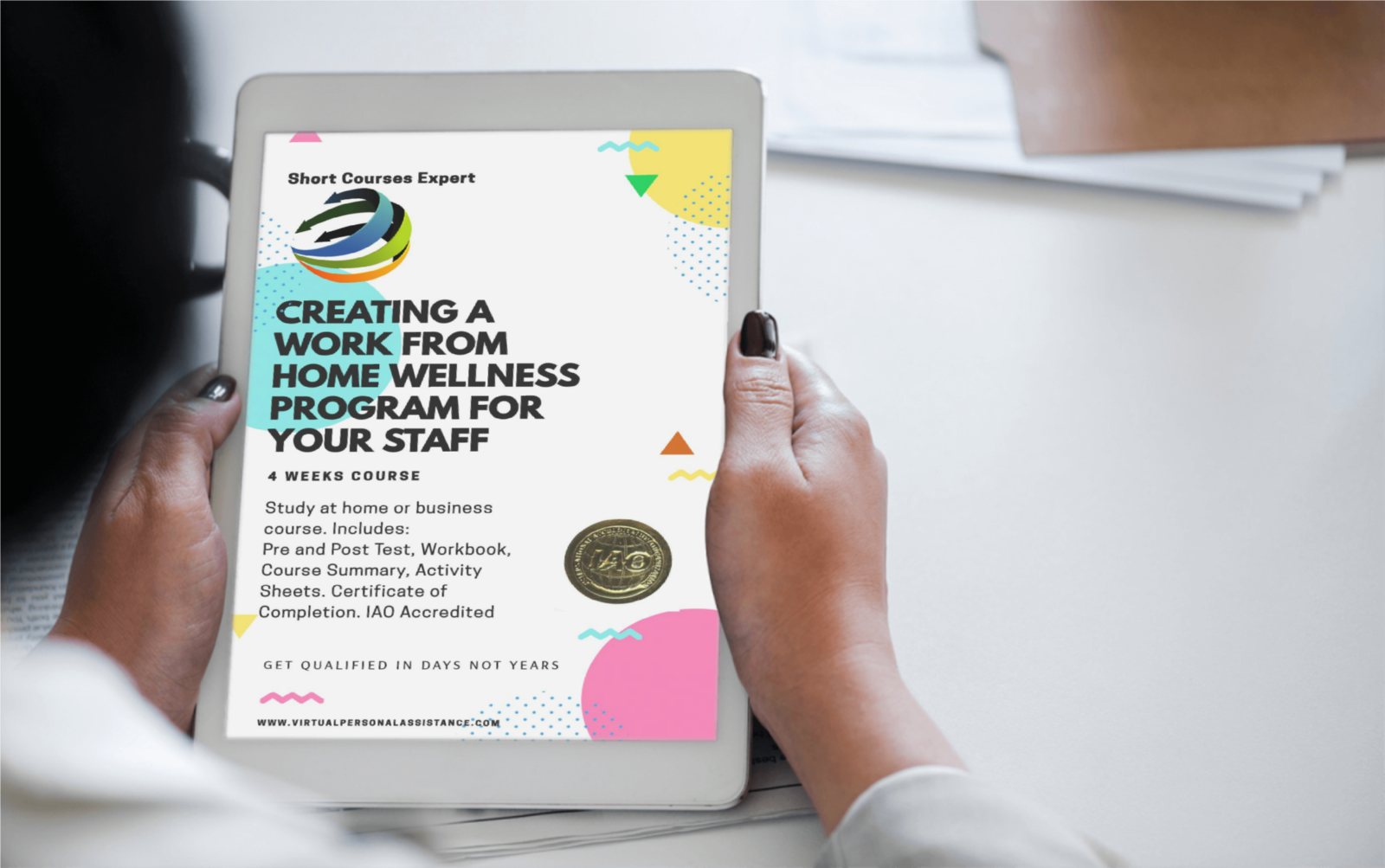
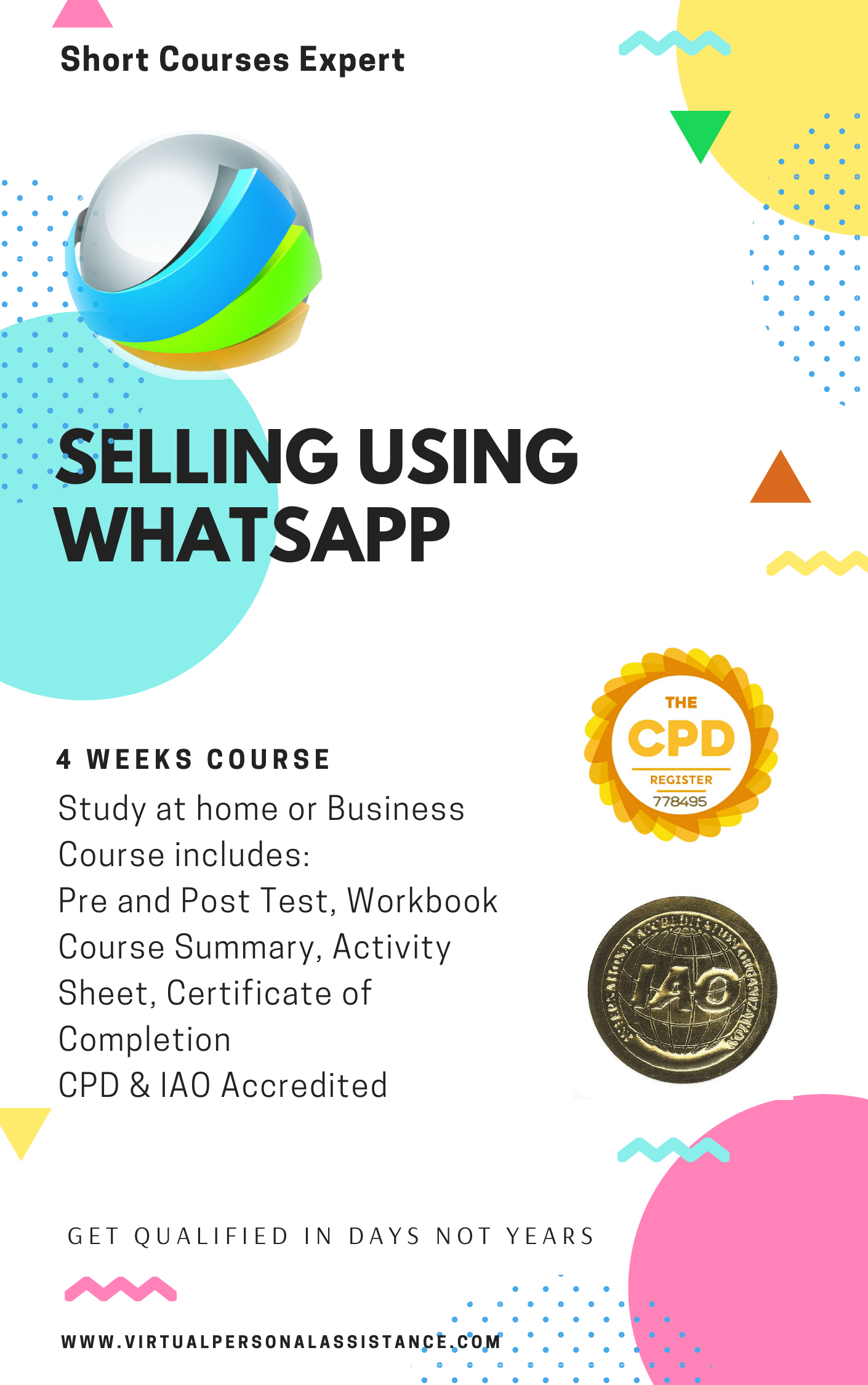
Our courses are presented as workbooks and must be completed in four weeks. Support is give via virtual assistnce.

Visit http://www.virtualpersonalassistance.com for a list of our services.

Enrol today and learn to Manage your Digital Information

Turning 50 isn’t the end of a business career – new wave of silvererpreneurs

Get qualified in days not years

The only way is up after a downturn

article by Diane Shawe M.Ed

Turning 50 isn’t the end of a business career – it’s the beginning. And an ever-growing wave of ‘olderpreneurs’, starting a business have 70% chance of surviving their first five years compared with only a 28% survival rate for those younger than them.

Nearly half the self-employment population is over 50, and one in six new businesses started in the UK are set up by post-half-centurions.

So what’s fuelling the entrepreneurial impetus of the ‘silver startup’, and why are they doing so well?

Necessity

The over-50s age group has been particularly hard-hit by the recession. Last year, the Office of National Statistics (ONS) revealed 28% of those aged between 50 and state pension age were out of work – compared with only 20% of those aged under 50.

Why? One of the biggest factors is the rife ageism that permeates practically every industry in the UK, that anyone over 50 who’s been forced to look for employment will testify to with a weary nod. The ONS estimates those who lose their job aged 50 or over have only a 10% chance of being re-employed.

Deciding to use their money from redundancies to fund ta company, over the course of two years the payout had trickled in its entirety into the business. But it was worth the investment – and they often don’t have to rely on the ineffective banks at the moment.

77 Questions to avoid business failure

Order your copy from Amazon

New challenge

At a fundamental level, sometimes people just want to do something different in their later years.

It’s interesting that recent YouGov and Standard Life research found the average age at which people feel totally confident in their working skills is 37, while the more elusive sense of fulfilment peaks at 50. Perhaps this climax of achievement and sense of ability leads to a need for a new direction, a new challenge, once a person passes the half-century mark.

You’re in good company if your over 50 and considering starting a business.

More than four out of 10 new businesses in the UK are started by people over 50, according to the Office for National Statistics. And it’s a growing trend. A recent report from Barclays highlighted that over 55s are now 63% more likely to start businesses than 10 years ago.

And this rise in business owners doesn’t just apply to founders in their 50s – the number of self-employed people aged 65 and over has more than doubled in the UK in the past five years.

While there’s never a ‘right time’ to pursue a business idea, an increasing number of people in their 50s and over – dubbed ‘olderpreneurs’ – are shifting to entrepreneurship. But why?

For starters, budding business owners in their 50s are capitalising on the government pension freedoms – first introduced back in 2015 – and are opting to take their tax free cash lump-sum to “create wealth” by using their pensions to start a business.

However, it’s not just pension-led funding which is boosting the numbers of  the UK’s older entrepreneurs.

Low-interest loans and mentoring, provided by the likes of , is playing an integral part in funding and supporting the growth of founders in their 50s with over 5,700 loans having been supplied to founders aged 50 and over by the organisation to date.

Supported by research from PRIME that those who start a business in their 50s are 42% more likely to be successful than their younger counterparts, we want to shake off the notion that starting a business in middle-age isn’t a good idea. On the contrary, older entrepreneurs have the advantage of being able to tap into wealth of experience and knowledge which they can put to use in a start-up venture.

To break down stereotypes, we’ve highlighted five inspiring businesses founded by entrepreneurs aged 50 and over, who each received a Start Up Loan to make their business dreams a reality.

Operating in industries ranging from domestic care to street food.

After every downturn there is alway a upturn because people really work hard along with banks, investors and government to make it work.

IQ scores are falling -It’s not that dumb people are having more kids than smart people

IQ scores are falling and have been for decades, new study finds

Guest Blogger: Rory Smith, CNN

IQ scores have been steadily falling for the past few decades, and environmental factors are to blame, a new study says.

The research suggests that genes aren’t what’s driving the decline in IQ scores, according to the study, published Monday.
Norwegian researchers analysed the IQ scores of Norwegian men born between 1962 and 1

991 and found that scores increased by almost 3 percentage points each decade for those born between 1962 to 1975 — but then saw a steady decline among those born after 1975.

Similar studies in Denmark, Britain, France, the Netherlands, Finland and Estonia have demonstrated a similar downward trend in IQ scores, said Ole Rogeberg, a senior research fellow at the Ragnar Frisch Center for Economic Research in Norway and co-author of the new study.

“The causes in IQ increases over time and now the decline is due to environmental factors,” said Rogeburg, who believes the change is not due to genetics.
“It’s not that dumb people are having more kids than smart people, to put it crudely. It’s something to do with the environment, because we’re seeing the same differences within families,” he said.

These environmental factors could include changes in the education system and media environment, nutrition, reading less and being online more, Rogeberg said.

The earlier rise in IQ scores follows the “Flynn effect,” a term for the long-term increase in intelligence levels that occurred during the 21st century, arguably the result of better access to education, according to Stuart Ritchie, a postdoctoral fellow in cognitive ageing at the University of Edinburgh whose research explores IQ scores and intelligence and who was not involved in the new study.

Researchers have long preferred to use genes to explain variations in intelligence over environmental factors. However, the new study turns this thinking on its head.

Intelligence is heritable, and for a long time, researchers assumed that people with high IQ scores would have kids who also scored above average. Moreover, it was thought that people with lower scores would have more kids than people with high IQ scores, which would contribute to a decline in IQ scores over time and a “dumbing down” of the general population, according to Rogeberg.

Anyone who has seen the film “Idiocracy” might already be familiar with these ideas. In the scientific community, the idea of unintelligent parents having more kids and dumbing-down the population is known as the dysgenic fertility theory, according to Ritchie.

The study looked at the IQ scores of brothers who were born in different years. Researchers found that, instead of being similar as suggested by a genetic explanation, IQ scores often differed significantly between the siblings.

“The main exciting finding isn’t that there was a decline in IQ,” Ritchie said. “The interesting thing about this paper is that they were able to show a difference in IQ scores within the same families.”

The study not only showed IQ variance between children the same parents, but because the authors had the IQ scores of various parents, it demonstrated that parents with higher IQs tended to have more kids, ruling out the dysgenic fertility theory as a driver of falling IQ scores and highlighting the role of environmental factors instead.

What specific environmental factors cause changes in intelligence remains relatively unexplored.

Access to education is currently the most conclusive factor explaining disparities in intelligence, according to Ritchie. In a separate study that has not been released, he and his colleagues looked at existing research in an effort to demonstrate that staying in school longer directly equates to higher IQ scores.

But more research is needed to better understand other environmental factors thought to be linked to intelligence. Robin Morris, a professor of psychology at Kings College in London who was not involved in Ritchie’s research, suggests that traditional measures of intelligence, such as the IQ test, might be outmoded in today’s fast-paced world of constant technological change.

Morris states that “we need to recognise that as time changes and people are exposed to different intellectual experiences, such as changes in the use of technology, for example social media, the way intelligence is expressed also changes. Educational methods need to adapt to such changes,” Morris said.

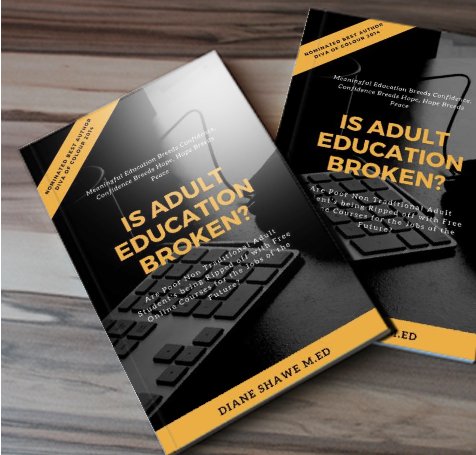
Diane Shawe author of ‘Is Adult Education Broken” goes on to state in her publication that “No sensible decision can be made any longer without taking into account not only the world as it is but the world as it will be.”

In her thought provoking book she explains that we are living in a new economy—powered by technology, fueled by information, and driven by knowledge which increasingly is increasingly becoming automated. We are entering the new century with opportunity on our side with huge problems that require new thinking.

How can we make the new economic age enhance, rather than diminish, our quality of learning?

How can we make this amazing innovation advance the prospects of all people especially those with experience and not just for the youth?

Fundamentally, we need to change what people learn, how people learn, when people learn, and even why people learn.

Inside her publication she explores

: Failure to find a fomular to develop teachers convergent and divergent facilitatingskills

: failure to consider cultural relevance

: failure to develop enterprising and entrepreneurial skills

: failure to prepare students about taking personal responsibility

: failure to encourage international engagement

:failure to manage growth of academic misconduct

Download your copy today https://www.amazon.co.uk/dp/B07BWBMGFM/

Finally a frightening statistic:

“If unemployment formed a country it would be the 5th largest in the world” Isaac Asimov

Why Having The Right People Around You Matters To An Entrepreneur

Starting and running a business can be very lonely and exposes you to bouts of isolation. When this happens the need to be loved, needed, and pampered is very strong and there is nothing wrong with that.

Ones self esteem can suffer and this can be compounded by historical experiences (childhood, family etc) and frustration and exhaustion when trying to lift your business of the ground and working a 12 hours day.

Being an ideas person, being creative and wanting recognition for that is achieved when the evidence is people buying your services or products.

The people you have surrounding you is very important, they have to be of a similar stock because they get it, they move into activities that support your dream and help you benefit from your hard work.

Many women are brilliant because most of them run several things at once if they are mums, wife, daughters, designer, marketeer, sales person, social media expert, bookeeper, packer and distributors and the list goes on.

The main point is to have total confidence in who you are, listen to tapes and watch video that continually empowers you. Mix with the pack that stimulates and motivates you and you them. When you live like this all who is to be in your life will gravitate towards you and give you joy and support.

You will easily be able to then identify anyone around you that does not naturally fit into your gang because they don’t naturally make you feel better, they add weight to your life and focus on distracting you.

But we are born with free will and you can use it to experience your life in what ever way YOU want.

The ultimate responsibility is your.

Starting A Private Tutoring Business – The Skills Needed By A Private Tutor

Current Demand For Private Tuition In The UK

We can reassure you that the demand for private tuition across the board is increasing, and is required throughout the year.

Whilst the market is flooded with tutors supporting students in English, Maths and some STEM subjects, it is increasingly obvious that a lot of children are suffering because they do not have the much needed Social Skills to help them  with communication, problem-solving, decision making, self-management, and peer relations abilities that allow one to initiate and maintain positive social relationships with others.

Deficits or excesses in social behavior interfere with learning, teaching, and the classroom’s orchestration and climate. Social competence is linked to peer acceptance, teacher acceptance, inclusion success, and post school success.

As we see the rise in school exclusions, there are many reasons suited for the rise in the UK. So now a more structured approach needs tho be taken to assist a wide crosses section of children experiencing problems outside of the curricula which in turn impacts there relationship with each other, their teachers, parents and the wider community.

Whilst the demand throughout the academic year for private tuition varies per subject and level, factors to consider are do you want to provide tutoring throughout the year, number of subjects and levels you tutor, if you are wishing to travel and how far you are prepared to travel if at all.

Starting A Private Tutoring Business – The Skills Needed By A Private Tutor

If you are interested in becoming a private tutor, you may wish to consider the following skills before setting up a private tuition service :-

Ability To Communicate & Help The Students Understanding
The key approach of private tuition is to improve the understanding of the student. An essential skill for a home tutor is that they are able to help the student grasp and fully understand any area of subject weakness by good communication. Whilst at the same time engaging the student’s interest and making the tutoring session fun will enhance their learning.

Ability To Listen
One of the major factors of one to one private tutoring is to tailor and deliver your lessons so that the student can understand areas of subject difficulty. For the student to improve, they must understand. Flexibility is the key. Just because you use a successful set protocol of how you tailor your tuition lessons for several of your students, does not mean this will work every time. Therefore if the student has difficulty in grasping certain areas of their syllabus, listen to their feedback and from this devise alternative ways of how you will tailor your tutoring for that particular student.

Good Grasp Of Your Subject Area
We would recommend that you only offer home lessons for the subjects that you are familiar with and enjoy and are passionate about. As a rule, the subjects that you enjoy, understand and feel most enthusiastic about are the ones which you will excel in at tutoring. Therefore you will have most success in improving the student’s grades and confidence.

Communication With All Age Groups – Especially Children and Teenagers
Most academic personal tutors provide private tuition for children or young adults. However if you specialise in tutoring students for GCSE upwards, you will be tutoring teenagers, young adults and possibly mature students. Therefore you will need to feel confident at communicating with all age groups. Even if you are only providing private tuition for primary or secondary level children, remember that you will often come into contact with and give feedback to their guardians or parents.

Good Command of The English Language and Literacy
That saying, a child whos first language is not English might benefit from a similar language tutor who might be able to get the point across much clearer until the students English improves.

Good Time Management & Self Motivation
As a freelance tutor, like any self employed profession, you will not have a clocking in machine! When you work for yourself you need to be self motivated and it is essential that you use your time effectively. Most students require tuition in the early evening on weekdays or at weekends. Keep these times free for tuition and carry out your admin such as filing, accounting etc at other times of the day or week. If you do not plan your time wisely, this may result in less time that you have available for one to one tuition and your private tuition business will generate less income.

Excellent Organisation Is Paramount
Excellent organisational skills go hand in hand with good time management. As you build up clientele, you will find that you are providing private tuition to several students for different syllabi and possibly several subjects. This can become rather confusing, especially near exam times when you are using similar examination papers for several students. We advise that you keep a record for every student you tutor. This record should include the work that you have covered, any marks received for questions or past examination papers. The reasons for this is it is of benefit when you need to update parents regarding their child’s progress. Another reason for keeping private tuition records per student is that it enables you to plan ahead, so that you can cover all topics that the student struggles with and leave time towards examinations to cover exam papers and examination questions.

How to  Get Started

Request our free Tutors Prospectus Directory to see a list of all the course resources. Each package also includes a tutor manual, this covers the subject in detail and will assist you in delivering a quality and comprehensive course to your students.

Go back

Your message has been sent

Warning
Warning
Warning
Warning

Warning.