Selling is the lifeblood of any business — it comes before delivery, not after it. If your inner mantra is “I hate selling”, you’ve already lost the battle before it begins. Selling isn’t about pressure or persuasion; it’s about preparation, positioning, and clearly communicating value.
Over the years, I’ve learned that confidence in selling comes from structure, not personality. In this article, I share 10 key preparation points that have consistently helped me negotiate, sell, and lead with clarity — without compromising integrity or purpose.
If you don’t want to sound like you’re offering a bargain instead of a valued service or product, it’s important to understand that bargaining is only one stage of negotiation. True negotiation is a structured process shaped by timing, intuition, preparation, and flexibility.
It is far less about confrontation and far more about problem-solving, positioning, and value creation.The strongest negotiating position you can hold—especially in today’s economy—is being of service by solving a real problem. To do that effectively, here are 10 essential rules every woman negotiator should master.—
1. Do Your ResearchPreparation is power. Research should focus on three areas: facts, priorities, and principles. Collect data that supports your position—market rates, comparables, benchmarks, and past outcomes. Whether negotiating salary, contracts, property, or partnerships, information removes emotion and replaces it with authority.—
2. Know Your PrioritiesBe crystal clear about what you want and what the other party wants. Understand your non-negotiables versus your flex points. Knowing your own principles—and recognising theirs—allows you to frame proposals that are compelling, credible, and strategic rather than reactive.—
3. Define Your Walk Away Position (WAP)Your Walk Away Position protects you from poor decisions made under pressure. Know the minimum you’ll accept or the maximum you’ll pay before negotiations begin. This clarity prevents regret and strengthens confidence at the table.—
4. Establish Your BATNAYour Best Alternative to a Negotiated Agreement (BATNA) gives you leverage. Sometimes the best outcome is already on the table without prolonged bargaining. Over-negotiating can actually cost you opportunities—discernment matters.—
5. Work Within the ZOPAThe Zone of Possible Agreement (ZOPA) is where both parties’ acceptable outcomes overlap. Successful negotiators recognise when they’ve reached this zone and focus on closure rather than dominance. Winning doesn’t mean the other side loses.—
6. Control Timing, Not Just TermsTiming can outweigh price. Knowing when to negotiate, pause, or close is often more powerful than pushing harder. Strategic silence, delayed responses, and phased agreements are underused strengths.—
7. Lead With Value, Not DefenceDon’t justify—position. Frame your offer around outcomes, impact, and problem-solving. Value-led negotiation shifts the conversation from cost to return.—
8. Stay Flexible Without Losing AuthorityRigidity kills deals. Flexibility builds trust—but only when anchored in clear boundaries. Adapt your approach, not your standards.—
9. Document and De-PersonalisePut agreements in writing and keep discussions professional, not emotional. Detaching ego from outcome allows you to negotiate with clarity and confidence.—
10. Use AI & Automation to Strengthen Your PositionModern negotiation isn’t just human—it’s system-supported.
Platforms like http://www.explainer-video.uk help women entrepreneurs present proposals, services, and value clearly using AI-powered explainer videos, automation, and 24/7 digital engagement tools. When your offer is explained consistently, professionally, and at scale, you negotiate from a position of structure—not strain.—Negotiation isn’t about being aggressive.It’s about being prepared, positioned, and powerful.
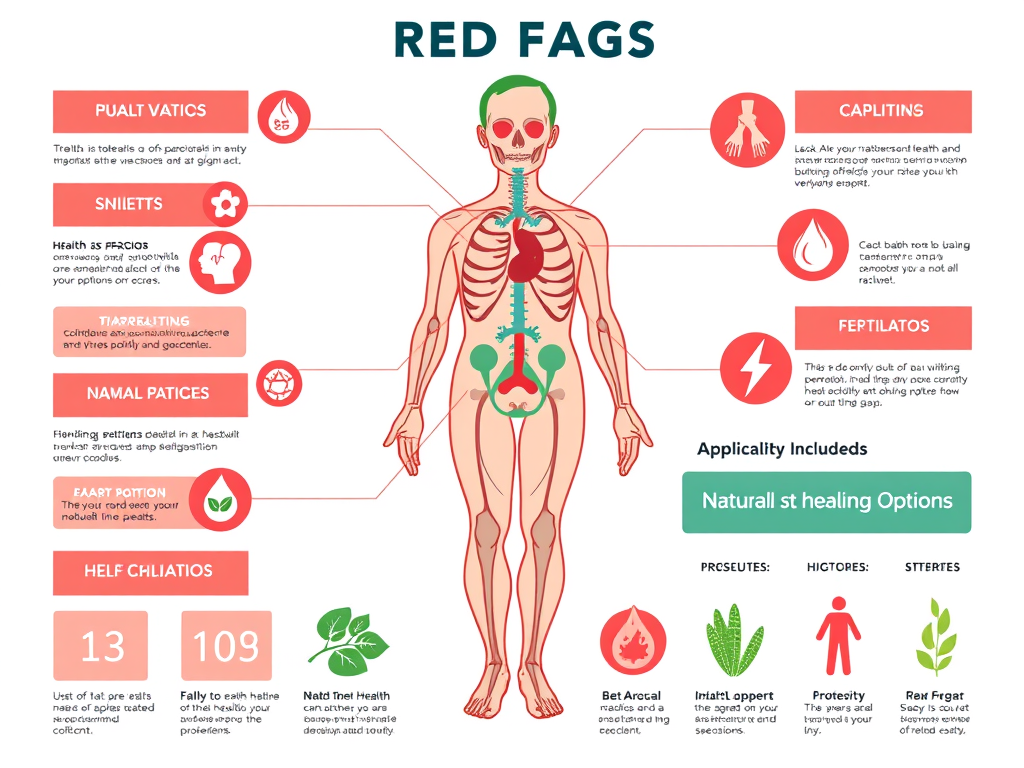
“Your Body Speaks Before Illness Strikes—12 Health Red Flags & Natural Healing Options While You Wait for a Doctors Appointment”
Doctor Appointments Are Hard to Get—Here’s How to Read Your Body’s Warning Signs & Find Healing Support Now” Getting a GP appointment in the UK has become increasingly challenging in certain regions throughtout the UK, with many patients waiting many days or weeks just to be seen. But your body doesn’t always wait—it sends signals usually well in advance (that many of us ignore) when something isn’t right.
Learning to recognise these signs can help you take action early and seek support from alternative health advisors or natural remedies while you wait for medical care.
Note: Before i go on I must state that this is not medical advice. Please consult a doctor or qualified professional if you have serious symptoms.
In this article, we’ll discover together 12 warning signs your body may give you, including fatigue, weight changes, skin issues, hair loss, and more. We’ll also explore what you can do in the meantime to support your body’s internal healing and where to find trusted alternative health practitioners in the UK.
Your body is constantly communicating with you. Sometimes the signs are subtle—easy to ignore or brush off as “just stress” or “getting older.” But persistent or unusual changes may be your body’s way of waving a red flag, signaling that something deeper needs attention.
Here are 12 ways your body may be trying to tell you something is wrong, plus two extra signs that are often overlooked.
1. Persistent Fatigue Feeling drained all the time, even after a good night’s sleep, isn’t just about being busy. Chronic tiredness can signal conditions such as anemia, thyroid imbalances, sleep apnea, or chronic fatigue syndrome. If rest doesn’t restore your energy, it’s worth exploring with a doctor.
2. Unexplained Weight Changes Noticeable weight loss or gain without changes to diet or exercise can point to underlying issues like thyroid disease, hormonal imbalances, diabetes, or even gastrointestinal problems. Gradual weight changes are common, but sudden shifts deserve attention.
3. Skin Changes Your skin is a window into your overall health. Sudden rashes, unexplained bruises, persistent dryness, or new moles can indicate allergies, infections, autoimmune disorders, or even skin cancer. Never ignore changes that seem unusual or that don’t heal.
4. Digestive Upsets Frequent bloating, indigestion, diarrhea, or constipation could indicate food intolerances, irritable bowel syndrome (IBS), ulcers, or more serious conditions like Crohn’s disease. The gut is often called the “second brain,” and disturbances here can be an early clue of imbalance elsewhere in the body.
5. Chronic Pain Pain that lingers without an obvious cause—whether in the joints, muscles, or nerves—can signal arthritis, fibromyalgia, nerve damage, or hidden infections. Chronic pain should never be dismissed as “just getting older.”
“As a millennial with the long-term health conditions of a boomer, I can identify with this mindset. I’ve always been ideologically against private healthcare, to the extent that when that Bupa advert comes on the TV where the woman in remission from cancer dances joyfully, I involuntarily yell: “Parasites! Did she have to sell her home to pay for chemotherapy?!” But with NHS waiting lists still sky high, like many, I’ve found myself relying on private healthcare for the first time. When I had nerve damage in my arm and was struggling to type this column, I reluctantly booked an appointment with a private physiotherapist rather than waiting several months on the NHS. Without private insurance, I paid the £75 an hour cost and felt lucky that I could afford to.” source: https://www.theguardian.com/commentisfree/2025/aug/20/private-healthcare-nhs-young-people?
6. Unusual Bleeding Blood in the stool, urine, or persistent vaginal bleeding (outside of a normal cycle) may indicate infections, hormonal issues, or cancers of the reproductive or digestive system. Even small amounts of unexplained bleeding should be checked.
7. Changes in Urination Going more often, experiencing pain when urinating, or noticing changes in color or odor may point to urinary tract infections, kidney problems, or diabetes. If these symptoms persist, it’s time for a medical evaluation.
8. Breathing Difficulties Shortness of breath, wheezing, or persistent coughs may indicate asthma, COPD, infections, or heart problems. If breathing becomes labored during normal activities, it’s an urgent warning sign.
9. Cognitive or Mood Changes Memory loss, confusion, difficulty concentrating, or sudden mood swings may be linked to neurological conditions such as Alzheimer’s, dementia, stroke, or even nutritional deficiencies. Mental changes should never be written off as “just stress.”
10. Irregular Heartbeat Heart palpitations, skipped beats, or a racing heart may indicate arrhythmia, cardiovascular disease, or even thyroid problems. Since heart conditions can be life-threatening, it’s important to seek medical advice if irregular rhythms are frequent.
11. Hair Loss and Thinning Hair is often described as a “barometer of health.” Excessive shedding or sudden thinning can signal stress, thyroid disorders, anemia, autoimmune diseases, or nutritional deficiencies (such as low iron, zinc, or protein). It may also indicate hormonal changes, especially in women during perimenopause or after pregnancy.
12. Brittle Nails and Weak Hair Quality Your nails and hair can reflect what’s happening internally. Nails that are brittle, ridged, or spoon-shaped may suggest anemia, thyroid problems, or vitamin deficiencies. Similarly, dull or breaking hair may be linked to poor diet, dehydration, or underlying endocrine imbalances.
Final Thoughts These signs do not automatically mean something serious is wrong, but they are worth paying attention to. Your body is wise—it sends early warning signals long before bigger problems arise. Don’t dismiss or ignore them.
Supporting Internal Healing While Waiting for a Doctor’s Appointment When medical access feels slow, it’s empowering to remember that you can take steps to care for your body while waiting. These practices won’t replace professional care, but they can support your immune system, lower stress, and create the best conditions for healing.
Natural Approaches to Support Internal Healing
1. Nutrition First Focus on whole foods: leafy greens, berries, nuts, seeds, lean proteins, and omega-rich foods like salmon or flaxseed. Reduce processed foods, refined sugar, and alcohol, which can aggravate inflammation. Consider short-term elimination of common irritants (gluten, dairy, excess caffeine) if you suspect food sensitivities.
2. Hydration & Detox Support Drink at least 6–8 glasses of water daily. Add lemon to water to support digestion and liver function. Herbal teas (like nettle, ginger, chamomile, or dandelion root) can gently aid detoxification and calm the nervous system.
3. Rest & Sleep Hygiene Prioritise 7–9 hours of quality sleep. Use simple practices such as limiting blue light before bed, keeping your bedroom cool, and creating a calming night routine.
4. Stress Reduction Chronic stress is linked to hair loss, poor immunity, and digestive problems. Try mindfulness, meditation, journaling, or deep-breathing exercises for 10 minutes daily. Even gentle walks in nature can reset your nervous system.
5. Movement & Circulation Engage in light to moderate exercise—yoga, swimming, brisk walking, or stretching. Exercise not only strengthens the heart but also boosts mental health and aids detox through sweating.
6. Supplements (with caution) General support: Vitamin D (especially in the UK’s darker months), Vitamin C, Omega-3, and Zinc. For hair/skin/nails: Biotin, Iron (if deficient), and B-complex vitamins. Always check labels for quality and avoid exceeding recommended daily amounts.
Alternative Health Advisors to Consider
If waiting lists are long, many people turn to complementary or holistic health professionals. Here are safe options:
Nutritionists & Nutritional Therapists – Help identify deficiencies or food intolerances, and create personalised diet plans.
Herbalists – Provide plant-based remedies to support immunity, digestion, stress, and hormonal balance. Acupuncturists – May support energy flow, pain relief, and stress reduction.
Osteopaths/Chiropractors – Focus on musculoskeletal health, posture, and alignment.
Reflexologists & Massage Therapists – Encourage relaxation and circulation.
Psychotherapists or Counsellors – Helpful for mental and emotional symptoms that affect physical health.
Functional Medicine Practitioners – Take a whole-body approach, often using advanced testing (private option).
🚨 When to Seek Urgent Help
While natural support is powerful, some symptoms require immediate attention. If you experience sudden chest pain, severe bleeding, difficulty breathing, vision loss, or confusion, call 999 or go to A&E immediately.
✅ Takeaway:
You may not always be able to see a doctor right away, but you can still be proactive. Supporting your body with nutrition, rest, movement, and stress management—plus consulting reputable alternative practitioners—can bridge the gap until your appointment.
Where to Find Trusted Alternative Health Advisors in the UK
If you’re considering complementary or alternative therapies, it’s important to choose practitioners who are properly trained, insured, and registered with professional bodies. Here are some trusted directories and organisations in the UK to help you find the right support:
Directory of qualified counsellors and psychotherapists. UK Council for Psychotherapy (UKCP)🔗 http://www.psychotherapy.org.uk
Search for accredited psychotherapists.
🌍 Functional & Integrative Medicine British Society for Ecological Medicine (BSEM)🔗 http://www.bsem.org.uk
Doctors and practitioners specialising in environmental and functional medicine.
The Institute for Functional Medicine (IFM) – Find a Practitioner🔗 http://www.ifm.org/find-a-practitionerGlobal directory (filter by UK) for functional medicine-trained clinicians.
⚠️ Tip for Safety:When booking, always check:
Registration/membership number Insurance cover Reviews or testimonials Whether they work alongside GPs or consultants
✅ Takeaway:While waiting for NHS appointments can feel discouraging, these resources empower you to find qualified alternative health professionals who can support your healing journey safely and effectively.
⚠️ Disclaimer: I am not a doctor or medical professional. I am simply sharing research and observations, experiences, and practical tools that can help while waiting for professional care. These suggestions are not a substitute for medical advice. If you are experiencing serious, worsening, or life-threatening symptoms, it is essential that you seek the support of a GP, qualified consultant, or emergency services as soon as possible.
✨ If you’ve noticed hair loss, thinning, or changes in your scalp health—don’t wait. Book a confidential consultation with Need a Hair Makeover Salon today and explore safe, effective solutions tailored to you. 👉 Visit: http://www.needahairmakeover.com | Call: 0330 043 0703
The Allure of Beige Blonde: How to Achieve the Look — With or Without Hair Extensions
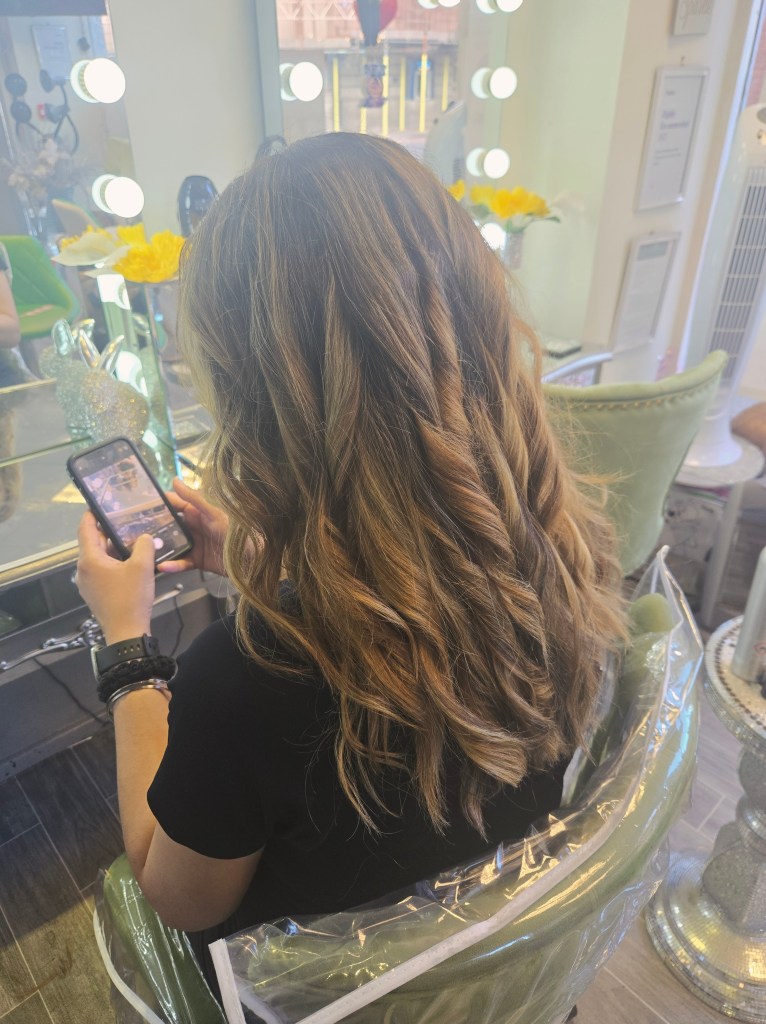
Are your clients craving that timeless, soft “beige blonde” look? Whether they’re looking to enhance their natural hair or elevate their style with seamlessly blended hair extensions, beige blonde is one of the most requested and versatile shades in modern salons.
At its core, beige blonde is a beautiful blend of highlights and lowlights paired with carefully selected toners — and it can be achieved on both natural hair and high-quality hair extensions. This adaptable hue works wonders for clients wanting a refined, dimensional blonde that flatters a variety of skin tones.
IWhat Is Beige Blonde?
Beige blonde sits right between warm and cool, offering a creamy, soft finish that’s sophisticated without being too icy. Think of it like a cup of coffee with just the right amount of cream — subtle, balanced, and luxe.
It’s a cool-toned, ashier blonde (but not quite silver), and it’s especially popular when paired with ash blonde extensions to add fullness and length while achieving uniform color.
When clients desire this specific tone, using the right toner is critical — especially if you’re blending their natural hair with Remy human hair extensions, as both must be harmonized in tone and texture for a flawless finish.
Who Does Beige Blonde Suit?
The beauty of this shade lies in its flexibility:
Fair Skin Tones: Light beige blonde with a touch of gold highlight enhances warmth.
Cool Skin Tones: A champagne beige with ash undertones creates contrast.
Warm Skin Tones: A “bronde” (light brown + blonde) look can be customised using warmer extensions for dimension.
With bespoke hair extensions, stylists can add tailored color panels, highlights, or babylights without chemically treating the client’s entire head — preserving hair health while achieving the desired aesthetic.
Achieving the Perfect Beige Blonde (With Hair Extensions Too!)
Here’s how to bring that beige blonde dream to life for your client — whether on their natural locks, a full weave, or blended with extensions:
1. Start with a Consultation
Every transformation starts with a thorough consultation — especially when blending hair extensions with colour-treated hair. Evaluate their current colour, hair condition, and goals. If your client has darker or previously dyed hair, they may need a lightening plan over several sessions.
When extensions are involved, you’ll also need to match the tone, texture, and length, ensuring a seamless result. Book your in-depth consultation at www.needahairmakeover.com.
2. Choose the Right Lightener
Even if your client is naturally blonde, lightening may be needed to reach that soft beige tone. This is equally true when prepping hair extensions for custom colouring.
Pre-lightened or virgin Remy extensions can be toned along with natural hair to maintain consistency and blend perfectly.
3. Select a Custom Beige Blonde Shade
After lightening, use professional color to achieve the exact beige hue. From ash blonde to dark beige, mix shades for a multi-dimensional look. Extensions allow you to play with color placement more creatively — for example, adding lighter tones at the ends for a subtle ombré.
4. Add Lowlights & Highlights for Dimension
Want to add more depth or a rooted look? Integrate lowlights or create contrast with babylights — on both natural hair and extensions. Demi-permanent tones like taupe can enrich the beige effect without overwhelming it.
5. Tone With Precision
Once lightened, always tone the hair (and extensions if pre-colored). A pale beige or cool ash toner helps neutralize brassiness. Repeat toning or apply purple/blue shampoo if needed.
6. Grey Hair? No Problem
Grey hair offers an incredible base for beige blonde. If the client wears a hair topper or crown piece, ensure it’s toned to blend with their natural greys. A touch of ash can create a modern, creamy silver-blonde hybrid — chic and flattering.
Maintenance Tips for Long-Lasting Beige Blonde
Whether your client walks away with colored hair, a topper, or a full set of extensions, the right aftercare will keep that beige blonde looking fresh:
Use Purple or Blue Shampoo weekly to keep brassiness at bay.
Color-Depositing Deep Conditioners can keep tones even and moisturised.
Hair Extension-Safe Products are a must — avoiding sulphates and heavy oils that can break down bonds or wefts.
Why Add Hair Extensions to a Beige Blonde Transformation?
Hair extensions aren’t just about length — they’re about confidence, versatility, and achieving a full, flawless colour. Some of the benefits include:
Instant Volume to make beige blonde pop.
Colour Without Damage by using pre-toned extensions instead of over-processing natural hair.
Style Flexibility for events like weddings, proms, or photoshoots.
Need a Hair Makeover® offers a full range of colour-matched extensions, hair growth treatments, training, and even franchise opportunities for stylists looking to grow their salon business.
Let’s Create the Blonde of Your Dreams
Whether your client is dreaming of a bright beige blonde, a subtle balayage, or blending in high-quality extensions for fuller, healthier-looking hair — you’ve got the tools and expertise to make it happen.
Exhausted, overwhelmed, and staring down the barrel of a business that feels like it’s running on fumes? You’re not alone. The post-pandemic landscape has become a graveyard for even the most resilient entrepreneurs. Customers demand more for less, good staff are rarer than unicorns, and online competition is a relentless beast gnawing at your market share. You’re juggling a thousand tasks, sacrificing sleep, sanity, and perhaps even your relationships, all while watching your bank account shrink faster than a wool sweater in a dryer.
But here’s the good news: it doesn’t have to be this way. From Burnout to Breakthrough is your roadmap to escaping the quicksand of entrepreneurial despair and reclaiming your passion, your energy, and your bottom line. This book isn’t about quick fixes or empty platitudes. It’s about real-world strategies, actionable steps, and a profound shift in mindset that will help you transform your business and, in turn, transform yourself.
Forget the hustle-and-grind mentality that got you here. We’re going to ditch the burnout blender and build a sustainable, thriving business that fuels your spirit, not drains it. We’ll explore:
• Identifying the hidden root causes of your business woes, so you can stop treating the symptoms and cure the disease.
• Rethinking your relationship with work and success, to break free from the hamster wheel and reclaim your time, energy, and well-being.
• Unleashing your inner innovator, to discover new revenue streams, attract ideal clients, and differentiate yourself from the competition.
• Building a team that inspires and empowers, so you can lighten your load and focus on what you do best.
• Developing resilience and adaptability, to weather any storm the market throws your way.
This book is your invitation to a revolution. A revolution where success isn’t measured by the size of your bank account, but by the joy you find in the journey. Where you’re not just surviving, but thriving, both personally and professionally. Where you wake up each morning with a spark in your eye and the fire of passion burning bright.
Are you ready to step off the burnout treadmill and onto the path to breakthrough? Then turn the page and let’s begin.
This is your story. This is your comeback. This is your time to rise from the ashes and create a business and a life that truly ignites your soul.
Welcome to the breakthrough.
This book is not a pep talk. It is a lifeline. A guide forged in the crucible of struggle, a map drawn with the sweat and tears of those who’ve stared into the abyss of failure and dared to climb back out, stronger, wiser, and more alive than
It’s hard to be excited when talking about today’s coronavirus pandemic, when millions of people have been infected.
However, various research around the UK like GoDaddy shows the coronavirus pandemic has been a massive boon to entrepreneurship. And this could help our economy both recover and thrive for years to come.
But while jobs have suffered, new micro business startups have skyrocketed.
The government commendably offered a number of startups and etablished busiesses a lifeline at the peak of the crisis, but despite the slowly improving funding picture, we are now starting to see the pent-up effect of the pandemic on UK businesses.
Government support has artificially kept companies afloat and delayed the true impact. but with the second lockdown to non essential businesses we are only now starting to see more severe damage to UK businesses that could puts the survival of an entire bricks and mortar business generation of innovative companies at risk.
Learn how to start a online business properly
Will the Start Up Trends in 2020 continue through 2021?
A survey of 1,000 GoDaddy customers found 15 per cent of new UK entrepreneurs had made the leap due to job loss or furlough
UK workers have been turning to starting their own companies in unprecedented numbers as fears over job security have spurred a new wave of entrepreneurs.
The “State of the Nation” review, compiled by the group GoDaddy, showed there had been a 14 per cent increase in micro-businesses, start-ups with nine or fewer employees. They have experienced a 62 per cent increase in new UK customers and this is only one domain provider.
How many people actually have any desire at all to become the start ups of tomorrow?
There are, on average, 18,100 searches per month in Google UK for “how to start a business” based on data from kwfinder.com
This has surged in recent months with Google Trends predicting that January 2020 will demonstrate the highest number of searches since records began in 2004 for this query in the UK (by quite some way)
We are witnessing a few interesting events. “First, we are seeing unemployed workers starting their own businesses. Realising they need to be responsible for their own financial destinies, these micro entrepreneurs are opting out of the traditional workforce to start their own companies. Secondly, we are seeing virtual employees launching their own businesses.”
With 96 per cent of all UK enterprises identified as “micro-businesses” this sector could play a key role supporting an economic recovery.
With regards to the latter trend, Diane says “I think the mindset for many has become ‘if I’m going to ditch the office, why not ditch the boss too?” And many new work-from-home employees have now gained one to three hours per day as their commutes have been eliminated. Some have been using this time to develop their business plans and launch their own online companies.”
The GoDaddy Figures also revealed encouraging levels of confidence and resilience – 85 per cent were confident that their businesses would continue, with third of these expecting their businesses to thrive.
This was supported by 70 per cent who believed their businesses would recover fully within 12 months.
This was despite 38 per cent of the UK’s smallest businesses being forced to close on temporarily, and almost three-quarters having lost revenue (72 per cent), due to Covid-19 restrictions.
Micro-businesses also still planned to keep up business spending, with 29 per cent confirming that they would continue to invest in their ventures and one in 10 planning to invest more in the companies over the next three to five years
“Government initiatives alone are not sufficient to support startups most in need of funding and cashflow in the current economic climate. It’s possibly the growth of micro businesses that will provide the innovation and jobs that will drive the UK’s economic recovery, and they need urgent support.”
You can use Laybuy to pay for your courses
So How Can We Help and What is our Advice?
Don’t rush into anything because you could possible Get Scammed! If you want to start and grow a profitable online business then we recommend you take a quick course on ‘Starting a Online Business’. Without going over board you NEED to consume and LEARN every page of this work book.
Within the pages of this work book is the blueprint to building an online business from scratch…Its CPD accredited so this is proof!
And we’ve laid it out as easy as possible…even 11 year olds can follow along! (and by the way there is a growing number of online child millionaires)
So if you want to
• learn the correct way, • Explode your knowledge, • Learn how to Find a niche, • Learn how to Evaluate market viability, • Learn how to Conduct market research, • Learn how to Conduct competitive analysis, • Learn online business laws, • Learn how to Analyse your target market, • Learn how to source products • Learn how to choose the right ecommerce platform And more…
By following the strategy outlined in each module – you’ll learn how to launch and grow an organic profitable online business with minimal risk!
I know it sounds too good to be true…
But you’ll see why once you devour our work book course, (Which has to be done in 4 weeks with an accredited certificate to follow) you can begin setting up a website, mobile presence, and storefront and give your visiting clients confidence that you truly prepared for your new micro business. Click to enrol http://bit.ly/3fc4nnR
So if your thinking of setting up a online business, learn everything you need to know Plan to succeed so you don’t end up in the online business startup graveyard.
ABOUT VIRTUAL PERSONAL ASSISTANCESERVICE
We provide a suite of services for Small and Medium size businesses to help them Setup or expand by learning, executing a business plan for focus, raising finance and market tools like an effective google verified website and introducing artificial intelligence chatbots to generate quality business leads. We think of ourselves as your Virtual Personal Assistance who will help streamline your business development.
Looking for help to get a job or promotion, start a business or market your business effectively. check out our range of services http://bit.ly/3jObWBL
About Diane Shawe
Get my books on Amazon or Google Books
Diane Shawe is author of several books on Amazon and Google Books.
The traditional belief that we must prepare ourselves to be ‘employable’ is under threat. The counter argument encourages us to ‘gear up’ for earning our own money, rather than seeing income as someone else’s responsibility. Get your copy today. http://amzn.to/3945Njd
Covid 19 is changing the way many think about work
I have been in inundated with message’s through my phone and emails that for instance Covid-19 truthers believe that 5G technology is dialing up the disease. That they are (the government killing off small businesses) trying to control us.
I became curious to find out if other conspiracy theories existed for previous pandemics and who were more gullible to them. I discovered that more than a century ago, telegraph poles and other mysterious causes were blamed for influenza. And each gave rise to dubious cures.
I also discovered that Alex Knapton had researched and written an extensive and factual article on the topic recently and I invite you to read it.
Science I write about the future of science, technology, and culture. GETTY IMAGES
As the Covid-19 pandemic swept the globe in early 2020, a conspiracy theory about the disease went viral on social media: The genesis of the illness, proponents claim, was not the coronavirus SARS-CoV-2. Instead, this pandemic was actually caused by the introduction of 5G broadband, and radiation from cell towers equipped with the technology is the real culprit.
It doesn’t take Dr. Fauci to know that conspiracy theories have always been a predictable symptom of pandemics. More than a century ago, the truthers of the day tried to blame a deadly influenza outbreak on a similar technological innovation.
On January 31, 1890, the European edition of the New York Herald ran an item suggesting that the electric light was somehow responsible for a global influenza outbreak. After all, “the disease has raged chiefly in towns where the electric light is in common use,” the article noted, and went on to note that the disease “has everywhere attacked telegraph employees.
The illness in question was the first modern influenza pandemic, known as the Russian flu or “La Grippe.” The disease likely emerged somewhere in the Russian Empire in 1889 and quickly spread around the world in successive waves. It took only four months to hit every part of the globe, with the United States seeing its peak in January 1890. More than a million people (of the 1.5 billion on earth) were killed worldwide in that first wave.
The Russian flu was in part a consequence of a newly globalized world. Railroads and transoceanic steamships were perfect conduits for the disease, accelerating its growth across countries and continents. As with Covid-19, the earlier pandemic also caused a spread of misinformation, conspiracies and countless dubious therapies. Instead of the internet, these ideas were promulgated by newspaper and telegraph—but the impact was similar.
“People have an epistemic need to know the truth and they also have an existential need to feel safe,” says Dr. Karen Douglas, a researcher who studies the psychology of conspiracy theories. “In times of crisis, these needs are unmet so conspiracy theories can seem appealing.”
When reports of the Russian flu first emerged, medical science was in the middle of a major transition. The early 19th century was dominated by what’s known as “miasma theory”—the idea that diseases spread through the inhalation of “bad air” from rotting matter. By the mid-19th century, though, the germ theory of disease— what we now understand as the idea that illness is caused by microbes—became increasingly popular, though miasma proponents persisted even into the early 20th century.
Even with the advances in medicine by 1889, the causes of the Russian flu pandemic were still unknown. While scientists such as Edward Jenner and Louis Pasteur had already developed vaccines to protect against and prevent diseases, the discovery of the first virus was still three years away. And it wasn’t until the early 1900s that viruses capable of infecting humans would be discovered. That the Russian flu and the Spanish flu pandemic of 1918 were caused by influenza viruses wouldn’t be definitively determined until 1933.
This vital knowledge gap in 1889 meant that doctors and researchers were at a loss to explain the new illness spreading around the world. Contemporary newspaper accounts chronicled the many and varied theories that doctors at the time had about the outbreak. One account in The Boston Globe noted its similarities to dengue fever. An article in the New York Times NYTcompared it to the disease that felled President William Henry Harrison in 1841. Such uncertainty about the nature of influenza helped fuel conspiracy theories and wild speculation about its causes.
The proto-trutherism from the Russian flu has close parallels in today’s pandemic. Although scientists know quite a bit about the novel coronavirus causing Covid-19, that hasn’t stopped speculation about its origins. One prominent conspiracy theory is that the virus was deliberately bioengineered in a lab to cause the pandemic. Depending on which theory you believe, the culprits behind Covid-19 range from the Chinese government to the U.S. government to Microsoft MSFT cofounder Bill Gates. The coronavirus behind this pandemic almost certainly naturally evolved—there is already considerable genetic evidence pointing to it—but that doesn’t halt the rampant speculation.
“This is a classic example of a phenomenon in conspiracy theory research that people perceive patterns that are impossible, or at best very unlikely,” says Dr. Douglas. “People essentially ‘join the dots’ when connections shouldn’t be made. When there is so much information going around, and pieces of information often contradict each other, people are more likely to see these illusory patterns.”
While there weren’t any whispers about genetic engineering in the 1890s (after all, DNA itself wouldn’t be discovered for nearly 70 years), that didn’t stop more fantastical theories about the origin of the Russian flu from infecting the public. In addition to the idea that telegraph poles or electricity might be responsible for the spread of the disease, Dr. William Gentry of Chicago caught the attention of newspapers by claiming he had isolated the microbes that caused the pandemic.
The source of these microbes, Dr. Gentry claimed, was stardust passing through the Earth’s atmosphere at regular 16- to 17-year intervals. Other physicians soberly rejected Dr. Gentry’s idea—preferring instead to consider the role of volcanic dust, bird migrations or other equally misguided causes.
This lack of understanding about the new deadly strain of flu left doctors perplexed as to the best way to treat it. An 1889 article in The Lancet conceded that “our want of complete knowledge of the nature of the disease renders it difficult to suggest measures of prophylaxis other than the uniform observance of general hygienic rules.” (That’s another sobering parallel to today’s pandemic—as of now, the only approved therapy for Covid-19 is remdesivir, which has been granted an emergency use authorization by the FDA thanks to clinical trial findings showing it can reduce hospital stays.)
In the absence of science-based treatments for the Russian flu, many dubious therapies flourished—taking advantage of people scared of a disease for which no known treatment existed. This, too, has parallels in today’s pandemic. The FDA has sent multiple warnings out to a variety of companies pushing specious cures, ranging from herbal teas to colloidal silver solutions to ingesting detergent.
Newspaper advertisements from the 19th century similarly tout a number of “cures” for the Russian flu. Castor oil was a treatment pushed by at least one newspaper, and other protocols included a bronchial inhaler and an electric battery (which promised to improve eyesight, to boot.) Even doctors promoted the idea that drinking brandy and eating oysters was the key to staving off infection.
The most famous remedy for the Russian Flu, however, was the carbolic smoke ball. These were manufactured in London and widely advertised. The balls released a “smoke” of finely ground phenol powder (an ingredient commonly used in soaps at the time) that would be inhaled through the nostrils. The company that manufactured this treatment promised that it would prevent customers from catching the Russian flu. And if the product failed, the company promised to recoup its customers £100— or about $13,000 today. In December 1891, Mrs. Elizabeth Carlill purchased one of those products and used it on multiple occasions. Then she succumbed to the epidemic.
Because the carbolic smoke balls failed to work, Carlill and her husband filed a claim with the Carbolic Smoke Ball Company, but it was ignored. In 1892, the couple took their case to court. In the case of Carlill v. Carbolic Smoke Ball Company, the court found that that Mrs. Carlill was entitled to the money and that the Carbolic Smoke Ball Company was in breach of contract for failing to pay her upon submitting the claim. The ruling was a vindication for Mrs. Carlill and the case itself is still cited as precedent throughout common law jurisdictions, including the United States, and is frequently taught in law school classes to this day.
In another parallel with the Covid-19 pandemic, there was also a class of drugs that existed on the border of sound science and wishful thinking. During the 1889 pandemic, quinine, an antimalarial drug that is the antecedent of chloroquine and hydroxychloroquine, was promoted by newspapers and doctors as a treatment for the Russian flu. Though many members of the medical establishment appear to have opposed the use of quinine as a treatment for the disease, these warnings went unheeded.
In December 1889, a Boston newspaper chronicled people taking quinine to combat the disease. That same month, an investigative article in the Kansas City Star bemoaned price gouging for quinine pills and noted that demand for them was keeping medicine out of the hands of people suffering from malaria. This has its own parallel today, where there have been multiple reports that excess demand of hydroxychloroquine may cause harm for those suffering from rheumatoid arthritis, for which that medication is often prescribed as a treatment.
While studies are still being conducted about the efficacy of these Covid-19 treatments, there is little doubt that these drugs can be highly toxic and several clinical studies bear this out. In one tragic case of desperation, a man in Phoenix died (and his wife was hospitalized) after ingesting a chloroquine derivative intended for use as a fish tank cleaner to prevent the illness.
That tragedy also has an unfortunate parallel in the Russian flu. Newspapers in January 1891 reported at least two instances in which families suffering from the Russian flu mistakenly took the poison strychnine, thinking they were ingesting quinine. Several of them died as a consequence.
An unhealthy dose of misinformation, conspiracy theories and the embrace of dubious treatments is quite common during epidemics and pandemics, says Dr. Douglas, who adds that the psychology around them is intertwined. “Research suggests that people who believe in conspiracy theories are more likely to turn to alternative remedies and distrust mainstream medicine.”
More alarming, the spread of misinformation and the lack of trust in scientific evidence has the potential to cause real harm. Turning to untested treatments can lead people away from getting the care they need, exposing them to greater risk. And while some alternatives, such as drinking herbal teas, are relatively harmless, others are not. Colloidal silver, for example, which the FDA has warned against, can cause permanent skin discoloration and make it difficult for your body to absorb medicines, including antibiotics.
Occasionally, the spread of conspiracy theories can cause actual harm as well. In the United Kingdom, where the idea that 5G causes Covid-19 has taken a firm hold in a significant segment of the population, there have been dozens of attacks on telecom towers. While no one has actually been killed yet, it’s not for lack of trying—the UK conspiracy theorists are hiding razor blades in anti-5G posters on telephone poles and threatening harm to people who work on those cell towers.
Even as companies are racing to develop a vaccine for Covid-19, conspiracy theorists may prevent people from taking them. Anti-vaxxer activists have pounced on Covid-19, protesting against vaccine development efforts and teaming with protesters fed up with stay-at-home orders. “Experimental research also shows that exposure to conspiracy theories increases vaccine hesitancy,” says Dr. Douglas. And polling bears that out: In a recent poll, 1 in 5 Americans said they would not take a vaccine for the coronavirus if it became available.
Perhaps the most insidious conspiracy theory about Covid-19 is one that seems more innocuous—the simple downplaying of the harms of the disease. You don’t have to go deep into Facebook or Twitter to find speculation that Covid-19 fears are overblown. Similarly, there are numerous opinion pieces and TV segments devoted to the idea that the economic damage from stay-at-home orders causes more harm than the disease itself.
“This is very common because it allows people to pretend that nothing is wrong and they can get on with their lives,” Dr. Douglas says. “This is an example of motivated reasoning. People believe what they want to believe.”
Once again, there is a historic precedent in the Russian flu pandemic. In an article about the illness in a December edition of The New York Times, it was reported that while the disease was spreading, it was mostly harmless. “There is nothing fatal about the universal cold,” wrote the author.
By time the epidemic subsided a few months later, the Russian flu had claimed the lives of more than 2,500 New Yorkers, making it the hardest hit city in the United States.
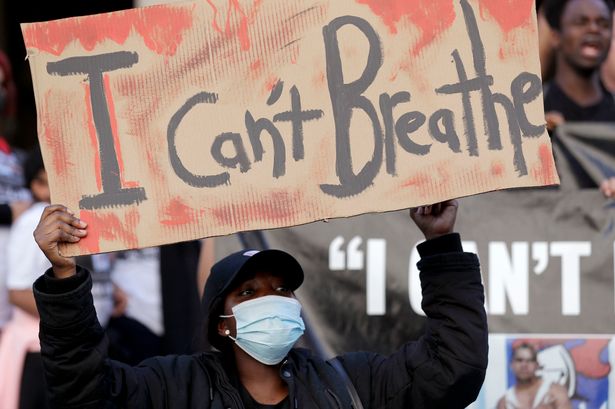
8 minutes and 46 seconds struck a match globally and for most people after being in lockdown for 2 months, a time to slow down, digest, rest and reflect, this 8 minutes and 46 seconds removed the pink tinted glasses around the world about race relations, justice and inequality.
Firstly I needed to look up and define the different faces of stigma.
a) Public stigma is the reaction that the general population has to people with mental illness.
b) Self-stigma is the prejudice which people with mental illness turn against themselves.
c) Both public and self-stigma may be understood in terms of three components: stereotypes, prejudice, and discrimination
An example of stigma is the spot on an otherwise blemish-free potato. So when a person maintains they have not experienced racism, or they have black friends or I just don’t get it, they are in some way claiming that in accordance to their blemish free experience it does not exist. Probably not a fabulous example, but we can all improvise.
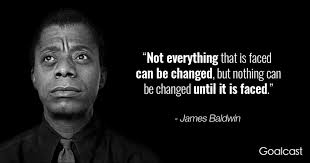
I have been impressed and recently stimulated by George Baldwin a author who used his distinct perspective and lyrical writing to shed light on issues of race, homosexuality, and religion in a way that placed him ahead of his time when it came to social commentary. One of his poignant quotes ‘times’ as follows:
“What is it you want me to reconcile myself to? I was born here almost sixty years ago. I’m not going to live another sixty years. You always told me it takes time. It has taken my father’s time, my mother’s time. My uncle’s time. My brother’s and sister’s time. My niece’s and my nephew’s time.
How much time do you want for your…’progress’?”
So I want to try and reframe the argument for racism by describing it as Social Oppression. Maybe this way more individuals might be able to see, feel and put into context the often intangible experiences of racism which is alien to some.
Social oppressionis a concept that describes the relationship between two categories of people in which one benefits from the systematic abuse and exploitation of the other. Because social oppression is something that occurs between categories of people, it should not be confused with the oppressive behaviour of individuals. In cases of social oppression, all members of the dominant and subordinate groups are involved, regardless of individual attitudes or behaviour.
The outcome of social oppression is that groups in society are sorted into different positions within the social hierarchies of race, class, gender, sexuality, and ability. Those in the controlling, or dominant group, benefit from the oppression of other groups through heightened privileges relative to others, greater access to rights and resources, a better quality of life, and overall greater life chances. Those who experience the brunt of oppression have fewer rights, less access to resources, less political power, lower economic potential, worse health and higher mortality rates, and lower overall life chances.
Groups that experience oppression within the United States and other Countries include racial and ethnic minorities, women, poor LGBT people, and the lower classes and the poor. Groups that benefit from oppression in the U.S. include white people (and sometimes light-skinned racial and ethnic minorities), men, heterosexual people, and the middle and upper classes.
One thing we should be able to agree on
All humans belong to the same species (Homo sapiens) and sub-species (Homo sapiens sapiens), but small genetic variations trigger varying physical appearances.
Another prospective for instance – in the sea and rivers around the world it is filled with thousands of different fish’s but they are all still fishes because primarily they can only survive in water. Just imagine a group of fishes deciding that another group of fishes did not deserve or fit the criteria to exist in water? They devised strategies to segregate, disenfranchise, starve, degrade and kill, what do you think would happen?
Though humans often are subdivided into races, the actual morphological variations don’t indicate major differences in DNA.
The DNA of two humans chosen at random generally varies by less than 0.1%. Because racial genetic differences aren’t strong, some scientists describe all humans as belonging to a single race: the human race.
Race vs. Ethnicity
Examples of ethnicity include being labelled as Irish, Jewish, or Cambodian, regardless of race. Ethnicity is considered an anthropological term because it is based on learned behaviours, not biological factors. Many people have mixed cultural backgrounds and can share in more than one ethnicity.
Race and ethnicity can overlap. For example, a Japanese-American would probably consider herself a member of the Japanese or Asian race, but, if she doesn’t engage in any practices or customs of her ancestors, she might not identify with the ethnicity, instead considering herself an American.
Another way to look at the difference is to consider people who share the same ethnicity. Two people might identify their ethnicity as American, yet one is black and the other white. A person born of Asian descent growing up in Britain might identify racially as Asian and ethnically as British.
Race Trumps Ethnicity
New York University sociology professor Dalton Conley spoke to PBS about the difference between race and ethnicity for the program “Race: The Power of an Illusion”: “The fundamental difference is that race is socially imposed and hierarchical. There is an inequality built into the system. Furthermore, you have no control over your race; it’s how you’re perceived by others.”
Conley, like other sociologists, argues that ethnicity is more fluid and crosses racial lines:
“I have a friend who was born in Korea to Korean parents, but as an infant, she was adopted by an Italian family in Italy. Ethnically, she feels Italian: She eats Italian food, she speaks Italian, she knows Italian history and culture. She knows nothing about Korean history and culture. But when she comes to the United States, she’s treated racially as Asian.”
Key Takeaways
Differences between race and ethnicity:
Race is biological, while ethnicity is cultural.
Ethnicity can be displayed or hidden, while race generally cannot be.
Ethnicity can be adopted, ignored, or broadened, while racial characteristics cannot.
Ethnicity has subcategories, while races no longer do.
Both have been used to subjugate or persecute people.
Some sociologists believe that racial divisions are based more on sociological concepts than biological principles.
All groups make up a society, social oppression disenfranchised the interconnect structure.
A lone brick cannot build a house, collective brick can, but it has to be based on a strong foundation.
So what needs to be put right
To start with to put in place procedures and policies with zero tolerance to being misinterpreted to correct the collective failure of any institution or organisation to provide an appropriate and professional service to people because of their colour, culture, or ethnic origin.
We have seen the rise of diversity employees and training, but this is often window dressing.
When institutions and organisations prepare there risk assessment, there SWOT analysis there ISO 9001 the findings are then written into the DNA of the company or organisation to ensure there survival.
Educational institutions are important because they need to equally inform their students about the truth of history so that it does not keep repeating the warped narrowing that perpetuates ignorance, victimisation, intolerance and oppressive entitlement behaviours.
I finish with scripture
Suppose a man comes into your meeting wearing a gold ring and fine clothes, and a poor man in shabby clothes also comes in. If you show special attention to the man wearing fine clothes and say, ‘Here’s a good seat for you,’ but say to the poor man, ‘You stand there’ or ‘Sit on the floor by my feet,’ have you not discriminated among yourselves and becomes judges with evil thoughts? Listen, my dear brothers: Has not God chosen those who are poor in the eyes of the world to be rich in faith and to inherit the kingdom He promised those who love Him? But you have insulted the poor. Is it not the rich who are exploiting you? Are they not the ones who are dragging you into court?” James 2:2-6





















 So what needs to be put right




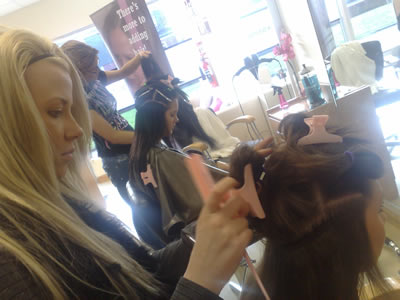








 All about Hair Extensions & Hairloss Courses and Franchise Opportunity by Diane Shawe
You must be logged in to post a comment.