By Diane Shawe, CEO of Need a Hair Makeover Hair Extensions & Hair Loss Specialist Salon Author | Educator | Hair Extensions & Hair Loss Specialist
Recently, a viral video has sparked alarm by claiming that synthetic hair is carcinogenic. As a long-standing educator and practitioner in the hair industry—working with clients suffering from alopecia, stress-related hair loss, and chemotherapy-induced thinning—I feel it’s crucial to address this topic with fact-based clarity.
Here’s what you need to know before letting fear override science.
🧪 What is Synthetic Hair Made Of? Synthetic hair is typically made from polymer-based fibers such as:
Modacrylic (a blend of acrylic and PVC) Nylon (Polyamide) Polyester Acrylic fibers (PAN-based)
These materials are not unique to wigs. They’re used in clothing, carpets, medical-grade wigs, and even children’s toys. Once processed through polymerization, they become stable and non-toxic, posing no health threat under normal use.
⚠️ Understanding the Carcinogen Confusion Some of the panic stems from misunderstanding the difference between raw chemicals and final products. For instance, acrylonitrile is toxic in its raw form—but when transformed into polyacrylonitrile fibers, it becomes chemically stable. This is standard chemistry, similar to how crude oil becomes safe plastic.
📌 Fact Check: If synthetic hair were genuinely carcinogenic, it wouldn’t be used for medical wigs worn by chemotherapy patients worldwide.
🔥 The Real Risk? Burning – Not Wearing Like any material (cotton, wool, or even natural hair), synthetic hair can emit toxic fumes if burned. However, normal wear, heat styling within safe limits, or day-to-day usage poses no proven cancer risk.
The Consumer Reports test in 2023 found small traces of benzene and VOCs in some synthetic braiding hair brands, but: The sample size was limited It was not peer-reviewed No clinical studies confirmed these materials cause harm when simply worn
💡 At Need a Hair Makeover, we educate our clients on safe heat usage and only source from high-quality suppliers.
🌍 The Environmental Factor The real issue with synthetic hair is environmental, not health-based. Most synthetic hair is non-biodegradable, contributing to microplastic waste.
However, eco-friendly solutions are emerging:
♻️ Recycled synthetic fibers 🌿 Bio-based and plant-fiber blends 🧼 Wash-before-use practices to reduce residue exposure
As a specialist salon, we’re advocating for sustainability without shame.
📚 Further Learning from Diane Shawe If you’d like to deepen your understanding of the hair industry, sourcing ethics, and protective styling care, explore my published works:
🖥️ And be sure to follow my professional blog: ➡️ http://www.needahairmakeover.blog Here, we regularly post updates on hair safety, trends, tutorials, and client education.
✅ I While we should never ignore safety signals, it’s equally dangerous to accept viral claims as fact without scientific scrutiny. To date, there is no evidence that wearing synthetic hair causes cancer. Let’s be informed, not alarmed.
✨ Whether you wear synthetic hair for fashion, convenience, or necessity—you deserve to feel confident and safe in your choices.
Have questions or want expert advice on hair systems, wigs, or protective styling? 📩 Email me at needahairmakeover@gmail.com 🌐 Visit: http://www.needahairmakeover.com
With insights from Diane Shawe, Founder of Need a Hair Makeover Hair Extensions & Hair Loss Specialist Salon
When you see celebrities like Zendaya, Issa Rae, Keke Palmer, Oprah or Beyoncé rocking a different look every week—from goddess locs to waist-length braids to flawless lace wigs—it’s easy to assume it’s all for glam. But beneath the style switch-up lies something far more intentional: protective styling.
Protective Styling: More Than a Trend
Protective styles, which include lace wigs, braids, twists, crochet installations, and faux locs, are designed to shield natural hair from damage caused by heat, environmental exposure, and excessive manipulation.
While it may seem counterintuitive to cover healthy hair, many high-profile women—and everyday queens—do so to preserve their hair, not hide it. “Afro-textured hair is beautiful and versatile, but it’s also incredibly delicate,” explains Diane Shawe, expert hairloss enhancement and founder of Need a Hair Makeover.
“People wrongly assume it’s strong because it’s thick or coily, but the curl structure makes it more prone to breakage, especially at the bends.”In fact, afro hair has fewer cuticle layers than straight hair, making it more vulnerable to dryness, tangling, and mechanical damage. And for celebrities whose schedules demand 5 a.m. call times, multiple weekly appearances, and frequent travel, managing natural hair daily becomes almost impossible and would end up irreversably damaged.
“Natural hair takes time—not just to style, but to protect, moisturise, stretch, and detangle,” Shawe adds. “Protective styling becomes a practical and empowering solution.”
What Regular Women Love About It Too
It’s not just celebrities turning to protective styles. Across the UK and beyond, thousands of Black women are embracing this method to grow out their hair, manage conditions like alopecia, or simply enjoy style versatility without stress. “Many of my clients want hair that’s low-maintenance but still beautiful,” says Diane. “Whether they’re dealing with hair thinning from medication, stress, or postpartum changes, protective styles allow them to feel confident again—without compromising their real hair.”
Tips for Choosing the Right Protective Style
Before jumping into any protective style, Shawe encourages thoughtful planning:
1. Choose your stylist wisely. “Not every braider or wig installer understands tension, density, and scalp health. If your style is too tight or heavy, it’s not protective—it’s destructive.”
2. Mind the material. Opt for quality synthetic or human hair, depending on your needs. “There’s a myth that synthetic braiding hair is carcinogenic,” (see my article covering that topic in another blog.)
Diane notes. “This stems from misinformation. The hair is made of fibers like kanekalon or toyokalon, which are non-toxic and used globally. The only issue is when people don’t wash it before use, causing scalp irritation—not cancer.”
3. Keep it clean. “Just because your hair is tucked away doesn’t mean you can ignore it. Cleanse your scalp, moisturise underneath, and avoid styles longer than 6–8 weeks.”
4. Listen to your hair. “If your edges are thinning or your scalp feels inflamed, don’t ignore it. Take breaks between installs and rotate with loose styles like crochet or glueless lace wig alternatives.”
The Confidence Factor
Protective styles aren’t just practical—they’re powerful. They allow Black women to reclaim their image on their own terms.
Lace wigs give the illusion of a flawless hairline.
Knotless braids reduce tension.
Crochet styles blend natural texture with flair. And all of them offer freedom of choice.
As Diane puts it: “Black hair is a crown, but how you wear it is your right. Protective styling gives women options, confidence, and control. Whether you’re walking a red carpet or down your high street—rock your style with pride.”
Ready to switch up your style or get expert guidance? Visit http://www.needahairmakeover.com to book a consultation or follow @NeedAHairMakeover on social media to explore 18+ professional protective styling methods, book a consultations, or get help with hair loss solutions.
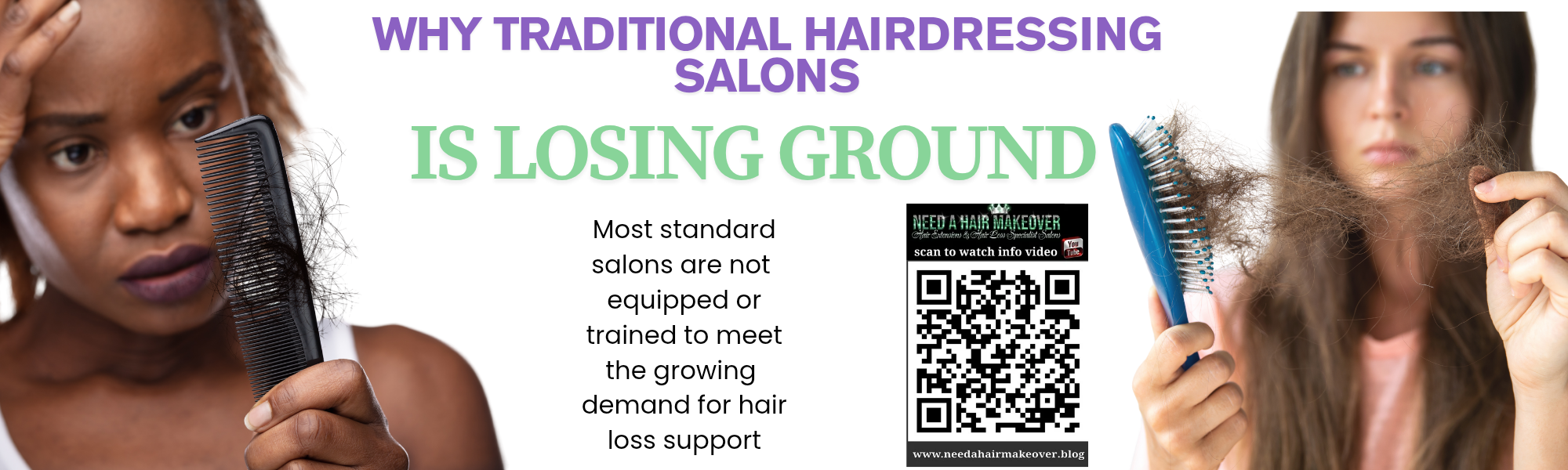
Most standard salons are not equipped or trained to meet the growing demand for hair loss support.
With their focus still on aesthetics, they often overlook the deep emotional and physical toll hair loss can bring. Clients facing hair thinning, alopecia, traction damage, or post-chemotherapy loss need more than a good blow-dry—they need specialists. And this is where Need a Hair Makeover Specialist Salon Franchise steps in.
A Specialist Salon for a Specialist Market
At Need a Hair Makeover, they specialise in non-invasive, confidence-restoring hair loss disguising techniques:
Hair toppers, toupees, lace frontals, bespoke wigs, 18 integration hair extension systems and infrared and laser hair regrowth theraphy.
Customisable treatments for traction alopecia, hormonal hair loss, and post-chemo recovery
Ongoing care and support for long-term client relationships and producing supportive documents for insurance claims for cranial prostheses.
There approach is holistic, empathetic, and highly profitable—with specialist services clients are actively seeking but struggling to find in conventional salons.
Who We’re Looking For
We’re seeking passionate individuals and salon owners who want to:
Be part of the £88 billion hair loss solution economy
Offer transformational services that change lives
Join a proven brand led by industry pioneer Diane Shawe, an award-winning hair loss specialist, entrepreneur, and published author
Whether you’re an existing salon looking to expand or an entrepreneur ready for your next big move, this franchise opportunity is your gateway to a high-impact, future-proof business.
Treating thin, balding or damaged hair
Act Now: The Demand is Growing Daily
With waiting lists growing, regions being reserved, and awareness accelerating post-pandemic, now is the time to act. We offer full training, brand support, client acquisition tools, and a turnkey business model tailored for long-term success.
Swollen ankles, poor circulation, aching knees — they’re not just annoying. They can seriously affect your day, your sleep, and your quality of life. If you’ve been putting off treatment because getting a doctor’s appointment takes weeks (or costs too much), we’ve got good news: relief is closer and easier than you think.
Introducing Pulsio Compression Therapy, now available at Need a Hair Makeover Salon — a powerful, non-invasive treatment that’s helping people just like you feel better in just 30 minutes.
So, what exactly is compression therapy? And why does it work?
Let’s break it down. Pulsio Compression Therapy uses specially designed boots that rhythmically compress and release pressure up your legs, stimulating circulation and flushing out excess fluids. This mimics the natural way your body moves blood and lymph through your system — something that often slows down due to age, injury, or simply sitting too long. If you’re on your feet all day, or barely moving enough, your circulation suffers. That’s where this therapy comes in.
Here’s what it helps with:
Reduces swelling in feet, ankles, and calves
Eases joint and muscle pain in knees and legs
Improves blood flow, especially for those with poor circulation
Speeds up recovery for active individuals or anyone healing from injury
Relaxes tired, heavy legs so you can sleep better and move easier
And unlike bulky, time-consuming medical treatments, Pulsio Therapy is quick, comfortable, and effective — without the hassle of changing clothes, needles, or long waiting times. You just sit back in our relaxing salon, let the device do the work, and walk out feeling noticeably lighter and looser.
We’re offering 30-minute sessions for just £25 — making this one of the most affordable, accessible wellness treatments out there. Whether you’re dealing with post-workout fatigue, long-term swelling, or just want to feel better fast, this therapy is a game-changer.
Why at a salon? Because we believe wellness should be part of your everyday routine — not something you have to wait weeks for. At Need a Hair Makeover Salon, we’ve created a calming, welcoming space where you can address real issues without the stress of medical appointments. You don’t even need to undress — just slip on the compression boots over your clothes and relax.
Many clients feel relief after just one session. Over time, with regular use, the benefits stack up. Imagine your legs feeling energized again, your joints less stiff, and that persistent ache finally easing up.
You don’t have to suffer — and you definitely don’t have to wait. Book your Pulsio Compression Therapy session today and experience the difference for yourself.
For decades, women have been told that they can “have it all”—a thriving business, a fulfilling family life, financial freedom, and personal well-being. But is that really the case? And if so, why do so many women feel overwhelmed, exhausted, and stuck in a cycle of endless hustle?
🚀 Join us at ‘Can Women Entrepreneurs Have It All?’ – A Game-Changing Event During International Women’s Week!
This is not another “empowerment” talk that sugarcoats the struggle. This is about real conversations, real solutions, and real strategies to help women: ✔ Scale their businesses through franchising without burnout. ✔ Use AI to automate and innovate rather than drown in work. ✔ Decide if side hustles are financial freedom or just more stress. ✔ Prioritize mental and physical well-being while building an empire.
Who Should Attend?
Female entrepreneurs feeling stuck, stretched too thin, or looking to scale.
Women considering franchising or AI-driven solutions to grow faster.
Leaders who want to build wealth while maintaining balance.
Meet the Trailblazing Speakers
🔥 Suzila Khatun – 12x Bodybuilding Champion, Employment Coach, and fearless barrier-breaker redefining success. 🔥 Diane Shawe – Award-winning entrepreneur, AI innovator, bestselling author, and franchise empire-builder. 🔥 Ann Marie Clarke – A powerhouse leader from McDonald’s UK, bringing unparalleled expertise in franchising and business growth.
These women didn’t just break the mold—they shattered it. And now, they’re sharing what it REALLY takes to succeed.
👉 The question is: Are you ready to take action? Or will you keep running in circles, waiting for the perfect moment?
Seats are filling fast. Don’t watch from the sidelines—be in the room where transformation happens.
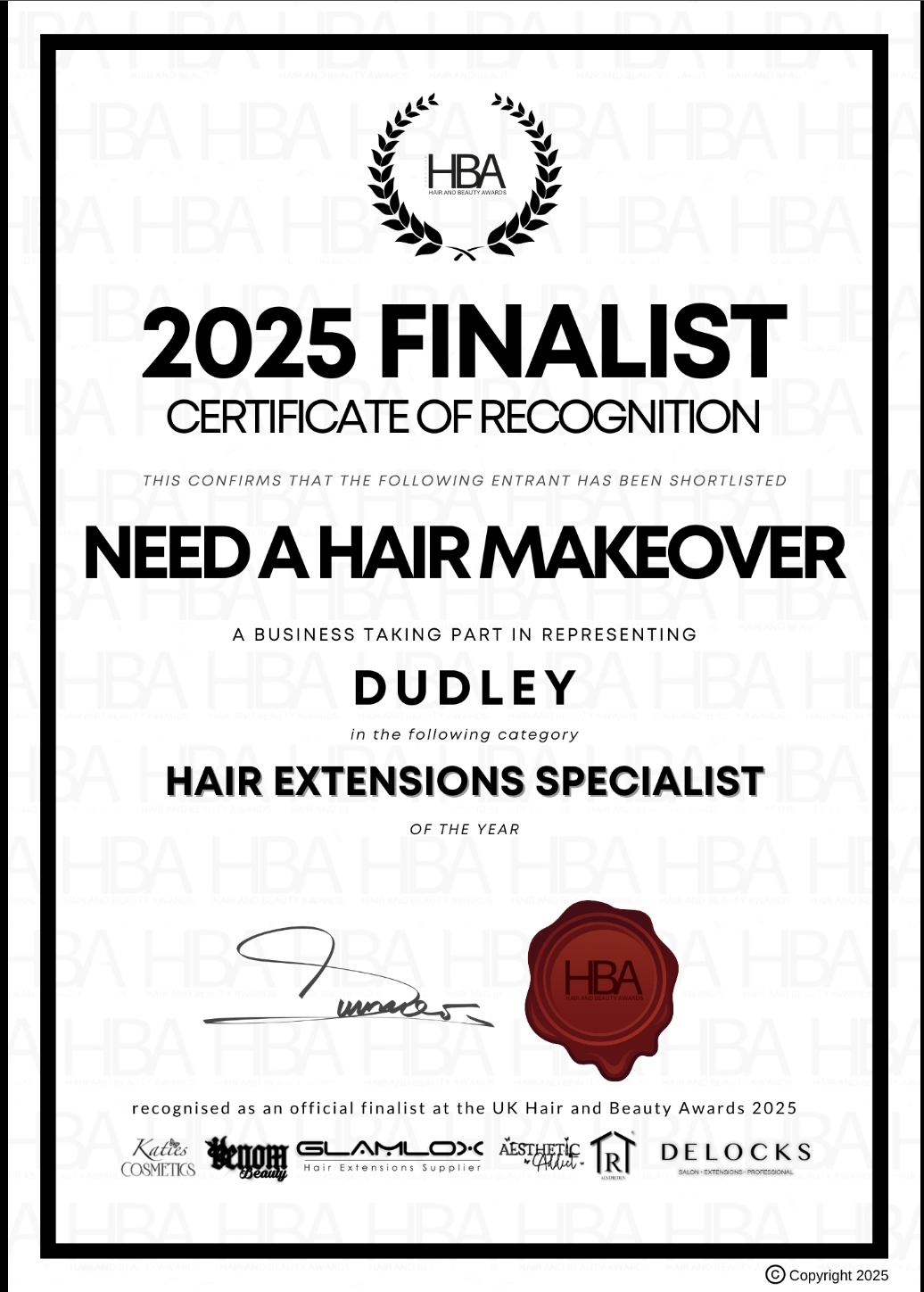
Dudley, UK – January 8, 2025 – Need a Hair Makeover Hair Extensions and Hair Loss Specialist Salon, a leader in providing innovative hair extension and hair loss solutions, is thrilled to announce that it has been shortlisted as a finalist in the prestigious 2025 UK Hair and Beauty Awards.
This recognition comes as a testament to the salon’s dedication to excellence, innovation, and passion in the hair and beauty industry. The UK Hair and Beauty Awards is one of the most sought-after accolades in the industry, with tens of thousands of businesses across the UK vying for the honor.
This year’s competition raised the bar by introducing stricter entry criteria, making it an even greater achievement for finalists to reach this stage. Diane Shawe, founder of Need a Hair Makeover Salon, expressed her gratitude and excitement: “It’s truly an honor to be recognized for all the hard work we’ve put into supporting our clients and advancing the industry. This acknowledgment is not just for our team but for everyone who believes in the transformative power of what we do. We are excited about the awards ceremony in August 2025 and are hopeful for a win!”
The salon has become a cornerstone in the Dudley community, serving clients with personalised hair and beauty solutions, including services tailored to those experiencing hair loss. As a finalist, Need a Hair Makeover Salon stands among the best in the industry, showcasing its commitment to setting standards in quality and customer care.
The UK Hair and Beauty Awards 2025 will culminate in a glamorous red-carpet ceremony in August, where winners across various categories will be announced.
About Need a Hair Makeover Hair Extensions and Hair Loss Specialist Salon:
Based in Dudley High Sreet, Need a Hair Makeover Salon specialises in premium hair extensions, bespoke hair loss solutions, and advanced hair care services for all hair ypes. The salon is dedicated to empowering clients with confidence and style while contributing to innovation within the hair and beauty industry.
For further information, please contact: Diane Shawe Website: http://www.needahairmakeover.com We look forward to celebrating this achievement with our clients, team, and supporters! Keep an eye out for updates and join us in cheering for Need a Hair Makeover Salon at the 2025 UK Hair and Beauty Awards!
A positive mindset is important because it shapes how we perceive and respond to life’s challenges, influences our emotional well-being, and impacts our physical health.
When we maintain a positive outlook, we’re more likely to approach situations with resilience, creativity, and determination, making it easier to overcome obstacles and find solutions.
Positivity also reduces stress, enhances relationships, and can even improve productivity and success in personal and professional endeavors.
To develop a positive mindset, focus on the following areas:
1. Gratitude: Practicing gratitude helps shift your focus from what’s lacking to what you already have. A daily habit of listing things you’re thankful for can foster a sense of abundance and well-being.
2. Self-Talk: Pay attention to how you talk to yourself. Replace negative thoughts with constructive and affirming language. Positive affirmations can reshape your inner dialogue over time.
3. Surround Yourself with Positivity: Be mindful of the company you keep. Surround yourself with people who uplift and support you, as their energy will influence your mindset.
4. Focus on Solutions, Not Problems: When faced with challenges, direct your attention toward finding solutions rather than dwelling on the problem. This mindset encourages action and empowerment.
5. Practice Mindfulness: Being present and aware helps to reduce anxiety about the future or regret over the past. Mindfulness encourages you to appreciate the moment, creating a more grounded and positive outlook.
6. Embrace Challenges as Opportunities: Reframe setbacks as opportunities for growth and learning. This perspective builds resilience and helps you stay optimistic, even in difficult situations.
7. Set Realistic Goals: Setting and achieving small, realistic goals creates a sense of accomplishment and builds confidence, reinforcing a positive mindset.
By consistently focusing on these areas, you can gradually cultivate a more optimistic, resilient, and positive way of thinking.
Is Your Mindset Holding You Back? How Self-Limiting Beliefs Sabotage Success
Introducing Diane Shawe’s latest ebook, “Guerrilla Growth: From Barely Breathing to Dominating Your Niche (With Zero Budget)”, available now on Amazon here https://amzn.to/3HWswxM.
This powerful guide is designed for entrepreneurs and business owners looking to grow their ventures without a significant financial outlay. It outlines strategic methods to carve out a niche in competitive markets, offering practical tips on how to innovate and scale with minimal resources.
The book delves deeply into the importance of mindset for business success. Diane emphasises that adopting a *guerrilla* mindset is crucial, meaning you must be adaptable, resourceful, and determined to succeed regardless of financial constraints. The mindset she advocates is one of relentless problem-solving, seeing every obstacle as an opportunity to think outside the box and maximize whatever resources are available. By cultivating resilience, creativity, and a laser focus on growth, readers can learn how to move from merely surviving in their industry to truly dominating it.
”Paying Out of Pocket for Hair Loss? You Could Be Entitled to Insurance Coverage for a Custom Wig!”
Thousands of men and women spend significant amounts of money on wigs and hairpieces each year to manage their hair loss, often without realising they may be eligible for insurance coverage. Hair loss, when left undiagnosed, can feel overwhelming, leading many to pay out-of-pocket for temporary solutions. However, with an official medical diagnosis, you may qualify for a cranial prosthesis that is covered by your insurance.
”Think You’re Not Eligible for Hair Loss Coverage? Here’s Why You Should Check Your Insurance Today!”
There are many types of diagnosable hair loss conditions, including:
– Alopecia Areata: Sudden patchy hair loss due to an autoimmune condition.
– Alopecia Totalis and Universalis: Complete hair loss on the scalp or entire body.
– Telogen Effluvium: Temporary hair shedding caused by stress, illness, or hormonal changes.
– Androgenetic Alopecia: Also known as male or female pattern baldness, caused by genetics.
– Traction Alopecia: Hair loss due to tight hairstyles or hair extensions.
– Chemotherapy-Induced Alopecia: Hair loss caused by cancer treatments.
– Scalp Psoriasis or Dermatitis: Skin conditions leading to hair loss due to inflammation or infection.
– Trichotillomania: A psychological condition where individuals pull out their own hair, leading to hair loss.
– Burn or Trauma-Related Hair Loss: Resulting from accidents, injuries or surgery scarring to the scalp.
Cranial Prosthesis, or hair systems, are custom-made solutions designed to address hair loss due to medical conditions like alopecia, chemotherapy, scaring from accident or surgery or trichotillomania. Many insurance plans cover these medical devices, potentially saving you thousands in the long runCranial Prosthesis, or hair systems, are custom-made solutions designed to address hair loss due to medical conditions like alopecia, chemotherapy, scaring from accident or surgery or trichotillomania. Many insurance plans cover these medical devices, potentially saving you thousands in the long run.
Click to gain access to a FREE 14-page guide to discover everything about cranial Prosthesis and how to claim through insurance at the following link https://bit.ly/3z2HqC6
Starting a business just before the pandemic presented unprecedented challenges, especially for women, particularly Black women, who often face additional barriers in the entrepreneurial landscape. As rising costs squeeze customers’ wallets, small businesses struggle to stay afloat. The last thing these businesses need is added pressure from banks, insurance companies, accountants, and regulatory bodies. These institutions, while focused on combating organised crime and corruption, must also develop strategies that champion genuine SMEs caught in this turmoil, rather than exacerbating their struggles. Where is the support for these resilient businesses fighting to survive? Why can’t the banks walk and chew gum and the same time?
Setting up a limited company in the UK is remarkably quick and easy, often taking just a few minutes online. However, the simplicity of the initial setup can be deceptive, as it doesn’t reveal the full extent of the responsibilities and potential pitfalls that lie ahead for small business owners. Beyond the excitement of having your own company name, there are numerous regulatory obligations that can catch new entrepreneurs off guard. These include regular filings with Companies House, maintaining accurate financial records, and ensuring compliance with tax obligations—whether or not your business is generating income.
Even if your business isn’t earning money, failing to meet these requirements can result in penalties, fines, or even the risk of your company being struck off the register. For instance, filing annual accounts and confirmation statements is mandatory, and missing deadlines can lead to significant fines. Additionally, the intricacies of VAT registration, understanding corporation tax, and dealing with PAYE (if you have employees) add layers of complexity that aren’t immediately obvious when you first set up your company.
Moreover, small business owners must be prepared for potential scrutiny from HMRC, especially as the government tightens regulations to combat financial crime and tax evasion. The reality is that running a limited company involves much more than just pursuing your business idea—it requires navigating a complex web of legal and financial responsibilities. Understanding these obligations from the outset is crucial to avoiding the unexpected consequences that can arise, ensuring your small business thrives rather than gets bogged down in regulatory challenges.
I was very excited when I started my small Specialist Salon business in 2016. The aim was to trade it for 3 years, and then develop a Franchise strategy and expand the services throughout the UK. However the Pandemic put a spanner in the works, not just for my business but many others. I persevered and then came the huge utility hike, my supplier took £10,000 for 6 months supply, there was nothing I could do, it left my account depleted and I had to start trading out of my cashflow. It has been a really challenging time navigating and micro managing the finances in order to meet all the outgoings, leaning in until I could turn the corner.
The next challenge was to get all the accounts up to date, filings etc., most of the costs for accountants have become expensive and eye watering, so I had to look at ways in which I could prepare my own accounts aided by online software which I had to learn and then update in between any spare time I got.
I could see the light at the end of the tunnel, managed to bring my VAT all up to date, Get my company accounts filed and in the process of filing the corporation tax once the reference number has been received via company house.
My next focus was on increasing revenue, I started to micro advertise, enquiries just starting to come in and now my biggest challenge is with my bank Starling.
The recent scrutiny of banks by financial regulatory bodies has led to a reactionary approach where banks are now indiscriminately targeting small businesses that are late with their filings. Instead of developing systems to guide and support genuine UK businesses—many of which may be unaware of their filing obligations—banks have opted for a sweeping purge strategy. (Barclays being the leader) By threatening account closures without proper explanation or support, they have created confusion and panic among small business owners who are often unsure of what is happening and how to resolve these issues.
This approach is particularly problematic because it fails to distinguish between businesses that are struggling due to genuine reasons, such as the pandemic and rising costs, and those that may be involved in nefarious activities. Many small business owners, already stretched thin with day-to-day operations, are not equipped to navigate the complex regulatory landscape without guidance. Instead of receiving the help they need to stay compliant, they are met with threats and closures that could devastate their business.
The banks’ strategy is short-sighted and fails to consider the long-term impact on the UK’s small business ecosystem. By alienating small businesses, many of which have the potential for future growth, banks are undermining the very sector that could contribute significantly to the economy. What’s needed is a more nuanced approach that provides education, support, and a clear path to compliance, rather than punitive measures that risk driving genuine businesses into insolvency or forcing them to shut down altogether. So I found out from a recent article highlighting Starling Bank’s crackdown on debtors following an investigation by the Financial Conduct Authority (FCA) into its financial crime controls.
While Starling justifies its actions as part of tightening financial discipline, this aggressive stance appears to disproportionately target small businesses (which was there main recruiting strategy when they launch there no physical location online solution), that may not yet be profitable but are long-standing, having survived through the pandemic and rising costs. This short-term approach by Starling Bank risks alienating small businesses that have potential for future growth, especially those that have already demonstrated resilience during challenging times. By indiscriminately pushing out these businesses without offering constructive support or alternatives, Starling Bank seems to be prioritising immediate financial metrics over long-term relationships, potentially causing harm to the broader business ecosystem.
The treatment of these small businesses, many of which have been established for over five years, raises concerns about discrimination and a lack of recourse. The bank’s actions overlook the fact that many of these businesses were severely impacted by the pandemic, which should warrant understanding and support rather than punitive measures. In essence, Starling’s approach along with other banks could be seen as merciless and unsupportive, especially for businesses still navigating the economic aftermath of the pandemic.
This strategy could backfire, damaging Starling’s reputation among small business owners who feel unfairly targeted and abandoned by a bank that once positioned itself as a champion of SMEs and built for us.
Suggested Measures: Banks must consider the well-being of SME owners, as many rely solely on a single business account for all their financial needs. Temporarily suspending an account can have devastating effects, leaving business owners without access to essential funds for daily operations, payroll, and personal expenses. Such actions can cause extreme stress and financial instability, potentially jeopardising the survival of the business. Banks should implement more empathetic and supportive approaches, offering guidance and alternatives rather than immediate suspensions, to ensure the financial health and stability of these entrepreneurs.
To address the issue of banks indiscriminately targeting small businesses for account closures due to missed filings, several measures can be implemented:
Enhanced Communication: Banks should proactively communicate with businesses about upcoming filing deadlines and offer reminders well in advance. Clear guidance on what needs to be done can prevent many issues. There is the technology to do this
Support Systems: Establish dedicated support teams or resources that provide step-by-step assistance to small businesses, helping them navigate the complexities of regulatory compliance. They might find that these businesses once they understand and have become use to the governance rules, that less and less support is needed.
Tiered Response: Instead of immediate threats of account closure, banks could implement a tiered response system, starting with warnings and offering assistance to rectify the situation before taking drastic measures. They need to be clear about the problem instead of hiding behind confidentiality rules.
Education and Training: Banks could partner with regulatory bodies to offer workshops or online training sessions for small business owners, ensuring they understand their obligations and how to fulfill them when they have set up a limited company, Enterprise company, not for profit or charity organisations.
The importance of having qualified banking staff available to address issues related to account compliance cannot be overstated. While customer service representatives play a crucial role in general inquiries, complex regulatory matters require expertise that goes beyond basic customer service training. Qualified banking professionals possess the knowledge and experience necessary to navigate the intricacies of financial regulations, offering tailored advice and solutions to small business owners. Without access to such expertise, customers may receive inadequate or incorrect guidance, exacerbating their problems and potentially leading to severe financial consequences. Ensuring that qualified staff are accessible is vital for maintaining trust and helping businesses remain compliant without undue stress.
Temporary Relief Programs: For businesses in distress, especially those with a long track record, banks could offer temporary relief or grace periods instead of immediate account suspension. Flexible Penalty Structures: Implementing a more flexible penalty structure that considers the size and history of the business can prevent unnecessary closures while still encouraging compliance.
Advocacy and Representation: Banks should advocate for small businesses with regulators, helping to ensure that compliance requirements are reasonable and that businesses have a clear path to meet them.
By adopting these strategies, banks can better support small businesses, ensuring they remain compliant without resorting to punitive measures that could harm their operations. This approach would foster a more supportive environment for small businesses, which are vital to the economy.
Here are some alternative solutions to address the issue of banks targeting small businesses for account closures:
Third-Party Mediation: Introduce independent third-party mediators to assess disputes between banks and small businesses, ensuring that decisions are fair and consider the specific circumstances of each business.
Government Intervention: The government could step in to create standardised guidelines for banks to follow when dealing with non-compliant businesses, preventing arbitrary closures.
Regulatory Sandbox: Establish a regulatory sandbox where small businesses can experiment with compliance strategies without the fear of penalties, allowing them to learn and adapt in a supportive environment.
Tailored Compliance Plans: Banks could work with small businesses to develop individualised compliance plans, setting realistic timelines for achieving full compliance without threatening immediate closure.
Collaborative Platforms: Create collaborative platforms where small businesses can access shared resources, tools, and expert advice, helping them stay compliant and avoid penalties.
These alternative solutions focus on creating a more supportive and cooperative environment, where small businesses are given the tools and guidance they need to succeed, rather than being penalized without adequate support.
In conclusion, the recent actions by banks, particularly the indiscriminate suspension of SME accounts, underscore a critical need for a more nuanced and supportive approach to banking in the small business sector. While banks must adhere to regulatory requirements and combat financial crime, their strategies should not inadvertently harm legitimate small businesses that are crucial to the economy. For many SME owners, their business account is not just a financial tool but a lifeline that supports both their personal and professional lives. The temporary suspension or closure of these accounts can have devastating consequences, exacerbating financial stress and potentially leading to business failure.
Qualified banking professionals, with a deep understanding of both regulatory obligations and the unique challenges faced by small businesses, should be readily accessible to provide guidance and support. This approach would prevent unnecessary disruptions and help SMEs navigate compliance issues effectively. Additionally, banks must recognize the well-being of SME owners, offering them the understanding and flexibility needed to maintain their operations, especially in the face of rising costs and economic challenges.
A shift towards a more empathetic and customer-centric banking model is essential. By doing so, banks can foster long-term relationships with SMEs, supporting their growth and contributing to a more resilient and thriving economy.
In recent years, the pursuit of youthful, radiant skin has seen a significant shift towards non-invasive solutions. As the desire for smoother, wrinkle-free skin grows, more and more individuals are turning to needleless options for their anti-aging needs.
Among these, Botox stock solution anti-aging serums have emerged as a popular choice. Combining the power of Botox with advanced skincare ingredients like aqua collagen, hyaluronic acid, ceramides, and ascorbic acid, these serums promise effective results without the discomfort or risks associated with injections.
This innovative approach not only provides a convenient alternative but also caters to those seeking a gentler, more holistic path to maintaining a youthful appearance.
Let’s explore why this needleless option is gaining traction and how it can benefit your skin over time.
Skin anesthesia consultant, often advise that the benefits of using a Botox stock solution anti-aging serum that includes ingredients such as aqua collagen, hyaluronic acid, ceramides, and ascorbic acid over a three-month period.
Here’s what you can expect:
1. Reduction of Fine Lines and WrinklesBotox is renowned for its ability to relax facial muscles, helping to reduce the appearance of dynamic wrinkles like frown lines and crow’s feet.
This results in a smoother and younger-looking complexion. Additionally, ascorbic acid (Vitamin C), a powerful antioxidant, protects the skin from free radicals, promotes collagen production, and brightens the skin, further reducing the appearance of fine lines and wrinkles.
2. Enhanced Skin HydrationAqua collagen plays a crucial role in locking in moisture, which significantly improves the skin’s hydration levels. This ingredient ensures that well-hydrated skin appears plumper and more youthful. Similarly, hyaluronic acid, known for its remarkable ability to hold up to 1,000 times its weight in water, deeply hydrates the skin.
This reduces dryness and enhances the skin’s elasticity and firmness, contributing to a more vibrant and supple appearance.
3. Improved Skin Barrier FunctionCeramides, essential lipids, are crucial for maintaining the skin’s barrier function. They help retain moisture, protect against environmental damage, and reduce sensitivity, resulting in healthier and more resilient skin.
By reinforcing the skin barrier, ceramides ensure that the skin remains hydrated and protected from external irritants.
4. Brighter and More Even Skin ToneAscorbic acid also works to even out skin tone and reduce hyperpigmentation. Its brightening properties leave the skin looking more radiant and evenly toned.
This dual action of reducing fine lines while improving skin tone makes it a vital ingredient in the anti-aging serum.
Month 1: Initial improvements in skin hydration and texture can be observed. Fine lines may begin to appear less pronounced as the skin starts to benefit f rom the hydrating and smoothing effects of the serum.-
Month 2: Continued use results in further improvement in skin smoothness and hydration. Wrinkles may appear less deep, and an even skin tone becomes more noticeable.-
Month 3: Significant reduction in the appearance of fine lines and wrinkles is expected.
The skin appears firmer, brighter, and more youthful, with markedly improved texture and hydration.
Usage Tips- Consistency:
Applying the serum consistently as part of your daily skincare routine is essential for optimal results. Regular use ensures that the active ingredients have the desired effect on the skin.
– Sun Protection: Daily use of a broad-spectrum sunscreen is crucial to protect the skin from UV damage. This protection helps counteract the anti-aging benefits of the serum and prevents further damage.
– Complementary Products: Using a gentle cleanser and a moisturizer suited to your skin type can enhance the effects of the serum. These complementary products help maintain the skin’s health and amplify the benefits of the anti-aging serum.
By incorporating this Botox stock solution anti-aging serum into your skincare regimen, you can expect a comprehensive approach to anti-aging. It addresses hydration, texture, and skin tone, ultimately leading to a more youthful and radiant complexion.
You must be logged in to post a comment.