A new multi-stakeholder partnership has been formed with local businesses to stimulate the local economy and improve the vibrancy of Dudley town centre.
The Dudley Town Centre Partnership Group is supported by Dudley Council with national government funding from the UK Shared Prosperity Fund and will work in conjunction with key stakeholders including Dudley Council.
The business-led steering group has an allocated budget and meets monthly to drive change, working collaboratively to deliver projects recommended by businesses to activate and improve the town.
Cllr Paul Bradley, deputy leader of Dudley Council said:
“Collaborative stakeholder groups help to enable change on our high streets but a recent report from High Streets Task Force found that 40 per cent of towns do not have local partnerships in place.
“We know it has been a difficult few years for businesses but we hope this new group aims to give Dudley town businesses a voice and platform to come together while identifying ways to improve the vibrancy of our town centre.
“We’ve already seen positive change including improved cleaning with the introduction of a dedicated full time neighbourhood services operative.”
Dudley Council recently appointed independent advisors ‘Heartflood’ and ‘Save the High Street’ to facilitate formation of the new Town Centre Partnership. The group also holds quarterly open focus groups on particular topics and town centre businesses are encouraged to get involved in the coming months.
Julie Holden, Community Director at Save the High Street added:
“Now more than ever we need to encourage collaboration and work together to strengthen and improve our town centres and high streets.
We are delighted to be partnering with Heartflood to deliver this valuable project, and to be continuing our work to support Dudley town centre businesses.”
Businesses in the town centre are welcome to join the group and can find out more by contacting Dudley Business First on info@dudleybusinessfirst.org.uk
Diane Shawe a member of the steering group for Dudle Town Centre Partnership explains that the UK Shared Prosperity Fund is a central pillar of the UK government’s Levelling Up agenda and provides £2.6 billion of funding for local investment by March 2025. The Fund aims to improve pride in place and increase life chances across the UK investing in communities and place, supporting local businesses, and people and skills. For more information, visit UK Shared Prosperity Fund.
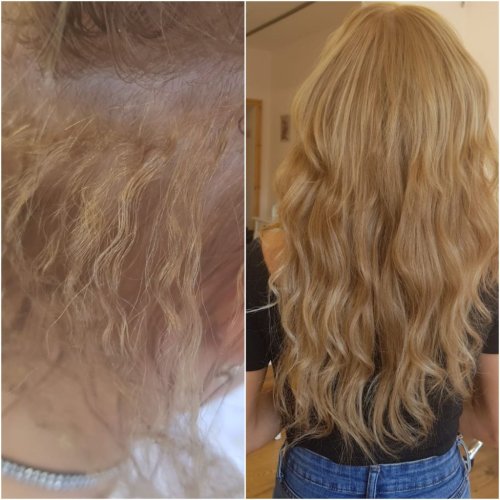
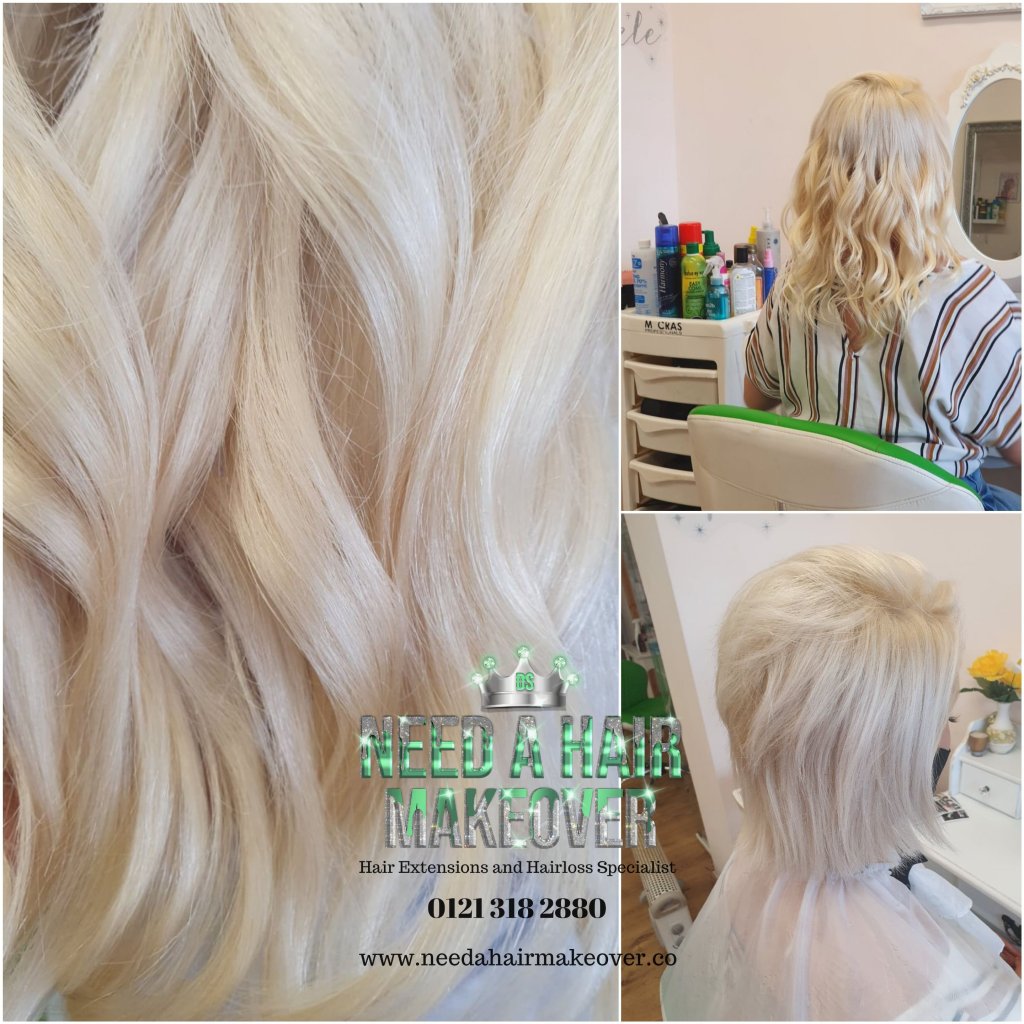
Looking for a full head of #hairextensions to help thicken, lengthen, lowlight, highlight or just fancy a change?
Unlock Your Confidence: The Power of Hair Extension in Transforming Your Look”
First time clients can benefit from our exclusive offer at our trendy dedicated Need a Hair Makeover Hair extensions and hair loss salon specialist salon. Need a Hair Makeover Specialist salon
With qualified friendly staff, Head consultant with over 30 years experience, 16 different hair extensions techniques, state of the art equipment you will leave feeling great.
We also provide colouring services, hair treatments, bespoke wigs and toppers, chemical straightening, perms, facials, lashes, makeup and nails using specialist products for sensitive skin.
We work with all hair types, gender and age
Celebrities on Red carpets and magazines have normalised hair extensions. Hair Extensions have been a trending topic among many women on YouTube. It is arguable that the main reason for the popularity of hair extensions is that one can get instant gratification. That extension adds to the thickness and fullness of hair in a shorter period of time than waiting for hair to grow.
As a woman, confidence is in constant flux, I know we all have those days that we just feel great. Our skin is glowing, our eyelashes went on just right, and our hair is lying the right way. And then we have those weeks where we just feel like our look has passed its expiration date.
This summer mermaid curls are the look that is continuing to evolve throughout 2024. In addition to all the classics, we are seeing looser curls, wavy hairstyles and curling just the tips trending.
That means lots of gorgeous texture and body with less styling time. For ladies wanting these gorgeous textured look, we have some lovely curly hair extensions hairstyles that will make you the centre of attention.
So for some women this is a no-brainer. If their tired of a hair style and sick of waiting for their hair to get to the length they want, sick of chemicals, sick of thin lack lustra hair? then with over 16 different hair extensions techniques there is bound to be one technique that can safely help achieve their hair goal in a short time
Yes, very thick hair can sometimes contribute to headaches, especially if it’s pulled tightly or if heavy hairstyles are worn frequently. The tension on the scalp from the weight or tightness can lead to discomfort or headaches.
What can you do? Here are some additional details and tips:
1. Loose Hairstyles: Opt for hairstyles that don’t pull your hair too tightly, such as loose braids, ponytails, or buns. This reduces the tension on your scalp and minimises the risk of headaches.
2. Avoid Heavy Accessories: Avoid using heavy hair accessories like large clips, heavy hairpins, or bulky headbands, as they can add extra weight and strain to your scalp.
3. Use Soft Hair Ties: Choose soft, fabric-covered hair ties or scrunchies instead of tight elastic bands, as they are gentler on your hair and scalp.
4. Regular Scalp Massage: Massaging your scalp regularly can help relax the muscles and relieve tension. You can use your fingers or a scalp massager to gently massage your scalp in circular motions.
5. Conditioning Treatments: Deep conditioning treatments can help keep your hair soft and manageable, reducing the need for tight hairstyles to control frizz or flyaways.
6. Trimming: Regular hair trims can help reduce the weight of your hair and prevent it from pulling on your scalp.
7. Consult a Hairstylist: If you frequently experience headaches due to your thick hair, consider consulting a hairstylist who specializes in thick or heavy hair. They can recommend hairstyles and products that are suitable for your hair type and scalp health.
By following these tips and making some adjustments to your hair care routine, you can help alleviate the tension on your scalp and reduce the likelihood of headaches caused by thick hair.
What about thinning out your hair?
Thinning out thick hair can potentially help reduce the weight and tension on the scalp, which may alleviate headaches caused by the hair’s thickness. Thinning out hair involves removing some of the bulk from the hair shafts to make them lighter and more manageable. Here are some considerations regarding thinning out hair and its potential long-term impacts:
1. Reduced Tension: Thinning out thick hair can reduce the strain and tension on the scalp, which may help alleviate headaches and discomfort associated with tight or heavy hairstyles.
2. Improved Styling: Thinning out hair can make it easier to style and manage, as it reduces bulk and makes the hair more flexible.
3. Long-Term Impact: Thinning out hair is generally safe when done by a skilled hairstylist using proper techniques and tools. However, excessive thinning or improper thinning methods can potentially damage the hair follicles and lead to long-term issues such as hair breakage, thinning, or scalp irritation.
4. Regrowth: Thinning out hair does not typically result in permanent hair loss, as the hair follicles remain intact. However, if the thinning process is overly aggressive or if there is underlying damage to the hair follicles, it may affect the regrowth of new hair.
5. Maintenance: Thinning out hair may require regular maintenance to maintain the desired thickness and style. This may involve periodic touch-ups by a hairstylist to trim or thin out regrowth and maintain the desired look.
6. Consultation: Before thinning out your hair, it’s advisable to consult with a professional hairstylist who can assess your hair type, thickness, and desired outcome. They can recommend appropriate thinning techniques and ensure that the process is performed safely to minimize any potential long-term impacts on your hair.
Overall, thinning out thick hair can be a viable option for reducing tension on the scalp and improving manageability, but it’s essential to approach the process with caution and seek guidance from a qualified hairstylist to ensure the best results and minimize any potential risks.
Can Hair Extensions cause headaches
Hair extensions can sometimes cause headaches, particularly if they are installed too tightly or if they are heavy.
Here’s why:
1. Tension on the Scalp: Hair extensions that are installed too tightly can exert excessive pressure on the scalp, leading to discomfort and headaches. This tension can strain the scalp muscles and nerves, causing pain.
2. Weight of the Extensions: Hair extensions, especially those made with heavy materials or attached in large quantities, can add extra weight to your natural hair. The additional weight can pull on your scalp and contribute to headaches, particularly if worn for extended periods. Clinics if worn very long can add up to 150g-200g of hair.
3. Improper Installation: If hair extensions are not installed correctly or if the attachment method is not suitable for your hair type, it can lead to discomfort and headaches. For example, extensions that are sewn or glued too close to the scalp can cause irritation and pain.
4. Sensitivity to Materials: Some individuals may be sensitive or allergic to the materials used in hair extensions, such as metal clips, glue, or synthetic fibers. This sensitivity can manifest as scalp irritation, inflammation, and headaches.
5. Poor Quality Extensions: Low-quality hair extensions that are stiff, rough, or prone to tangling can exacerbate scalp discomfort and headaches. They may also cause pulling and tugging on the hair, leading to pain and irritation.
To prevent headaches caused by hair extensions, it’s essential to choose high-quality extensions and have them installed by a skilled and experienced professional.
Additionally, opt for installation methods that minimise tension on the scalp and avoid wearing extensions for prolonged periods without breaks. If you experience persistent headaches or discomfort with your hair extensions, consider removing them and consulting with a hairstylist or healthcare professional for advice.
If thick hair is not the cause of your headaches,
Then other potential factors to consider, such as:
1. Tension or Stress: Stress and tension are common triggers for headaches. Tightness in the neck, shoulders, and scalp muscles can lead to tension headaches
2. Poor Posture: Poor posture, especially when sitting or standing for long periods, can strain the muscles in the neck and shoulders, leading to tension headaches.
3. Dehydration: Not drinking enough water can lead to dehydration, which can trigger headaches.
4. Eye Strain: Prolonged use of electronic devices or reading in poor lighting can strain the eyes and lead to tension headaches or eye strain headaches.
5. Caffeine Withdrawal: If you regularly consume caffeine and suddenly decrease your intake, you may experience withdrawal symptoms, including headaches.
6. Sleep Issues: Poor sleep quality or not getting enough sleep can contribute to headaches.
7. Dietary Factors: Certain foods and beverages, such as alcohol, processed foods, or those containing artificial additives, can trigger headaches in some people.
8. Sinus Issues: Sinus congestion or inflammation can cause sinus headaches, which may be mistaken for tension headaches.
9. Weather Changes: Changes in weather or barometric pressure can trigger headaches in some individuals.
10. Medical Conditions: Underlying medical conditions such as migraines, sinus infections, or temporomandibular joint (TMJ) disorder can also cause headaches.
If you experience frequent or severe headaches, it’s essential to consult with a healthcare professional to determine the underlying cause and develop an appropriate treatment plan. They can help diagnose any potential medical conditions and provide guidance on managing and preventing headaches effectively.
Become qualified in 3 days after completing your theory course.
Acrylic and gel nails are the flawless solution to chip-free, freshly polished nails that last for weeks on weeks. In today’s blog post, we will be explaining why now is the time to Set up your own Nail Extension Business.
Our CPD Nail Technician Course is the perfect launchpad to get you on your way to becoming a certified nail technician which can lead you to a number of different avenues within the nail extension industry from being able to successfully set up your own freelance nail business to being able to rent a station in a beauty salon to carry out nail treatments.
With the price of everything going up, every penny helps. Train to become a nail extensions technician and work from home or from a salon.
A Continued Professional Development Nail Technician course runs for in two parts and goes through the steps on nail artistry and the anatomical elements of nail care such as:
Part One: Theory Course 2 weeks
Health & Safety considerations & regulations
Hygiene & preparing the client, treatment room & trolley
Anatomy & physiology: structure of the skin, the structure of the nail
Nail diseases & disorders
Client consultations / contra-indications
Manicure & Pedicure
Marketing your Business
What is nail matrix?
The nail matrix is the area where your fingernails and toenails start to grow. The matrix creates new skin cells, which pushes out the old, dead skin cells to make your nails. As a result, injuries to the nail bed or disorders that affect the matrix can affect your nail growth.
This will be completed as a home theory study with the help of our Virtual tutor.
There will be practical and written assignments which have to be completed in the students own time before attending the 3 day practical training course.
Part Two: 1 Day Practical Nail Course
This will consisit of working on a training hand where you will learn how to prepare the nails, apply nail tips, blend nail tips, the different nail shape, apply acrylic and shape, apply gel and cure, how to use electric and manual files, how to apply nail polish or gel and cure under UV Light. Working on live models.
Educational Content on Hair Extensions by Diane Shawe:
Hair extensions are a fantastic way to achieve length, volume, and versatility in your hairstyle, but they require proper installation, care and maintenance to ensure optimal results. Here are some key points to consider:
– Mistakes:
1. Improper Installation: One of the most common mistakes is having extensions improperly installed, leading to discomfort, damage to natural hair, and a less-than-desirable appearance.
2. Neglecting Maintenance: Failing to follow proper maintenance routines, such as regular brushing, washing with sulfate-free shampoo, and avoiding excessive heat styling, can lead to tangling, matting, and premature shedding of the extensions.
3. Choosing the Wrong Type of Extensions: Selecting extensions that are not suitable for your hair type or lifestyle can result in discomfort, poor blending with natural hair, and difficulty styling.
– Fears:
1. Damaging Natural Hair: Many individuals fear that hair extensions will damage their natural hair, either through excessive tension during installation, adhesive damage, or improper removal techniques.
2. Discomfort: Some people worry that hair extensions will be uncomfortable to wear, especially if they are heavy or if the installation method causes scalp irritation.
3. Visible Extensions: Another common fear is that the extensions will be noticeable or look unnatural, leading to self-consciousness and a lack of confidence in one’s appearance.
– Desires and Results:
1. Length and Volume Enhancement: The primary desire when getting hair extensions is usually to achieve longer or fuller hair, enhancing overall appearance and confidence.
2. Seamless Blending: Clients want extensions that seamlessly blend with their natural hair, creating a cohesive and natural-looking hairstyle.
3. Effortless Styling: Ultimately, clients want hair extensions that allow for effortless styling, whether it’s curling, straightening, or simply wearing their hair in various styles without worrying about the extensions showing.
– Frustrating Symptoms:
1. Tangling: Tangled extensions can be frustrating to deal with, causing discomfort and making it challenging to maintain the desired hairstyle.
2. Shedding: Experiencing shedding or hair loss with extensions can be alarming and frustrating, as it diminishes the volume and fullness of the hair.
3. Discomfort: Discomfort from wearing extensions, such as tightness, itching, or soreness, can detract from the overall enjoyment of having hair extensions and may even deter individuals from wearing them altogether.
By addressing these common concerns and providing education on proper installation, maintenance, and care techniques, individuals can enjoy the benefits of hair extensions while minimising potential drawbacks. It’s essential to consult with a professional stylist who specializes in hair extensions to ensure a positive experience and long-lasting results.
Braiding hair is an ancient practice that dates back thousands of years, with evidence of its existence in various cultures worldwide. The exact origins are challenging to pinpoint, but braids have been found in archaeological artifacts from ancient civilizations.
Braiding has stood the test of time due to its practicality, versatility, and cultural significance. It can serve functional purposes like keeping hair neat and organized, as well as aesthetic and cultural reasons. Different societies and periods have embraced braiding for its beauty and as a form of self-expression.
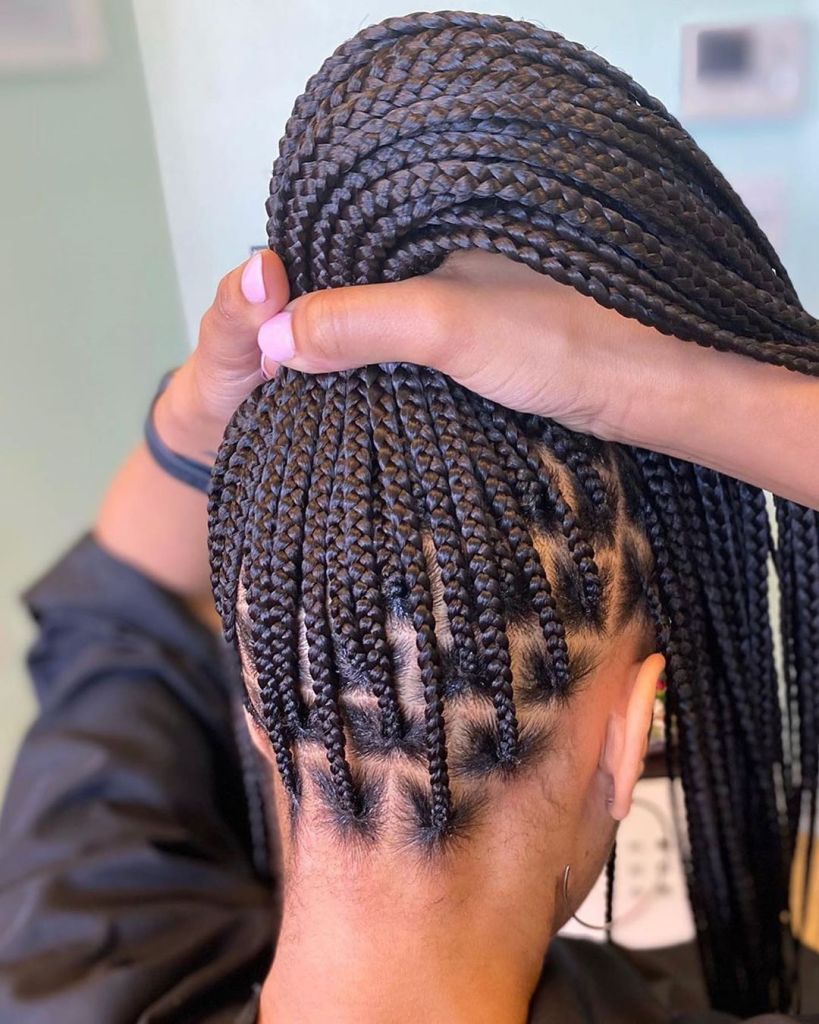
Today, it remains popular for its ability to create diverse hairstyles and reflect cultural identity Box braids: These are the most common type of braids. They are created by dividing the hair into square sections and then braiding each section. Box braids can be done with natural hair or with extensions.
Cornrow braids
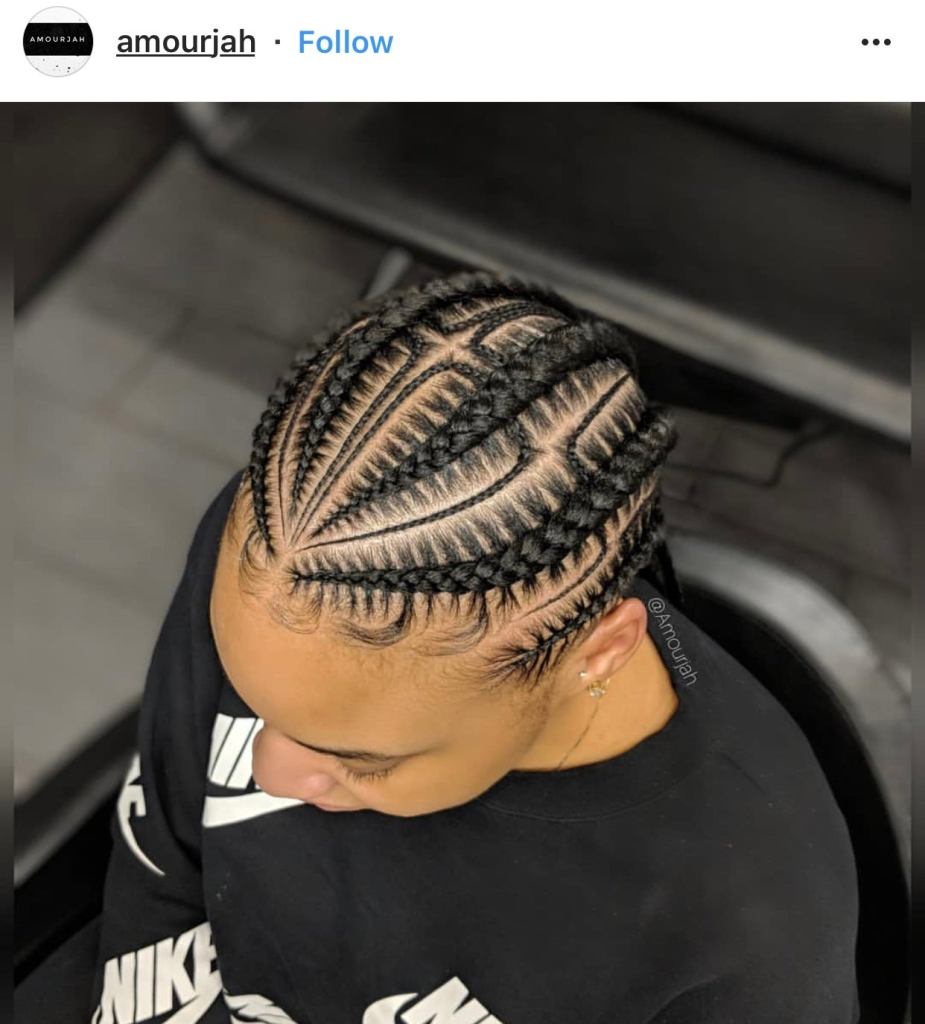
Cornrows: Cornrows are a type of braid that is created by braiding the hair in three sections. They can be done on natural hair or with extensions. Cornrows are a popular protective style for black hair Cornrows are Narrow, tight braids close to the scalp, often created in straight lines or intricate plaits.
Twist braids
Twists: Twists are a type of braid that is created by twisting the hair into two or three sections. They can be done on natural hair or with extensions. Twist Braid also known as (Rope Braid) Two or three strands of hair twisted around each other to form a rope-like braid. Twists are a popular protective style for black hair.
Three-Strand Braid (Regular plaiting): The most basic form, created by crossing three strands of hair over one another.
Plait braids
French Braid: A style where the hair is gradually incorporated into the braid as it progresses, typically along the centre of the scalp.
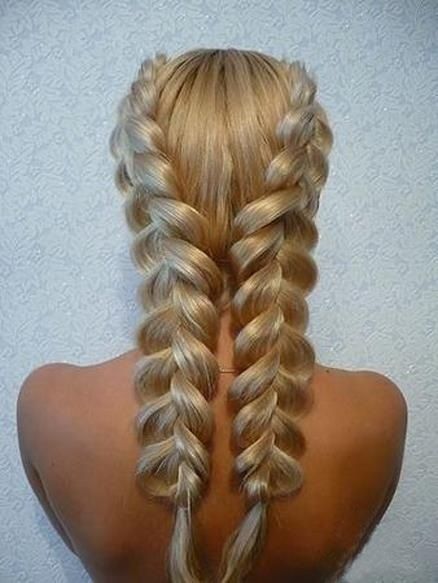
Dutch Braid (Inverted French Braid): Similar to a French braid but with the strands crossed under rather than over, creating a raised, 3D effect.
Fishtail braids
Fishtail Braid: A two-strand braid where small sections of hair are crossed over each other to create a textured, fishtail-like appearance.
Knotless braids
Box Braids: Long, small, and square-shaped braids plaits that are often used to create long styles that can be worn up or down. Can be done as micro or jumbo plaits.
Braids with beads
Feed-in braids: These braids are similar to box braids, but the hair is not divided into square sections. Instead, the hair is braided strand by strand, and the extensions are fed into the braid as it is being created. Feed-in braids are often considered to be less damaging to the hair than box braids
Feed in braids
Knotless braids: Knotless braids are a newer type of braid that is becoming increasingly popular. They are created by braiding the hair without using knots. This means that there is less tension on the hair, which can help to prevent breakage
Waterfall Braid: A braid where sections of hair are dropped to create a cascading effect, resembling a waterfall.
Waterfall braids
Herringbone Braid (Fishbone Braid): A braid that consists of two strands, with small sections of hair crossed over to create a herringbone pattern.
Herringbone braids
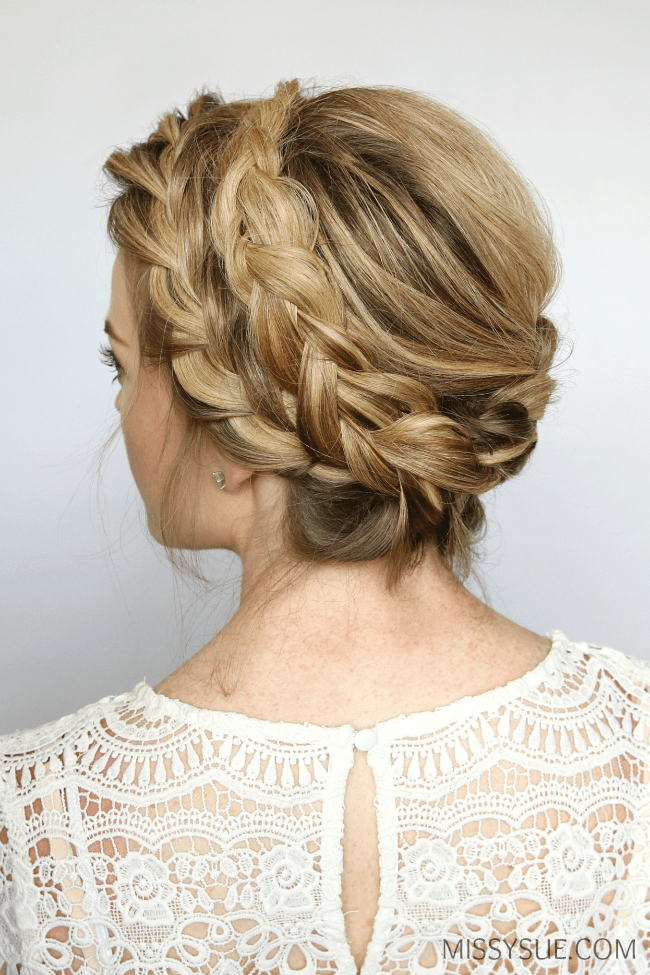
Milkmaid Braid: Two braids wrapped around the head like a crown, creating a regal and elegant look.
Milkmaid braids
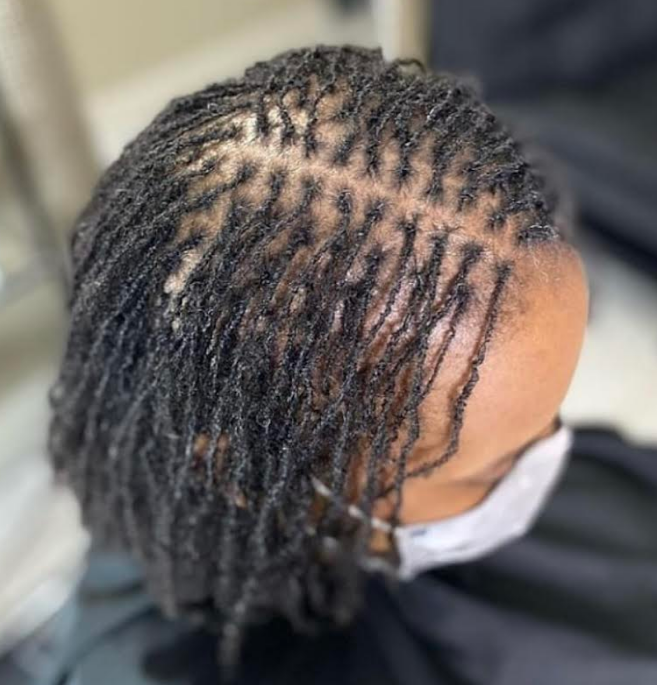
Micro interlocking braids
Using the interlocking method to start microlocs is great for fine textured hair or for those that desire the smallest version of microlocs
Versatility: The small size of microlocs often creates hundreds of locs, which means that the styling possibilities are almost endless.
Neatness: Microlocs maintained with interlocking will stay neater for extended periods of time, compared to retwisting, because the sections are smaller, which means less frizz at the roots.
Fullness: Microlocs generally result in at least 150-300 locs, depending on the size of your head and which size of microlocs you chose, therefore they will instantly create fullness and volume.
Micro interlocking braids
Crochet
You’ve probably heard of crochet braids, but how much do you really know about them? First things first, crochet braiding isn’t actually a ‘braiding‘ in the traditional sense, which is where some of the confusion around this style stems from.
Crochet braiding
Instead, it’s a process through which loose hair extensions are woven into cornrows using a crochet hook, giving the illusion of longer locks. The results are so natural looking that people won’t even suspect that you didn’t grow them yourself!
Other major advantages of crochet braid styles are that they take significantly less time to install compared to box braids (bonus!), and causes less strain on your scalp than sewn-in weaves, since the hair is looped onto existing braids. So, feeling inspired to take plunge? Then check out our favourite looks from Instagram, below!
These are just a few examples, and the world of braiding offers a wide array of styles, often influenced by cultural traditions and personal preferences.
Pros and cons of different braiding techniques
The pros and cons of different braiding techniques vary depending on the technique, but some general pros and cons include:
Pros:
• Braids can protect the hair from heat, humidity, and other environmental factors.
• Braids can help to stretch the hair, which can improve its texture.
• Braids can be styled in a variety of ways, which can give you a lot of versatility:
• Braids can be time-consuming to install and remove.
• Braids can be heavy, which can cause discomfort.
• If braids are done too tightly, they can cause hair breakage.
Which braiding technique is right for you?
The best braiding technique for you will depend on your individual hair type, preferences, and lifestyle. If you have delicate hair, you may want to choose a technique that is less damaging, such as knotless braids or twists. If you are looking for a style that is versatile and easy to maintain, box braids or cornrows may be a good option for you. Ultimately, the best way to decide which braiding technique is right for you is to talk to a hair stylist who can assess your hair and help you choose the best style for your needs.
Some photos have been accredited to the artist as stamped on the image. We take no responsibility if these have been plagiarised by the name of the artist listed on them
If you have autoimmune problems and you are taking thyroid medication could you have a allergy to some of the ingredients that could contribute to hair loss
Yes, it is possible to have an allergy to some of the ingredients in thyroid medication, and this could contribute to hair loss. The most common thyroid medication, levothyroxine, is generally well-tolerated, but some people may experience allergic reactions, such as hives, itching, or swelling. More rarely, an allergic reaction to levothyroxine can cause hair loss.
Function of Thyroid medication
Thyroid medication functions to stabilize hormone levels in the body. An imbalance in hormones, particularly the thyroid hormone, can disrupt the growth cycle of hair follicles. This disruption can lead to hair loss or thinning. The medication helps correct this imbalance and allows the hair to grow back
Other thyroid medications, such as carbimazole and propylthiouracil, can also cause allergic reactions, including hair loss. These medications are less commonly used than levothyroxine, but they may be prescribed for people who cannot tolerate levothyroxine.
If you are taking thyroid medication and you are experiencing hair loss, it is important to talk to your doctor. They can help you determine if the hair loss is caused by an allergy to the medication, or by another underlying condition.
Here are some other autoimmune diseases that can cause hair loss:
• Alopecia areata
• Lupus erythematosus
• Hashimoto’s thyroiditis
• Psoriasis
• Crohn’s disease/ulcerative colitis
If you have any of these conditions, you are more likely to experience hair loss. If you are concerned about hair loss, talk to your doctor. They can help you determine the cause of the hair loss and recommend treatment options
Ingredients in Medication
There are a few different ingredients that can be found in thyroid medication, and some people may be allergic to one or more of them. These ingredients include:
• Levothyroxine (T4)
• Liothyronine (T3)
• Carbimazole
• Propylthiouracil
• Beta-blockers
• The dye in the tablets
If you think you may be allergic to one of the ingredients in your thyroid medication, you should talk to your doctor. They can do a skin test to see if you are allergic, and they may recommend switching you to a different medication.
In some cases, hair loss can be a side effect of thyroid medication.
This is more likely to happen with antithyroid drugs, such as carbimazole and propylthiouracil. These drugs can cause a condition called telogen effluvium, which is a temporary hair loss that occurs when too many hairs enter the resting phase of their growth cycle.
If you are experiencing hair loss while taking thyroid medication, it is important to talk to your doctor. They can help you determine the cause of the hair loss and recommend treatment options.
Here are some additional things to keep in mind:
• Hair loss is a common symptom of autoimmune conditions, so it is possible that the hair loss you are experiencing is not related to your thyroid medication.
• Hair loss can also be caused by a variety of other factors, such as stress, poor diet, and hormonal changes.
• If you are concerned about hair loss, it is important to talk to your doctor. They can help you determine the cause of the hair loss and recommend treatment options.
Here are some tips for preventing hair loss:
• Avoid using harsh chemicals on your hair. Keep your hair clean and well conditioned. But check the ingredients on the products you are using. Harsh chemicals commonly found in hair products can further damage the hair and scalp. These chemicals, such as sulfates, parabens, and alcohol, strip the hair of its natural oils, causing dryness and brittleness. The hair becomes more prone to breakage and shedding, worsening the hair loss problem. Additionally, chemicals can also irritate the scalp, leading to inflammation and impediments to hair growth.
• Consult with a healthcare provider: If experiencing hair loss while on thyroid medication, it is important to consult with a healthcare professional, preferably an endocrinologist or a dermatologist. They can evaluate the thyroid function, suggest any necessary adjustments to medication dosage, and explore other potential causes or treatments for hair loss.
Infrared and laser non invasive treatment
• Eat a healthy diet: Encourage healthy lifestyle practices such as a well-balanced diet rich in essential nutrients (including vitamins and minerals like biotin, zinc, and iron), regular exercise, stress management techniques (such as meditation or yoga), and adequate sleep.
• Consider additional treatments: In some cases, healthcare professionals may recommend additional treatments to address hair loss alongside thyroid medication. These options could include topical minoxidil, specific hair growth therapies, or other medical interventions depending on the underlying cause of hair loss..
• Optimize medication dosage: Ensuring optimal hormone levels is crucial in managing hair loss related to thyroid issues. Regular monitoring and necessary adjustments in medication dosage based on professional advice can help maintain proper hormonal balance..
Social Expectation and Beauty Standards
Women and Men do worry about losing their hair to the same extent as women, while others may not be as concerned. Hair loss can have a significant impact on an individual’s self-esteem and body image, regardless of their gender. However, societal expectations and beauty standards often place more emphasis on women’s physical appearance, including their hair. This may lead to a higher prevalence of anxiety and concern about hair loss among women. Nevertheless, it is important to note that everyone’s experiences and concerns about hair loss can vary greatly.
If you are on thyroid medication for more than 10 years and your hair is very thin, it is causing you distress then perhaps you could consider having a bespoke wig made or using hair extension to disguise your thin hair, why this will help with self esteem and reduce your stress levels.
While using a wig or hair extensions can provide temporary solutions for thin hair and potentially boost self-esteem,
Here are a few non envassive hair extensionssuggestions that you could consider
• Wigs : These can be purchased off the shelf or specially made for you. You can have human hair, blended hair, different colours, styles, length or density (thickness) They can be worn when out and about or anchored and removed every 2 months and re-anchored
• Toppers: There are many different type of toppers which come in human hair, blended hair or synthetic. They can be 100, 130 or 150 percent density. They can be purchased in a colour to match your hair and length. They usually clip in and popular with women
• Hair Extensions There are several techniques and it is recommended you seek a professional consultation prior to application. The best techniques are those that do not use too much of your own hair, not too much weight, easy to apply adjust and remove.
• toupee: There are lots of new toupee which are undetectable, boned to bald patches, cut and styled. Very popular with men
While the wig or hair extension option can provide a cosmetic solution, they do not guarantee natural hair growth.
If you are experiencing hair loss, it is important to be patient. It may take some time for your hair to regrow. However, with proper care and treatment, you can often restore your hair to its former glory
Interested in setting up your own specialist salon?
Following the success of The Hair & Beauty Awards in Scotland, England, Northern Ireland and Wales, Creative Oceanic named the 2023 finalists for The Nation’s Hair & Beauty Awards in 2023.
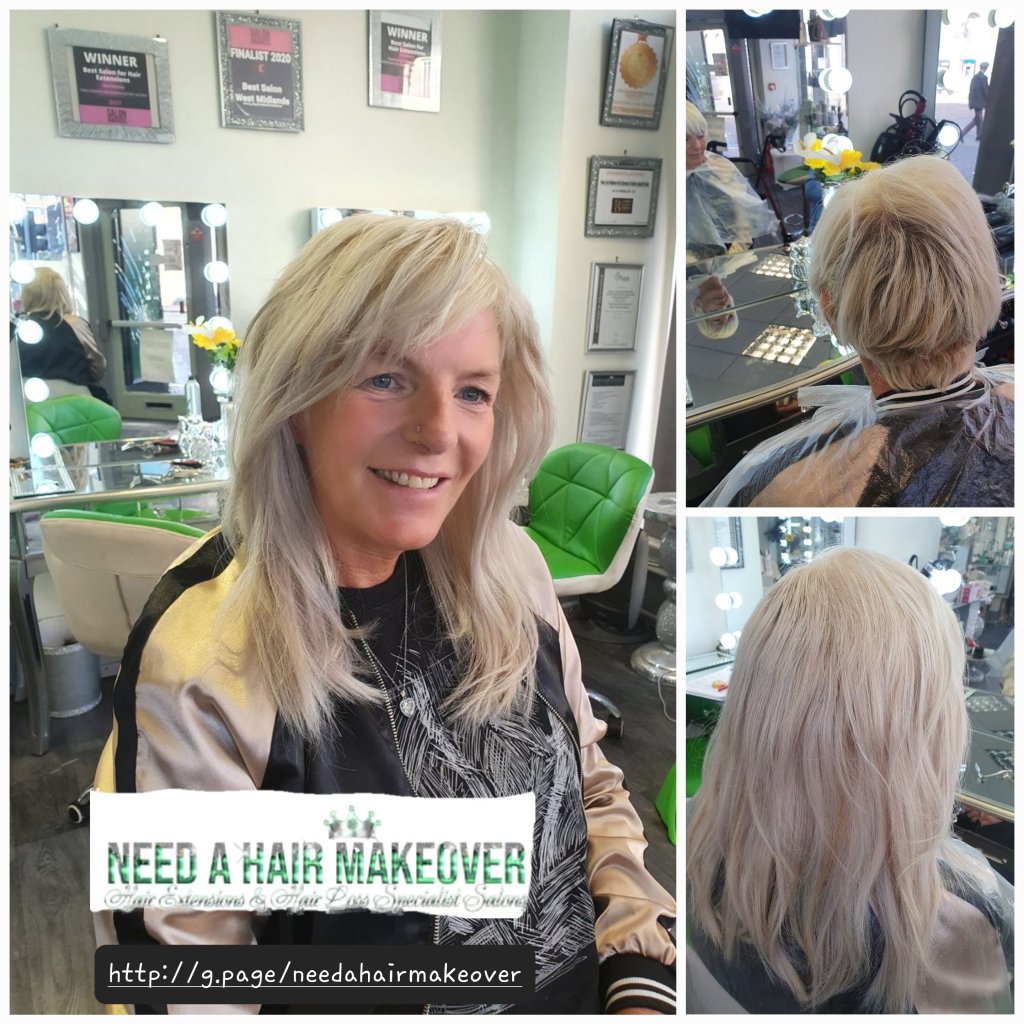
Diane Shawe owner of Need a Hair Makeover Hair Extensions & Hairloss Specialist Salon states “To be named as a finalist highlights how hardwork and commitment can pay off. With hundreds of capable candidates for each category and a panel of judges looking at the finer details, just to make the shortlist is an outstanding achievement. What also makes it more important is the fact that we have also had to deal with a pandemic and closure.”
The 3rd Official Nation’s Hair and Beauty Awards 2023 are an exclusive celebration of the hair and beauty gurus that operate in this country. Following the overwhelming response from the public and the phenomenal number of nominations received, the full list with finalists from across Great Britain has been revealed.
“HARD WORK REALLY PAYS OFF” STATES DIANE SHAWE
The glamorous ceremony will take place in September 2023 and will celebrate professionals known for their perfection that have gone above and beyond in the salon and made a real difference in the industry with their excellent services.
The elegant event seeks to acknowledge and honour talented individuals, teams, and salons, whose sole aim is to provide their customers with innovative services and treatments that really work, improving their appearance and confidence.
Top beauticians, hair extensions, consultants, hairstylists, freelancers, and barbers, amongst others, will gather together to celebrate their achievements and their efforts that are put in daily to leave their customers with the best of impressions. The black-tie ceremony promises to be one of the most memorable celebrations in the industry’s calendar this year, with many accolades ready to be presented to the deserving winners.
A spokesperson for The Great British Hair and Beauty Awards said: “We would like to thank the public for their participation in our nomination process.
The Hair and Beauty Awards have become a stable event over the years and even after covid aim to showcase those who have shown great commitment, professionalism, creativity, and care for the client. Therefore, we are so excited to host the third Great British Hair & Beauty Awards 2023″.
Diane Shawe
Diane goes on further to state that “No matter who you are, your background, culture, age or gender, when you have problems with your hair, you want a non invasive quick solution to the problem which can help with ones own self esteem when you feel at your most vunerable. Even those who just simple want a makeover for a wedding, special occasion, work or for personal reasons can be helped”
The Hair and Beauty Awards state that “We hope to provide a platform to thank and appreciate the work of the professionals who have pushed the boundaries in a difficult time and had the continuous support of their customers.
“We wish all the finalists the best of luck.”
Hair Extensions Salon of the Year Midlands
Benjamin Ryan Hair (Birmingham)
Beaut Extensions (Mansfield)
Mychelle Caroline Hair (Brigford)
Victoria Hallam Hair Salon – Mansfield (Mansfield)
The Venu Hair Studio (Nottingham)
Too Perfect Hair Extensions Ltd (Walsall)
Need a Hair Makeover Hair Extensions & Hairloss Specialist Award Winning Salon (Dudley)
checkout our franchise opportunity
Topknot Hair & Beauty (Nottingham)
Platinum Hair Extensions Training Academy (Leicester)
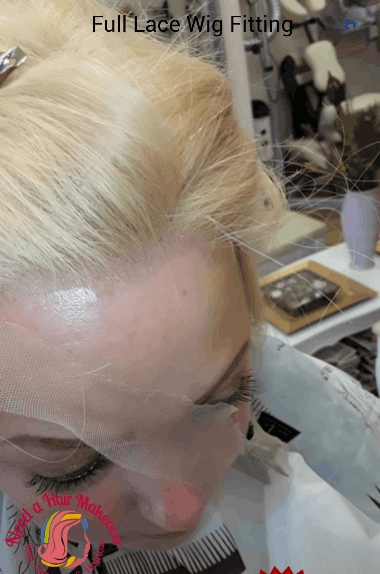
Lace wigs are a great way to add a little bit of glamour to your everyday look or disguise thinning or bald patches. They come in all different styles and colors, and with the right wig, you can create any look you want. In this post, we are going to teach you how to wear lace wigs for the perfect look.
The lace wig designs have much improved over the years
We are going to cover the basics of how to put on a lace wig, how to style it, and how to get the perfect look every time. From basic styles to more daring looks, we will cover it all in this post. So if you are looking for a way to add a little bit of glamour to your look, lace wigs are the perfect choice. So come and learn how to wear lace wigs for the perfect look!
What is lace wig?
Lace wigs around the hair line gives the appearance of hair growing from the scalp because each strand of hair is knotted into a fine net made from either swiss lace or silk woven net. they are made of human hair and are a type of wig that is typically worn by women or sometime special toupee peices worn by bald men. They come in a variety of styles and colors, and can be worn for a variety of purposes.
Most lace wigs are made of human hair, though there are also lace wigs made of synthetic hair. Blended Synthetic hair is often more affordable than human hair, but it doesn’t have the same natural look and feel. Some lace wigs may need to be glued down, but there has been a range of glueless lace wigs launched in the markek place.
translucent lace for an invisible look
Lace wigs can be styled in a variety of ways, and they come in a variety of lengths. They can be styled straight or curly, and they can be styled in a variety of ways.
Lace wigs are a great way to add a new look to your wardrobe, and they can be a great way to change your look for a special occasion. They can also be a great way to add a new look to your hair.
Types of lace wigs
There are two types of lace wigs- human hair and synthetic hair. Blended Synthetic heat tollerant hair is made from man-made materials such as latex, polyester, and nylon. Human hair lace wigs are made from real hair and are the most natural looking option.
Which type of lace wig is best for you will largely depend on your hair type. If you have thin hair, a human hair lace wig will be the best choice. If you have thicker hair, a synthetic hair lace wig will be better.
There are also a variety of colours and styles to choose from, so you can find the perfect wig for your look. Whatever type of lace wig you choose, be sure to get a wig cap to keep your wig in place and protect it from damage.
How to match lace wig to your head size
Choosing the right lace wig for your hair is important. You don’t want to have to take it off every time you want to style your hair in a different way. When choosing a lace wig, make sure you have the right size cap. It needs to fit comfortably, not too loose or too tight. Lace wigs come in many different colours and some people might choose to wear an alternate colour to their own hair. This is not a problem and can save you from colouring your hair if you don’t want to damage it.
Once you find the right colour, make sure to style it. You don’t want to have to take the lace wig off every time you want to style your hair in a different way.
How to style lace wig
When wearing a lace wig, it is important to have a hairstyle that will compliment both the wig and your face. Wearing a wig will give you a new look and you want to make sure that the style you choose will help you look your best.
360 lace wig. Bonded down at the back by Need a Hair Makeover
There are many different ways to style a lace wig and it really depends on the look you are going for. If you are looking for a natural look, a simple bun will work perfectly. If you want to add a little bit of glamour, a ponytail will be a great option. If you want to rock a more dramatic look, curls will do the trick.
There are also many different ways to style a lace wig. You can rock a straight hair style, add a few waves, or curl your hair. Whatever look you choose, make sure it will compliment the lace wig and help you look your best.
Tips on how to wear lace wigs
There are many ways to wear lace wigs and every woman has her own personal style. Whether you choose to wear a lace wig as your everyday wig or for a special occasion, these tips will help you get the look you want.
When choosing a lace wig, it is important to make sure the hair is of the right quality. Lace wigs can be expensive, and if the hair is of poor quality, it will not last long and will not look good. Make sure to ask the seller if the hair is Remy human hair or synthetic hair. Remy human hair is the best quality and will last the longest, but blended synthetic hair is also good and looks just as good as Remy human hair and is heat tollerant.
When wearing a lace wig, it is important to keep in mind the style. Many women experiment and find what works best for you.
Conclusion
Clients hair braided away, lace wig applied and styled
Lace wigs are a great way to add a little extra glamour to your look. However, it is important to know how to fit them for the perfect look. Follow these tips and you’ll be looking like a million bucks in no time!
Find a specialist lace wig supplier or wig maker.
Get your head properly measured so you can have the perfect wig cap size.
If you have very long hair it might be helpful to visit a specialist lace wig fitter
If you have bald patches or want a semi permanent fitting, visit a specialist wig anchoring lace wig fitter
Get your hair professionally cut and styled so it looks natural.
Remember that using light non greasy products on lace wigs will help keep it conditioned and let the wig last longer.
We hope you enjoyed our blog post on how to wear lace wigs for the perfect look. Lace wigs are a great way to add a little bit of glamour to your look, and they come in many different styles and colors to suit everyone’s personality.
We walked you through the different steps you need to take to get the perfect look, and we are sure that you will love the finished product! Thanks for reading, and we can’t wait to see the amazing look you achieve with a lace wig.
With the rise of box dyes and people resorting to colouring their own hair mainly to save money has resulted in confusion between semi, demi and permanent hair colour.
I will try to explain the difference in this article.
Choosing a hair colour can be difficult due to the fact that everyone’s hair is different. Your colorist will have definite opinions about demi-permanent colour versus semi-permanent colour and will consider individual factors such as the degree of porosity that determines how readily your hair will accept colour, how vivid your natural colour is the overall health of your hair, and your hair wash habits.
The primary distinction between semi-permanent and demi-permanent hair colours is their durability after repeated washings and exposure to sunlight. In comparison to permanent hair colour, both methods are temporary, with demi-lasting up to 30 washes and semi-lasting about 5. Here’s how to determine which method is optimal for your hair and your desired hair colour results.
HOW DOES SEMI-PERMANENT COLOR WORK AND WHAT IS IT?
Permanent hair colour contains potentially damaging ammonia, whereas semi-permanent hair colour does not. It is used by mixing it with a low-volume developer that activates hair colour with a low level of peroxide to lift the outer cuticle so that pigment can lodge there without affecting the innermost fibres of the cortex. Before shampooing, demi-permanent hair colour is typically applied to dry hair to deposit pigment on the surface layer without lightening the natural hair colour.
WHO IS BEST SUITABLE FOR TEMPORARY COLOR?
If you’re looking for a temporary hair colour change, or if you want to shift your tone from cool to warm or vice versa, demi-permanent is the most effective and least damaging option. It affects natural hair sufficiently to darken it and is an excellent choice when grey hairs begin to appear, making them appear as natural highlights that blend with your overall colour – with less distinction as hair grows out. Additionally, demi-permanent colour is ideal for revitalising faded ends. If you’re curious about how to care for bleached hair, demi-permanent colour is an excellent way to revitalise brassy and dull blondes.
HOW DOES SEMI-PERMANENT COLOR WORK AND WHAT IS IT?
Low-maintenance and short-lived, semipermanent hair colour requires little upkeep. This temporary, “deposit-only” hair dye is also known as a toner, stain, and gloss. In contrast to demi-permanent colour, semi-permanent colour does not require a developer and is typically applied to freshly washed hair. It does not alter the hair colour as much as it adds depth and vibrancy to the tone.
WHO BENEFITS MOST FROM SEMI-PERMANENT COLOR?
If you’re new to colouring your hair, or a “colour virgin” in salon parlance, semi-permanent hair colour is the best option. It is the most temporary hair colour method – and the least risky as it can be washed out quickly and easily if the results aren’t to your liking. If you’re curious about how often you can dye your hair, this method gives you more flexibility. It’s also the best way to indulge adventurous fashion whims as often as weekly and makes for full-spectrum Halloween hues.
Semi-permanent hair colour can also prevent blonde hair from turning brassy or red, as well as keep red from fading, which is typically the first colour to lose its vibrancy. Curious about how to eliminate brassy hair? Your colorist can add semi-permanent colour to a masque or conditioner to create a personalised toner for use between salon visits.
And since we’re talking about colour, you may be wondering:
WHAT IS LONG-LASTING HAIR COLOR?
Permanent hair colour involves the use of ammonia and hydrogen peroxide to lift the hair cuticle and alter the structure of melanin and keratin, the pigment and protein responsible for hair colour and texture, respectively, in order to deposit dye. Permanent hair colour can lighten, darken, or alter the tone and lasts up to eight weeks, though monthly root touch-ups may be necessary. Permanent colour can completely cover greys.
WHAT ELSE DO I NEED TO KNOW?
If you’re considering experimenting with trendy hues such as pink, blue, or purple, blonding expert Cyd Charisse suggests the following: The longer you wait between colour services, the greater the fading of your hair colour. Not willing to commit? “Try small pops of colour on layers underneath that can be hidden or featured less prominently if they fade, or use clip-ins for the ultimate commitment-free method.”
Your preferred cleanser and frequency of washing will determine how long your colour will last. Many of our tips for coloured hair, such as washing less frequently or opting for a detergent-free formula, will help you get more bang for your buck. You will consider New Wash, which is often referred to as the colorist’s soulmate, to be your hair’s best friend, especially when it comes to preserving the colour and keeping your hair looking and feeling absolutely brilliant with intense shine.

 A new multi-stakeholder partnership has been formed with local businesses to stimulate the local economy and improve the vibrancy of Dudley town centre.



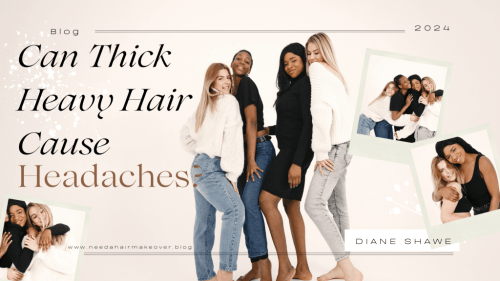 Yes, very thick hair can sometimes contribute to headaches, especially if it’s pulled tightly or if heavy hairstyles are worn frequently. The tension on the scalp from the weight or tightness can lead to discomfort or headaches.


 Become qualified in 3 days after completing your theory course.


 Educational Content on Hair Extensions by Diane Shawe: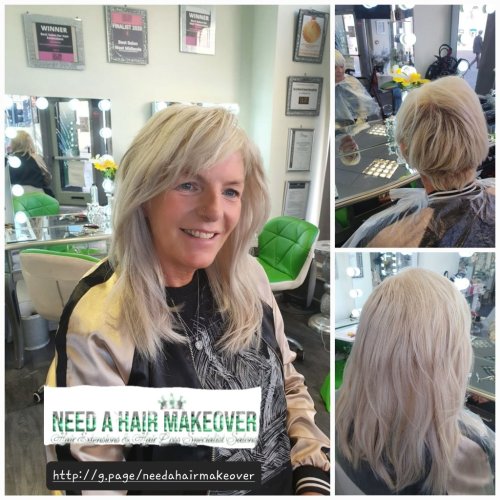





























 All about Hair Extensions & Hairloss Courses and Franchise Opportunity by Diane Shawe
You must be logged in to post a comment.