Category Archives: educational apps

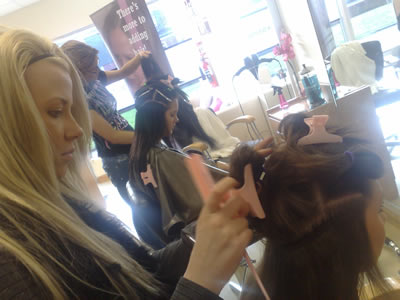
The Allure of Beige Blonde: How to Achieve the Look โ€” With or Without Hair Extensions by Diane Shawe

The Allure of Beige Blonde: How to Achieve the Look โ€” With or Without Hair Extensions

Are your clients craving that timeless, soft โ€œbeige blondeโ€ look? Whether they’re looking to enhance their natural hair or elevate their style with seamlessly blended hair extensions, beige blonde is one of the most requested and versatile shades in modern salons.

Are your clients craving that timeless, soft โ€œbeige blondeโ€ look? Whether they're looking to enhance their natural hair or elevate their style with seamlessly blended hair extensions, beige blonde is one of the most requested and versatile shades in modern salons.

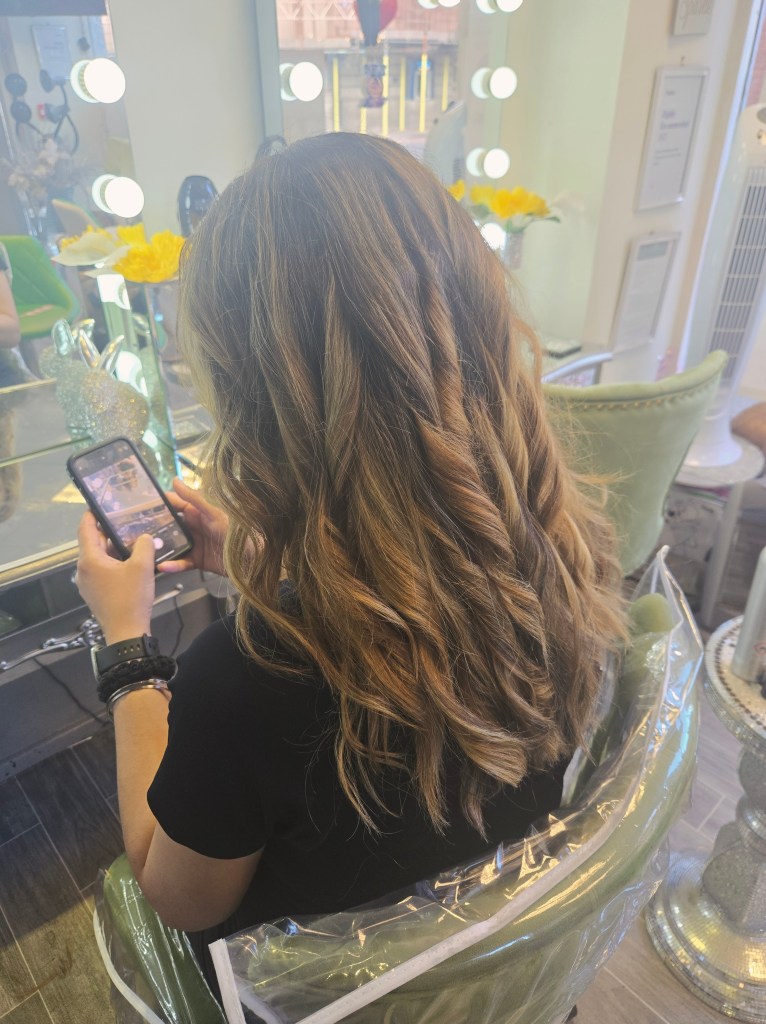
At its core, beige blonde is a beautiful blend of highlights and lowlights paired with carefully selected toners โ€” and it can be achieved on both natural hair and high-quality hair extensions. This adaptable hue works wonders for clients wanting a refined, dimensional blonde that flatters a variety of skin tones.


IWhat Is Beige Blonde?

Beige blonde sits right between warm and cool, offering a creamy, soft finish thatโ€™s sophisticated without being too icy. Think of it like a cup of coffee with just the right amount of cream โ€” subtle, balanced, and luxe.

Itโ€™s a cool-toned, ashier blonde (but not quite silver), and itโ€™s especially popular when paired with ash blonde extensions to add fullness and length while achieving uniform color.

When clients desire this specific tone, using the right toner is critical โ€” especially if youโ€™re blending their natural hair with Remy human hair extensions, as both must be harmonized in tone and texture for a flawless finish.


Who Does Beige Blonde Suit?

The beauty of this shade lies in its flexibility:

  • Fair Skin Tones: Light beige blonde with a touch of gold highlight enhances warmth.
  • Cool Skin Tones: A champagne beige with ash undertones creates contrast.
  • Warm Skin Tones: A โ€œbrondeโ€ (light brown + blonde) look can be customised using warmer extensions for dimension.

With bespoke hair extensions, stylists can add tailored color panels, highlights, or babylights without chemically treating the clientโ€™s entire head โ€” preserving hair health while achieving the desired aesthetic.


Achieving the Perfect Beige Blonde (With Hair Extensions Too!)

Hereโ€™s how to bring that beige blonde dream to life for your client โ€” whether on their natural locks, a full weave, or blended with extensions:

1. Start with a Consultation

Every transformation starts with a thorough consultation โ€” especially when blending hair extensions with colour-treated hair. Evaluate their current colour, hair condition, and goals. If your client has darker or previously dyed hair, they may need a lightening plan over several sessions.

When extensions are involved, youโ€™ll also need to match the tone, texture, and length, ensuring a seamless result. Book your in-depth consultation at www.needahairmakeover.com.

2. Choose the Right Lightener

Even if your client is naturally blonde, lightening may be needed to reach that soft beige tone. This is equally true when prepping hair extensions for custom colouring.

Pre-lightened or virgin Remy extensions can be toned along with natural hair to maintain consistency and blend perfectly.

3. Select a Custom Beige Blonde Shade

After lightening, use professional color to achieve the exact beige hue. From ash blonde to dark beige, mix shades for a multi-dimensional look. Extensions allow you to play with color placement more creatively โ€” for example, adding lighter tones at the ends for a subtle ombrรฉ.

4. Add Lowlights & Highlights for Dimension

Want to add more depth or a rooted look? Integrate lowlights or create contrast with babylights โ€” on both natural hair and extensions. Demi-permanent tones like taupe can enrich the beige effect without overwhelming it.

5. Tone With Precision

Once lightened, always tone the hair (and extensions if pre-colored). A pale beige or cool ash toner helps neutralize brassiness. Repeat toning or apply purple/blue shampoo if needed.

6. Grey Hair? No Problem

Grey hair offers an incredible base for beige blonde. If the client wears a hair topper or crown piece, ensure it’s toned to blend with their natural greys. A touch of ash can create a modern, creamy silver-blonde hybrid โ€” chic and flattering.


Maintenance Tips for Long-Lasting Beige Blonde

Whether your client walks away with colored hair, a topper, or a full set of extensions, the right aftercare will keep that beige blonde looking fresh:

  • Use Purple or Blue Shampoo weekly to keep brassiness at bay.
  • Color-Depositing Deep Conditioners can keep tones even and moisturised.
  • Hair Extension-Safe Products are a must โ€” avoiding sulphates and heavy oils that can break down bonds or wefts.
  • Encourage clients to book a follow-up at http://www.needahairmakeover.com for toning touch-ups and extension care.

Why Add Hair Extensions to a Beige Blonde Transformation?

Hair extensions arenโ€™t just about length โ€” theyโ€™re about confidence, versatility, and achieving a full, flawless colour. Some of the benefits include:

  • Instant Volume to make beige blonde pop.
  • Colour Without Damage by using pre-toned extensions instead of over-processing natural hair.
  • Style Flexibility for events like weddings, proms, or photoshoots.

Need a Hair Makeoverยฎ offers a full range of colour-matched extensions, hair growth treatments, training, and even franchise opportunities for stylists looking to grow their salon business.


Letโ€™s Create the Blonde of Your Dreams

Whether your client is dreaming of a bright beige blonde, a subtle balayage, or blending in high-quality extensions for fuller, healthier-looking hair โ€” youโ€™ve got the tools and expertise to make it happen.
โœจ Book a consultation today at www.needahairmakeover.com โœจ

From all hair types, genders, and ages โ€” weโ€™re here to help you shine, sparkle, and feel brand new.

โ€œSurviving the Banks Storm: How Small Businesses, Especially Women-Led Ventures, Are Battling Financial Pressures Amid Rising Costs and Regulatory Crackdownsโ€

Starting a business just before the pandemic presented unprecedented challenges, especially for women, particularly Black women, who often face additional barriers in the entrepreneurial landscape. As rising costs squeeze customersโ€™ wallets, small businesses struggle to stay afloat. The last thing these businesses need is added pressure from banks, insurance companies, accountants, and regulatory bodies. These institutions, while focused on combating organised crime and corruption, must also develop strategies that champion genuine SMEs caught in this turmoil, rather than exacerbating their struggles. Where is the support for these resilient businesses fighting to survive? Why canโ€™t the banks walk and chew gum and the same time?


Setting up a limited company in the UK is remarkably quick and easy, often taking just a few minutes online. However, the simplicity of the initial setup can be deceptive, as it doesn’t reveal the full extent of the responsibilities and potential pitfalls that lie ahead for small business owners. Beyond the excitement of having your own company name, there are numerous regulatory obligations that can catch new entrepreneurs off guard. These include regular filings with Companies House, maintaining accurate financial records, and ensuring compliance with tax obligationsโ€”whether or not your business is generating income.

Even if your business isnโ€™t earning money, failing to meet these requirements can result in penalties, fines, or even the risk of your company being struck off the register. For instance, filing annual accounts and confirmation statements is mandatory, and missing deadlines can lead to significant fines. Additionally, the intricacies of VAT registration, understanding corporation tax, and dealing with PAYE (if you have employees) add layers of complexity that arenโ€™t immediately obvious when you first set up your company.

Moreover, small business owners must be prepared for potential scrutiny from HMRC, especially as the government tightens regulations to combat financial crime and tax evasion. The reality is that running a limited company involves much more than just pursuing your business ideaโ€”it requires navigating a complex web of legal and financial responsibilities. Understanding these obligations from the outset is crucial to avoiding the unexpected consequences that can arise, ensuring your small business thrives rather than gets bogged down in regulatory challenges.

I was very excited when I started my small Specialist Salon business in 2016. The aim was to trade it for 3 years, and then develop a Franchise strategy and expand the services throughout the UK. However the Pandemic put a spanner in the works, not just for my business but many others. I persevered and then came the huge utility hike, my supplier took ยฃ10,000 for 6 months supply, there was nothing I could do, it left my account depleted and I had to start trading out of my cashflow. It has been a really challenging time navigating and micro managing the finances in order to meet all the outgoings, leaning in until I could turn the corner.

The next challenge was to get all the accounts up to date, filings etc., most of the costs for accountants have become expensive and eye watering, so I had to look at ways in which I could prepare my own accounts aided by online software which I had to learn and then update in between any spare time I got.

I could see the light at the end of the tunnel, managed to bring my VAT all up to date, Get my company accounts filed and in the process of filing the corporation tax once the reference number has been received via company house.

My next focus was on increasing revenue, I started to micro advertise, enquiries just starting to come in and now my biggest challenge is with my bank Starling.

The recent scrutiny of banks by financial regulatory bodies has led to a reactionary approach where banks are now indiscriminately targeting small businesses that are late with their filings. Instead of developing systems to guide and support genuine UK businessesโ€”many of which may be unaware of their filing obligationsโ€”banks have opted for a sweeping purge strategy. (Barclays being the leader) By threatening account closures without proper explanation or support, they have created confusion and panic among small business owners who are often unsure of what is happening and how to resolve these issues.

This approach is particularly problematic because it fails to distinguish between businesses that are struggling due to genuine reasons, such as the pandemic and rising costs, and those that may be involved in nefarious activities. Many small business owners, already stretched thin with day-to-day operations, are not equipped to navigate the complex regulatory landscape without guidance. Instead of receiving the help they need to stay compliant, they are met with threats and closures that could devastate their business.

The banks’ strategy is short-sighted and fails to consider the long-term impact on the UKโ€™s small business ecosystem. By alienating small businesses, many of which have the potential for future growth, banks are undermining the very sector that could contribute significantly to the economy. Whatโ€™s needed is a more nuanced approach that provides education, support, and a clear path to compliance, rather than punitive measures that risk driving genuine businesses into insolvency or forcing them to shut down altogether.
So I found out from a recent article highlighting Starling Bankโ€™s crackdown on debtors following an investigation by the Financial Conduct Authority (FCA) into its financial crime controls.

While Starling justifies its actions as part of tightening financial discipline, this aggressive stance appears to disproportionately target small businesses (which was there main recruiting strategy when they launch there no physical location online solution), that may not yet be profitable but are long-standing, having survived through the pandemic and rising costs. This short-term approach by Starling Bank risks alienating small businesses that have potential for future growth, especially those that have already demonstrated resilience during challenging times. By indiscriminately pushing out these businesses without offering constructive support or alternatives, Starling Bank seems to be prioritising immediate financial metrics over long-term relationships, potentially causing harm to the broader business ecosystem.

The treatment of these small businesses, many of which have been established for over five years, raises concerns about discrimination and a lack of recourse. The bankโ€™s actions overlook the fact that many of these businesses were severely impacted by the pandemic, which should warrant understanding and support rather than punitive measures. In essence, Starlingโ€™s approach along with other banks could be seen as merciless and unsupportive, especially for businesses still navigating the economic aftermath of the pandemic.


This strategy could backfire, damaging Starlingโ€™s reputation among small business owners who feel unfairly targeted and abandoned by a bank that once positioned itself as a champion of SMEs and built for us.


Suggested Measures:
Banks must consider the well-being of SME owners, as many rely solely on a single business account for all their financial needs. Temporarily suspending an account can have devastating effects, leaving business owners without access to essential funds for daily operations, payroll, and personal expenses. Such actions can cause extreme stress and financial instability, potentially jeopardising the survival of the business.
Banks should implement more empathetic and supportive approaches, offering guidance and alternatives rather than immediate suspensions, to ensure the financial health and stability of these entrepreneurs.

To address the issue of banks indiscriminately targeting small businesses for account closures due to missed filings, several measures can be implemented:

  1. Enhanced Communication: Banks should proactively communicate with businesses about upcoming filing deadlines and offer reminders well in advance. Clear guidance on what needs to be done can prevent many issues. There is the technology to do this
  2. Support Systems: Establish dedicated support teams or resources that provide step-by-step assistance to small businesses, helping them navigate the complexities of regulatory compliance. They might find that these businesses once they understand and have become use to the governance rules, that less and less support is needed.
  3. Tiered Response: Instead of immediate threats of account closure, banks could implement a tiered response system, starting with warnings and offering assistance to rectify the situation before taking drastic measures. They need to be clear about the problem instead of hiding behind confidentiality rules.
  4. Education and Training: Banks could partner with regulatory bodies to offer workshops or online training sessions for small business owners, ensuring they understand their obligations and how to fulfill them when they have set up a limited company, Enterprise company, not for profit or charity organisations.

    The importance of having qualified banking staff available to address issues related to account compliance cannot be overstated. While customer service representatives play a crucial role in general inquiries, complex regulatory matters require expertise that goes beyond basic customer service training. Qualified banking professionals possess the knowledge and experience necessary to navigate the intricacies of financial regulations, offering tailored advice and solutions to small business owners. Without access to such expertise, customers may receive inadequate or incorrect guidance, exacerbating their problems and potentially leading to severe financial consequences. Ensuring that qualified staff are accessible is vital for maintaining trust and helping businesses remain compliant without undue stress.
  5. Temporary Relief Programs: For businesses in distress, especially those with a long track record, banks could offer temporary relief or grace periods instead of immediate account suspension. Flexible Penalty Structures: Implementing a more flexible penalty structure that considers the size and history of the business can prevent unnecessary closures while still encouraging compliance.
  6. Advocacy and Representation: Banks should advocate for small businesses with regulators, helping to ensure that compliance requirements are reasonable and that businesses have a clear path to meet them.

By adopting these strategies, banks can better support small businesses, ensuring they remain compliant without resorting to punitive measures that could harm their operations. This approach would foster a more supportive environment for small businesses, which are vital to the economy.

Here are some alternative solutions to address the issue of banks targeting small businesses for account closures:

  1. Third-Party Mediation: Introduce independent third-party mediators to assess disputes between banks and small businesses, ensuring that decisions are fair and consider the specific circumstances of each business.
  2. Government Intervention: The government could step in to create standardised guidelines for banks to follow when dealing with non-compliant businesses, preventing arbitrary closures.
  3. Regulatory Sandbox: Establish a regulatory sandbox where small businesses can experiment with compliance strategies without the fear of penalties, allowing them to learn and adapt in a supportive environment.
  4. Tailored Compliance Plans: Banks could work with small businesses to develop individualised compliance plans, setting realistic timelines for achieving full compliance without threatening immediate closure.
  5. Collaborative Platforms: Create collaborative platforms where small businesses can access shared resources, tools, and expert advice, helping them stay compliant and avoid penalties.

These alternative solutions focus on creating a more supportive and cooperative environment, where small businesses are given the tools and guidance they need to succeed, rather than being penalized without adequate support.

In conclusion, the recent actions by banks, particularly the indiscriminate suspension of SME accounts, underscore a critical need for a more nuanced and supportive approach to banking in the small business sector. While banks must adhere to regulatory requirements and combat financial crime, their strategies should not inadvertently harm legitimate small businesses that are crucial to the economy. For many SME owners, their business account is not just a financial tool but a lifeline that supports both their personal and professional lives. The temporary suspension or closure of these accounts can have devastating consequences, exacerbating financial stress and potentially leading to business failure.

Qualified banking professionals, with a deep understanding of both regulatory obligations and the unique challenges faced by small businesses, should be readily accessible to provide guidance and support. This approach would prevent unnecessary disruptions and help SMEs navigate compliance issues effectively. Additionally, banks must recognize the well-being of SME owners, offering them the understanding and flexibility needed to maintain their operations, especially in the face of rising costs and economic challenges.

A shift towards a more empathetic and customer-centric banking model is essential. By doing so, banks can foster long-term relationships with SMEs, supporting their growth and contributing to a more resilient and thriving economy.

Why Are My Eyelashes Irritating My Eyes? Discover the Hidden Culprit by Diane Shawe

Eye Care Alert!

Are you tired of dealing with irritated eyes and wondering why your eyelashes are causing so much discomfort?

You might be surprised to learn that the culprit behind your eye irritation could be Trichiasis, a common condition where your eyelashes grow inward towards your eyes.

Want to learn more about Trichiasis and how to say goodbye to irritated eyes? Head to [read needahairmakeover.blog](http://readneedahairmakeover.blog) to discover the hidden causes and solutions to this pesky problem!

Misbehaving Eyelashes: What You Need to Know About Trichiasis

Trichiasis is a common eyelid abnormality in which eyelashes are misdirected and grow inward toward the eye. This condition can cause irritation, discomfort, and potential damage to the cornea and conjunctiva if left untreated.

Symptoms and Causes

Symptoms:

– Irritation or a feeling of a foreign body in the eye

– Redness and tearing

– Sensitivity to light

– Pain and discomfort

– Blurred vision (if corneal damage occurs)

– Visible inward-growing eyelashes

Causes:

– Chronic blepharitis (inflammation of the eyelids)

– Eye infections

– Autoimmune conditions such as Stevens-Johnson syndrome

– Trauma or injury to the eyelid

– Congenital abnormalities

– Aging-related changes to the eyelid structure

Diagnosis and Tests

Diagnosis:

– Physical examination by an eye specialist (ophthalmologist)

– Use of a slit-lamp microscope to get a detailed view of the eye and eyelids

– Fluorescein staining to check for corneal damage

Tests:

– Assessment of eyelid position and function

– Evaluation for underlying conditions that might contribute to trichiasis

Management and Treatment

Non-Surgical Treatment:

– Removal of the misdirected eyelashes (epilation) using forceps

– Application of lubricating eye drops or ointments to reduce irritation

– Use of antibiotic eye drops or ointments if infection is present

Surgical Treatment:

– Electrolysis: Uses electrical current to destroy hair follicles

– Cryotherapy: Freezing of hair follicles to prevent regrowth

– Radiofrequency ablation: Uses radio waves to remove misdirected eyelashes

– Laser treatment: Uses laser energy to remove and prevent regrowth of eyelashes

– Eyelid surgery: In severe cases, surgical repositioning or reconstruction of the eyelid

eyelashes

Prevention

Preventing trichiasis involves managing underlying conditions that can cause it, such as maintaining good eyelid hygiene to prevent blepharitis and promptly treating eye infections and injuries. Regular check-ups with an eye specialist can help detect and address issues before they become severe.

Outlook / Prognosis

The prognosis for trichiasis is generally good if treated appropriately. Non-surgical methods provide temporary relief, but eyelashes often regrow, requiring repeated treatments. Surgical methods offer a more permanent solution. Untreated trichiasis can lead to chronic eye irritation, corneal abrasions, and potentially vision loss.

Importance of Using the Right Eyelash Extensions and Glue

Safety and Health:

– Using high-quality eyelash extensions and glue reduces the risk of allergic reactions, irritation, and infection.

– Low-quality or improperly applied extensions can cause trichiasis by misdirecting natural lashes inward.

Comfort and Longevity:

– Proper extensions and glue ensure that the lashes remain comfortable and last longer without causing damage.

– Professional application techniques help avoid complications like lashes growing in the wrong direction.

Aesthetic Outcomes:

– High-quality products and professional application achieve a more natural and aesthetically pleasing look.

Booking your EyeLashes Extensions with us if you have sensitive eyes.


For a safe and professional eyelash extension experience, book your appointment at [Need a Hair Makeover](http://www.needahairmakeover.com). Their experienced technicians use high-quality products to ensure the health and beauty of your lashes.

Share with someone whoโ€™s struggling with eye irritation and help them find relief! #EyeCare Trichiasis #EyelashHealth #IrritatedEyes #needahairmakeover


Are We Too Easily Offended? Navigating Modern Sensitivity and Entitlementโ€


โ€The Rise of Offense Culture: Entitlement, Sensitivity, and Their Societal Impactโ€

“In recent years, it’s become increasingly apparent that society has undergone a profound shift in its collective psyche. We’ve entered an era where the slightest perceived slight can spark outrage, where the mere whisper of disagreement can be met with vitriolic backlash, and where the notion of personal responsibility has given way to a pervasive sense of entitlement. It’s as if we’ve become a society of hair-trigger sensitivities, where the faintest whisper of offense can set off a firestorm of indignation.

But is this perception merely a product of our own biases, or is there something more profound at play? Have we truly become more easily offended, or are we simply more aware of the offenses that have always existed? And what of this sense of entitlement that seems to permeate every aspect of modern life? Is it a natural response to the increasing complexity and uncertainty of our world, or is it a symptom of a deeper rot โ€“ a sense of privilege and expectation that has been fostered by our culture of instant gratification and social media echo chambers?

As we navigate the treacherous waters of modern discourse, it’s essential that we take a step back and examine the underlying dynamics that drive our behaviour. Are we truly more sensitive, or are we simply more sensitive to the sensitivities of others? And what are the consequences of this shift โ€“ not just for our individual relationships and communities, but for the very fabric of our society as a whole?


In this blog, we’ll delve into the heart of this debate, exploring the complex interplay of factors that have contributed to our current state of heightened sensitivity and entitlement. We’ll examine the role of social media, the impact of cultural and economic shifts, and the ways in which our own psychological biases shape our perceptions of the world around us. And we’ll ask the tough questions: What does it mean to be offended, and what does it mean to be entitled? Is there a way to strike a balance between empathy and accountability, or are we doomed to forever walk the tightrope between hurt feelings and hurtful words?

Join me on this journey as we explore the intricacies of modern society and the ways in which our perceptions of offense and entitlement shape our world โ€“ and ourselves.”

The perception that society has become more easily offended and possesses a heightened sense of entitlement is a topic of significant debate. This perception can be analysed from multiple angles:

Increased Sensitivity and Offense
Factors Contributing to Increased Sensitivity:
1. Social Media Amplification: Platforms like Twitter, Facebook, and Instagram provide a space for rapid sharing and amplification of opinions, grievances, and calls for accountability. This can create a perception of widespread offense.
2. Cultural Shifts: There is a growing awareness and sensitivity towards issues of race, gender, sexuality, and other identity markers. Movements like #MeToo and Black Lives Matter have highlighted systemic issues, leading to heightened sensitivity and vigilance against perceived slights or injustices.
3. Polarisation and Echo Chambers: Social media and selective news consumption can create echo chambers where individuals are exposed mainly to views that reinforce their own, intensifying reactions to opposing views.


Sense of Entitlement
Factors Contributing to a Sense of Entitlement:
1. Consumer Culture: The modern consumer culture emphasizes personal choice and satisfaction, potentially fostering a sense of entitlement where individuals expect their needs and preferences to be prioritized.
2. Individualism: Western societies, in particular, value individualism, which can sometimes translate into prioritizing personal rights and entitlements over communal responsibilities and consensus.
3. Educational and Parenting Trends: Some argue that certain educational and parenting approaches, which emphasize self-esteem and individual achievement, may contribute to a sense of entitlement among younger generations.

Ramifications
Negative Ramifications:
1. Erosion of Discourse: A heightened sensitivity and sense of entitlement can stifle open dialogue and debate. Fear of offending others or being offended can lead to self-censorship or the silencing of differing opinions.
2. Increased Division: When people feel entitled to their views without compromise, it can lead to increased polarization and societal division, as seen in various political and cultural clashes.
3. Mental Health Concerns: Constantly navigating a landscape where offense is easily taken and given can contribute to stress and anxiety, both for individuals and communities.

Potential Positive Outcomes:
1. Greater Inclusivity: Increased sensitivity can lead to more inclusive and respectful environments, where marginalized voices are heard and considered.
2. Accountability: Holding individuals and institutions accountable for offensive or harmful behaviour can lead to positive social change and a more just society.
3. Empathy and Awareness: As society becomes more aware of diverse perspectives and experiences, there can be a growth in empathy and understanding across different social groups.

Conclusion
The perception of increased sensitivity and entitlement in society is complex, with both positive and negative aspects. The key lies in finding a balance between respecting diverse perspectives and maintaining open, constructive discourse. Ensuring that sensitivity to offense does not inhibit free expression and that a sense of entitlement does not override communal responsibilities is crucial for social harmony and progress.
As we conclude our thought-provoking discussion on the perceived rise of entitlement and offenses in todayโ€™s society, weโ€™re left to ponder the far-reaching implications of this phenomenon. From the impact on our self-esteem to the way we interact with others, itโ€™s clear that this shift in societal norms has far-reaching consequences. As we strive to cultivate a more empathetic and understanding world, itโ€™s essential to acknowledge and address these underlying issues. Take a moment to reflect on your own experiences and biases โ€“ and how they may be influencing your relationships and interactions. And if youโ€™re ready to shed old patterns and elevate your self-awareness, consider visiting our blog

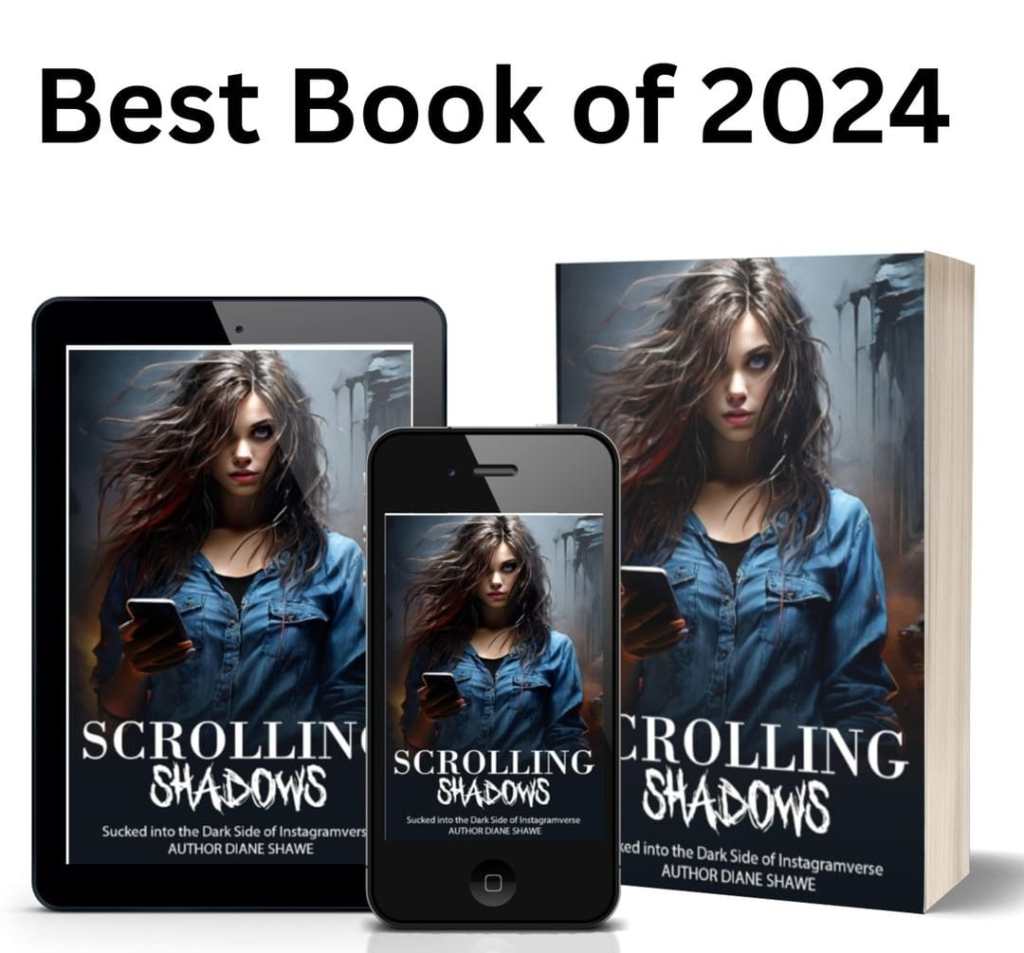
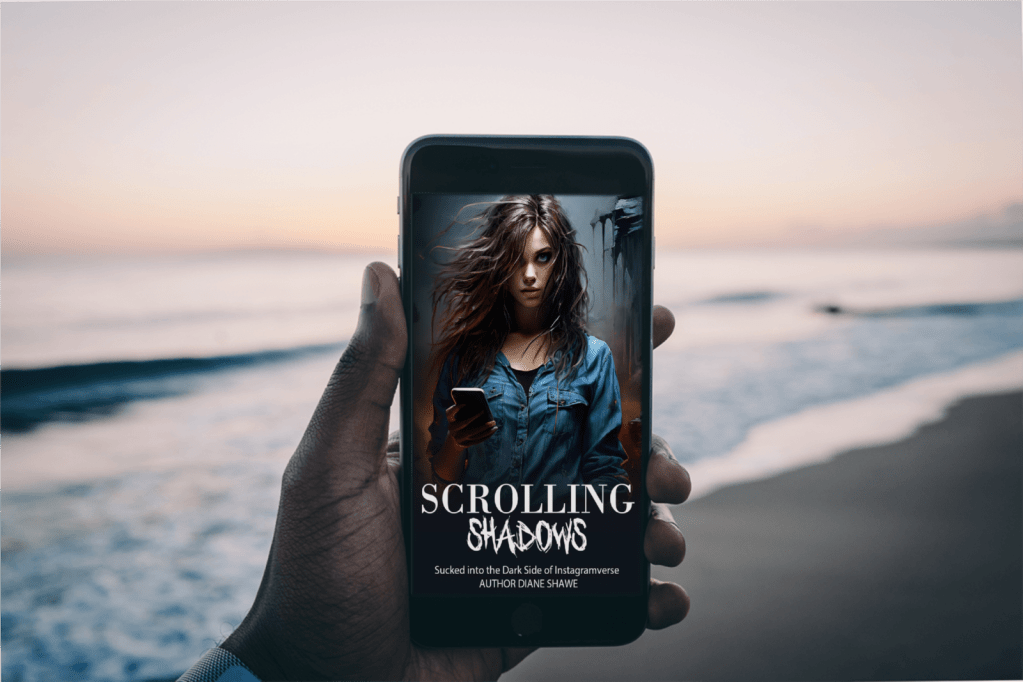
The Importance of Book Cover Design: Unveiling the Secrets Behind โ€œScrolling Shadowsโ€

Scrolling ShadowsHow did I come up with the design for the cover of my first fiction book

In the world of publishing, the old adage โ€œdonโ€™t judge a book by its coverโ€ may ring true in principle, but in reality, the design of a book cover plays a crucial role in capturing readersโ€™ attention and enticing them to delve into its pages. Just like a captivating movie poster or an eye-catching billboard, a well-designed book cover serves as the first impression of a literary work, offering a glimpse into its tone, genre, and overall aesthetic. In this blog post, I will share why the design of your book cover is important and unveil the secrets behind the design of โ€œScrolling Shadows: Sucked into the Darkside of Instagramverse.โ€

In my head, I knew what I wanted, but getting it out into visual form was not that easy. I wanted Amy, a modern girl with her mobile phone, which went everywhere with her to be the main focus, but how could I visually draw the viewer into the cover without too much noise? I hired a graphic book cover designer to help illustrate and unlock my imagination into art form, but that was just the beginning

I focused on these five principles:

1. First Impressions Matter: As the saying goes, you never get a second chance to make a first impression. The cover of a book is often the first thing a potential reader notices, whether browsing in a bookstore or scrolling through online listings. A visually appealing cover can grab attention amidst a sea of competing titles, sparking curiosity, and prompting further exploration.


2. Reflecting the Essence of the Story: The design of a book cover should provide a glimpse into the world within its pages. It should convey the genre, mood, and themes of the story, giving readers a sense of what to expect. For โ€œScrolling Shadows,โ€ the cover design was influenced by the themes of social media addiction, standalone, secrecy, virtual reality, and mystery, with imagery that captures the allure and danger of the Instagramverse.

3. Creating Emotional Connection: A well-designed book cover has the power to evoke emotions and resonate with readers on a deeper level. Whether through striking imagery, evocative typography, or clever use of colour, the design can evoke curiosity, intrigue, or even a sense of nostalgia. For โ€œScrolling Shadows,โ€ the cover design aims to evoke a sense of a young girl alone with her powerful m9bile phone, suspense and defiance, drawing readers into the thrilling world of the story.


4. Building Brand Identity: In an increasingly crowded marketplace, establishing a strong brand identity is essential for authors and publishers alike. A consistent and distinctive design aesthetic across a series of books can help build brand recognition and loyalty among readers. For โ€œScrolling Shadowsโ€ and future works by Diane Shawe, the cover design serves as a key element of brand identity, creating a cohesive visual identity that sets the tone for the authorโ€™s body of work and as Amy matures Can be reflected in the forthcoming series.

5. Standing Out in the Digital Age: With the rise of e-books and online shopping, book covers are often viewed in thumbnail size on digital platforms. This means that covers must be eye-catching and easily recognizable even at a small scale. The design of โ€œScrolling Shadowsโ€ takes this into account, ensuring that the cover stands out in both physical and digital formats, grabbing attention, and inviting readers to click for more.

In conclusion, the design of a book cover is far more than just a superficial adornmentโ€”itโ€™s a powerful tool for attracting readers, conveying the essence of the story, and building brand identity. With โ€œScrolling Shadows: Sucked into the Darkside of Instagramverse,โ€ the cover design serves as a gateway to an immersive and thrilling literary experience, enticing readers to embark on a journey into the captivating world of social media addiction and virtual reality.


Scrolling shadows

Get your copy here
https://payhip.com/DianeShaweEbooksandCourses
https://www.amazon.co.uk/SCROLLING-SHADOWS-SUCKED-INTO-INSTAGRAMVERSE-ebook/dp/B0D2WQS4PM/

Let me know what you think about my book cover

Can thick heavy hair cause headaches? By Diane Shawe

Yes, very thick hair can sometimes contribute to headaches, especially if it’s pulled tightly or if heavy hairstyles are worn frequently. The tension on the scalp from the weight or tightness can lead to discomfort or headaches.

What can you do? Here are some additional details and tips:

1. Loose Hairstyles: Opt for hairstyles that don’t pull your hair too tightly, such as loose braids, ponytails, or buns. This reduces the tension on your scalp and minimises the risk of headaches.

2. Avoid Heavy Accessories: Avoid using heavy hair accessories like large clips, heavy hairpins, or bulky headbands, as they can add extra weight and strain to your scalp.

3. Use Soft Hair Ties: Choose soft, fabric-covered hair ties or scrunchies instead of tight elastic bands, as they are gentler on your hair and scalp.

4. Regular Scalp Massage: Massaging your scalp regularly can help relax the muscles and relieve tension. You can use your fingers or a scalp massager to gently massage your scalp in circular motions.

5. Conditioning Treatments: Deep conditioning treatments can help keep your hair soft and manageable, reducing the need for tight hairstyles to control frizz or flyaways.

6. Trimming: Regular hair trims can help reduce the weight of your hair and prevent it from pulling on your scalp.

7. Consult a Hairstylist: If you frequently experience headaches due to your thick hair, consider consulting a hairstylist who specializes in thick or heavy hair. They can recommend hairstyles and products that are suitable for your hair type and scalp health.

By following these tips and making some adjustments to your hair care routine, you can help alleviate the tension on your scalp and reduce the likelihood of headaches caused by thick hair.

What about thinning out your hair?

Thinning out thick hair can potentially help reduce the weight and tension on the scalp, which may alleviate headaches caused by the hair’s thickness. Thinning out hair involves removing some of the bulk from the hair shafts to make them lighter and more manageable. Here are some considerations regarding thinning out hair and its potential long-term impacts:

1. Reduced Tension: Thinning out thick hair can reduce the strain and tension on the scalp, which may help alleviate headaches and discomfort associated with tight or heavy hairstyles.

2. Improved Styling: Thinning out hair can make it easier to style and manage, as it reduces bulk and makes the hair more flexible.

3. Long-Term Impact: Thinning out hair is generally safe when done by a skilled hairstylist using proper techniques and tools. However, excessive thinning or improper thinning methods can potentially damage the hair follicles and lead to long-term issues such as hair breakage, thinning, or scalp irritation.

4. Regrowth: Thinning out hair does not typically result in permanent hair loss, as the hair follicles remain intact. However, if the thinning process is overly aggressive or if there is underlying damage to the hair follicles, it may affect the regrowth of new hair.

5. Maintenance: Thinning out hair may require regular maintenance to maintain the desired thickness and style. This may involve periodic touch-ups by a hairstylist to trim or thin out regrowth and maintain the desired look.

6. Consultation: Before thinning out your hair, it’s advisable to consult with a professional hairstylist who can assess your hair type, thickness, and desired outcome. They can recommend appropriate thinning techniques and ensure that the process is performed safely to minimize any potential long-term impacts on your hair.

Overall, thinning out thick hair can be a viable option for reducing tension on the scalp and improving manageability, but it’s essential to approach the process with caution and seek guidance from a qualified hairstylist to ensure the best results and minimize any potential risks.


Can Hair Extensions cause headaches

Hair extensions can sometimes cause headaches, particularly if they are installed too tightly or if they are heavy.

Here’s why:

1. Tension on the Scalp: Hair extensions that are installed too tightly can exert excessive pressure on the scalp, leading to discomfort and headaches. This tension can strain the scalp muscles and nerves, causing pain.

2. Weight of the Extensions: Hair extensions, especially those made with heavy materials or attached in large quantities, can add extra weight to your natural hair. The additional weight can pull on your scalp and contribute to headaches, particularly if worn for extended periods. Clinics if worn very long can add up to 150g-200g of hair.

3. Improper Installation: If hair extensions are not installed correctly or if the attachment method is not suitable for your hair type, it can lead to discomfort and headaches. For example, extensions that are sewn or glued too close to the scalp can cause irritation and pain.

4. Sensitivity to Materials: Some individuals may be sensitive or allergic to the materials used in hair extensions, such as metal clips, glue, or synthetic fibers. This sensitivity can manifest as scalp irritation, inflammation, and headaches.

5. Poor Quality Extensions: Low-quality hair extensions that are stiff, rough, or prone to tangling can exacerbate scalp discomfort and headaches. They may also cause pulling and tugging on the hair, leading to pain and irritation.

To prevent headaches caused by hair extensions, it’s essential to choose high-quality extensions and have them installed by a skilled and experienced professional.

Additionally, opt for installation methods that minimise tension on the scalp and avoid wearing extensions for prolonged periods without breaks. If you experience persistent headaches or discomfort with your hair extensions, consider removing them and consulting with a hairstylist or healthcare professional for advice.

If thick hair is not the cause of your headaches,

Then other potential factors to consider, such as:

1. Tension or Stress: Stress and tension are common triggers for headaches. Tightness in the neck, shoulders, and scalp muscles can lead to tension headaches
2. Poor Posture: Poor posture, especially when sitting or standing for long periods, can strain the muscles in the neck and shoulders, leading to tension headaches.
3. Dehydration: Not drinking enough water can lead to dehydration, which can trigger headaches.
4. Eye Strain: Prolonged use of electronic devices or reading in poor lighting can strain the eyes and lead to tension headaches or eye strain headaches.
5. Caffeine Withdrawal: If you regularly consume caffeine and suddenly decrease your intake, you may experience withdrawal symptoms, including headaches.
6. Sleep Issues: Poor sleep quality or not getting enough sleep can contribute to headaches.
7. Dietary Factors: Certain foods and beverages, such as alcohol, processed foods, or those containing artificial additives, can trigger headaches in some people.
8. Sinus Issues: Sinus congestion or inflammation can cause sinus headaches, which may be mistaken for tension headaches.
9. Weather Changes: Changes in weather or barometric pressure can trigger headaches in some individuals.
10. Medical Conditions: Underlying medical conditions such as migraines, sinus infections, or temporomandibular joint (TMJ) disorder can also cause headaches.


If you experience frequent or severe headaches, itโ€™s essential to consult with a healthcare professional to determine the underlying cause and develop an appropriate treatment plan. They can help diagnose any potential medical conditions and provide guidance on managing and preventing headaches effectively.


The Power of Positivity: How a Positive Mindset Can Transform Your Life by Diane Shawe

Want to become a #entrepreneur? Start your own Business Startups & Promotions? Could you help someone like Sarah? Listen to her story

In a world where negativity and cynicism seem to dominate, it can be easy to fall into a negative mindset. We are bombarded with negative news headlines, social media comparisons, and stress from our daily lives. It’s no wonder that many of us struggle to see the positive side of things.

But what if I told you that a simple shift in mindset could transform your life? That the power of positivity is real and can bring about profound changes? It may sound too good to be true, but countless studies have shown that having a positive mindset can have a significant impact on our physical and mental well-being.

So, what exactly is a positive mindset? Simply put, it is an attitude of optimism and hope, focusing on the good in any situation. It’s about choosing to see the glass as half full rather than half empty. And while it may not always come naturally, it is a skill that can be learned and cultivated.

One of the most significant benefits of having a positive mindset is its impact on our mental health. When we approach life with a positive outlook, we are less likely to dwell on negative thoughts and emotions. Instead, we are more resilient and better equipped to deal with challenges and setbacks.

Research has also shown that a positive mindset can help reduce symptoms of anxiety and depression. By shifting our focus towards the good things in our lives and reframing negative thoughts, we can improve our overall well-being and emotional state.

But the benefits of positivity don’t stop there. Studies have also found that being optimistic can have physical health benefits. Positive people tend to have lower levels of stress hormones, which can help reduce the risk of chronic diseases such as heart disease and diabetes. They also have stronger immune systems, allowing them to fight off illnesses more effectively.

But how do we cultivate a positive mindset in a world that often seems to be filled with negativity? The first step is to become more aware of our thoughts and emotions. It’s essential to pay attention to the language we use when talking about ourselves and our lives. Are we constantly putting ourselves down or focusing on the negatives? If so, it’s time to start shifting our mindset.

We can also practice gratitude and appreciation daily. By focusing on the things we are grateful for in our lives, we can train our minds to see the good in all situations. Keeping a gratitude journal or expressing thanks to others can have a significant impact on our overall outlook.

Surrounding ourselves with positivity is also crucial. It’s essential to limit exposure to negative news and toxic people. Instead, seek out uplifting and optimistic individuals who inspire and motivate us.

But perhaps the most powerful way to cultivate a positive mindset is through self-talk. Our inner voice is incredibly influential, and what we tell ourselves can have a significant impact on our beliefs and actions. By practicing positive self-talk, we can reframe negative thoughts and start believing in ourselves and our abilities.

Of course, having a positive mindset doesn’t mean ignoring or suppressing negative emotions. It’s essential to acknowledge and process these feelings but not let them consume us. Instead, we can use them as opportunities for growth and learning.

In essence, having a positive mindset is about choosing to see the good in life, even when things may seem tough. It’s about being resilient and finding opportunities for growth in every situation. And while it may not come easily at first, with practice and determination, we can all learn to embrace the power of positivity.

So the next time you catch yourself falling into a negative mindset, remember that you have the power to change it. Choose to see the silver lining, practice gratitude, surround yourself with positivity, and use self-talk as a tool for growth. Embrace the power of positivity, and watch as your life transforms for the better.

Did you find Sarah’s story interesting?

Well finding a #business that aligns with your passion is key. The #hairindustry can help people regain their confidence, our #hairextensions and #hairloss #franchise offers the perfect opportunity. Findout more https://bit.ly/3vw8szC


Shoppers Discount Club 2023 Finalist for Mobile & Emerging Technologies Startup Awards

Congratulations to Diane Shawe for becoming one of the 2023 Start Up Awards Finalists for her Shoppers Discount Club Business.

Dudley based startup Shoppers Discount Club has been named a finalist ahead of the Midland Final of the StartUp Awards.

The StartUp Awards has been launched to recognise the booming startup scene across the UK which has accelerated since the 2019 pandemic. Over 800,000 new businesses were founded in the UK since 2021, a 4.3% increase from the year before.

A record number of businesses applied to this yearโ€™s StartUp Awards, with 1,100 firms shortlisted across ten UK nations and regions. The contribution of these firms – all of which were started in the last three years – is significant, having created over 5,000 new jobs since they were established and generating annual sales of ยฃ584 million.

The Shoppers Discount Club is a using AI Conversational Chatbots and QR codes to help bricks and mortar retailers offer live discounts to shopper via their mobile phones in real time, helping retailers attract more footfall into their businesses founded by Diane Shawe in 2022. The business has been nominated for the Mobile and Emerging Technology StartUp of the Year.

Diane Shawe, founder of Shoppers Discount Club, said: โ€œThis is amazing. I have a business on the High Street and the idea came to me when I was trying to think of a way that us the retailers could compete with online discounts and offers in real time to attract more footfall. I focused on a solution using Artificial Intelligence Technology Chatbots and QR codes that could instantly engage passer-by in real time and entice them to claim their instant discount via their mobile phone and would not cost a fortune for retailers to use. Its been working for my business as customers are surprised that they can claim an instant discount on certain treatments. โ€

Supported nationally by Starling Bank, British Business Bank, BT, Creative Ideaz, GS1 UK, Jeeves, Join Talent, ScoreApp and The Purposeful Project, the programme will celebrate the achievements of the amazing individuals who have turned an idea into an opportunity and taken the risk to launch a new product or service.

The cohort of finalists will be considered for the regional prizes by a panel of seasoned judges with experience founding or supporting entrepreneurial ventures.

Professor Dylan Jones-Evans OBE, the creator of the StartUp Awards, said:


โ€œ Start-up businesses are the lifeblood of any economy, being responsible for new jobs, innovation and in supporting communities in every nation and region across the UK.

All of the finalists this year represent the best of those entrepreneurs who have spotted an opportunity and through their sheer hard work, talent and perseverance, have created an amazing new business that is creating real impact in its sector.โ€

The StartUp Awards was created in collaboration with the team behind the Great British Entrepreneur Awards, one of the most successful awards programmes in the UK. The StartUp Awards are running for the second year after launching in 2022.

This yearโ€™s StartUp Awards finalists can be found online at

https://www.freshbusinessthinking.com/national-startup-awards/finalists/2023-shortlist/the-midlands/mobile-and-emerging-technologies-startup

For more information or to request an interview, please contact Diane atย order@shoppersdiscount.clubย or 07367431859. Office 0203 535 6505 select Shoppers Discount club. Visitย https://shoppersdiscount.club

View sampleย https://more-customers.shoppersdiscount.club

About StartUp Awards

The StartUp Awards is a collaboration between the founders of the Great British Entrepreneur Awards – an established programme nationally receiving thousands applications annually – and the Wales Start-Up Awards, the only regional awards currently celebrating new businesses in the UK.

The StartUp Awards will recognise the achievements of those amazing individuals who have had a great idea, spotted the opportunity and taken the risks to launch a new product or service.

Already established and thriving in Wales, the StartUp Awards is now taking the passion and drive to celebrate new business and extending across the whole of the United Kingdom.

#chatbot #startupawards #shoppersdiscountclub #finalists

10 steps to looking after yourself and your business in 2023

TOP TEN SME BUSINESS GROWTH STRATEGIES FOR 2023

Every New Year, I have always checked for the top business growth tips and trends. This year I have decided to present my own because we the business community are still living in unprecedented times of uncertainty, fear, transformation, deception, confusion, and outright disruption of the old world ways of doing business.

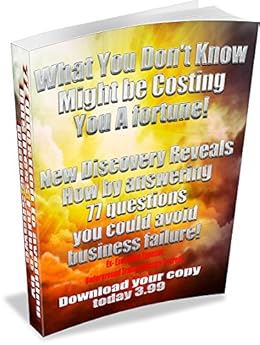
I am Diane Shawe founder of Virtual Speedy Services Ltd (which I gave birth to during the first lockdown) and author of ‘Answer 77 Questions about your business to avoid business failure’ shares her top small business growth strategies for the year ahead.

2022 has been a year of rapid transformation across all industries as the business community has dealt with shifting customer buying activities and economic challenges, as well as mitigating hot-button issues such as the pandemic and people’s changing conception of work life balance. In a year filled with change, there are some trends that are going to be firmly fixed into 2023 that I am certainly considering. I believe that all businesses should seriously build some or all of these points into your growth plans.

To lead your business in the right direction, here are my humble 10 small business growth strategies.

1. Prioritise your business culture
Throughout the pandemic, businesses have been dealing with โ€œThe Great Resignationโ€ as workers are quitting their jobs at record-high rates. One of the reasons for this is that people are changing their definitions of what they consider a healthy work-life balance and what they want in a company culture.
I have certainly seen that the pandemic has shifted the way people incorporate work into their life, whether itโ€™s moving to another county for cheaper housing or not wanting to go into the office every day.

Exploring the opportunity to do remote or hybrid work online or become dropshipping businesses.

In today’s environment, not all solutions are made equal, and culture is now a part of that. โ€œA big factor for employees, in addition to salary and benefits, is culture (wanting more time at home with family, for instance, or having a more flexible working environment. ) so have a culture strategy in place.

2. Consider hiring more freelance workers
The number of gig workers, freelancers, and contractors has grown exponentially over the last few years, and they make up a large portion of workers within the current market.
Small business owners will now be able to bring in more specialised freelance workers to carry out tasks without having to deal with the hiring and training costs that are often associated with recruiting a full-time employee, with the importance of being agile in todayโ€™s economic environment. More people are comfortable with remote working and outsourcing their skills.
Peopleperhour.com and fiverr.com are great places to start.

3. Work with micro-influencers
While small businesses may be competing against larger businesses to work with online influencers, collaborating with micro-influencers is an option to consider.
As influencer marketing is becoming more popular than everโ€ฆ micro-influencers are going to be the best option for small businesses because they donโ€™t cost as much, and they are more open to collaborating with small businesses too.
Adding a couple of these small influencers as a part of your marketing strategy could help you reach specific audiences; growth might not be an impossible feat in 2023.

4. Leverage the way you supply your products and services.
Distributors and businesses across the country have challenging supply chain issues with the continuation of the COVID-19 pandemic fallout and its subsequent economic disruptions. In 2023, businesses must be aware of scarcities within the supply chain and get ahead of manufacturing and transportation challenges by working collaboratively with their suppliers.
Checkout companies like Amazon who can provide a fulfilment service for your orders. Consider moving to a drop shipping manufacturer or warehouse so as to reduce your cash investment in slow-moving stock. If you are a bricks and mortar retail business consider launching a online store so customers can place orders.

5. Educate the client and partner with your new paradigms
Itโ€™s important to inform your clients and partners about changes youโ€™re making to better benefit your business across a shifting economic landscape. If the changes donโ€™t land, it may be time to consider other options,
Many businesses are painfully aware of how much the talent pool has changed. Working with potential employees and client partners to educate them on the new management styles needed, increased compensation packages, and other aspects of recruitment and retention are very important.

6. Prepare for potential contracting opportunities
Almost 80 new businesses were created every hour across the UK in the first half of 2021, according to research by iwoca โ€“ one of Europeโ€™s largest small business lenders.

Analysis of Companies House data reveals that 340,534 businesses were registered in the UK between January and June 2021, an increase of 32% from 257,243 over the same time period in 2019.

London dominates a list of areas to start a business
Iwocaโ€™s Small Business HotSpots UK 2021 reveals that Camden saw the largest number of businesses registered out of all UK local authorities, with 19,755 new companies โ€“ a rate of more than four and a half new firms every hour.
The second largest number of new businesses were registered in Hackney (13,646), followed by 10,151 in Westminster. Londonโ€™s local authorities make up half of the top 10, which also includes Birmingham in 5th with 7,442 new firms and Kent placing 7th with 6,504 businesses.
London saw over one-third of the new registrations with 120,338, followed by the South East (37,573) and North West (33,640). The capital city also witnessed the largest increase in new business registration compared to 2019 of 59%, with the West Midlands registering a 49% rise followed by the North East (28%).
Christoph Rieche, iwoca CEO and co-founder, said: โ€œIt is fantastic to see the creation of so many businesses during the first half of this year, they are testament to the entrepreneurial spirit which characterises our vibrant economy.
โ€œMany of these businesses will be unnecessarily constrained by cashflow. At iwoca, we turn cash flow into a superpower, enabling them to grow faster and worry less. We look forward to working with many of them.โ€

Why is such a growth happening?
A survey I read stated that 39% of people in current jobs are going to quit within the next 12 months, which is not great for an employer, but suggests a start of a business revolution is happening.

What advice would I give to somebody looking to start a business?
There is never a good time to do it, and you just must go for it. Itโ€™s all encompassing, and itโ€™s a phenomenon. I just decided to go for it in 2000 and have never looked back. However, you can be clever about it, though โ€“ can you cut down your hours in your current role, or could you work part-time initially? Explore your options wisely.

7. Get creative on sales and marketing opportunities
The digital marketing landscape has become increasingly challenging due to congestion and evolving regulations.
This is forcing many traditionally digital companies to explore other sales channels and marketing strategies.
To mitigate these challenges, business should engage with A.I. Conversational Marketing Technologies with its engaging methods it can help explode online conversational engagement with a virtual tool.
8. Widen your businessโ€™s online footprint
Small businesses must adapt and be โ€œpracticalโ€ when it comes to sales, as consumers continue to favour online and mobile shopping.
Businesses need to widen their online footprint to gain a significant proportion of customers from the current market,
A simple way to sell products is to have a sellers account on your popular social media or e-store platforms. To sell services, โ€ฆ list your company on freelance and contract websites.โ€ Also create a blog and YouTube website for reviewing products, testimonials, advice, and tips. Become the expert in your field. Entry competitions, exhibitions, and network meetings.
We have recently launched our online store http://www.online-store.needahairmakeover.co

9. Learn video SEO strategies to rank higher on search engines
Video marketing has become an integral part of a successful marketing strategy with the rise of live videos on platforms like TikTok and Instagram. Itโ€™s estimated that by 2022, videos will account for 82% of all consumer traffic. Thatโ€™s why video SEO should be a top priority for businesses in 2022.
“Small businesses that incorporate short-form videos into their website posts will see more organic traffic coming from search engines,โ€ explained Gilmour. โ€œAs TikTok continues to grow, search engine algorithms will shift to articles and posts that include short-form videos. Short-form videos from TikTok and YouTube may even become the main point of โ€˜how toโ€™ searches.โ€

10. Utilise partnership marketing to reach a broader audience
Partnership marketing is a strategic collaboration that gives you and your partner company a chance to reach a wider audience together, explained Diane Shawe, founder of Virtual Speedy Services Ltd.

โ€œCollaboration with another company can aid in the development of better marketing initiatives that benefit both parties, If your target clients are similar, you may pool your resources to better your marketing techniques, build your brands and expand your audience reach.โ€

Start to use smart customer acquisition techniques such as collaborating with discount giants such as wowcher, groupon, or discount voucher websites to help get your business name, brand, or services directly into potential customers mobile.

โ€œAnother example, if a consumer purchases a product from you, you can provide a discount coupon that they can use to purchase discounted products from your business partner,โ€ said Diane. โ€œCo-branding of a product or project can also boost both companies’ marketing power.โ€

Virtual Speedy Services Ltd is set up to provide a suite of services for small and medium-sized businesses to help them efficiently and quickly set up or expand their business. Our core service is AI technology by designing conversational marketing chatbots to generate quality business leads or engage online visitors in real time. We have just launched the Shoppers Discount Club App. Click to find out more https://shoppersdiscount.club

The Stigmatisation of Racism in 8 minutes and 46 Seconds by Diane Shawe

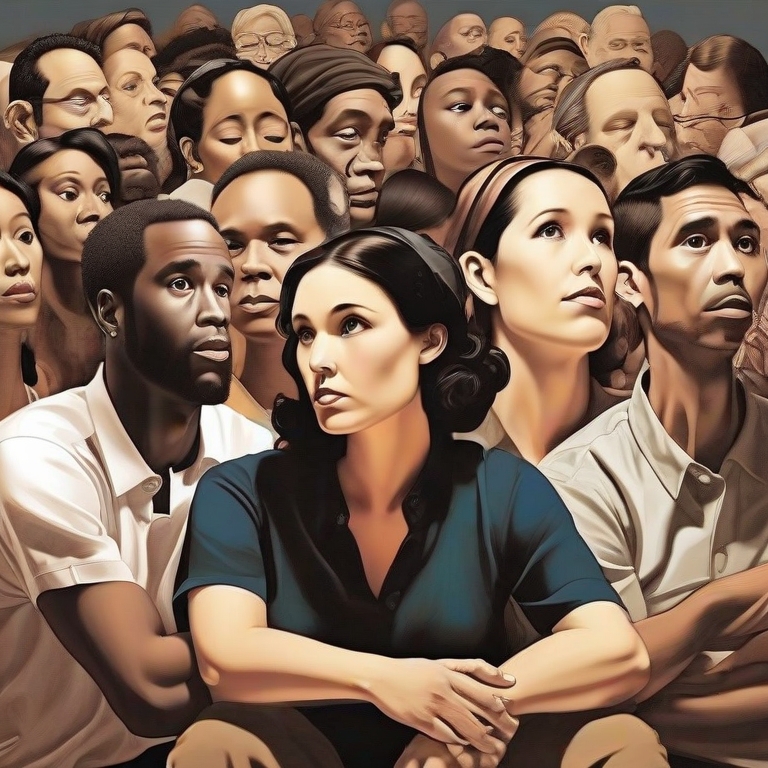
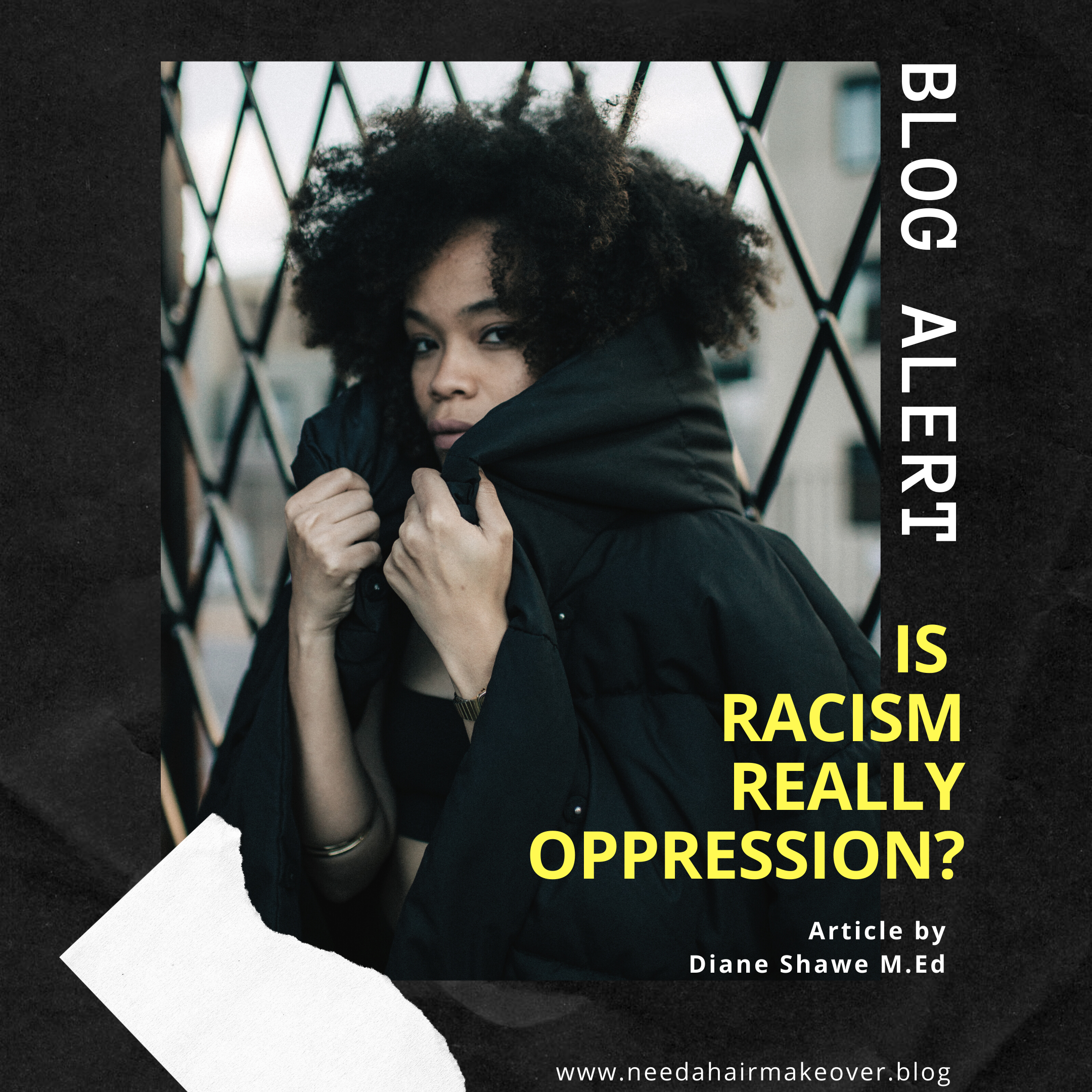
Why are some people on different sides of the isle  stigmatised and do not understand racism? Is Racism really being oppressed or is it oppression?Is racism really oppression

Article by Diane Shawe

8 minutes and 46 seconds struck a match globally and for most people after being in lockdown for 2 months, a time to slow down, digest, rest and reflect, this 8 minutes and 46 seconds removed the pink tinted glasses around the world about race relations, justice and inequality.

Firstly I needed to look up and define the different faces of stigma.

a) Public stigma is the reaction that the general population has to people with mental illness.

b) Self-stigma is the prejudice which people with mental illness turn against themselves.

c) Both public and self-stigma may be understood in terms of three components: stereotypes, prejudice, and discrimination

An example of  stigma is the spot on an otherwise blemish-free potato. So when a person maintains they have not experienced racism, or they have black friends or I just don’t get it, they are in some way claiming that in accordance to their blemish free experience it does not exist.  Probably not a fabulous example, but we can all improvise.

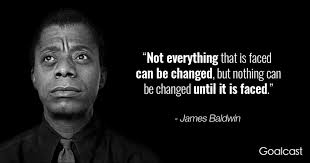
I have been impressed and recently stimulated by George Baldwin a author who used his distinct perspective and lyrical writing to shed light on issues of race, homosexuality, and religion in a way that placed him ahead of his time when it came to social commentary. One of his poignant quotes ‘times’ as follows:

“What is it you want me to reconcile myself to? I was born here almost sixty years ago. I’m not going to live another sixty years. You always told me it takes time. It has taken my father’s time, my mother’s time. My uncle’s time. My brother’s and sister’s time. My niece’s and my nephew’s time.

How much time do you want for your…’progress’?”

So I want to try and reframe the argument for racism by describing it as Social Oppression. Maybe this way more individuals might be able to see, feel and put into context the often  intangible experiences of racism which is alien to some.

Social oppression is a concept that describes the relationship between two categories of people in which one benefits from the systematic abuse and exploitation of the other. Because social oppression is something that occurs between categories of people, it should not be confused with the oppressive behaviour of individuals. In cases of social oppression, all members of the dominant and subordinate groups are involved, regardless of individual attitudes or behaviour.

The outcome of social oppression is that groups in society are sorted into different positions within the social hierarchies of race, class, gender, sexuality, and ability. Those in the controlling, or dominant group, benefit from the oppression of other groups through heightened privileges relative to others, greater access to rights and resources, a better quality of life, and overall greater life chances. Those who experience the brunt of oppression have fewer rights, less access to resources, less political power, lower economic potential, worse health and higher mortality rates, and lower overall life chances.

Groups that experience oppression within the United States and other Countries include racial and ethnic minorities, women, poor LGBT people, and the lower classes and the poor. Groups that benefit from oppression in the U.S. include white people (and sometimes light-skinned racial and ethnic minorities), men, heterosexual people, and the middle and upper classes.

One thing we should be able to agree on

All humans belong to the same species (Homo sapiens) and sub-species (Homo sapiens sapiens), but small genetic variations trigger varying physical appearances.

Another prospective for instance – in the sea and rivers around the world it is filled with thousands of different fish’s but they are all still fishes because primarily they can only survive in water. Just imagine a group of fishes deciding that another group of fishes did not deserve or fit the criteria to exist in water? They devised strategies to segregate, disenfranchise, starve, degrade and kill, what do you think would happen?

Though humans often are subdivided into races, the actual morphological variations don’t indicate major differences in DNA.

The DNA of two humans chosen at random generally varies by less than 0.1%. Because racial genetic differences aren’t strong, some scientists describe all humans as belonging to a single race: the human race.

Race vs. Ethnicity

Examples of ethnicity include being labelled as Irish, Jewish, or Cambodian, regardless of race. Ethnicity is considered an anthropological term because it is based on learned behaviours, not biological factors. Many people have mixed cultural backgrounds and can share in more than one ethnicity.

Race and ethnicity can overlap. For example, a Japanese-American would probably consider herself a member of the Japanese or Asian race, but, if she doesn’t engage in any practices or customs of her ancestors, she might not identify with the ethnicity, instead considering herself an American.

Another way to look at the difference is to consider people who share the same ethnicity. Two people might identify their ethnicity as American, yet one is black and the other white. A person born of Asian descent growing up in Britain might identify racially as Asian and ethnically as British.

Race Trumps Ethnicity

New York University sociology professor Dalton Conley spoke to PBS about the difference between race and ethnicity for the program โ€œRace: The Power of an Illusionโ€: โ€œThe fundamental difference is that race is socially imposed and hierarchical. There is an inequality built into the system. Furthermore, you have no control over your race; itโ€™s how youโ€™re perceived by others.โ€

Conley, like other sociologists, argues that ethnicity is more fluid and crosses racial lines:

โ€œI have a friend who was born in Korea to Korean parents, but as an infant, she was adopted by an Italian family in Italy. Ethnically, she feels Italian: She eats Italian food, she speaks Italian, she knows Italian history and culture. She knows nothing about Korean history and culture. But when she comes to the United States, sheโ€™s treated racially as Asian.โ€

Key Takeaways

Differences between race and ethnicity:

Race is biological, while ethnicity is cultural.

Ethnicity can be displayed or hidden, while race generally cannot be.

Ethnicity can be adopted, ignored, or broadened, while racial characteristics cannot.

Ethnicity has subcategories, while races no longer do.

Both have been used to subjugate or persecute people.

Some sociologists believe that racial divisions are based more on sociological concepts than biological principles.

All groups make up a society, social oppression disenfranchised the interconnect structure.

A lone brick cannot build a house, collective brick can, but it has to be based on a strong foundation.

So what needs to be put right

To start with to put in place procedures and policies with zero tolerance to being misinterpreted to correct the collective failure of any institution or organisation to provide an appropriate and professional service to people because of their colour, culture, or ethnic origin.

We have seen the rise of diversity employees and training, but this is often window dressing.

When institutions and organisations prepare there risk assessment, there SWOT analysis there ISO 9001 the findings are then written into the DNA of the company or organisation to ensure there survival.

Educational institutions are important because they need to equally inform their students about the truth of history so that it does not keep repeating the warped narrowing that perpetuates ignorance, victimisation, intolerance and oppressive entitlement behaviours.

I finish with scripture

Suppose a man comes into your meeting wearing a gold ring and fine clothes, and a poor man in shabby clothes also comes in. If you show special attention to the man wearing fine clothes and say, ‘Here’s a good seat for you,’ but say to the poor man, ‘You stand there’ or ‘Sit on the floor by my feet,’ have you not discriminated among yourselves and becomes judges with evil thoughts? Listen, my dear brothers: Has not God chosen those who are poor in the eyes of the world to be rich in faith and to inherit the kingdom He promised those who love Him? But you have insulted the poor. Is it not the rich who are exploiting you? Are they not the ones who are dragging you into court?” James 2:2-6

I I can't breath george floyd cried with his last breath

Sources:

https://www.worldatlas.com/articles/what-is-the-difference-between-race-and-ethnicity.html

https://www.diffen.com/difference/Ethnicity_vs_Race

https://www.livescience.com/33903-difference-race-ethnicity.html