Category Archives: Banana experiment

Why Readers Should buy Diane Shawe’s latest book – “What happens when you stop Hiding”

What Happens When You Stop Hiding is a bold, uncompromising guide for women and marginalised people of colour who are tired of shrinking, second-guessing themselves, and carrying the emotional weight of systems never built for their thriving.

From a scholarly perspective, this book stands out because it merges psychological insight, cultural critique, and practical transformation tools, all while maintaining an accessible, compassionate voice.

From the very first pages, Shawe reframes visibility as a human right rather than a performance. She reminds us that labels—race, gender, sexuality—are social constructs created to confine rather than liberate . This human-first framing sets the tone: the reader is invited not to become someone new, but to return to the self that existed before shame, fear, and external judgment took root.

What Makes This Book So Impactful

🔥 1. It addresses the wounds no one talks about—honestly.

Each chapter tackles a form of “hiddenness” that affects women and people of colour daily:

Imposter syndrome and self-erasure (Chapter 1: “The Mask of Modesty”)

Unsafe family dynamics and childhood emotional neglect (Ch. 2–3)

Cultural and religious conditioning that punishes authenticity (Ch. 4)

Workplace tokenism and microaggressions (Ch. 8)

The silent burnout experienced by high-functioning achievers (Ch. 7)

Shawe does not shy away from the deeply personal or socially uncomfortable. The case studies—Amina the hidden tech genius, Tasha the undermined sister, Priya the overlooked community organiser—make the struggles tangible and relatable.

🔥 2. It’s not theory; it’s a blueprint.

Every chapter includes:

Reflection prompts

Practical steps to reclaim power

Behavioural patterns to recognise

Scripts, reframes, and healing exercises

Real-life stories that mirror the reader’s journey

For example, the “Are You Still Hiding?” assessment provides immediate self-diagnosis, inviting readers into awareness rather than blame .

🔥 3. It validates identities historically dismissed or silenced.

Shawe explicitly centres:

Black and Brown women

LGBTQ+ people navigating cultural and religious shame

Single mothers judged rather than supported

People navigating class, body-image, and professional bias

This inclusivity is not symbolic—it is woven into every page. The chapter on the “Silent Spiral” even explores mental health in the context of public visibility and societal expectation, capturing the emotional cost behind polished success .

🔥 4. It is written with both warmth and authority.

Shawe balances academic insight with a deeply compassionate tone. She doesn’t write at the reader; she writes with them. The text acknowledges pain without glorifying it, and offers practical liberation without minimising systemic realities.

🔥 5. It creates transformation, not just inspiration.

By the time the reader reaches the sections on rebuilding identity, creating new boundaries, detoxifying inherited beliefs, and rewriting their personal story (Ch. 16; Closing Sections) , the journey feels both emotional and actionable. This is not motivation; it is method.

⭐ Why Readers Should Buy This Book

Because it helps you stop apologising for your existence.

Because it names wounds you’ve carried quietly for years—cultural, familial, internal, spiritual—and gives you the tools to dismantle them.

Because it teaches you how to recognise emotional manipulation, systemic bias, family dynamics, and internalised fear, and then shows you how to reclaim your voice, dignity, and clarity.

Because it is a mirror and a map—a guide that reflects your hidden struggles and leads you toward a more visible, self-aligned future.

And because it speaks directly and powerfully to anyone who has ever felt undervalued, unseen, or underestimated.

Readers will walk away feeling understood, strengthened, and equipped to step into a new chapter of authenticity and empowerment.

📘 Ready to stop shrinking and start standing in your power?

Unlock your confidence, break old patterns, and reclaim your visibility with What Happens When You Stop Hiding — a transformational guide for women and marginalised people of colour.

🔥 Discover practical tools, real-life case studies, and powerful mindset shifts that help you stop apologising for your brilliance and start leading with authenticity.

👉 Take the first step toward your breakthrough — buy your copy today and begin the journey to a more confident, visible, and empowered you.🔗 Get the book now: What Happens When You Stop Hiding by Diane Shawe

Why Virgin Hair Extensions Should Never Smell of ‘Hair Dye’ After Washing

The Truth Behind What Really Causes It
By Diane Shawe

A quick reminder for anyone who wears human hair extensions 👇

✅ 100% Virgin Remy human hair has never been dyed or chemically treated
✅ It cannot release dye or ammonia unless something has been applied to it after installation (such as bleach, purple shampoo, or chemical-based products)
✅ The first 7 days are critical – extensions should not be washed or disturbed, as this can cause stress on the scalp and slippage

Hair extensions is at its most secure in the first week after application. Attempting to remove, bleach, or aggressively wash it too early can lead to irritation, redness, and even hair loss — not because of the fitting, but because the foundation has been disturbed before it has settled.


As an extension artist who designed the Hook & Latch™ system and has been recognised nationally for excellence in scalp-safe techniques, my number one priority is client safety.

🔒 Protect your hair. Protect your scalp. Always follow aftercare advice and never allow untrained hands to remove extensions prematurely.


If you’d like me to do a video breakdown of what can damage Remy extensions from home or salon misuse, comment “YES” below 👇

To book a consultation visit http://www.needahairmakeover.com

8 Chic Hair Up Styles You Can Wear in Hot Weather

When the temperature rises, the last thing anyone wants is hair sticking to their neck or frizzing out of control. The solution? Chic up-styles that not only keep you cool but also elevate your entire look. Whether you’re heading to the office, a summer wedding, or just lounging by the pool, these hairstyles are easy, stylish, and heat-proof.

1. The Sleek High Bun


A timeless favourite, the sleek high bun pulls all your hair off your face and neck. Perfect for hot, sticky days, this look can be achieved with a smoothing serum and a little hairspray. It instantly gives you a polished, model-off-duty vibe.

2. Braided Crown


Wrap your hair into a crown braid around your head to achieve a soft, feminine style that also protects your hair from the heat. It’s practical, romantic, and looks great with summer dresses.

3. Messy Top Knot


This carefree style is your best friend when you’re on the go. Twist your hair into a knot at the top of your head and let a few tendrils fall out for that effortless “I woke up like this” look.

4. Low Twisted Chignon


A chic option for evenings out, the low twisted chignon sits neatly at the nape of your neck. It’s elegant, keeps hair off your back, and pairs beautifully with statement earrings.

5. Bubble Ponytail


Add some fun to your up-style with a bubble ponytail. Tie your hair in a high or mid pony, then add elastics every few inches down the length, puffing each section out slightly. Stylish, playful, and heat-proof!

6. French Twist with a Modern Edge


The French twist never goes out of style. For a modern take, leave some strands loose at the front or make it slightly undone for a more relaxed summer look.

7. Braided Bun Combo


Combine two summer favourites — braids and buns. Braid your hair first and then wrap it into a bun for a secure style that stays put all day, even in humid weather.

8. Sleek Ponytail with a Wrap


Keep it classy with a sleek ponytail, but hide the elastic by wrapping a strand of hair around it. Not only does it look refined, but it also keeps everything neat and off your face.

Tips for Summer-Proofing Your Up Styles

Common Mistakes to Avoid with Summer Up-Styles
Even the most stylish up-do can quickly lose its charm if a few common mistakes are made. Here are pitfalls to watch out for:
1. Using Too Much Product
Heavy gels, mousses, or hairsprays can weigh hair down, leaving it greasy or crunchy in hot weather. Opt for lightweight formulas to keep your style fresh.
2. Skipping Heat Protection
If you’re curling or straightening before putting hair up, always use a heat protectant spray. Sun exposure plus styling tools can double the damage.
3. Pulling Hair Too Tight
A tight bun or ponytail might look neat, but it can cause tension headaches and breakage around your hairline. Aim for secure, not strangled.
4. Forgetting to Prep Your Hair
Oily or sweaty roots will make your style collapse faster. Start with clean, dry hair, or refresh with dry shampoo before styling.
5. Not Securing with the Right Tools
Using cheap hair ties or pins that don’t hold properly means constant re-doing throughout the day. Invest in good grips, elastics, or scrunchies.
6. Neglecting UV Protection
Just like skin, hair can get sun damage. Use a UV-protective spray or wear a hat when outdoors for long periods.
👉 Avoid these simple mistakes and your chic up-styles will last longer, feel lighter, and keep your hair healthier all summer.


• Use lightweight styling products to avoid buildup in the heat.
• Keep a few stylish hairpins or scrunchies in your bag for quick touch-ups.
• Dry shampoo or a little texturising spray helps maintain volume and grip.
Hot weather doesn’t mean compromising on style. With these 8 chic up-dos, you can stay cool, confident, and camera-ready all summer long.

👉 Ready for a hair transformation? Book your summer hairstyle consultation at http://www.needahairmakeover.com.

There’s more to adding hair?

Pamper Your Feet: Five Luxurious Foot Soaks and Oils for Soft, Elegant Toes

Revitalise Your Routine and Step Out in Style

Our feet carry us through life’s journeys—whether it’s a dash to catch the morning train or a leisurely stroll through the park, they work tirelessly for us every day. Yet, how often do we show them the care and gratitude they truly deserve? If you’re longing for feet that are not only soft and elegant but also ready to shine in any season, you’re in the right place.

Dive into this relaxing ritual of five sumptuous foot soaks, each paired with a luxurious oil, and discover just how effortless it can be to give your feet the love they crave. And when you’re ready to take your routine to the next level, book a foot pedicure at needahairmakeover.com to experience pure pampering perfection.

  1. Lavender Epsom Salt Soak & Sweet Almond Oil
    There’s a reason lavender has remained a staple in spas across the world—it soothes both body and mind. Begin your journey with a classic lavender Epsom salt soak. Simply fill a basin with warm water, add half a cup of Epsom salt, and sprinkle in a tablespoon of dried lavender buds or a few drops of lavender essential oil. Let your feet soak for 15-20 minutes as the gentle scent calms your senses and the salts ease away aches.
    After drying your feet, massage in a generous amount of sweet almond oil. This lightweight, vitamin-rich oil absorbs quickly, leaving your skin silky-smooth without any greasy residue. Regular use helps soften calluses and encourages a radiant, healthy glow—perfect for showing off your feet in stylish sandals or strappy heels.
  2. Peppermint Tea Foot Soak & Coconut Oil
    For a refreshing pick-me-up, try a peppermint tea foot soak. Steep four peppermint tea bags in a bowl of hot water for ten minutes, then remove the bags and allow the water to cool to a comfortable temperature. The natural menthol in peppermint invigorates tired feet, reduces swelling, and helps banish odour. Soak your feet for 15 minutes and breathe in the energising aroma.
    Once your feet are dry, apply coconut oil liberally, focusing on heels and any rough patches. Coconut oil’s natural fatty acids provide deep hydration and protection against cracking. Plus, its subtle tropical scent lingers, transporting you to a mini paradise with every step.
  3. Rose and Milk Soak & Jojoba Oil
    Indulge in old-world luxury with a rose and milk soak. Pour two cups of warm whole milk into a basin, add half a cup of dried rose petals (or a few drops of rosewater), and swirl gently. The lactic acid in milk exfoliates dead skin, while rose soothes and hydrates. Soak for 20 minutes, and you’ll emerge with petals-soft feet and a sense of inner calm.
    Follow with a gentle massage using jojoba oil. This golden liquid is structurally similar to your skin’s natural sebum, making it perfect for deep, non-irritating moisturisation. It also helps to lock in moisture and enhance elasticity, giving your feet a refined, elegant appearance.
  4. Citrus and Sea Salt Soak & Olive Oil
    Brighten your mood and your feet with a zesty citrus and sea salt soak. Squeeze the juice of one lemon and one orange into a large bowl, add a handful of coarse sea salt, and fill with warm water. The natural acids from the citrus fruits gently exfoliate and lighten any dark spots, while sea salt purifies and refreshes.

    After your soak, use olive oil—one of nature’s oldest beauty secrets. Warm a little oil between your hands and massage thoroughly into your feet and ankles. Olive oil is loaded with antioxidants and vitamins A and E, which nourish the skin and promote a luminous, youthful look. Finish by slipping on a pair of cotton socks for at least 30 minutes to maximise absorption.


  5. Green Tea and Honey Soak & Argan Oil
    Harness the power of antioxidants with a green tea and honey soak. Brew two green tea bags in a basin of hot water, remove the bags, and stir in two tablespoons of raw honey. Let the mixture cool slightly, then soak your feet for 20 minutes. Green tea reduces inflammation and odour, while honey acts as a natural antibacterial and humectant, drawing moisture deep into the skin.

    To complete this ritual, apply a few drops of luxurious argan oil. Sourced from Moroccan argan trees, this oil is packed with vitamin E and essential fatty acids, making it ideal for overnight rejuvenation. Argan oil helps to repair cracked heels and soften tough skin, leaving your feet with a flawless, elegant finish.

    Aftercare Tips for Consistently Soft and Elegant Feet

    • Exfoliate weekly: Use a gentle foot scrub or pumice stone to remove rough skin and keep your feet smooth.
    • Moisturise daily: Always apply your chosen oil or foot cream before bed to lock in hydration.
    • Protect your feet: Wear comfortable shoes and breathable socks to prevent chafing and dryness.
    • Stay hydrated: Drinking plenty of water supports overall skin health from the inside out.
    • Book professional treatments: Treat yourself to a spa pedicure regularly for a truly indulgent experience.

    Ready to Step Up Your Foot Care?

    While these at-home soaks and oils offer a beautiful way to pamper your feet, nothing compares to the expert touch of a professional foot pedicure. At needahairmakeover.com, you’ll find skilled specialists ready to transform your feet with gentle care, nourishing treatments, and a dash of elegance. Give your feet the attention they deserve and walk confidently—book your foot pedicure today at http://www.needahairmakeover.com! Your next step will be your most beautiful yet.

Transform Your Look with our Exclusive £55 One-Day Makeup Course!

Are you tired of the daily makeup struggle? Ready to transform your look and boost your confidence? Well, I am Diane Shawe of Need a Hair Makeover and we’ve got something exciting just for you! Because some of my clients asked, I am bringing you an exclusive one-day makeup course for just £55.00!

In this hands-on course, you’ll learn to master casual, elegant, and glamorous looks, step by step. Say goodbye to makeup frustration and hello to flawless beauty!

Join us from 10:30 AM to 4:00 PM, and yes, you can bring your favourite makeup products!

My expert guidance will help you enhance your natural beauty and feel fabulous every for all skin types.

Don’t miss out on this incredible opportunity! Request more info and register now at http://www.needahairmakeover.com. That’s http://www.needahairmakeover.com.

Unlock your makeup potential with me today on my one-day course. Sign up today and shine like never before! See you there! There’s more to adding hair!
book your spot today.

Unmasking the Underground World of Food Delivery Apps: A Shocking Investigation by i

Inside the Thriving Black Market for Illicit Deliveroo of Uber Eats and Just Eats Drivers

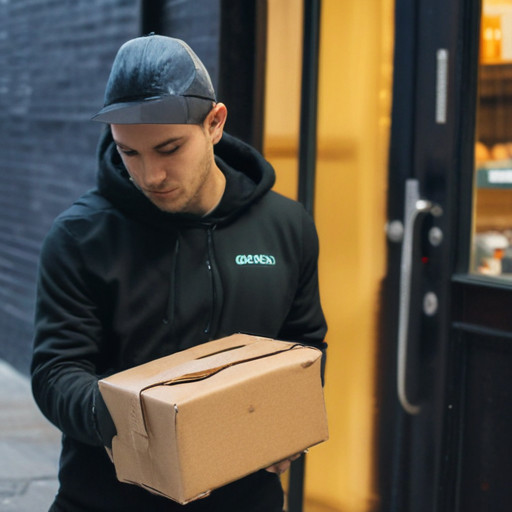
A delivery driver hands over your takeaway on a Friday night but you probably don’t give the exchange too much thought.

The convenience of food delivery apps like Deliveroo, Uber Eats, and Just Eat has revolutionised the way we order meals, but a dark underblly exists within the industry. Our blog post delved into the illicit black market of rented accounts, shedding light on the potential risks of unknowingly opening your door to substitute drivers. The investigation carried out by i revealed a concerning trend of individuals bypassing the rigorous vetting process by renting profiles, raising questions about the safety and security of customers. As you place your next food delivery order, it’s important to be aware of these challenges and consider the implications of who may be delivering your meal. Stay informed and vigilant in utilising these services to protect yourself and your family because the truth is you don’t really know who you’re opening your front door to.

An i investigation has uncovered a growing black market for renting accounts on apps including Deliveroo, Uber Eats and Just Eat, with more than 100,000 people subscribing to Facebook groups where people can rent, buy or sell profiles in the past three years.

Your food may have been dropped off by a ‘substitute’ rider, someone who has rented a profile on an app from another worker without having to register and will likely have avoided the strict vetting process official riders undergo.

It is a loophole that can be exploited by those who would fail a criminal background check or are in the country illegally, with activity on the Facebook groups, seen by i, indicating the majority of people wishing to rent out a profile on an app do not go through any level of vetting and do not meet the legal criteria to work in the UK.

Three women’s rights groups said they were concerned by the findings of i‘s investigation and warned that women were being put at risk of violence and sexual harassment by the practice of allowing substitute drivers to be effectively untraceable

They also fear that if an official account holder is blocked from using an app because of a complaint, they can go onto rent another account anonymously through the Facebook black market.

Andrea Simon, director of the End Violence Against Women Coalition (EVAW), urged the “multibillion pound corporations” to take urgent action and invest in making their services safer for women

“We also know women don’t usually report this kind of harassment for many reasons – including safety concerns when a perpetrator knows where you live, or the fear of not being believed or taken seriously,” she said.

There are also concerns that some substitute workers are being exploited by traffickers and gangs in breach of the Modern Slavery Act. One expert said that the UK’s “hostile immigration environment” is pushing people into precarious work and that more scrutiny should be on Government policy and the business model of food delivery companies.
Inside the thriving black market

Official delivery workers are also frustrated by the practice, arguing that undocumented migrants are willing to take the poorest paying jobs, which impacts efforts to campaign for better pay and working conditions from the food delivery giants. One union representative claimed the firms are exploiting both sets of workers for profit.

Zamir Dreni, a spokesperson for another union, the App Drivers and Couriers Union (ADCU) told i the “majority of workers are good people” but there is “this loophole that allows some bad people to come through.” “They are not vetted so they could do anything,” he added.

Food delivery giants not only know about the use of substitutes, but advertise it as a perk, saying it gives riders greater flexibility. Just Eat used to promote their scheme as “one of the many positives” of working with the company, but removed this line from its website following i’s investigation.

Currently none of the companies ask for a record of who a substitute rider is but i understands that Deliveroo is now committed to doing so in the future. Uber Eats and Just Eat did not say if they would also take similar action when asked.

There are 4.7 million gig economy workers in the UK, with figures for Deliveroo and Uber Eats in recent years suggesting the two companies have more 120,000 riders between them. Just Eat has under 2,000.

But firms are facing pressure to close this loophole entirely or to enforce stricter rules to ensure background checks are properly carried out. The Home Office said it already had agreements in place with delivery companies to strengthen recruitment and vetting processes and that it was working to crack down on “enablers of illegal migration”.

All three of the food delivery giants currently put the responsibility of background checks for substitutes on the rider who is officially registered to an account.

Deliveroo, Uber Eats and Just Eat all use specialist companies when they need to vet new riders. Once verified, they are permitted under employment law to give a substitute worker access to their account to carry out jobs on their behalf.

The companies do not extend the same resources to a person wishing to hire a substitute, however Deliveroo does offer some money towards the cost of a background check.

One prospective renter ran into problems with their background check and returned to the group asking to rent an account instead© Provided by The inews

Analysis by i shows demand for renting delivery app profiles through Facebook is growing. One such group has gained almost 28,000 members in less than 18 months.

People using these Facebook channels to find work can pay an up-front deposit and a weekly rental fee, which is usually between £70 to £100 a week, to get a rider account. Buying a profile is less common, with some fetching up to £5,000. There are no caps on how much a rider can charge but the rules state they must pay the courier.

A substitute rider operating in the black market is vulnerable on a number of levels. For example, they are required to hand over large sums of money up-front and they are reliant on the account holder honouring their agreement and transferring their earnings whether they are renting or have bought the profile.

The delivery companies said they are working with the Government to improve issues around substitute riders. They added that they have a “zero tolerance approach” towards those who are in breach of their legal obligations when working or who harass or harm customers.

INSIDE THE GROUPS

A rider receives a job, usually transporting food from restaurants and shops to people’s homes, through an app on their phone.

i spoke with eleven people looking for a substitute delivery app account on Facebook. All of them said they were undocumented migrants – people working in the UK illegally.

One man explained that he came to the UK on a tourist visa. He said: “I am a person who does not have papers, and now I am disabled, without work, without [a] residence, without money.”

“I have spent a lot of time and a lot of money in the Home Office and they always ask for proof and proof, I deliver it and they reject me”

Download a copy from amazon kindle

Download a copy from amazon

Others claimed they had worked legally before but had then been hit by administrative delays when they renewed their paperwork and had to find a way to keep earning money.

An Algerian man, who was looking for an account in north London, told i changes to immigration rules had confused him and his paperwork had expired. He said he is unable to pay for a solicitor to help so has turned to free sources of assistance while he tries to find work for the delivery apps through the black market. “I [have] been to the Citizens Advice bureau last week and they are going to help me and I’m waiting for a letter from HM Revenue.”

“My problem is I’m waiting for my share code [proof of right to work] from [the] immigration office because I had an old residence permit.”

He says when the UK left the EU, he didn’t realise this would mean he needed a new permit.

“I didn’t know. I sent a letter to the Home Office and they asked me for proof [of work] from 2010 to 2020. I don’t have the money to get a solicitor… I’m too old to chase all the companies I was working at [as] most of them have closed down.”

i identified 15 groups operating on Facebook that were trading profiles on delivery apps. The largest had almost 28,000 subscribers, while at least four others had more than 10,000 members. While not every person in these channels will be looking to trade an account, and some could be fake profiles, i excluded groups that had fewer than 200 people in them, were not active, not UK-focussed or did not have a large number of recent requests.

Most of these groups were created in 2023, but all were made in the last three years and had more than 100,000 members combined.

The practice is gaining in popularity. i analysed the date members joined the largest page and found a steady increase in the last few months.

It’s impossible to know how many riders use a rented account but anecdotally, official delivery workers complain that it is happening in large numbers.

One said: “A lot people here in Essex are renting. Most of them are here illegally with no visa in the UK. I don’t know how the police in the UK don’t check.”

Facebook removed all of the pages flagged by i. The platform’s rules do not permit listings that promote the sale of digital accounts.

WOMEN’S SAFETY

Official workers, substitutes and customers described incidents where riders had “flirted” or sexually harassed customers, which had led to complaints and the accounts they were using being shut down.

Becca* ordered groceries using her Deliveroo app when she caught the flu earlier this month. She opened the door in her pyjamas, not expecting to be out of her sick bed for long.

The rider checked her ID because she bought paracetamol but she claimed he stared at it for an unusually long time, to the point that she began to feel uncomfortable.

As he eventually handed her the bags, she said he came towards her to the point she felt forced to lean back.

“Then he said to me ‘beautiful girl, lovely girl’, and was leaning in,” she recalled.

Becca said, as a woman in her twenties who lives alone in London, she froze and felt panicked. She said she managed to shut the door, but that he quickly knocked again claiming he’d dropped his keys in one of the bags. He attempted to come into her flat but was interrupted when a friend entered the room. He then left.

“I haven’t reported him as I’m afraid because he knows where I live,” she said. Becca hadn’t checked if he matched the rider’s photo on the app but said knowing he may not be registered with Deliveroo was “a terrifying thought”.

Becca said: “It’s concerning because they can essentially do what they want without any repercussions. I can’t really do anything to stop it or prevent it from happening.”

“He said to me ‘beautiful girl, lovely girl’, and was leaning in”

*Becca, who was sexually harassed by a Deliveroo rider

She’s not the only one to have had an inappropriate experience with her rider. A search on X, previously known as Twitter, shows more than 20 posts from people complaining to UberEats, Deliveroo or Just Eat. While i has been unable to independently verify each complaint, some people provided screenshots as evidence.

One woman messaged Deliveroo to complain about being sent a message calling her “sexy”, as well as a winky face emoji and a smiling, devil horns emoji.

Another complained about a rider sending her his number after trying to flirt with her on the app about her appearance.

Jamie Klingler, co founder of social justice group Reclaim These Streets, told i she had a male Uber Eats rider arrive at her front door when the app had shown a woman would be delivering her food. She reported it but got an automated response.

“We shouldn’t have to worry if our delivery driver might use our addresses to scope our homes for burglaries or worse use our addresses to harass and stalk us; but it is a real concern. And when your delivery driver isn’t the person whose picture you have been supplied, it breaks the little social pact of agreement that they will deliver the food never to use our address in the future.

“We all know that there is calculated risk in sharing any of our personal data, but those risks go up exponentially if you are a woman living alone, but are we not meant to use services that can help our efficiency or convenience out of fear?”

Kay Wesley, deputy leader of the Women’s Equality Party, said: “This is clear evidence that men are abusing the system and that as a consequence women are facing sexual harassment and are feeling unsafe in their own homes.

“There are also risks for drivers… A system that allows this scale of abuse is clearly failing, this simply isn’t good enough.”

It’s not just women who have expressed concerns. One man contacted UberEats after having a male rider turn up despite a woman’s photo being on the account.

He wrote: “@UberEats twice now your drivers don’t much [match] the photos. This makes me feel unsafe. Drivers are using women’s accounts. You clearly have a safety loophole.”

EXPLOITED AND TRAFFICKED

There are concerns some of the substitute riders are being trafficked into the UK with promises of legitimate employment, only to find themselves trapped in a cycle of debt and threats.

One rider was helped by anti-trafficking charity, Hope for Justice. Daniel*, speaking through the charity, said he had paid nearly £15,000 to traffickers who moved him from South America to the UK with the offer of a well-paying job in construction.

When he landed in the UK, this promised job failed to materialise and his traffickers demanded more money. They made him work for a leading food delivery service, with them pocketing his earnings. They threatened his family if he refused to do what they said and beat him.

“The more I paid these men, the debt would just increase,” he said. “We were really scared.”

“My wife was taking my son to school and she was stopped by one of them and they told her ‘tell your husband not to tell anyone anything, not to open his mouth or to share any information, or the worst will happen.’”

It’s difficult to know how common it is for trafficking victims to be made to work under a different person’s account on a food delivery app.

Adam Hewitt, from Hope for Justice, told i that while the big delivery apps have published measures to tackle modern slavery because they know it is a high-risk industry for this type of crime, more needs to be done.

Some of the current measures the delivery firms say they use to protect against modern slavery include identity checks on riders who sign up with them directly and monitoring accounts for suspicious behaviour. Deliveroo, Uber Eats and Just Eat all feature commitments to tackling modern slavery on their websites.

“The more I paid these men, the debt would just increase… We were really scared.”

*Daniel, a trafficking survivor who was made to work for a gig economy app delivering food

Mr Hewitt said: “We have seen cases of criminal gangs who exploit vulnerable people through forced labour using fake profiles on delivery apps, so they get the money from their victims’ work.

“Real-world evidence from trafficking victims we support shows us that the companies are not all doing enough.”

It’s something other riders have noticed too. One man, who has an official delivery account, claimed there is a channel of people coming to the UK to work on Deliveroo and Uber Eats from South America.

“They are promised by other riders from [South America] who are already here.. that once they get here they will be given a delivery platform account so they can start making money straight away but it will cost them £5,000.”

There are not just concerns for those who have been trafficked into these jobs. Some campaigners say the UK’s immigration rules have created a “hostile environment” for people who can’t prove they have a right to work in the country by blocking their access to public services and pushing them into poverty.

Dr Ella Cockbain, an associate professor at University College London who researches human trafficking, smuggling and exploitation, told i: “The UK government’s hostile environment policies make life incredibly difficult for people who don’t have the legal ‘right to work’ or recourse to public funds.

“How else do we expect them to survive other than working in the margins of the labour market? But there, they are likely at greater risk of labour exploitation.”

She added that “people working in the gig economy need better rights and protections, but rather than blaming irregular migrants desperately trying to earn money to survive through account sharing, we should be focusing on companies that make huge profits off exploitative business models and a government that does too little to protect precarious workers”.

HOW THIS IMPACTS OTHER DELIVERY WORKERS

Delivery workers who are directly signed up to the apps said it is not just substitute riders who secured accounts for rent on the Facebook black market who are being exploited.

Many argue the food delivery app companies have deliberately turned a blind eye to undocumented workers because it makes it hard for riders to, as a group, push for higher earnings.

Zamir Dreni, a spokesperson for another union, the App Drivers and Couriers Union (ADCU) has alleged that: “This is the loophole [Uber Eats, Deliveroo and Just Eat] have created to benefit themselves because these guys are illegal. They will take anything given. They won’t raise their voice, they won’t put in a complaint.”

The three companies said they take background checks and lawful working seriously and reject any claims of unduly benefiting from the substitute system.

Some riders i spoke with say those who rent accounts are “desperate” to earn so they do not want to take the financial hit of striking for better conditions and are also willing to pick up the worst paid jobs.

David* said: “They take all the cheap orders so the delivery platform can see they can offer less and less money. Even those as low as £2.80 for a three mile job.”

Another named Elliot* accused some of those working illegally of stealing food from pick-ups to save money and said he was frustrated at those who don’t pay tax and ride without insurance.

Gig economy workers have been striking for better pay, improved working conditions and to be seen as employees rather than self-employed contractors.

Substitution is a key aspect of self employment and is common among contractors but the Independent Workers’ Union of Great Britain (IWGB) said the substitute scheme was used by gig economy companies to strengthen their case that riders are self-employed rather than employees.

This is something Uber Eats, Just Eat and Deliveroo have strenuously denied and argued that riders want to work with this flexibility.

Deliveroo uses facial recognition technology to confirm the identity of account holder riders and will be rolling this out to include substitutes once they have created a register for rented accounts. Uber Eats asks riders to submit photos of themselves for verification at different times, but does not require photo verification of substitutes.

In November last year (2023) , Uber Eats, Deliveroo and Just Eat were told by government officials to implement stricter controls on substitute accounts.

In response to i’s findings, a Home Office spokesperson said: “We have led engagement with these companies to end the use of unverified substitution. An agreement is already in place for businesses to strengthen existing recruitment and vetting processes, and we will continue this work to stamp out enablers of illegal migration, and prevent unacceptable exploitation of workers.”

The three food delivery giants said they were aware of concerns around the issue of substitution.

A Deliveroo spokesperson said the company takes a “zero tolerance approach” towards any rider in breach of their legal obligations when working with the company. They said the firm will immediately cease working with any rider found to be without the right to work in the UK.

“We take our responsibilities extremely seriously. We have introduced facial recognition technology which will help to counter any abuse on the platform and we are strengthening this in the coming months. We will continue to work in close collaboration with the Home Office to support efforts in this area,” they said.

“The safety of our customers is our top priority and Deliveroo has a zero-tolerance policy in place to deal with any harassing, discriminatory, or offensive behaviour. If we become aware of reports of this nature they are immediately escalated, we will work with the authorities to fully investigate if necessary, and cancel that riders’ Deliveroo account to prevent them from working with us again.”

An Uber Eats spokesperson said: “We understand that there are concerns around this issue, and we are working closely with the government and want to find a solution. All couriers who use the Uber Eats app must pass a criminal background check, be over the age of 18 and hold a valid right to work in the UK. Any courier that fails to meet these criteria will lose access to the app.”

A Just Eat spokesperson said: “At Just Eat, we have high standards and a robust criteria in place for couriers delivering on our behalf. This includes ensuring couriers are over the age of 18, carrying out basic criminal checks (DBS), and making sure they have the right to work in the UK.

“Under the UK’s employment law, self-employed independent couriers have the legal, unfettered right to use a substitute. Legally, this means the courier account-holder is responsible for ensuring their substitute meets the necessary standards to deliver on our network.

“If we find that our high expectations are not met, we will immediately take action, including removing couriers from our network.

“We are working closely with policymakers and others in the industry to develop solutions which ensure couriers substituting their work do so safely in accordance with the law.”

*Some names have been changed

Source https://www.msn.com/en-gb/news/world/inside-the-thriving-black-market-for-illicit-deliveroo-uber-eats-and-just-eat-drivers/ar-BB1jXFEC

© Provided by The i

Get a copy of #DianeShawe latest ebook. Visit available on #amazon #amazonkindle and #googlebooks https://www.amazon.co.uk/stores/Diane-Shawe/author/B0052WG8V6?




Understanding Toxicity: Unravelling the Roots and Recognising the Traits that could hurt your business

In our journey through life, we encounter a wide array of people, each with their unique qualities and characteristics. Among them, we sometimes cross paths with individuals who exude negativity, manipulation, and emotional turbulence – the so-called ‘toxic’ people. But what makes someone toxic, and how can we recognise the tell-tales traits that define their behaviour?



In this blog, we delve into the complex origins of toxicity, shedding light on the reasons some people become toxic, and providing valuable insights on identifying these traits.

Join us on this exploration of human behaviour, as we seek to better understand and navigate our encounters with toxic individuals.”

Toxicity in individuals often has complex origins that can be influenced by several factors. While it may not be a universal pattern, understanding the potential reasons why some people become toxic is crucial for grasping the complexity of their behaviour.

As for the age at which toxicity might start, it can vary widely. Some toxic traits may emerge in childhood or adolescence, while others might become prominent in adulthood due to life experiences and environmental factors. It is important to note that not everyone exposed to challenging circumstances becomes toxic; individual responses and resilience play a significant role.

Here, we will explore the origins of toxicity and why it may manifest in certain individuals:

1. Early Life Experiences: Toxic behaviour can sometimes trace its roots back to early childhood experiences. Individuals who grew up in environments characterised by neglect, abuse, or a lack of emotional support may develop maladaptive coping mechanisms, leading to toxic behaviours in later life.
2. Learned Behaviour: Toxicity can be learned. If a person has been exposed to toxic behaviour in their family or social circle, they may adopt similar patterns of interaction and communication. It is a case of perpetuating negative dynamics through social learning.


3. Psychological Factors: Certain personality traits or psychological conditions, such as narcissism or borderline personality disorder, can contribute to toxic behaviour. These individuals may struggle with empathy, self-regulation, and forming healthy relationships.
4. Insecurity and Low Self-Esteem: Some toxic individuals may suffer from deep-seated insecurities and low self-esteem. Their toxic behaviour could be a defence mechanism to protect themselves from perceived threats, often manifested as arrogance or manipulation.
5. Failed Coping Strategies: Toxic behaviours can be a result of failed coping strategies. Individuals who have faced adversity, trauma, or stressful situations might develop maladaptive coping mechanisms, such as manipulation or blaming others.
6. Environmental Factors: Toxicity can also be a response to a toxic environment. When someone constantly faces hostility, stress, or unhealthy dynamics, they may become toxic as a means of self-preservation or retaliation.

Recognising these potential origins of toxicity can offer insight into why some people exhibit toxic behaviour. It can also remind us that while we should approach toxic individuals with caution, understanding and empathy can be the first step toward helping them address the root causes of their behaviour and potentially change for the better.

Here are thirteen examples of toxity traits:

1. Gaslighting: They manipulate you into questioning your own reality and memory.
2. Selective Empathy: They only show empathy towards those who benefit them and disregard the suffering of others.
3. Constant Criticism: They criticise you and others relentlessly, causing self-esteem issues.
4. Manipulative Behaviour: They use manipulation tactics like lying, playing mind games, or emotional extortion.
5. Victim Mentality: They consistently portray themselves as victims in every situation, avoiding responsibility.
6. Intrusive: They invade your privacy and personal space without permission.
7. Insensitive to Feelings: They disregard your feelings and concerns, often dismissing them as unimportant.
8. Draining Energy: They bring negativity and drama into your life, leaving you emotionally drained.
9. Silent Treatment: They use the silent treatment to control or punish you.
10. Deflecting Blame: They shift blame onto others and refuse to acknowledge their mistakes.
11. Competitive Nature: They constantly compare themselves to you and try to outdo your achievements.
12. Passive-Aggressiveness: They make sarcastic or hurtful comments disguised as jokes.
13. Lack of Apology: They never admit when they are wrong and refuse to say sorry even when it is warranted.

These additional examples help further illustrate the signs of a toxic person to watch out for.
EvoSkin Renewal acne Treatment


Dealing with toxic people in these situations can be challenging, but here is how you can navigate them:

1. Gaslighting: Trust your instincts, maintain a journal to record events, and seek support from trusted friends or a therapist who can validate your feelings and experiences.
2. Selective Empathy: Recognise their limitations and do not expect empathy from them. Seek empathy and support from other sources, such as friends, family, or support groups.
3. Constant Criticism: Build self-esteem by acknowledging your strengths and seeking positive feedback from people who appreciate you. Set boundaries and limit your exposure to constant criticism.
4. Manipulative Behaviour: Stay aware of manipulation tactics and confront them calmly. Refuse to engage in manipulative conversations and maintain your boundaries.
5. Victim Mentality: Avoid enabling their behaviour by not rescuing them from consequences. Encourage personal responsibility but be prepared for resistance.
6. Intrusive: Politely but firmly set clear boundaries, communicate your need for personal space, and enforce these boundaries if they are violated.
7. Insensitive to Feelings: Express your feelings assertively and calmly. If they remain dismissive, consider limiting your emotional investment in the relationship.
8. Draining Energy: Prioritise self-care and be mindful of how much time and energy you invest in the relationship. Seek out positive and supportive connections to counterbalance the negativity.
9. Silent Treatment: Maintain open communication, express your concerns about the silent treatment, and let them know it is not an acceptable form of communication for you.
10. Deflecting Blame: Hold them accountable for their actions by calmly addressing the issue, providing evidence if necessary, and not accepting unwarranted blame.
11. Competitive Nature: Refocus on your own goals and accomplishments and avoid participating in their competitiveness. Encourage cooperation instead of competition.
12. Passive-Aggressiveness: Address passive-aggressive comments directly by asking for clarification or calmly expressing your feelings. Encourage open and honest communication.
13. Lack of Apology: Recognise that you may not receive apologies from them. Focus on your own healing and growth and consider setting boundaries to protect yourself from further harm.

Remember, in some cases, it may be necessary to distance yourself or even cut ties with a toxic person for your own well-being. Seek support from a therapist or counselor to help you navigate these challenging situations.

How a toxic person can hurt your business.

Having a toxic person as a partner or employee in your business can have several significant implications, including:

1. Negative Workplace Culture: Toxic individuals can create a toxic work environment, which can lead to decreased morale and job satisfaction among other employees. This can result in higher turnover and lower productivity.
2. Conflict and Disruption: Toxic individuals often create conflict within the workplace. They may engage in power struggles, undermine colleagues, or resist collaboration, leading to disruption and tension among the team.
3. Decreased Productivity: Toxic employees or partners can be a drain on productivity. They may engage in behaviours like procrastination, gossip, or sabotage, which can hinder progress and innovation.
4. Damage to Reputation: If the toxic person’s behaviour becomes known to clients, customers, or partners, it can damage the reputation of your business. Negative interactions with clients can result in lost business opportunities.
5. Legal and HR Issues: Toxic behaviour can sometimes lead to legal and human resources issues. This may include harassment claims, discrimination complaints, or hostile work environment lawsuits, which can be costly and time-consuming to address.
6. Reduced Creativity and Innovation: Toxicity stifles creativity and innovation. Employees may hesitate to share ideas, and the fear of criticism can hinder problem-solving and progress.
7. Stifled Growth and Expansion: The presence of a toxic person can hinder your business’s growth and expansion. It may deter potential investors, partners, or clients from engaging with your business.
8. Leadership Challenges: If the toxic individual holds a leadership position, they can negatively influence the entire team, making it difficult for you to lead effectively and implement your vision for the business.
9. Health and Well-Being Impact: Toxicity in the workplace can take a toll on the mental and physical health of employees. This, in turn, can lead to increased absenteeism and health-related issues, affecting the overall well-being of the team.
10. Diversion of Focus: Dealing with a toxic partner or employee can divert your focus and energy away from growing and improving your business. You may find yourself spending an inordinate amount of time managing conflicts and addressing issues.

In summary, having a toxic person as a partner or employee can have far-reaching implications for your business, affecting its culture, productivity, reputation, and overall success. It is essential to address toxic behaviour promptly, either through intervention, coaching, or, if necessary, parting ways with the toxic individual to preserve the health and well-being of your business.


To prevent employing toxic individuals in your business, you can implement a thorough vetting procedure during the hiring process. Here are some key steps and strategies:

1. Clear Job Descriptions and Requirements: Start by creating detailed job descriptions and requirements that clearly outline the skills, qualifications, and personality traits you are looking for. This will help attract candidates who are a better fit for your organisation.
2. Behavioural Interviews: Conduct behavioural interviews where you ask candidates about past experiences and how they handled specific situations. This can reveal their behaviour patterns and interpersonal skills.
3. Reference Checks: Contact the candidate’s previous employers and colleagues for references. Ask questions about their behaviour, teamwork, and communication skills. Be sure to verify the accuracy of the information provided by the candidate.
4. Assessment Tools: Use personality or behavioural assessment tools to evaluate candidates’ traits and tendencies. These assessments can help identify potential red flags and compatibility with your organisation’s culture.
5. Cultural Fit Assessment: Assess whether the candidate aligns with your company’s values and culture. Ask questions related to your company’s mission and vision to gauge their alignment.
6. Multiple Interviews: Conduct multiple rounds of interviews with different team members to gain a more comprehensive view of the candidate’s behaviour and personality. Different interviewers may notice different cues.
7. Trial Periods: Consider implementing a probationary or trial period for certain roles. During this time, closely monitor the candidate’s behaviour and interactions with colleagues to assess their compatibility with your team.
8. Behavioural and Ethical Questions: Include specific behavioural and ethical questions in your interviews. For example, you can ask how they manage conflicts, criticism, and stress, or inquire about their ethical decision-making.
9. Background Checks: Perform background checks to uncover any potential legal issues or inconsistencies in the candidate’s history. This can help you identify any undisclosed problems.
10. Peer Interviews: Have potential team members or colleagues conduct interviews to assess how the candidate interacts with future coworkers.
11. Consistency Across Interviews: Ensure that the information candidates provide in various interviews remains consistent. Inconsistencies could be a red flag.
12. Trust Your Gut: Trust your instincts. If something does not feel right about a candidate, investigate further, or consider other options.
13. Training and Awareness: Train your HR and hiring teams to recognise potential signs of toxic behaviour during interviews. Awareness can be a powerful tool in preventing toxic hires.

By implementing these vetting procedures, you can significantly reduce the likelihood of hiring toxic individuals and increase the chances of bringing in candidates who are a better fit for your organisation’s culture and values.

Two widely recognised and reputable personality and behavioural assessment tools that small businesses can use to evaluate candidates are:

1. DISC Assessment: The DISC assessment evaluates candidates based on four primary personality traits: Dominance, Influence, Steadiness, and Conscientiousness. It provides insights into how individuals tend to communicate, make decisions, and work in a team. It is a user-friendly tool that can help you understand how well a candidate’s personality aligns with the requirements of a specific role.

2. Myers-Briggs Type Indicator (MBTI): MBTI is a well-established personality assessment tool that categorises individuals into one of sixteen personality types based on preferences related to extraversion/introversion, sensing/intuition, thinking/feeling, and judging/perceiving. It can provide valuable insights into a candidate’s natural inclinations and work style.

When using these assessment tools, it is essential to have a trained facilitator or consultant interpret the results, as this can help ensure a more accurate understanding of how a candidate’s personality traits may fit within your organisation’s culture and job requirements.

Why You should Consider using Natural Ingredients for weightloss by Diane Shawe

Using natural ingredients for weight loss can have several potential benefits:

  1. Safety: Natural ingredients are often perceived as safer compared to synthetic or artificial ingredients. They are typically derived from plants, herbs, or other natural sources and may have fewer side effects or risks associated with their use. However, it’s important to remember that “natural” doesn’t always equate to “safe,” and individual sensitivities or allergies can still occur. It’s advisable to consult with a healthcare professional before starting any new weight loss regimen.
  2. Nutrient Density: Natural ingredients, such as fruits, vegetables, whole grains, and lean proteins, tend to be rich in essential nutrients, including vitamins, minerals, and antioxidants. Incorporating these nutrient-dense foods into your diet can provide the necessary nutrients to support overall health and well-being while promoting weight loss.
  3. Fiber Content: Many natural ingredients are high in dietary fiber, which can help with weight loss. Fiber adds bulk to the diet, making you feel fuller for longer periods, reducing overall calorie intake, and promoting healthy digestion. High-fiber foods include fruits, vegetables, whole grains, legumes, and nuts.
  4. Thermogenic Effects: Some natural ingredients, such as green tea, cayenne pepper, and ginger, may have thermogenic properties. These ingredients can increase metabolism and help the body burn more calories. However, the effects of these ingredients on weight loss may be modest, and they should be used in conjunction with a healthy diet and exercise for optimal results.
  5. Sustainable Lifestyle Approach: Using natural ingredients for weight loss often aligns with adopting a sustainable lifestyle approach. It encourages the consumption of whole foods, minimally processed ingredients, and a focus on long-term habits rather than quick fixes. A sustainable approach to weight loss promotes overall health and well-being, making it easier to maintain weight loss in the long run.

While natural ingredients can support weight loss efforts, it’s important to remember that weight loss is a complex process influenced by multiple factors. It’s always recommended to consult with a healthcare professional or registered dietitian before making any significant changes to your diet or starting any new supplements or weight loss programs. They can provide personalized advice based on your specific needs and circumstances.

Order now bit.ly/3NYrd5l

How does it work

MitaThin creators claim that mitochondrial malfunction is the primary cause of weight gain. Each healthy cell has mitochondria that are the sites for energy production. Each second, the cells require energy to perform their functions. Low energy levels slow various biochemical processes and increase the risk of gaining weight.

MitaThin nutrients restore the damaged mitochondria, thus increasing energy levels naturally.

Similarly, it has ingredients that diminish appetite levels and stimulate satiety. The developer state that the plant-based nutrients allow the user to achieve a calorific deficit, thermogenesis, and ketosis within a short time. Thus, it becomes easier to metabolize the stored fat instead of relying on carbs.

If you want to #loseweight, try this natural product as your 60 seconds Morning Ritual which helps to #disolve #fat. Special offer Order now bit.ly/3NYrd5l

#weightloss #loseweight #diet

Natural ingredients are understood by the body

Reveal Your Best Skin with Laguna Moon Dead Sea Mud Mask.

The Laguna Moon Dead Sea Mud Mask is a natural facial mask made with Dead Sea mud, Dead Sea minerals, and essential oils. It is designed to draw out impurities, detoxify the skin, and leave it feeling soft, smooth, and refreshed.

The mask is made with 100% natural ingredients, including Dead Sea mud, Dead Sea minerals, and essential oils. Dead Sea mud is a rich source of minerals that are beneficial for the skin. These minerals include magnesium, calcium, potassium, and sodium. These minerals help to draw out impurities, detoxify the skin, and leave it feeling soft, smooth, and refreshed.

Here is a direct link to the one I use in the salon. https://amzn.to/3pXlVO0


The mask is also fragranced with essential oils, which have a number of benefits for the skin. Essential oils can help to improve skin tone, reduce inflammation, and promote healing.

The Laguna Moon Dead Sea Mud Mask is easy to use. Simply apply a thin layer of the mask to clean, dry skin and leave it on for 10-15 minutes. Rinse the mask off with warm water and enjoy your refreshed skin!

Here are some of the benefits of using the Laguna Moon Dead Sea Mud Mask:

* Draws out impurities
* Detoxifies the skin
* Leaves the skin feeling soft, smooth, and refreshed
* Improves skin tone
* Reduces inflammation
* Promotes healing

The Laguna Moon Dead Sea Mud Mask is a safe and effective way to improve the appearance of your skin. It is made with natural ingredients and is free of harsh chemicals and artificial fragrances. The mask is also vegan and cruelty-free.

If you are looking for a natural way to improve the appearance of your skin, the Laguna Moon Dead Sea Mud Mask is a great option. It is safe, effective, and affordable.

Here is a direct link to the one I use in the salon.  https://amzn.to/3pXlVO0

Here are some safety guidelines to keep in mind when using the Laguna Moon Dead Sea Mud Mask:

* Do not use the mask if you have any open wounds or cuts on your face.
* If you experience any redness, irritation, or itching after using the mask, discontinue use.
* Keep the mask out of reach of children.

Here is a direct link to the one I use in the salon.  https://amzn.to/3pXlVO0

In conclusion, the Laguna Moon Dead Sea Mud Mask is a natural and effective way to detoxify your skin and leave it feeling refreshed. With its use of Dead Sea mud and minerals, this mask is designed to draw out impurities and leave your skin feeling soft and smooth. The added essential oils give it a refreshing and calming scent, making it a wonderful addition to any self-care routine.

If you’re looking for a natural and high-quality facial mask, be sure to try out the Laguna Moon Dead Sea Mud Mask today!

Here is a direct link to the one I use in the salon. https://amzn.to/3pXlVO0

If you have any questions or concerns about using the Laguna Moon Dead Sea Mud Mask, please consult with a dermatologist.

TRY THESE TOP 10 DISRUPTIVE SME BUSINESS GROWTH STRATEGIES FOR 2022

Every New Year I have always checked for the top business growth tips and trends.

This year I have decided to present my own because we the business community are still living in unprecedented times of uncertainty, fear, transformation, deception, confusion, and outright disruption of the old ways of doing business.

I am Diane Shawe founder of Virtual Speedy Services Ltd (which I gave birth to during the first lockdown) and author of ‘Answer 77 Questions about your business to avoid business failure’ shares her top small business growth strategies for the year ahead.

2021 has been a year of rapid transformation across all industries as the business community has dealt with shifting customer buying activities and economic challenges, as well as mitigating hot-button issues such as the pandemic and people’s changing conception of work life balance. In a year filled with change, there are some trends which are going to be firmly fixed into 2022 that you and your business should seriously build into your growth plans.

To lead your business in the right direction as we head into 2022, here are my humble 10 small business growth strategies.[

1. Prioritise your business culture

Throughout the pandemic, businesses have been dealing with “The Great Resignation” as workers are quitting their jobs at record-high rates. One of the reasons for this is that people are changing their definitions of what they consider a healthy work-life balance and what they want in a company culture.

“The pandemic has shifted the way people incorporate work into their life, whether it’s moving to another county for cheaper housing or not going into the office every day and getting the opportunity to do remote or hybrid work,” Diane states.

Diane goes on further to state that “Not all solutions are made equal, and culture is now a part of that. “A big factor for employees, in addition to salary and benefits, is culture, so have a culture strategy in place.”

2. Consider hiring more freelance workers

The number of gig workers, freelancers and contractors has grown exponentially over the last few years and they make up a large portion of workers within the current market.

“Small business owners will now be able to bring in more specialised freelance workers to carry out tasks without having to deal with the hiring and training costs that are often associated with recruiting a full-time employee,” said Diane. “With the importance of being agile in today’s economic environment … as well as the rise of remote work, … skilled outsource

Peopleperhour.com and fiverr.com are great places to start.

3. Work with micro-influencers

While small businesses may be competing against larger businesses to work with online influencers, collaborating with micro-influencers is an option to consider.

“As influencer marketing is becoming more popular than ever… micro-influencers are going to be the best option for small businesses because they don’t cost as much and they are more open to collaborating with small businesses too,” explained Diane. “With a couple of these small influencers helping [your business] reach specific audiences, growth will not be an impossible feat in 2022.”

4. Leverage the way you supply your products and services.

Distributors and businesses across the country dealt with supply chain issues with the continuation of the COVID-19 pandemic and its subsequent economic disruptions. In 2022, businesses must be aware of scarcities within the supply chain and get ahead of manufacturing and transportation challenges by working collaboratively with their suppliers.

Checkout companies like Amazon who can provide a fulfillment service for your orders. Consider moving to a drop shipping manufacturer or warehouse so as to reduce your cash investment in slow moving stock.

5. Educate client and  partners your new paradigms

It’s important to inform your clients and partners about changes you’re making to better benefit your business across a shifting economic landscape. If the changes don’t land, it may be time to consider other options,

Many businesses are painfully aware how much the talent pool has changed. Working with potential employees, client partners to educate them on the new management styles needed, increased compensation packages and other aspects of recruitment and retention is very important.

6. Prepare for potential contracting opportunities

Almost 80 new businesses were created every hour across the UK in the first half of 2021, according to research by iwoca – one of Europe’s largest small business lenders.

Analysis of Companies House data reveals that 340,534 businesses were registered in the UK between January and June 2021, an increase of 32% from 257,243 over the same time period in 2019.

London dominates list of areas to start a business

iwoca’s Small Business HotSpots UK 2021 reveals that Camden saw the largest number of businesses registered out of all UK local authorities, with 19,755 new companies – a rate of more than four and a half new firms every hour.

The second largest number of new businesses were registered in Hackney (13,646) followed by 10,151 in Westminster. London’s local authorities make up half of the top 10, which also includes Birmingham in 5th with 7,442 new firms and Kent placing 7th with 6,504 businesses.

London saw over one third of the new registrations with 120,338, followed by the South East (37,573) and North West (33,640). The capital city also witnessed the largest increase in new business registration compared to 2019 of 59%, with the West Midlands registering a 49% rise followed by the North East (28%).

Christoph Rieche, iwoca CEO and co-founder, said: “It is fantastic to see the creation of so many businesses during the first half of this year, they are testament to the entrepreneurial spirit which characterises our vibrant economy.

“Many of these businesses will be unnecessarily constrained by cashflow. At iwoca we turn cashflow into a superpower enabling them to grow faster and worry less. We look forward to working with many of them.”-

Why is such a growth happening?

A survey I read stated that 39% of people in current jobs are going to quit within the next 12 months, which is not great for an employer, but suggests a start of a business revolution is happening.

What advice would I give to somebody looking to start a business?

There is never a good time to do it and you just must go for it.  It’s all encompassing and it’s a phenomenon. I just decided to go for it in 2000 and have never looked back. However you can be clever about it though – can you cut down your hours in your current role or could you work part-time initially? Explore your options wisely.

7. Get creative on sales and marketing opportunities

The digital marketing landscape has become increasingly challenging due to congestion and evolving regulations, said Diane Shawe of Virtual Speedy Services Ltd

“This is forcing many traditionally digital companies to explore other sales channels and marketing strategies,” she said.

To mitigate these challenges, Shawe said her company is getting creative by helping other companies engage with A.I. Conversational Marketing Technologies with its engaging methods.

8. Widen your business’s online footprint

Small businesses must adapt and be “practical” when it comes to sales, as consumers continue to favor online and mobile shopping.

“Businesses need to widen their online footprint to gain a significant proportion of customers from the current market,” said Diane. “A simple way to sell products is to have a sellers account on your popular social media or estore platforms.  To sell services, … list [your company] on freelance and contract websites.” Also create a blog and YouTube website for reviewing products, testimonials, advice and tips. Become the expert in your field. Entry competitions, exhibitions, network meetings.

9. Learn video SEO strategies to rank higher on search engines

Video marketing has become an integral part of a successful marketing strategy with the rise of live videos on platforms like TikTok and Instagram. It’s estimated that by 2022, videos will account for 82% of all consumer traffic. That’s why video SEO should be a top priority for businesses in 2022.

“Small businesses that incorporate short-form videos into their website posts will see more organic traffic coming from search engines,” explained Gilmour. “As TikTok continues to grow, search engine algorithms will shift to articles and posts that include short-form videos. Short-form videos from TikTok and YouTube may even become the main point of ‘how to’ searches.”

10. Utilise partnership marketing to reach a broader audience

Partnership marketing is a strategic collaboration that gives you and your partner company a chance to reach a wider audience together, explained Diane Shawe, founder of Virtual Speedy Services Ltd.

“Collaboration with another company can aid in the development of better marketing initiatives that benefit both parties, If your target clients are similar, you may pool your resources to better your marketing techniques, build your brands and expand your audience reach.”

Start to use smart customer acquisition techniques such as collaborating with discount giants such as wowcher, groupon or discount voucher websites to help get your business name, brand or services directly into potential customers mobile.

“Another example, if a consumer purchases a product from you, you can provide a discount coupon that they can use to purchase discounted products from your business partner,” said Diane. “Co-branding of a product or project can also boost both companies’ marketing power.”

get help with your business startup

Virtual Speedy Services Ltd is set up to provide a suite of services for Small and Medium size businesses to help them efficiently and quickly Setup or expand their business. Our core service is A.I technology by designing conversational marketing chatbots to generate quality business leads or engage online visitors in real time.   We populate and generate impressive business plan and 5 years projections for focus, raising finance along with smart eCommerce website, streamlined social media tools and an effective google verified website. We think of ourselves as your Virtual Personal Assistance who will help streamline your business development and growth without all the drama.

Let’s have a chat https://try-chatbots.virtualspeedyservices.uk