Category Archives: food trends

12 Health Red Flags & Natural Healing Options While You Wait for a Doctors Appointment”

“Your Body Speaks Before Illness Strikes—12 Health Red Flags & Natural Healing Options While You Wait for a Doctors Appointment”

Doctor Appointments Are Hard to Get—Here’s How to Read Your Body’s Warning Signs & Find Healing Support Now” Getting a GP appointment in the UK has become increasingly challenging in certain regions throughtout the UK, with many patients waiting many days or weeks just to be seen. But your body doesn’t always wait—it sends signals usually well in advance (that many of us ignore) when something isn’t right.

Learning to recognise these signs can help you take action early and seek support from alternative health advisors or natural remedies while you wait for medical care.

Note: Before i go on I must state that this is not medical advice. Please consult a doctor or qualified professional if you have serious symptoms.

In this article, we’ll discover together 12 warning signs your body may give you, including fatigue, weight changes, skin issues, hair loss, and more. We’ll also explore what you can do in the meantime to support your body’s internal healing and where to find trusted alternative health practitioners in the UK.

Your body is constantly communicating with you. Sometimes the signs are subtle—easy to ignore or brush off as “just stress” or “getting older.” But persistent or unusual changes may be your body’s way of waving a red flag, signaling that something deeper needs attention.

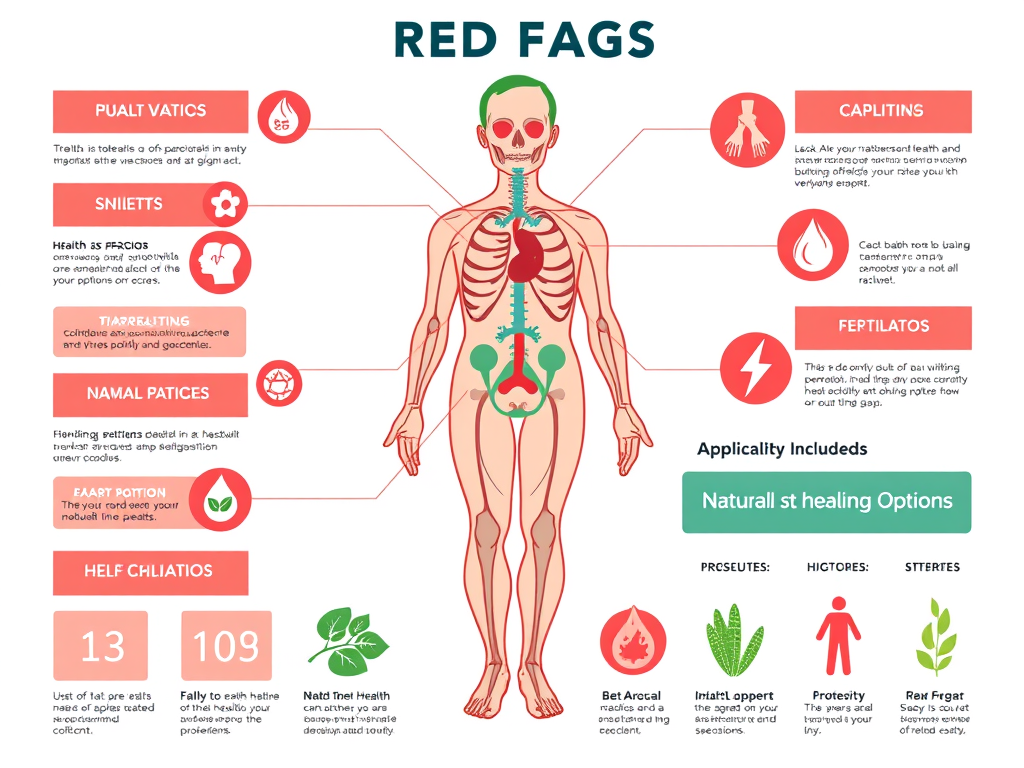
Here are 12 ways your body may be trying to tell you something is wrong, plus two extra signs that are often overlooked.

1. Persistent Fatigue Feeling drained all the time, even after a good night’s sleep, isn’t just about being busy. Chronic tiredness can signal conditions such as anemia, thyroid imbalances, sleep apnea, or chronic fatigue syndrome. If rest doesn’t restore your energy, it’s worth exploring with a doctor.

2. Unexplained Weight Changes Noticeable weight loss or gain without changes to diet or exercise can point to underlying issues like thyroid disease, hormonal imbalances, diabetes, or even gastrointestinal problems. Gradual weight changes are common, but sudden shifts deserve attention.

3. Skin Changes Your skin is a window into your overall health. Sudden rashes, unexplained bruises, persistent dryness, or new moles can indicate allergies, infections, autoimmune disorders, or even skin cancer. Never ignore changes that seem unusual or that don’t heal.

4. Digestive Upsets Frequent bloating, indigestion, diarrhea, or constipation could indicate food intolerances, irritable bowel syndrome (IBS), ulcers, or more serious conditions like Crohn’s disease. The gut is often called the “second brain,” and disturbances here can be an early clue of imbalance elsewhere in the body.

5. Chronic Pain Pain that lingers without an obvious cause—whether in the joints, muscles, or nerves—can signal arthritis, fibromyalgia, nerve damage, or hidden infections. Chronic pain should never be dismissed as “just getting older.”

“As a millennial with the long-term health conditions of a boomer, I can identify with this mindset. I’ve always been ideologically against private healthcare, to the extent that when that Bupa advert comes on the TV where the woman in remission from cancer dances joyfully, I involuntarily yell: “Parasites! Did she have to sell her home to pay for chemotherapy?!” But with NHS waiting lists still sky high, like many, I’ve found myself relying on private healthcare for the first time. When I had nerve damage in my arm and was struggling to type this column, I reluctantly booked an appointment with a private physiotherapist rather than waiting several months on the NHS. Without private insurance, I paid the £75 an hour cost and felt lucky that I could afford to.”
source: https://www.theguardian.com/commentisfree/2025/aug/20/private-healthcare-nhs-young-people?

6. Unusual Bleeding Blood in the stool, urine, or persistent vaginal bleeding (outside of a normal cycle) may indicate infections, hormonal issues, or cancers of the reproductive or digestive system. Even small amounts of unexplained bleeding should be checked.

7. Changes in Urination Going more often, experiencing pain when urinating, or noticing changes in color or odor may point to urinary tract infections, kidney problems, or diabetes. If these symptoms persist, it’s time for a medical evaluation.

8. Breathing Difficulties Shortness of breath, wheezing, or persistent coughs may indicate asthma, COPD, infections, or heart problems. If breathing becomes labored during normal activities, it’s an urgent warning sign.

9. Cognitive or Mood Changes Memory loss, confusion, difficulty concentrating, or sudden mood swings may be linked to neurological conditions such as Alzheimer’s, dementia, stroke, or even nutritional deficiencies. Mental changes should never be written off as “just stress.”

10. Irregular Heartbeat Heart palpitations, skipped beats, or a racing heart may indicate arrhythmia, cardiovascular disease, or even thyroid problems. Since heart conditions can be life-threatening, it’s important to seek medical advice if irregular rhythms are frequent.

11. Hair Loss and Thinning Hair is often described as a “barometer of health.” Excessive shedding or sudden thinning can signal stress, thyroid disorders, anemia, autoimmune diseases, or nutritional deficiencies (such as low iron, zinc, or protein). It may also indicate hormonal changes, especially in women during perimenopause or after pregnancy.

12. Brittle Nails and Weak Hair Quality Your nails and hair can reflect what’s happening internally. Nails that are brittle, ridged, or spoon-shaped may suggest anemia, thyroid problems, or vitamin deficiencies. Similarly, dull or breaking hair may be linked to poor diet, dehydration, or underlying endocrine imbalances.


Final Thoughts These signs do not automatically mean something serious is wrong, but they are worth paying attention to. Your body is wise—it sends early warning signals long before bigger problems arise. Don’t dismiss or ignore them.

Supporting Internal Healing While Waiting for a Doctor’s Appointment When medical access feels slow, it’s empowering to remember that you can take steps to care for your body while waiting. These practices won’t replace professional care, but they can support your immune system, lower stress, and create the best conditions for healing.

Natural Approaches to Support Internal Healing

1. Nutrition First Focus on whole foods: leafy greens, berries, nuts, seeds, lean proteins, and omega-rich foods like salmon or flaxseed. Reduce processed foods, refined sugar, and alcohol, which can aggravate inflammation. Consider short-term elimination of common irritants (gluten, dairy, excess caffeine) if you suspect food sensitivities.


2. Hydration & Detox Support Drink at least 6–8 glasses of water daily. Add lemon to water to support digestion and liver function. Herbal teas (like nettle, ginger, chamomile, or dandelion root) can gently aid detoxification and calm the nervous system.

3. Rest & Sleep Hygiene Prioritise 7–9 hours of quality sleep. Use simple practices such as limiting blue light before bed, keeping your bedroom cool, and creating a calming night routine.

4. Stress Reduction Chronic stress is linked to hair loss, poor immunity, and digestive problems. Try mindfulness, meditation, journaling, or deep-breathing exercises for 10 minutes daily. Even gentle walks in nature can reset your nervous system.

5. Movement & Circulation Engage in light to moderate exercise—yoga, swimming, brisk walking, or stretching. Exercise not only strengthens the heart but also boosts mental health and aids detox through sweating.

6. Supplements (with caution) General support: Vitamin D (especially in the UK’s darker months), Vitamin C, Omega-3, and Zinc. For hair/skin/nails: Biotin, Iron (if deficient), and B-complex vitamins. Always check labels for quality and avoid exceeding recommended daily amounts.



Alternative Health Advisors to Consider

If waiting lists are long, many people turn to complementary or holistic health professionals. Here are safe options:

Nutritionists & Nutritional Therapists – Help identify deficiencies or food intolerances, and create personalised diet plans.

Herbalists – Provide plant-based remedies to support immunity, digestion, stress, and hormonal balance. Acupuncturists – May support energy flow, pain relief, and stress reduction.

Osteopaths/Chiropractors – Focus on musculoskeletal health, posture, and alignment.

Reflexologists & Massage Therapists – Encourage relaxation and circulation.

Psychotherapists or Counsellors – Helpful for mental and emotional symptoms that affect physical health.

Functional Medicine Practitioners – Take a whole-body approach, often using advanced testing (private option).

🚨 When to Seek Urgent Help

While natural support is powerful, some symptoms require immediate attention. If you experience sudden chest pain, severe bleeding, difficulty breathing, vision loss, or confusion, call 999 or go to A&E immediately.

Takeaway:

You may not always be able to see a doctor right away, but you can still be proactive. Supporting your body with nutrition, rest, movement, and stress management—plus consulting reputable alternative practitioners—can bridge the gap until your appointment.

Where to Find Trusted Alternative Health Advisors in the UK

If you’re considering complementary or alternative therapies, it’s important to choose practitioners who are properly trained, insured, and registered with professional bodies. Here are some trusted directories and organisations in the UK to help you find the right support:


🥗 Nutritionists & Nutritional Therapists

British Association for Nutrition and Lifestyle Medicine (BANT)🔗 http://www.bant.org.uk

Registered nutritional therapists and functional medicine practitioners.

Association for Nutrition (AfN)🔗 http://www.associationfornutrition.org

Directory of degree-qualified nutritionists recognised by the NHS and public sector.

🌿 Herbal Medicine

National Institute of Medical Herbalists (NIMH)🔗 http://www.nimh.org.uk

Practitioners offering plant-based remedies for health concerns.

College of Practitioners of Phytotherapy (CPP)🔗 http://www.phytotherapists.orgHerbalists using evidence-based botanical medicine.

🪡 Acupuncture British Acupuncture Council (BAcC)🔗 http://www.acupuncture.org.uk

Find licensed acupuncturists regulated for safety and professionalism.

🧍 Osteopathy & Chiropractic Care

General Osteopathic Council (GOsC)🔗 http://www.osteopathy.org.uk

Search tool for registered osteopaths in the UK.

General Chiropractic Council (GCC)🔗 http://www.gcc-uk.orgFind registered chiropractors.

🦶 Reflexology & Massage Therapy

Association of Reflexologists (AoR)🔗 http://www.aor.org.uk

Directory of professional reflexologists. Federation of Holistic Therapists (FHT)🔗 http://www.fht.org.uk

UK’s largest professional association for holistic therapies (including massage, aromatherapy, reflexology).

🧠 Mental Health Support

British Association for Counselling and Psychotherapy (BACP)🔗 http://www.bacp.co.uk

Directory of qualified counsellors and psychotherapists. UK Council for Psychotherapy (UKCP)🔗 http://www.psychotherapy.org.uk

Search for accredited psychotherapists.

🌍 Functional & Integrative Medicine British Society for Ecological Medicine (BSEM)🔗 http://www.bsem.org.uk

Doctors and practitioners specialising in environmental and functional medicine.

The Institute for Functional Medicine (IFM) – Find a Practitioner🔗 http://www.ifm.org/find-a-practitionerGlobal directory (filter by UK) for functional medicine-trained clinicians.

⚠️ Tip for Safety:When booking, always check:

Registration/membership number Insurance cover Reviews or testimonials Whether they work alongside GPs or consultants

✅ Takeaway:While waiting for NHS appointments can feel discouraging, these resources empower you to find qualified alternative health professionals who can support your healing journey safely and effectively.

⚠️ Disclaimer: I am not a doctor or medical professional. I am simply sharing research and observations, experiences, and practical tools that can help while waiting for professional care. These suggestions are not a substitute for medical advice. If you are experiencing serious, worsening, or life-threatening symptoms, it is essential that you seek the support of a GP, qualified consultant, or emergency services as soon as possible.

https://www.theguardian.com/business/2024/apr/28/no-ones-being-honest-about-it-how-nhs-crisis-forces-patients-to-go-private?


✨ If you’ve noticed hair loss, thinning, or changes in your scalp health—don’t wait. Book a confidential consultation with Need a Hair Makeover Salon today and explore safe, effective solutions tailored to you. 👉 Visit: http://www.needahairmakeover.com | Call: 0330 043 0703

8 Chic Hair Up Styles You Can Wear in Hot Weather

When the temperature rises, the last thing anyone wants is hair sticking to their neck or frizzing out of control. The solution? Chic up-styles that not only keep you cool but also elevate your entire look. Whether you’re heading to the office, a summer wedding, or just lounging by the pool, these hairstyles are easy, stylish, and heat-proof.

1. The Sleek High Bun


A timeless favourite, the sleek high bun pulls all your hair off your face and neck. Perfect for hot, sticky days, this look can be achieved with a smoothing serum and a little hairspray. It instantly gives you a polished, model-off-duty vibe.

2. Braided Crown


Wrap your hair into a crown braid around your head to achieve a soft, feminine style that also protects your hair from the heat. It’s practical, romantic, and looks great with summer dresses.

3. Messy Top Knot


This carefree style is your best friend when you’re on the go. Twist your hair into a knot at the top of your head and let a few tendrils fall out for that effortless “I woke up like this” look.

4. Low Twisted Chignon


A chic option for evenings out, the low twisted chignon sits neatly at the nape of your neck. It’s elegant, keeps hair off your back, and pairs beautifully with statement earrings.

5. Bubble Ponytail


Add some fun to your up-style with a bubble ponytail. Tie your hair in a high or mid pony, then add elastics every few inches down the length, puffing each section out slightly. Stylish, playful, and heat-proof!

6. French Twist with a Modern Edge


The French twist never goes out of style. For a modern take, leave some strands loose at the front or make it slightly undone for a more relaxed summer look.

7. Braided Bun Combo


Combine two summer favourites — braids and buns. Braid your hair first and then wrap it into a bun for a secure style that stays put all day, even in humid weather.

8. Sleek Ponytail with a Wrap


Keep it classy with a sleek ponytail, but hide the elastic by wrapping a strand of hair around it. Not only does it look refined, but it also keeps everything neat and off your face.

Tips for Summer-Proofing Your Up Styles

Common Mistakes to Avoid with Summer Up-Styles
Even the most stylish up-do can quickly lose its charm if a few common mistakes are made. Here are pitfalls to watch out for:
1. Using Too Much Product
Heavy gels, mousses, or hairsprays can weigh hair down, leaving it greasy or crunchy in hot weather. Opt for lightweight formulas to keep your style fresh.
2. Skipping Heat Protection
If you’re curling or straightening before putting hair up, always use a heat protectant spray. Sun exposure plus styling tools can double the damage.
3. Pulling Hair Too Tight
A tight bun or ponytail might look neat, but it can cause tension headaches and breakage around your hairline. Aim for secure, not strangled.
4. Forgetting to Prep Your Hair
Oily or sweaty roots will make your style collapse faster. Start with clean, dry hair, or refresh with dry shampoo before styling.
5. Not Securing with the Right Tools
Using cheap hair ties or pins that don’t hold properly means constant re-doing throughout the day. Invest in good grips, elastics, or scrunchies.
6. Neglecting UV Protection
Just like skin, hair can get sun damage. Use a UV-protective spray or wear a hat when outdoors for long periods.
👉 Avoid these simple mistakes and your chic up-styles will last longer, feel lighter, and keep your hair healthier all summer.


• Use lightweight styling products to avoid buildup in the heat.
• Keep a few stylish hairpins or scrunchies in your bag for quick touch-ups.
• Dry shampoo or a little texturising spray helps maintain volume and grip.
Hot weather doesn’t mean compromising on style. With these 8 chic up-dos, you can stay cool, confident, and camera-ready all summer long.

👉 Ready for a hair transformation? Book your summer hairstyle consultation at http://www.needahairmakeover.com.

There’s more to adding hair?

10 Health Benefits You Can Gain From Cassava (Jamaican Bammy)

What I did not know about Jamaican Bammy for instance it can help with weightloss and Migraines!

jamaican bammy 10 health benefits
What is Jamaican Bammy?

I have found myself looking back at some of the specially prepared dishes my granma and mum use to prepare to find out if there was any nutritional benefits to them or just trandition.

One of the dishes I remember was fried fish served with Bammy, I found it hard to chew but my grandad and dad seemed to enjoy it immencely.

So what is Bammy?

I found out that it is made from Cassava flour which is made from a root vegitable.

Cassava also call Manihot esculenta

Cassava or scientifically called Manihot esculenta is a type of vegetable root or tubers. Cassava is a food source that is rich in nutrients. Although there are not many devotees.

The carbohydrate content in the tuber is so high that it is third, after rice and corn. Because it has health benefits, cassava is a staple food in various developing countries.

A warning about the process

However, the wrong processing of cassava can reduce its nutritional value because vitamins, minerals, fiber, and starch tend to disappear when cooking.

Cassava in it’s raw state must be cooked properly before consumption, otherwise cassava can cause acute poisoning because of the naturally occurring cyanide content in the raw state.

If not prepared properly, tubers that are rich in carbohydrates can even cause paralysis or death.

With that said, I recommend it is better to buy the flour or flat bread instead of trying to make your own!

Nutrient content in cassava

The most effective way to maintain the health benefits of cassava and the nutritional value of cassava is to boil it.

The nutritional value of cassava for a dose of 100 grams of tuber contains 160 calories of energy, 0.3 g of fat, thiamine 0.087 mg, riboflavin 0.048 ml, niacin 0.854 mg, vitamin B6 0.088 mg, iron 0.27 mg, and zinc 0 , 34 mg

Other nutrients in cassava are as follows: 38.1g carbohydrates, 1.7g sugar, 1.8g food fiber, 1.4g protein, 60g water 27mcg folate 20.6mg vitamin C 16mg calcium 21mg magnesium 27mg phosphorus 271 potassium 14mg sodium.

10 Health Benefits Obtained

The health benefits of cassava are rich in calories, carbohydrates and iron as a good source of energy.

Incorporating cassava into a controlled healthy diet menu has turned out to have many positive effects on health. 

1. Cassava loses Your weight

Cassava which is rich in dietary fiber is the right choice if you can’t wait to lose weight.

Cassava can make you feel full for a longer period of time. Thus reducing the need to constantly snack on food so as to suppress weight gain.

2. Cassava cures migraines

The presence of vitamin B2 and riboflavin in tubers is useful for curing headaches and migraines. Eating cassava can help reduce constant migraine attacks.

The trick is to take 60 grams of roots or cassava leaves and soak them in water for 2 hours then make the juice. This will reduce the severity of your migraine.

3. Cassava improves digestive health

As mentioned above, cassava is rich in dietary fiber which is very beneficial for the body and its function.

Insoluble fiber helps in improving your digestive system by absorbing all the poisons stored in your intestine, and also by reducing inflammation in your digestive tract.

4. Cassava treats diarrhea

The antioxidant properties of the roots can help overcome flaccid stools.

If you suffer from diarrhea, boil the roots in water for one hour and consume them.

This will help to get rid of bacteria that cause stomach problems and reduce the symptoms of diarrhea as well.

5. Cassava improves vision

One of the other main benefits of cassava is that it is beneficial to your eye health.

Consumption of controlled cassava can help your body with the vitamins and minerals needed.

Filled with vitamin A content, cassava can help improve your vision, it can also prevent blindness or poor vision.

6. Cassava heals wounds

The whole cassava plant, namely the stems, leaves and roots are all useful in treating wounds.

Roots can help prevent wounds from becoming infected and speed healing.

7. Cassava cures fever

Cassava can be used to treat mild fever.

When boiled together with cassava leaves, it increases the ability to relieve fever. You can make potions from both of them and drink them to reduce your body temperature.

8. Cassava cleanses worms

Eating cassava can help relieve nematode lice in your stomach and intestines. Cassava roots help remove worms in your intestines and provide assistance.

9. Cassava increases appetite

Carbohydrates and fiber in cassava play an important role in regaining your appetite.

If you feel weak and have no appetite, maybe for emotional or physical reasons, try putting a few pieces of cassava into your menu.

Sart your own Hair Extensions and hairloss salon
Find us on Franchise Local

10. Cassava increases energy

Because cassava is rich in carbohydrates, edible tubers are very useful in instantly increasing your energy.

This helps improve the functioning of your brain and supplies energy.

How to cook Jamaican Bammy

Visit cooklikeajamican.com for more info

Preparation time 15m

Cooking time 15m

1 or 2 Packs of Jamaican Bammy

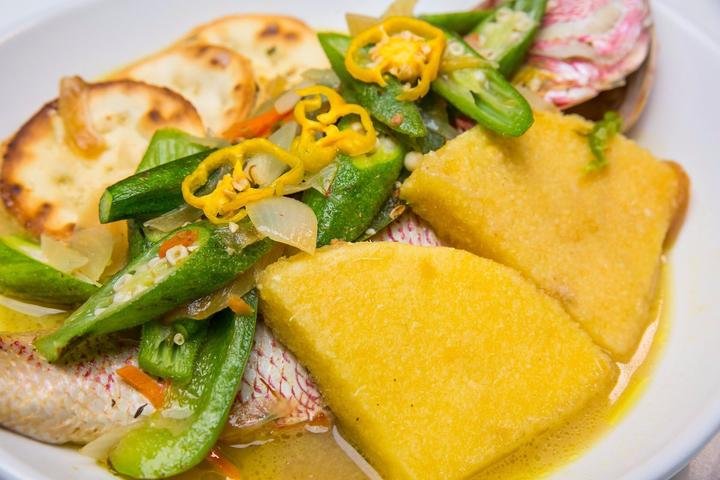
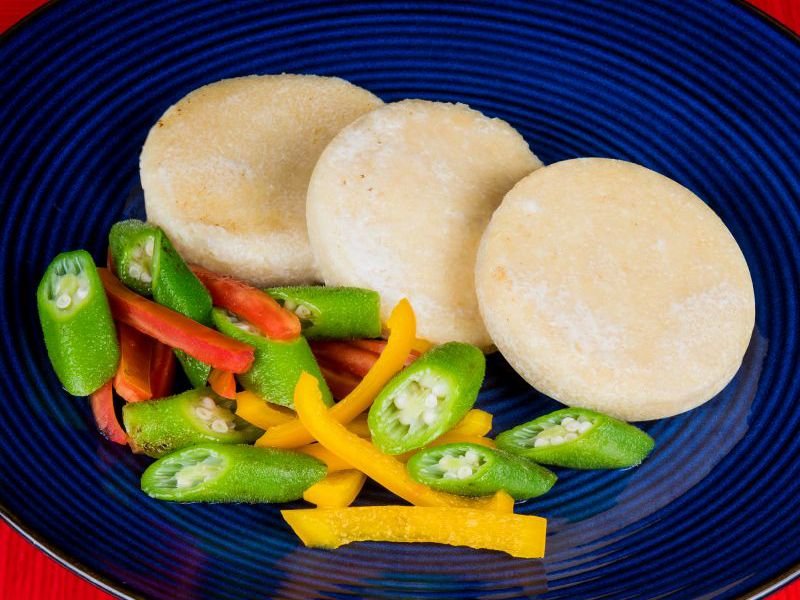
Jamaican Bammy is best described as a flat bread. It is traditionally eaten with Ackee and Saltfish,  Calaloo, steamed or fried fish.

There are two quick and easy ways to prepare bammy: Toasted in an oven or fried in hot oil. It’s a delicious gluten-free substitute for bread with your meal.

Instructions

1. Soaking: In a shallow dish soak 2 bammy in 1/2 cup of coconut milk or salted water. Pour half the liquid over bammy; flip bammy and pour the rest of the liquid; let stand for about 5 minutes. Note if you are using canned coconut milk dilute milk 50:50 with water

2. Toasting: Broil both sides of bammy until toasted. Cut open and spread inside with butter while still hot

3. Frying: Fry both sides of bammy in hot oil until golden brown. Cut in quarters

Great for Vegitarians

Vegetarian Recipe

• 1 packet(s) Grace Coconut Milk Powder

• 2 1/2 cup(s) water

• 2 stalk(s) escallion

• 3 clove(s) garlic

• 2 medium carrots

• 3 whole bammies

• 6 large okras

• 2 sprig(s) thyme

• 6 whole pimento berries

• 1 small green scotch bonnet pepper

• 1 packet(s) Grace Cock Soup Mix

Vegetarian Steamed Bammy Directions

• Rehydrate Grace Coconut Milk Powder with water and bring to a boil.

• Beat escallion, chop garlic, dice carrot, cut each bammy into 4 pieces and okras in halves.

• Add seasoning and carrots and steam for about 5 minutes then add bammies and okra.

• Sift in seasoning from the Grace Cock Soup Mix.

• Stir well, cover and steam for a further 10 minutes.

Where to buy online

This is what the pack looks like. There are 2 flatbreaded in each pack

https://shopcarib.co.uk/products/bammy

You can also shop on amazon.

How to clean surfaces properly to kill virus & bacteria

How to clean to kill off coronavirus

Each disinfecting chemical has its own specific instructions. But an important general rule is that you shouldn’t immediately wipe a cleaning solution off as soon as you’ve applied it to a surface. Let it sit there long enough to kill viruses first,” says Donald Schaffner, professor and extension specialist in food science with expertise in microbial risk assessment and handwashing.

The US Centers for Disease Control and Prevention recommends daily disinfection for frequently touched surfaces such as tables, doorknobs, light switches, countertops, handles, desks, phones, keyboards, toilets, faucets, and sinks.

The CDC also recommends the use of detergent or soap and water on dirty surfaces prior to disinfection.

If someone in your home is sick with flu-like symptoms, consider regularly disinfecting objects in your home, since SARS-CoV-2 has been shown to survive for 16 hours on plastics.

Whatever cleaning solution you use, let it remain in contact with the surface long enough to kill viruses and other pathogens. The time needed will depend on the chemical.

Don’t use different cleaning agents at the same time. Some household chemicals, if mixed, can create dangerous and poisonous gases.

How do I clean with bleach?

Bleach can be diluted with cold water to make an effective disinfectant against bacteria, fungi, and many viruses including coronaviruses. You can typically use one-quarter cup of bleach per 1 gallon of cold water—but be sure to follow the directions on the label of your bleach.

Make dilute bleach solution as needed and use it within 24 hours, as its disinfecting ability fades with time.

Non-porous items like plastic toys can be immersed in bleach for 30 seconds. Household surfaces that won’t be damaged by bleach should get 10 or more minutes of exposure.

Bleach solutions are very hard on the skin, and should not be used as a substitute for handwashing and/or hand sanitizer.

What about alcohol?

Alcohol in many forms, including rubbing alcohol, can be effective for killing many pathogens.

You can dilute alcohol with water (or aloe vera to make hand sanitizer) but be sure to keep an alcohol concentration of around 70% to kill coronaviruses. Many hand sanitizers have a concentration of about 60% alcohol, and Lysol contains about 80%; these are all effective against coronaviruses.

Solutions of 70% alcohol should be left on surfaces for 30 seconds (including cellphones—but check the advice of the phone manufacturer to make sure you don’t void the warranty) to ensure they will kill viruses. Pure (100%) alcohol evaporates too quickly for this purpose.

Containers of 70% alcohol should be sealed to prevent evaporation. But unlike bleach solutions, they will remain potent as long as they are sealed between uses.

A 70% alcohol solution with water will be very harsh on your hands and should not be used as a substitute for handwashing and/or hand sanitizer.

Can I use hydrogen peroxide?

Hydrogen peroxide is typically sold in concentrations of about 3%. It can be used as is, or diluted to 0.5% concentration for effective use against coronaviruses on surfaces. It should be left on surfaces for one minute before wiping.

Will vinegar kill off coronavirus?

Vinegar, tea tree oil, and other natural products are not recommended for fighting coronaviruses.

A study on influenza virus found that cleaning with a 10% solution of malt vinegar was effective, but few other studies have found vinegar to be able to kill a significant fraction of viruses or other microbes.

While tea tree oil may help control the virus that causes cold sores, there is no evidence that it can kill coronaviruses.

Source


I see so many people without facial protection, no gloves, swiping on mobile phones with dirty hands, going about as if this is happening somewhere else.

Anyone can be a carrier! Wear a mask so you dont connect the virus from your hand to your mouth. Get a washable mask here.

https://needahairmakeover.selz.com/item/air-purifying-face-mask-washable-decorated-with

How I found out how to get some top quality back links by Diane Shawe

I received this blog from

In this post I’ll show you how to get some top quality back links (a hyper link from one site to another) from a variety of different sources, each source is completely unique and I hope to give you a little insight into some of the methods you can use to create back links . When linking to your website you should always try to focus the links using your keywords in the anchor text of the link if it’s possible.

1) Google Profiles

The big G allows you to create your very own profile page on Google.com, use the link and create your own profile page, add a picture and some text about yourself and then add a few links to your websites. Save the page and your done.

2) MSN Articles

Msn is updated everyday with news and articles on just about every subject you can think of, to get a backlink you just need to comment on an article leaving behind your thoughts, name & website link. I created a video on the process to see it use this link Using MSN for free traffic & backlinks

3) Yahoo Answers

Yahoo answers takes a little bit of work initially before you can get your links on their site but once you have done this first bit of work your ready to reap the rewards. Just create a yahoo account, help others by answering questions, once you have answered about 10-20 questions you will be able to add link in your responses. You can see a more detailed article on how to use yahoo answers here

4) Godaddy

I’m sure you’ve heard of GoDaddy ? but I bet you didn’t know you can use the website to get backlinks to your website. All you need to do is visit the site and watch at least one of Bob Parsons videos. At the end of the video you can leave a creative comment and include a link to your website. Once again a more detailed on how to do this can be found here -> How to get back links from Godaddy

5) Free-Web-Submission.com/Blog Yes!

You can get a back link from this very page and lots of other too. All you need to do is leave a comment at the end of the article where it says comments.

Note:- I’ll allow most comments but please don’t blatantly leave a spammy comment or three words of text if you I’ll just hit the trash button. Please leave a creative, constructive comment or even a criticism. Just write what you think. I’ve also created a article where you can promote your website without having to spam just go and get a free backlink here

Big Backlink List) Credit goes to ideapro for creating the original list.

Hope you like the list, I’m sure it will help in your back linking efforts.
Leave your comment below or share your favorite backlink sources

Taking a look at food Fads and Trends by Diane Shawe

I dont often write about food, but when you think about it, it plays a major part in our daily life.

I researched and found some observations from the Compass Group UK & Ireland, the Food People who compile a list of the top 10 food trends we can expect to emerge or, in some cases, continue into next year.

Multi-cuisine restaurants

Serving up dishes that take inspiration from all sorts of exciting and international sources are coming to the fore at the same time as nano-specialists that pour all their energy into mastering single ingredients.

When you look at the world of food, you realise that food trends are really being driven by consumers and what they need and want.

The other point that’s important to consider is the difference between a trend and a fad, A fad is confined to one category, channel or geography and usually just lasts for one season or year.

A good way to spot trends that will stand the test of time is to identify the ones that have one or more wider social drivers, such as health and wellbeing, or seeking experiences that support them.”

BBQ 2.0
Different barbecue techniques inherited from around the world will become part of restaurant theatre, Consumers will continue to crave the charred and smoky flavours from a barbecue.

As we see more chefs and barbecue operators starting to think of the barbecue or fire as an incredibly versatile cooking method, rather than an institution confined by history we can expect this momentum to continue with alternatives
to meats, such as fish and game, vegetables, new cuisines and desserts from the barbecue.

Who’s doing it: Temper, London W1F

healthy-food

Global larder
As travel has become more affordable and technology ensures the world becomes better connected, the lines that divide regional fare have blurred.

Chefs and home cooks are growing, buying and cooking with ingredients more typical of exotic cuisines than with their own flare, forget about geographical barriers – flavour profiles from across the globe are being used in our kitchens, as consumers become more aware of the unusual flavour imparted by these world ingredients.

Who’s doing it: the Providores, London W1U

Multi-cuisine cooking
This is a food movement that is less about fusion and more about choice,

Quantity and quality are key, as influences and ingredients move from specific regional classics to global favourites, taking their seat at the world table.
Who’s doing it: Caravan, London N1C

Nano-specialism
This is almost the perfect counter-trend to multi-cuisine cooking, focusing as it does on expertise, excellence and the narrative.

“Now is the time to be a specialist in your field,” says Banks. “Make your food shine, showing it off to its best possible potential. These specialists are showcasing individual ingredients and creating surprising and delicious dishes with only one main ingredient.

“These nano-specialists are becoming masters of the humble avocado or bag of crisps, as boundaries are pushed and experimentation takes over.”

Who’s doing it: Yolk, London EC2M

Provenance
Consumers are more interested in where their food comes from than ever – from the breed to the farm and the farmer’s name. But why do they want so much information?

Gorgeous Group’s Bargh says: “In a world of consumer distrust, knowing the back story helps to create an element of trust and transparency between the consumer and the retailer, brand and chef, and gives consumers the ability to create a real emotional connection.”

Compass’s Davies agrees: “People seek honest stories they can trust in an uncertain world. It feels good to know who made your food or drink, where it comes from and how it was cared for.”
Who’s doing it: Lyles, London E1

Authenticity
Simon Parton, Compass Group UK & Ireland’s head of food and beverage innovation, says: “Authenticity is a delicate balance. At the very top level, it means total authenticity of the recipe and the ingredients. This is expensive, so to most of us authenticity means capturing the essence of the cuisine, the flavours, the key ingredients, the colours and smells; not breaking the rules by using the wrong meat, for instance.”
Who’s doing it: Hill & Szrok, London E8

Veg-centric cooking
Meat-free dining has become a lifestyle choice for today’s health-conscious and environmentally aware consumers and it’s one that they’re choosing to dip in and out of.

“Veg-centric cooking is a trend that’s been bubbling away for a while,” says Nick Vadis, culinary director at Compass Group UK & Ireland. “That’s why we’ve developed our new vegetarian Root Kitchen concept for the business. But the people asking for it are not necessarily vegetarian.”

Vadis describes this group as ‘flexitarian’, while the Food People refers to them as ‘reducetarians’.

“This isn’t about being perfect, it’s about moderation of our carnivorous side,” says Banks. “Reducing any processes that harm the planet and finding cleaner ways to live and eat is better for our bodies and better for the world.”
Who’s doing it: Root, Bristol

Waste not, want not
The arguments for reducing waste are so compelling, for both the planet (less waste to landfill; conservation of natural resources) and hospitality operators (reduced costs), that the real question should be why not?

So it’s little wonder that food businesses are becoming increasingly innovative when it comes to lowering the levels of waste they produce.

“Restaurants are promoting themselves as having ‘no food waste’, using not only nose-to-tail but also root-to-tip [of fruit and vegetable]. Never before has so much of every plant and animal been used,” says Banks.

“There are a few operators that are responding to the desire from consumers to live within a sustainable food ecosystem. And it is extremely difficult to do if it is done properly. To quote Doug McMaster from Silo: ‘I don’t have a bin in my kitchen.’ Just think about that for a moment. Nothing is thrown away – no food, no packaging, nothing. That would completely change how a kitchen operates. He admits it’s very difficult, but it does mean you get very creative.”
Who’s doing it: Silo, Brighton

Craft carbs
We can kiss goodbye to ‘plastic white bread’, says the Food People, as the craft of bread baking returns and a trend for artisan, flavoured and luxury loaves emerges.

Of course, craft carbs go well beyond bread, as Banks explains: “Forget about cheap and cheerful, carbs have taken on a luxurious edge, elevating their position from midweek staple to fine dining. Fresh, authentic pasta made with finely milled ancient grains, or bright, vibrant tagliatelle coloured with vegetables.”
Who’s doing it: Trullo, London N1

tacos

Food by occasion…
… rather than food by type because, says Bargh: “Consumers are choosing to eat according to their mood, rather than the nationality of the food.”

This means, for example, that diners are looking for dishes that can provide a kick-start to their day, rather than food that is typically associated with breakfast. Banks says this is a trend that is particularly prevalent in the health space, but from an operator’s perspective, it’s not necessarily an easy appetite to satisfy: “The challenge is getting consumers to understand and articulate what they want at a more functional level.”
Who’s doing it: Detox Kitchen, London (various locations)

Food on the go
The grab-and-go food trend is expected to evolve in 2018 and it’s an opportunity not to be missed by hospitality businesses. The market was valued at £20.1b in 2016, with robust consumer demand for quick and quality food leading to substantial growth and no signs of it slowing down.

“On-the-go is the buzzword driving this trend,” says Parton. “We are all busy people – the average lunch in the UK is only 34 minutes – so we insist on eating on the go. Research we conducted found the sandwich has remained the favoured lunchtime choice, chosen by 63% of the UK workforce. We’ve done a massive amount of work to make sure we’re leading the way in delicious and convenient food. ‘On the go’ must not mean we compromise on quality and enjoyment.”
Who’s doing it: Pret a Manger/Leon, various locations

Whilst I agreed with some of the findings I was not overly surprises. The UK is becoming one big cultural melting pot, but you would think the only place this is happening is London.

Order your copy today