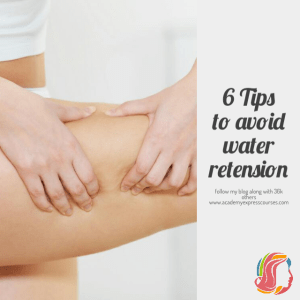
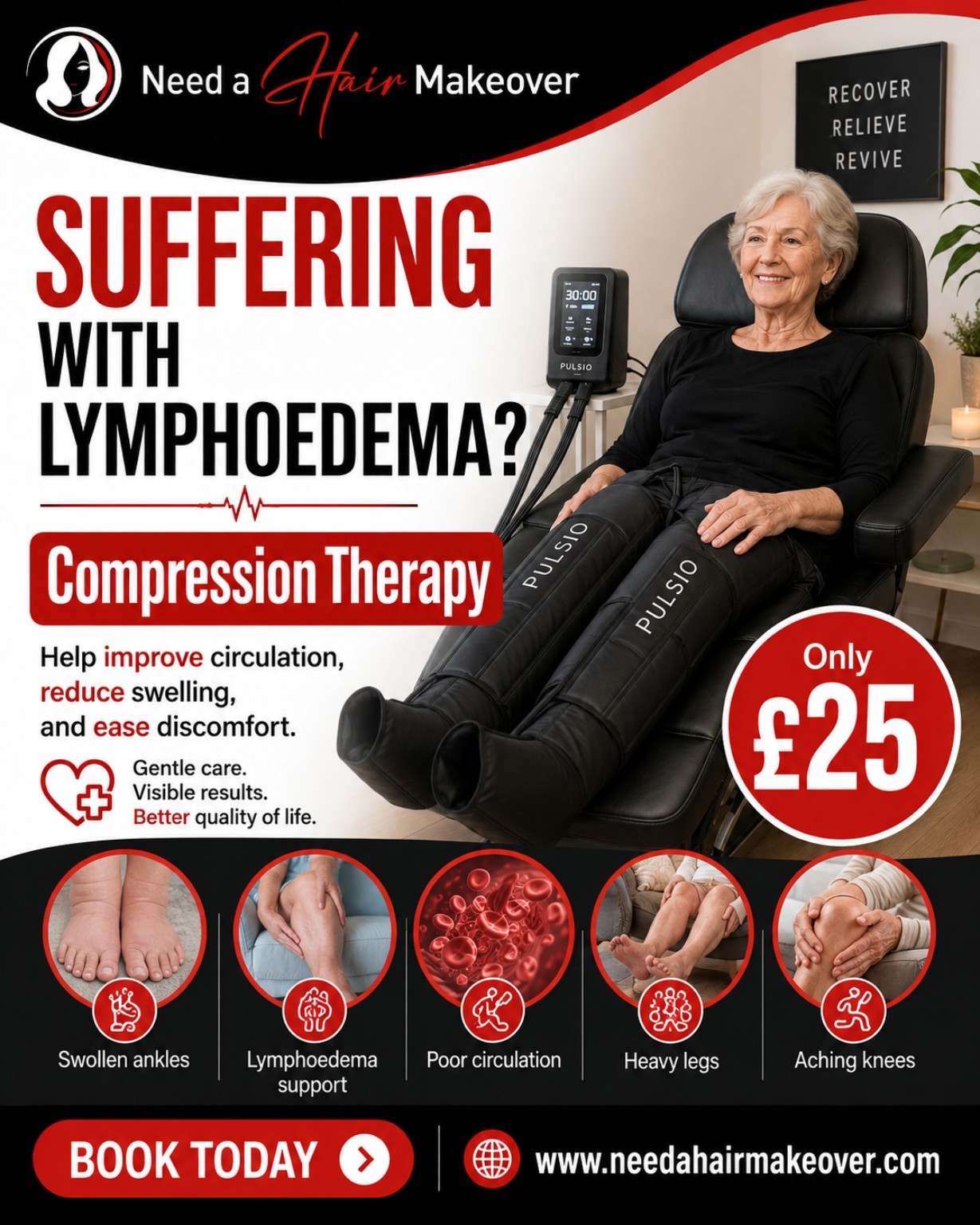
Are your feet, ankles, hands, or legs often swollen? This happens because of water retention, a condition known as edema. It is characterized by the accumulation of fluids in the tissues, circulatory system, and cavities.
Water retention, also known as fluid retention refers to an excessive build up of fluid in the circulatory system, body tissues, or cavities in the body. Up to 70% of the human body consists of water – water exists both inside and outside our body’s cells. Edema is the medical term for swelling.
The main causes of edema are pregnancy, not being physically active, premenstrual syndrome, sedentary lifestyle, and certain medications. But, swelling can also occur during a long flight.
Most cases of edema are not serious. However, sometimes it can indicate heart failure or kidney disease, so it’s important to treat it on time.
Here are the main causes of edema as well as suggested ways of how to reduce the swelling and avoid water retention, as long as there’s no underlying condition.
6 Causes of Edema and suggested solutions
1. Excessive Sodium Intake
If your diet is based on sodium-rich foods and if you don’t drink enough water, your body will use its water reserves. This, in turn, results in water retention. The human cells can expand up to 20 times with the help of water. So, the important thing here is to know which foods contain high amounts of sodium, so you can start avoiding them.
Besides salt, sodium can also be found in canned vegetables, some condiments, processed meat, and other processed foods. On the other hand, Celtic and Himalayan sea salt can reverse the water retention caused by table salt.
2. Magnesium Deficiency
Lack of magnesium can lead to edema. This mineral is vital for most functions in the body, so insufficient amounts of it can hinder the proper function of the body. This will eventually lead to water retention.
One research showed that taking 200 milligrams as a daily dose of magnesium can reduce water retention in women with premenstrual symptoms. Increasing the intake of magnesium-rich foods or taking it as a supplement can relieve this condition.
Here are the foods which contain the highest amount of magnesium: dried fruits, spinach, dark green veggies, dark chocolate, nuts, avocados, peas, and whole grains.
3. Lack of Vitamin B6
Deficiency in vitamin B6 can lead to edema since it’s involved in many aspects of water balance in the body.
A study published in the Journal of Caring Sciences involved women who experienced water retention caused by premenstrual syndrome. They took vitamin B6 on a daily basis, and their condition was soon improved. This vitamin is water-soluble, so it requires many cofactors to function properly. Therefore, it’s best to obtain it from whole foods.
Foods high in this vitamin are potatoes with skin, chicken, lean beef, turkey, tuna, dried fruit, bananas, sunflower seeds, and pistachio nuts.
4. Lack of Potassium
This mineral is vital for the proper function of cells, tissues, and organs in the body. It plays a significant role in the maintenance of normal water balance in the body.
Potassium deficiency can result from not consuming enough potassium-rich foods but high amounts of salt. This will eventually lead to edema. Lack of this mineral can cause weight gain, muscle spasms, and cramps. Potassium can reduce water retention due to its ability to reduce the sodium levels.
You can find this mineral in most fruits, especially in watermelon, honey melon, and rockmelon.
5. Dehydration
Dehydration occurs when you don’t drink enough water. This condition forces the body to retain water in order to survive, resulting in swellings in your feet, ankles, hands, or legs. Luckily, it’s not hard to improve your condition. Just drink enough water and potassium-rich juices, and avoid soda drinks and coffee.
6. Excessive Consumption of Processed Foods
As we mentioned, processed foods are full of sugar and sodium – one of the leading causes of water retention. But, they also contain artificial food additives whose toxic nature puts a load on the kidneys and the liver.
Foods which contain high amounts of sugar including artificial sweeteners can cause spikes in the levels of insulin and blood sugar.
Therefore, we recommend avoiding processed foods as much as you can.
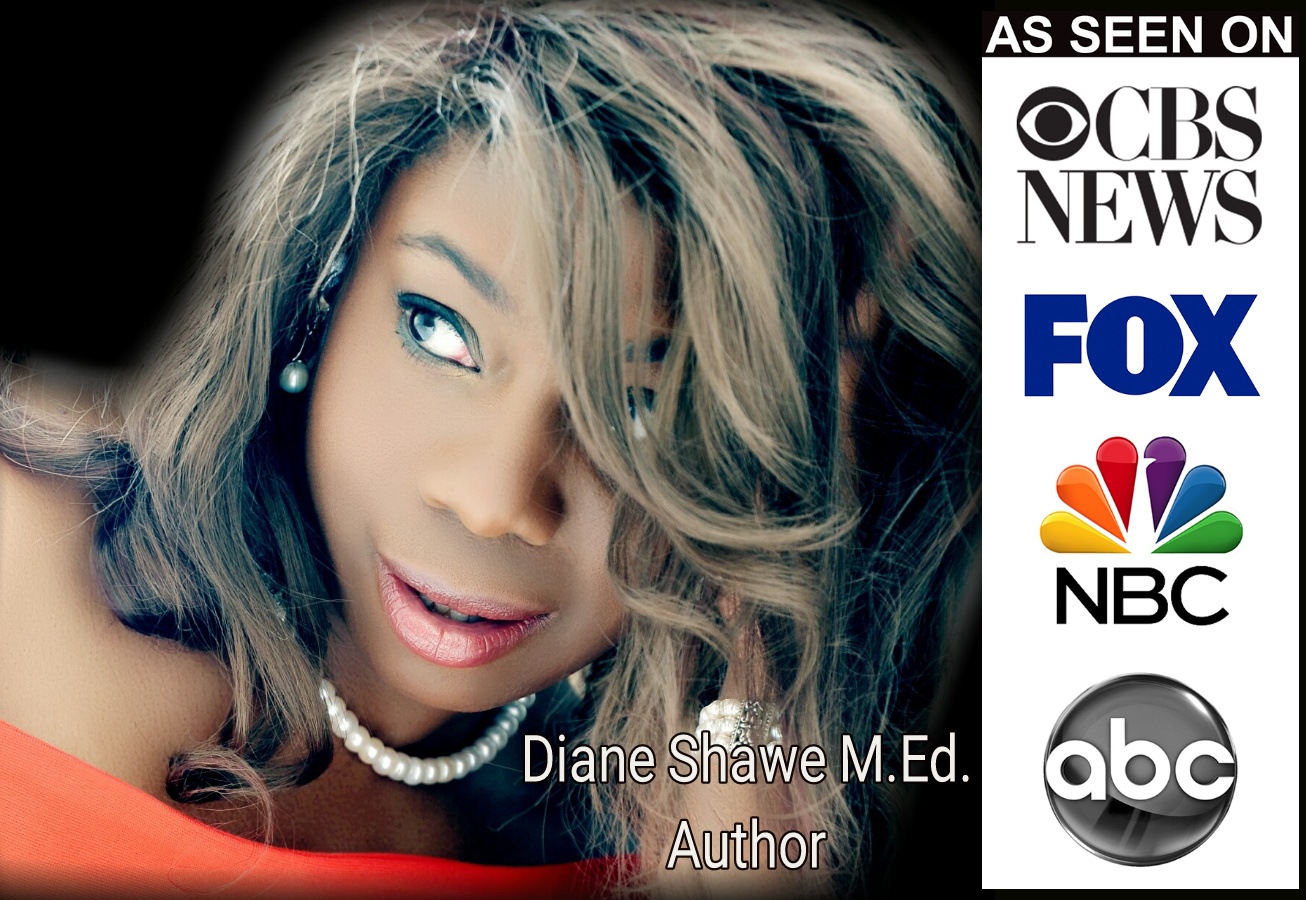
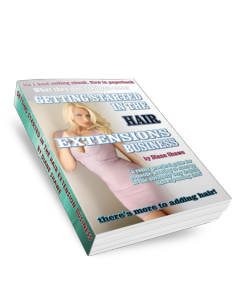
article by Diane Shawe Author of Getting Started in the hair extensions business
There is no single explanation for hair loss but reasons can include:
Natural ageing process
Poor nutrition
Nervous disorders
Hormonal imbalances
Serious illness
Certain medications
Chemotherapy and radiotherapy
Hereditary/genetic factors
Hair loss can have a devastating effect. It’s important to know that the earlier a hair loss problem is diagnosed, the better the chances are of treating it. We always recommend seeing a qualified hair specialist to diagnose conditions.
Common hair loss conditions include:
Androgenic Alopecia (‘Pattern Baldness’)
This is one of the most common forms of hair loss. It affects both men and women and occurs in distinct patterns. In men, this form of hair loss is very obvious. At the end of the process – which can take from 15-25yrs – the only hair remaining is at the sides and the back of the head. Roughly one third of all women are affected by this type of hair loss normally on the vertex (top of the head) with the front hairline often intact. The process of shedding is on average 50-100 hairs a day.
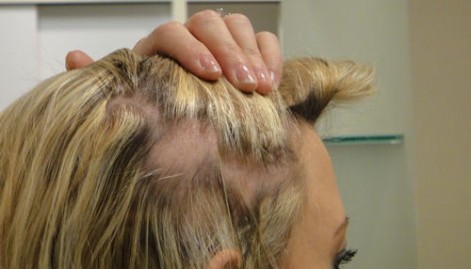
Alopecia Areata
This condition manifests itself in patchy hair loss, usually starting with a small spot that can spread. It is an auto-immune disease where the body attacks itself, killing off the hair. In general, the onset of alopecia can be caused by illness and raised temperature, shock, viruses, inoculations, medication or a period of extreme stress 2-6 months before a bald patch appears. It’s important to remember that early diagnosis and treatment can minimise the effects of the condition. Following diagnosis, many patients are extremely anxious which can also exacerbate the problem. It is advisable to seek specialist advice on how relieve stress and help hair growth to resume.
Alopecia Totalis
Alopecia Totalis is condition in which total loss of scalp hair occurs and can follow on from unchecked alopecia areata.
Alopecia Universalis
The result is a loss of all body hair including eyebrows and eyelashes. This form of hair loss is very distressing.
Telogen Effluvium or ‘Diffuse Hair Loss’
This condition manifests itself in shedding from all parts of the scalp. A great deal of hair is shed before the effects become noticeable. Telogen Effluvium can be caused by high fever, thyroid, postnatal depression, anaemia, surgery, medication, emotional stress, shock, dental treatment, surgery or dieting. During pregnancy, high levels of female hormones generate healthy hair. Some women can experience diffuse hair loss after childbirth.
Chemotherapy and radiotherapy hair loss
Chemotherapy or radiotherapy drugs work by attacking rapidly-growing cancer cells in the body. Because hair follicle cells also multiply very quickly – like cancer cells – chemotherapy drugs have difficulty in discerning the difference. This means that cancer treatment also destroys fast-growing hair cells and the hair falls out. Damage is not irreparable however and hair usually grows back 6-8 weeks after chemotherapy treatment has ended.
Trichotillomania
A rare form of Alopecia that is extremely stressful and caused by a patient self-harming i.e. pulling his or her own hair out. Given the psychology surrounding this condition, sufferers may not initially admit to pulling their hair out. Although young children can be particularly prone to Trichotillomania, it normally affects adolescent age groups.
Scarring Conditions
Several scarring conditions may includeLichen Planus, Lupus Erythematosus, Folliculitis Decalvans and Pseudo Pelade. These conditions can be slowly progressive and scarring of the scalp causes permanent hair loss.
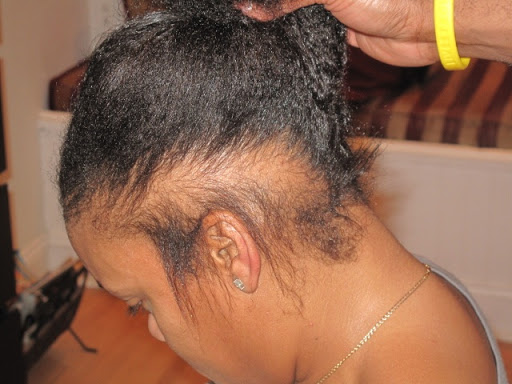
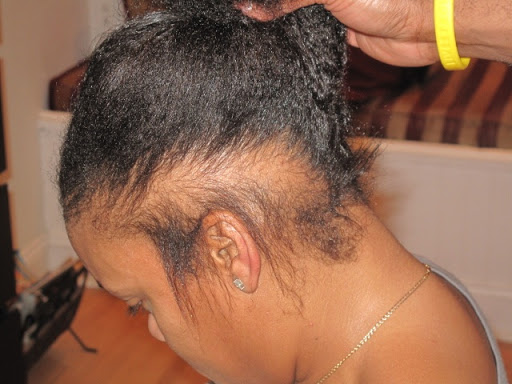
Traction Alopecia
A condition often caused by hair extensions or hair styles that cause physical trauma to the scalp e.g. cornrows, tight braiding which causes patchy to total hair loss prodominately around the hairline becomes weak and stops growing.
In addition to hair loss problems, scalp disorders can include:
Dandruff (Pityriasis capitis) – This condition is all too familiar and about half of all Caucasians will have had dandruff to some degree before they are 20. In most people, it disappears after the age of 50 or so. Dandruff is associated with a tiny yeast called pityrosporum ovale, which is normally permanently present on the scalp. In dandruff, there is an increase in the regular loss of cells from the skin surface and they are lost more quickly. As more cells are lost, the yeast grows more rapidly. These cells may clump together to produce the all-too-familiar flakes of dandruff.
Eczema and Dermatitis
Psoriasis – Chronic skin condition affecting 3% of the population. It appears as raised, inflamed skin topped with silvery white scales. In severe cases the whole of the scalp may be covered by scales and there may well be some hair loss. Severe cases are extremely uncomfortable and distressing.
Seborrhoeic Dermatitis – Scaling condition characterised by yellow, branny scales on the scalp and red, irritated skin. It is sometimes associated by an unusually greasy scalp. In babies, the condition is known as ‘Cradle Cap’. It can also affect the nose, eyebrows and ears. In severe cases, Seborrhoeic Dermatitis may lead to hair loss.
Infections
Head Lice(Pediculosis Capitis) – Infestation of parasites living off human hosts. The hosts are 6-legged creatures, 2 – 4 mm in size and grey in colour. They are found near the hairline, at the nape of the neck and around the ears. This condition is highly infectious (ova hatch within 5-8 days). Lice can live off the human scalp for up to 48 hours in scarves, hats, chair backs, combs, brushes etc.
Impetigo – Bacterial infection of the skin that results in weeping, crusted sores and produces itching. It is often seen in young children and is highly contagious.
Ringworm – Fungal infection which appears as pink, scaly patches on the skin. It is more likely to be caught from animals than from humans.
Reassuringly, many scalp conditions can be prevented or cured and there are a number of treatments available. It is always advisable to act quickly. For further in-depth information call us on 0121 318 2880
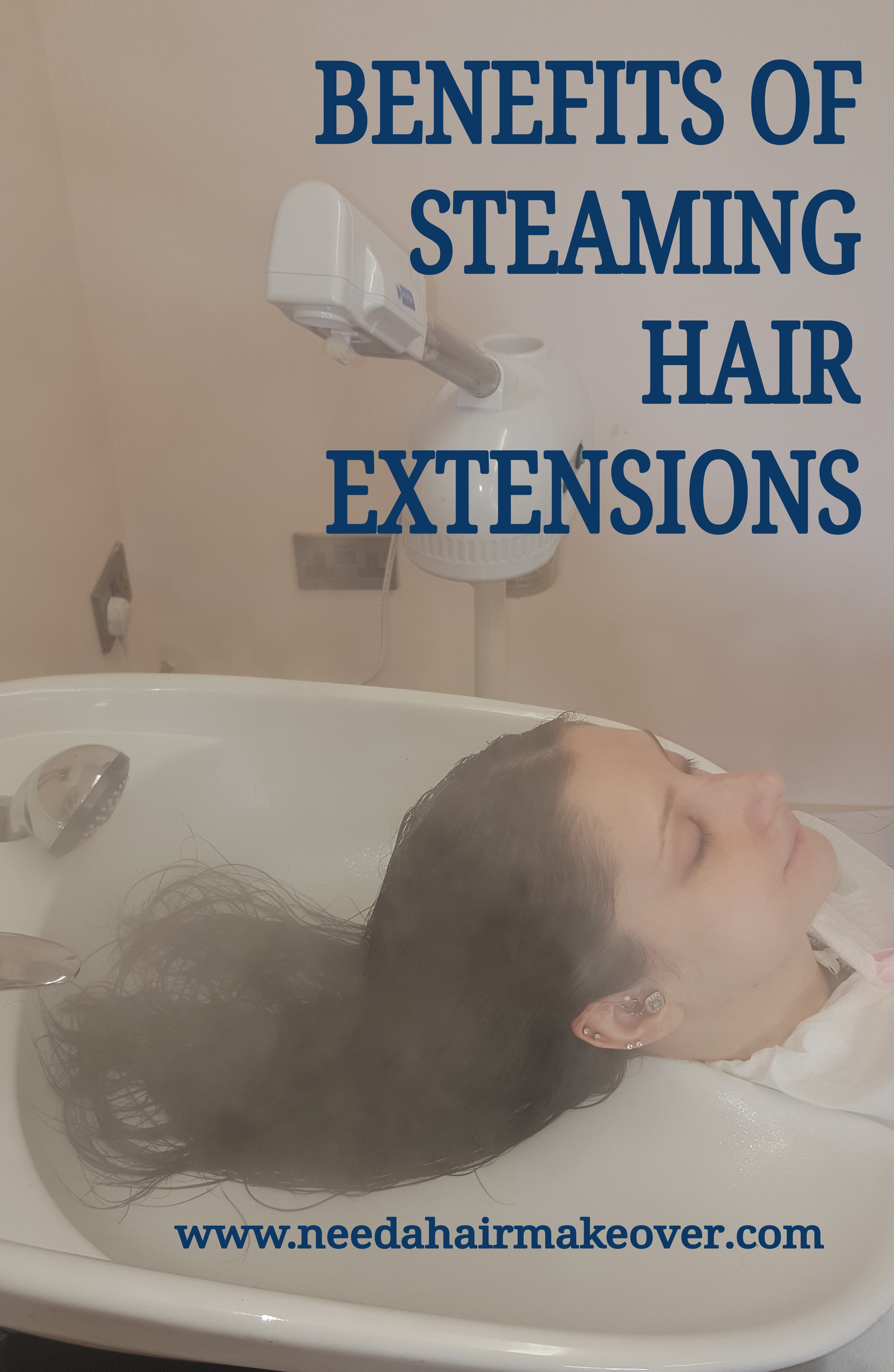
Having you hair extensions steamed can be an effective tool that adds moisture, restores color vibrancy and strengthens the elasticity of dead hair not to mension the benefits to your own hair.
Article by Diane Shawe
According to master signature hair extensionist and author Diane Shawe the steamer uses heat and water to lift the cuticle on the hair shaft and allow conditioners and treatments to penetrate and condition hair.
Another benefit of hair steamers is that the moist heat encourages blood flow to the scalp, aided circulation of the scalp equals healthier, longer growing hair when hidden away under hair extensions.
Black women with natural hair have used steamers for years because it helps to hydrate and define their coils. It is also recommended steaming for women who are transitioning from chemically-relaxed or colour treated hair to use steaming
Whether you have blonde, fine or coarse hair, long or short, or no hair extensions your hair will benefit from hair steaming.
Diane advises doing a steam treatment every two weeks to build up moisture retention. If alternating between pre-shampoo oil and deep conditioning treatments, Just be sure not to overdo it, because over-steaming can actually over-moisturise the hair making it limp and weak.
Amongst other benefits, steaming helps to increase blood circulation and flush toxins from the body. But since this post is about haircare and hair extensions, we are infinitely more interested in the benefits to hair. This is an area that is still very much in debate, with the science behind it a work in progress.
That being said the reputed benefits of steam for hair are:
1. Added moisture
2. Increases hair shine
3. Softens hair making it more manageable
4. Decreasing de-tangling time by reducing tangles and knots
5. Reduces hair breakage
6. Reduces dandruff and helps with exfoliating the scalp by softening flaking skin making it easier to remove
7. Hair feels healthier
Pre-pooing
Pre-pooing is simply using some sort of conditioning treatment on the hair prior to shampooing. This can be with oils, special treatment conditioners or even regular old instant conditioners. Adding steam at this stage can often increase the efficacy of the treatment.
Deep conditioning
This is the point where most people incorporate steam as it’s the easiest and most obvious. The steam increases the absorption potential of the conditioning product used whilst providing additional moisture. Apply the deep conditioning product to the hair then add steam via whichever method you prefer. Steam should be used for 15-20 minutes but no longer than 30 minutes.
Oil Rinsing
This involves covering the hair in a light layer of oil, leaving it to sit for a while then rinsing it out. This helps keep hair lubricated reducing tangles and single strand knots. It also adds shine and depending on the oil used, can add strength. I like coconut oil as it penetrates the hair shaft and help reduce hygral fatigue. Using a steamer can take this process to the next level by helping the oil absorb even more deeply. After applying the oil, leave it to sit under steam for 15-20 minutes then rinse with cold water. Dont use too much as this can make the hair heavy during styling.
Using the steam room at the gym/spa
Whenever I use the gym or go to a spa with a steam room, I always make sure to pack my deep conditioner. It’s a great way to get a full body steam session going. You can slather the conditioner on your dry hair, no need to add a shower cap walk in and steam away.
Neurologist/Teacher/Grad School Ed faculty/Author/Guest Blogger
As your students move through adolescence, their brains are going through a dynamic change from chaos to clarity. These developmental changes have profound implications for how you’ll be able to guide students during these transformative years.
Brain Remodeling: Chaos to Clarity
The brain first goes through a rapid maturation phase in the months before and after birth, and a second maturation phase throughout later childhood and adolescence. During this second phase of increased brain growth, the prefrontal cortex is the site of the brain’s most active reorganization and growth. Before building your understanding of what is taking place in the prefrontal cortex during its adolescent growth spurt, let’s explore what is housed in this late-developing part of the brain.
The prefrontal cortex is where the highest cognitive and emotional control networks are being constructed, especially during the school years. These networks are what neurologists call executive functions.
The networks of the executive functions direct the complex mental processes that you see emerging as students grow. Executive functions can be thought of as the skills that would make a corporate executive successful, abilities that allow them to:
Organize
Prioritize
Communicate effectively
Accurately interpret validity and value of information
Make long-range plans to achieve goals
Assess risk
Solve problems creatively
Innovate
These networks do not reach full effectiveness until early adulthood. When well nurtured by use, executive functions ultimately guide the brain’s abilities to:
Manage emotional stability
Control impulses
Plan
Respond productively to corrective feedback
Learn from mistakes
Remain resilient to setbacks
Reflect thoughtfully before making decisions and choices.
Early adolescence (ages 10-12) is a good time to build students’ skills of organizing and prioritizing information and time management. The opportunities you provide to guide them in using these executive functions also provide the activation to strengthen these networks when they are at peak neuroplastic responsiveness. As a result of this strengthening, your students will build more skills en route to becoming self-directed learners.
Helping Students Organize Themselves
Successful organization is needed for preparing and completing most activities related to school. The development of this executive function becomes even more critical as the responsibilities and requirements of school and extracurricular activities increase each year. Using strategies that increase student awareness of these skills and providing guided opportunities to use them will help adolescents build the brainpower that they need.
Start by promoting student awareness of their existing organizing skills. Ask questions such as:
How do you sort your music on playlists?
How do you organize your files on your computer?
Also, ask questions about familiar things that are already organized systematically, such as:
How is the content of this book organized into chapters?
What organization do you see in the periodic table of elements or in dividing plants and animals into classifications such as kingdoms, genus, and species?
Other Strategies
1. Teacher Modeling and Discussion
Model your systems of organization (filing, recording progress, how you set up the classroom, etc.). Draw students’ attention to the organizational strategies that you use during instruction.
2. Clear Instructions
Initially, when providing organizational strategies, emphasize them both verbally and in writing. Give students clear instructions for procedures, projects, or class transitions as you model organizational structure.
3. Student Modeling
Assign selected students to model the procedures that you’ve described, such as the right way and the wrong way to organize their class groups during collaborative work time.
4. Checking for Understanding
Stop between segments of complex or multi-step instructions, allowing students to organize their thoughts and ask questions. Ask students to repeat back their understanding of the instructions so that they can respond to your feedback and reorganize appropriately.
5. Gradual Release of Responsibility
Throughout the year, plan a gradual decrease in the scaffolding that you provide for student organization of time and goals. For example, back away from giving them your timeline schedule for parts of a book report or project, let them plan and write their own timelines, and revise these as you help them monitor their progress.
6. Feedback
Observe student progress and setbacks and provide feedback with opportunities for them to revise their organizational systems.
The Case for Investing in Executive Functions
As the caretaker of your students’ brains during the years of rapid prefrontal cortex development, the opportunities that you provide for them to use these critical neural networks are precious gifts. The tools and skills that you help them build will empower them to achieve their highest potential now, and will increase their satisfaction and success as they inherit the challenges and opportunities of the 21st century.
THE 20 MOST INFLUENTIAL PERSONAL STYLE BLOGGERS RIGHT NOW AND WHY BLOGGING CAN HELP YOUR BRAND
Available from Amazon
When twitter came out and account holders tweeted what they ate, we all thought twitter had a short life span. Now the media rummages through top celebrities tweets to find something sensationable to report about. Would be employers have been know to use candidates social media postings as evidence against them.
The era of the Personal style bloggers use to get caricatured as either geeks or pretty, brainless girls who dress up for their camera-wielding boyfriends and post their results to a WordPress blog.
But wait a minute, with instagram, Facebook, linkedin and twitter integration most of these bloggers have grown quiet influential with hundred of thousands of followers. Over the past decade, these independent publishers have become a real force in the fashion industry — not just snapping up front row seats at fashion shows, but landing major campaigns and collaborations with brands, becoming regular guests on TV shows like “Today” and “America’s Next Top Model,” and turning their blogs into multimillion-dollar businesses. Some have become household names. Independent European bloggers are harder to pin down as most of them are linked to magazines.
Chiara Ferragni, Hanneli Mustaparta and Nicole Warne. Photo: Clemens Bilan/Stringer
To determine the ranking, consideraction was given to:
Instagram, Twitter, Facebook, YouTube and Pinterest followers, as well as website traffic. These numbers gave us a snapshot of how many people these bloggers are reaching every day.
Brand extensions. We gave props to bloggers who have used their influence to create original products.
It factor. We talked to industry insiders about whom advertisers are loving right now, and who is moving the most products via affiliate links.
Google News searches. Headline makers were rewarded for extending their reach beyond their own network.
Chiara Ferragni. Photo: Jason Merritt for Getty Images Entertainment
1. Chiara Ferragni, The Blonde Salad
The 27-year-old Italian, who now lives in Los Angeles, has the broadest reach of any individual fashion blogger on our list, with more than 3 million Instagram followers. She’s a global star, as popular in Europe as she is in the U.S. What’s more, links from her site drive traffic and conversions, according to many of the brands with whom she has partnered. She was also recently named to an expert panel that will help determine the shortlist.
Oh, and she graced the cover of Lucky magazine’s February issue along with fellow bloggers Nicole Warne and Zanita Whittington.
2. Aimee Song, Song of Style
Song, 28, is a Los Angeles-based interior designer whose straightforward street-style shots have made her popular with brands and readers alike. Song also has an incredible Instagram following — 1.9 million — and has worked hard to build her YouTube audience as well, with more than 28,000 subscribers to her channel.
3. Wendy Nguyen, Wendy’s Lookbook
Yet another L.A.-based blogger, Nguyen, 31, is best known for her YouTube channel, which currently boasts 600,000-plus subscribers. (Her 2011 video, “25 Ways to Tie a Scarf” has been viewed over 29 million times.) Nguyen’s point of view is unique in that she grew up in the foster system, and has opened up about her experiences to her readers.
Kristina Bazan. Photo: Frazer Harrison for Getty Images Entertainment
4. Kristina Bazan, Kayture
This Swiss-model blogger, 21, has an impressive reach on Facebook — with more than 1.1 million likes — in addition to a major presence on Instagram, Twitter, etc. Bazan is a favorite of high-end brands: she’s worked with Louis Vuitton, Hugo Boss and Piaget, among others.
5. Julie Sariñana, Sincerely Jules
The 29-year-old blogger, who lives in Los Angeles, started her site in 2009 — early, compared to many of her peers. Her easy, approachable style has translated well into her own line of t-shirts, printed with often inspirational, occasionally irreverent, quotes.
6. Rumi Neely, Fashion Toast
Neely, 31, launched Fashion Toast in 2007. Her particular style of blogging — photo-heavy posts featuring cool clothes and model poses — has greatly influenced the generation of influencers who have followed her. While Neely has collaborated with established brands in the past, she recently launched her own line. Are You Am I, a collection of slip dresses, tap pants and distinctly cut tees, is notable for its specificity. For fans who want to emulate Neely’s style — and there are plenty of them — there is nothing more perfect.
7. Nicole Warne, Gary Pepper Girl
One of three bloggers to land Lucky‘s February 2015 cover, the Sydney-based Warne, 25, first launched Gary Pepper as a vintage e-commerce site in 2009. Warne started out blogging and modeling the clothes as a way to market the website, and by 2011, it was one of the largest online vintage retailers in Australia. However, the young entrepreneur’s side project soon became the main event, and in 2012 she shut down the e-commerce leg of Gary Pepper to focus on her blog-driven business.
Blair Eadie. Photo: Cindy Ord for Getty Images Entertainment
8. Blair Eadie, Atlantic-Pacific
The New York-based Eadie, 29, is best known for her accessible, yet educated, approach to fashion. Based in San Francisco when she launched the blog, Eadie has worked as a merchandiser for brands like Gap and Tory Burch, which means she has a professional edge when it comes to outfit posts. And brands like love working with her because she has a reputation for converting readers into shoppers.
9. Julia Engel, Gal Meets Glam
The San Francisco-based Engel, 23, is seen as an up-and-comer in the space. She’s already amassed a large following across platforms, from Pinterest to Instagram. Appealing to the same sorts of readers who worship Lauren Conrad’s pretty aesthetic, Engel’s site is easy to navigate, with lots of opportunities to shop affiliate links.
10. Nicolette Mason
Mason, who writes a monthly column for Marie Claire and designed her own collection for Modcloth last fall, is one of the most in-demand bloggers working right now. The 29-year-old writer played a role in the promotion and social media around Target’s new plus-size collection Ava & Viv and is also a budding TV personality, offering style advice on programs including “Today” and “Good Morning America.” Mason is notable because she uses her blog as a platform to discuss bigger social issues, including race, sexuality and body image.
11. Shea Marie: Peace, Love Shea
The Los Angeles-based blogger and TV host, 27, has the high-fashion-meets-Southern-California look brands eat up. She’s worked with the likes of Dior, Gucci, H&M and Guess.
Bryanboy. Photo: Dimitrios Kambouris for Getty Images Entertainment
12. Bryanboy
The OG fashion blogger and best friend of Fashion Toast‘s Rumi Neely, the New York-based, Philippines-bred Bryan Grey Yambao has transformed from an online-diary keeper to a celebrity and fashion insider. While other bloggers from his era have fallen off the map, Yambao, 32, has remained relevant by branching out. Memorable projects include a collection with furrier Adrienne Landau and a hosting spot on several seasons of “America’s Next Top Model.”
13. Elin Kling
The New York-based Kling, who is Swedish, was one of the first bloggers to collaborate with a brand on a collection. (In 2011, H&Mreleased a Kling-designed line.) But her fantastic stand-alone label, Toteme, has transformed Kling, 31, from a blogger to a full-fledged designer.
14. Zanita Whittington
The Stockholm-based Aussie, 28, was one of Lucky‘s February cover stars. Along with modeling and blogging, Whittington is also serious about photography. Her site is a sort of “how to” for aspiring bloggers, with service pieces on starting a blog and building an audience.
Gabi Gregg. Photo: Ilya S. Savenok for Getty Images Entertainment
15. Gabi Gregg, Gabifresh
One of three plus-size bloggers chosen to star in the campaign for Target’s new Ava & Viv collection, Gregg started her blog in 2008 when she couldn’t find an entry-level job in fashion journalism. Now 28 and based in Los Angeles, the blogger has appeared on the “Today” show, designed a sell-out swimwear collection, and partnered with brands including Misguided, Nordstrom and Laura Mercier.
16. Danielle Bernstein, We Wore What
The New York-based blogger, 23, started her site as an FIT undergrad eager to capture the style of her fellow students. It soon transformed into a personal style forum, leading to a design project with Topshop.
17. Jessica Stein,Tuula Vintage
This Sydney-based blogger, 25, spends a good chunk of her time traveling, and sharing her adventures via Instagram. (She’s currently parked in the Maldives.) Brands like Dior Beauty partner with her for the obvious reasons: she has great taste and an enviable life.
Susanna Lau. Photo: Cindy Ord for Getty Images Entertainment
18. Susanna Lau, Style Bubble
Forever the no. 1 blogger to fashion insiders, the 31-year-old Lau is now one of the industry’s leading voices. While her creative outfit posts are still appreciated, she is even more loved for her sharp opinion, contributing to publications including Elle UK and Business of Fashion, as well as posting regularly on her own site.
19. Chriselle Lim, The Chriselle Factor
With a massive YouTube following, the Los Angeles-based wardrobe stylist, 29, offers her audience plenty of tips and tricks via video. She’s worked with brands including Coach and Banana Republic.
20. Jane Aldridge, Sea of Shoes
Another blogging pioneer, the Dallas-based Aldridge started her site at age 15. Eight years later, she’s still at it, partnering with brands like Lovegold and Cartier on a regular basis.
Start paying attention to the types of shampoos you use on you hair.
If you can get Desert Essence Coconut Shampoo with its light coconut smell. It adds moisture which your hair needs if it is very dry and brittle. The Desert Essence brand is responsibly produced. They are also certified by the Leaping Bunny producing cruelty free products! There are many varieties of Desert Essence hair care products for all hair types. This is not a sponsored post.
SUPPLEMENTS
Also take Methyl B-12 supplement made by Neuro Biologix. This enhances gastrointestinal absorption due to methylation deficiency. Which aids in hair growth! Bonus! It helps with your memory also!
Biotin is another important supplement that could help boost your hair and nail health.
Washing your hair less during the week helps to preserve the natural oils.
Betaine HCL is also a great daily supplement.
HATS
When in doubt, a hat can always come to the rescue of a bad hair day! Be creative with your hats, wraps and scarves. Wigs are also very good and a lot cheaper.
ATTITUDE
Above all try to adopt a positive attitude. Be thankful for the hair that you do have. Thin as it may be, it is still yours!
If you do lose it all, at least you are still here. You are after all much more than just your hair.
I’m not saying it is easy to accept but, but you are you.
There’s more to adding hair
There’s lots of advice out there just remember to check with your doctor for any supplement conflict with any other medication
Are you chronically ill and suffer from hair loss? I would love to hear your story and your own coping tips? Please feel free to share the products and practices that have been a help to you! Email hairextensions@europe.com
Diane Shawe Author of Getting Started in the hair extension business
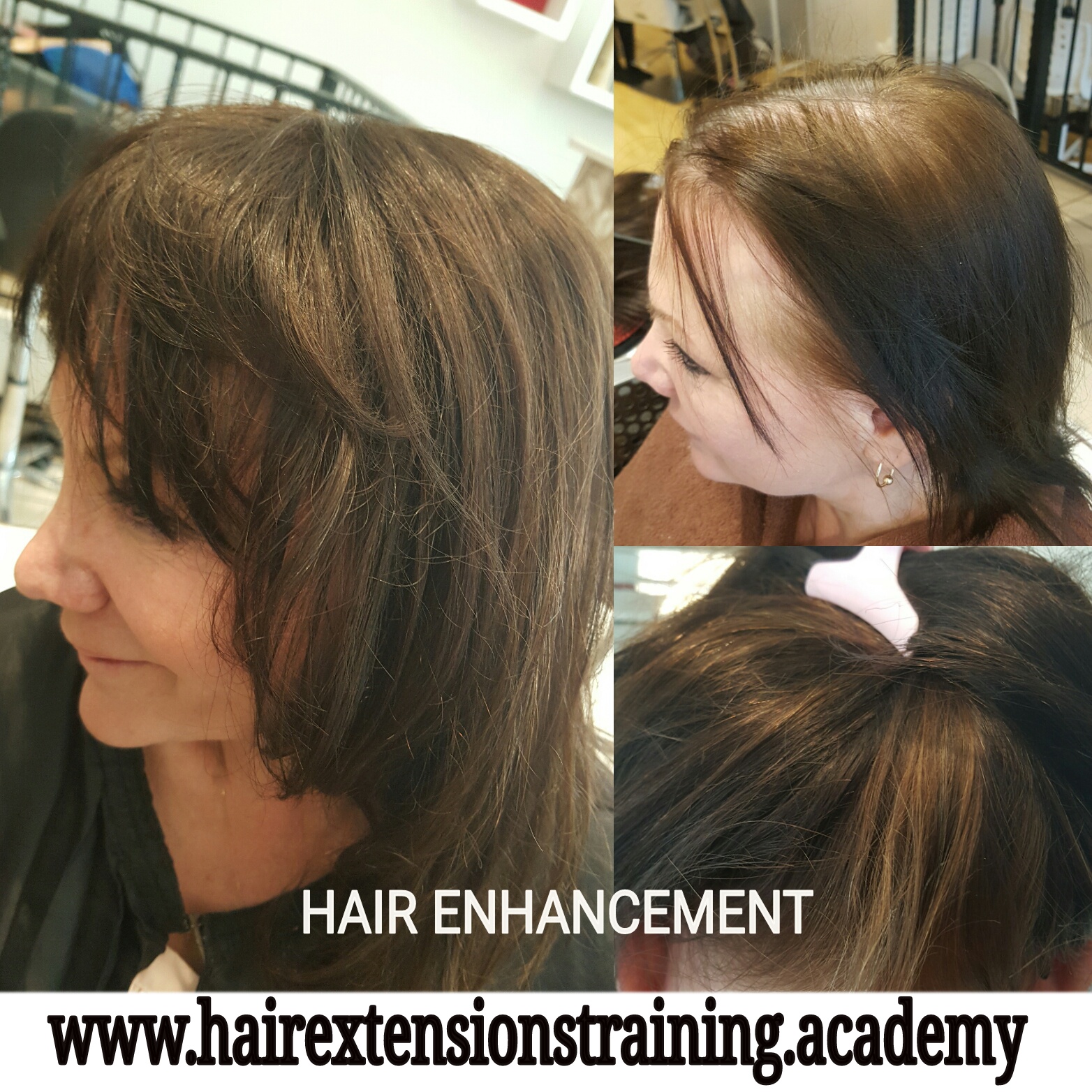
Thinning hair help
Whilst your hair brush seems like it is packed with more and more loose strands of your hair or an ever-scrawnier ponytail can be startling but doesn’t necessarily mean anything’s wrong. By age 50, half of women will complain of hair loss. “As we age, overall hair density changes and individual strands become finer,” says dermatologist Doris J. Day. But just because thinning is natural doesn’t mean you have to accept it. Here are 14 solutions to help you keep the hair out of your brush and on your head.
Meals
Now, this is easy! Hair thrives on protein, iron, zinc, and vitamin B12. Get them from lean meats, leafy greens, nuts, beans, and fish.
Massage
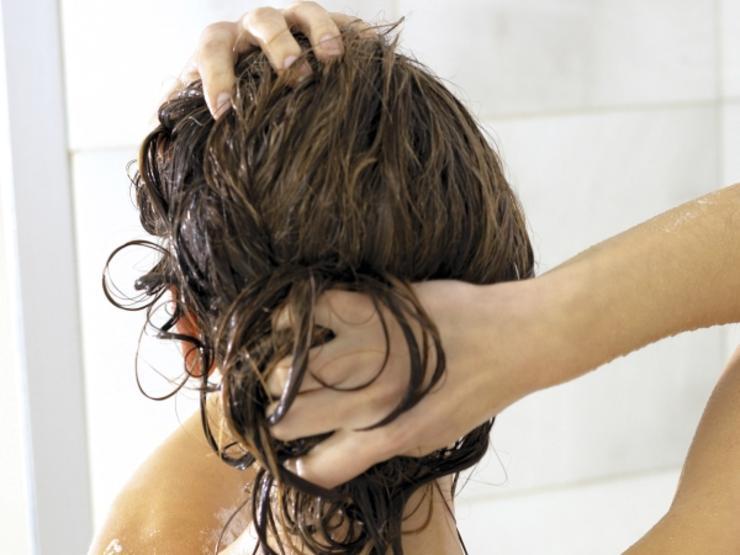
You’re halfway there every time you shampoo: massaging your head in the shower improves blood flow to the scalp. This means a better environment for hair growth, but it also aids the penetration of any treatment shampoos you use.
Styling
It’s the easiest fix you never considered. Hair dryers and irons, especially if you already color, can cause breakage and thinning, so reduce your use however you can.
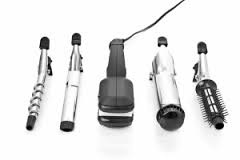
Minoxidil
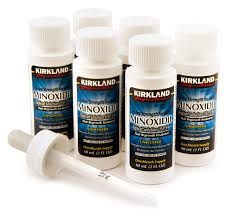
As the only FDA-approved proven ingredient, the drug has years of research to back it up—and about 50% of women using it see improvement. “Minoxidil can enhance the size of the follicle so that it produces a bigger strand of hair,” says Diane Shawe.
Try Pantene Expert Minoxidil Topical Solution Hair Regrowth Treatment for Women
Viviscal
Sometimes a supplement is all you need. The combination of fish protein, vitamin C, zinc, biotin, and niacin in Viviscal supplements encourages the body to produce healthier, thicker strands.
Blood Work
Routine blood work can test your ferritin (iron stored in the blood) and vitamin D. Low levels can lead to hair loss, and the fix may be as simple as adding an iron or vitamin supplement. And hey, you’re probably overdue for a checkup anyway!
Lasers
Laser treatments reduce the inflammation in follicles that inhibits them from regenerating. In a recent study, researchers saw significant increases in density after 26 weeks of twice-weekly treatments with a medical-grade lasers.
Stress Relief
Just breathe—seriously, it could help! Both sudden and chronic stress can halt hair growth. If you’ve been through a challenging experience (divorce, job change, death in the family or house move), hair should grow back. If you’re under constant pressure, master meditation—easier said than done, but your hair will thank you.
Hormone Help
If it’s serious, consider an Rx. Some women are genetically predisposed to female-pattern hair loss, and birth control pills can suppress overproduction of male hormones. At menopause, thinning increases; if you’re on hormone therapy, it may minimise hair loss.
Cortisone Shots
They hurt, but they work. lnjecting cortisone directly into the scalp blocks the hormonal activity that induces hair thinning. This works especially well in patients with inflammatory scalp disease. However this should be done by a qualified practitioner.
Bad Blood?
According to practitioners of traditional Chinese medicine, hair health is tied to two things: kidney energy and the blood, which nourish the hair. The solution: acupuncture and Chinese herbs.
The Doctor Will See You Now
Every once in a while, hair loss is a symptom of something else that’s going on with your body. If your hair loss is sudden and excessive or simple solutions aren’t working, talk with your doctor about other possibilities, including:
Hormone irregularities
Thyroid abnormalities
Lupus
Anemia
Change your hairstyle
There are some hairstyles that contribute to hair-loss and thinning hair.
Very tight cornrows for instance can cause traction alopecia. Try avoiding tight cornrows or heavy braids on thin hair.
Other techniques used in styling such as glues. nickle micro rings and clip ins can also irritate the scalp and inflame the hair follicles resulting in hair loss.
It is also worth considering the type of hair extensions being used as some wigs and braiding hair can cause irritation because the user has a nylon allergy.
Diane Shawe Author of Getting Started in the hair extension business
Thinning hair help
Whilst your hair brush seems like it is packed with more and more loose strands of your hair or an ever-scrawnier ponytail can be startling but doesn’t necessarily mean anything’s wrong. By age 50, half of women will complain of hair loss. “As we age, overall hair density changes and individual strands become finer,” says dermatologist Doris J. Day. But just because thinning is natural doesn’t mean you have to accept it. Here are 12 solutions to help you keep the hair out of your brush and on your head.
Meals
Now, this is easy! Hair thrives on protein, iron, zinc, and vitamin B12. Get them from lean meats, leafy greens, nuts, beans, and fish.
Massage
You’re halfway there every time you shampoo: massaging your head in the shower improves blood flow to the scalp. This means a better environment for hair growth, but it also aids the penetration of any treatment shampoos you use.
Styling
It’s the easiest fix you never considered. Hair dryers and irons, especially if you already color, can cause breakage and thinning, so reduce your use however you can.
Minoxidil
As the only FDA-approved proven ingredient, the drug has years of research to back it up—and about 50% of women using it see improvement. “Minoxidil can enhance the size of the follicle so that it produces a bigger strand of hair,” says Diane Shawe.
Try Pantene Expert Minoxidil Topical Solution Hair Regrowth Treatment for Women
Viviscal
Sometimes a supplement is all you need. The combination of fish protein, vitamin C, zinc, biotin, and niacin in Viviscal supplements encourages the body to produce healthier, thicker strands.
Blood Work
Routine blood work can test your ferritin (iron stored in the blood) and vitamin D. Low levels can lead to hair loss, and the fix may be as simple as adding an iron or vitamin supplement. And hey, you’re probably overdue for a checkup anyway!
Lasers
Laser treatments reduce the inflammation in follicles that inhibits them from regenerating. In a recent study, researchers saw significant increases in density after 26 weeks of twice-weekly treatments with a medical-grade lasers.
Stress Relief
Just breathe—seriously, it could help! Both sudden and chronic stress can halt hair growth. If you’ve been through a challenging experience (divorce, job change, death in the family or house move), hair should grow back. If you’re under constant pressure, master meditation—easier said than done, but your hair will thank you.
Hormone Help
If it’s serious, consider an Rx. Some women are genetically predisposed to female-pattern hair loss, and birth control pills can suppress overproduction of male hormones. At menopause, thinning increases; if you’re on hormone therapy, it may minimise hair loss.
Cortisone Shots
They hurt, but they work. lnjecting cortisone directly into the scalp blocks the hormonal activity that induces hair thinning. This works especially well in patients with inflammatory scalp disease. However this should be done by a qualified practitioner.
Bad Blood?
According to practitioners of traditional Chinese medicine, hair health is tied to two things: kidney energy and the blood, which nourish the hair. The solution: acupuncture and Chinese herbs.
The Doctor Will See You Now
Every once in a while, hair loss is a symptom of something else that’s going on with your body. If your hair loss is sudden and excessive or simple solutions aren’t working, talk with your doctor about other possibilities, including:
Hormone irregularities
Thyroid abnormalities
Lupus
Anemia
Change your hairstyle
There are some hairstyles that contribute to hair-loss and thinning hair.
Very tight cornrows for instance can cause traction alopecia. Try avoiding tight cornrows or heavy braids on thin hair.
Other techniques used in styling such as glues. nickle micro rings and clip ins can also irritate the scalp and inflame the hair follicles resulting in hair loss.
It is also worth considering the type of hair extensions being used as some wigs and braiding hair can cause irritation because the user has a nylon allergy.
Want more information and a free consultation email hairextensions@europe.com
Hair Extensions have been trending from Hollywood red carpets, Global awards through to a local person within your inner circles for the past 15 years. Why?
Celebrities on Red carpets and magazines have normalised hair extensions. Hair extensions has been a trending topic among many women as youtube has helped catapult the good, bad and ugly of the fake it market. But is it all vanity vanity as some parts of the media suggests?
It is arguable that the main reason for the popularity of hair extensions is that one can get instant gratification. That extension adds to the thickness and fullness of your hair in a shorter period of time than waiting for your hair to grow.
Beauty Confidence Boosters: Hair Extensions
As a woman, confidence is in constant flux. We all have those days that we just feel great. Our skin is glowing, our eyeliner went on just right, and our hair is lying the right way. And then we have those weeks where we just feel like our look has passed its expiration date. We “need a change.”
There spot lighthe seems to be forever turned on and time is now a precious commodity.
Hair Extensions
So for some women this is a no-brainer. If you’re tired of your hair style and sick of waiting for your hair to get to the length you want, sick of chemicals, sick of thin lack lustra hair? then with over 16 different hair extensions techniques there is bound to be one technique that can help achieve their goal.
For instance Clip in hair extensions are very popular and operate with pressure-sensitive clips, you can apply these for everyday use or special occasions but they must not be worn for over 5 hours per day These products will give you the ultimate beauty boost, allowing you to defy biology and get the thick, long locks you’ve always wanted.
It is claimed that the extensions can add up to 10-inches 0-inches of hair to an individual which would translate to an awesome look.
Beauty Confidence Hair Extensions Busters:
Incorrectly applied hair extensions can damage hair
Well we have all heard and seen the desaster stories. This is not unique to this industry but the self taught by youtube suppliers have given the industry a bad name and scared quiet a few women forever!
I’ll fitted hair extensions or even using the wrong technique can traumatised a person far worse than their original hair problem. It can also lead to clients loosing their hair as a result.
Getting you qualified in the Hair Extension Sector
There isnt a internationally recognised directory for qualified and properly trained hair extensions technicians but there are reputable private training schools which could point you in the right direction.
Diane Shawe is an author of 15 books, speaker, trainer, mentor, consultant and entrepreneur with more than 25 years of experience. She has personally trained over 2800 people around the world in a variety of fields and has published a number of works. She has contributed to over 100 Kiva Entrepreneur’s around the world.
She was also one of the producers of a Day time Ladies Talk Show in 2015 and Host of one of the UK’s best loved Annual Hair Extensions Awards.
Diane also enjoys oil painting, sailing and clay pigeon shooting. She focuses on topics that she is passionate about in her writing and has attracted over 36,000 followers on her popular blog.
Media Contact
Company Name: AVPT Short Courses (Hair Extensions Training Academy)
Contact Person: Diane Shawe MEd
Email: Send Email
Phone: +44 208 1333120
Country: United Kingdom
Website: http://www.hairextensionstraining.academy
In business, there are no guarantees. There is simply no way to eliminate all the risks associated with starting a small business – but you can improve your chances of success with good planning, preparation, and insight.
Like you I Never Thought I Could answer 77 questions that would help me avoid business failure – But I Finally Discovered The Secret! Here’s How… Are you really ready? Is Entrepreneurship For You?
Are you the right person for the business you have chosen?
I would advise you don’t skip the 77 questions, why? Well it would be like short changing your potentially new clients.
So persevere, some you will answer quickly, others you will need to do a little research, but believe it, it’s worth it, you will be clearer and more focused about what you are going to do.
Is the product assembly line based or individually customized?
What are the health and safety concerns in producing this product?
Who are your suppliers and how long have they been in business?
How many sources of suppliers are there?
Currently, are there any shortages in components?
How old is your company’s equipment?
What is the yearly maintenance costs?
I recommend you get a little notebook and start working on each question. For those you cannot answer a specific question, stop do some research, find the answer and make a note.
This is also an invaluable exercise if you are already in business, it can help you clarify where you are today and help you plot where you need to get too and how to do it.

 What Causes Water Retention and How to Avoid It













































You must be logged in to post a comment.