Tag Archives: diane shawe

Managing Pressure and Maintaining work balance

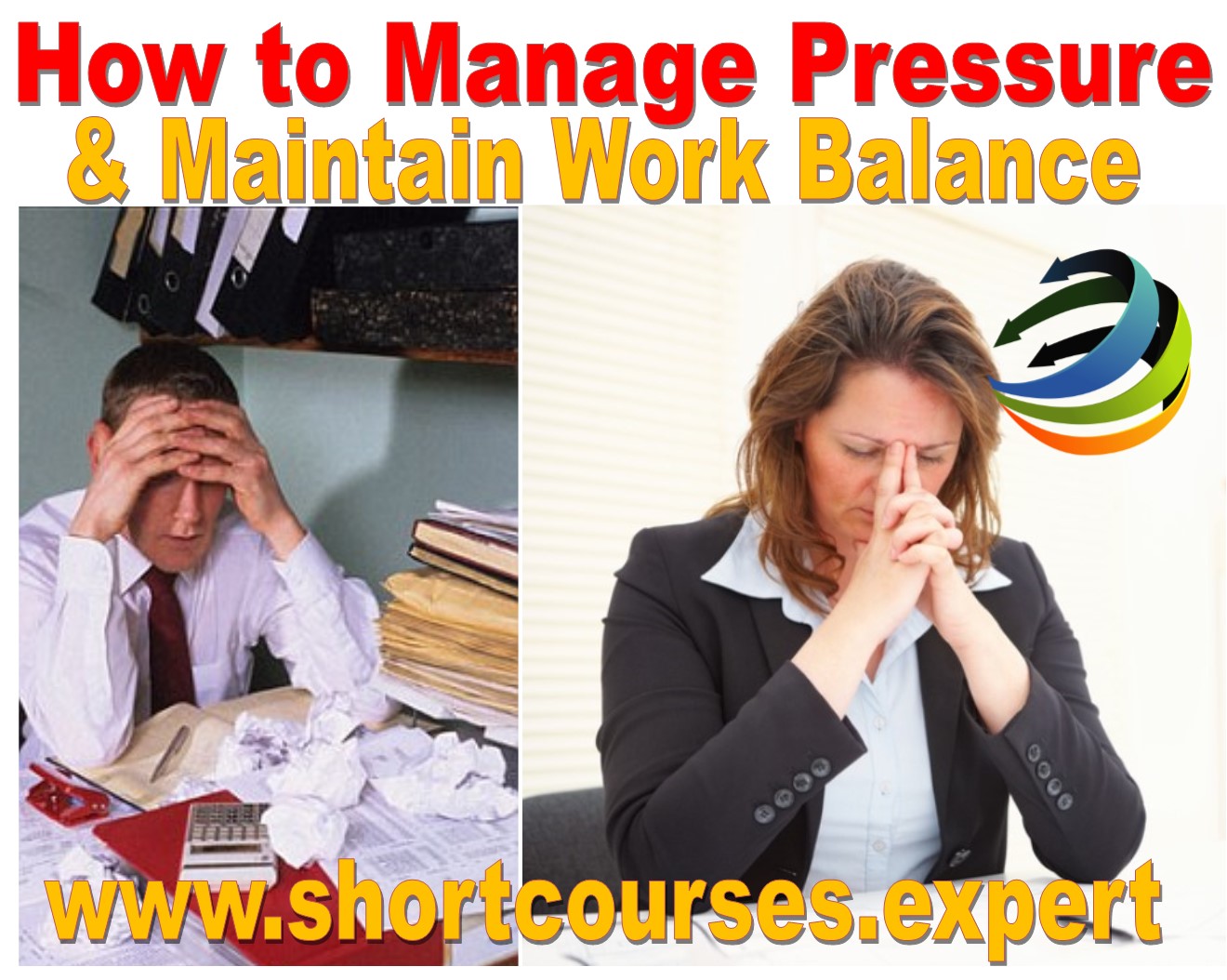
How to manage pressure at work 1 day course

When things are extremely busy at work and you have your hands full with many tasks and dealing with difficult people, having skills you can draw on are essential for peace of mind and growth. This one-day course will help participants understand the causes and costs of workplace pressure, the benefits of creating balance, and how to identify pressure points. They will also learn how to apply emotional intelligence, increase optimism and resilience, and develop strategies for getting ahead.

This one-day workshop will help participants learn how to:

  • o   Apply a direct understanding of pressure points and their costs and payoffs
  • o   Speak in terms related to emotional intelligence, optimism, and resilience
  • o   Create a personalized toolkit for managing stressors and anger
  • o   Work on priorities and achieve defined goals

 Cick to book your seat now.

Course Overview

You will spend the first part of the day getting to know participants and discussing what will take place during the workshop. Students will also have an opportunity to identify their personal learning objectives.

Under Pressure!

To begin the course, participants will explore the causes and costs of workplace pressure as well as the benefits of creating balance. Participants will also learn what their pre-assignment score means.

Getting to the Heart of the Matter

Next, participants will learn how to identify their pressure points and create an action plan to manage them. They will also learn some tips for facing problems and when to seek help.

Emotional Intelligence

In this session, participants will learn about the seven human emotions and Plutchik’s wheel of emotions. They will also learn how to validate emotions in others, build optimism, and develop resilience.

Coping Toolkit

This session will give participants some ways to manage stress, cope with anger, and express themselves assertively.

Getting Organised

To wrap things up, participants will learn some ways to get organised and reduce pressure set up a action plan.

Workshop Wrap-Up

At the end of the course, students will have an opportunity to ask questions and fill out an action plan.

http://academyexpresscourses.com/2014/03/28/high-blood-pressure-hypertension-the-new-aids-epidemic/

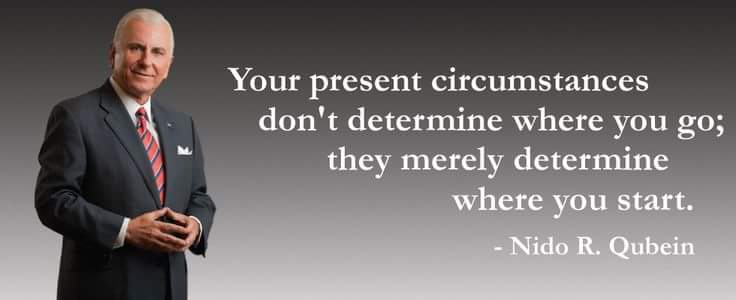
nido how to move forward

http://www.shortcourses.expert

0203 551 2621

How safe is your business, staff, customers and assets?

Deterrence through Preparedness Security Awareness Training Courses by Diane ShaweI am frightened by what has been happening recently and would like to help as many companies and business strengthen their security awareness by keeping busy instead of being scared.

article by Diane Shawe

The main purpose of this post is to see how I could contribute by bringing to your attention three courses that I have that could help your organisation keep it’s personnel, customers and assets as safe as possible.

I want to do something, and I hope you will help me to be of use in a time when we, the general public can only defend with preparedness.

No matter how large or small your company is, you need to have a plan to ensure the security of your personnel, customers, organisation and assets. Such a plan is called A Security Awareness Preparedness Scheme.

Whether yours is five or 200 pages long, whether you have 4 or 5000+ staff the process of creating a security program will make you and your team think holistically about your business or organisation’s security. A security awareness scheme provides the framework for keeping your company at a desired security level by assessing the risks you face, deciding how you will mitigate them, and planning for how you keep the program and your security practices up to date.

With no time to waste, now is the time to make that investment by training as many of your employees to become not just aware but knowledgeable about security practices.

Business disruption can be a very expensive experience and sometime hard to come back from. Download Course manual by clicking here

1. Why is security important?

Lapses in security places personnel, customers, assets, staff and property at risk.  Any responsible employer will wish to take all reasonable steps to protect the lives of its staff, customers and to protect its assets.

With the increasing serious and unanticipated security incidents recently this has also placed the provision of assistance at risk, with the danger that personnel, customers and assets, when assistance is needed in an emergency an overstretched team may be curtailed.  If personnel, customers and staff are aware of how to become more secure, they are able to do a more effective job in both awareness, prevention and bringing assistance to those who need it.

Getting the world back to work with skills we can trust

Keeping the workforce safe

Common protection measures which includes gates, guards, locks, alarms and safes are not enough to be relied on anymore.  Other protection measures are decided on according to the threat in each specific context and we are now in a new paradigm when information on the wider context will assist the working general public to become more vigilant and safe.

There may be some threats to personnel, customers and assets, organisation’s which do not arise from the local community at all.  These may include attacks from terrorist groups, whose decision-makers may be distant or even in a different country, orchestrating violence against personnel, customers and assets, and other organisation’s for political reasons.  If so, protection measures will need to take these threats into account and a higher degree of protection is necessary if the work is to continue.  In this case managers will usually consider whether the work should stop, either temporarily or permanently.

Download the Course Manual by clicking here

2.  Deterrence vs Awareness

Deterrence is a further security approach used by some organisations, notably the police and the military.  They deter attack by threatening retaliation against anyone who attacks them.  This is not an option available to personnel, customers, and localised organisations, whose principles forbid them to attack anyone, or to threaten attack.

The sole possible exception is when personnel, customers and organisation’s can become aware through training to heighten their levels of awareness.

1.2       Risk = Threat x Vulnerability

You may be able to do nothing about the level of threat around you, but you can probably do a great deal to reduce your level of vulnerability in two main ways:  To avoid getting into an accident for instance by:

  • Reducing the chances of an incident happening (e.g. by driving slowly, improving locks, or introducing a neighbourhood watch system)
  • Reducing the impact of an incident (e.g. by wearing seatbelts, or limiting the amount of cash held in the safe)

By reducing your vulnerability, you reduce the risk that the threat will become reality and have a serious impact on you and your business.  A major part of good security management is reducing vulnerability in every way possible.

Download the course Manual by clicking here


You can click here to enrol your company and staff.

Bad habits that damage Hair Extensions by Diane Shawe

BAD HABITS THAT DO YOUR HAIR AND HAIR EXTENSIONS MORE HARM THAN GOOD

article by Diane Shawe M.Ed

There are common habits we knowing do that damages our hair. For instance like using a flat iron at the highest possible tempreture that will surely harm your hair.

Less common however is ponytails, super tight buns or braids, the sun, birth control pills, hair extension glues and hair extension clips and micro rings made from Nickel.

Let’s first talk about using flat irons or curling irons. These man-made styling equipment are very drying to hair extensions and not to mention, harmful too hair. This is because the temperature and heat in the irons are to unreasonably hot for the hair so you end up cooking your delicate hair whilst drying it out at the same time.

using hot iron damages hair extensionsHair ironing will damage the state of your already process hair extensions. It does not just dry the hair from head to tip, it makes your hair become frizzy and hard to manage especially if the hair is blended you end up melting the synthetic bonded in with the real hair which become crinkly. Once hair extension becomes too damaged, it is very hard to rejuvenate them back as they were already ‘dead hair’.

Trimming or cutting the damaged hair will work, but then you end up losing the length of your hair extension which would have cost you a lot of money to install in the first place. Doing hair treatments is crucial to hydrating the hair.  Hair treatments such as oil treatments are good for your natural hair but can end up making hair extensions heavy, clumpy and then eventually matting by themselves.

Hair extension Clip-in can also damage your hair if left in for over 5 hours a day

Diet also plays a role in the health of your hair too. Eating too much food that has little or no beneficial nutrition to your hair will cause your hair to be brittle and weak. Foods with good source of omega-3 is good for your hair whilst your hair extensions require a good non oil based leave in conditioner twice a day to keep it hydrated.

Pick up a a copy today from Amazon

Pick up a a copy today from Amazon

Getting started in the Hair Extension business

If you want to find out more about becoming a hair extension consultant, hair loss consultant or hair extension trainer, download our course prospectus for more information about the Hair extension training academy.


How to become a Ace Networker by Diane Shawe

CPD FrameworkYou know, sometimes all you need is 20 seconds of insane courage.  Just literally 20 seconds of just embarrassing bravery.  And I promise you, something great will come of it.

Life is meant to be an adventure.

article by Diane Shawe M.Ed

If your life is anything less than interesting and inspiring to other people, you’re doing something wrong. The range of possible thrills and spills at your disposal is limited only by your imagination and the choices you make. You are not too old. You are not too young. You don’t need to wait until you get a promotion, Get that big deal, have a funny success story. You don’t need more savings. You don’t need to wait until you’re finished university. You don’t need to wait for a better time.

Right now is the only moment you ever have. You can apply this to so many aspects of your life. 

Don’t you hate when you’ve showed up at a networking event late or on your own and you’re the only person who isn’t part of the conversation? Every time you try to say something you seem to get interrupted or ignored; and the more you try to take part, the more awkward things get. So you stare off into space, pretend to watch something or pull out your mobile phone and act like you just got a text message.

Nobody enjoys being a networking wallflower. No matter how shy or introverted you claim to be, beyond our fragile, wounded egos, we all so badly want to be a part of the conversation, to be paid attention, to have as much fun as everyone else. Sitting on the side lines is just boring and uncomfortable.

Sometimes all you need is 20 seconds of insane courage.

You reduce your nerves by mastering your start. This is essential because people can get so nervous before a communication that they:

  • Don’t make a good job of it.  For example, their presentations become a robotic read-through of boring slides, with zero personality and charm;
  • Or don’t even do it at all.  For example, when people say “I’m just too busy to go to that networking event”, but really mean “I’m too nervous, so I’ve de-prioritised it”

Both are understandable.  You can often reduce or even eliminate your nerves when you know how to start.  After all, if you’re clear what your first three sentences are and, by clear, I mean you know them word-for-word – you know you’ll start well.  So you do.  And then things tend to go well through the rest of it.

Networking?  You only need to know (1) who you’ll approach and (2) what you’ll say when you do:

  • If you see someone you know and like, go up to them and say “hello”!
  • If you don’t know/like anyone, go to someone standing on their own and say “mind if I join you?”

You’ll choose your own opening lines of course.  But do choose them.  Don’t hope it will turn out well when it matters, because it probably won’t.  Or it won’t be as good as it could have been.  Or you won’t even do it.

The key to making the transition from networking wallflower to networking Ace is to develop strong social skills, a great opening 20 seconds and to go in with the right mind set. The art of talking to strangers is a learnable skill. Through practice, you can go from frustrated networker to choosing your own adventure, by taking massive action to meet new people. It is the core skill of moving from the social side lines to centre stage. If you go out to social gatherings, but are uncomfortable anywhere but in your tiny little bubble of friends, those fake text message moments are virtually guaranteed.

10 tips on becoming social media influencer by Diane Shawe

When you go networking, make it your goal to amuse yourself by exchanging energy with people. This is the state of mind from which your entire social experience will flow. Instead of hanging out, treat networking as an intense form of play. Striving for acceptance is torture. It turns you into an energy vampire and only further annoys people who already weren’t that interested in you. Instead of seeking others’ approval, become the CEO of your own networking environment. Invest your attention into only those people, places, and things that amplify your energy and show you a good time.

Don’t ask yourself what the world needs; ask yourself what makes you come alive. And then go and do that. Because what the world needs is people who have come alive.

Howard Thurman

Identify a communication you’re nervous about. Script, edit and practise how you’ll start. After that, it only takes 20 seconds of bravery and some planning.

Are you ready?

10 Secrets To How To Earn £4000 a month consistently And Start attracting high net work clients every month by Diane Shawe

Hair extension staff training (1)

Creative ways to find new customers

New IS MAKING A STATEMENT OR CREATING A SIGNATURE MORE IMPORTANT? We want to Help You Start attracting high net work clients every month…

Leaving your SIGNATURE as a professional is important if you want to leave a legacy and or be the trendsetter knowing who to work with and how to network is vital and important to your business growth and success.

Search for our bootcamps and we will let you into 10 secrets.   Click here to book your at one of our events.  https://www.signature-masterclasses.com

Learn the art of collaborations and branding. Hear from global Trend setters and designer about the correlation between the fashion world, hair and makeup.

Network and meet your future industry colleagues

HAIR EXTENSIONS THE WAY FORWARD

LEARN HOW TO CONSISTENTLY ATTRACT THE RIGHT TYPE OF CLIENTS AND TURN THEM INTO YOUR NET WORTH BUSINESS IN HAIR EXTENSIONS

It is estimated that the UK and European market for Hair Extensions, Makeup and cosmetics is worth a staggering 400 billion per annum of which the majority expenditure comes from around 20% of the population. WHY because 80% of the female population around the world do not wear makeup or Hair Extensions.

The growing Hair extension and Makeup industry has paved the way to one of the greatest opportunity for Experts in that field to expand their businesses.  Evidence is everywhere that marketers of this segment are dominating retail sales and targeting women with hair and skin problems,

Just check out these stats below:

  • 7 BILLION PEOPLE IN THE WORLD
  • 60 MILLION IN UK
  • £400 BILLION SPENT WORLD WIDE ON COSMETIC
  • 80% OF THE FEMALE POPULATION DO NOT WEAR MAKEUP
  • THE COSMETIC INDUSTRY IN UK WORK APPROX 17 BILLION
  • AVERAGE WOMEN SPENDS 200 PER YEAR ON MAKEUP
  • AVERAGE WOMEN SPEND 600 PER YEAR ON HAIR EXTENSIONS
  • AVERAGE MAKEUP PRODUCT IS MANUFACTURED TO LAST ONE YEAR
  • AVERAGE HAIR EXTENSIONS PRODUCT LAST APPROX 4 MONTHS
  • WOMEN TEND TO KEEP THEIR MAKEUP PRODUCT ON AVERAGE 3 YEARS
  • WOMEN TEND TO CHANGE THEIR HAIR EXTENSION EVERY 4 MONTHS
  • 70% WOMEN DO NOT KNOW HOW TO LOOK AFTER THEIR SKIN
  • 80% WOMEN DO NOT KNOW WHICH HAIR EXTENSION TECHNIQUE IS BEST FOR THEIR HAIR
  • GIRLS FROM THE AGE OF 7 ASPIRE TO WEAR MAKEUP
  • WOMEN FROM THE AGE OF 30 NEED HAIR ENHANCEMENT
  • 90% OF MAKEUP ARTIST ATE NOT COMFORTABLE DOING MAKEUP THAT IS NOT THEIR OWN SKIN COLOUR
  • 90% OF PROFESSIONAL HAIRDRESSERS DO NOT KNOW HOW TO APPLY MORE THAN 3 HAIR EXTENSION TECHNIQUES

WHAT DO YOU PICK UP FROM THESE FACTS?

Just Imagine Being Able To:

  • Provide an addition premium Hair Extension & High profile in under 3 hours
  • Stop having to send on average 4 clients a month away who would spend on average £250 each on hair extensions
  • Introducing a hair extension technique that uses No Glues, Threads or Cornrows and is good for business
  • Offering your current client a safe, non evasive and natural looking hair extensions
  • Being able to help clients with real hair problems and seeing them leaving your salon with a smile
  • Beign able to help clients with all types of skin tone and issues and leaving your salon with a smile

…And that’s just for starters!

Check out our Main website for more details on other conference http://www.signature-masterclasses.com download the latest prospectus here

1 start a hair extension business earn 1000 with 6 clients by diane shawe


Getting started in the hair extension business by Diane Shawe

Starting a Hair Extension business by this ebook from amazon.Co. uk

THE THREE REASONS COMPANY STORIES FALL SHORT OF EXPECTATIONS

Develop your interviewing skills

Develop your interviewing skills

The company story is a composite of how you represent yourself to employees, supplier, customers, and the general public.

It is tied closely to your reputation, reinforced by your integrity, and defined by your behavior. Your story is the essence of who you are, what you believe in, and how you act out your character in a business play. Think of your story as if it were presented in a theater. Your story can be a comedy, a tragedy, or a musical. There will be a cast of characters, some good, others not so good, each telling their own version of the story.
article by Diane Shawe

Most organisations are in trouble because their main characters in the play, the managers or owners, tell stories that don’t  hang  together. Three problems are associated with their composite company story. First, the story is badly told; second, it is not acted out in a coherent manner; and third, it doesn’t ring true. The sales department is living one story while operations follows a different theme. Finance has its own world while marketing occupies still another cloud. Is it any wonder employees are confused? They seem to be working for different companies simultaneously.

When a Story Is Badly Told

A badly told story has its roots in an incomplete business plan. Most organisations have bits and pieces of the items making up the plan. Managers are usually proud they have a philosophy statement posted in the lobby. They point in triumph to the value statements listed in the company literature. Somewhere you will be shown a vision. Each of these elements is appropriate and necessary in both a well-constructed business plan and an authentic story.

If a single element is missing from the plan, the story is incomplete. The danger of an incomplete story is evidenced when the flaws show up in execution of the plan. An incomplete business plan results in a frag- ile document presenting a story that doesn’t ring true. An incomplete model implodes.

When there is no vision statement for instance in a story. any well-written plan with all the pieces will not stack up if the vision portion is lacking.

Time management Mindfeed 4 by Diane ShaweWhen the Story Pieces Don’t Add Up

Failure to virtually linked to the elements  also contributes to an incomplete story. Because the parts and pieces are not interconnected there is no coordinated, disciplined implementation. It is possible to actually have the elements working against each other. For example, values may contradict the philosophy. The vision and mission could be disconnected. Principles could be developed that cancel each other. These disconnected behaviors cause customers and employees to hold the company management suspect. They sense something is not right or it is just not working.

When the Story Isn’t Believable

Another equally fatal flaw in telling a story is to be incongruent. For example, you claim to love customers then treat them badly. You claim to value employees yet they become targets of opportunity for reengineering or down sizing, even in good times. You profess to provide the best products in your industry yet they don’t work as advertised.

People are astute and getting smarter especially with the powerful smartphone in the palm of their hands. They pick up on the fact you don’t live your own company hype. Your story simply isn’t believable. Consider public awareness of a company’s environmental protection position. Let one incident occur then watch the media have a field day with the inconsistencies. Politicians suffer the same fate when they make public promises they cannot keep. They become inconsistent with their story, telling each special interest group what the group needs to hear.

The Antidote to a Badly Managed Story

There is an antidote for a badly managed story. The key is building a congruent story by eliminating the very issues that create incon- gruence. The first step is to get a business plan in place. To do it as defined in this text, you will be forced to deal with the key planning elements as discrete elements and then again as an integrated framework. This is the only known process to make the message authentic, congruent, and believable.

Being authentic requires truth and hard work. It requires an acknowledgment of who you really are in terms of what you believe in, how you behave, and what you expect. If yours is a lethargic organisation, don’t claim high performance. Being authentic means identifying all the problems in your system, communicating to employees that you know the problems, and finally telling them how you intend to fix those problems. Everyone must share this hard work across the range of business activities and down the management structure. Everyone must participate in careful organisational analysis and the required actions to fix the problems.

Being congruent requires constant vigilance on the part of the whole management team. This means you must do what you say— every single time. There are situations where you will slip. Honest mistakes are okay. Employees do not expect their management to be perfect. They do expect them to live up to their word and match word and deed.

Reaching a state where you and your management team are believed is a journey with history working against you. A mis management example made public doesn’t help your case. Building trust to counter this history is not an overnight event. After your story is completed, communicated, and demonstrated you will experience hesitance and resistance from employees. They won’t be quick to jump on your train. There will be a test period to see if you really meant what you said or if this was simply an annual pep talk from upper management. Remember two points: Employees have heard it all before, and actions speak louder than words.

Are you focused, productive, transactional or inspirational? by Diane Shawe

shortcourses expert bannerBeing busy isn’t the same as being productive, but how do you assess what you need to do to improve both your productivity and your staff?

Would an online Personal Training Need Analysis that takes about 10 minutes help?

Then  CLICK HERE TO TRY ONE FREE Personal Training Needs Analysis and in as little as two hours you can judge for yourself if it would be of use in your business.

Would it help if you could find out how to get the best out of your employees?

Would it help to be able to speed up Pre-Interview selections, Staff Appraisals, Training Needs, Personal Development, Management Selection, Team building and any of those otherwise expensive long winded, time consuming and expensive process?

Well click on our complimentary link to see how it works, I promise you will not be disappointed.

What most people, employers, entrepreneurs and even some educational institutions do not have in today’s current environment is time, the necessary resources and the infrastructure they need to support and achieve learning objectives cost effectively.

Out with the Old in with the new but who is going to be ready at the ‘Start Line’ with all the right tools to assist with the new Continued Competences?

We can offer a person centric online Personal Training Needs analysis tools and  reports to aid in the development of any individuals or organisations growth. The profiles and learning programmes are designed to help reduce risk and to create action and results.  Goal setting is no good without implementation.

We invite you with our compliments to click and complete 10 simple questions and we will send you back a report so that you can see how it works and give us your feedback.

In order to better identify and appraise an individual to pinpoint specific training needs, the Speed of Implementation and adaption to change will confirm who gets ahead or sustain growth by using technology to help with self appraisal, self reflection and personal development.

However, the new skill set or competencies, aims to define the standards needed to enter, compete and remain in the profession which mainly comprise of the following:

  1. Ethics, professionalism and judgment;
  2. Financial Literacy and Technical ability;
  3. Managing yourself and your work;
  4. Working with other people.

That said, in order to meet these new core competencies, individuals and organisations will be required to undergo a process of self-reflection through a high-level Personal Training learning needs analysis to identify their own learning gaps; as well as identify gaps specific to those needed by the organisation they work with. Ideally, this process will be recorded and accompanied by an evaluation of the success of the learning completed and ultimately, organisations will be required to make an annual declaration that they have considered and taken action to address Point of Need training.

We look forward to your feedback once you get your free report back and then maybe we can discuss the speed of implementing this process throughout your business or consulting services.

Just click here now and in just 10 minutes you would have completed 10 questions and we will send you back the results.


Why strategies for modernising corporate learning should focus on learning outcome cover by diane shawe


“The only thing worse than training people and having them leave, is not training them and having them stay”


What do we do..

We specialise in resourcing short courses via a pre-populated LMS solution for Point of Need Training via mobile devices so that all different levels of staff can access training whilst on the move using their own device supported by one off our virtual tutors to help them complete their online 4 weeks course.

12 Do’s and Don’t Tips For Getting And Keeping High-Net Worth-Clients by Diane Shawe

Hair Extension and Makep masterclasses Diane ShaweThere are just over 500,000 millionaire households in Britain, more than in any other European country but fewer than in China, Japan and of course the US.

article by Diane Shawe M.Ed and Eryca Freemantle

As for billionaires, the UK has 1,044 and is second only to the US, though as we all know most of those billionaires are people who made their money elsewhere and then moved to the UK, rather than the home-grown variety.

Worldwide there were 16.3m millionaire households at the end of last year, up from 13.7m at the end of 2012.

Those are three of the conclusions from the latest study by Boston Consulting Group of global wealth – it does it every year and 2013 was notable as the rich got quite a lot richer.

Total global private wealth grew by 14.6 per cent to reach $152bn, the two main drivers being the rise in equity markets and the continuing strong economic growth in the emerging world. The region in which wealth grew fastest, unsurprisingly, was the Asia-Pacific. Since the financial crisis China has passed both Germany and Japan in terms of total household wealth.

So with all that pool of statistics, how do you go about bagging a High Networth Client and keeping them?

  1. Do work at Knowing the trends and your product.When selling a product or service to an athlete or celebrity, it’s all about referrals. You won’t get far going directly to the client, Instead, you need to build relationships with trusted sources of the client. For example, find a way to connect with an agent or financial advisor. If you can get these people sold on you, you have a much better chance of getting a referral.
  2. Don’t Scream – No need to scream. Stay cool, calm and collected. After all, they are human.
  3. Do learn to get around the gatekeeper.To approach a client’s trusted sources, you have to find a way in. Social media makes it easier than ever to find connections, but the power of the phone is still the better route, but you need to plan what your going to offer. Remember the gatekeeper can also get bombarded by lots of enquiries every day on social media so be smarter and look at how you can develop  point 7
  4. Don’t say “OMG” – Some people say “Oh my God” to everything, you sound juvenile
  5. Do try and beat the receptionist to the office. A little clever secrets is to make early morning phone calls, before the office opens. If the company has a dial-by-name directory, you can often catch the person you want to reach at their desk, especially if their name is on the door. You’d be amazed at who picks up the phone at 5:30 a.m.”
  6. Don’t Stare: Its rude and frightening
  7. Do try to stand out.When you’re selling a commodity such as makeup, you’re working with the same inventory as every other artist. That means your value comes from standing out.No matter what your industry, work on developing your qualifications and personality, Have an excellent commitment to client, and find a niche and exploit it.
  8. Do not ever say – “I love You” Do you know how silly you sound?  They will no doubt think your crazy
  9. Do say a memorable ‘thank you.’ Often people do things prior to selling to be remembered, but often when you get the sale, doing a memorable thank you can result in other referrals coming your way.
  10. Don’t take Photos –  Do not take photos of them while working on them without asking their permission
  11. Do have a higher mission.It’s not always about making money just to pay your bills, giving back can also encourage high net worth clients feel good about working with you and support any project that is dear to your heart and help people or animals around the world.
  12. Don’t Cry – Professionals do not cry on the job- especially for nothing
Want to learn how to earn £4000 a month?

Want to learn how to earn £4000 a month?

Creating a Win Win situation is not just about Selling

Negotiations outside the box

Negotiations outside the box

Keeping an Open Mind

article by Diane Shawe M.Ed

Have you ever started working on a project and had someone come along with an idea you never thought of that made the project much better? Perhaps it sped up the process, gave it much more depth or meaning, or led to a richer result in some way.

If you were closed-minded about the project, you would not have even noticed that someone came to you with a better suggestion. Being open-minded, however, allowed you to recognise the value and merit of someone else’s ideas, and voila! Things worked out much better than you had ever imagined.

When you apply open-mindedness to negotiating, it helps to support your flexible and adaptable nature. For example, perhaps you set your mind to negotiate the best price you can, but your counterpart approaches you with a better price than you had imagined as your benchmark. If you are open-minded, you hear what your counterpart proposes. If you are closed-minded, you are so focused on the outcome that you might not hear what they offer at all, and you may actually negotiate yourself a weaker deal.

Not every negotiation is about reaching a win-win solution. Sometimes, not everyone can win. For example, when an organization is preparing to downsize, the employees may be looking for the most benefit they can get, but they know that they will not have a job in the end. In collaborative negotiations, your real objective is to reach the best possible result for all parties. This might include some compromise, and should always involve working toward relationships.

Long Term and Short Term Relationships

CPD FrameworkWhen you consider relationships in negotiating, the length of the relationship is very important. If you are negotiating with someone that you will never see again, and with whom you have no investment, go ahead and put everything on the table. This would be the case if you were bargaining about a one-time purchase (such as furniture or a television from a commission based salesman, for example). In many cases, however, you may be looking at a much longer-term relationship. In the case of labour negotiations, many unions have strong negotiators who work with them for many years.

The union negotiators are skilled professionals, and they may approach your meetings very confident that they, themselves, will be around much longer than the current group of managers and negotiators that the employer has. If you are an employer negotiator, you will want to consider the long-term effects of the relationship that you foster, as well as the specific terms that are agreed upon. Expect, for example, that if you are currently negotiating wage or benefit rollbacks, the union is going to be very resistant, and that if you are successful in negotiating those reductions, the union is going to negotiate their reinstatement at the next round.

Labour negotiations are about long-term relationships. Consider also that the terms that you bring up in this kind of negotiation will have a long lasting effect on the company and its employees. The union knows this too, and that it is important to realise that the negotiations are a part of a long-term relationship that can be strengthened or damaged by the results of the negotiations that you are taking part in.

When you are thinking in terms of relationships, be ready to leave some items on the table. That means that some items that you thought were important may not be considered in this round of negotiations. This is one of the times when detaching yourself from the outcome is important; there will be other opportunities to work with this contract or similar ones again, and those may be the times that you will be able to bring those other items to the fore.

← Back

Thank you for your response. ✨

Warning
Warning
Warning
Warning

Warning.

branding-mindfeed-ebook-by-diane-shawe
About the Author

Diane Shawe is a speaker, trainer, mentor, consultant, entrepreneur and author with 15 published titles on Amazon.   With more than 25 years of experience. She has personally trained over 2800 people around the world in a variety of fields and has published a number of works. She has contributed to over 100 Kiva Entrepreneur’s around the world.

She was also one of the producers of a Day time Ladies Talk Show in 2015 and Host of one of the UK’s best loved Annual Hair Extensions Awards.

Diane also enjoys oil painting, sailing and clay pigeon shooting. She focuses on topics that she is passionate about in her writing and has attracted over 36,000 followers on her popular blog.

Media Contact
Company Name: AVPT Short Courses
Contact Person: Diane Shawe MEd
Email: Send Email
Phone: +44 208 1333120
City: London
Country: United Kingdom
Blog Website: http://www.academyexpresscourses.com
Training http://www.hairextensionstraining.academy

Diane Shawe’s eBooks are available on Amazon right now at: https://www.amazon.com/Diane-Shawe/e/B0052WG8V6

Diane Shawe Social media links http://www.phollo.me.com/expresscourses


How can prisoners improve if the internal educational system fails them? by Diane Shawe

Michael Gove short courses expert blogPrison education must improve, Michael Gove says, failures were “indefensible”

article by Diane Shawe

Education in prisons must be overhauled in order to tackle a “persistent failure to reduce re-offending”, the justice secretary is to say. Michael Gove stressed in a speech that helping prisoners become literate and numerate makes them “employable”.

Diane Shawe states “The only thing worse than training prisoners and having them stay, is not training them and having them leave”

Whilst the Prison Governors Association welcomed the proposals, as usally after making no practical contribution to change in terms of prisons education,  raised concerns about how changes would work in practice.

Earlier this week, chief inspector of prisons Nick Hardwick said the government’s “rehabilitation revolution”, launched five years ago at the outset of the coalition, had not even started.

He said in his last annual report that prisons were in their worst state for a decade and some jails were “places of violence, squalor and idleness”.

Prison education, work and re-offending

  • £145m spent every year in England and Wales on prison education
  • 95,300 offenders over 18 were in education in 2013/14
  • Almost half of adult prisoners re-offend within one year of their release
  • 60% re-offend if they serve sentences of less than a year
  • Two-thirds of offenders under 18 re-offend within twelve months of release

In his first speech on the issue since being appointed as justice secretary in May, Mr Gove is expected to say that society is collectively to blame for the failure to “redeem and rehabilitate” offenders, and he will call for an end to the “idleness and futility” of prison life.

The justice secretary says he wants to look at “earned release” for offenders who are committed to education and gain qualifications that are respected by employers.

prisons reoffending and education by diane shaweIf prisons moved to such a system, it would be a major change from the current policy under which most prisoners are automatically released on licence at the halfway point of their sentence.

Juliet Lyon, director of the Prison Reform Trust, said: “The challenge now is to translate this marked new reflective tone set by the Justice Secretary into sensible policy and to create a just, humane and effective penal system.”

Educating prisoners can turn them into “contributors to society”

“No government serious about building one nation, no minister concerned with greater social justice, can be anything other than horrified by our persistent failure to reduce re-offending,” Mr Gove is expected to say at the event in London, hosted by the Prisoner Learning Alliance.

“In prisons there is a – literally – captive population whose inability to read properly or master basic mathematics makes them prime candidates for re-offending.

“Ensuring those offenders become literate and numerate makes them employable and thus contributors to society, not a problem for our communities.

Diane Shawe CEO of Express Training Courses (AVPT short courses Ltd) is concerned that once again emphasis is placed on numeracy and literacy which failed most of them at school and not enough critical thinking is placed on providing life skills and soft skills.

Gove states “The failure to teach our prisoners a proper lesson is indefensible. I fear the reason for that is, as things stand, we do not have the right incentives for prisoners to learn or for prison staff to prioritise education. And that’s got to change.”

Mr Gove is also expected to use the speech to propose giving governors more control and rewarding them if offenders do well.

He will say that one of the “biggest brakes on progress” in all prisons is the “lack of operational autonomy and genuine independence enjoyed by governors” – who are often set very tight criteria on how prison life should be managed.

“Yet we know from other public services – from the success of foundation hospitals and academy schools – that operational freedom for good professionals drives innovation and improvement. So we should explore how to give governors greater freedom – and one of the areas ripest for innovation must be prison education.”

It is about time we had some proper joined up thinking, Gove as usual like to deal with the problem straight on whilst some around him loves to keep the mother of all restriction and red tap rolling even when they can see there is no progress.

What do we do..

We specialise in resourcing short courses via a pre-populated LMS solution for Point of Need Training via mobile devices so that all different levels of student can access training whilst on the move using their own device supported by one off our virtual tutors to help them complete their online 4 weeks course. We also specials is short intense classroom style training with student manuals and supportive adult educational material for Learning by Doing in a range of Soft Skills courses.

Source: http://www.bbc.co.uk/news/uk-33554573  17th June 2015