Category Archives: learning management systems

12 Do’s and Don’t Tips For Getting And Keeping High-Net Worth-Clients by Diane Shawe

Hair Extension and Makep masterclasses Diane ShaweThere are just over 500,000 millionaire households in Britain, more than in any other European country but fewer than in China, Japan and of course the US.

article by Diane Shawe M.Ed and Eryca Freemantle

As for billionaires, the UK has 1,044 and is second only to the US, though as we all know most of those billionaires are people who made their money elsewhere and then moved to the UK, rather than the home-grown variety.

Worldwide there were 16.3m millionaire households at the end of last year, up from 13.7m at the end of 2012.

Those are three of the conclusions from the latest study by Boston Consulting Group of global wealth – it does it every year and 2013 was notable as the rich got quite a lot richer.

Total global private wealth grew by 14.6 per cent to reach $152bn, the two main drivers being the rise in equity markets and the continuing strong economic growth in the emerging world. The region in which wealth grew fastest, unsurprisingly, was the Asia-Pacific. Since the financial crisis China has passed both Germany and Japan in terms of total household wealth.

So with all that pool of statistics, how do you go about bagging a High Networth Client and keeping them?

  1. Do work at Knowing the trends and your product.When selling a product or service to an athlete or celebrity, it’s all about referrals. You won’t get far going directly to the client, Instead, you need to build relationships with trusted sources of the client. For example, find a way to connect with an agent or financial advisor. If you can get these people sold on you, you have a much better chance of getting a referral.
  2. Don’t Scream – No need to scream. Stay cool, calm and collected. After all, they are human.
  3. Do learn to get around the gatekeeper.To approach a client’s trusted sources, you have to find a way in. Social media makes it easier than ever to find connections, but the power of the phone is still the better route, but you need to plan what your going to offer. Remember the gatekeeper can also get bombarded by lots of enquiries every day on social media so be smarter and look at how you can develop  point 7
  4. Don’t say “OMG” – Some people say “Oh my God” to everything, you sound juvenile
  5. Do try and beat the receptionist to the office. A little clever secrets is to make early morning phone calls, before the office opens. If the company has a dial-by-name directory, you can often catch the person you want to reach at their desk, especially if their name is on the door. You’d be amazed at who picks up the phone at 5:30 a.m.”
  6. Don’t Stare: Its rude and frightening
  7. Do try to stand out.When you’re selling a commodity such as makeup, you’re working with the same inventory as every other artist. That means your value comes from standing out.No matter what your industry, work on developing your qualifications and personality, Have an excellent commitment to client, and find a niche and exploit it.
  8. Do not ever say – “I love You” Do you know how silly you sound?  They will no doubt think your crazy
  9. Do say a memorable ‘thank you.’ Often people do things prior to selling to be remembered, but often when you get the sale, doing a memorable thank you can result in other referrals coming your way.
  10. Don’t take Photos –  Do not take photos of them while working on them without asking their permission
  11. Do have a higher mission.It’s not always about making money just to pay your bills, giving back can also encourage high net worth clients feel good about working with you and support any project that is dear to your heart and help people or animals around the world.
  12. Don’t Cry – Professionals do not cry on the job- especially for nothing
Want to learn how to earn £4000 a month?

Want to learn how to earn £4000 a month?

Creating a Win Win situation is not just about Selling

Negotiations outside the box

Negotiations outside the box

Keeping an Open Mind

article by Diane Shawe M.Ed

Have you ever started working on a project and had someone come along with an idea you never thought of that made the project much better? Perhaps it sped up the process, gave it much more depth or meaning, or led to a richer result in some way.

If you were closed-minded about the project, you would not have even noticed that someone came to you with a better suggestion. Being open-minded, however, allowed you to recognise the value and merit of someone else’s ideas, and voila! Things worked out much better than you had ever imagined.

When you apply open-mindedness to negotiating, it helps to support your flexible and adaptable nature. For example, perhaps you set your mind to negotiate the best price you can, but your counterpart approaches you with a better price than you had imagined as your benchmark. If you are open-minded, you hear what your counterpart proposes. If you are closed-minded, you are so focused on the outcome that you might not hear what they offer at all, and you may actually negotiate yourself a weaker deal.

Not every negotiation is about reaching a win-win solution. Sometimes, not everyone can win. For example, when an organization is preparing to downsize, the employees may be looking for the most benefit they can get, but they know that they will not have a job in the end. In collaborative negotiations, your real objective is to reach the best possible result for all parties. This might include some compromise, and should always involve working toward relationships.

Long Term and Short Term Relationships

CPD FrameworkWhen you consider relationships in negotiating, the length of the relationship is very important. If you are negotiating with someone that you will never see again, and with whom you have no investment, go ahead and put everything on the table. This would be the case if you were bargaining about a one-time purchase (such as furniture or a television from a commission based salesman, for example). In many cases, however, you may be looking at a much longer-term relationship. In the case of labour negotiations, many unions have strong negotiators who work with them for many years.

The union negotiators are skilled professionals, and they may approach your meetings very confident that they, themselves, will be around much longer than the current group of managers and negotiators that the employer has. If you are an employer negotiator, you will want to consider the long-term effects of the relationship that you foster, as well as the specific terms that are agreed upon. Expect, for example, that if you are currently negotiating wage or benefit rollbacks, the union is going to be very resistant, and that if you are successful in negotiating those reductions, the union is going to negotiate their reinstatement at the next round.

Labour negotiations are about long-term relationships. Consider also that the terms that you bring up in this kind of negotiation will have a long lasting effect on the company and its employees. The union knows this too, and that it is important to realise that the negotiations are a part of a long-term relationship that can be strengthened or damaged by the results of the negotiations that you are taking part in.

When you are thinking in terms of relationships, be ready to leave some items on the table. That means that some items that you thought were important may not be considered in this round of negotiations. This is one of the times when detaching yourself from the outcome is important; there will be other opportunities to work with this contract or similar ones again, and those may be the times that you will be able to bring those other items to the fore.

← Back

Thank you for your response. ✨

Warning
Warning
Warning
Warning

Warning.

branding-mindfeed-ebook-by-diane-shawe
About the Author

Diane Shawe is a speaker, trainer, mentor, consultant, entrepreneur and author with 15 published titles on Amazon.   With more than 25 years of experience. She has personally trained over 2800 people around the world in a variety of fields and has published a number of works. She has contributed to over 100 Kiva Entrepreneur’s around the world.

She was also one of the producers of a Day time Ladies Talk Show in 2015 and Host of one of the UK’s best loved Annual Hair Extensions Awards.

Diane also enjoys oil painting, sailing and clay pigeon shooting. She focuses on topics that she is passionate about in her writing and has attracted over 36,000 followers on her popular blog.

Media Contact
Company Name: AVPT Short Courses
Contact Person: Diane Shawe MEd
Email: Send Email
Phone: +44 208 1333120
City: London
Country: United Kingdom
Blog Website: http://www.academyexpresscourses.com
Training http://www.hairextensionstraining.academy

Diane Shawe’s eBooks are available on Amazon right now at: https://www.amazon.com/Diane-Shawe/e/B0052WG8V6

Diane Shawe Social media links http://www.phollo.me.com/expresscourses


Clip in hair extensions can cause traction alopecia if worn for over 5 hours a day by Diane Shawe

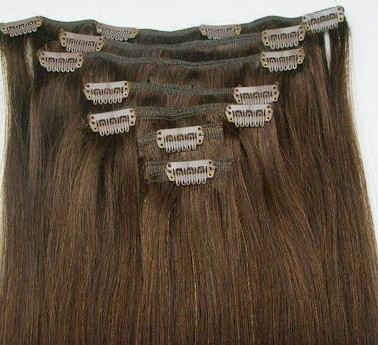
Nickle Clips can irritate the scalp

Nickle Clips can irritate the scalp

If nickle clip-in extensions are continually worn and the tension on your hair is not regularly alleviated, scarring can occur as well as permanent hair loss, leaving the wearer with a less then desirable appearance they’ll be forced to deal with for the rest of their lives.

article by Diane Shawe M.Ed

Almost all of these clips are made from nickle and if the wearer is allergic to nickle, wearing them for over 5 hours a day will eventually cause traction alopecia and scarring.

In today’s modern society, most people think only of the final appearance of their hair.

backcombing-to-Attach-Clip-in-Hair-Extensions-causes-traction-alopecia-diane shaweHours spent back combing and coating the scalp with lots of hair spray so that the clips can stay in longer, or even wearing really heavy hair extensions caused by the length of the hair purchased continually irritates the scalp all day whilst at the same time slowly pulling the hair out of it’s follicles.

Cheryl Guttman (2) research found that the continual over processing with Chemical treatment such as bleaches, dyes, or strengtheners disrupts the keratin structure in a manner that reduces its tensile strength.

traction_alopecia_caused_by_hair_clipin_diane_shaweThe hair follicles can become fragile. At first the hair fall out is not so noticeable because the clip on extensions are disguising it. Add brushing and combing your hair, you will note a difference in the reduced thickness of your hair line but ignore it initially. Later on some people might experience heavy fall out which can occur with brushing, combing and washing your hair. On top of that using extreme heat to fashion each day can also permanently damage the hair follicle.

If detected early, traction alopecia is reversible if diagnosed early. However, permanent loss can occur too slowly for immediate detection. Hair loss is often occurs in the front, but is also subject to the immediate adjacent area to where the clip in extension were pulling and damaging the hair root.

According to Basil M Hantash, MD, PhD (1)  The sad truth of the matter is that permanent traction alopecia does not respond to medical treatment such as minoxidil or finasteride since by its nature, the loss is different then genetic hair loss.

The only way one can treat traction alopecia is with transplants. Follicular unit hair grafting has been identified as the only practical solution to treating traction alopecia. Hair transplant clinics are reportedly seeing a rise in the number of patients with traction alopecia and say the results can be good to excellent.

nickle-clipins-damage-scalp-diane shaweHowever this can be a costly approach especially whilst clip in extensions appear so cheap. What you have to consider is whether wearing clip on extensions for over 5 hours a day versus the value of your own hair. Which is worth more?

There are over 16 different extension techniques. It is important that you find a technique that is suitable for your type and life style. There is a misconception that hair extensions can be worn permanently for up to 6 months at a time.

In today’s society, you need to hold on to what you’ve got, look after what you have and start being kinder to your hair.

Want to find out how to train to become a Hair Loss Hair Extension Consultant then click to view our course prospectus

Get your copy today from amazon.co.uk

Get your copy today from Get a copy of #DianeShawe latest ebook. Visit available on #amazon #amazonkindle and #googlebooks

Sources:
1. Basil M Hantash, MD, PhD, Robert A Schwartz, MD, MPH. (2005) Traction Alopecia, Emedicine.com

2. Cheryl Guttman, May 1, 2003 Alopecia Options for Black Women, Dermatology Times,

10 Tips for Becoming a Social Media Influencer by Diane Shawe

10 tips on becoming social media influencer by Diane ShaweAre you trying to become a social media influencer?

article by:

CEO at AVPT Ltd. Business Growth Training Provider & CPD Approved by SRA. Startup Loan Mentor

To be considered an influencer, people need to see you as a resource. Consider your audience and share content that they’ll find useful. Post original articles, plus posts from other trusted sources.

Publishing on social media is a great way to share expert knowledge and develop your influencer status.

In this article I’ll share ten tips that can help you become a social media influencer.

Discover ten tips for becoming a social media influencer.

1: Focus on one area and one specialism

To become an influencer, master a specific topic within your niche. If you cast your net too wide, it will be difficult to gain the level of knowledge necessary to be considered an expert.

If your goal is to be an expert in the digital space and become known as an influencer, there are plenty of things you can do to raise your profile. Develop your expertise and use social media to raise yourself to influencer status. To help you find your focus here are some points to consider.

What do you think?
What is your niche?
What platforms get the most engagement?
How have you developed your reputation as an influencer?
In what ways will you engaged your audience and shared your expertise

Either focus on one social media industry such as social media marketing or public relations, or on a single platform like Facebook, Twitter, LinkedIn, Pinterest or Instagram. The Vine is also good for short video clips from your Youtube account.

1: Master one topic to become a true expert.

Get your copy today from Amazon

Start small and learn as much as you can about your desired niche through research and experimentation. That way, you’ll be able to discover the ins and outs of your specialty and form your own ideas, as opposed to simply restating others’ opinions. This is a very important step on your way to influencer status.

Oh and try not to drill down too much in your articles, more and more people access using a mobile device so think about what you would want to see if it was you reading someone else’s blog.

2: Subscribe to Platform Blogs

Social media is unique because it is in constant flux. Stay on top of the latest platform updates, such as algorithm changes, new analytics and added features, as they can drastically change a social channel and the way it’s navigated.

Whether you want to be viewed as the authority on a social channel or a broader industry, read platform blogs regularly: Facebook, Twitter, LinkedIn, Pinterest and Instagram. There’s no better way to keep tabs on any social media channel.

3: Familiarise and Read Relevant Blogs Daily

In addition to platform blogs, read other information outlets to gain valuable insights into your niche. Study news, expert opinions and case studies that are published or shared by people you trust.

Makes subscribing to and reading multiple blogs easy.

By using a tool like Feedly to subscribe to a variety of relevant industry blogs, you will benefit from different viewpoints and helpful advice.

4: Do you use your Alert Settings?

Reading press releases, news alerts and relevant posts is key to staying informed. When you know what’s happening, you can keep your followers in the know.

Since it is impossible to keep track of all of the information from platform blogs and your favourite outlets, invest time into creating alerts directly related to your specialism. A couple of tools that make it easy to stay on top of relevant news are Google Alerts and Social Mention.

5: Populate Your Blog

There is nothing worse than a blog that is several weeks out of date! Write blog posts and publish consistently. You should shoot to publish at least two to three times each week.

To stay on track, create an editorial calendar and stick to it.

Partner with other influencers and reblog them. Interview them, (over the phone, on skype or send them 5 questions to answer. Invite them to contribute to your blog or run a promotion together that gets shared on everyone’s sites.

6: Publish on LinkedIn

In addition to your own blog, re-create your posts on LinkedIn’s publishing platform. Cut and paste your previously published blog posts and add a headline, image and keywords. (I hope you have a linkedin account)

Remember, people generally assume LinkedIn posts are only from the most influential thought leaders. Now, when people in your network and beyond see your articles on LinkedIn, it is likely they will view you as an authority too.

Share your knowledge and get noticed by publishing on LinkedIn.

Through its publishing platform, LinkedIn has created a prime opportunity for influencers to get noticed.

7: Use Sharing tools to share Valuable Content

I repeat again, share content. Once you’ve determined your focus and have implemented a system for keeping on top of the latest news and information within your niche, start sharing high-value influencer content with your audience via social media.

8: Seek out and Contribute to Other Sites

One of the quickest ways to gain influencer status is to contribute your unique content to other blogs and publications. Guest posting increases your visibility, bolsters your credibility and increases traffic to your own blog.

After your content is published, let people in your network know. Tweet a link, share it on Facebook, tell your other online communities and add it to your LinkedIn profile publications. Dare I say it but +google plus is fast becoming a really influential content showcase. Have you got your account set up yet?

9: Be Seen Engaging Online

To be an influencer, you need to be seen and also be engaging. Social media influencers regularly take part in relevant conversations across a variety of networks. Attend and participate in Twitter chats and webinars (and host Twitter chats too), answer questions on Quora and share ideas in LinkedIn groups. Be constructive and you don’t always have to be controversial for the sake of it.

10: Safeguard your Reputation

This area is not often looked at, getting misquoted, having the wrong type of media attached to your blog can often flag up in the search engine above all of your positive content.

Make sure you sign up to a online reputation notify. They are good because they sweep the internet each week and give you a report on any new content found linked to you or uploaded by you. I use www.naymz.com It’s worth becoming a premium user.

Sharing your knowledge is how you’ll truly stand out as an influencer.

How can we help?

We have a Social Media Course that you might find very beneficial. Visit www.shortcourses.expert or give us a call and we will send you the course outline. 0208 1333120

Download your free report on Strategies for Modernising Corporate Elearning by Diane Shawe

Why strategies for modernising corporate learning should focus on learning outcome cover by diane shawe