Category Archives: franchise Opportunity

From Installation to Maintenance: Mastering the Secrets of Stunning Hair Extensions” by Diane Shawe

Educational Content on Hair Extensions by Diane Shawe:

Hair extensions are a fantastic way to achieve length, volume, and versatility in your hairstyle, but they require proper installation, care and maintenance to ensure optimal results. Here are some key points to consider:

Mistakes:
1. Improper Installation: One of the most common mistakes is having extensions improperly installed, leading to discomfort, damage to natural hair, and a less-than-desirable appearance.
2. Neglecting Maintenance: Failing to follow proper maintenance routines, such as regular brushing, washing with sulfate-free shampoo, and avoiding excessive heat styling, can lead to tangling, matting, and premature shedding of the extensions.
3. Choosing the Wrong Type of Extensions: Selecting extensions that are not suitable for your hair type or lifestyle can result in discomfort, poor blending with natural hair, and difficulty styling.

Fears:
1. Damaging Natural Hair: Many individuals fear that hair extensions will damage their natural hair, either through excessive tension during installation, adhesive damage, or improper removal techniques.
2. Discomfort: Some people worry that hair extensions will be uncomfortable to wear, especially if they are heavy or if the installation method causes scalp irritation.
3. Visible Extensions: Another common fear is that the extensions will be noticeable or look unnatural, leading to self-consciousness and a lack of confidence in one’s appearance.


Desires and Results:
1. Length and Volume Enhancement: The primary desire when getting hair extensions is usually to achieve longer or fuller hair, enhancing overall appearance and confidence.
2. Seamless Blending: Clients want extensions that seamlessly blend with their natural hair, creating a cohesive and natural-looking hairstyle.
3. Effortless Styling: Ultimately, clients want hair extensions that allow for effortless styling, whether it’s curling, straightening, or simply wearing their hair in various styles without worrying about the extensions showing.

Frustrating Symptoms:
1. Tangling: Tangled extensions can be frustrating to deal with, causing discomfort and making it challenging to maintain the desired hairstyle.
2. Shedding: Experiencing shedding or hair loss with extensions can be alarming and frustrating, as it diminishes the volume and fullness of the hair.
3. Discomfort: Discomfort from wearing extensions, such as tightness, itching, or soreness, can detract from the overall enjoyment of having hair extensions and may even deter individuals from wearing them altogether.

By addressing these common concerns and providing education on proper installation, maintenance, and care techniques, individuals can enjoy the benefits of hair extensions while minimising potential drawbacks. It’s essential to consult with a professional stylist who specializes in hair extensions to ensure a positive experience and long-lasting results.


14 Popular Braiding Techniques in UK by Diane Shawe


Braiding hair is an ancient practice that dates back thousands of years, with evidence of its existence in various cultures worldwide. The exact origins are challenging to pinpoint, but braids have been found in archaeological artifacts from ancient civilizations.

Braiding has stood the test of time due to its practicality, versatility, and cultural significance. It can serve functional purposes like keeping hair neat and organized, as well as aesthetic and cultural reasons. Different societies and periods have embraced braiding for its beauty and as a form of self-expression.

Today, it remains popular for its ability to create diverse hairstyles and reflect cultural identity Box braids: These are the most common type of braids. They are created by dividing the hair into square sections and then braiding each section. Box braids can be done with natural hair or with extensions.

Cornrow braids


Cornrows: Cornrows are a type of braid that is created by braiding the hair in three sections. They can be done on natural hair or with extensions. Cornrows are a popular protective style for black hair Cornrows are Narrow, tight braids close to the scalp, often created in straight lines or intricate plaits.

Twist braids

Twists: Twists are a type of braid that is created by twisting the hair into two or three sections. They can be done on natural hair or with extensions. Twist Braid also known as (Rope Braid) Two or three strands of hair twisted around each other to form a rope-like braid. Twists are a popular protective style for black hair.

Three-Strand Braid (Regular plaiting): The most basic form, created by crossing three strands of hair over one another.

Plait braids


French Braid: A style where the hair is gradually incorporated into the braid as it progresses, typically along the centre of the scalp.


Dutch Braid (Inverted French Braid): Similar to a French braid but with the strands crossed under rather than over, creating a raised, 3D effect.

Fishtail braids

Fishtail Braid: A two-strand braid where small sections of hair are crossed over each other to create a textured, fishtail-like appearance.
Knotless braids

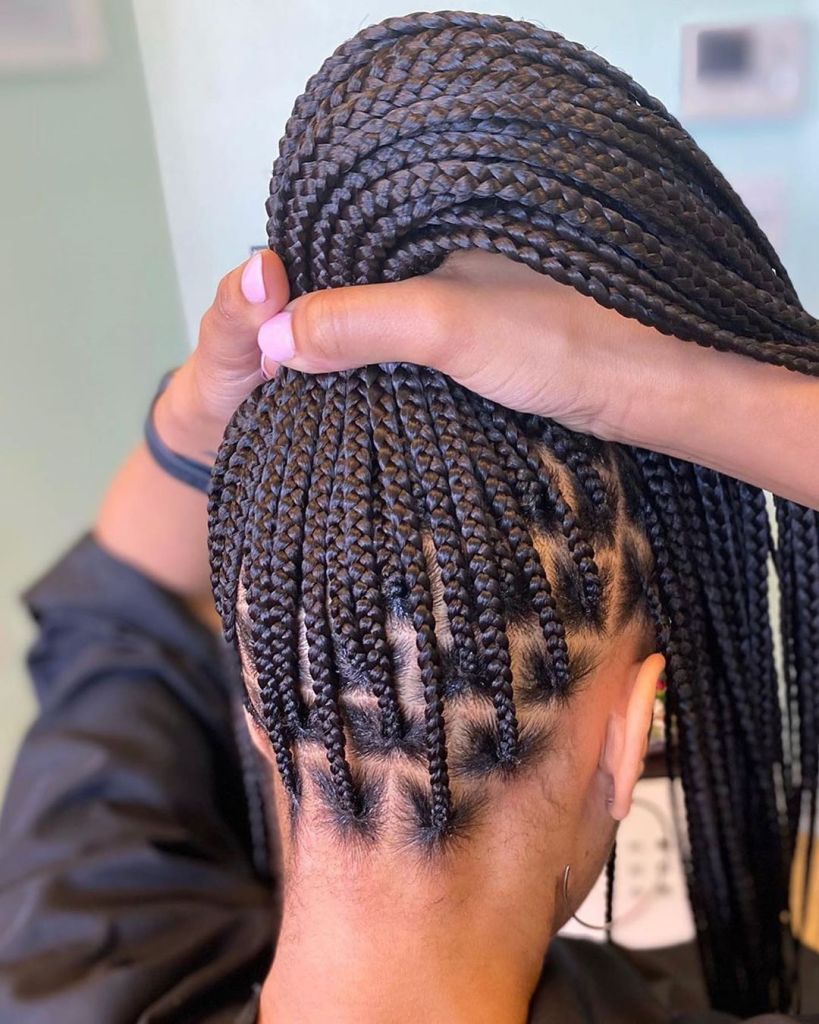
Box Braids: Long, small, and square-shaped braids plaits that are often used to create long styles that can be worn up or down. Can be done as micro or jumbo plaits.

Braids with beads

Feed-in braids: These braids are similar to box braids, but the hair is not divided into square sections. Instead, the hair is braided strand by strand, and the extensions are fed into the braid as it is being created. Feed-in braids are often considered to be less damaging to the hair than box braids
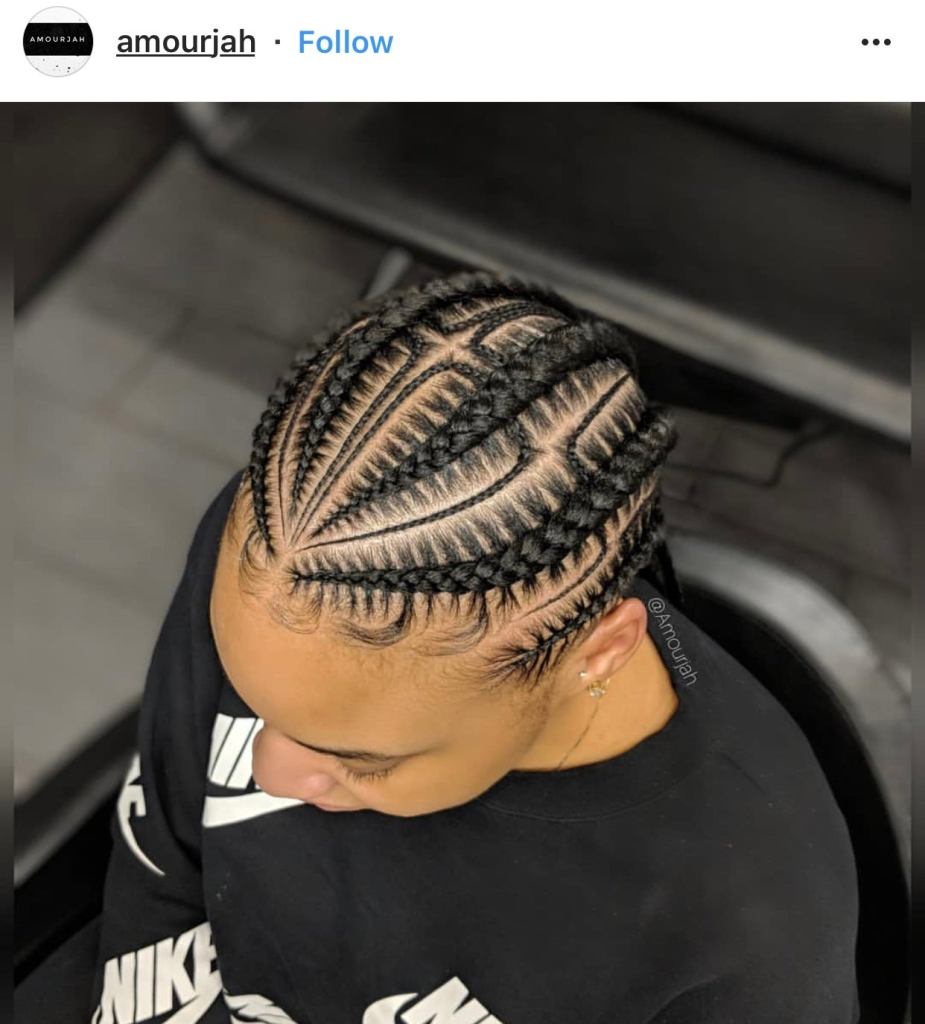
Feed in braids

Knotless braids: Knotless braids are a newer type of braid that is becoming increasingly popular. They are created by braiding the hair without using knots. This means that there is less tension on the hair, which can help to prevent breakage

Waterfall Braid: A braid where sections of hair are dropped to create a cascading effect, resembling a waterfall.

Waterfall braids

Herringbone Braid (Fishbone Braid): A braid that consists of two strands, with small sections of hair crossed over to create a herringbone pattern.
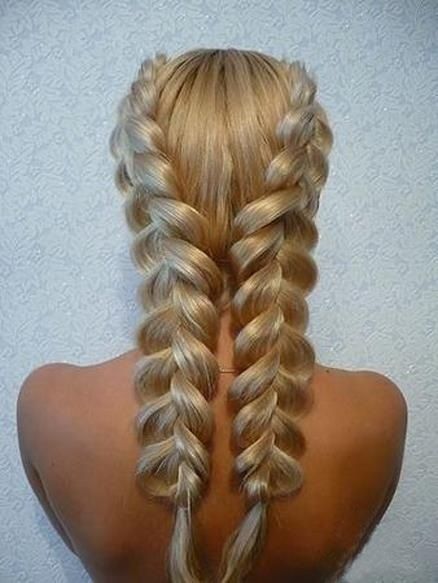
Herringbone braids

Milkmaid Braid: Two braids wrapped around the head like a crown, creating a regal and elegant look.
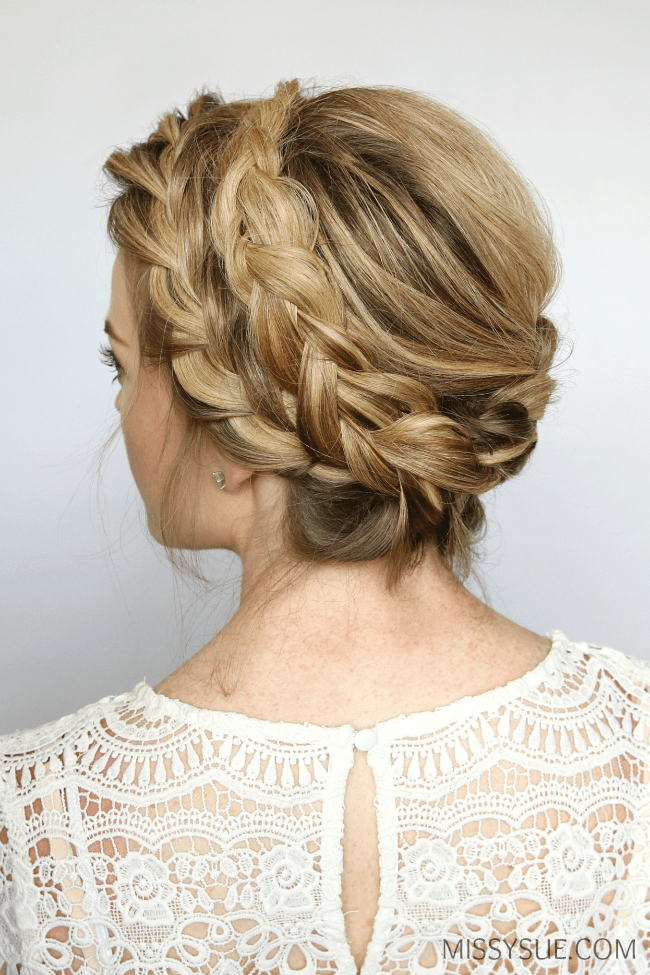
Milkmaid braids

Micro interlocking braids

Using the interlocking method to start microlocs is great for fine textured hair or for those that desire the smallest version of microlocs

Versatility: The small size of microlocs often creates hundreds of locs, which means that the styling possibilities are almost endless.

Neatness: Microlocs maintained with interlocking will stay neater for extended periods of time, compared to retwisting, because the sections are smaller, which means less frizz at the roots.

Fullness: Microlocs generally result in at least 150-300 locs, depending on the size of your head and which size of microlocs you chose, therefore they will instantly create fullness and volume.
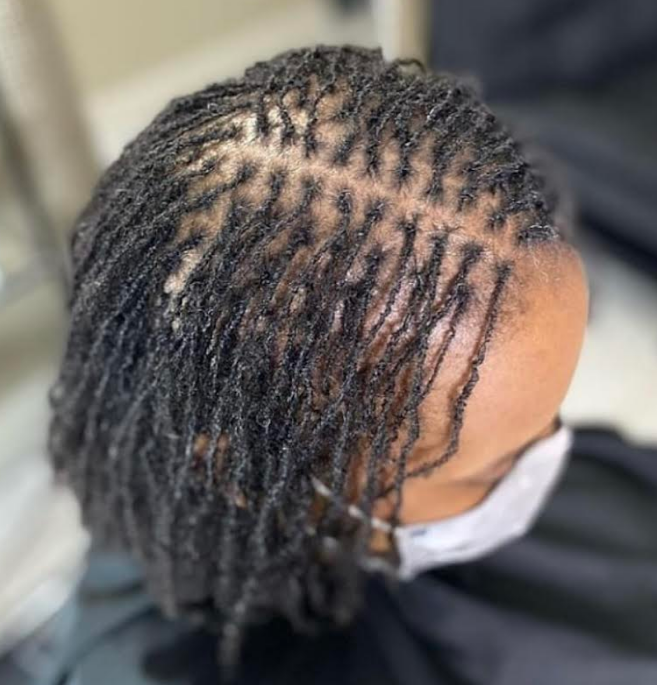
Micro interlocking braids

Crochet

You’ve probably heard of crochet braids, but how much do you really know about them? First things first, crochet braiding isn’t actually a ‘braiding‘ in the traditional sense, which is where some of the confusion around this style stems from.

Crochet braiding

Instead, it’s a process through which loose hair extensions are woven into cornrows using a crochet hook, giving the illusion of longer locks. The results are so natural looking that people won’t even suspect that you didn’t grow them yourself!

Other major advantages of crochet braid styles are that they take significantly less time to install compared to box braids (bonus!), and causes less strain on your scalp than sewn-in weaves, since the hair is looped onto existing braids. So, feeling inspired to take plunge? Then check out our favourite looks from Instagram, below!

These are just a few examples, and the world of braiding offers a wide array of styles, often influenced by cultural traditions and personal preferences.


Pros and cons of different braiding techniques

The pros and cons of different braiding techniques vary depending on the technique, but some general pros and cons include:

Pros:

• Braids can protect the hair from heat, humidity, and other environmental factors.

• Braids can help to stretch the hair, which can improve its texture.

• Braids can be styled in a variety of ways, which can give you a lot of versatility:

• Braids can be time-consuming to install and remove.

• Braids can be heavy, which can cause discomfort.

• If braids are done too tightly, they can cause hair breakage.

Which braiding technique is right for you?

The best braiding technique for you will depend on your individual hair type, preferences, and lifestyle. If you have delicate hair, you may want to choose a technique that is less damaging, such as knotless braids or twists. If you are looking for a style that is versatile and easy to maintain, box braids or cornrows may be a good option for you. Ultimately, the best way to decide which braiding technique is right for you is to talk to a hair stylist who can assess your hair and help you choose the best style for your needs.

https://www.needahairmakeover.com

Note

Some photos have been accredited to the artist as stamped on the image. We take no responsibility if these have been plagiarised by the name of the artist listed on them

Six Top Reasons Why a Franchise Discovery Day is Important

Some of the key reasons people are gravitating towards the franchise business model is because

A. Proven Success: Franchises often come with a track record of success. The business model has been tested and refined, reducing some of the inherent risks associated with starting a new business from scratch.

B. Brand Recognition: Franchisees benefit from the established brand and reputation of the franchisor, which can lead to a more rapid customer acquisition and trust-building process.

C. Training and Support: Franchisors typically provide comprehensive training and ongoing support to franchisees. This can include assistance with site selection, marketing, operations, and more, making it easier for individuals with little prior business experience to succeed.

But if the business itself is just rolling out it’s franchise model here are six reasons why a franchise discovery day is important when considering investing in a franchise like “Need a Hair Makeover,” an award-winning hair extensions and hair loss specialist salon:

1. In-Person Interaction: Discovery days allow you to meet the franchisor and their team face-to-face. This personal connection is crucial to assess the franchisor’s culture, values, and support.

2. Understanding the Business Model: You’ll gain a deep understanding of how the franchise operates, including the products and services offered, customer base, and revenue potential.

3. Assessing the Location:  Visiting a franchise location in person can help you evaluate its suitability and potential for success, considering factors like foot traffic and competition.

4. Meeting Current Franchisees: Interacting with existing franchisees can provide insights into the day-to-day challenges and benefits of running the business. You can ask questions and get a firsthand perspective.

5. Evaluating Training and Support: Discovery days often include discussions about training programs and ongoing support. This helps you determine if the franchisor provides the resources you need for success.

6. Legal and Financial Clarity:  You’ll have the opportunity to review the franchise agreement and financial disclosures, ensuring transparency and helping you make an informed investment decision.

Remember, a franchise discovery day is a crucial step in your due diligence process before committing to a franchise investment. It allows you to gather valuable information and assess whether the opportunity aligns with your goals and expectations.

It is also worth looking at why Hair and beauty franchises can be more successful than going it alone:

1. High Demand:** There is a consistent and often growing demand for hair and beauty services. People value looking and feeling their best, making these services a necessity for many.

2. Repeat Business: Hair and beauty services often require regular appointments, creating a loyal customer base that returns for ongoing treatments, such as haircuts, styling, manicures, and facials.

3. Brand Recognition: Established hair and beauty franchises often have recognizable and trusted brands. Customers are more likely to choose a well-known franchise over an unknown salon.

4. Training and Support: Many hair and beauty franchises provide comprehensive training and ongoing support to franchisees. This helps ensure consistent service quality and business operations.

5. Proven Systems: Franchises typically come with established business systems and processes, reducing the learning curve for new franchisees and increasing the chances of success.

6. Marketing and Advertising: Franchisors often invest in marketing and advertising campaigns that benefit all franchisees, helping attract customers to individual salon locations.

7. Economies of Scale:** Franchise networks can benefit from bulk purchasing, reducing the cost of supplies and equipment. This can improve profitability for franchisees.

N

8. Community and Networking: Franchise networks offer opportunities for franchisees to connect, share experiences, and learn from one another, creating a supportive community.

9. Specialisation: Some hair and beauty franchises focus on specific niches, such as hair extensions or skin care. Specialisation can attract a dedicated customer base and reduce competition.

10. Flexible Business Models: Hair and beauty franchises may offer various business models, including full-service salons, express salons, or mobile services, allowing franchisees to choose the one that suits their market.

11. Diversification: Some hair and beauty franchises offer a range of services, allowing franchisees to diversify their revenue streams and appeal to a broader customer base.

12. Trends and Innovation: Successful franchises often adapt to evolving trends and incorporate new technologies and techniques into their services, keeping them competitive in the market.

While these factors can contribute to the success of hair and beauty franchises, it’s important to note that individual success depends on various factors, including location, management, customer service, and marketing efforts. Thorough due diligence and careful consideration are essential when considering investing in any franchise.

Register at our forthcoming events https://www.hairextensionsfranchise.com