Monthly Archives: June 2025

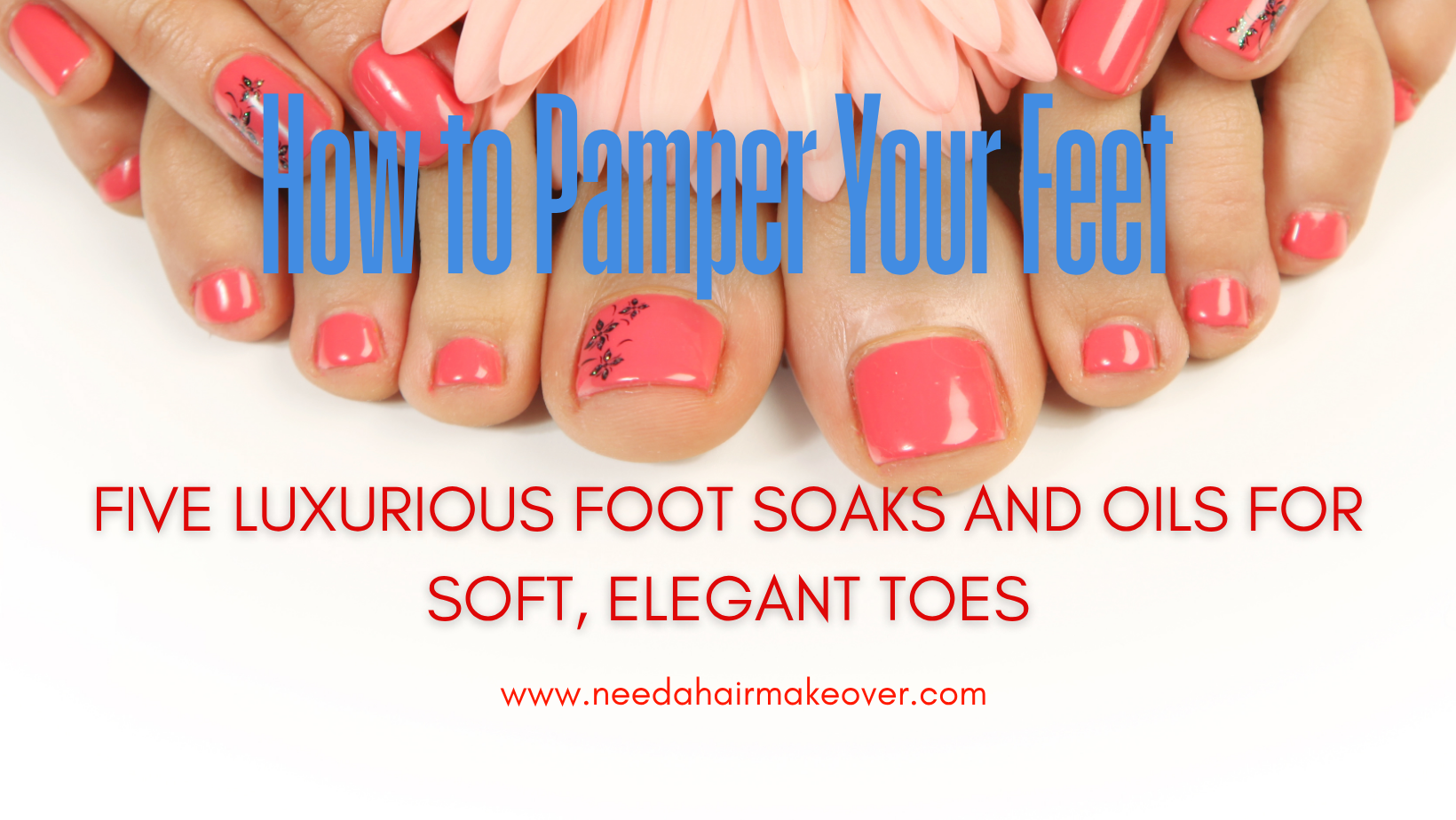
Pamper Your Feet: Five Luxurious Foot Soaks and Oils for Soft, Elegant Toes

Revitalise Your Routine and Step Out in Style

Our feet carry us through life’s journeys—whether it’s a dash to catch the morning train or a leisurely stroll through the park, they work tirelessly for us every day. Yet, how often do we show them the care and gratitude they truly deserve? If you’re longing for feet that are not only soft and elegant but also ready to shine in any season, you’re in the right place.

Dive into this relaxing ritual of five sumptuous foot soaks, each paired with a luxurious oil, and discover just how effortless it can be to give your feet the love they crave. And when you’re ready to take your routine to the next level, book a foot pedicure at needahairmakeover.com to experience pure pampering perfection.

  1. Lavender Epsom Salt Soak & Sweet Almond Oil
    There’s a reason lavender has remained a staple in spas across the world—it soothes both body and mind. Begin your journey with a classic lavender Epsom salt soak. Simply fill a basin with warm water, add half a cup of Epsom salt, and sprinkle in a tablespoon of dried lavender buds or a few drops of lavender essential oil. Let your feet soak for 15-20 minutes as the gentle scent calms your senses and the salts ease away aches.
    After drying your feet, massage in a generous amount of sweet almond oil. This lightweight, vitamin-rich oil absorbs quickly, leaving your skin silky-smooth without any greasy residue. Regular use helps soften calluses and encourages a radiant, healthy glow—perfect for showing off your feet in stylish sandals or strappy heels.
  2. Peppermint Tea Foot Soak & Coconut Oil
    For a refreshing pick-me-up, try a peppermint tea foot soak. Steep four peppermint tea bags in a bowl of hot water for ten minutes, then remove the bags and allow the water to cool to a comfortable temperature. The natural menthol in peppermint invigorates tired feet, reduces swelling, and helps banish odour. Soak your feet for 15 minutes and breathe in the energising aroma.
    Once your feet are dry, apply coconut oil liberally, focusing on heels and any rough patches. Coconut oil’s natural fatty acids provide deep hydration and protection against cracking. Plus, its subtle tropical scent lingers, transporting you to a mini paradise with every step.
  3. Rose and Milk Soak & Jojoba Oil
    Indulge in old-world luxury with a rose and milk soak. Pour two cups of warm whole milk into a basin, add half a cup of dried rose petals (or a few drops of rosewater), and swirl gently. The lactic acid in milk exfoliates dead skin, while rose soothes and hydrates. Soak for 20 minutes, and you’ll emerge with petals-soft feet and a sense of inner calm.
    Follow with a gentle massage using jojoba oil. This golden liquid is structurally similar to your skin’s natural sebum, making it perfect for deep, non-irritating moisturisation. It also helps to lock in moisture and enhance elasticity, giving your feet a refined, elegant appearance.
  4. Citrus and Sea Salt Soak & Olive Oil
    Brighten your mood and your feet with a zesty citrus and sea salt soak. Squeeze the juice of one lemon and one orange into a large bowl, add a handful of coarse sea salt, and fill with warm water. The natural acids from the citrus fruits gently exfoliate and lighten any dark spots, while sea salt purifies and refreshes.

    After your soak, use olive oil—one of nature’s oldest beauty secrets. Warm a little oil between your hands and massage thoroughly into your feet and ankles. Olive oil is loaded with antioxidants and vitamins A and E, which nourish the skin and promote a luminous, youthful look. Finish by slipping on a pair of cotton socks for at least 30 minutes to maximise absorption.


  5. Green Tea and Honey Soak & Argan Oil
    Harness the power of antioxidants with a green tea and honey soak. Brew two green tea bags in a basin of hot water, remove the bags, and stir in two tablespoons of raw honey. Let the mixture cool slightly, then soak your feet for 20 minutes. Green tea reduces inflammation and odour, while honey acts as a natural antibacterial and humectant, drawing moisture deep into the skin.

    To complete this ritual, apply a few drops of luxurious argan oil. Sourced from Moroccan argan trees, this oil is packed with vitamin E and essential fatty acids, making it ideal for overnight rejuvenation. Argan oil helps to repair cracked heels and soften tough skin, leaving your feet with a flawless, elegant finish.

    Aftercare Tips for Consistently Soft and Elegant Feet

    • Exfoliate weekly: Use a gentle foot scrub or pumice stone to remove rough skin and keep your feet smooth.
    • Moisturise daily: Always apply your chosen oil or foot cream before bed to lock in hydration.
    • Protect your feet: Wear comfortable shoes and breathable socks to prevent chafing and dryness.
    • Stay hydrated: Drinking plenty of water supports overall skin health from the inside out.
    • Book professional treatments: Treat yourself to a spa pedicure regularly for a truly indulgent experience.

    Ready to Step Up Your Foot Care?

    While these at-home soaks and oils offer a beautiful way to pamper your feet, nothing compares to the expert touch of a professional foot pedicure. At needahairmakeover.com, you’ll find skilled specialists ready to transform your feet with gentle care, nourishing treatments, and a dash of elegance. Give your feet the attention they deserve and walk confidently—book your foot pedicure today at http://www.needahairmakeover.com! Your next step will be your most beautiful yet.
Debunking the Myths: Is Synthetic Hair Really Carcinogenic?

By Diane Shawe, CEO of Need a Hair Makeover Hair Extensions & Hair Loss Specialist Salon
Author | Educator | Hair Extensions & Hair Loss Specialist

Recently, a viral video has sparked alarm by claiming that synthetic hair is carcinogenic. As a long-standing educator and practitioner in the hair industry—working with clients suffering from alopecia, stress-related hair loss, and chemotherapy-induced thinning—I feel it’s crucial to address this topic with fact-based clarity.

Here’s what you need to know before letting fear override science.

🧪 What is Synthetic Hair Made Of?
Synthetic hair is typically made from polymer-based fibers such as:

Modacrylic (a blend of acrylic and PVC)
Nylon (Polyamide)
Polyester
Acrylic fibers (PAN-based)

These materials are not unique to wigs. They’re used in clothing, carpets, medical-grade wigs, and even children’s toys. Once processed through polymerization, they become stable and non-toxic, posing no health threat under normal use.

⚠️ Understanding the Carcinogen Confusion
Some of the panic stems from misunderstanding the difference between raw chemicals and final products. For instance, acrylonitrile is toxic in its raw form—but when transformed into polyacrylonitrile fibers, it becomes chemically stable. This is standard chemistry, similar to how crude oil becomes safe plastic.

📌 Fact Check: If synthetic hair were genuinely carcinogenic, it wouldn’t be used for medical wigs worn by chemotherapy patients worldwide.

🔥 The Real Risk? Burning – Not Wearing
Like any material (cotton, wool, or even natural hair), synthetic hair can emit toxic fumes if burned. However, normal wear, heat styling within safe limits, or day-to-day usage poses no proven cancer risk.

The Consumer Reports test in 2023 found small traces of benzene and VOCs in some synthetic braiding hair brands, but:
The sample size was limited
It was not peer-reviewed
No clinical studies confirmed these materials cause harm when simply worn

💡 At Need a Hair Makeover, we educate our clients on safe heat usage and only source from high-quality suppliers.

🌍 The Environmental Factor
The real issue with synthetic hair is environmental, not health-based. Most synthetic hair is non-biodegradable, contributing to microplastic waste.

However, eco-friendly solutions are emerging:

♻️ Recycled synthetic fibers
🌿 Bio-based and plant-fiber blends
🧼 Wash-before-use practices to reduce residue exposure

As a specialist salon, we’re advocating for sustainability without shame.

📚 Further Learning from Diane Shawe
If you’d like to deepen your understanding of the hair industry, sourcing ethics, and protective styling care, explore my published works:

📘 Getting Started in the Hair Extensions Business – A practical guide to launching a successful salon or mobile business.
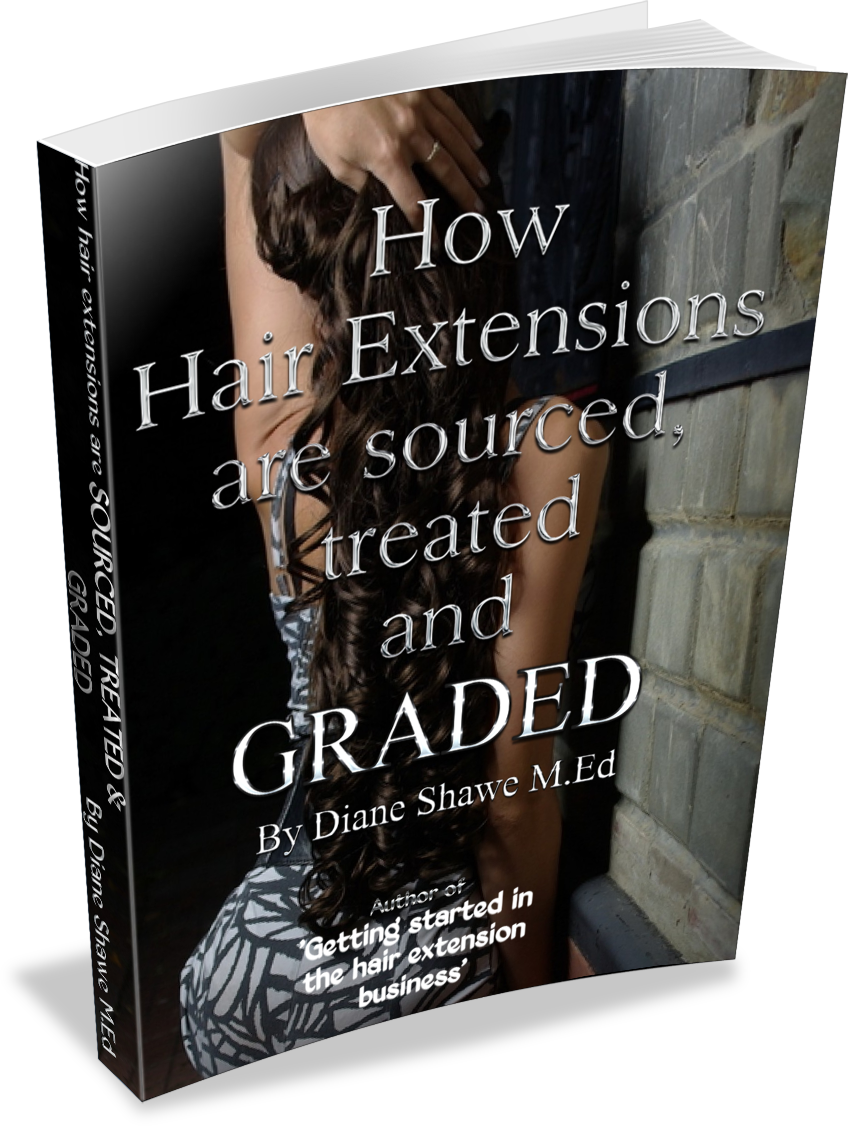
📗 1 – Exposing the global journey of human and synthetic hair.
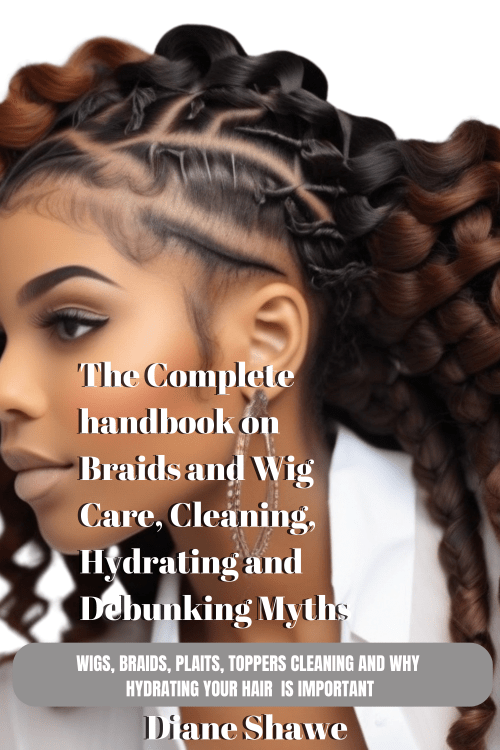
📕 The Complete Handbook on Braids and Wigs Care – From cleaning and hydration to protective techniques and myth-busting.
📙 How to Conduct Accurate Internet Research – Essential for separating truth from trending misinformation.

All available on Amazon.

🖥️ And be sure to follow my professional blog:
➡️ http://www.needahairmakeover.blog
Here, we regularly post updates on hair safety, trends, tutorials, and client education.

✅ I
While we should never ignore safety signals, it’s equally dangerous to accept viral claims as fact without scientific scrutiny. To date, there is no evidence that wearing synthetic hair causes cancer. Let’s be informed, not alarmed.

✨ Whether you wear synthetic hair for fashion, convenience, or necessity—you deserve to feel confident and safe in your choices.

Have questions or want expert advice on hair systems, wigs, or protective styling?
📩 Email me at needahairmakeover@gmail.com
🌐 Visit: http://www.needahairmakeover.com


Why Celebrities Choose Protective Hairstyles

With insights from Diane Shawe, Founder of Need a Hair Makeover Hair Extensions & Hair Loss Specialist Salon

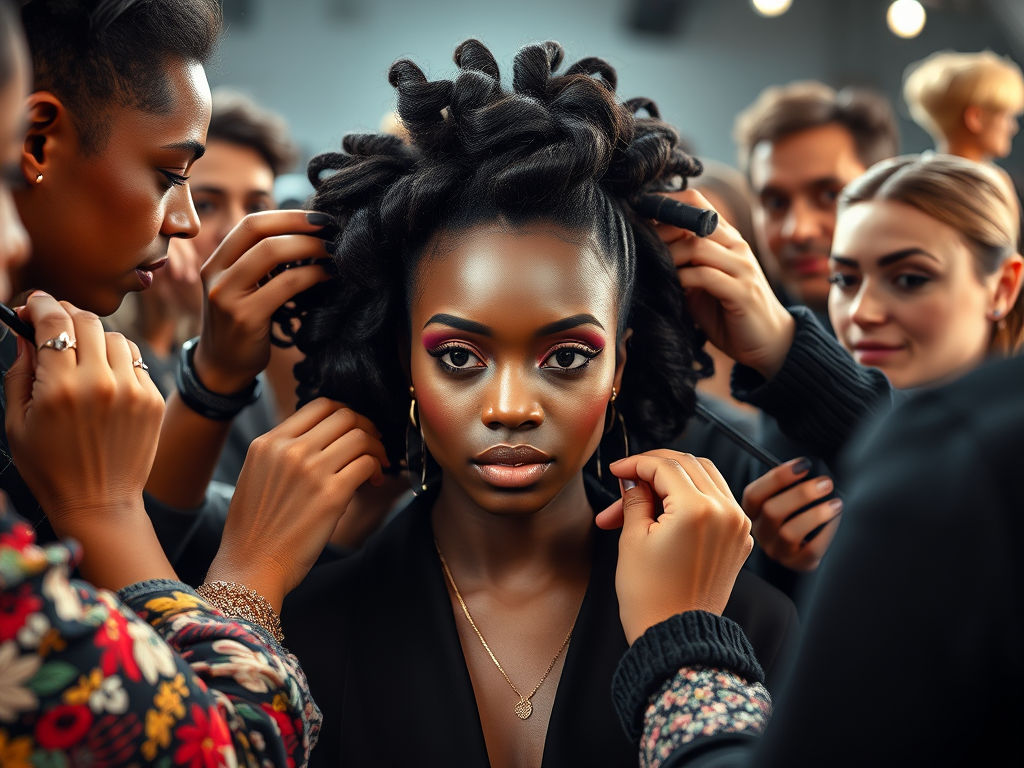
When you see celebrities like Zendaya, Issa Rae, Keke Palmer, Oprah or Beyoncé rocking a different look every week—from goddess locs to waist-length braids to flawless lace wigs—it’s easy to assume it’s all for glam. But beneath the style switch-up lies something far more intentional: protective styling.

Protective Styling: More Than a Trend

Protective styles, which include lace wigs, braids, twists, crochet installations, and faux locs, are designed to shield natural hair from damage caused by heat, environmental exposure, and excessive manipulation.

While it may seem counterintuitive to cover healthy hair, many high-profile women—and everyday queens—do so to preserve their hair, not hide it. “Afro-textured hair is beautiful and versatile, but it’s also incredibly delicate,” explains Diane Shawe, expert hairloss enhancement and founder of Need a Hair Makeover.

“People wrongly assume it’s strong because it’s thick or coily, but the curl structure makes it more prone to breakage, especially at the bends.”In fact, afro hair has fewer cuticle layers than straight hair, making it more vulnerable to dryness, tangling, and mechanical damage. And for celebrities whose schedules demand 5 a.m. call times, multiple weekly appearances, and frequent travel, managing natural hair daily becomes almost impossible and would end up irreversably damaged.

“Natural hair takes time—not just to style, but to protect, moisturise, stretch, and detangle,” Shawe adds. “Protective styling becomes a practical and empowering solution.”

What Regular Women Love About It Too

It’s not just celebrities turning to protective styles. Across the UK and beyond, thousands of Black women are embracing this method to grow out their hair, manage conditions like alopecia, or simply enjoy style versatility without stress. “Many of my clients want hair that’s low-maintenance but still beautiful,” says Diane. “Whether they’re dealing with hair thinning from medication, stress, or postpartum changes, protective styles allow them to feel confident again—without compromising their real hair.”

Tips for Choosing the Right Protective Style

Before jumping into any protective style, Shawe encourages thoughtful planning:

1. Choose your stylist wisely. “Not every braider or wig installer understands tension, density, and scalp health. If your style is too tight or heavy, it’s not protective—it’s destructive.”

protective styling, crochet need a hair makeover

2. Mind the material. Opt for quality synthetic or human hair, depending on your needs. “There’s a myth that synthetic braiding hair is carcinogenic,” (see my article covering that topic in another blog.)

Diane notes. “This stems from misinformation. The hair is made of fibers like kanekalon or toyokalon, which are non-toxic and used globally. The only issue is when people don’t wash it before use, causing scalp irritation—not cancer.”

3. Keep it clean. “Just because your hair is tucked away doesn’t mean you can ignore it. Cleanse your scalp, moisturise underneath, and avoid styles longer than 6–8 weeks.”

4. Listen to your hair. “If your edges are thinning or your scalp feels inflamed, don’t ignore it. Take breaks between installs and rotate with loose styles like crochet or glueless lace wig alternatives.”

The Confidence Factor

Protective styles aren’t just practical—they’re powerful. They allow Black women to reclaim their image on their own terms.

Lace wigs give the illusion of a flawless hairline.

Knotless braids reduce tension.

Crochet styles blend natural texture with flair. And all of them offer freedom of choice.

As Diane puts it: “Black hair is a crown, but how you wear it is your right. Protective styling gives women options, confidence, and control. Whether you’re walking a red carpet or down your high street—rock your style with pride.”

Ready to switch up your style or get expert guidance? Visit http://www.needahairmakeover.com to book a consultation or follow @NeedAHairMakeover on social media to explore 18+ professional protective styling methods, book a consultations, or get help with hair loss solutions.

There’s more to adding hair

Diane Shawe