What Happens When You Stop Hiding is a bold, uncompromising guide for women and marginalised people of colour who are tired of shrinking, second-guessing themselves, and carrying the emotional weight of systems never built for their thriving.
From a scholarly perspective, this book stands out because it merges psychological insight, cultural critique, and practical transformation tools, all while maintaining an accessible, compassionate voice.
From the very first pages, Shawe reframes visibility as a human right rather than a performance. She reminds us that labels—race, gender, sexuality—are social constructs created to confine rather than liberate . This human-first framing sets the tone: the reader is invited not to become someone new, but to return to the self that existed before shame, fear, and external judgment took root.
What Makes This Book So Impactful
🔥 1. It addresses the wounds no one talks about—honestly.
Each chapter tackles a form of “hiddenness” that affects women and people of colour daily:
Imposter syndrome and self-erasure (Chapter 1: “The Mask of Modesty”)
Unsafe family dynamics and childhood emotional neglect (Ch. 2–3)
Cultural and religious conditioning that punishes authenticity (Ch. 4)
Workplace tokenism and microaggressions (Ch. 8)
The silent burnout experienced by high-functioning achievers (Ch. 7)
Shawe does not shy away from the deeply personal or socially uncomfortable. The case studies—Amina the hidden tech genius, Tasha the undermined sister, Priya the overlooked community organiser—make the struggles tangible and relatable.
🔥 2. It’s not theory; it’s a blueprint.
Every chapter includes:
Reflection prompts
Practical steps to reclaim power
Behavioural patterns to recognise
Scripts, reframes, and healing exercises
Real-life stories that mirror the reader’s journey
For example, the “Are You Still Hiding?” assessment provides immediate self-diagnosis, inviting readers into awareness rather than blame .
🔥 3. It validates identities historically dismissed or silenced.
Shawe explicitly centres:
Black and Brown women
LGBTQ+ people navigating cultural and religious shame
Single mothers judged rather than supported
People navigating class, body-image, and professional bias
This inclusivity is not symbolic—it is woven into every page. The chapter on the “Silent Spiral” even explores mental health in the context of public visibility and societal expectation, capturing the emotional cost behind polished success .
🔥 4. It is written with both warmth and authority.
Shawe balances academic insight with a deeply compassionate tone. She doesn’t write at the reader; she writes with them. The text acknowledges pain without glorifying it, and offers practical liberation without minimising systemic realities.
🔥 5. It creates transformation, not just inspiration.
By the time the reader reaches the sections on rebuilding identity, creating new boundaries, detoxifying inherited beliefs, and rewriting their personal story (Ch. 16; Closing Sections) , the journey feels both emotional and actionable. This is not motivation; it is method.
⭐ Why Readers Should Buy This Book
Because it helps you stop apologising for your existence.
Because it names wounds you’ve carried quietly for years—cultural, familial, internal, spiritual—and gives you the tools to dismantle them.
Because it teaches you how to recognise emotional manipulation, systemic bias, family dynamics, and internalised fear, and then shows you how to reclaim your voice, dignity, and clarity.
Because it is a mirror and a map—a guide that reflects your hidden struggles and leads you toward a more visible, self-aligned future.
And because it speaks directly and powerfully to anyone who has ever felt undervalued, unseen, or underestimated.
Readers will walk away feeling understood, strengthened, and equipped to step into a new chapter of authenticity and empowerment.
📘 Ready to stop shrinking and start standing in your power?
Unlock your confidence, break old patterns, and reclaim your visibility with What Happens When You Stop Hiding — a transformational guide for women and marginalised people of colour.
🔥 Discover practical tools, real-life case studies, and powerful mindset shifts that help you stop apologising for your brilliance and start leading with authenticity.
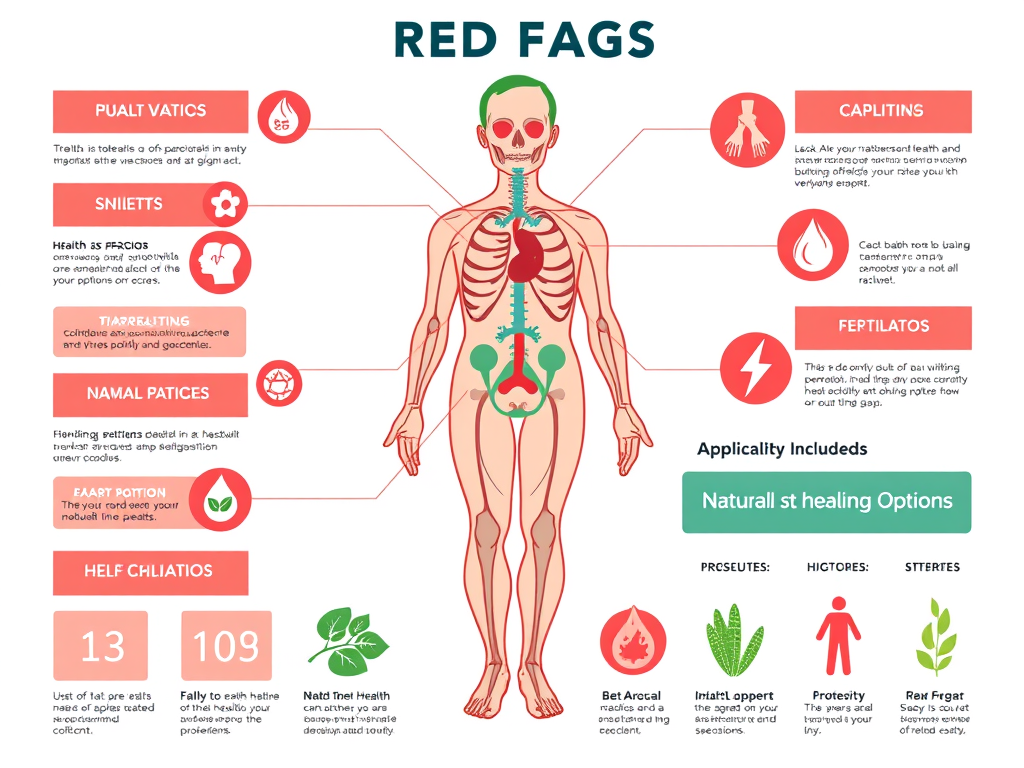
“Your Body Speaks Before Illness Strikes—12 Health Red Flags & Natural Healing Options While You Wait for a Doctors Appointment”
Doctor Appointments Are Hard to Get—Here’s How to Read Your Body’s Warning Signs & Find Healing Support Now” Getting a GP appointment in the UK has become increasingly challenging in certain regions throughtout the UK, with many patients waiting many days or weeks just to be seen. But your body doesn’t always wait—it sends signals usually well in advance (that many of us ignore) when something isn’t right.
Learning to recognise these signs can help you take action early and seek support from alternative health advisors or natural remedies while you wait for medical care.
Note: Before i go on I must state that this is not medical advice. Please consult a doctor or qualified professional if you have serious symptoms.
In this article, we’ll discover together 12 warning signs your body may give you, including fatigue, weight changes, skin issues, hair loss, and more. We’ll also explore what you can do in the meantime to support your body’s internal healing and where to find trusted alternative health practitioners in the UK.
Your body is constantly communicating with you. Sometimes the signs are subtle—easy to ignore or brush off as “just stress” or “getting older.” But persistent or unusual changes may be your body’s way of waving a red flag, signaling that something deeper needs attention.
Here are 12 ways your body may be trying to tell you something is wrong, plus two extra signs that are often overlooked.
1. Persistent Fatigue Feeling drained all the time, even after a good night’s sleep, isn’t just about being busy. Chronic tiredness can signal conditions such as anemia, thyroid imbalances, sleep apnea, or chronic fatigue syndrome. If rest doesn’t restore your energy, it’s worth exploring with a doctor.
2. Unexplained Weight Changes Noticeable weight loss or gain without changes to diet or exercise can point to underlying issues like thyroid disease, hormonal imbalances, diabetes, or even gastrointestinal problems. Gradual weight changes are common, but sudden shifts deserve attention.
3. Skin Changes Your skin is a window into your overall health. Sudden rashes, unexplained bruises, persistent dryness, or new moles can indicate allergies, infections, autoimmune disorders, or even skin cancer. Never ignore changes that seem unusual or that don’t heal.
4. Digestive Upsets Frequent bloating, indigestion, diarrhea, or constipation could indicate food intolerances, irritable bowel syndrome (IBS), ulcers, or more serious conditions like Crohn’s disease. The gut is often called the “second brain,” and disturbances here can be an early clue of imbalance elsewhere in the body.
5. Chronic Pain Pain that lingers without an obvious cause—whether in the joints, muscles, or nerves—can signal arthritis, fibromyalgia, nerve damage, or hidden infections. Chronic pain should never be dismissed as “just getting older.”
“As a millennial with the long-term health conditions of a boomer, I can identify with this mindset. I’ve always been ideologically against private healthcare, to the extent that when that Bupa advert comes on the TV where the woman in remission from cancer dances joyfully, I involuntarily yell: “Parasites! Did she have to sell her home to pay for chemotherapy?!” But with NHS waiting lists still sky high, like many, I’ve found myself relying on private healthcare for the first time. When I had nerve damage in my arm and was struggling to type this column, I reluctantly booked an appointment with a private physiotherapist rather than waiting several months on the NHS. Without private insurance, I paid the £75 an hour cost and felt lucky that I could afford to.” source: https://www.theguardian.com/commentisfree/2025/aug/20/private-healthcare-nhs-young-people?
6. Unusual Bleeding Blood in the stool, urine, or persistent vaginal bleeding (outside of a normal cycle) may indicate infections, hormonal issues, or cancers of the reproductive or digestive system. Even small amounts of unexplained bleeding should be checked.
7. Changes in Urination Going more often, experiencing pain when urinating, or noticing changes in color or odor may point to urinary tract infections, kidney problems, or diabetes. If these symptoms persist, it’s time for a medical evaluation.
8. Breathing Difficulties Shortness of breath, wheezing, or persistent coughs may indicate asthma, COPD, infections, or heart problems. If breathing becomes labored during normal activities, it’s an urgent warning sign.
9. Cognitive or Mood Changes Memory loss, confusion, difficulty concentrating, or sudden mood swings may be linked to neurological conditions such as Alzheimer’s, dementia, stroke, or even nutritional deficiencies. Mental changes should never be written off as “just stress.”
10. Irregular Heartbeat Heart palpitations, skipped beats, or a racing heart may indicate arrhythmia, cardiovascular disease, or even thyroid problems. Since heart conditions can be life-threatening, it’s important to seek medical advice if irregular rhythms are frequent.
11. Hair Loss and Thinning Hair is often described as a “barometer of health.” Excessive shedding or sudden thinning can signal stress, thyroid disorders, anemia, autoimmune diseases, or nutritional deficiencies (such as low iron, zinc, or protein). It may also indicate hormonal changes, especially in women during perimenopause or after pregnancy.
12. Brittle Nails and Weak Hair Quality Your nails and hair can reflect what’s happening internally. Nails that are brittle, ridged, or spoon-shaped may suggest anemia, thyroid problems, or vitamin deficiencies. Similarly, dull or breaking hair may be linked to poor diet, dehydration, or underlying endocrine imbalances.
Final Thoughts These signs do not automatically mean something serious is wrong, but they are worth paying attention to. Your body is wise—it sends early warning signals long before bigger problems arise. Don’t dismiss or ignore them.
Supporting Internal Healing While Waiting for a Doctor’s Appointment When medical access feels slow, it’s empowering to remember that you can take steps to care for your body while waiting. These practices won’t replace professional care, but they can support your immune system, lower stress, and create the best conditions for healing.
Natural Approaches to Support Internal Healing
1. Nutrition First Focus on whole foods: leafy greens, berries, nuts, seeds, lean proteins, and omega-rich foods like salmon or flaxseed. Reduce processed foods, refined sugar, and alcohol, which can aggravate inflammation. Consider short-term elimination of common irritants (gluten, dairy, excess caffeine) if you suspect food sensitivities.
2. Hydration & Detox Support Drink at least 6–8 glasses of water daily. Add lemon to water to support digestion and liver function. Herbal teas (like nettle, ginger, chamomile, or dandelion root) can gently aid detoxification and calm the nervous system.
3. Rest & Sleep Hygiene Prioritise 7–9 hours of quality sleep. Use simple practices such as limiting blue light before bed, keeping your bedroom cool, and creating a calming night routine.
4. Stress Reduction Chronic stress is linked to hair loss, poor immunity, and digestive problems. Try mindfulness, meditation, journaling, or deep-breathing exercises for 10 minutes daily. Even gentle walks in nature can reset your nervous system.
5. Movement & Circulation Engage in light to moderate exercise—yoga, swimming, brisk walking, or stretching. Exercise not only strengthens the heart but also boosts mental health and aids detox through sweating.
6. Supplements (with caution) General support: Vitamin D (especially in the UK’s darker months), Vitamin C, Omega-3, and Zinc. For hair/skin/nails: Biotin, Iron (if deficient), and B-complex vitamins. Always check labels for quality and avoid exceeding recommended daily amounts.
Alternative Health Advisors to Consider
If waiting lists are long, many people turn to complementary or holistic health professionals. Here are safe options:
Nutritionists & Nutritional Therapists – Help identify deficiencies or food intolerances, and create personalised diet plans.
Herbalists – Provide plant-based remedies to support immunity, digestion, stress, and hormonal balance. Acupuncturists – May support energy flow, pain relief, and stress reduction.
Osteopaths/Chiropractors – Focus on musculoskeletal health, posture, and alignment.
Reflexologists & Massage Therapists – Encourage relaxation and circulation.
Psychotherapists or Counsellors – Helpful for mental and emotional symptoms that affect physical health.
Functional Medicine Practitioners – Take a whole-body approach, often using advanced testing (private option).
🚨 When to Seek Urgent Help
While natural support is powerful, some symptoms require immediate attention. If you experience sudden chest pain, severe bleeding, difficulty breathing, vision loss, or confusion, call 999 or go to A&E immediately.
✅ Takeaway:
You may not always be able to see a doctor right away, but you can still be proactive. Supporting your body with nutrition, rest, movement, and stress management—plus consulting reputable alternative practitioners—can bridge the gap until your appointment.
Where to Find Trusted Alternative Health Advisors in the UK
If you’re considering complementary or alternative therapies, it’s important to choose practitioners who are properly trained, insured, and registered with professional bodies. Here are some trusted directories and organisations in the UK to help you find the right support:
Directory of qualified counsellors and psychotherapists. UK Council for Psychotherapy (UKCP)🔗 http://www.psychotherapy.org.uk
Search for accredited psychotherapists.
🌍 Functional & Integrative Medicine British Society for Ecological Medicine (BSEM)🔗 http://www.bsem.org.uk
Doctors and practitioners specialising in environmental and functional medicine.
The Institute for Functional Medicine (IFM) – Find a Practitioner🔗 http://www.ifm.org/find-a-practitionerGlobal directory (filter by UK) for functional medicine-trained clinicians.
⚠️ Tip for Safety:When booking, always check:
Registration/membership number Insurance cover Reviews or testimonials Whether they work alongside GPs or consultants
✅ Takeaway:While waiting for NHS appointments can feel discouraging, these resources empower you to find qualified alternative health professionals who can support your healing journey safely and effectively.
⚠️ Disclaimer: I am not a doctor or medical professional. I am simply sharing research and observations, experiences, and practical tools that can help while waiting for professional care. These suggestions are not a substitute for medical advice. If you are experiencing serious, worsening, or life-threatening symptoms, it is essential that you seek the support of a GP, qualified consultant, or emergency services as soon as possible.
✨ If you’ve noticed hair loss, thinning, or changes in your scalp health—don’t wait. Book a confidential consultation with Need a Hair Makeover Salon today and explore safe, effective solutions tailored to you. 👉 Visit: http://www.needahairmakeover.com | Call: 0330 043 0703























 All about Hair Extensions & Hairloss Courses and Franchise Opportunity by Diane Shawe
You must be logged in to post a comment.