Category Archives: virtual tutor faciliator

Can you train to become a Virtual Tutor?

could you do with some additional income!

Because your skills and experience are worth it

Because your skills and experience are worth it

Teaching and Learning has changed!  
Employment has Changed!
The World has Changed!
Could you manage up to 20 virtual students each month
and help them qualify from your PC
iPad or Tablet?
Using the latest interactive
Learning Management System
we have over 260 specialist on-line
and classroom fast track workshops
all accredited to Global Standards
You may be a professional, or retired
a graduate, personal coach, a consultant
or a teacher wanting to work from anywhere.
  • You make the investment and
  • We will Train you,
  • Register you,
  • and even Pay you when we
  • send students to you throughout the year

This two day workshop will enable you to follow procedure, e-monitor, e-mentor and e-access your students progress and help them to complete their online course using a cutting edge Learning Management System. Statistics have shown that institutions of higher learning increasingly embrace online education, with 65.5 percent of chief academic officers now calling online education ‘critical’ to their institutions! long-term strategy, an opinion that’s risen more than 15% over eight years.

After you qualify you will be able to work with our students online as a one of our Virtual Tutor Facilitators using your Global Accredited certificate by the IAO.


Turning 50 isn’t the end of a business career – new wave of olderpreneurs

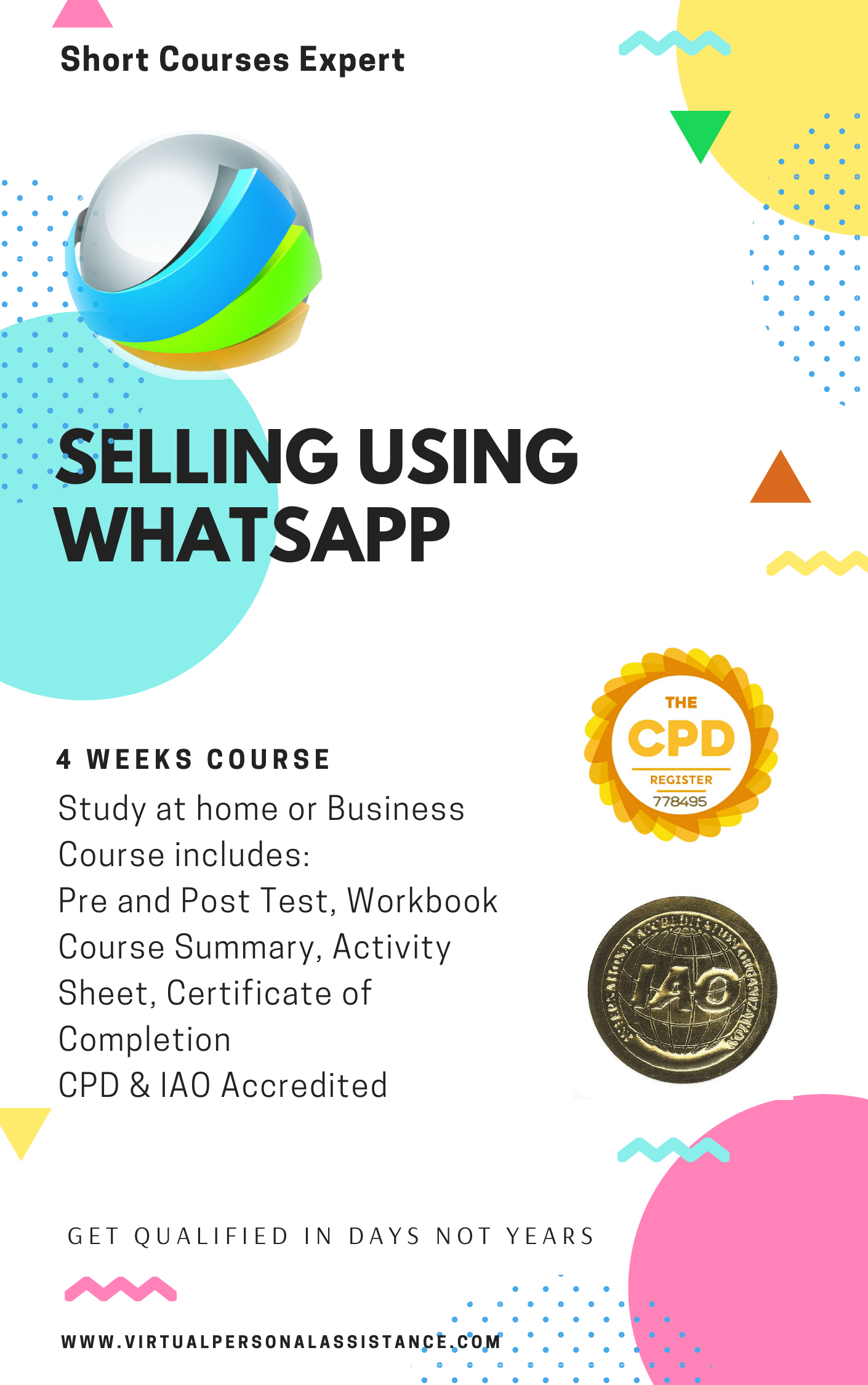
Get qualified in days not years

Get qualified in days not years

article by Diane Shawe M.Ed

Turning 50 isn’t the end of a business career – it’s the beginning. And an ever-growing wave of ‘olderpreneurs’, starting a business have 70% chance of surviving their first five years compared with only a 28% survival rate for those younger than them.

Nearly half the self-employment population is over 50, and one in six new businesses started in the UK are set up by post-half-centurions.

So what’s fuelling the entrepreneurial impetus of the ‘silver startup’, and why are they doing so well?

Necessity

The over-50s age group has been particularly hard-hit by the recession. Last year, the Office of National Statistics (ONS) revealed 28% of those aged between 50 and state pension age were out of work – compared with only 20% of those aged under 50.

Why? One of the biggest factors is the rife ageism that permeates practically every industry in the UK, that anyone over 50 who’s been forced to look for employment will testify to with a weary nod. The ONS estimates those who lose their job aged 50 or over have only a 10% chance of being re-employed.

Deciding to use their money from redundancies to fund ta company, over the course of two years the payout had trickled in its entirety into the business. But it was worth the investment – and they often don’t have to rely on the ineffective banks at the moment.

Become a Virtual Teacher Facilitator

Become a Virtual Teacher Facilitator

New challenge

At a fundamental level, sometimes people just want to do something different in their later years.

It’s interesting that recent YouGov and Standard Life research found the average age at which people feel totally confident in their working skills is 37, while the more elusive sense of fulfilment peaks at 50. Perhaps this climax of achievement and sense of ability leads to a need for a new direction, a new challenge, once a person passes the half-century mark.

If  we take a look at the Government statistics below it will give us an overview  Source Office of National Statistics

Summary of labour market statistics published on 23 January 2013

Between June to August 2012 and September to November 2012:

  • the number of people in full-time employment increased by 113,000,
  • the number of people in part-time employment fell by 23,000,
  • the number of unemployed people fell by 37,000, and
  • the number of economically inactive people, aged from 16 to 64, fell by 13,000.

Between September to November 2007 and September to November 2012:

  • the number of people in full-time employment fell by 341,000,
  • the number of people in part-time employment increased by 660,000,
  • the number of unemployed people increased by 854,000, and
  • the number of economically inactive people, aged from 16 to 64, fell by 75,000.

Chart 1: Changes in number of people in the labour market between September to November 2007 and September to November 2012, seasonally adjusted

Changes over 5 years

Source: Labour Force Survey – Office for National Statistics

The employment rate for those aged from 16 to 64 for September to November 2012 was 71.4%. This was up 0.1 percentage point on June to August 2012 and up 1.1 on a year earlier, but it was lower than the pre-recession peak of 73.0% recorded for March to May 2008. The number of people in full-time employment aged 16 and over increased by 113,000 between June to August and September to November 2012 to reach 21.57 million but the number of people in part-time employment fell by 23,000 to reach 8.11 million. Compared with a year earlier:

  • the number of men in full-time employment increased by 237,000,
  • the number of men in part-time employment increased by 95,000,
  • the number of women in full-time employment increased by 77,000,
  • the number of women in part-time employment increased by 144,000, and
  • the total number of people in employment increased by 552,000, the largest annual increase since 1989.

Chart 2: Changes in number of people in employment between September to November 2011 and September to November 2012, seasonally adjusted

Annual employment changes

Source: Labour Force Survey – Office for National Statistics

The unemployment rate for September to November 2012 was 7.7% of the economically active population, down 0.1 on June to August 2012 and down 0.7 on a year earlier. The number of unemployed men aged 16 and over fell by 37,000 between June to August and September to November 2012 to reach 1.41 million, but the number of unemployed women was unchanged at 1.08 million. The number of women unemployed for up to six months increased by 26,000 to reach 571,000. This may reflect changes to the benefits system resulting in more single mothers starting to look for work (see Claimant Count section of this Bulletin for further details).

The economic inactivity rate for those aged from 16 to 64 for September to November 2012 was 22.5%, unchanged on June to August 2012 but down 0.7 on a year earlier. The number of economically inactive people aged from 16 to 64 fell by 13,000 between June to August and September to November 2012 to reach 9.03 million.

The number of people claiming Jobseeker’s Allowance fell by 12,100 between November and December 2012 to reach 1.56 million.

Between July to September 2012 and October to December 2012, the number of vacancies increased by 10,000 to reach 494,000. This is the highest number of vacancies since October to December 2008, but it is 200,000 lower than the pre-recession peak of 694,000 recorded for January to March 2008.

Between September to November 2011 and September to November 2012, total pay for employees in Great Britain rose by 1.5%. This annual growth rate for earnings was lower than the increase of 2.7% in the Consumer Prices Index between November 2011 and November 2012.
Source Office of National Statistics

Why Stress can stop you from achieving excellence in 2013

managing your stress

managing your stress

Article by Diane Shawe M.Ed.

Take 5 minutes a day to keep your stress level down

Everything seems much faster, urgent and possibly unfulfilling! Just after Christmas and heading into the New Year it can often be a stressful time for lots of people for lots of reasons.

Stress is created by worrying about things in the future or things that have already happened, both of which you cannot change at the very moment you are worrying about it.

Before you read any further do this little test.  ‘At this very very moment whist you are reading this is there a problem affecting you reading this article at this moment in time that is stopping you from reading it? If your answer is ‘no’ then this is because you are living in the ‘NOW’

Living too much into the future or reliving the past are both causes of fear and pain. You would probably find yourself concerned with some of the following thoughts…

  • How can I stop the pain?
  • How can I switch your mind off,
  • How can I stop worrying?
  • How can I relax?
  • How can I be happy?

Well I invite you to explore two words ‘acceptance’ and ‘surrender’ a good place to start.

Become fully present is very empowering and helps you live in the higher order of thinking.

If only our lives was like typing when we can simply undo, delete or Hyperlink to a quick useful reference but alas, lots of things are unavoidable in life.  Never before has it become more important to find ways to decrease and prevent stressful incidents and decrease negative reactions to stress, especially as they can lead to short or long term illnesses.

Here are some of the things that can be done instantly by just remembering to be conscious of them.

Managing time

Time management skills can allow you more time with your family and friends and possibly increase your performance and productivity. This will help reduce your stress.

To improve your stress management:

  • Save time by focusing and concentrating, delegating, and scheduling time for yourself.
  • Keep a record of how you spend your time, including work, family, and leisure time.
  • Prioritise your time by rating tasks by importance and urgency.
  • Redirect your time to those activities that are important and meaningful to you.
  • Manage your commitments by not over- or under committing. Don’t commit to what is not important to you.
  • Deal with procrastination by using a day planner, breaking large projects into smaller ones, and setting short-term deadlines.
  • Examine your beliefs to reduce conflict between what you believe and what your life is like.
  • Build healthy coping strategies

It is important that you identify your coping strategies. One way to do this is by recording the stressful event, your reaction, and how you cope in a stress journal. With this information, you can work to change unhealthy coping strategies into healthy ones-those that help you focus on the positive and what you can change or control in your life.

Lifestyle

Some behaviors and lifestyle choices affect your stress level. They may not cause stress directly, but they can interfere with the ways your body seeks relief from stress. Try to:

  • Balance personal, work, and family needs and obligations.
  • Have a sense of purpose in life.
  • Get enough sleep, since your body recovers from the stresses of the day while you are sleeping.
  • Eat a balanced diet for a nutritional defense against stress.
  • Get moderate exercise throughout the week.
  • Limit your consumption of alcohol.
  • Don’t smoke.

Social support

Social support is a major factor in how we experience stress. Social support is the positive support you receive from family, friends, and the community. It is the knowledge that you are cared for, loved, esteemed, and valued. More and more research indicates a strong relationship between social support and better mental and physical health.

Changing your thinking pattern

When an event triggers negative thoughts, you may experience fear, insecurity, anxiety, depression, rage, guilt, and a sense of worthlessness or powerlessness. These emotions trigger the body’s stress, just as an actual threat does. Dealing with your negative thoughts and how you see things can help reduce stress.

  • Thought-catching helps you stop a negative thought to help eliminate stress.
  • Disproving irrational thoughts helps you to avoid exaggerating the negative thought, anticipating the worst, and interpreting an event incorrectly.
  • Problem solving helps you identify all aspects of a stressful event and find ways to deal with it.
  • Changing your communication style helps you communicate in a way that makes your views known without making others feel put down, hostile, or intimidated. This reduces the stress that comes from poor communication. Use the assertiveness ladder to improve your communication style.

Why Continued Personal Development is important

Lifelong learning it’s important to your continued growth and smiley to core with lives every changing environment, circumstances and economical. Everyday life can often present challenges and like any thing in life if you don’t equip yourself with the right tools trying to fix the problem with the wrong tools can itself be the greater source of frustration.

www.expressingtrainingcourses.com