
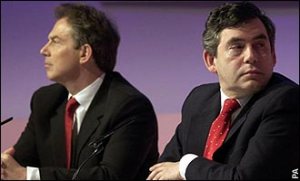
 Body Language in HR, Interviews, Business and Negotiation.
By Tim T Dingle BSc (Hons) MIBiol PGCE Mediator MBA
CDO at Academy of Vocational and Professional Training Ltd
With limited resources, a changing global environment, reading body language has taken on a different meaning and has become increasingly important as more and more people are taught to become impressive interviewees.
For employers placing the right person in the appropriate position has a more strategic approach as we see the need for multi skilled and the emphasis on leadership qualities being sought.
I believe that the delivery and emphasis through training is about to change and the understanding of body language will be crucial for those undertaking training. Speaking at a conference in Birmingham last year, a leading HR director observed that there was nothing as important as understanding the language of business. That must mean the non-verbal as much as the verbal language. Non-verbal communication is commonly known as “body language”. So what is this “body language”? Can it be read and used by individuals, managers and directors- or indeed in their wider professional or social lives?
Body language is a broad term for forms of communication using dress, body movements or gestures instead of, or in addition to, sounds, verbal language, or other forms of communication. It is part of the category of para language, which describes all forms of human communication that are not verbal language. This includes the most subtle of movements that many people are not aware of, including, for example, a discreet smile or a slight movement of the eyebrows.
Non-verbal communication is usually understood as the process of sending and receiving wordless messages. Such messages can be communicated instantly and silently through gesture; body movement or posture; facial expression and eye gaze. Many things unconsciously communicate a great deal about us, such as our clothing, our hairstyle, our use of symbols and info graphics, and the prosodic features of our speech such as intonation, stress and tone.
Henry Higgins and Eliza Doolittle would not have recognised it, perhaps, but just watching an accomplished politician, actor, or shopping channel salesperson can give you some insight into the power of gestures or facial inference. Such gestures can add to the stagecraft, amplify the message and can provide surprisingly magnetic assurance about what you are being told.
As in politics, so in the world of gambling. Poker players will talk of “tells”- these are movements that are traditionally associated with a person’s subconscious self which can give away the strength of the hand. For example, when a poor player puts a hand over his mouth, it generally means that he has a strong hand – it may mean that he is concealing a subconscious smile. A player reaching for a drink, however, is usually a sign of being nervous; it is a displacement, but when a poor or weak player ‘stares you down,’ it generally it means he is bluffing. These ‘tells’ or signatures can give you away, even when you are trying your best to conceal them. These aspects are just as relevant in sales, personal development, business and management development , career and employment.
Can the use of these non-verbal signatures be imported into the business and HR arena? It can be a risky strategy to attempt to read and rely upon body language signatures without some training and practice. For just as at the poker table, a wrong call could be disastrous. Should individuals then be aware of the power of non-verbal communication and seek to harness this aspect in negotiation? If our desire, as individuals in business or HR, is to produce our optimum performance then we should employ all of the communication and interpersonal skills with which we individually have been gifted. We may well consider investing our time to improve our oral questioning and language skills, but very few individuals seem to give much thought to developing the skill of both reading and transmitting non-verbal clues.
This is surely an oversight where negotiation at a face to face level is concerned – academics tell us that around 65% of a human being’s communication is non-verbal. Whilst we use our mouths and pens to communicate facts and information, we use our bodies to communicate our emotions. In the field of business we are generally dealing with individuals whose emotions are most definitely engaged, and therefore we should have a working ability to read those emotions and respond to them.
Developing those reading skills would be much easier if all our clients were between three and nine years of age – this is rare of course, even if sometimes a negotiation has something of a playground quality about them. Children wear their emotions on their sleeves and are, except perhaps to other children or their doting grandparents, pretty easy to read. Tightly crossed arms, a screwed-up face and a stamped foot quickly clues you into the internal voice of the child, even if their response to the question, “Are you OK” is “Yes”.
A parent’s “sixth sense” is often nothing more than a demonstration of the superior body language reading skills that child carer’s, of necessity, have learned to develop. It becomes less effective in the teenage years as more sophistication develops – and for most people, that is when they stop listening non-verbally. Adults are much more challenging subjects to observe. The older we grow the more we learn how to mask our true feelings, which unconsciously includes the toning-down of our body language as well. Whilst we can try and make our non-verbal communication less obvious, very few people can completely mask it.
HR directors, business people and individuals, might want to learn to look for those more subtle, but tell-tale, signs of stress, hope, agreement, confidence, resistance, and fear in the body language of the clients, and indeed their own clients. Picking up on these signs could allow us to make progress in a situation of stale-mate and could save a negotiation that is about to crash. These skills can allow us to zero-in our questioning, to know when a private meeting or a break is essential, and to see the evident bridges and agreements, even when the other side have yet to verbalise them.
The other aspect of non-verbal communication in Business, of course, relates to us as individuals: what we give away, suggest, or infer, without even opening our mouths, can be crucial. If we, consciously or unconsciously, read other people’s body language, we can be sure that the clients and customers might be reading ours. Does our dress style, for example, coincide with our role – are we in a dark suit or unprofessional in scruffy shoes? Should we dress in dark colours or in more open, warm, and friendly attire? We might not think anything of our style of dress, in fact many of us wear the same style, without a thought, to every event – but be assured that those around us are impacted by what we wear!
From the moment that they first see us, our contacts, clients, and staff are using our dress, our language, our confidence, and our personal approach to assess whether they should have confidence in the negotiation or the business process. If we appear a shambles, with papers everywhere and our files are a mess, then we are likely to give the impression we are unprepared.
How too are we at listening to clients, staff and business partners when they speak to us? Are we fully engaged with them, having turned our chair, and thus our whole body towards the speaker, leaning forward and maintaining good eye contact? If you want to be heard in your turn – you need to be seen to be listening.
People will usually only tell us what is really on their mind if they believe that we are really listening. Do we really listen? Taking notes whilst staring at our iPad as the person tells their story, does nothing to build confidence in us or the process. Active listening skills such as reflecting back a summary of what has just been said by the speaker may just persuade, non verbally, a client to listen to you – and thereby facilitate success.
HR directors, managers and individuals should be encouraged, therefore, think about using their body language positively to enhance the oral skills that they already have, allowing them to maximise their potential as conflict resolution practitioners.
Tim Dingle BSc (Hons), PGCE, MIBiol, Mediator, MBA has been involved in education, management and training for the last 30 years. He was appointed as the Chief Development Officer by CEO Diane Shawe in June 2012. Tim is a former Headmaster of a top school and gained an MBA with a distinction. His dissertation was on Body Language and Interview skills. He has a unique insight into teaching, leadership and management and has now written 24 books on a variety of topics in education. His background in management also includes being Chairman on England Schools Rugby and running a successful Comedy venue. He is rained in NLP and other advanced brain strategies and lectures on these topics around the world. His academic pedigree (in Biology, Teaching and Body Language) combined with his Mediation skills, gained him a place on the Board of the Global Negotiation Insight Institute (which used to be the Harvard Negotiation project). He has an inspirational style and his enthusiasm for learning is infectious. Tim was an officer in the Royal Navy Reserves for 20 years and is a Yachtmaster and successful sailor. He is a successful executive and business coach and works with clients in a variety of industries.










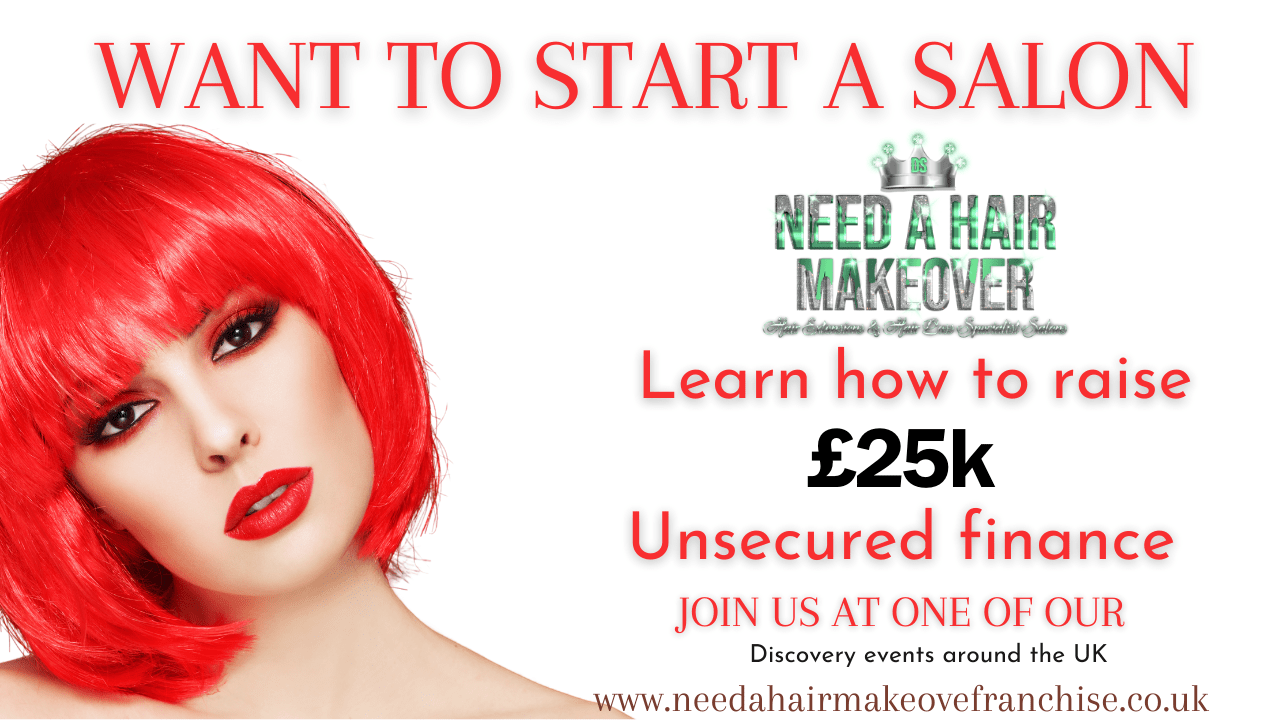







 All about Hair Extensions & Hairloss Courses and Franchise Opportunity by Diane Shawe
You must be logged in to post a comment.