
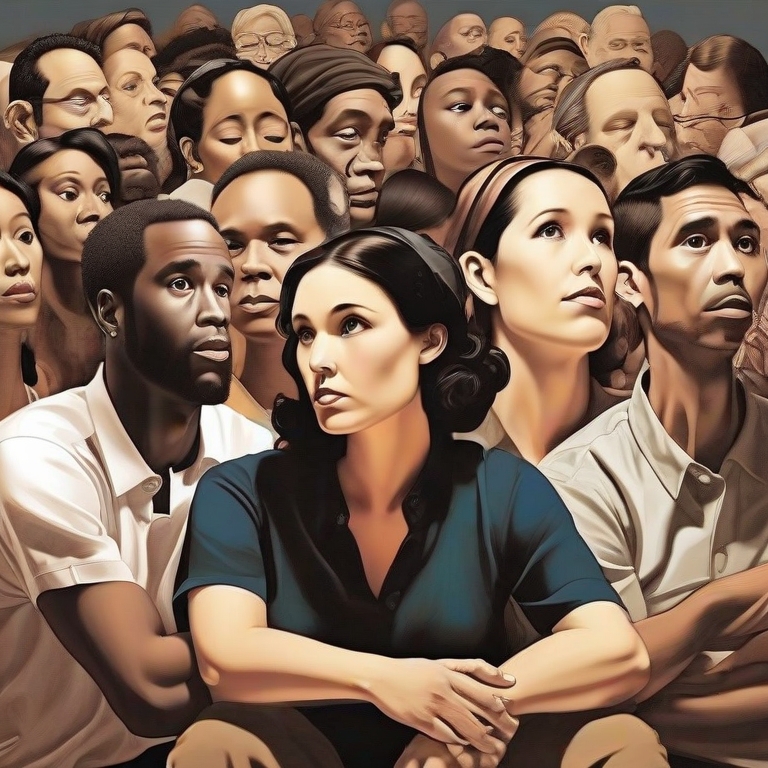
”The Rise of Offense Culture: Entitlement, Sensitivity, and Their Societal Impact”
“In recent years, it’s become increasingly apparent that society has undergone a profound shift in its collective psyche. We’ve entered an era where the slightest perceived slight can spark outrage, where the mere whisper of disagreement can be met with vitriolic backlash, and where the notion of personal responsibility has given way to a pervasive sense of entitlement. It’s as if we’ve become a society of hair-trigger sensitivities, where the faintest whisper of offense can set off a firestorm of indignation.
But is this perception merely a product of our own biases, or is there something more profound at play? Have we truly become more easily offended, or are we simply more aware of the offenses that have always existed? And what of this sense of entitlement that seems to permeate every aspect of modern life? Is it a natural response to the increasing complexity and uncertainty of our world, or is it a symptom of a deeper rot – a sense of privilege and expectation that has been fostered by our culture of instant gratification and social media echo chambers?
As we navigate the treacherous waters of modern discourse, it’s essential that we take a step back and examine the underlying dynamics that drive our behaviour. Are we truly more sensitive, or are we simply more sensitive to the sensitivities of others? And what are the consequences of this shift – not just for our individual relationships and communities, but for the very fabric of our society as a whole?

In this blog, we’ll delve into the heart of this debate, exploring the complex interplay of factors that have contributed to our current state of heightened sensitivity and entitlement. We’ll examine the role of social media, the impact of cultural and economic shifts, and the ways in which our own psychological biases shape our perceptions of the world around us. And we’ll ask the tough questions: What does it mean to be offended, and what does it mean to be entitled? Is there a way to strike a balance between empathy and accountability, or are we doomed to forever walk the tightrope between hurt feelings and hurtful words?
Join me on this journey as we explore the intricacies of modern society and the ways in which our perceptions of offense and entitlement shape our world – and ourselves.”
The perception that society has become more easily offended and possesses a heightened sense of entitlement is a topic of significant debate. This perception can be analysed from multiple angles:
Increased Sensitivity and Offense
Factors Contributing to Increased Sensitivity:
1. Social Media Amplification: Platforms like Twitter, Facebook, and Instagram provide a space for rapid sharing and amplification of opinions, grievances, and calls for accountability. This can create a perception of widespread offense.
2. Cultural Shifts: There is a growing awareness and sensitivity towards issues of race, gender, sexuality, and other identity markers. Movements like #MeToo and Black Lives Matter have highlighted systemic issues, leading to heightened sensitivity and vigilance against perceived slights or injustices.
3. Polarisation and Echo Chambers: Social media and selective news consumption can create echo chambers where individuals are exposed mainly to views that reinforce their own, intensifying reactions to opposing views.

Sense of Entitlement
Factors Contributing to a Sense of Entitlement:
1. Consumer Culture: The modern consumer culture emphasizes personal choice and satisfaction, potentially fostering a sense of entitlement where individuals expect their needs and preferences to be prioritized.
2. Individualism: Western societies, in particular, value individualism, which can sometimes translate into prioritizing personal rights and entitlements over communal responsibilities and consensus.
3. Educational and Parenting Trends: Some argue that certain educational and parenting approaches, which emphasize self-esteem and individual achievement, may contribute to a sense of entitlement among younger generations.
Ramifications
Negative Ramifications:
1. Erosion of Discourse: A heightened sensitivity and sense of entitlement can stifle open dialogue and debate. Fear of offending others or being offended can lead to self-censorship or the silencing of differing opinions.
2. Increased Division: When people feel entitled to their views without compromise, it can lead to increased polarization and societal division, as seen in various political and cultural clashes.
3. Mental Health Concerns: Constantly navigating a landscape where offense is easily taken and given can contribute to stress and anxiety, both for individuals and communities.
Potential Positive Outcomes:
1. Greater Inclusivity: Increased sensitivity can lead to more inclusive and respectful environments, where marginalized voices are heard and considered.
2. Accountability: Holding individuals and institutions accountable for offensive or harmful behaviour can lead to positive social change and a more just society.
3. Empathy and Awareness: As society becomes more aware of diverse perspectives and experiences, there can be a growth in empathy and understanding across different social groups.
Conclusion
The perception of increased sensitivity and entitlement in society is complex, with both positive and negative aspects. The key lies in finding a balance between respecting diverse perspectives and maintaining open, constructive discourse. Ensuring that sensitivity to offense does not inhibit free expression and that a sense of entitlement does not override communal responsibilities is crucial for social harmony and progress.
As we conclude our thought-provoking discussion on the perceived rise of entitlement and offenses in today’s society, we’re left to ponder the far-reaching implications of this phenomenon. From the impact on our self-esteem to the way we interact with others, it’s clear that this shift in societal norms has far-reaching consequences. As we strive to cultivate a more empathetic and understanding world, it’s essential to acknowledge and address these underlying issues. Take a moment to reflect on your own experiences and biases – and how they may be influencing your relationships and interactions. And if you’re ready to shed old patterns and elevate your self-awareness, consider visiting our blog
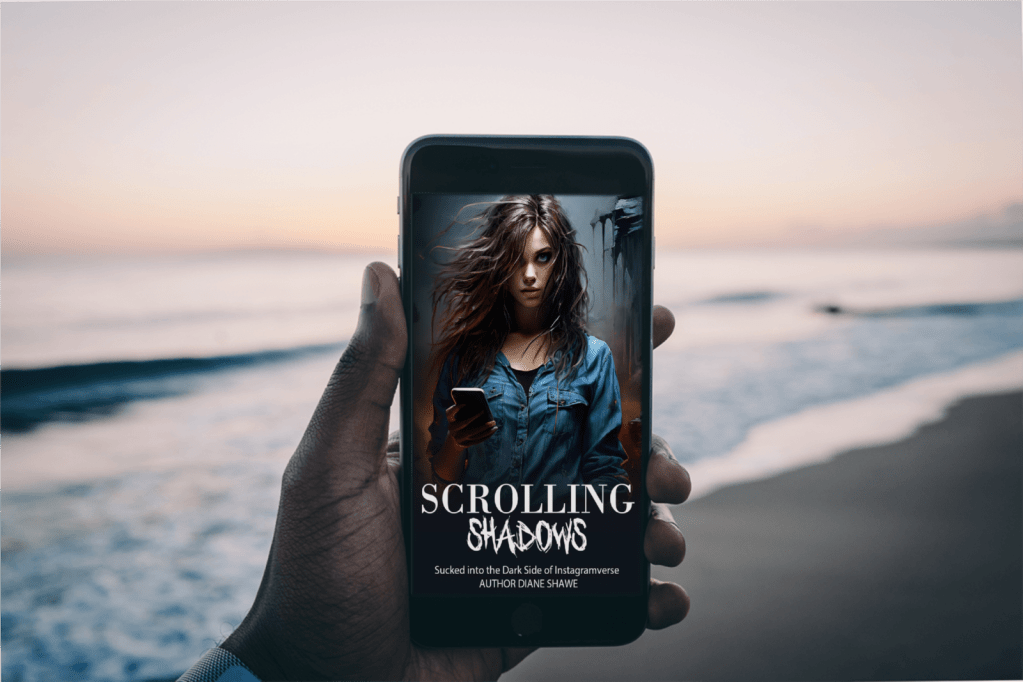
 How did I come up with the design for the cover of my first fiction book





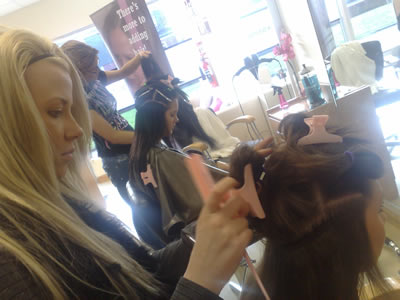










 All about Hair Extensions & Hairloss Courses and Franchise Opportunity by Diane Shawe
You must be logged in to post a comment.