
The Environmental Footprint of Toilet Paper: A Global Issue by Diane Shawe

During the pandemic, I remembered the aweful and funny scenes of people fighting over toilet paper. But on a more serious note, toilet paper is an essential part of daily life for millions of people worldwide. However, behind the convenience lies a significant environmental footprint that affects forests, water resources, and carbon emissions. The global use of toilet paper is staggering, and its impact on our planet is a growing concern.
Global Use of Toilet Paper
Every year, the world uses around 42 million tons of toilet paper. That equates to approximately 184 billion rolls, or enough toilet paper to stretch 22 billion kilometers—about 15 times the distance between the Earth and the sun. To put it in perspective, if all that toilet paper were laid out in a continuous sheet, it would cover an area of 2.2 million square kilometers—almost three times the size of France.
In fact, the sheer volume of toilet paper used globally could circle the Earth every 10 minutes or make the journey to the sun and back in just seven days. This extraordinary consumption has far-reaching environmental consequences that most people are unaware of.
The Environmental Impact of Toilet Paper
Producing 42 million tons of toilet paper each year requires vast amounts of natural resources, leaving a considerable environmental footprint:
- 712 million trees: The production of toilet paper depends heavily on deforestation. Millions of trees are cut down each year to meet the demand, contributing to the loss of biodiversity, increased carbon emissions, and disrupted ecosystems.
- 1,165 million tons of water: The manufacturing process for toilet paper is incredibly water-intensive. The pulp and paper industry uses vast amounts of water for processing and bleaching the paper, putting additional pressure on already scarce water resources in many parts of the world.
- 78 million tons of oil: Beyond water and trees, the production and transportation of toilet paper require significant amounts of energy, primarily derived from fossil fuels. This leads to carbon emissions that further contribute to climate change.
The True Cost of Toilet Paper
Toilet paper may seem like a harmless necessity, but its environmental impact is profound. Every roll we use contributes to deforestation, water scarcity, and carbon emissions. With 42 million tons of toilet paper being consumed globally each year, the toll on the planet is growing.
Fortunately, there are ways to mitigate this impact. Opting for recycled or bamboo-based toilet paper can significantly reduce the number of trees cut down. Additionally, minimizing water and energy consumption in the production process and supporting companies that prioritize sustainability can help lessen the burden on our planet.
What Can You Do?
As consumers, we have the power to make more environmentally conscious choices. Here are some steps you can take to reduce your personal environmental footprint:
- Choose recycled toilet paper: Recycled toilet paper uses less energy, water, and raw materials compared to conventional paper made from virgin pulp.
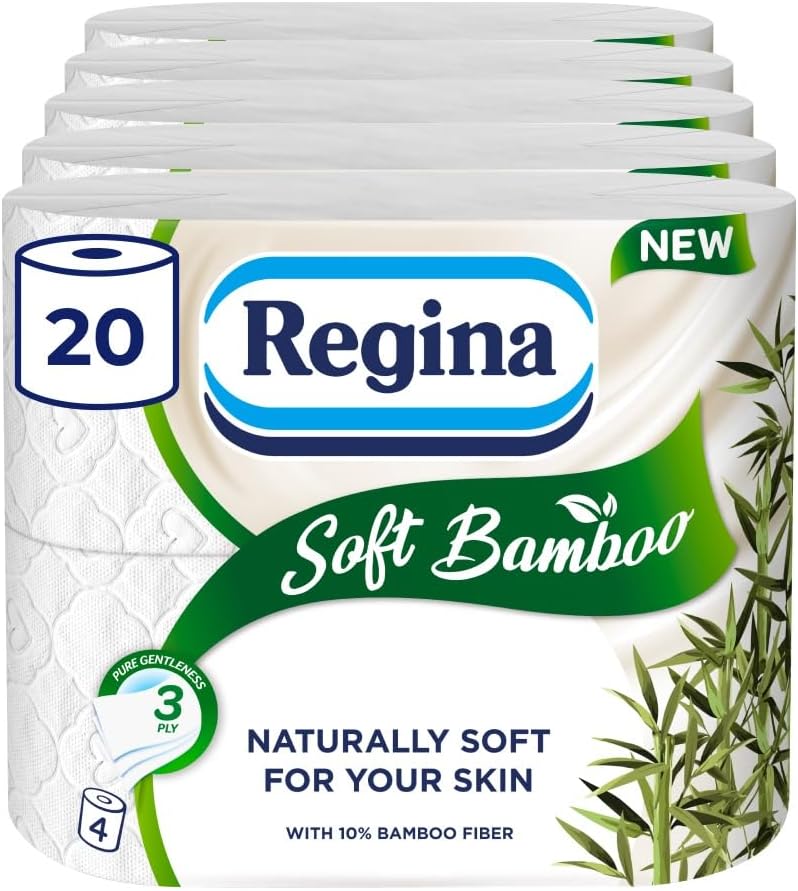
- Switch to bamboo toilet paper: Bamboo grows much faster than trees, making it a more sustainable and renewable resource for paper production. Order it here https://amzn.to/483yIjV
Use toilet paper more efficiently: Reducing excessive use of toilet paper can help decrease overall demand and slow down the environmental impact.
Support eco-friendly brands: Look for brands that are committed to sustainable practices, such as using chlorine-free bleaching processes or reducing packaging waste.
Traditional Toilet Roll Manufacturers: Embracing Sustainability to Protect the Future
Many traditional toilet roll manufacturers might fear that the growing demand for eco-friendly products could threaten their business. However, instead of seeing sustainable options like bamboo or recycled toilet paper as competition, manufacturers can view these as opportunities to innovate and protect their industry for the long term. By adopting sustainable practices, they can reduce their environmental footprint, meet changing consumer demands, and secure their place in an evolving market. they could for instance make a 6 year plan to totally switching over so that the financial implications are gradual.
Switching to bamboo or recycled paper offers several benefits, both for the environment and for manufacturers:
- Reduced Deforestation
Bamboo grows rapidly and regenerates after being harvested, making it a renewable resource compared to trees, which take decades to mature. By using bamboo as a raw material, toilet paper manufacturers can significantly reduce their reliance on tree logging, helping to combat deforestation while maintaining their production levels. - Lower Water and Energy Usage
Recycled toilet paper uses less water and energy during production compared to virgin paper made from freshly cut trees. This shift could reduce operating costs and help manufacturers comply with stricter environmental regulations in the future. - Aligning with Consumer Trends
Consumers are increasingly aware of the environmental impact of their purchases and are looking for sustainable alternatives. By offering eco-friendly toilet paper made from bamboo or recycled materials, traditional manufacturers can tap into this growing market and remain competitive. - Carbon Footprint Reduction
Transitioning to more sustainable materials can help manufacturers lower their carbon footprint by using fewer fossil fuels in the production process. This not only helps fight climate change but also positions companies as leaders in corporate social responsibility, improving their brand image. - Financial Savings and Longevity
While switching to alternative raw materials may require some initial investment, the long-term savings in raw material costs, reduced environmental impact, and increased consumer trust could far outweigh the initial expenses. Additionally, manufacturers who embrace sustainability early are more likely to future-proof their businesses against changing regulations and market demands.
By embracing sustainable options like bamboo or recycled toilet paper, traditional manufacturers can continue to thrive while reducing their environmental impact. Rather than fearing the shift, they can lead the way, ensuring both the future of their industry and the health of the planet.
Conclusion
The environmental footprint of toilet paper is larger than most people realise, contributing to deforestation, water waste, and climate change. As global demand continues to rise, the need for more sustainable solutions becomes increasingly urgent. By making mindful choices and supporting eco-friendly alternatives, we can help reduce the environmental impact of this everyday product and take a step towards a more sustainable future.




















 All about Hair Extensions & Hairloss Courses and Franchise Opportunity by Diane Shawe
You must be logged in to post a comment.