Monthly Archives: October 2024

The Invisible Barrier: How Your Own Thoughts May Be Stopping Your Growth

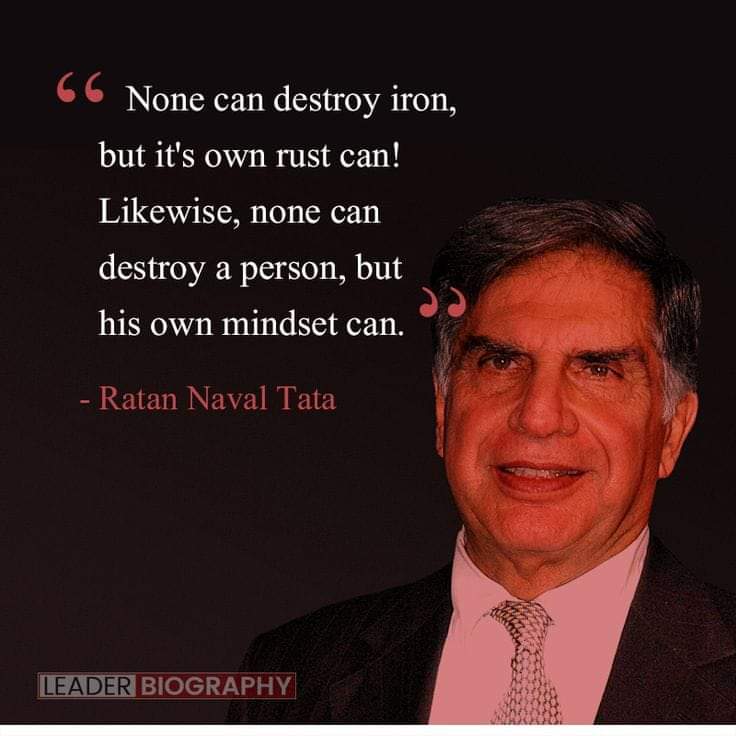
None can destroy iron but it's own rust

A positive mindset is important because it shapes how we perceive and respond to life’s challenges, influences our emotional well-being, and impacts our physical health.

When we maintain a positive outlook, we’re more likely to approach situations with resilience, creativity, and determination, making it easier to overcome obstacles and find solutions.

Positivity also reduces stress, enhances relationships, and can even improve productivity and success in personal and professional endeavors.

To develop a positive mindset, focus on the following areas:

1. Gratitude: Practicing gratitude helps shift your focus from what’s lacking to what you already have. A daily habit of listing things you’re thankful for can foster a sense of abundance and well-being.

2. Self-Talk: Pay attention to how you talk to yourself. Replace negative thoughts with constructive and affirming language. Positive affirmations can reshape your inner dialogue over time.

3. Surround Yourself with Positivity: Be mindful of the company you keep. Surround yourself with people who uplift and support you, as their energy will influence your mindset.

4. Focus on Solutions, Not Problems: When faced with challenges, direct your attention toward finding solutions rather than dwelling on the problem. This mindset encourages action and empowerment.

5. Practice Mindfulness: Being present and aware helps to reduce anxiety about the future or regret over the past. Mindfulness encourages you to appreciate the moment, creating a more grounded and positive outlook.

6. Embrace Challenges as Opportunities: Reframe setbacks as opportunities for growth and learning. This perspective builds resilience and helps you stay optimistic, even in difficult situations.

7. Set Realistic Goals: Setting and achieving small, realistic goals creates a sense of accomplishment and builds confidence, reinforcing a positive mindset.

By consistently focusing on these areas, you can gradually cultivate a more optimistic, resilient, and positive way of thinking.

Is Your Mindset Holding You Back? How Self-Limiting Beliefs Sabotage Success

Introducing Diane Shawe’s latest ebook, “Guerrilla Growth: From Barely Breathing to Dominating Your Niche (With Zero Budget)”, available now on Amazon here https://amzn.to/3HWswxM.

This powerful guide is designed for entrepreneurs and business owners looking to grow their ventures without a significant financial outlay. It outlines strategic methods to carve out a niche in competitive markets, offering practical tips on how to innovate and scale with minimal resources.

The book delves deeply into the importance of mindset for business success. Diane emphasises that adopting a *guerrilla* mindset is crucial, meaning you must be adaptable, resourceful, and determined to succeed regardless of financial constraints. The mindset she advocates is one of relentless problem-solving, seeing every obstacle as an opportunity to think outside the box and maximize whatever resources are available. By cultivating resilience, creativity, and a laser focus on growth, readers can learn how to move from merely surviving in their industry to truly dominating it.
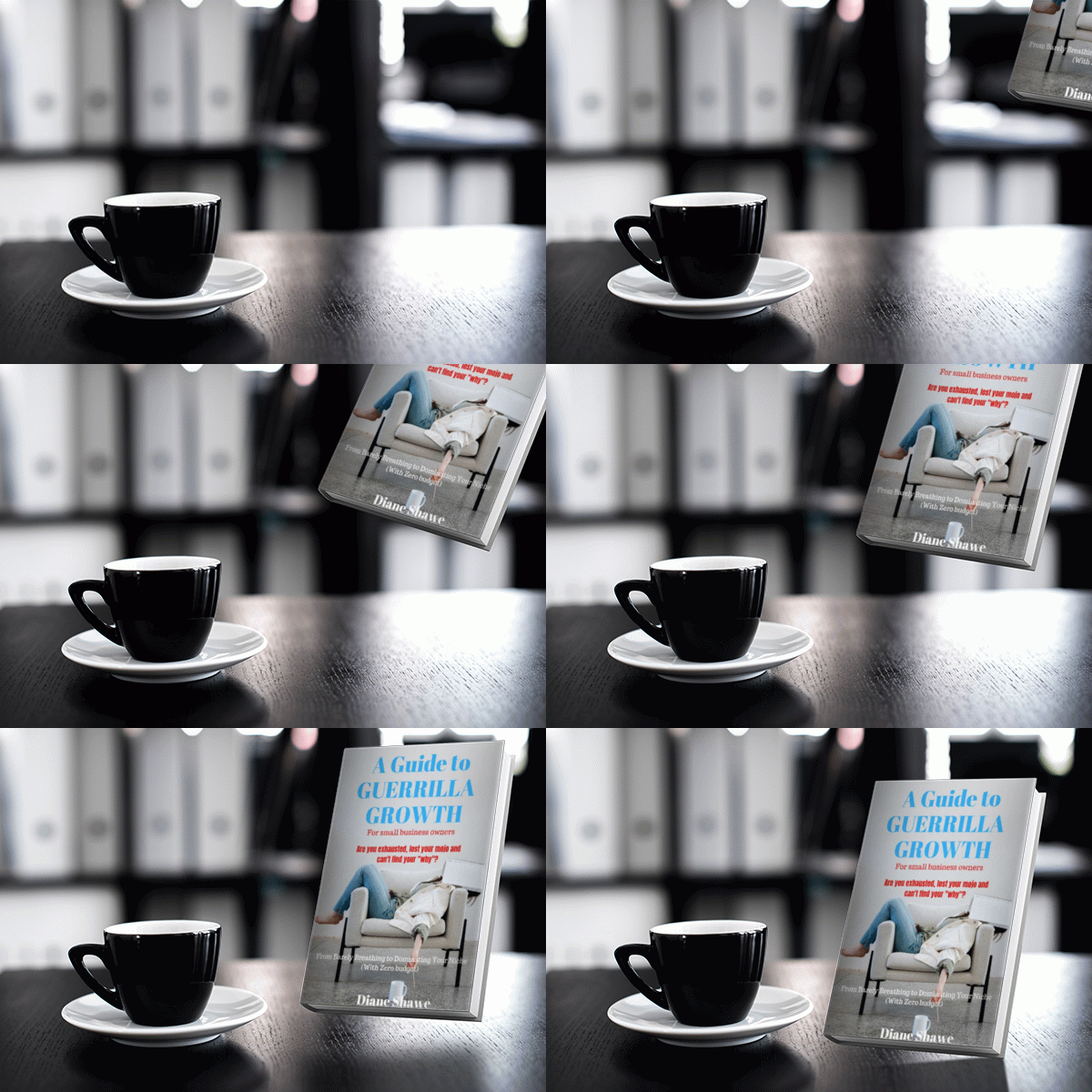
A guide to guerrilla Growth by Diane Shawe
Download your copy from Amazon

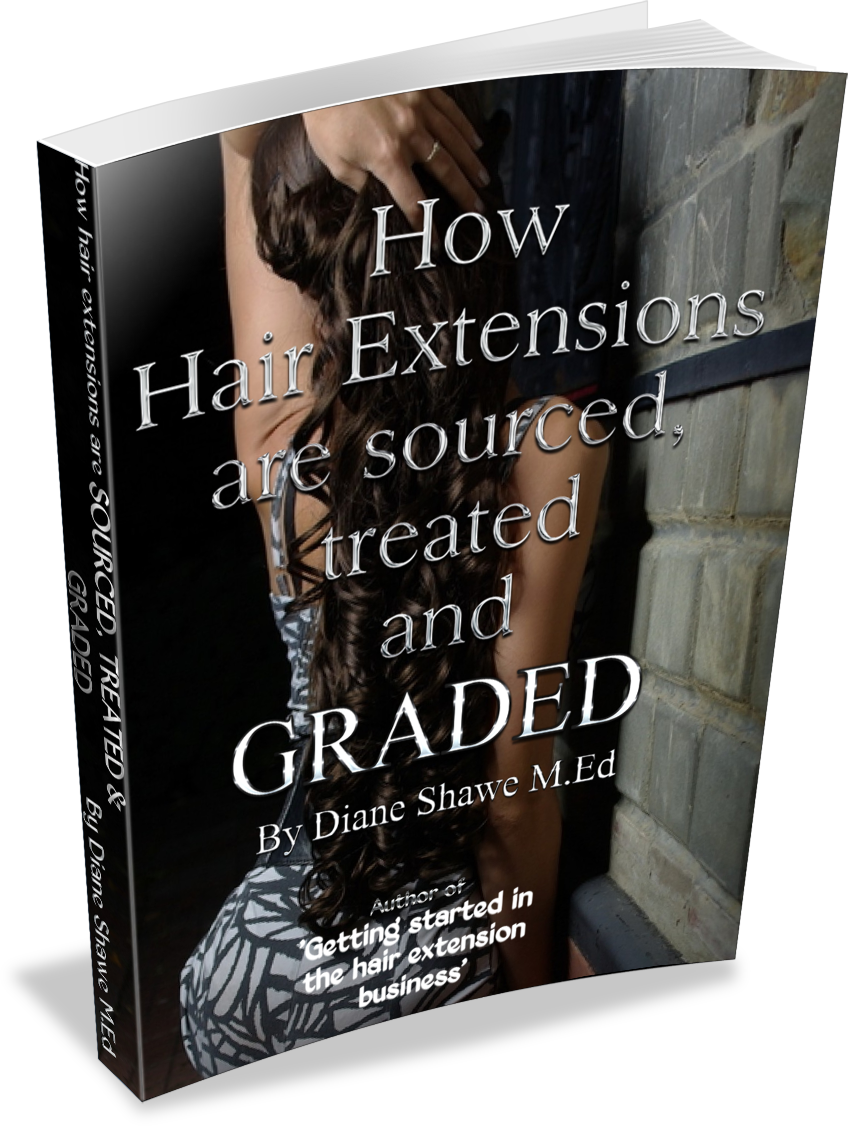
Diane Shawe’s other publications.https://www.amazon.com/author/dianeshaweDiane Shawes official authors website. https://www.diane-shawe-author.

uk

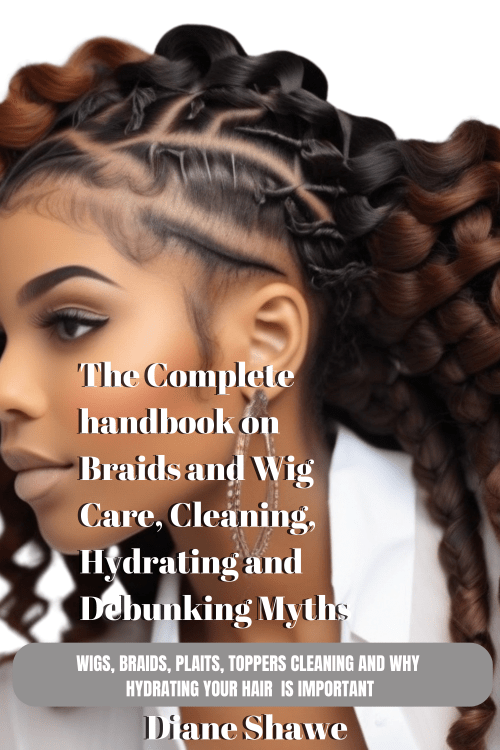
Save Your Hair Extensions! Why These 5 Leave-In Conditioners Are Essential for Perfect Hair Maintenance

The 5 Best Leave-In Conditioners for Hair Extensions and Wigs (and Why They’re Essential)

Keeping Hair Extensions and Wigs Hydrated by Diane Shawe

Maintaining hair extensions and wigs can be tricky, but using the right leave-in conditioner is crucial for keeping them soft, tangle-free, and long-lasting. In todays society, most of us operate under central heating, air conditioning systems, intense electric lighting and in some cases extreme weather. All these affect our skin and hair, but mostly dry out hair extensions and wigs that can end up feeling like straw.

Why Use a Leave-In Conditioner for Extensions and Wigs?

Hair extensions and wigs don’t receive the natural oils that nourish your scalp’s hair, making them prone to dryness and tangling. A good leave-in conditioner helps restore moisture, reduce frizz, and protect the hair from damage due to styling tools or environmental factors. These products add shine and maintain the integrity of the hair fibres, extending the life of your extensions or wig.

Debunking the Myth: Are Conditioners Made Specifically for Extensions Better?

There’s a common misconception that conditioners marketed specifically for hair extensions or wigs are inherently better. However, this isn’t always the case. Many of these products are oil-based and can be too heavy, causing buildup on the hair, making it greasy and difficult to manage. Extensions and wigs, especially synthetic ones, are best treated with lightweight formulas that moisturise without overwhelming the fibers

Let’s explore five of the best leave-in conditioners that you can easily order from Amazon UK, and why they’re important for both synthetic and human hair extensions.

Oil-heavy products, while nourishing, can weigh down hair extensions, reducing their natural movement and even causing slippage in sewn or glued-in extensions. Instead, opt for leave-in conditioners with ingredients like Keratin, Jojoba oil, or silicone, which provide moisture without heaviness.

1. Matrix Total Results Length Goals Leave-In Treatment

Best For: Human Hair Extensions 

Why It’s Great: This leave-in conditioner is designed specifically for extensions, offering heat protection and tangle reduction. Formulated with coconut oil, it smooth’s and hydrates the hair, making it ideal for colour-treated and damaged extensions

Available on: Matrix total results leavein conditioner https://amzn.to/3BSdklG

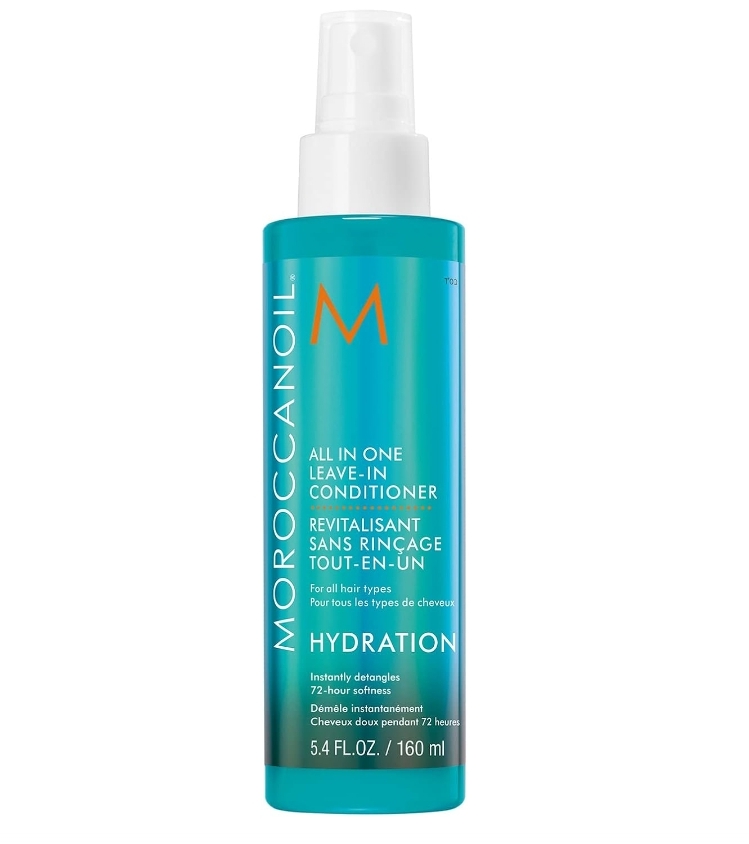
2. Moroccanoil All In One Leave in Conditioner

Best For: All round Hydration 

Why It’s Great: This product is a multitasker—detangler, leave-in conditioner, and heat protectant all in one. Its nourishing blend of Argan oil, Jojoba oil, and Keratin protein deeply moisturizes and protects the hair. Extensions, especially longer ones, benefit from its ability to keep hair tangle free and great if you use straighteners regularly.

Available on: Moroccanoil All In One Leave in Conditioner https://amzn.to/3C0CluU

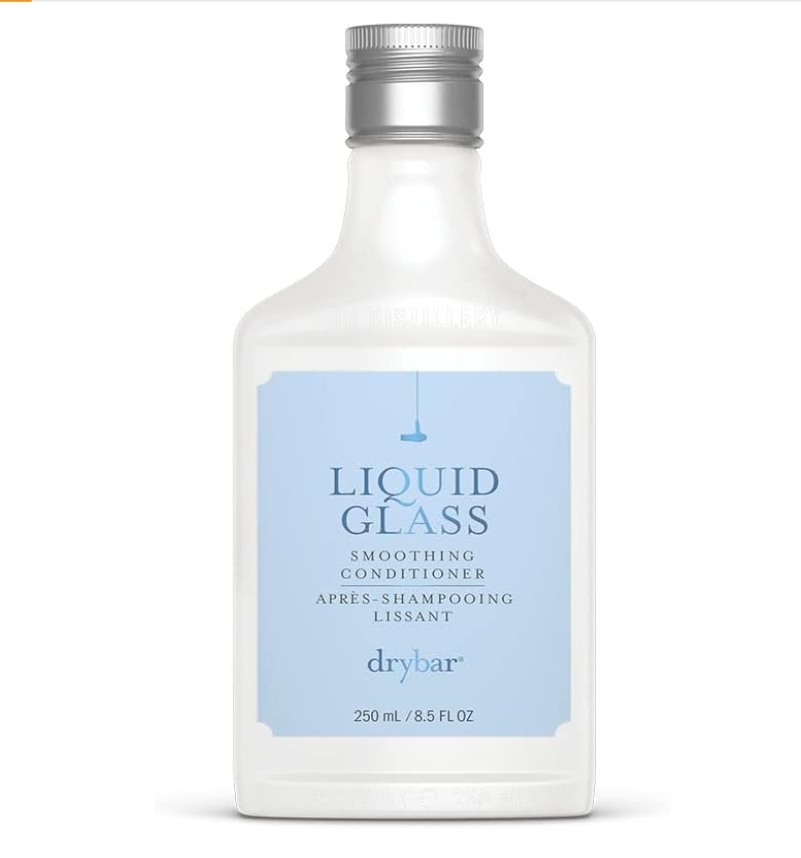
3. Drybar Liquid Glass Smoothing Conditioner

Best For: All Hair Types 

Why It’s Great: Vegan Keratin is a highly moisturizing protein, helps seal, reinforce and smooth the hair cuticle. – Neroli Oil smooths, helps prevent frizz and provides a high-shine, glossy finish. – Murumuru Butter helps soften and improve hair manageability without weighing it down. so it’s safe for both natural and synthetic wigs, as well as hair extensions. Argan oil helps strengthen and protect hair fibres without weighing them down. 

Available on: Dryby liquid glass conditioner. https://amzn.to/3NyTUFe

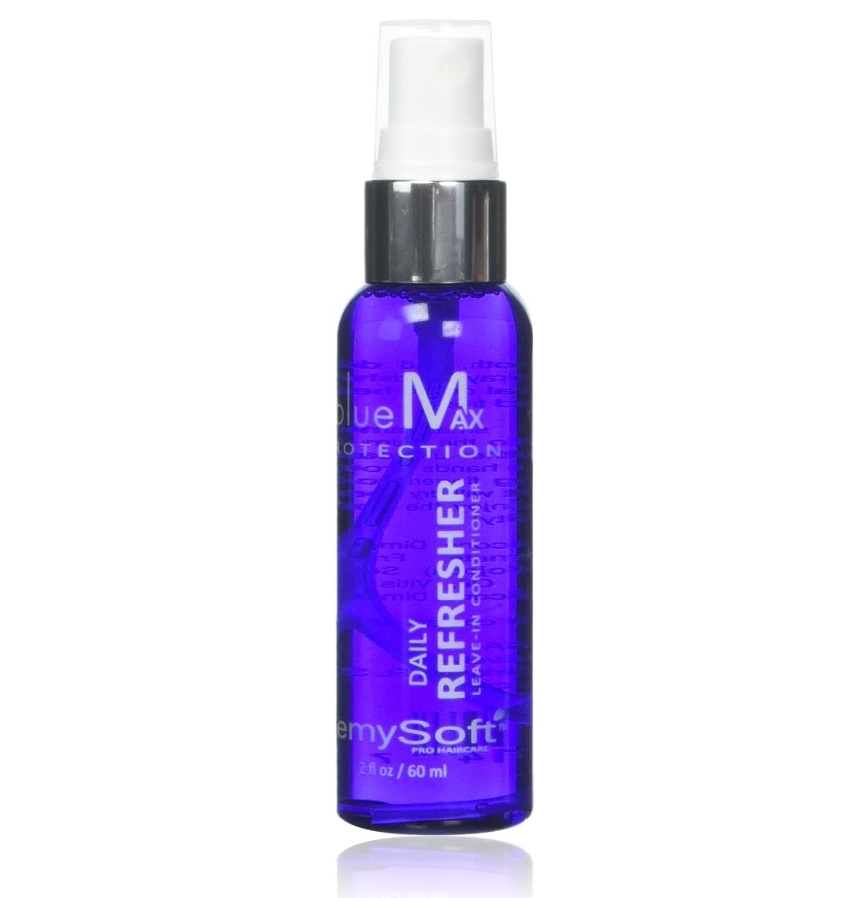
4. RemySoft BlueMax Daily Refresher

Best For: Synthetic Wigs 

Why It’s Great: Formulated with Jojoba oil, Macadamia nut oil, and silicone, this leave-in conditioner provides a protective barrier against sun damage and environmental stressors, making it perfect for outdoor use. It not greasy so it does not weigh the wig down.  It smooths and moisturizes synthetic wigs, giving them a healthy shine. Best to use after washing your wig by lightly spraying.

Available on: RemySoft blueMax Daily Refresher – Safe for Hair Extensions, Weaves and Wigs – Salon Formula Leave-in Conditioner https://amzn.to/4080p9r

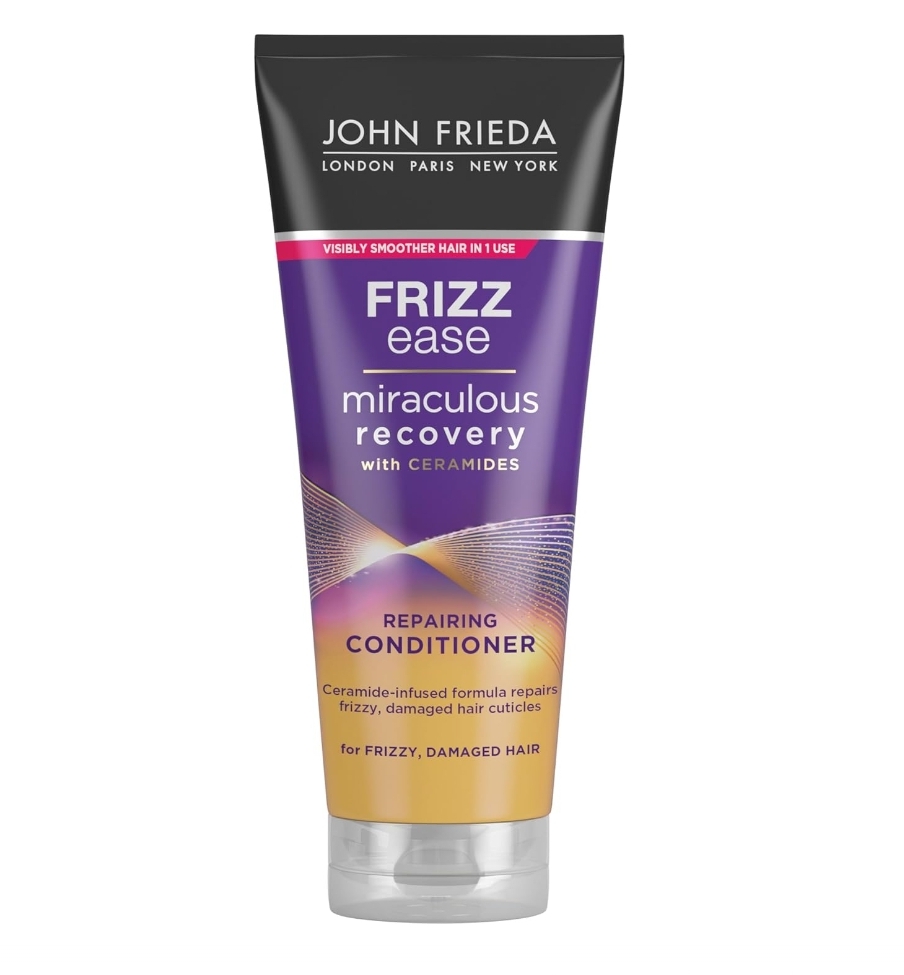
5. John Frieda Frizz Ease Daily Miracle Leave-In Conditioner

Best For: Frizz Control  and human hair.

Why It’s Great: A great option for taming frizz and adding moisture, Smooth, repair and comfort dry, damaged, frizzy hair in just one use. This anti-frizz conditioner, formulated with Ceramides and Anti-Damage Technology, nourishes hair and visibly repairs damage in one use. Frizzy hair, hair breakage and split ends are targeted at the cuticle layer for increased shine, manageability and protection against future damage.

Available on: John Frieda Frizz Ease Miraculous Recovery Repairing Conditioner 250ml, Smoothing Conditioner for Frizzy Hair https://amzn.to/3YaKdBv

How to Apply Leave-In Conditioner for Best Results

When applying a leave-in conditioner, focus on the mid-lengths and ends of the hair, where it tends to dry out and tangle. If you are experiencing iching this is because the hair exensions are extracting all the moisture from your scalp, so your scalp need moisturing.  You can add a little of he leave in conditioner to some water in a spray bottle and lightly spray your scalp.  Don’t over spray, the water and conditioner will do the job. The best way to thoroughly hydrate your hair if your scalp is really itchy is to  spray the conditioner evenly on damp hair, then use a really good hair extensions brush to brush through from roots to the end of your hair.

Conclusion

In conclusion, while we’ve highlighted these leave-in conditioners as perfect for maintaining the softness and longevity of hair extensions and wigs, they are equally beneficial for natural hair care. Leave-in conditioners offer daily moisture, help with detangling, and protect against heat styling and environmental damage. They coat the hair strands, adding shine and reducing frizz, which is essential for keeping all hair types in top condition.

Using a leave-in conditioner daily provides essential nutrients and hydration, ensuring that both natural and synthetic hair stays smooth, manageable, and healthy over time. Whether you’re maintaining extensions or your own locks, incorporating a leave-in conditioner into your routine is a simple way to keep your hair looking its best.

Unrolling the Truth: The Carbon Footprint of Your Toilet Paper

The Environmental Footprint of Toilet Paper: A Global Issue by Diane Shawe

During the pandemic, I remembered the aweful and funny scenes of people fighting over toilet paper. But on a more serious note, toilet paper is an essential part of daily life for millions of people worldwide. However, behind the convenience lies a significant environmental footprint that affects forests, water resources, and carbon emissions. The global use of toilet paper is staggering, and its impact on our planet is a growing concern.

Global Use of Toilet Paper

Every year, the world uses around 42 million tons of toilet paper. That equates to approximately 184 billion rolls, or enough toilet paper to stretch 22 billion kilometers—about 15 times the distance between the Earth and the sun. To put it in perspective, if all that toilet paper were laid out in a continuous sheet, it would cover an area of 2.2 million square kilometers—almost three times the size of France.

In fact, the sheer volume of toilet paper used globally could circle the Earth every 10 minutes or make the journey to the sun and back in just seven days. This extraordinary consumption has far-reaching environmental consequences that most people are unaware of.

The Environmental Impact of Toilet Paper

Producing 42 million tons of toilet paper each year requires vast amounts of natural resources, leaving a considerable environmental footprint:

  • 712 million trees: The production of toilet paper depends heavily on deforestation. Millions of trees are cut down each year to meet the demand, contributing to the loss of biodiversity, increased carbon emissions, and disrupted ecosystems.
  • 1,165 million tons of water: The manufacturing process for toilet paper is incredibly water-intensive. The pulp and paper industry uses vast amounts of water for processing and bleaching the paper, putting additional pressure on already scarce water resources in many parts of the world.
  • 78 million tons of oil: Beyond water and trees, the production and transportation of toilet paper require significant amounts of energy, primarily derived from fossil fuels. This leads to carbon emissions that further contribute to climate change.

The True Cost of Toilet Paper

Toilet paper may seem like a harmless necessity, but its environmental impact is profound. Every roll we use contributes to deforestation, water scarcity, and carbon emissions. With 42 million tons of toilet paper being consumed globally each year, the toll on the planet is growing.

Fortunately, there are ways to mitigate this impact. Opting for recycled or bamboo-based toilet paper can significantly reduce the number of trees cut down. Additionally, minimizing water and energy consumption in the production process and supporting companies that prioritize sustainability can help lessen the burden on our planet.

What Can You Do?

As consumers, we have the power to make more environmentally conscious choices. Here are some steps you can take to reduce your personal environmental footprint:

  1. Choose recycled toilet paper: Recycled toilet paper uses less energy, water, and raw materials compared to conventional paper made from virgin pulp.
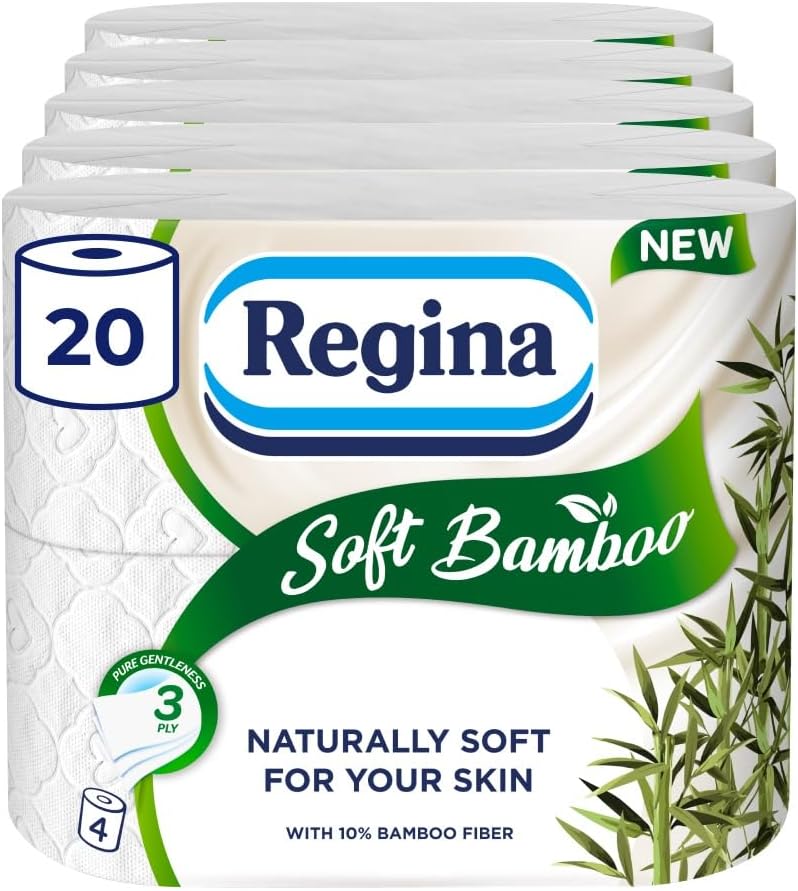
  2. Switch to bamboo toilet paper: Bamboo grows much faster than trees, making it a more sustainable and renewable resource for paper production. Order it here https://amzn.to/483yIjV

Use toilet paper more efficiently: Reducing excessive use of toilet paper can help decrease overall demand and slow down the environmental impact.

Support eco-friendly brands: Look for brands that are committed to sustainable practices, such as using chlorine-free bleaching processes or reducing packaging waste.

    Traditional Toilet Roll Manufacturers: Embracing Sustainability to Protect the Future

    Many traditional toilet roll manufacturers might fear that the growing demand for eco-friendly products could threaten their business. However, instead of seeing sustainable options like bamboo or recycled toilet paper as competition, manufacturers can view these as opportunities to innovate and protect their industry for the long term. By adopting sustainable practices, they can reduce their environmental footprint, meet changing consumer demands, and secure their place in an evolving market. they could for instance make a 6 year plan to totally switching over so that the financial implications are gradual.

    Switching to bamboo or recycled paper offers several benefits, both for the environment and for manufacturers:

    1. Reduced Deforestation
      Bamboo grows rapidly and regenerates after being harvested, making it a renewable resource compared to trees, which take decades to mature. By using bamboo as a raw material, toilet paper manufacturers can significantly reduce their reliance on tree logging, helping to combat deforestation while maintaining their production levels.
    2. Lower Water and Energy Usage
      Recycled toilet paper uses less water and energy during production compared to virgin paper made from freshly cut trees. This shift could reduce operating costs and help manufacturers comply with stricter environmental regulations in the future.
    3. Aligning with Consumer Trends
      Consumers are increasingly aware of the environmental impact of their purchases and are looking for sustainable alternatives. By offering eco-friendly toilet paper made from bamboo or recycled materials, traditional manufacturers can tap into this growing market and remain competitive.
    4. Carbon Footprint Reduction
      Transitioning to more sustainable materials can help manufacturers lower their carbon footprint by using fewer fossil fuels in the production process. This not only helps fight climate change but also positions companies as leaders in corporate social responsibility, improving their brand image.
    5. Financial Savings and Longevity
      While switching to alternative raw materials may require some initial investment, the long-term savings in raw material costs, reduced environmental impact, and increased consumer trust could far outweigh the initial expenses. Additionally, manufacturers who embrace sustainability early are more likely to future-proof their businesses against changing regulations and market demands.

    By embracing sustainable options like bamboo or recycled toilet paper, traditional manufacturers can continue to thrive while reducing their environmental impact. Rather than fearing the shift, they can lead the way, ensuring both the future of their industry and the health of the planet.

    Conclusion

    The environmental footprint of toilet paper is larger than most people realise, contributing to deforestation, water waste, and climate change. As global demand continues to rise, the need for more sustainable solutions becomes increasingly urgent. By making mindful choices and supporting eco-friendly alternatives, we can help reduce the environmental impact of this everyday product and take a step towards a more sustainable future.